Our verdict
On a narrow street in Rome's historic centro storico, Ristorante dai Pupi occupies the kind of address that Rome's dining scene has always reserved for neighbourhood regulars over passing visitors. The cooking sits within the city's trattoria-to-osteria tradition, where the rhythm of a meal matters as much as what arrives on the plate. A reference point for those who want Roman dining on its own terms.

Pearl is the En Primeur Club membership app, where members save venues, book tables and use the concierge.

The menu
What to order
- Spaghetti with Lobster
- Gran Plateau
- Pasta alla Norma
- Cannolo
A Street, a Room, a Ritual
Via Leccosa is the kind of Roman street that doesn't announce itself. It runs quietly through the Rione Ponte neighbourhood, a short walk from the Campo de' Fiori axis and the slower back corridors of Trastevere's orbit, but without either area's foot-traffic noise. Restaurants on streets like this tend to fall into two camps: tourist traps that rely on location, and places kept alive by locals who know exactly what they want and where to find it. Ristorante dai Pupi reads as the latter.
Rome's dining tradition is less about theatrical presentation and more about the structure of the meal itself. A proper Roman lunch or dinner follows a logic that most Northern European or American visitors initially underestimate: the antipasto is not optional, the primo is not a starter in the Anglo sense, and the secondo arrives when the kitchen decides it should. Pacing is set by the room, not the reservation clock. That rhythm, unhurried, sequential, grounded in the idea that eating is an event rather than a transaction, is what separates the city's neighbourhood restaurants from the faster, more interchangeable operations that crowd the tourist corridors near the Pantheon or the Trevi basin.
Where dai Pupi Sits in Rome's Dining Map
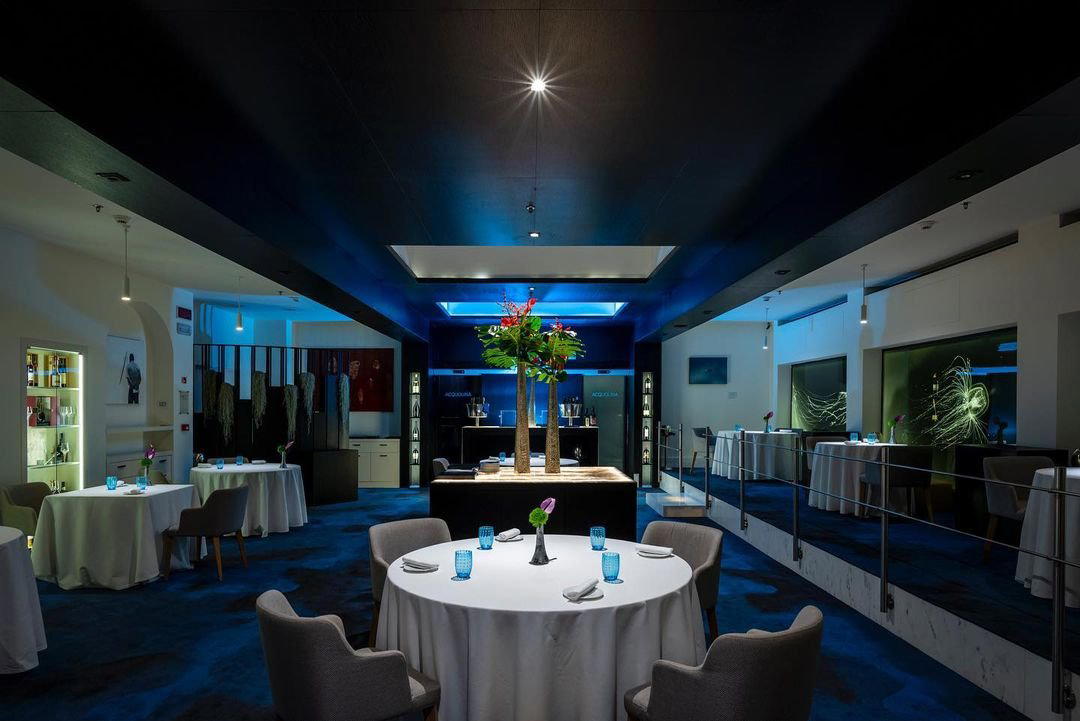
Rome's restaurant scene in the centro storico operates across a wide tier. At the formal end, rooms like La Pergola hold three Michelin stars and price accordingly, while creative-format restaurants such as Il Pagliaccio, Acquolina, Enoteca La Torre, and Achilli al Parlamento position themselves with tasting menus and produce-driven ambitions at the €€€€ tier. Below that, but in no way lesser, sits a stratum of neighbourhood restaurants that are not trying to be anything other than what they are: places that cook Roman food in Rome for people who live in or genuinely know the city.
That middle tier is where dai Pupi operates. Its Via Leccosa address places it physically close to some of Rome's most-visited monuments, but the restaurant's character belongs to the neighbourhood rather than the monument economy around it. This is a consistent pattern across Italian cities: the restaurants most worth finding are often the ones that don't need to be found by anyone in particular.
For a wider orientation across Rome's dining options, the EP Club Rome restaurants guide maps the city's key venues by neighbourhood and category.
The Customs of a Roman Table
Understanding how to eat at a place like dai Pupi matters more than knowing what to order. Roman restaurants at this level expect engagement with the full arc of the meal. Arriving with the intention of ordering only a main course is not technically forbidden, but it signals an unfamiliarity with the format that will be quietly noted. The menu structure here follows classical Roman sequencing: antipasti, which in Rome tend toward cured meats, supplì, and seasonal vegetables; primi, where pasta carries most of the kitchen's identity (cacio e pepe, amatriciana, coda alla vaccinara as a ragu variant depending on season); and secondi that lean toward Roman offal tradition or the slow-cooked meat preparations the city does well.
The wine list at a restaurant of this type is typically organised around Lazio producers, with house wine available by the carafe as a default rather than an afterthought. Asking for the house white or red is not a concession in Rome; it's often the correct move, since carafe wines here are sourced with the food in mind.
This approach to the meal as ritual rather than service transaction is something Italian dining shares with a small number of other food cultures worldwide. The tasting menu format that defines the ambitions of restaurants like Osteria Francescana in Modena, Le Calandre in Rubano, or Piazza Duomo in Alba imposes its own sequencing on the diner. A neighbourhood trattoria like dai Pupi asks something different: that the guest brings their own patience and lets the kitchen set the pace.
Seasonal Logic and the Roman Kitchen
Roman cooking tracks the seasons more literally than most visitors expect. The city's market infrastructure, centred on Campo de' Fiori and the neighbourhood mercati rionali, feeds restaurants at every price point with produce that changes week by week. A restaurant like dai Pupi, operating without the international supply chains that support larger hotel restaurants, tends to cook what is available rather than what is on a static menu. This means the pasta sauces, the vegetable preparations, and the secondi shift through the year in ways that are worth knowing before you visit.
Spring brings artichokes in the Roman style, either alla giudia (deep-fried flat, from the Jewish Ghetto tradition) or alla romana (braised with garlic and mint). Summer moves toward tomato-heavy preparations and cold antipasti. Autumn shifts the kitchen toward porcini, game, and the slow-cooked legume soups that Roman households have relied on for centuries. Winter is offal season in earnest: trippa, pajata, and the cuts that define cucina povera at its most technically demanding.
Italy's broader restaurant tradition at this level finds parallels in rooms like Dal Pescatore in Runate, Uliassi in Senigallia, or Quattro Passi in Marina del Cantone, all of which operate with a strong regional identity and resist the internationalisation that has softened many city-centre restaurants. Dai Pupi belongs to the same instinct applied at neighbourhood scale.
Know Before You Go
| Address | Via Leccosa, 59, 00186 Roma, Italy |
|---|---|
| Neighbourhood | Rione Ponte, central Rome |
| Booking | Booking policy not confirmed; walk-in availability varies by season |
| Price | Price range not confirmed; neighbourhood trattoria tier likely |
| Hours | Hours not confirmed; verify directly before visiting |
| Getting There | Accessible on foot from Campo de' Fiori and Piazza Navona; nearest tram stops on Corso Vittorio Emanuele II |
Frequently asked questions
What part of town is Ristorante dai Pupi in?
Ristorante dai Pupi is located at Via Leccosa, 59, 00186 Roma RM, Italy, Rome.
How does dining at Ristorante dai Pupi on Via Leccosa compare to Rome's award-listed restaurants?
Dai Pupi operates in Rome's neighbourhood trattoria tier, set apart from award-tracked rooms like La Pergola or Enoteca La Torre by format and intent rather than quality of ingredient sourcing. Via Leccosa in Rione Ponte places the restaurant within walking distance of Campo de' Fiori's market supply chain, which feeds the seasonal logic that defines serious Roman cooking at this level. The draw here is participation in a local dining ritual, not a tasting menu format.
What's the signature dish at Ristorante dai Pupi?
No single dish has been confirmed as a marquee item through EP Club's verified data. Within Rome's trattoria tradition on streets like Via Leccosa, the pasta course is where kitchens of this type establish their identity, cacio e pepe, carbonara, and amatriciana being the canonical benchmarks against which any Roman table is measured.
Should I book Ristorante dai Pupi in advance?
For any centro storico address in Rome, booking ahead is the practical choice for a specific evening, regardless of the venue's profile. Rione Ponte restaurants near Campo de' Fiori attract both neighbourhood regulars and visitors, which means tables at smaller rooms fill faster than their low-key presence suggests.
What's the signature at Ristorante dai Pupi?
The kitchen's identity sits within Rome's trattoria tradition rather than a single marquee dish. At addresses like dai Pupi on Via Leccosa, the pasta course carries the most weight as a signal of the kitchen's fidelity to Roman technique, that is where a regular would tell you to focus your attention.
Same-City Peers
Comparable venues nearby, for context on price, style, and recognition.
| Venue | Cuisine | Price | Notes |
|---|---|---|---|
| Ristorante dai PupiThis venue (the venue you are viewing) | Sicilian Seafood | $30–50 | Not listed |
| Ma Va' | Vegan Roman | $20–30 | Monte Mario |
| Nino Restaurant | Traditional Tuscan-Roman | $30–50 | Campo Marzio |
| Ristorante Pancrazio | Traditional Roman Trattoria | $30–50 | Parione |
| ViMi Ristorante | Traditional Italian Trattoria | $30–50 | Ripa |
| Ar Monte Testaccio | Roman-Salento Italian with Pizza | $30–50 | Testaccio |
Continue exploring
More in Rome
Restaurants in Rome
All restaurants in Rome →
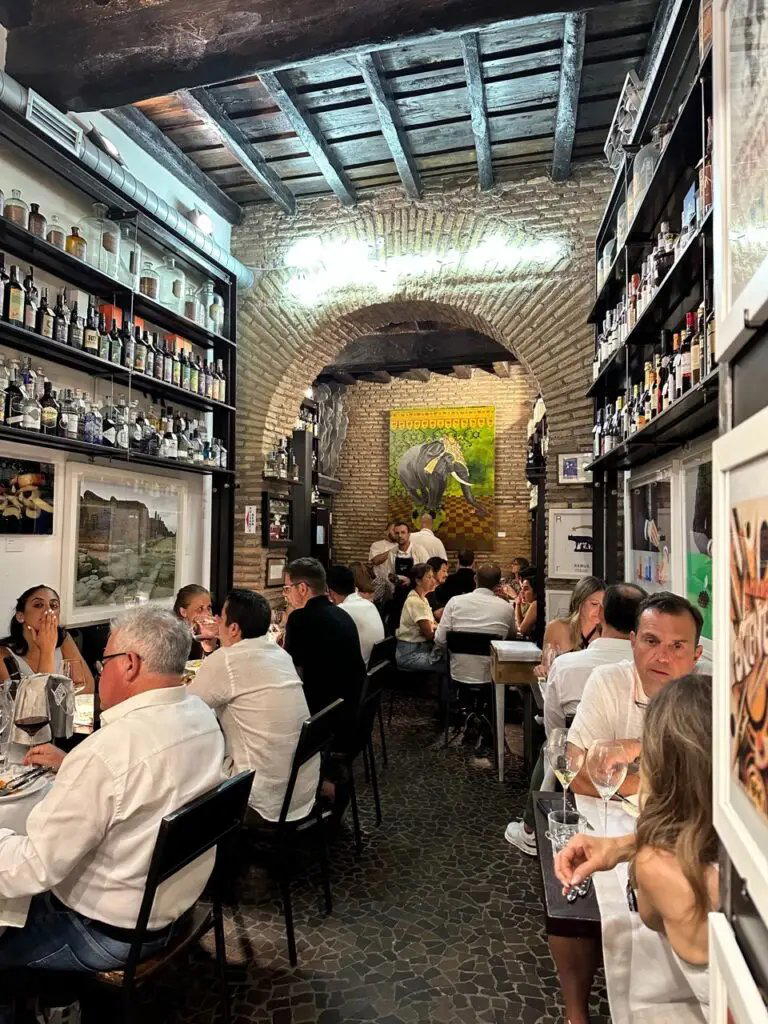
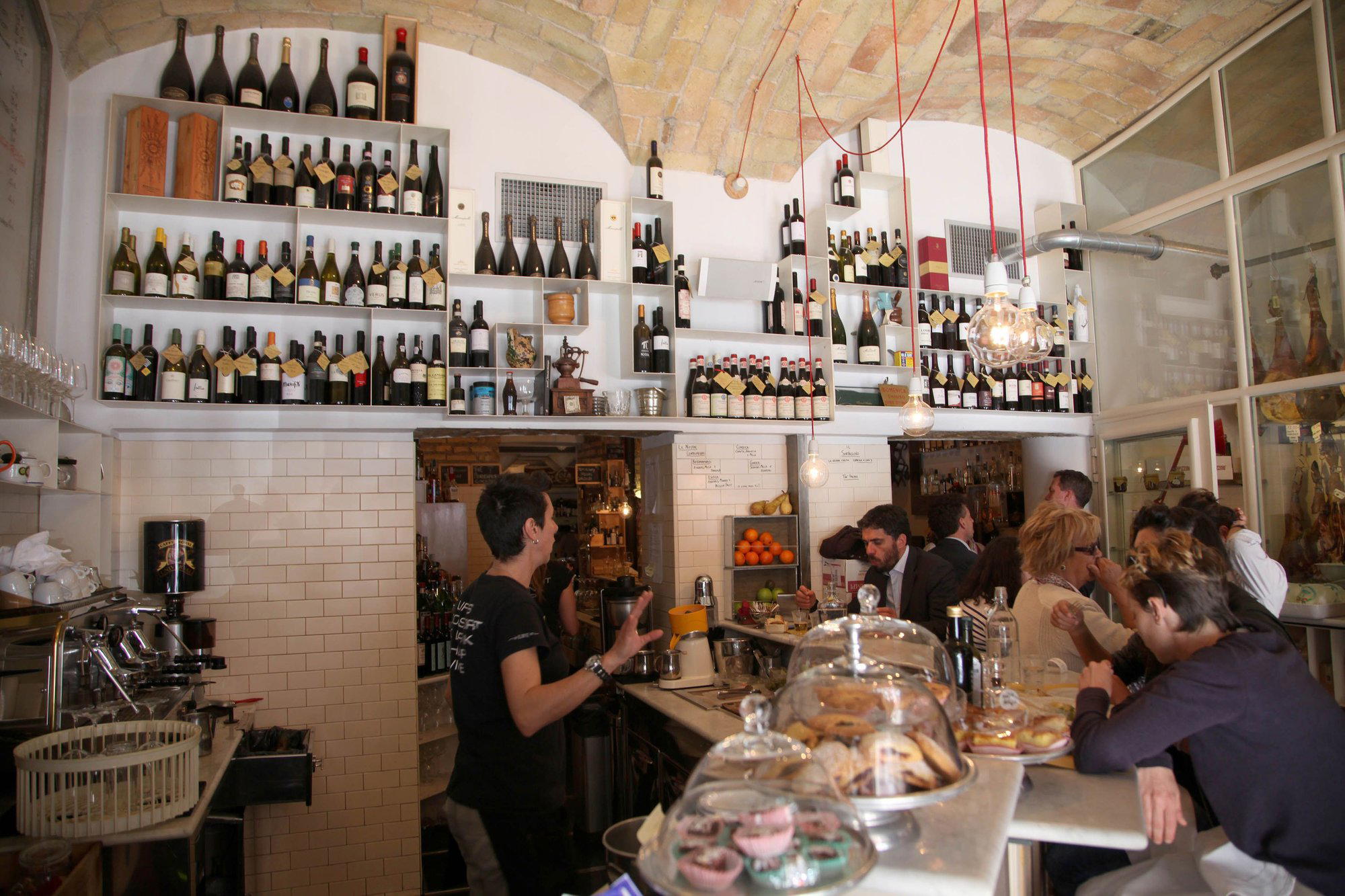
Bars in Rome
All bars in Rome →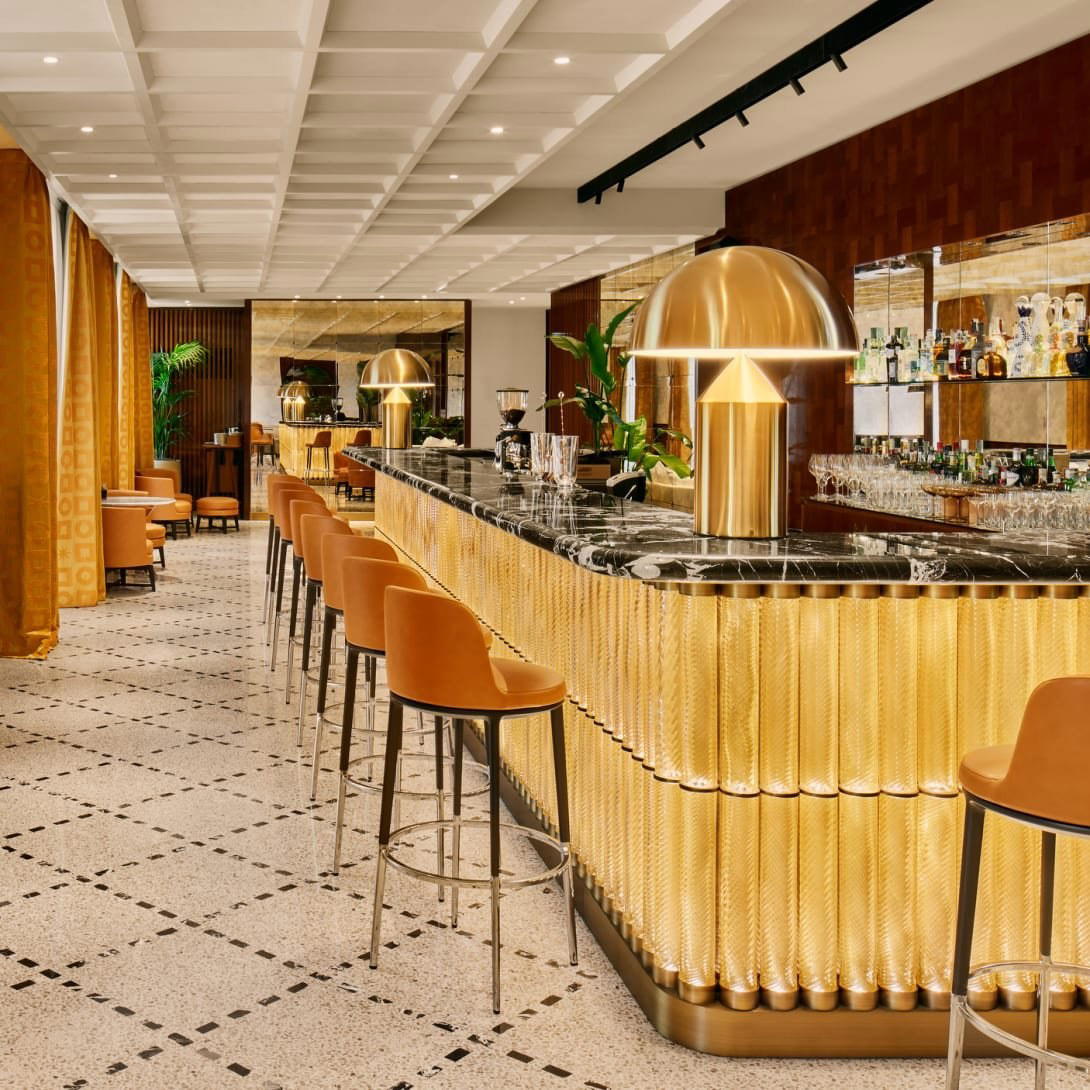
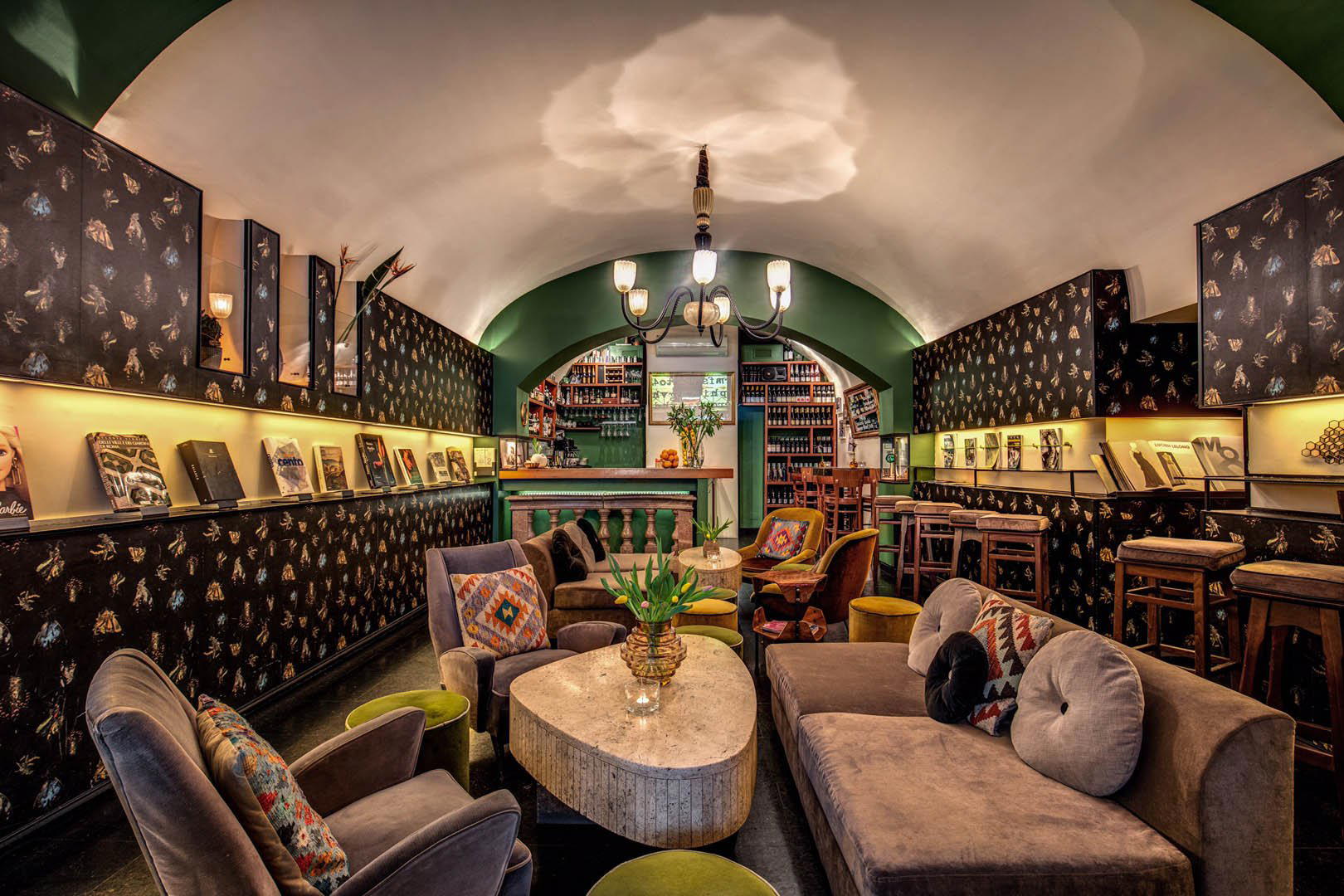
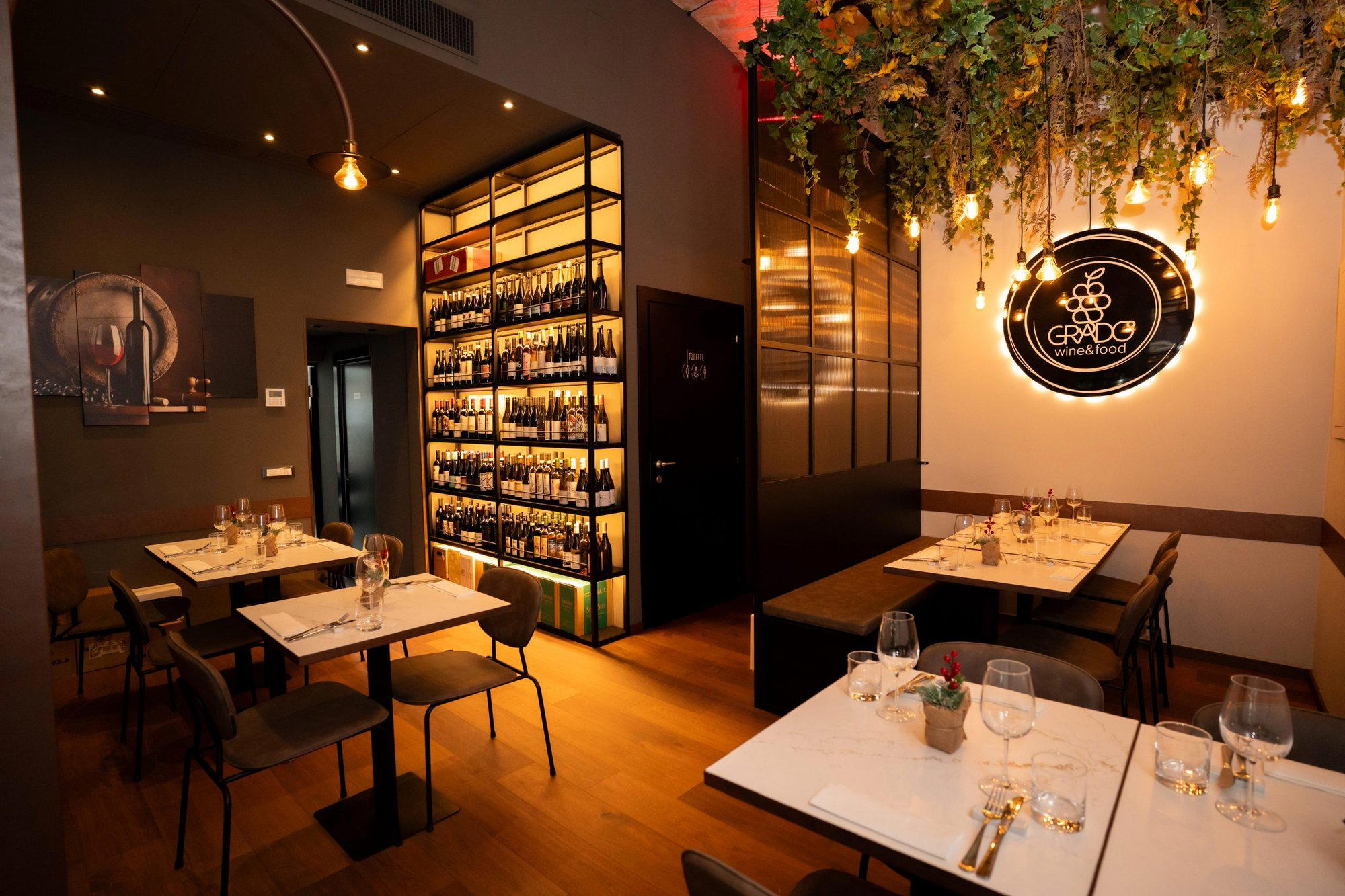
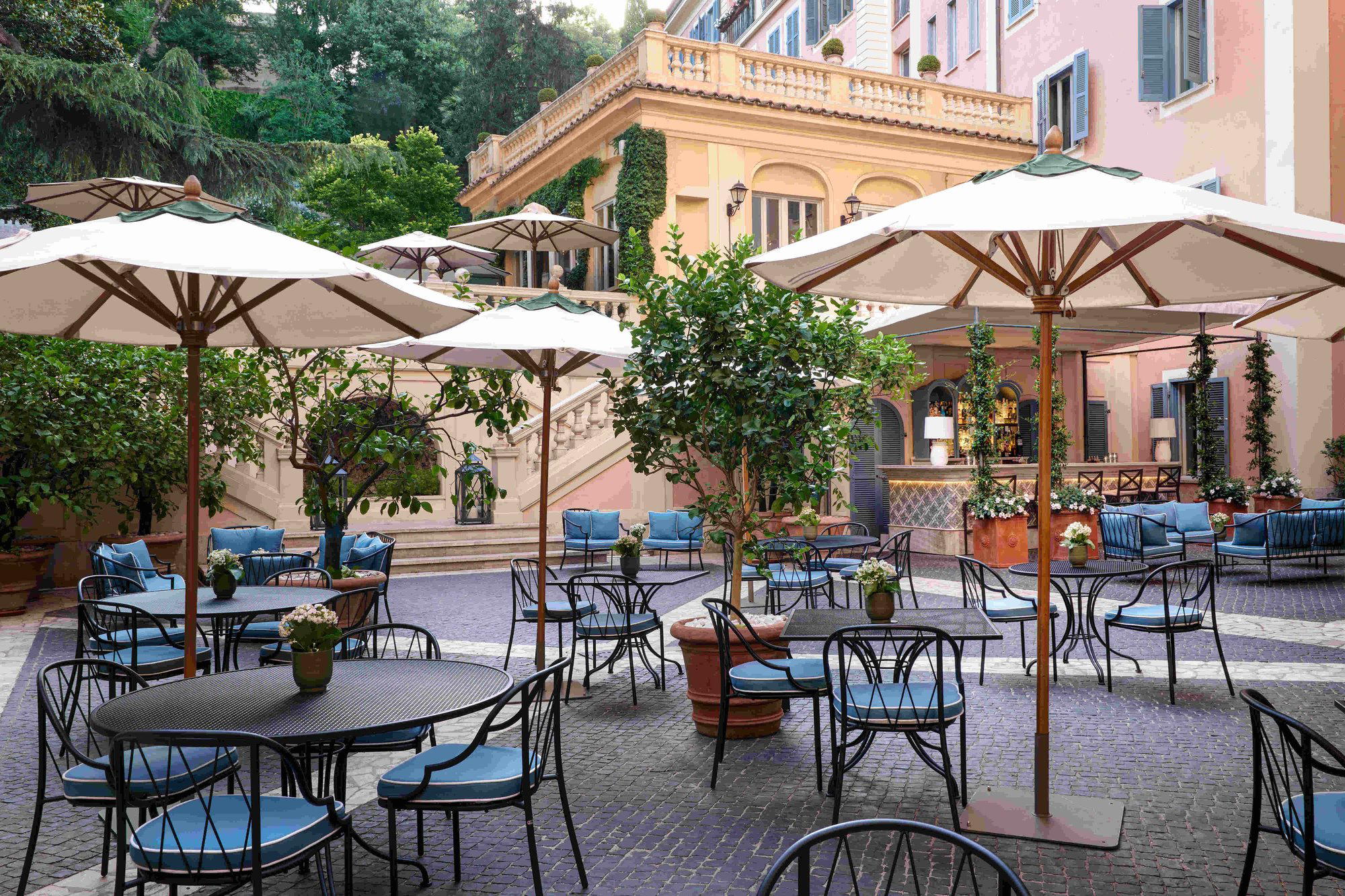
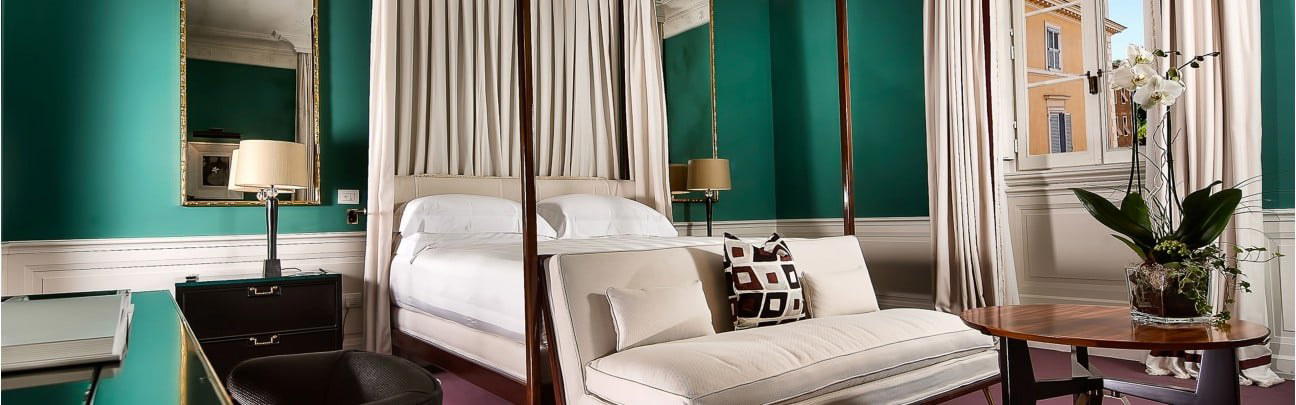
Hotels in Rome
All hotels in Rome →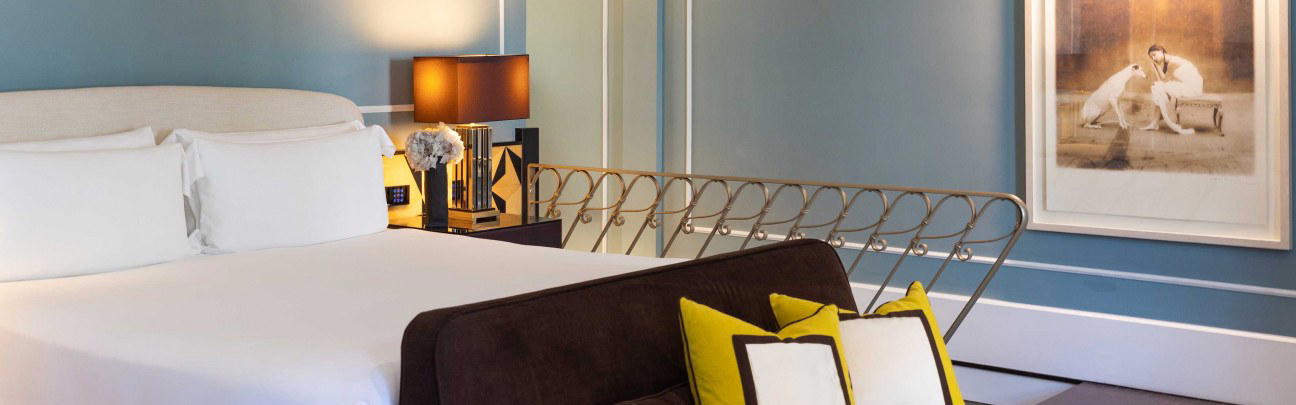

Details
- Cozy
- Rustic
- Intimate
- Classic
- Date Night
- Special Occasion
- Historic Building
- Extensive Wine List
- Street Scene
- A La Carte
- Vegetarian Friendly
Current opening hours
- Monday
- 7–10:30 PM
- Tuesday
- 7–10:30 PM
- Wednesday
- 12:30–2:30 PM, 7–10:30 PM
- Thursday
- 12:30–2:30 PM, 7–10:30 PM
- Friday
- 12:30–2:30 PM, 7–10:30 PM
- Saturday
- 12:30–2:30 PM, 7–10:30 PM
- Sunday
- 12:30–2:30 PM, 7–10:30 PM
Hours can change for holidays and private events. Hours as of .
Accogliente (welcoming) environment with a cozy, rustic atmosphere inspired by Sicilian traditions.