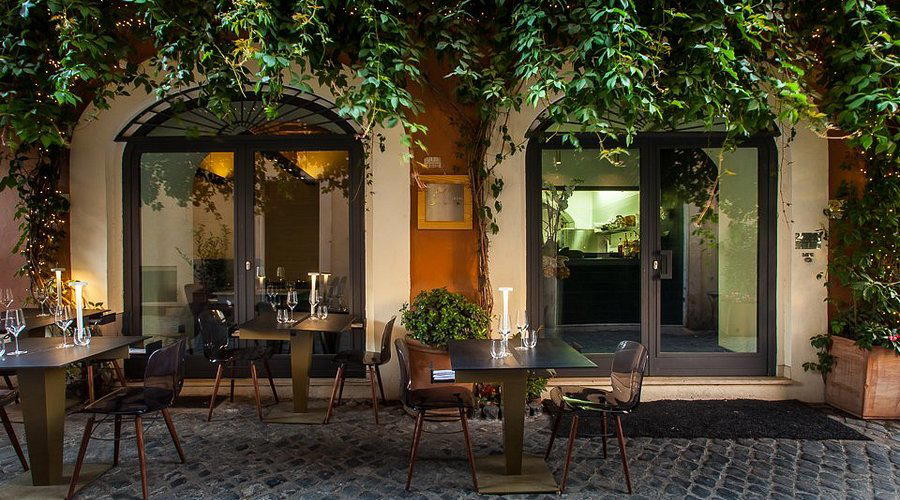
Trattoria da Lucia occupies a narrow vicolo in Trastevere, the kind of address where Roman trattoria culture has persisted largely unchanged for decades. The kitchen runs on the neighbourhood's traditional repertoire, and the room carries the low-key, no-theatre energy that defines the better end of the city's informal dining tier. Reservations are advisable, particularly on weekend evenings when the vicolo fills early.
Pearl is the En Primeur Club membership app — saves, bookings, and concierge access live there. Same editors, same standards.
- Address
- Vicolo del Mattonato, 2b, 00153 Roma RM, Italy
- Phone
- +393965803601
- Directions
- Get directions
 Saves & bookings on Pearl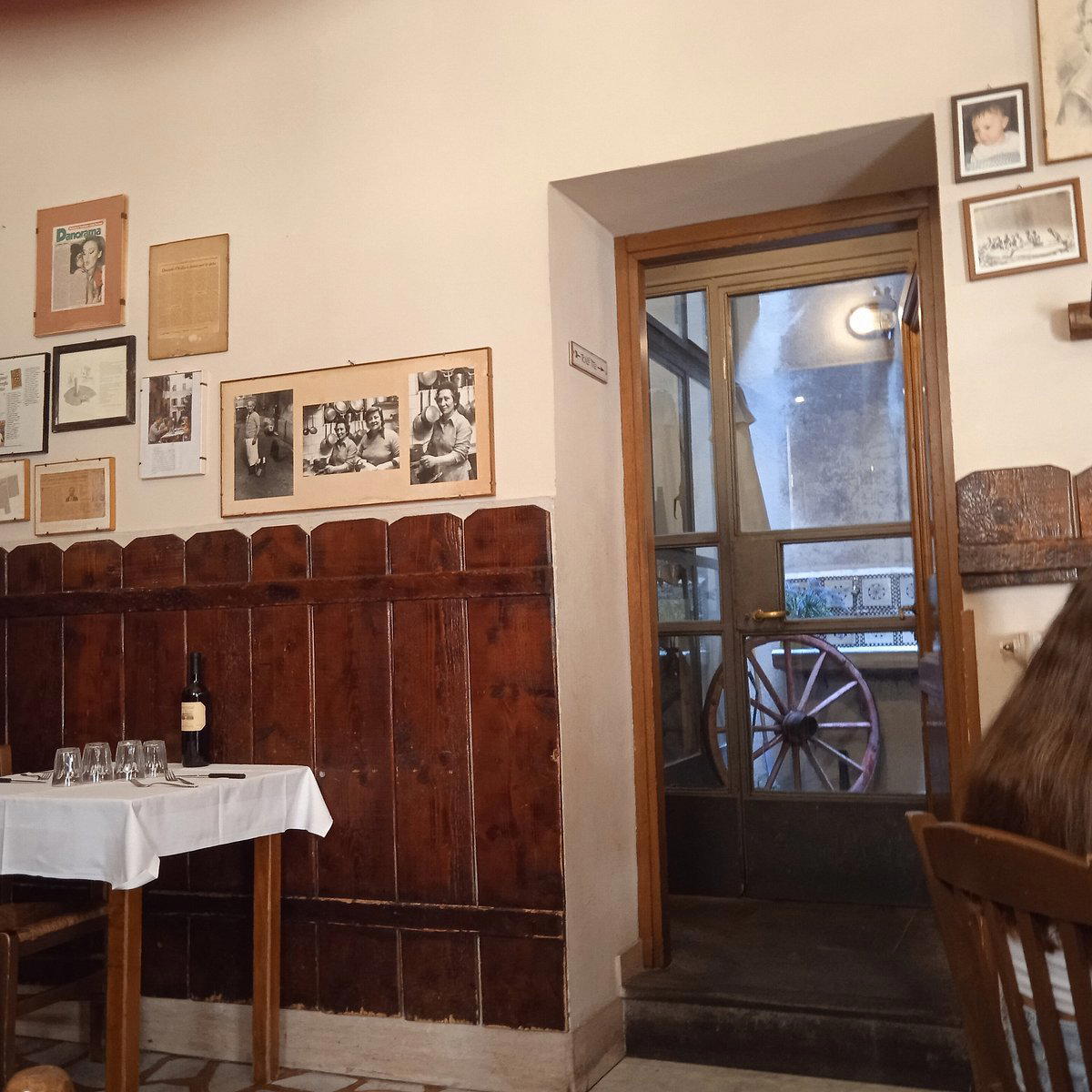
A Vicolo, a Room, and the Logic of Roman Trattoria Dining
Vicolo del Mattonato sits inside Trastevere, one of Rome's oldest residential quarters and the neighbourhood most consistently associated with the city's trattoria tradition. The alley is narrow enough that outdoor tables essentially occupy the whole street, and arriving on foot in the early evening, with the stone walls holding the last warmth of the afternoon and the sound of cutlery and conversation spilling from open doors, you get a clear picture of what this format is supposed to feel like before you even sit down. It is the kind of physical setting that shapes expectations before a single dish arrives.
That atmospheric grammar matters, because the Roman trattoria is a specific and fairly demanding form. It operates on the assumption that the room, the food, and the price exist in a particular relationship with the neighbourhood around them. When that relationship holds, the experience reads as authentic in the way that well-worn things do. When it breaks, the same address can feel like a stage set. Trattoria da Lucia has occupied this address long enough that the question is not novelty but continuity.
Where the Trattoria Sits in Rome's Dining Tier
Rome's restaurant offer runs across several clearly distinct tiers. At one end, a small number of high-investment creative kitchens, including La Pergola, Acquolina, Enoteca La Torre, Il Pagliaccio, and Achilli al Parlamento, operate with tasting menus, sourcing programmes, and price points that align them with the broader Italian fine dining circuit. You can find comparable ambition at Osteria Francescana in Modena, Piazza Duomo in Alba, or Enoteca Pinchiorri in Florence. Trattoria da Lucia occupies none of that space. It belongs to the informal tier, where the repertoire is fixed by tradition rather than by a chef's evolving creative agenda, and where the measure of quality is fidelity to that tradition rather than departure from it.
Within Trastevere specifically, the informal tier is crowded. The neighbourhood draws enough tourist traffic that weak operations can survive on footfall alone, which means the better trattorias hold a relative position by doing the fundamentals with more consistency and less compromise. Trattoria da Lucia's address on a quieter vicolo rather than a main pedestrian artery is itself a mild filter: the walk there is short but deliberate enough that the room tends to fill with people who looked it up rather than people who walked past.
The Sensory Register: What You Notice When You Arrive
The Trastevere trattoria at its better end works through accumulation of small, unremarkable things that together produce a distinctive atmosphere. The smell of a kitchen running on rendered guanciale and olive oil arrives before the food does. The acoustic level in a fully occupied room is high enough that conversation stays local, at the table rather than across the room. Surfaces are worn in ways that suggest use rather than design. The light is warmer and lower than in the city's more contemporary dining rooms.
This sensory register is not distinctive to any single address; it is the register of the format across its better examples in Rome and in comparable cities with embedded trattoria traditions, from the neighbourhood restaurants of Bologna to the more traditional end of Florentine dining. What it communicates is that the kitchen's priorities are directed at the food rather than at the room. Whether that communication is accurate at any given trattoria depends on what arrives at the table, but the grammar is legible and consistent.
Internationally, the contrast with other informal dining traditions is instructive. The relaxed authority of this format has more in common with the neighbourhood bistro in Paris or a well-kept izakaya in Tokyo than with the open-kitchen, produce-display aesthetic that dominates contemporary casual dining in London or New York. It is a format built on restraint of presentation and confidence in the product, at its leading demonstrated by places like Dal Pescatore in Runate, which occupies a different price tier but shares a similar philosophical grounding in place and tradition.
Roman Cuisine in This Context
The traditional Roman kitchen is built on a relatively small number of dishes that recur across the city's trattorias with variations in quality rather than in kind. Cacio e pepe, carbonara, amatriciana, coda alla vaccinara, saltimbocca: the repertoire is known, which means the margin of competitive differentiation is narrow and technical. Execution depends on the quality of the guanciale, the age and blend of the pecorino, the cook on the pasta, and the temperature at which things arrive. These are not invisible variables; anyone who has eaten the dish in several places in Rome can place a kitchen's version within a range.
The same logic applies across Italy's stronger regional traditions. The three-Michelin-starred kitchens at Uliassi in Senigallia, Le Calandre in Rubano, or Reale in Castel di Sangro work within or against regional tradition at a different register of investment and ambition. The trattoria's job is different: it is to hold the tradition at an informal price point without cutting corners that the diner can taste. That is a harder task to assess from the outside than a tasting menu with a named chef and a known award history.
For readers building a broader Italian itinerary, the contrast between Rome's trattoria tradition and the creative Italian cooking found at Enrico Bartolini in Milan, Quattro Passi in Marina del Cantone, or Atelier Moessmer Norbert Niederkofler in Brunico is part of what makes Rome's informal dining tier worth understanding on its own terms. Our full Rome restaurants guide maps both ends of that spectrum.
Planning a Visit
Know Before You Go
- Address: Vicolo del Mattonato, 2b, Trastevere, Rome
- Booking: Booking is recommended.
- Leading approach: On foot from Trastevere's main squares; the vicolo is a short walk from Piazza di Santa Maria in Trastevere
- Timing note: Weekend evenings fill the neighbourhood significantly; midweek lunch typically offers a quieter room and more consistent pacing
- Hours: Mon: Closed; Tue: 12:30–11 PM; Wed: 12:30–3 PM, 7:30–11 PM; Thu: 12:30–3 PM, 7:30–11 PM; Fri: 12:30–3 PM, 7:30–11 PM; Sat: 12:30–3 PM, 7:30–11 PM; Sun: 12:30–3 PM.
Price and Recognition
Comparable venues nearby, for context on price, style, and recognition.
| Venue | Cuisine | Price | Notes |
|---|---|---|---|
| Trattoria da LuciaThis venue — the venue you are viewing | Trastevere, Traditional Roman Trattoria | $$ | Not listed |
| La Reginella d'Italia | San Angelo, Roman-Jewish Trattoria | $$ | Not listed |
| Monzù Vladì | Trastevere, Creative Regional Italian | $$ | Not listed |
| Ar Monte Testaccio | Not listed | $$ | Testaccio, Roman-Salento Italian with Pizza |
| Misticanza | Not listed | $$ | Appio-Latino, Italian Vegetarian Nouvelle Cuisine |
| Bottega Ciccone | Trastevere, Traditional Roman Italian | $$ | Not listed |
Continue exploring
More in Rome
Restaurants in Rome
Browse all →
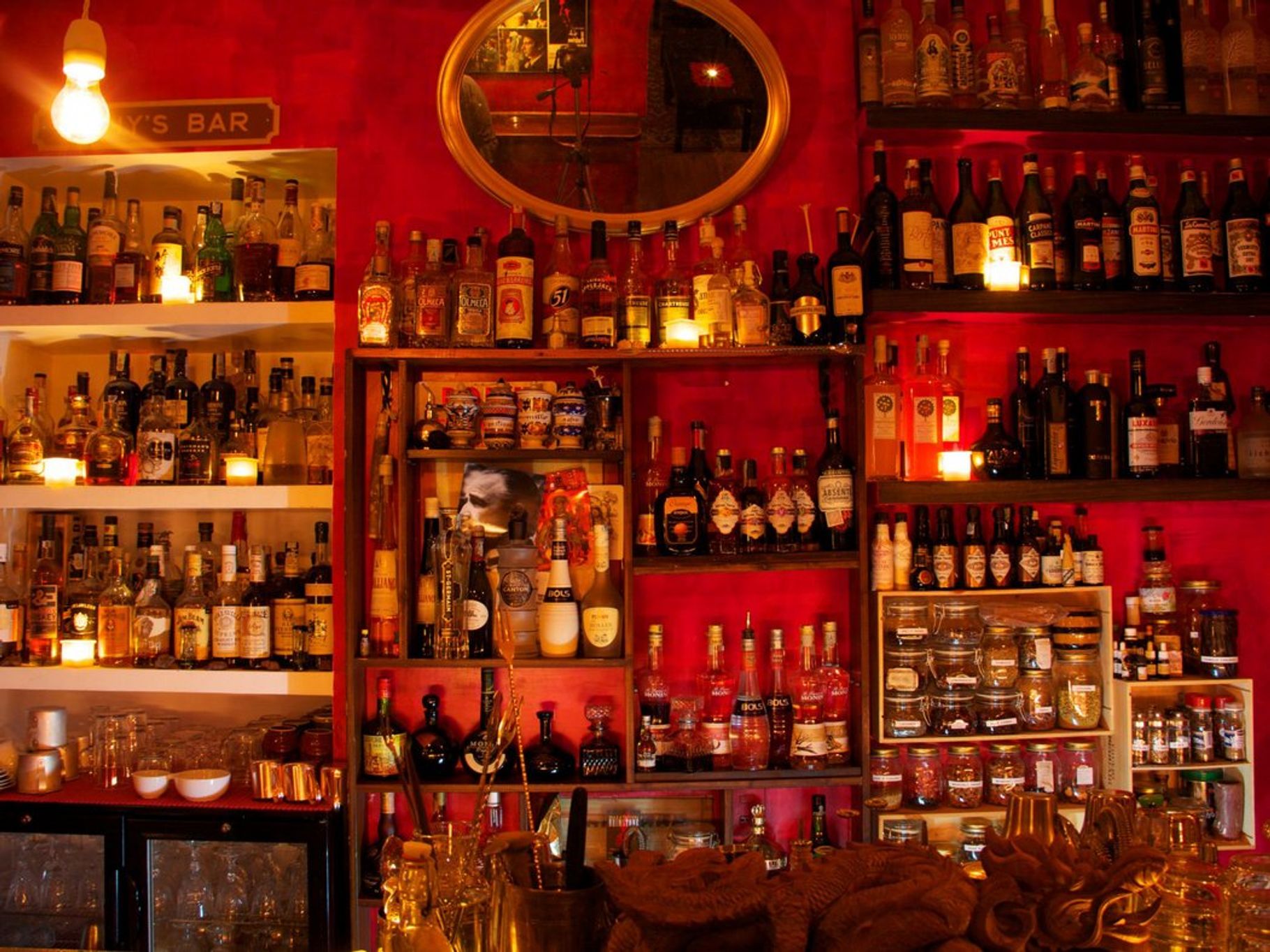
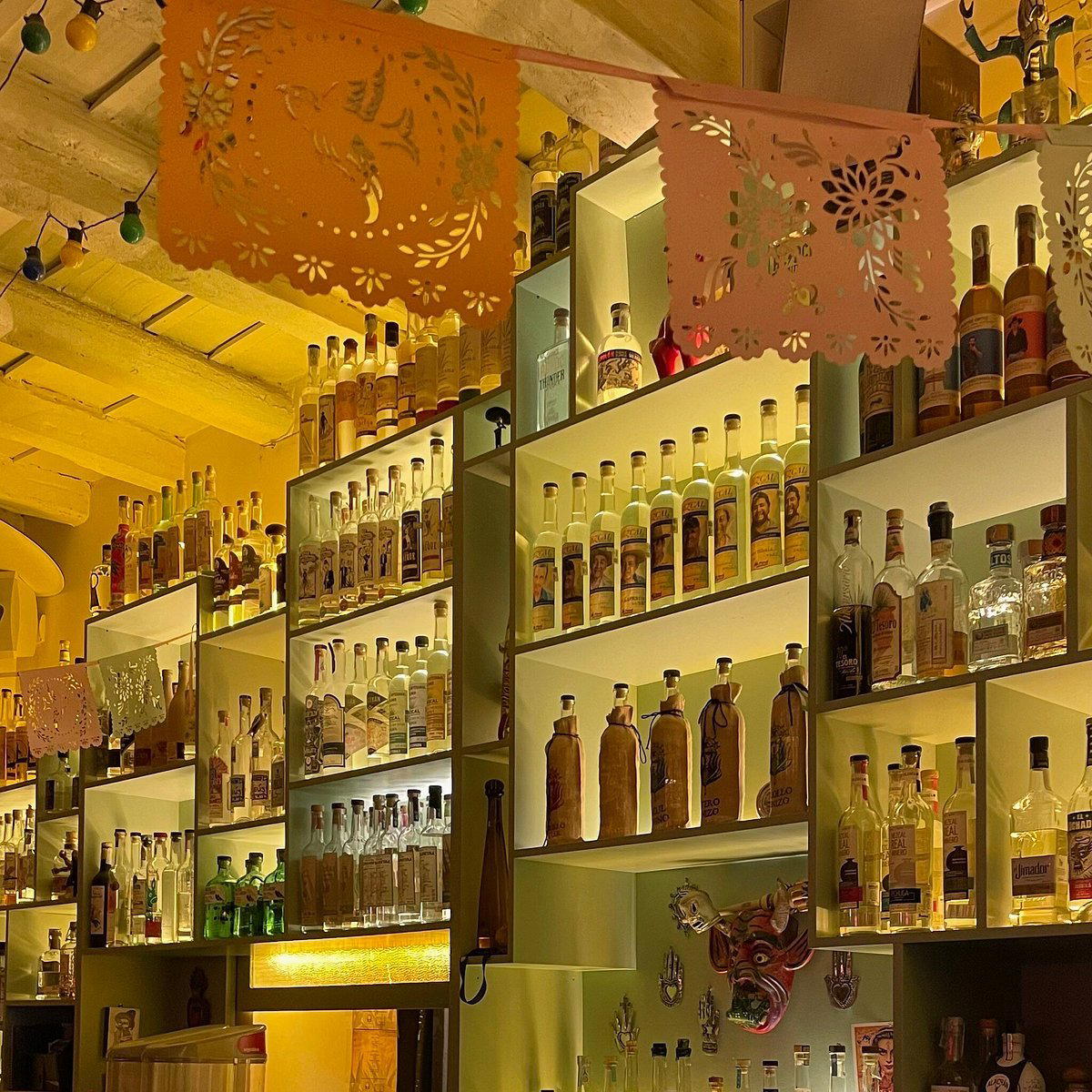
Bars in Rome
Browse all →
Hotels in Rome
Browse all →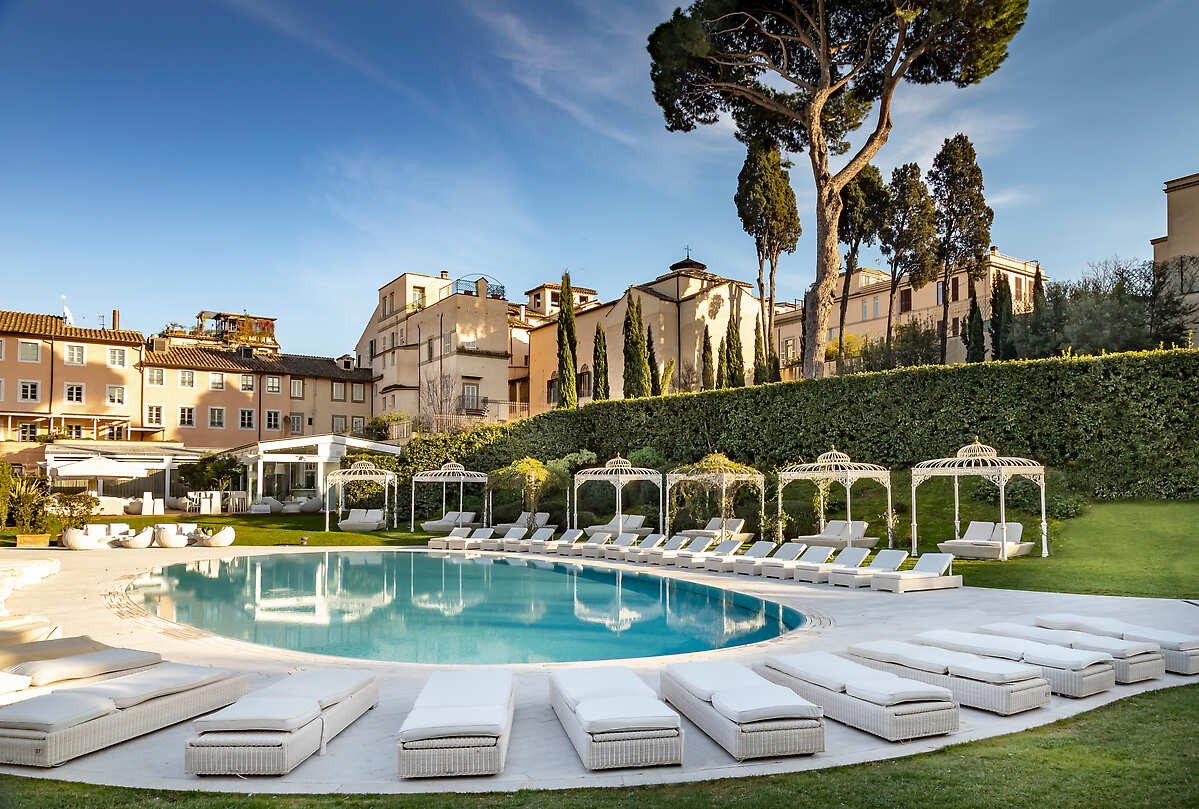

At a Glance
- Rustic
- Cozy
- Classic
- Casual Hangout
- Family
- Historic Building
Current opening hours
- Monday
- Closed
- Tuesday
- 12:30–11 PM
- Wednesday
- 12:30–3 PM, 7:30–11 PM
- Thursday
- 12:30–3 PM, 7:30–11 PM
- Friday
- 12:30–3 PM, 7:30–11 PM
- Saturday
- 12:30–3 PM, 7:30–11 PM
- Sunday
- 12:30–3 PM
Hours can change for holidays and private events. Last verified .
Vintage and charming with an old Rome feel, photos on walls, cozy family atmosphere on a calm street.