Coffee Hanyakbang
Where Seoul's Herbal Past Meets Its Coffee Present There is a particular kind of Seoul neighbourhood that resists the standard foreigner itinerary: not the polished streets of Cheongdam-dong, not the gallery-dense lanes of Samcheong-dong, but...
 Discover on Pearl
Pearl is the En Primeur Club membership app — saves, bookings, and concierge access live there. Same editors, same standards.
Where Seoul's Herbal Past Meets Its Coffee Present
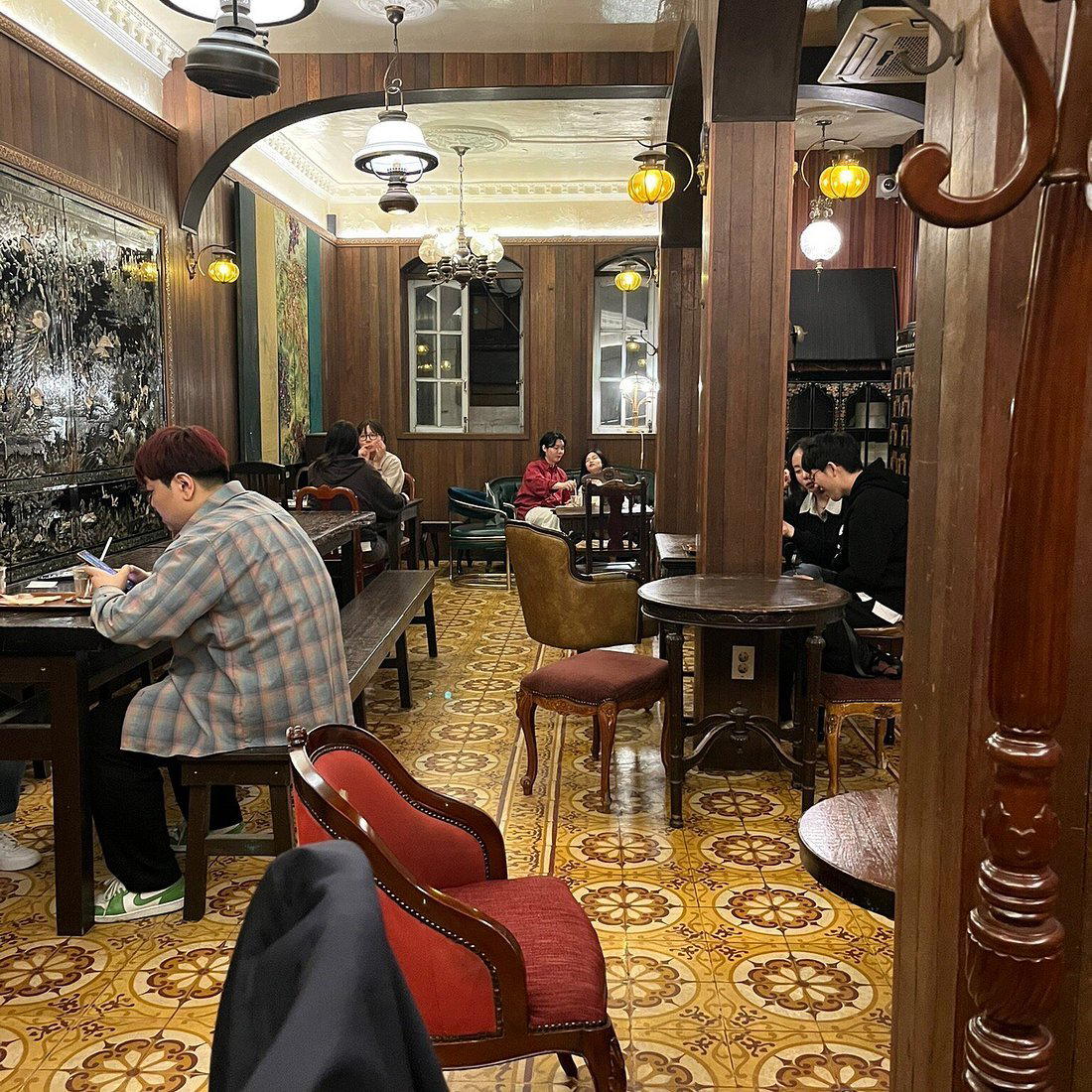
Coffee Hanyakbang is a specialty hand-drip coffee cafe in Seoul with a $5 price point and a 4.5 Google rating. There is a particular kind of Seoul neighbourhood that resists the standard foreigner itinerary: not the polished streets of Cheongdam-dong, not the gallery-dense lanes of Samcheong-dong, but somewhere older and less legible to outsiders, where the built environment still carries traces of a pre-industrialised city. Coffee Hanyakbang occupies that kind of territory. The name itself is the first signal, hanyakbang (한약방) means a traditional herbal medicine shop.
Seoul's specialty coffee culture has matured considerably over the past decade. The early wave of third-wave cafes concentrated in Itaewon and Mapo; a second wave pushed into Seongsu-dong and Mangwon. The current moment is more diffuse and more confident, with operators choosing locations and concepts that express specific neighbourhood identities rather than broad trend-following. Coffee Hanyakbang fits that pattern. Its positioning within the semantic and physical register of traditional Korean pharmacy culture places it in a niche cohort of Seoul cafes that treat Korean material culture as a design grammar, not a costume.
The Neighbourhood Frame
Seoul's older commercial districts retain a layered quality that newer developments lack. The presence of hanyakbang-adjacent vocabulary in a cafe's identity points toward one of these areas: places where the street-level mix still includes hardware suppliers, small-batch food producers, and businesses that have occupied the same address for thirty or forty years. These neighbourhoods are increasingly attractive to independent food and beverage operators who want to root their concept in an existing sense of place rather than manufacture atmosphere from scratch.
That choice carries consequences for the visitor. Cafes embedded in these districts tend to draw a different midday crowd than those in Gangnam or Insadong, neighbourhood regulars alongside the deliberate visitors who have made the journey specifically. The physical experience of arriving matters: the street leading to the cafe is part of the proposition, not just the interior. For a cafe that borrows its name from a traditional apothecary, the surrounding context reinforces the concept in ways that a more generically commercial address would undermine.
This is the logic that separates place-specific concepts from chain-format thinking. Seoul's most considered independent cafes have understood this for several years now, and the city's coffee culture is better for it. For visitors cross-referencing Seoul's fine dining scene, the same appetite for locational specificity appears at the upper end: Mingles and Kwonsooksoo both operate from addresses chosen for meaning as much as footfall, while Jungsik and Soigné demonstrate how Seoul operators at the innovative end of the market use space deliberately. The cafe world is catching up to that sensibility.
The Herbal Coffee Concept in Korean Food Culture
The convergence of traditional Korean pharmacy culture and specialty coffee is less surprising than it first appears. Korean wellness traditions have always been organised around flavour: the bitterness of ssanghwa-tang, the earthy depth of yujacha, the aromatic warmth of sikhye. These are complex, considered beverages. Specialty coffee, with its emphasis on origin, processing, and extraction discipline, arrives into a culture that already has a sophisticated vocabulary for appreciating bitter, aromatic, and subtly sweet drinks.
Cafes that consciously draw on the hanyakbang aesthetic tend to extend that logic into their offerings: ingredients associated with Korean herbal medicine (omija, ssuk, doraji, yuja) appearing alongside or within coffee preparations. The tradition itself is credible and interesting, whatever the specific execution.
For context on how Korean culinary concepts translate internationally, Atomix in New York and Le Bernardin in the same city represent opposite poles of how Korean and Western fine dining legacies interact outside Korea, useful reference points for understanding why Korean food culture, at every price tier, invites this kind of conceptual layering.
Placing Coffee Hanyakbang in Seoul's Cafe Tier
Seoul's independent cafe market occupies a wide range. At one end: high-volume, Instagram-legible spaces in tourist-adjacent neighbourhoods. At the other: small, considered operations that trade on concept depth and product quality, drawing visitors who treat a cafe visit as an intentional act rather than an incidental one. Coffee Hanyakbang's name positions it firmly toward the latter. Concepts built around a specific cultural reference, especially one as precise as the traditional herbal pharmacy, tend to attract visitors with prior knowledge of or curiosity about Korean material culture. That self-selection shapes the atmosphere as much as the interior design does.
The broader Korean dining and cafe scene outside Seoul offers useful contrast. Mori in Busan and Badang Lounge in Jeju demonstrate how Korean food and drink concepts adapt to regional identity outside the capital. Within Seoul, the innovative dining tier represented by alla prima shows a parallel appetite for concept-driven formats across different meal occasions. Elsewhere in Korea, traditional formats persist with their own conviction: Hwangnam Bread and Busan Steamed Bun in Gyeongju, Gyeongju Wonjo Kongguk, and Doosoogobang in Suwon each operate from a clear cultural position, which is exactly what Coffee Hanyakbang's naming suggests it is doing in its own category. See also 88돼지 in Jeju, Black Pork BBQ in Seogwipo, Gobojeong Galbi in Suwon, Hinode in Seogwipo, and Dining Room in Busan for the range of how Korean operators across the country use concept clarity as a differentiator.
Planning Your Visit
Specific operational details, address, hours, booking method, and pricing, are not confirmed in available public data at time of writing. Coffee Hanyakbang is walk-in friendly and open Mon to Fri from 10 AM to 10 PM, Sat from 11 AM to 10 PM, and Sun from 11 AM to 8 PM.
Where It Fits
Comparable venues nearby, for context on price, style, and recognition.
| Venue | Cuisine | Price | Awards | Notes |
|---|---|---|---|---|
| Coffee HanyakbangThis venue — the venue you are viewing | Specialty Hand-Drip Coffee Cafe | $ | , | |
| Parc Seoul | Traditional Korean Home-Style Comfort Food | $$ | , | 이태원동 |
| Plant Cafe Seoul (Itaewon) | 100% Plant-Based Vegan Cafe | $$ | , | 이태원동 |
| 대우부대찌개 | Korean Budae Jjigae (Army Stew) | $$ | , | Yeoksam-dong, Gangnam-gu |
| ë§í 르 | korean | , | 압구정동 | |
| 김북순 큰남비집 | Korean Kimchi Jjigae House | $$ | , | Sinsa-dong |
Continue exploring
More in Seoul
Restaurants in Seoul
Browse all →
At a Glance
- Hidden Gem
- Cozy
- Rustic
- Intimate
- Classic
- Casual Hangout
- Solo
- Historic Building
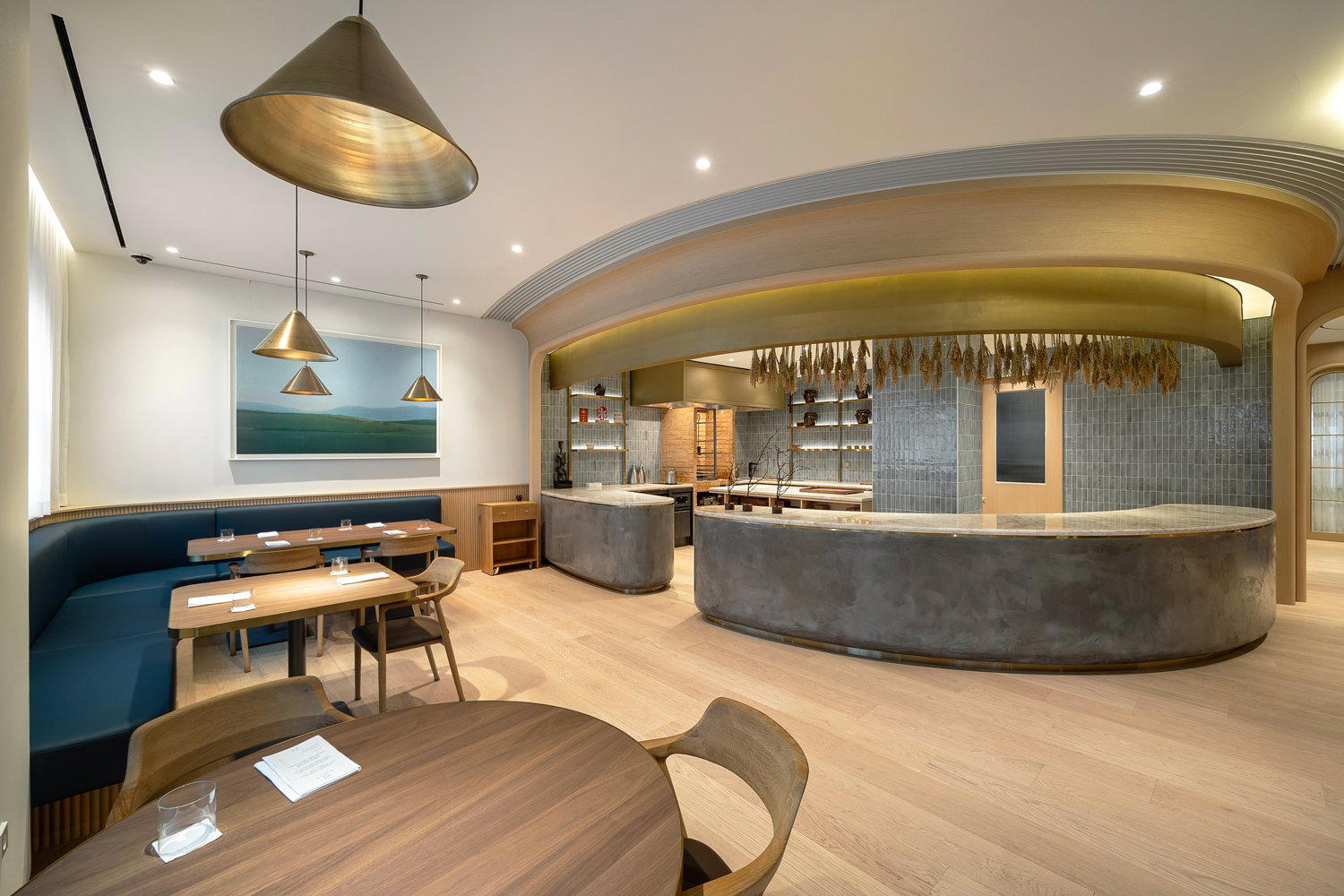
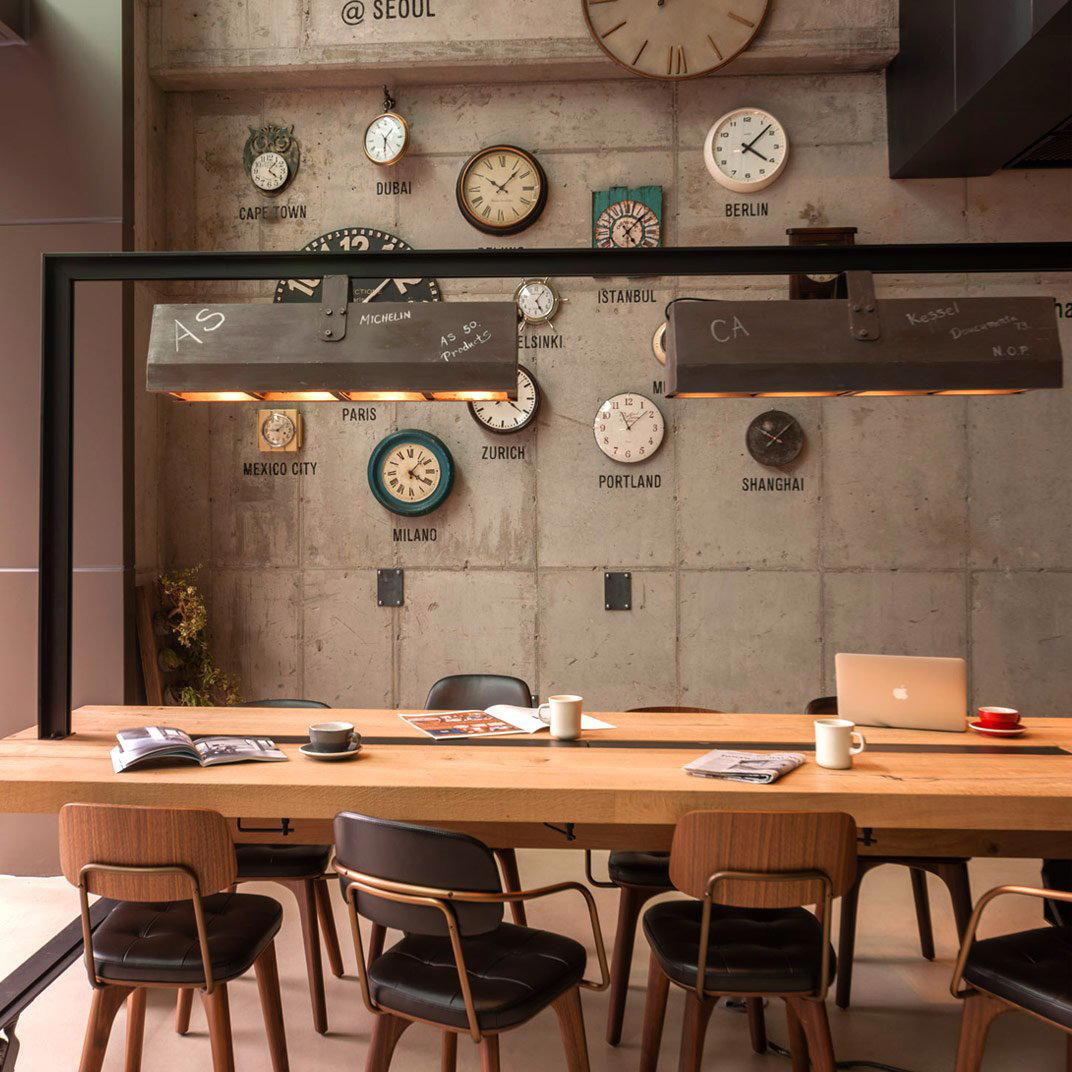
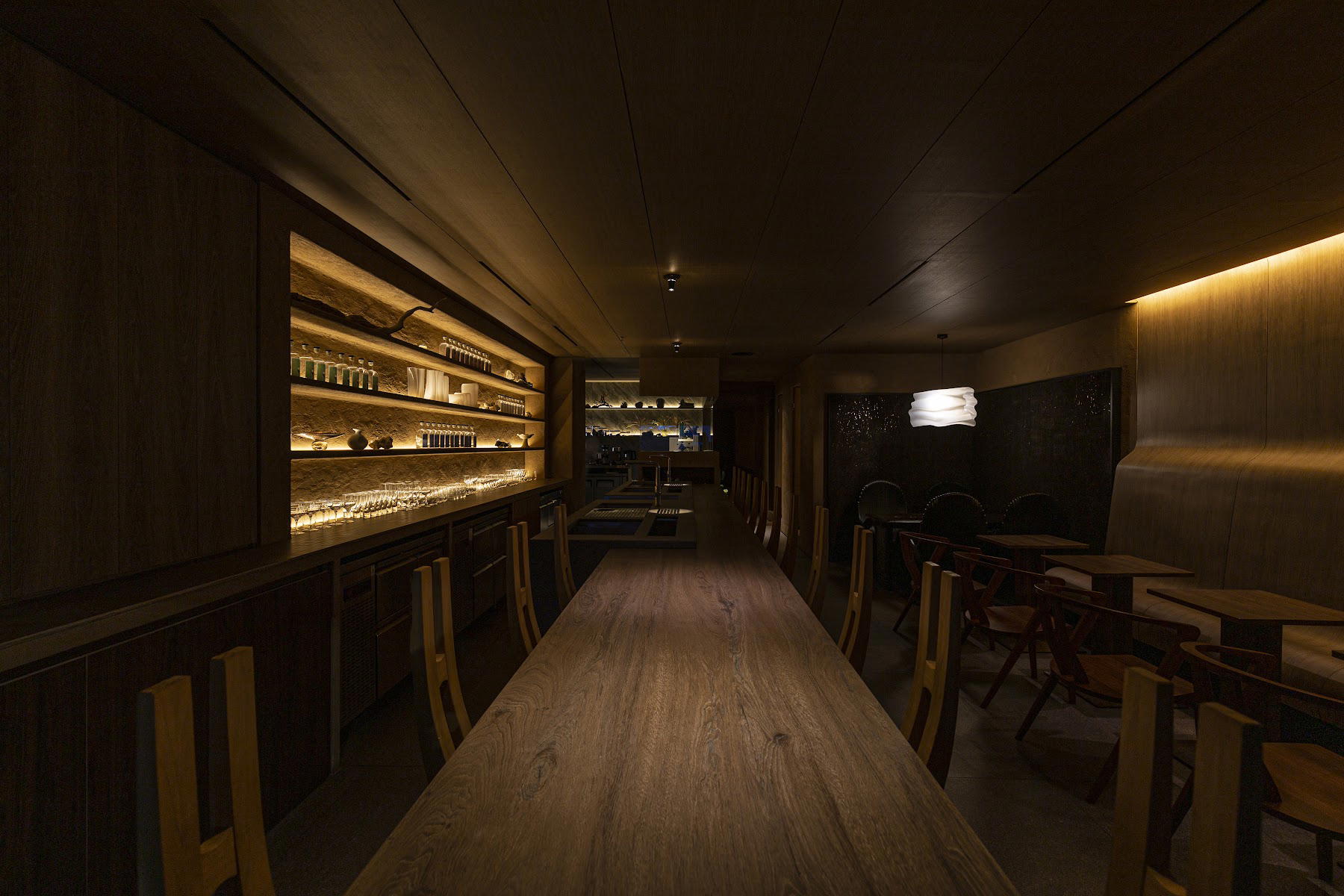
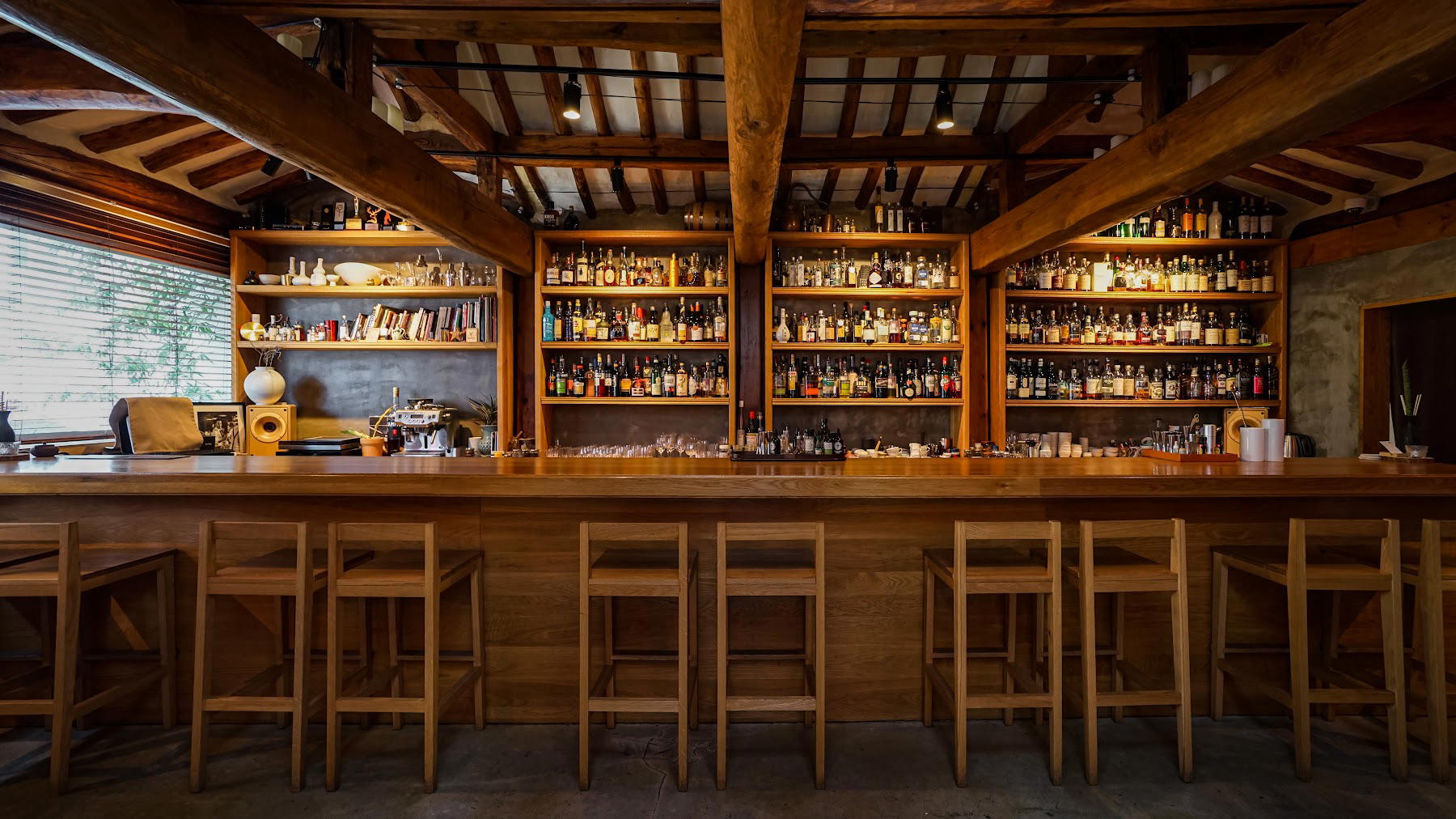
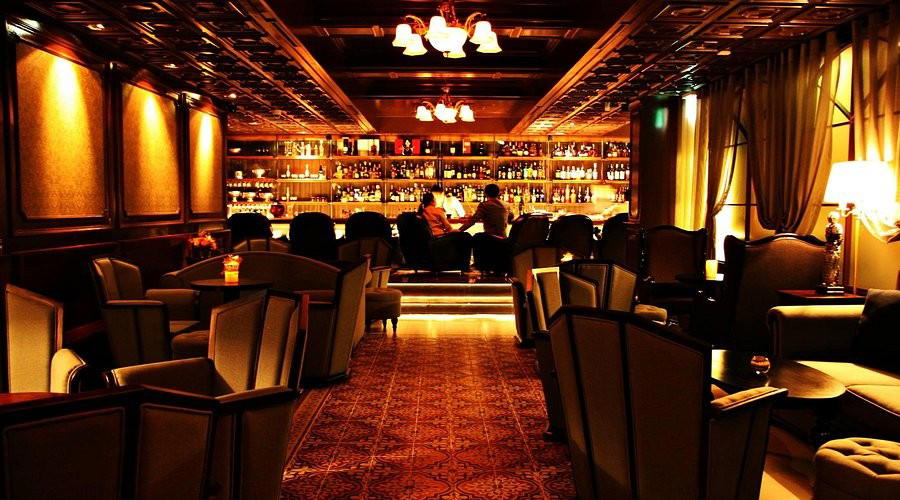
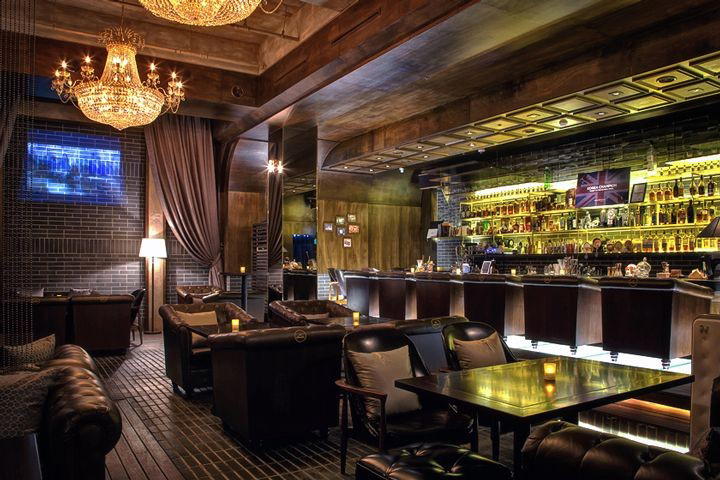
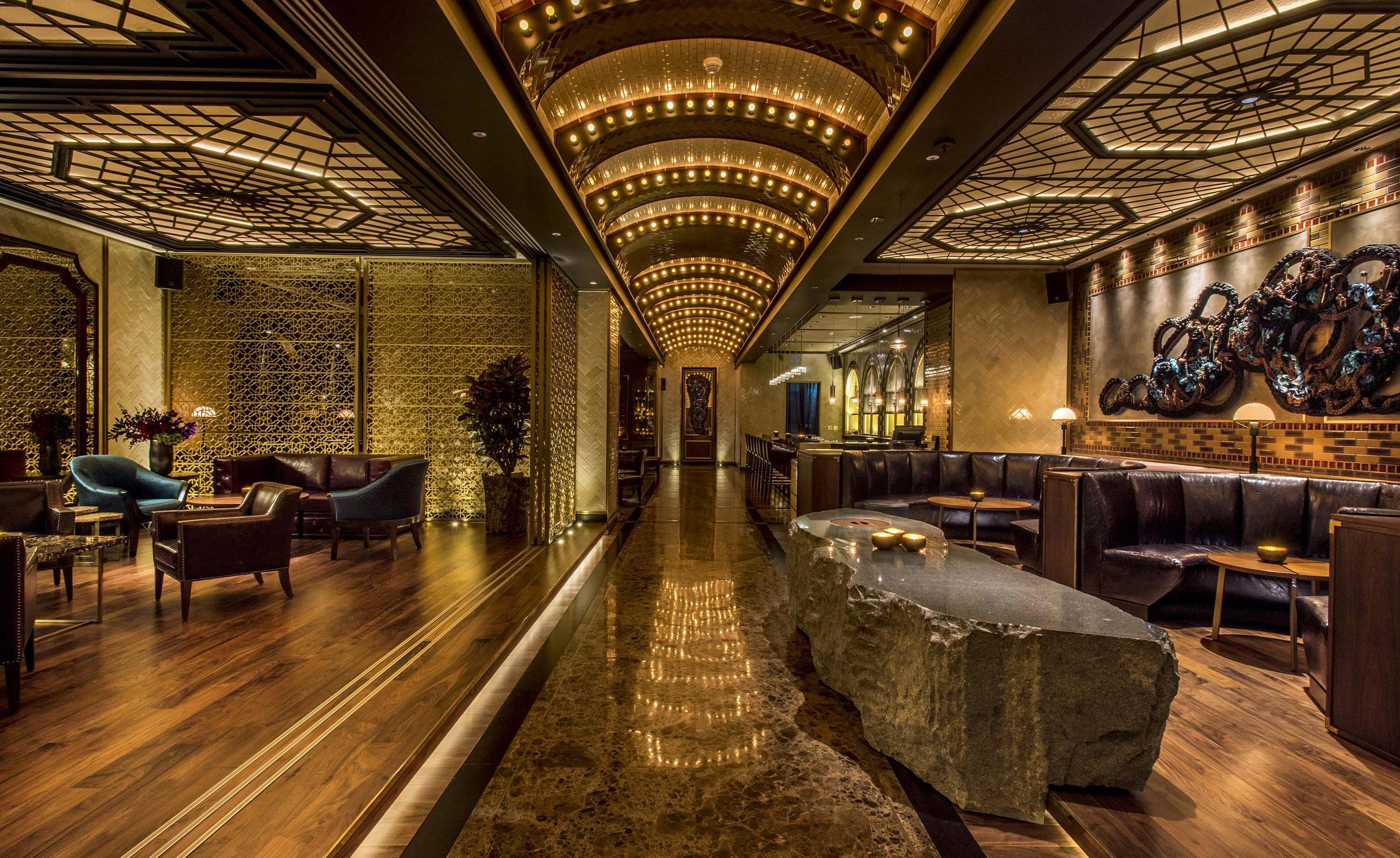
Rustic and nostalgic with Chinese and Korean antiques, old Shanghai vibe, mother-of-pearl cabinets, exposed pipes, and retro herbal medicine shop charm.