대우부대찌개
대우부대찌개 sits on Teheran-ro 25-gil in Gangnam's Yeoksam-dong, one of Seoul's most commercially dense office corridors. The restaurant specialises in budae jjigae, the post-war Korean stew that fuses army-surplus ingredients with fermented staples, placing it squarely in the unpretentious, workhorse dining tradition that Gangnam's lunch crowd still relies on daily.
Pearl is the En Primeur Club membership app — saves, bookings, and concierge access live there. Same editors, same standards.
- Address
- 강남구 테헤란로25길 34, 역삼1동, 강남구, 서울특별시, 06131
- Directions
- Get directions
 Saves & bookings on Pearl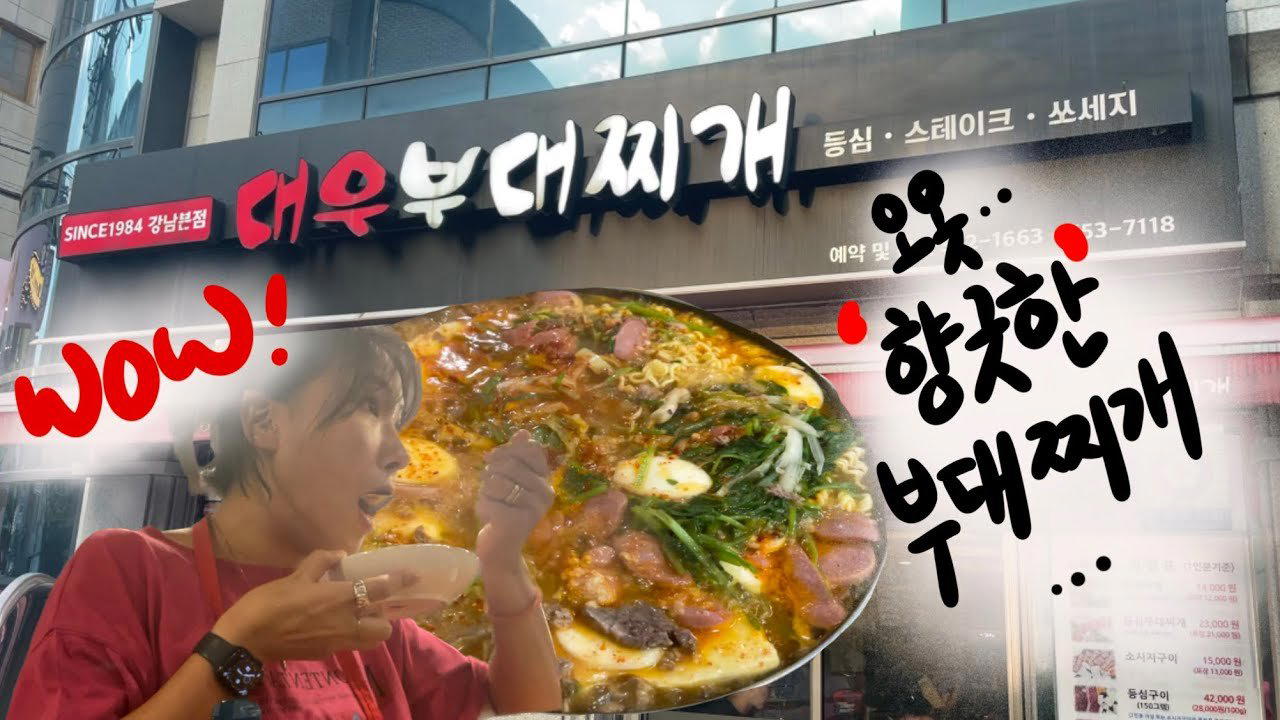
Teheran-ro's Lunch Infrastructure
Gangnam's Teheran-ro corridor is one of the more unsentimental stretches of Seoul dining. The boulevard and its side streets run through a grid of glass towers housing tech firms, law offices, and financial institutions, and the restaurants that survive here do so on repeat business from people eating lunch five days a week. That reality shapes everything: format, price, speed, and the kind of food that earns loyalty without spectacle. 대우부대찌개 sits on Teheran-ro 25-gil in Yeoksam-dong, fully inside that ecosystem.
The contrast with Gangnam's headline dining tier is worth holding in mind. A short distance away, the city's contemporary Korean fine dining circuit — places like Mingles, Jungsik, and Kwonsooksoo — operates on tasting menu logic, with advance reservations and multi-course architecture. 대우부대찌개 occupies a different category entirely: the kind of neighbourhood specialist that anchors a block rather than attracts tourists from across the city.
The Physical Container
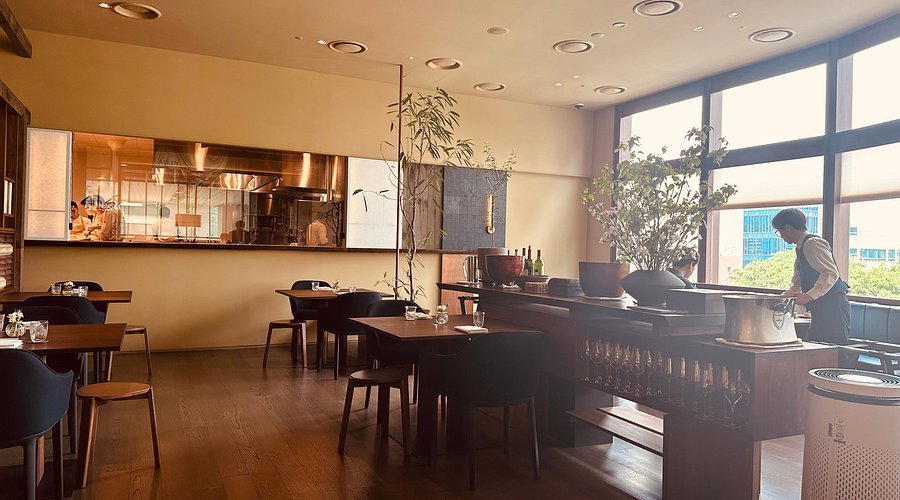
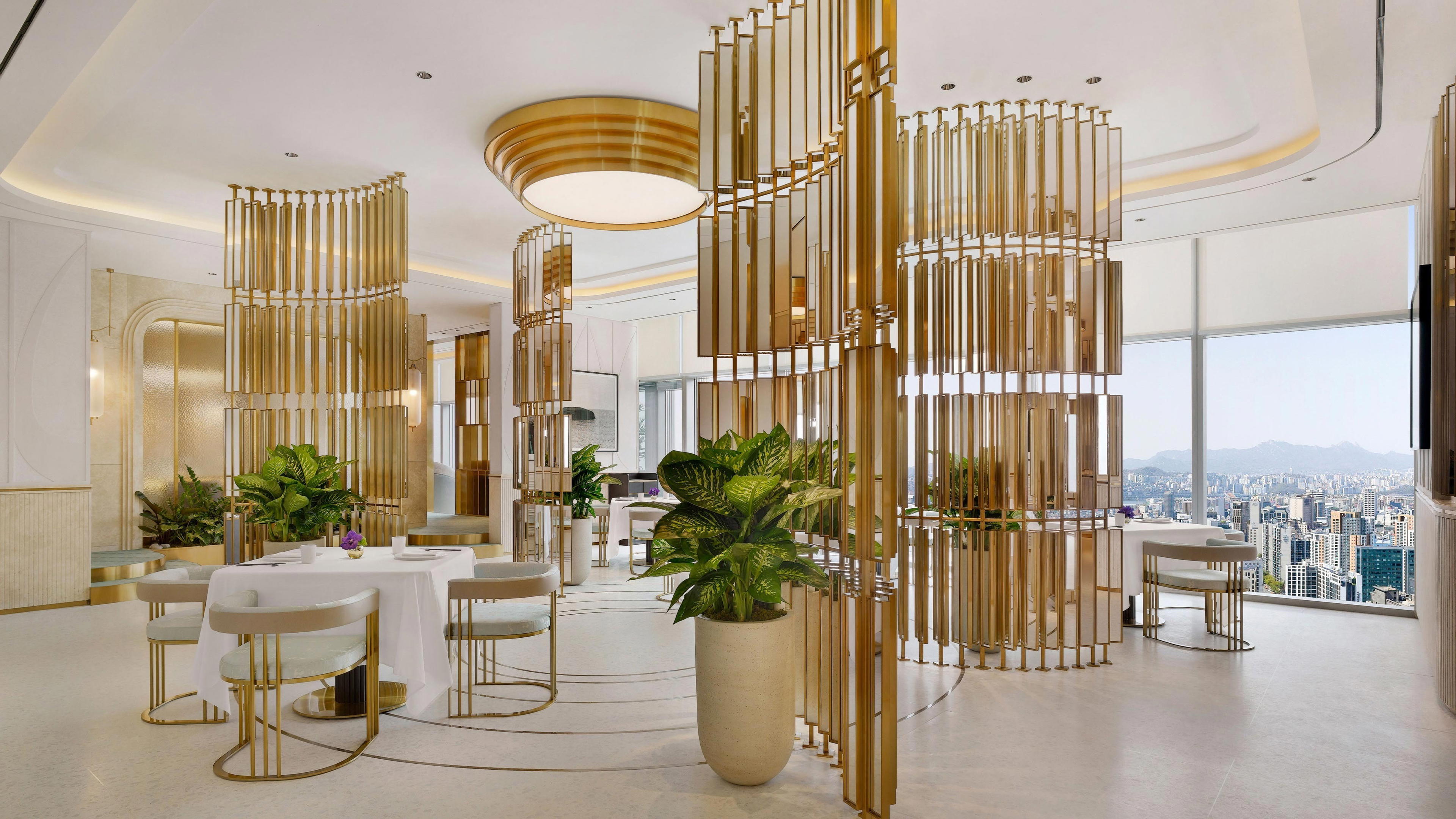
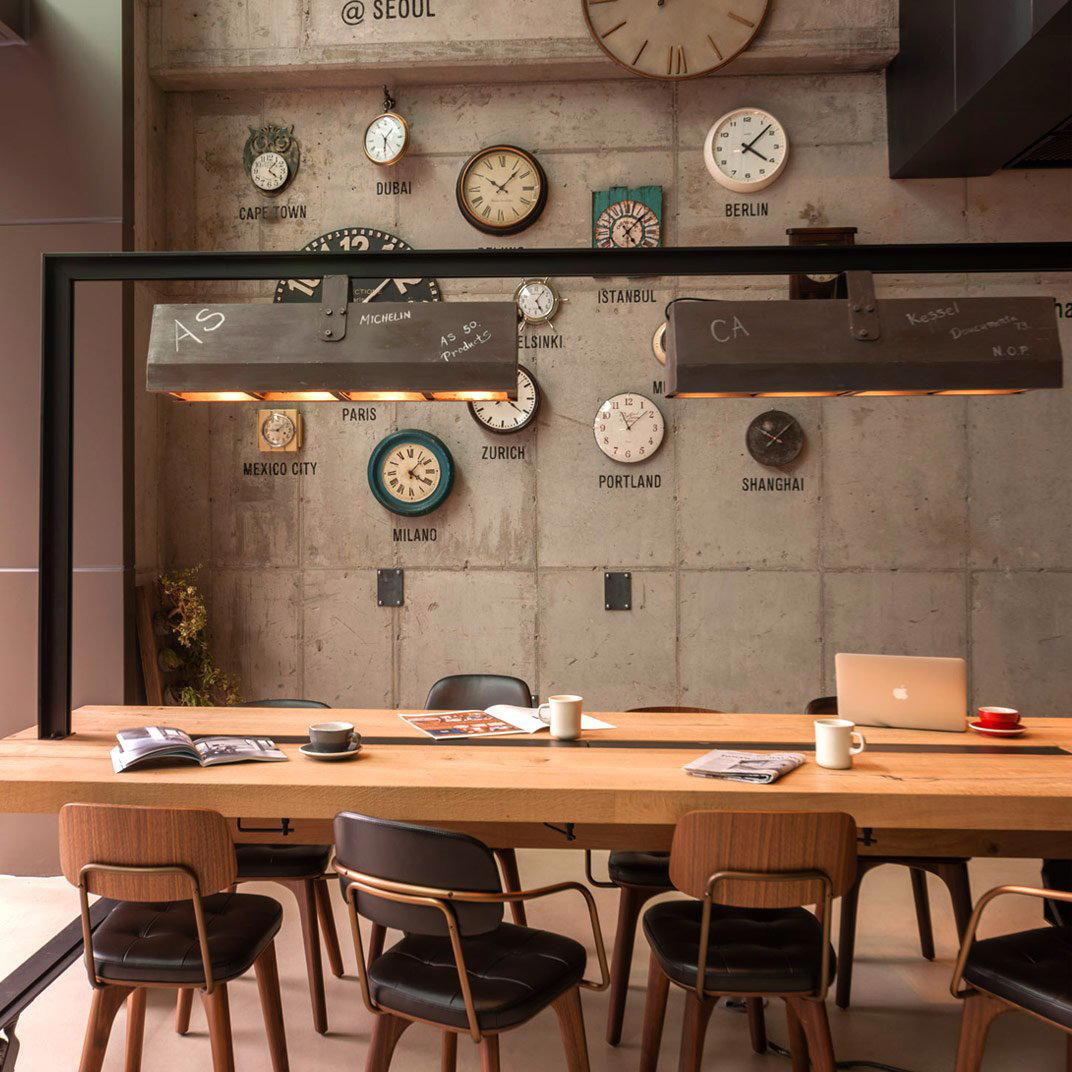
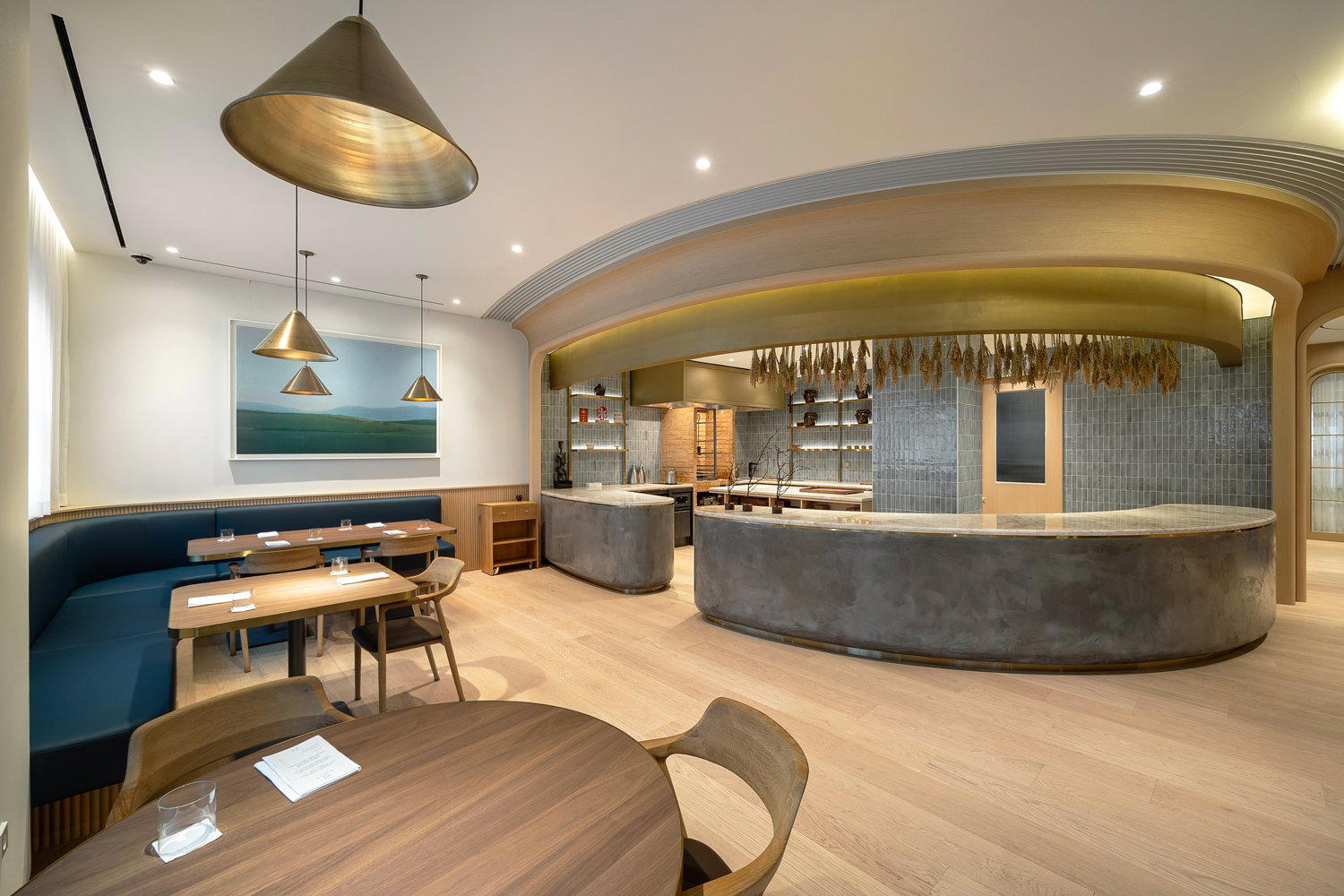
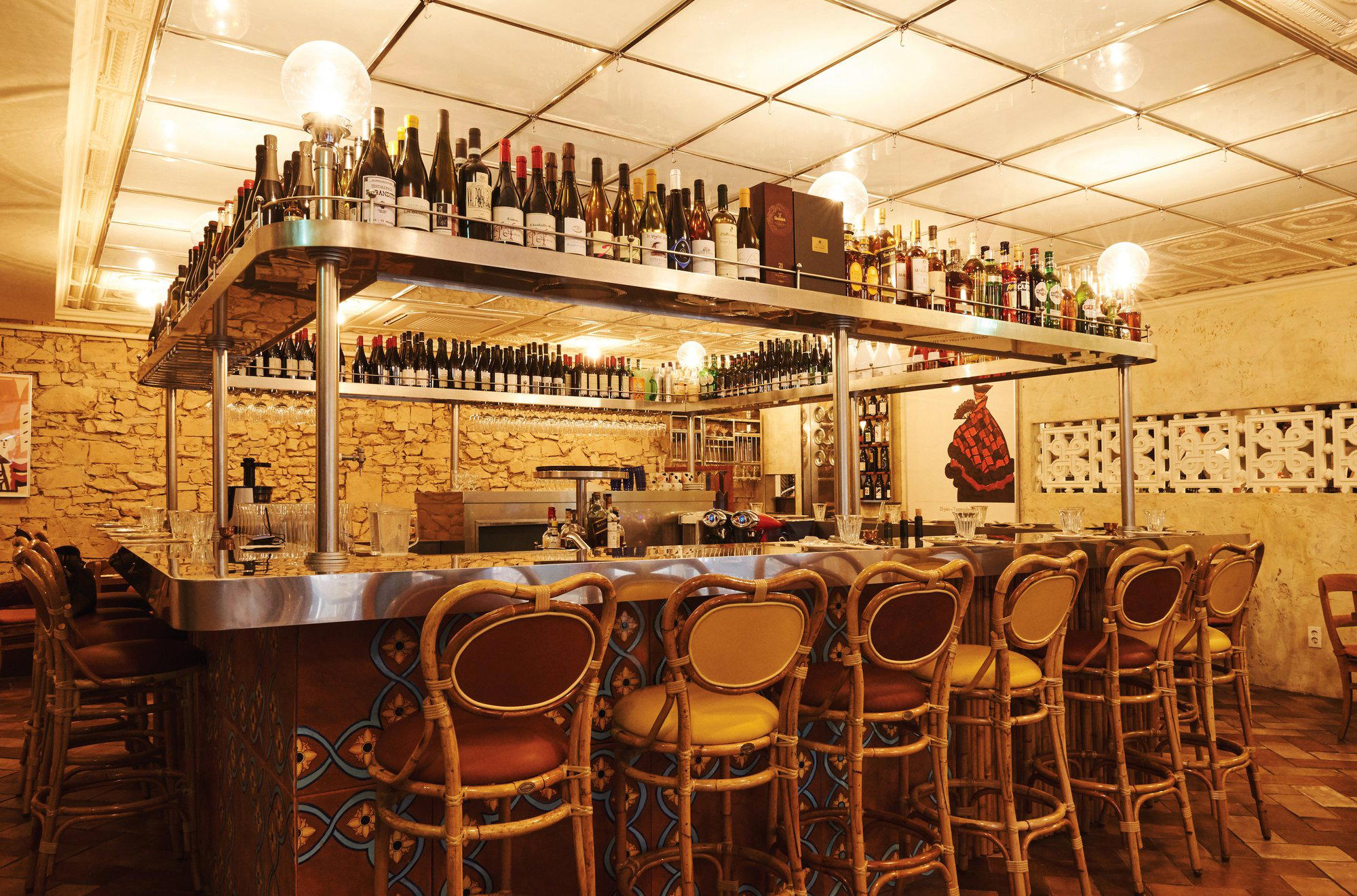
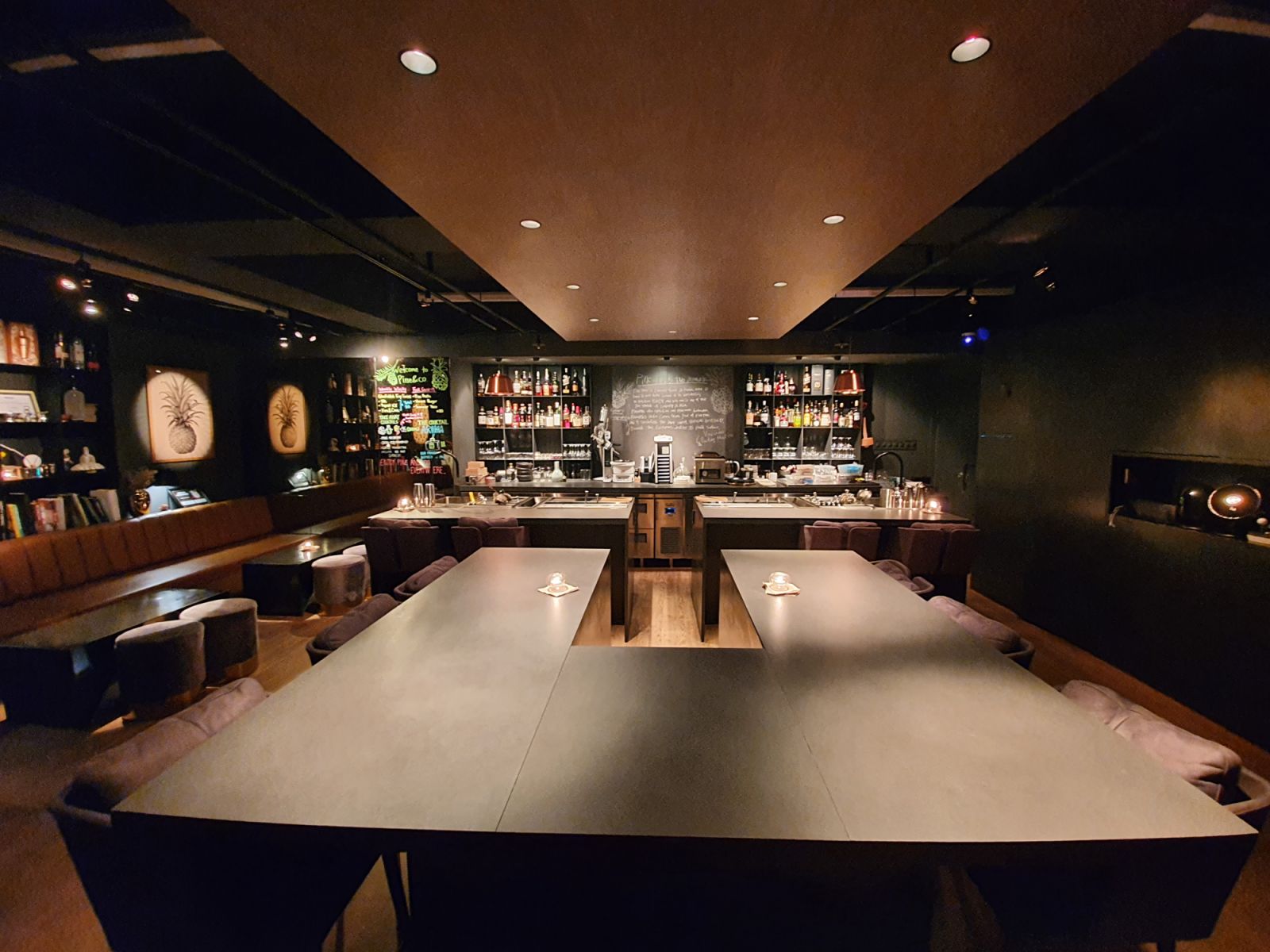
The interior design language of a Seoul budae jjigae specialist is its own category, and it is worth reading carefully because the space itself encodes the restaurant's intent. These are not rooms designed for atmosphere in the way a Soigné or alla prima are conceived. The seating arrangements in Korean stew houses prioritise the mechanics of communal cooking: tables are sized for sharing pots, burner units are embedded or surface-mounted at the table centre, and the room's acoustics tend toward the clamorous. The overhead ventilation, the stainless steel or laminate surfaces, the fluorescent or warm-toned lighting that keeps the food legible without creating a mood, all of it signals a place built around a specific operational logic rather than a design brief.
In Yeoksam-dong, where the lunch crowd moves quickly and the office dining culture runs on efficiency, that physical honesty is a feature rather than a deficit. The space at 대우부대찌개 fits the block it serves: utilitarian, direct, organised around the act of eating rather than the performance of dining. For visitors used to reading a room as a signal of ambition, the adjustment is simply one of category, this is a different kind of seriousness.
Budae Jjigae in Context
The dish itself has a precise historical origin. Budae jjigae emerged in the years following the Korean War, when American army base surplus, processed meat, canned beans, instant noodles, found its way into Korean kitchens and was incorporated into a spiced, fermented-broth framework. The result was a hybrid stew that absorbed the logic of Korean jjigae (fermented base, communal pot, high-heat table cooking) and applied it to ingredients that would otherwise have had no place in the cuisine. It is now one of the most documented examples of culinary adaptation under scarcity, and it has moved well beyond its origins into a mainstream position in Seoul's everyday restaurant culture.
The dish is particularly associated with Uijeongbu and Songtan, the cities nearest the historical US military bases, but Seoul's version has developed its own register. In Gangnam's office-district restaurants, budae jjigae functions as a high-yield lunch option: filling, fast to the table once the broth is on, and adaptable to group dining. Restaurants specialising in it tend to cluster near transit and office density rather than in destination neighbourhoods. For a sense of how pork-focused Korean cooking operates across different regional registers, 88돼지 in Jeju and Black Pork BBQ in Seogwipo offer useful contrasts in setting and ingredient sourcing.
Yeoksam-dong's Dining Character
Yeoksam-dong sits between Gangnam-gu's more visible restaurant destinations. It lacks the concentrated bar density of Apgujeong or the weekend foot traffic of Garosu-gil, but it sustains a dense population of practical, specialist restaurants organised around the working week. Korean stew houses, Korean-Chinese hybrids, grilled meat specialists, and noodle shops dominate the lunch hours. The dinner trade is quieter and more local.
The area's dining culture rewards familiarity over discovery. Regulars know which tables are better positioned relative to the kitchen, which days draw the longest queues, and which off-peak windows allow for an unhurried meal. That insider knowledge compounds over time and is not the kind of information a single visit surface. For a broader map of how Seoul's dining geography distributes across categories and neighbourhoods, the EP Club Seoul restaurants guide provides context across price tiers and cuisine types.
Korean dining specialists in other parts of the country operate on similar block-anchoring logic. Doosoogobang in Suwon and Gobojeong Galbi in Suwon both illustrate how Korean meat-focused restaurants build long-term neighbourhood identities through consistency rather than conceptual evolution.
Where This Fits in Seoul's Broader Eating Picture
Seoul's dining spectrum is wider than its international reputation suggests. The city draws coverage for its fine dining tier, the Michelin-starred Korean contemporaries and the ambitious tasting menus that have positioned Seoul alongside Tokyo and Hong Kong as a destination for serious eating. But the volume of daily restaurant activity happens well below that tier, in the specialist lunch operations, the regional Korean formats, and the neighbourhood stew houses that sustain the city's working population.
For visitors whose Seoul itinerary is anchored around destination dining, a reservation at Mingles or a counter meal at a fine Korean format, a budae jjigae lunch in Yeoksam-dong serves as useful calibration. It is a different mode of Korean hospitality: no ceremony, no tasting menu logic, no design-led environment. The meal is structured around a shared pot, a fast pace, and a broth that has been refined by repetition rather than innovation.
For those tracking Korean food culture beyond Seoul, Mori in Busan and the Dining Room in Busan represent how coastal cities have developed their own parallel dining identities. And for regional Korean specialists worth cross-referencing, Gyeongju Wonjo Kongguk and Hwangnam Bread and Busan Steamed Bun illustrate how Korean food identity is preserved through hyper-local specialisation. Island dining formats are covered through Badang Lounge in Jeju and Hinode in Seogwipo.
For reference points outside Korea, the precision-led Korean-American format at Atomix in New York and the classical French discipline at Le Bernardin occupy positions at the opposite end of the formality spectrum, useful contrast markers for understanding where a Yeoksam-dong stew house sits in the global dining hierarchy it deliberately ignores.
Know Before You Go
- Address: 테헤란로25길 34, 역삼1동, 강남구, 서울특별시 06131
- Nearest subway: Yeoksam station (Line 2) is the closest reference point for the Teheran-ro 25-gil area
- Category: Budae jjigae specialist; casual Korean stew house
- Format: Table-cooked communal pot dining; suited to groups of two or more
- Booking: Walk-in format typical for this category; see FAQ below for detail
- Price tier: No confirmed pricing on record; budae jjigae specialists in this district typically operate in Seoul's lower-to-mid lunch price range
- Hours: Not confirmed; verify locally before visiting
Side-by-Side Snapshot
A short peer table to compare basics side-by-side.
| Venue | Cuisine | Price | Awards |
|---|---|---|---|
| 대우부대찌개This venue — the venue you are viewing | Not listed | Not listed | Not listed |
| 7th Door | Korean, Contemporary | ₩₩₩₩ | Michelin 1 Star |
| Eatanic Garden | Contemporary | ₩₩₩₩ | Michelin 1 Star |
| Onjium | Korean | ₩₩₩₩ | Michelin 1 Star |
| L'Amitié | French | ₩₩₩ | Michelin 1 Star |
| Zero Complex | Korean-French, Innovative | ₩₩₩₩ | Michelin 1 Star |

At a Glance
- Classic
- Cozy
- Group Dining
- Family
- Casual Hangout
- Standalone
Casual, homey, and spacious, with a comfortable diner-like atmosphere that feels lively during busy meal times.
Know Before You Go
- Getting there
- 강남구 테헤란로25길 34, 역삼1동, 강남구, 서울특별시, 06131