ë§í 르
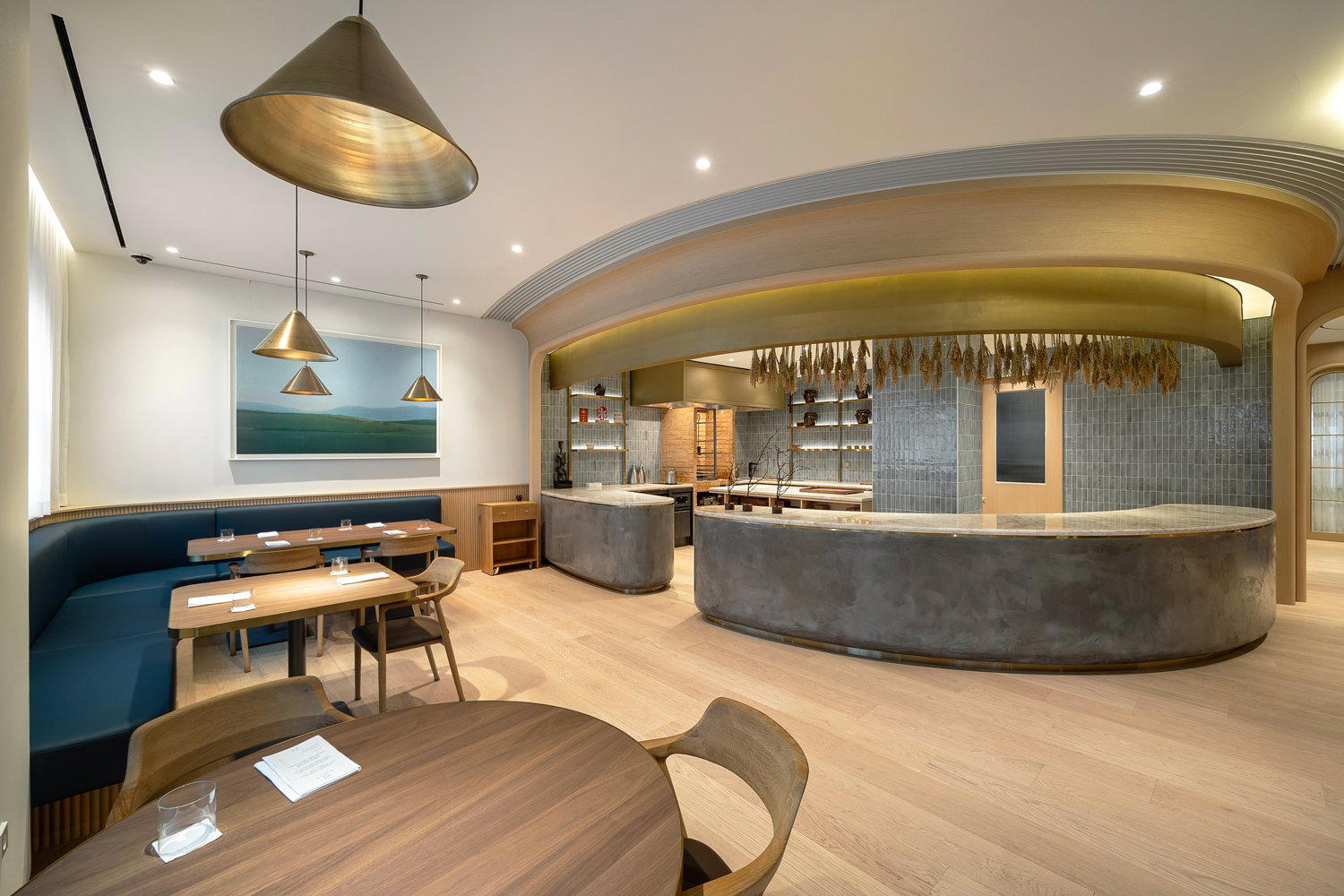
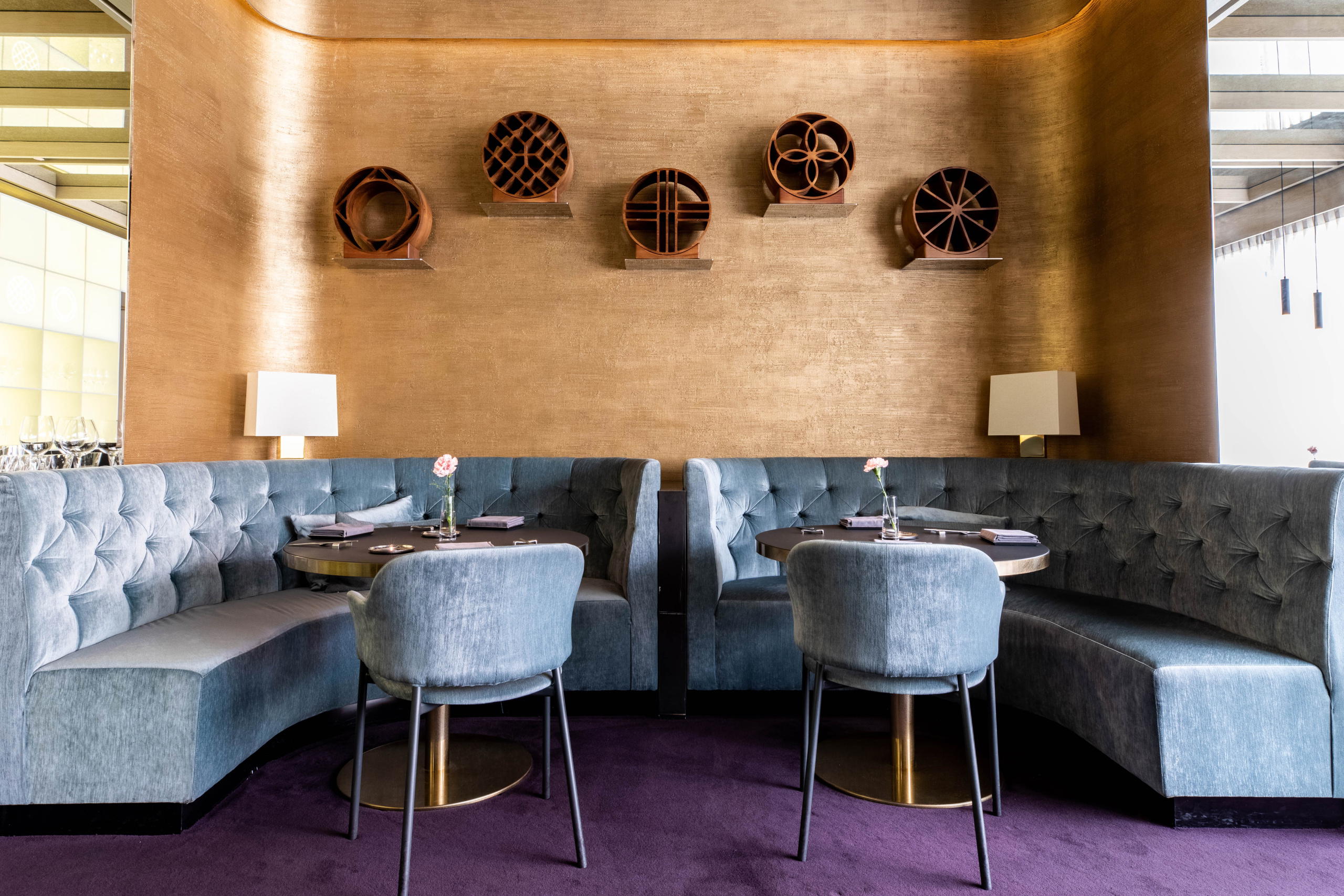
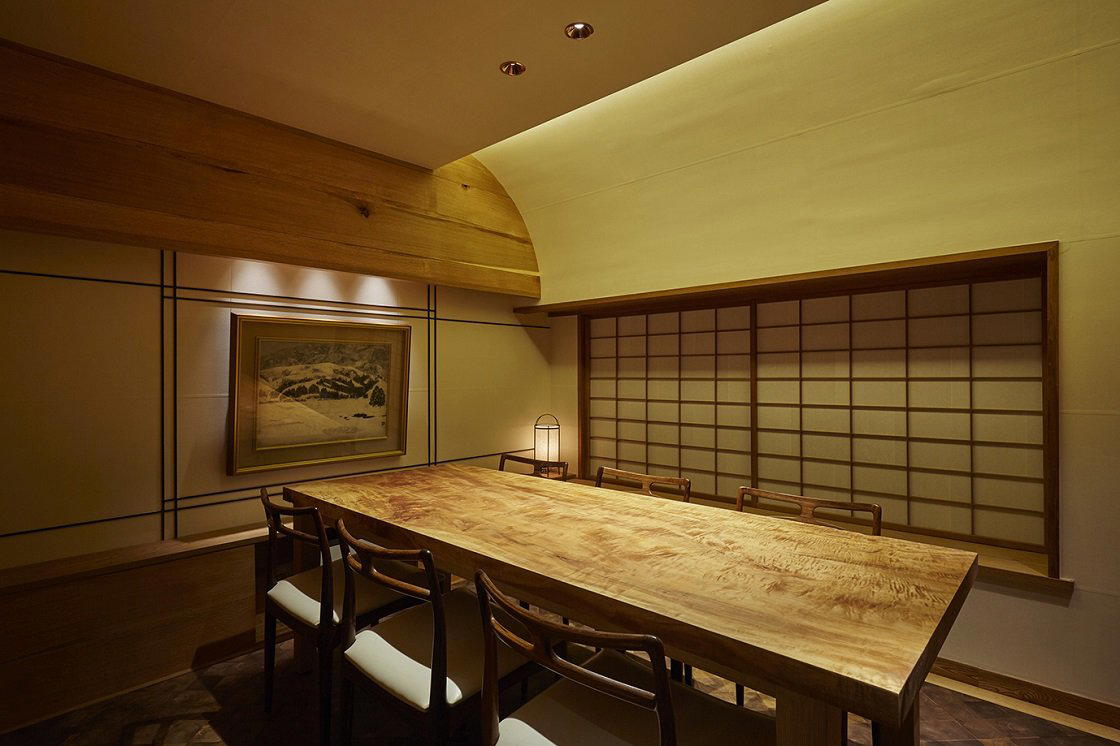
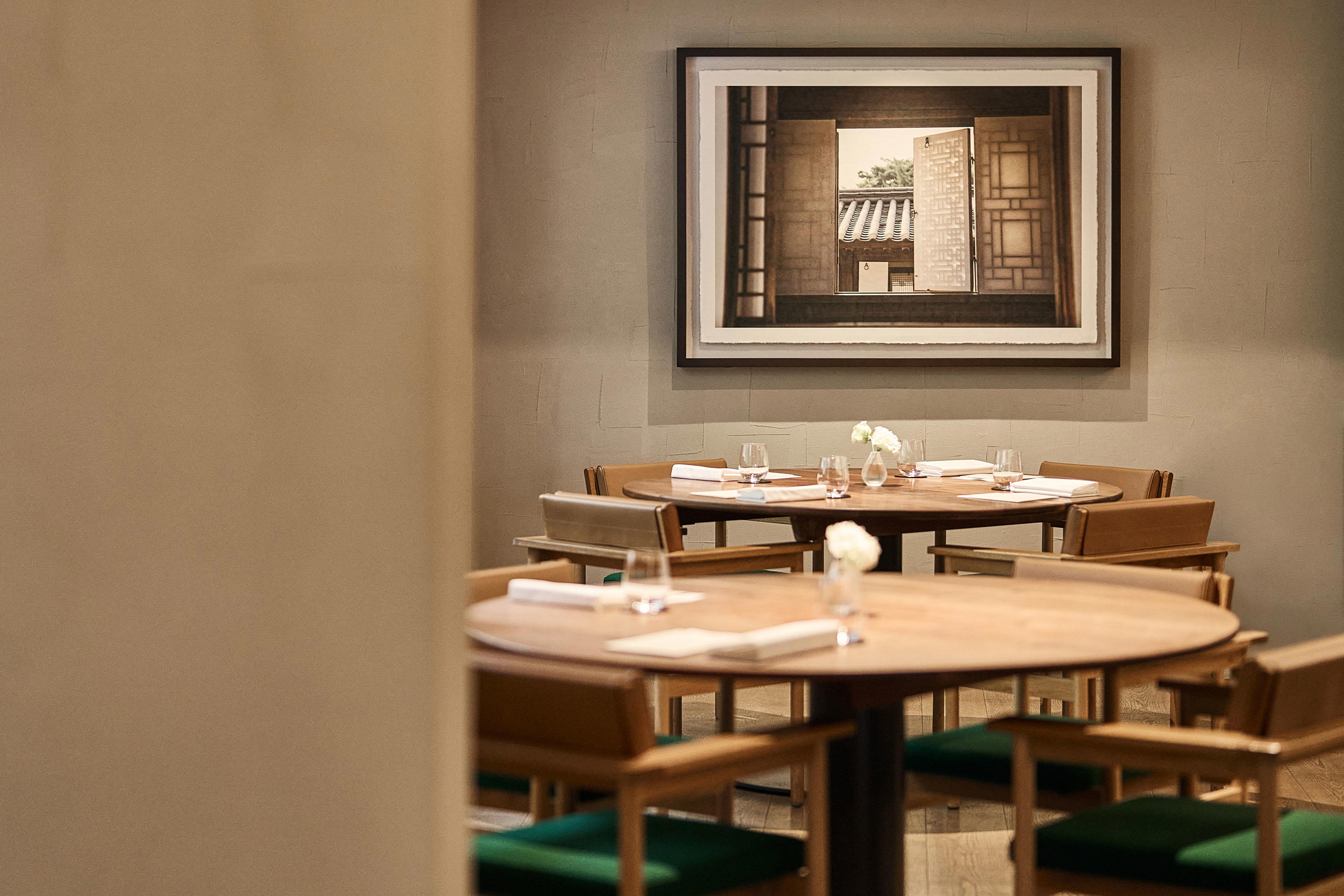
망르르 sits in Gangnam's Eonju-ro corridor, where Seoul's contemporary dining scene has quietly concentrated some of its most considered addresses. The room and approach align with a tier of Gangnam restaurants that prioritise restraint over spectacle. Booking ahead is advised for this compact, atmosphere-led address in one of the district's less trafficked side streets.
Pearl is the En Primeur Club membership app — saves, bookings, and concierge access live there. Same editors, same standards.
- Address
- South Korea, Seoul, Gangnam District, Eonju-ro 154-gil, 16 KR ìì¸í¹ë³ì ê°ë¨êµ¬ ì§í 1층
- Phone
- +8225185879
- Website
- instagram.com
- Directions
- Get directions
 Saves & bookings on Pearl
Gangnam's Quieter Register
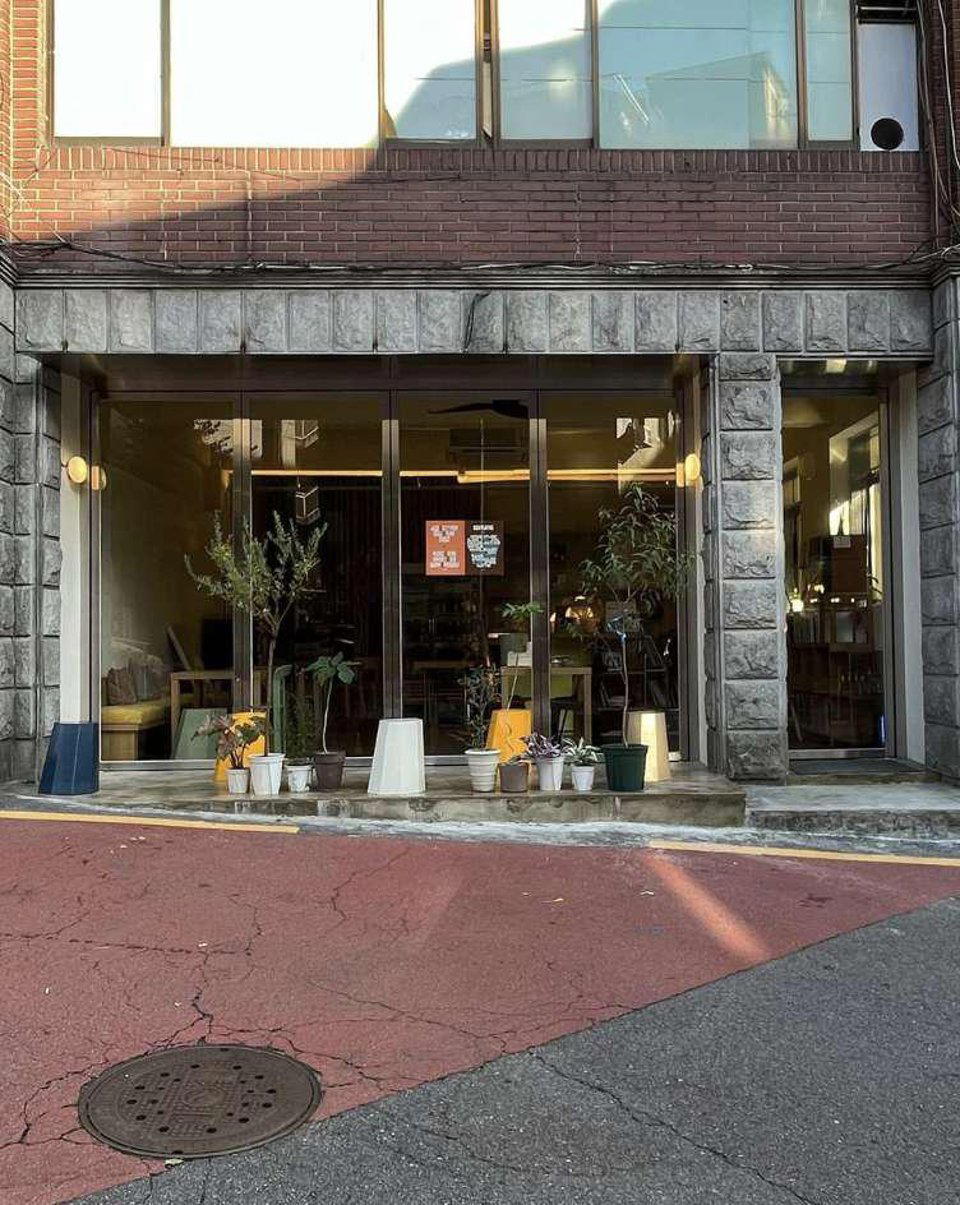
Gangnam is not a monolithic dining district. The main boulevards around Apgujeong and Cheongdam carry the flagship names, the Michelin placards, and the reservation queues that stretch months out. But the side streets off Eonju-ro tell a different story. Here, the signage is smaller, the foot traffic thinner, and the restaurants tend to address an audience that already knows what it is looking for. 망르르, on Eonju-ro 154-gil, belongs to this quieter register of the district.
That physical positioning matters. In Seoul's dining geography, a ground-floor or basement room on a residential side street is often a signal of intent. The audience is expected to arrive with purpose. This pattern is consistent across a cluster of Gangnam addresses that have built reputations through word of mouth and editorial recognition rather than high-visibility placement. Venues like Kwonsooksoo and 권숙수 - Kwon Sook Soo operate on a similar logic in the same district.
The Atmosphere of Arrival
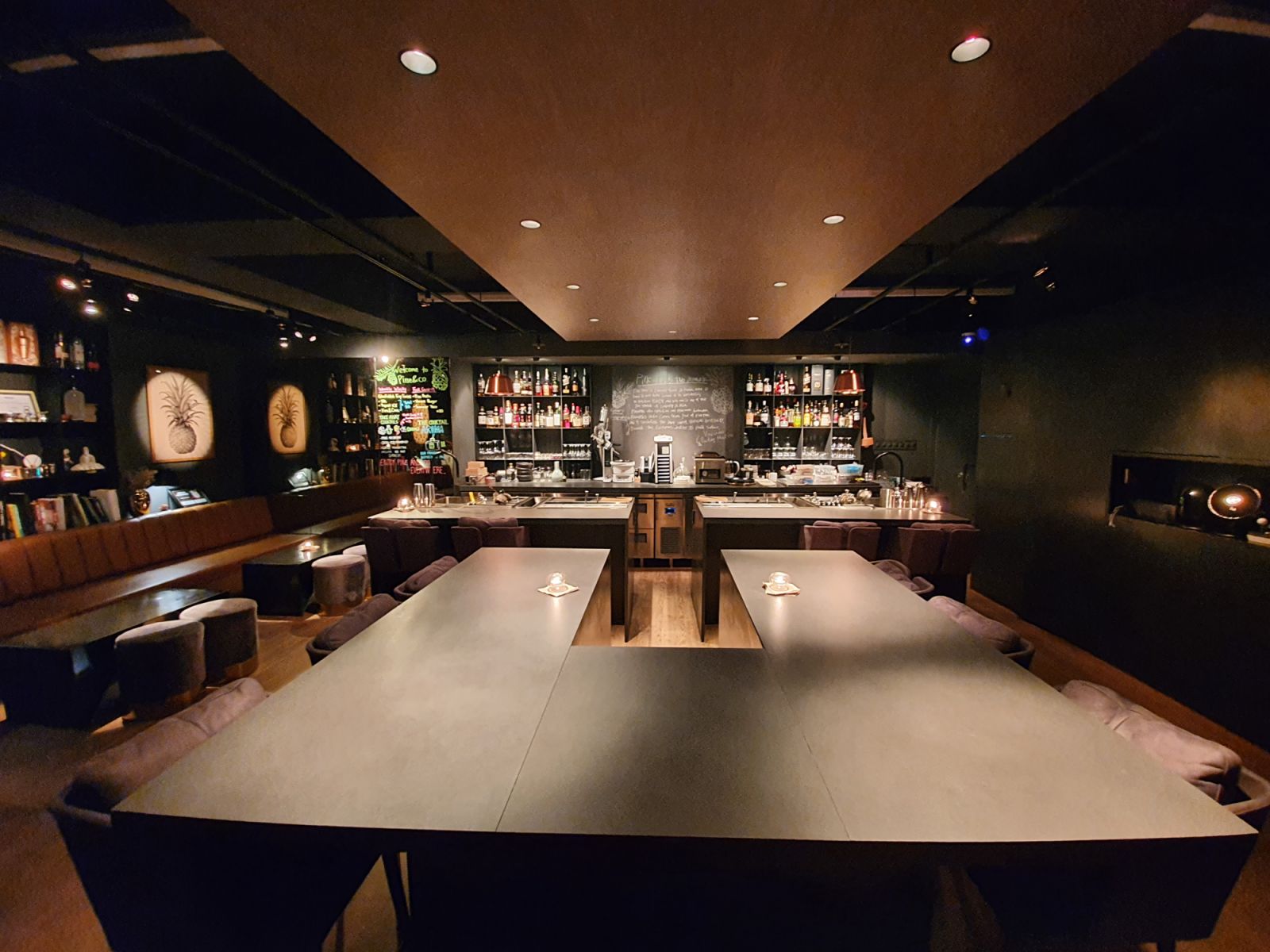
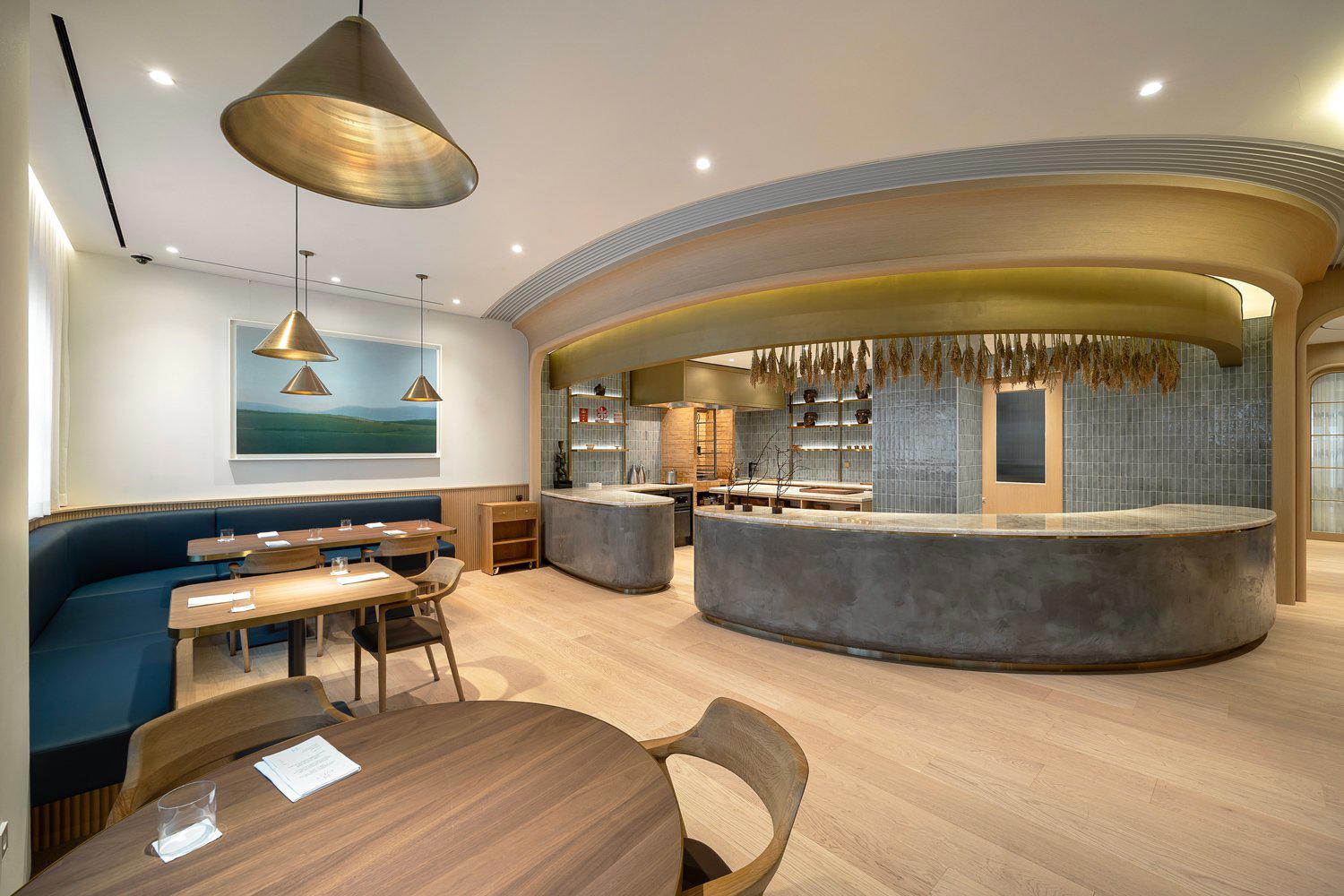
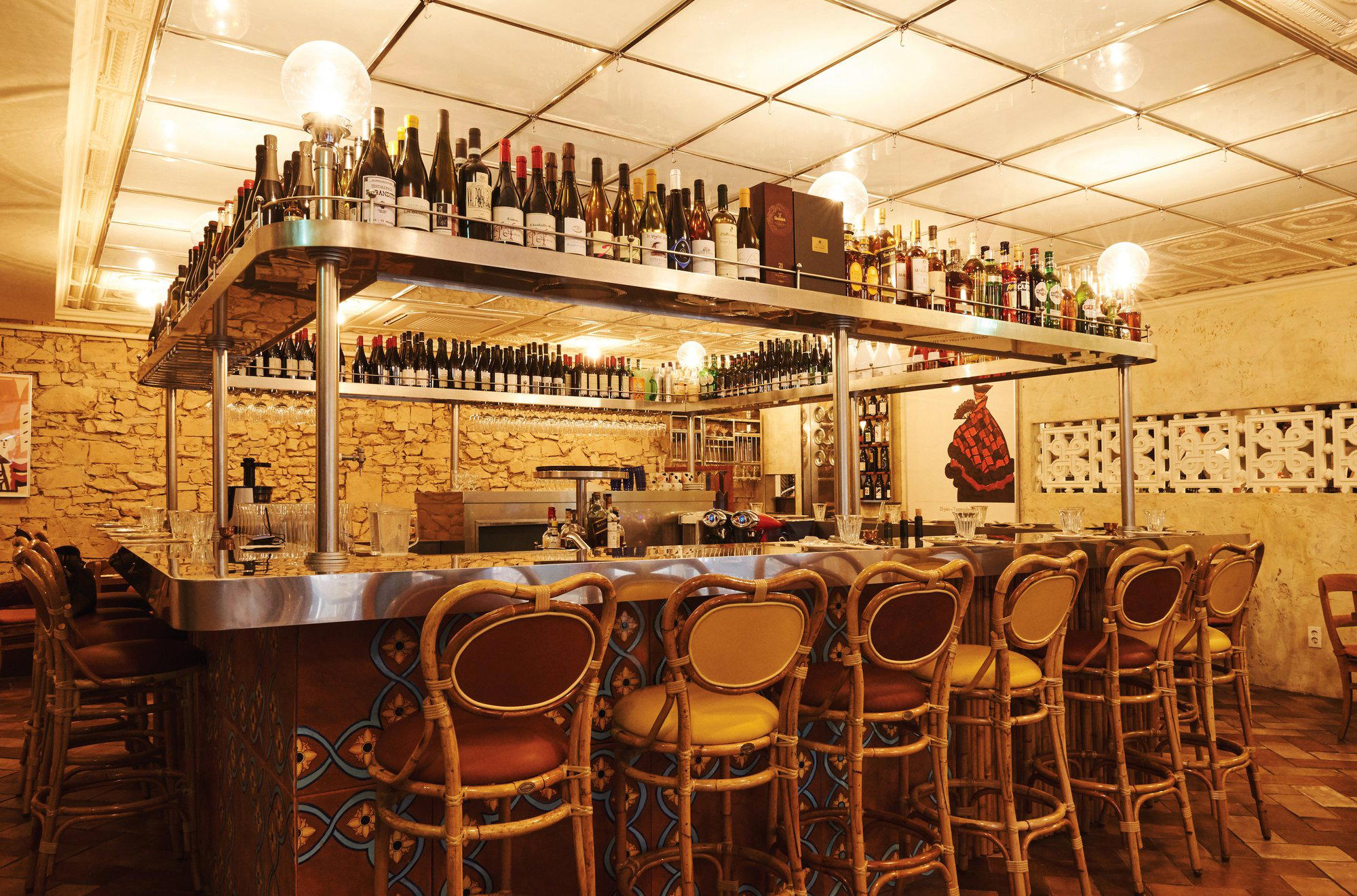
Approaching a basement restaurant on a side street in Seoul at night has a particular character. The street level is quiet; the illumination comes from low signage and the occasional spill of light from a stairwell. Descending into a room that exists below the city's ambient noise creates a sense of remove that above-ground dining rarely replicates. Sound behaves differently underground, conversations carry less, music (if present) registers as texture rather than signal, and the room becomes its own contained environment.
Seoul's most considered dining rooms have increasingly understood this. The atmospheric logic of a below-street space, compression, enclosure, deliberate calm, suits a style of eating that asks for attention. This is the sensory premise that informs the experience at 망르르, and it connects the address to a broader tendency in Gangnam's mid-to-upper dining tier. For comparable atmospheric deliberateness in the Seoul scene, Soigné and alla prima operate on similar principles.
Where 망르르 Sits in the Gangnam Dining Tier
Gangnam's fine-casual and tasting-format tier has become one of the more competitive spaces in Korean dining over the past decade. The Michelin Guide Seoul has validated a number of addresses in the district at both the Bib Gourmand and star levels, and the competitive pressure has sharpened what operators need to offer to build a sustained following. At the upper end, restaurants like Mingles and Jungsik have established internationally recognised benchmarks for Korean contemporary cooking.
망르르 occupies a position within this environment without the publicly documented award credentials of the upper-tier names. That is not a deficit so much as a description of the competitive set it operates within: a group of Gangnam addresses that attract an informed local and visitor audience on the basis of consistency, atmosphere, and a particular point of view on the meal format. Across Korean cities, this tier has become increasingly coherent, see how it maps to addresses like Mori in Busan or Double T Dining in Gangneung, where similar logic governs smaller markets.
Comparison venues in the same Gangnam bracket include Eatanic Garden and Zero Complex at the ₩₩₩₩ level, and L'Amitié at ₩₩₩, the latter offering a point of comparison for French-inflected formats that share some of the same restrained-room aesthetic. Onjium and 7th Door bring Korean-contemporary and Korean-French approaches to the same district at comparable price positioning. 망르르's place in this field is defined by its Eonju-ro side-street address and the ground-floor basement format, both of which signal a deliberate audience selectivity.
The Seoul Context: Why This Type of Address Matters
Seoul's dining culture has undergone a structural shift over the past fifteen years. The generation of chefs who trained in Europe or Japan and returned to Korea has produced a wave of restaurants that apply international technique to Korean ingredients and seasonal logic. This is the culinary context that venues like Mingles and Jungsik helped establish at the leading, and which has filtered down into a wider tier of addresses that do not necessarily carry the same recognition but operate from the same set of assumptions.
What that means in practice is that a Seoul restaurant in this tier is likely to be working with seasonal Korean produce, applying considered technique, and presenting food in a format that reflects either a tasting structure or a strongly edited à la carte. The room will typically be small enough to allow kitchen attention across every table. At the international level, this kind of format connects to a broader shift toward intimacy and precision, the same logic that defines places like Lazy Bear in San Francisco or anchors the sustained reputation of Le Bernardin in New York City at a different tier and scale.
Korea's regional dining scene has also matured in ways that make the Seoul addresses more legible by comparison. Temple food traditions accessible at places like Baegyangsa Temple in Jangseong-gun, the Jeju-anchored cooking at Cheon Jee, and the Suwon-based offering at Doosoogobang all provide context for understanding what Seoul's Gangnam tier is doing differently, and why its concentration of technique and format discipline remains a draw for visitors eating across the country.
Planning a Visit
망르르 is on Eonju-ro 154-gil in Gangnam-gu, at basement level (지하 1층). The Eonju-ro corridor is accessible from Apgujeong Rodeo station and Gangnam station, both on Line 3. The side-street location means the restaurant does not have prominent street presence; arriving with the address confirmed in advance is advisable. Reservations are recommended, and checking current availability before visiting is advisable.
The Gangnam side-street dining tier rewards visitors who treat the address as a deliberate destination rather than a drop-in. Addresses like Injegol in Inje County and Market Café in Incheon represent the same principle applied in different geographic contexts, but the underlying logic of the deliberate, informed visit applies across all of them.
Standing Among Peers
Comparable venues nearby, for context on price, style, and recognition.
| Venue | Cuisine | Price | Notes |
|---|---|---|---|
| ë§í 르This venue — the venue you are viewing | korean | Not listed | Not listed |
| 백년토종삼계탕 | Traditional Korean Samgyetang | $$ | 북촌 (Bukchon) |
| 옛날농장 | Korean BBQ | $$ | Gangnam |
| MapleTree House | Korean BBQ | $$ | 이태원동 |
| Hanchu | Korean Fried Chicken (Chimaek) | $$ | 연남동 |
| 김북순 큰남비집 | Korean Kimchi Jjigae House | $$ | Sinsa-dong |