Skip to Main Content
Steak & Pasta

Google: 4.8 · 82 reviews

← Collection
Dress CodeSmart Casual
ServiceUpscale Casual
NoiseConversational
CapacityMedium

On Jalan Sudamala in Kecamatan Denpasar Selatan, Ares Steak & Pasta occupies a corner of Bali's southern capital where the dining register shifts from resort-facing to residential. The menu positions itself at the intersection of grilled proteins and Italian-style pasta, a pairing that has found consistent traction across Indonesia's mid-market dining scene. For visitors and locals who want something direct and satisfying without the ceremony of Seminyak's higher-ticket tables, it warrants a look.

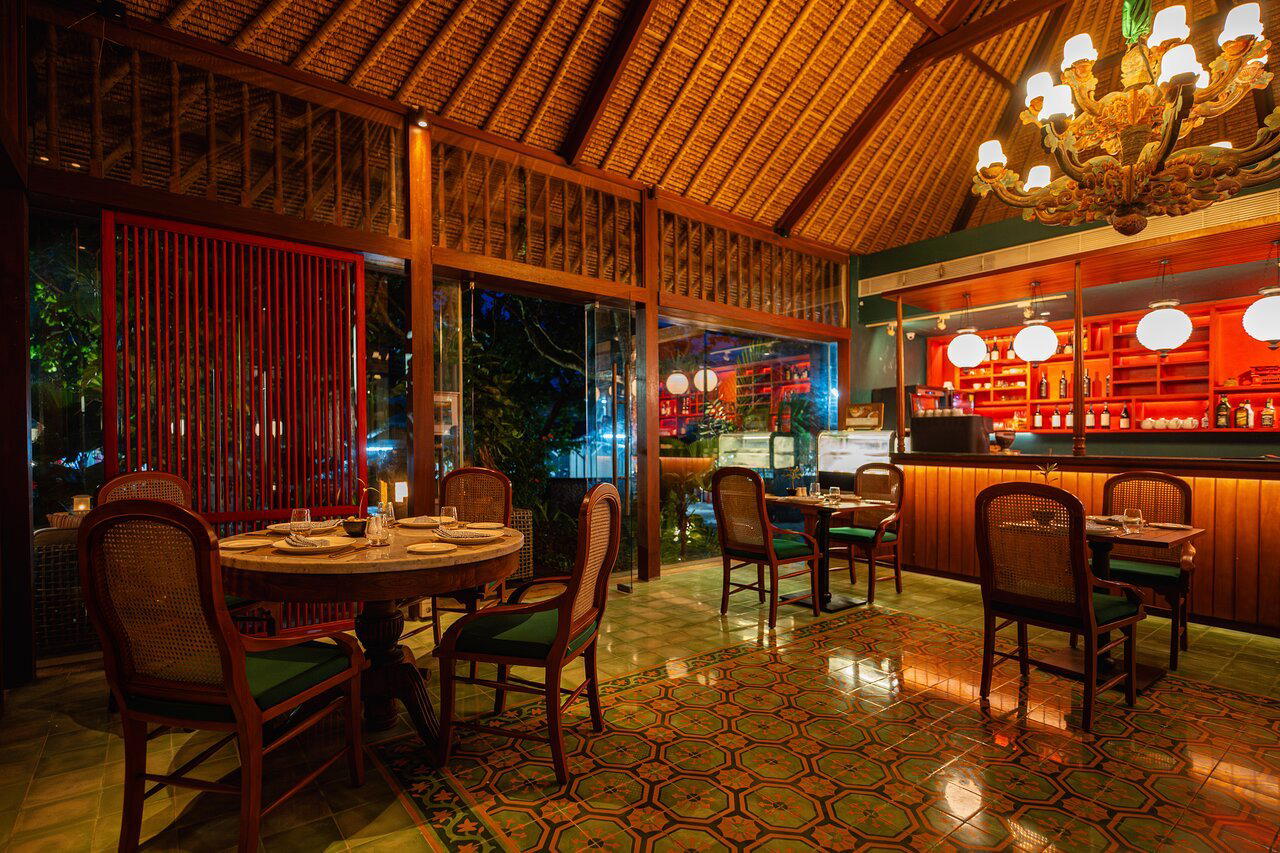
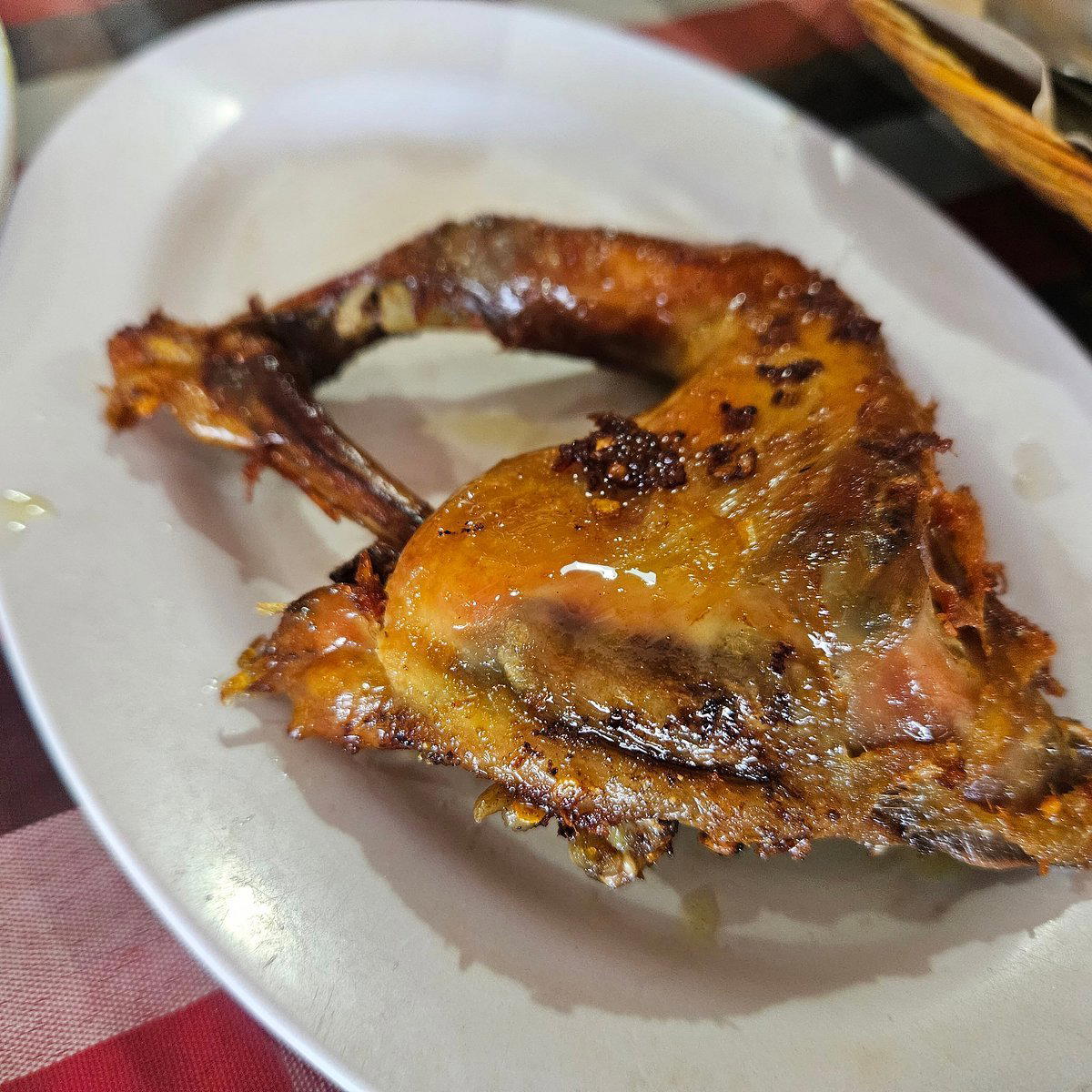
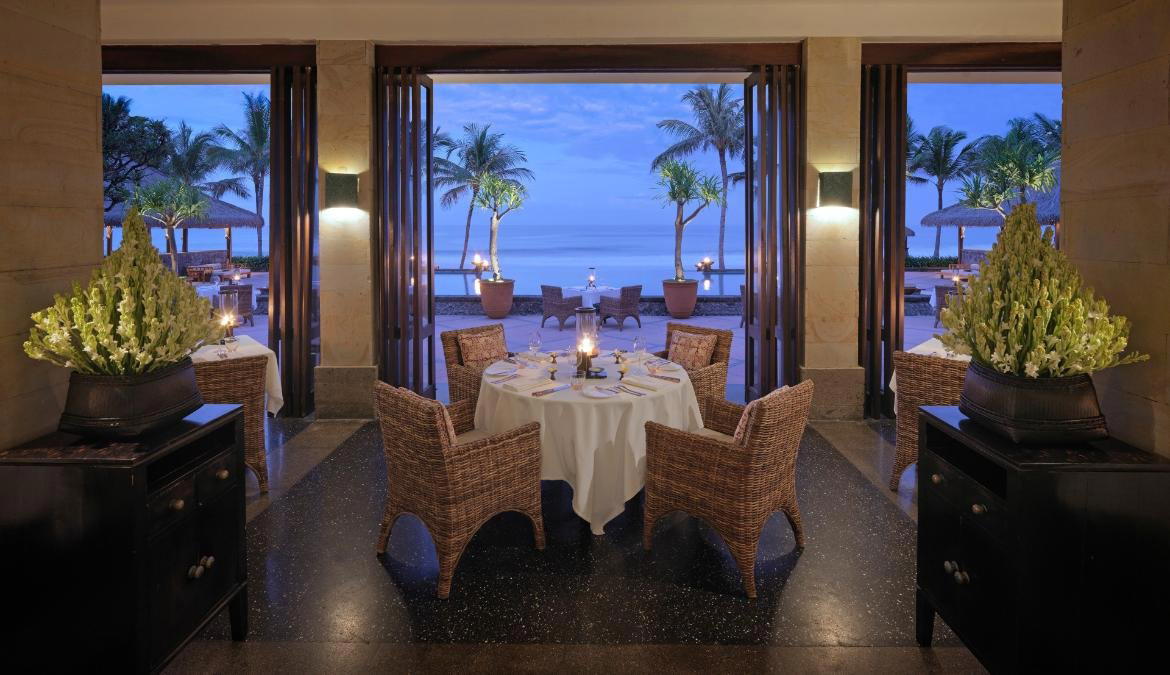
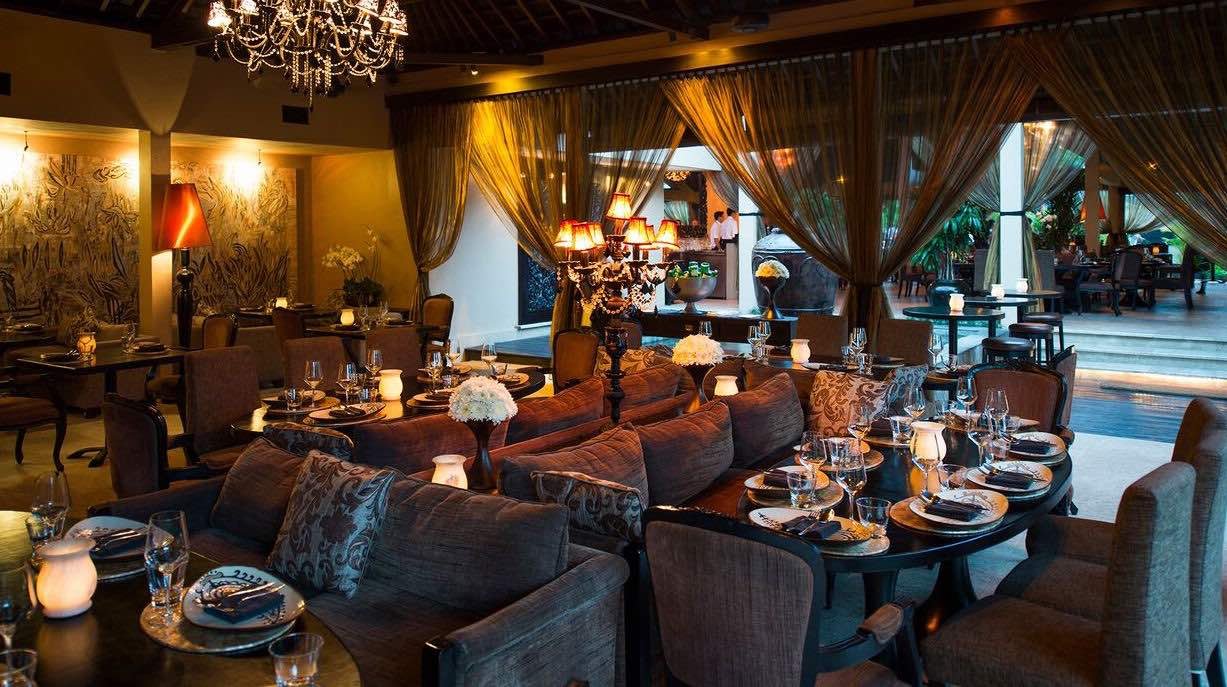
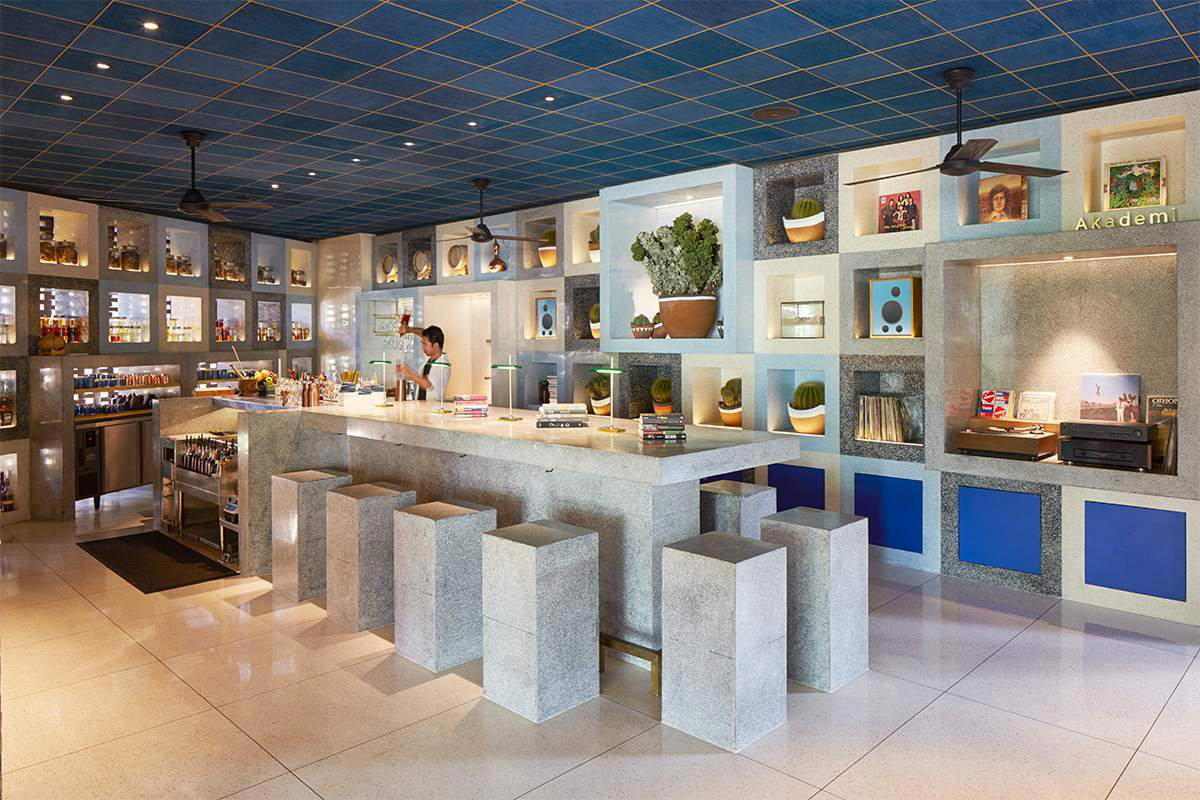
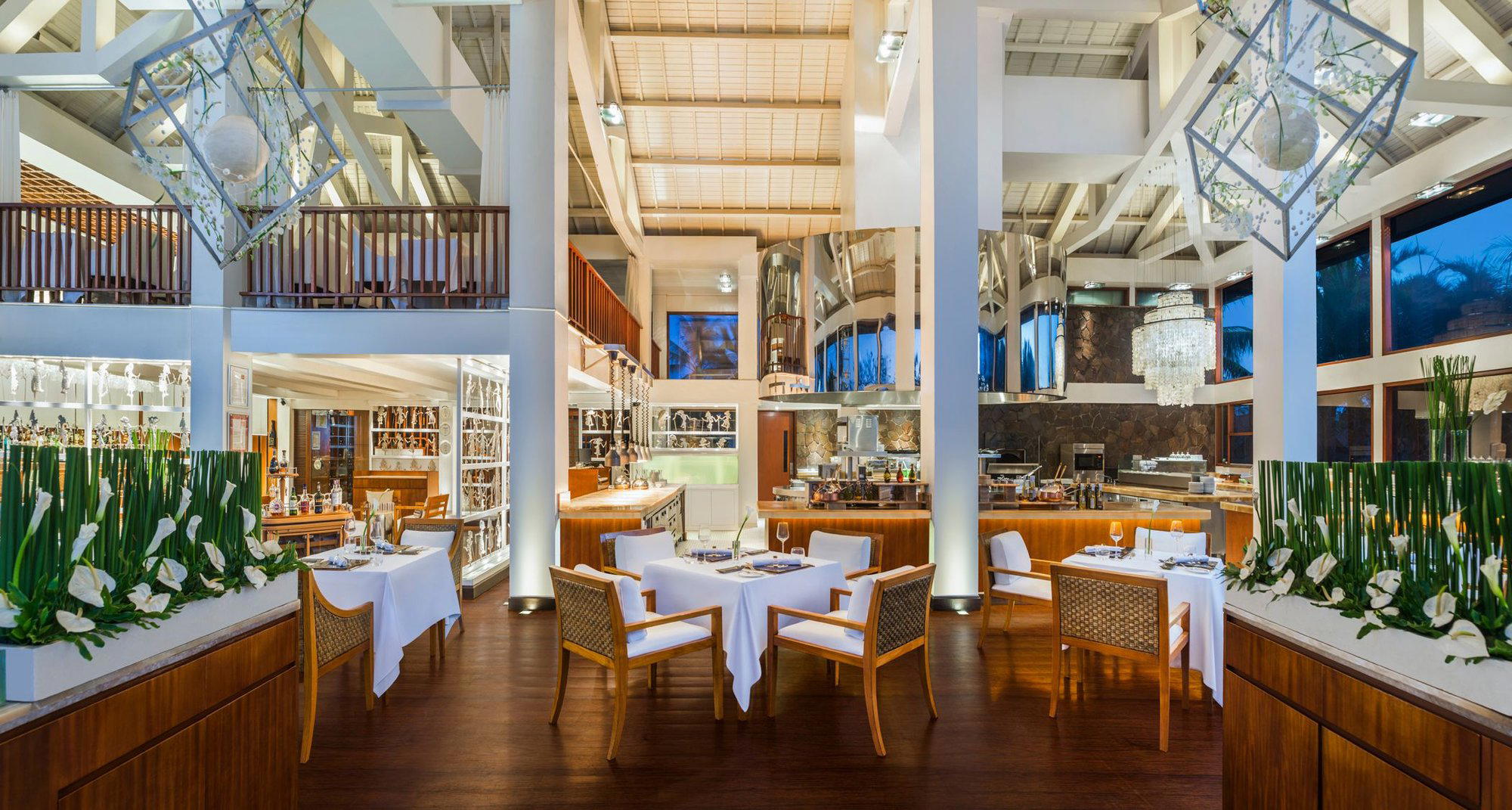
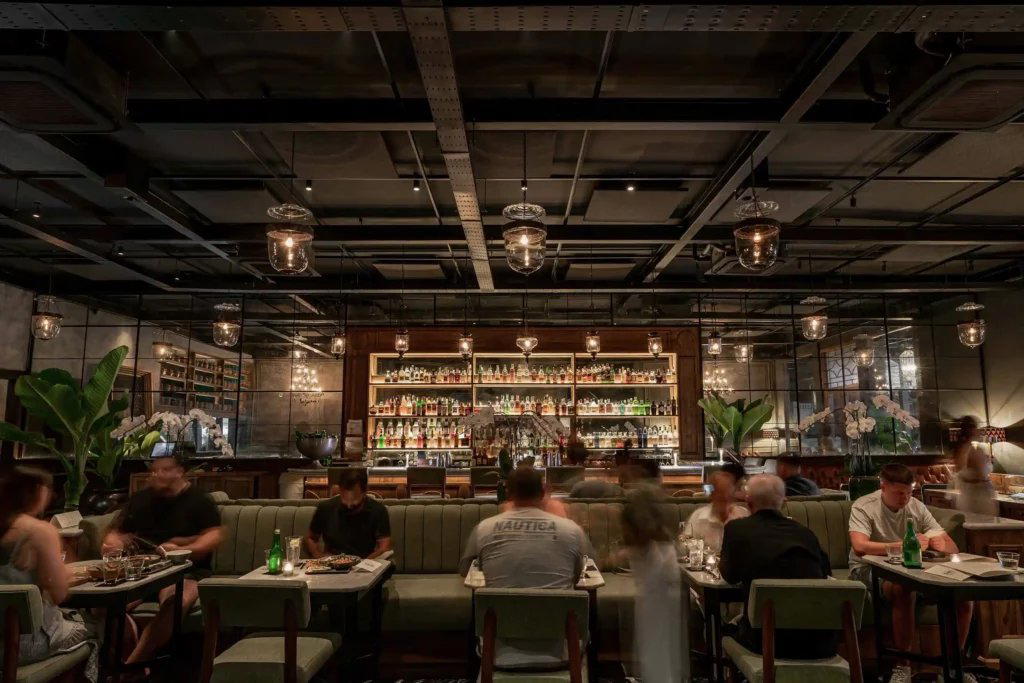
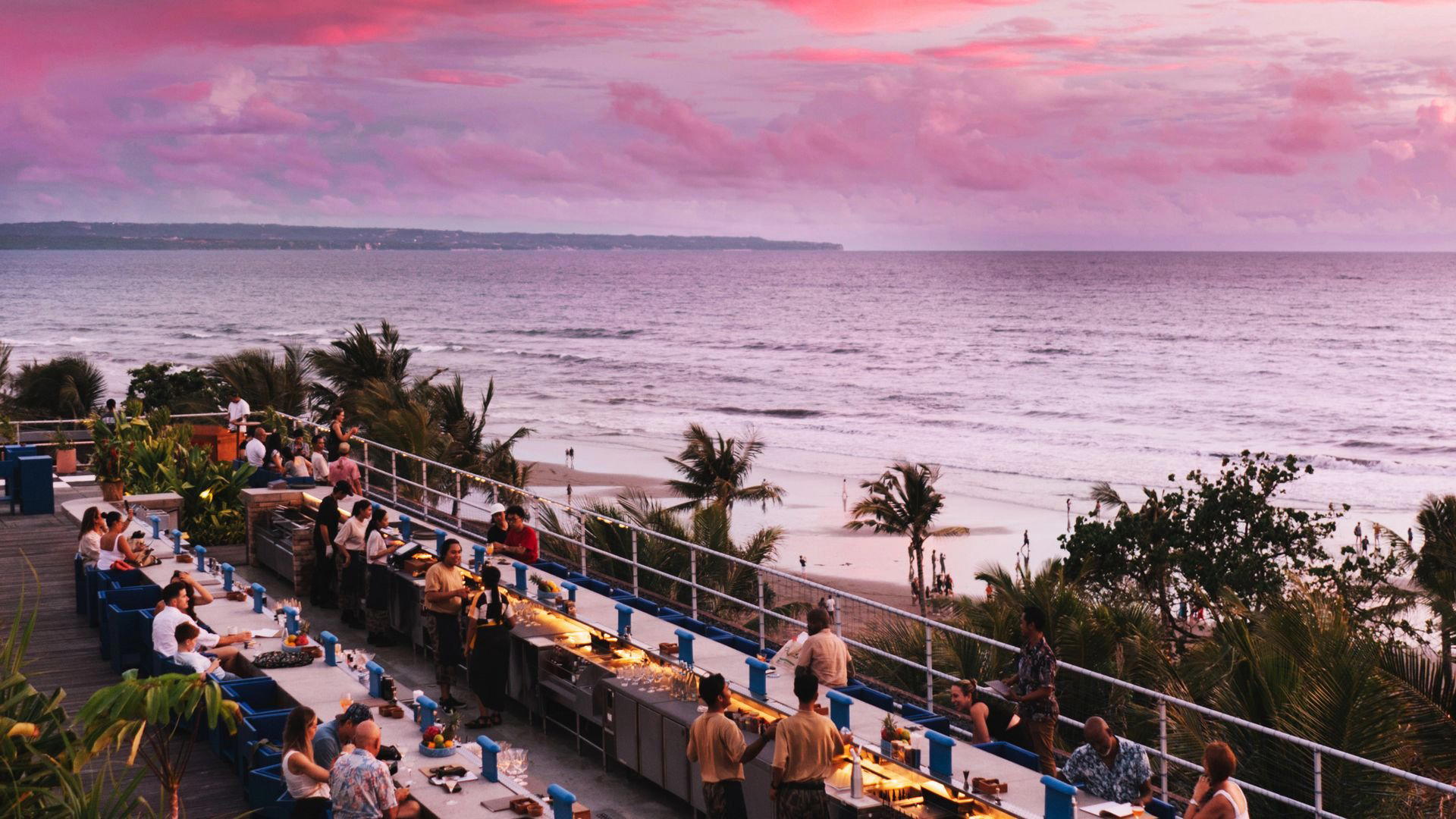
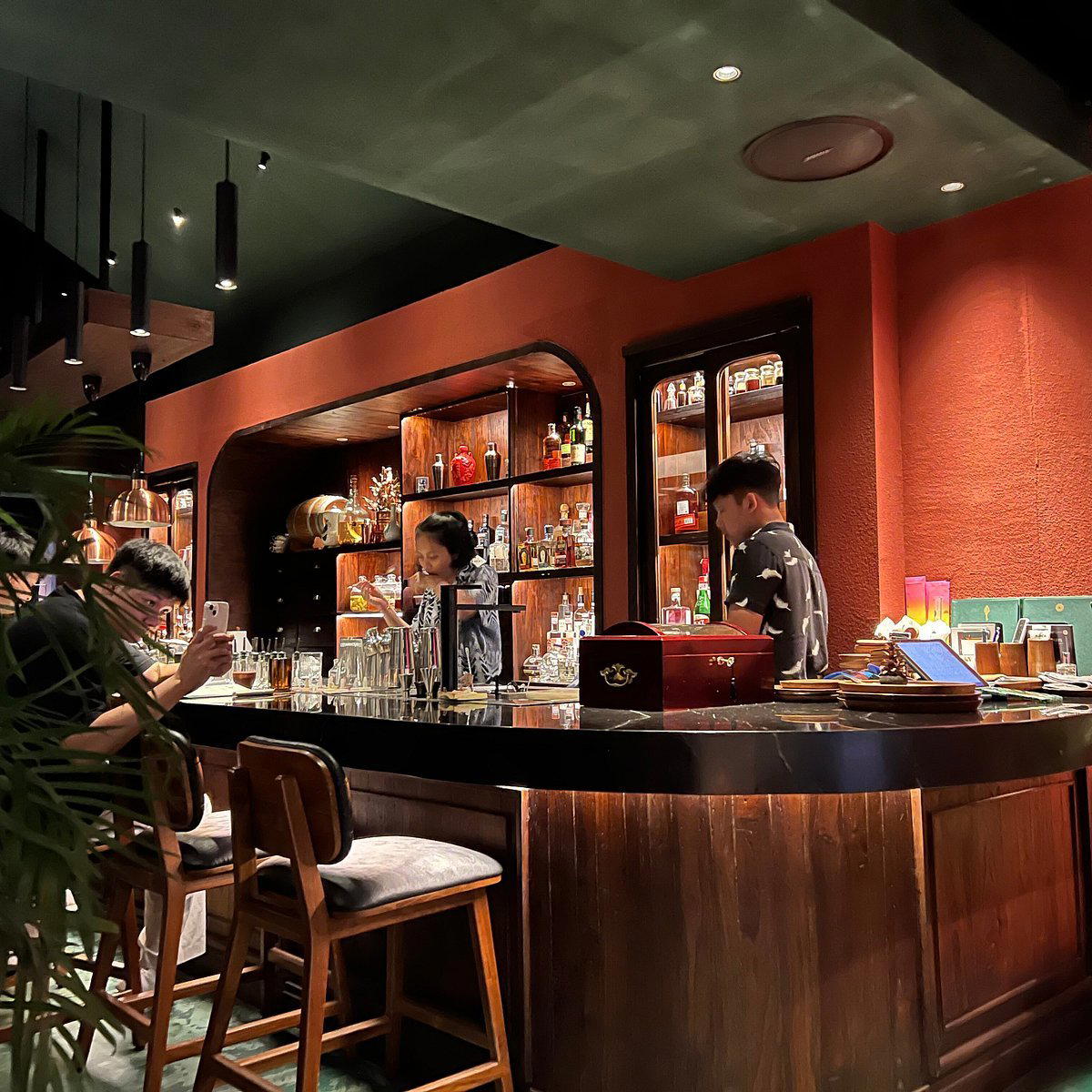
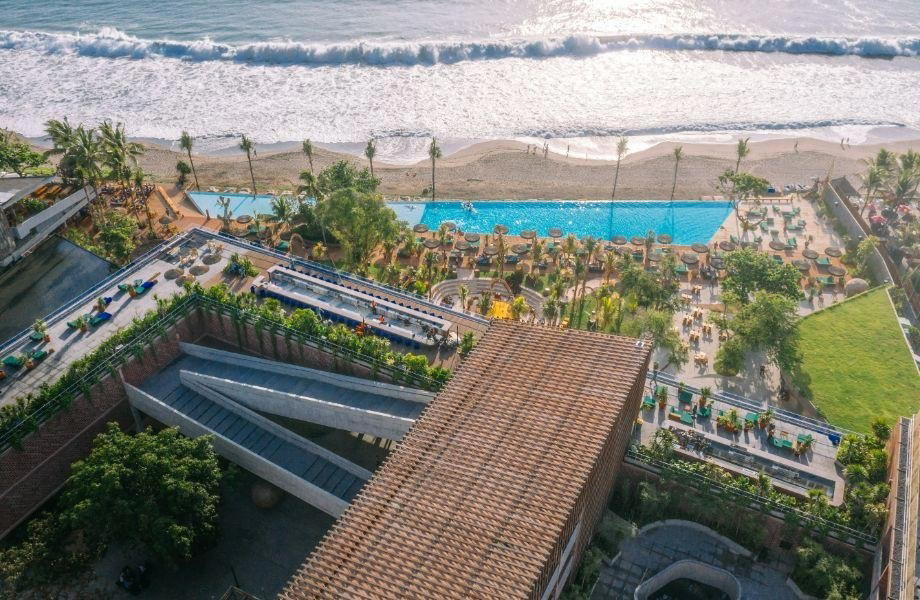
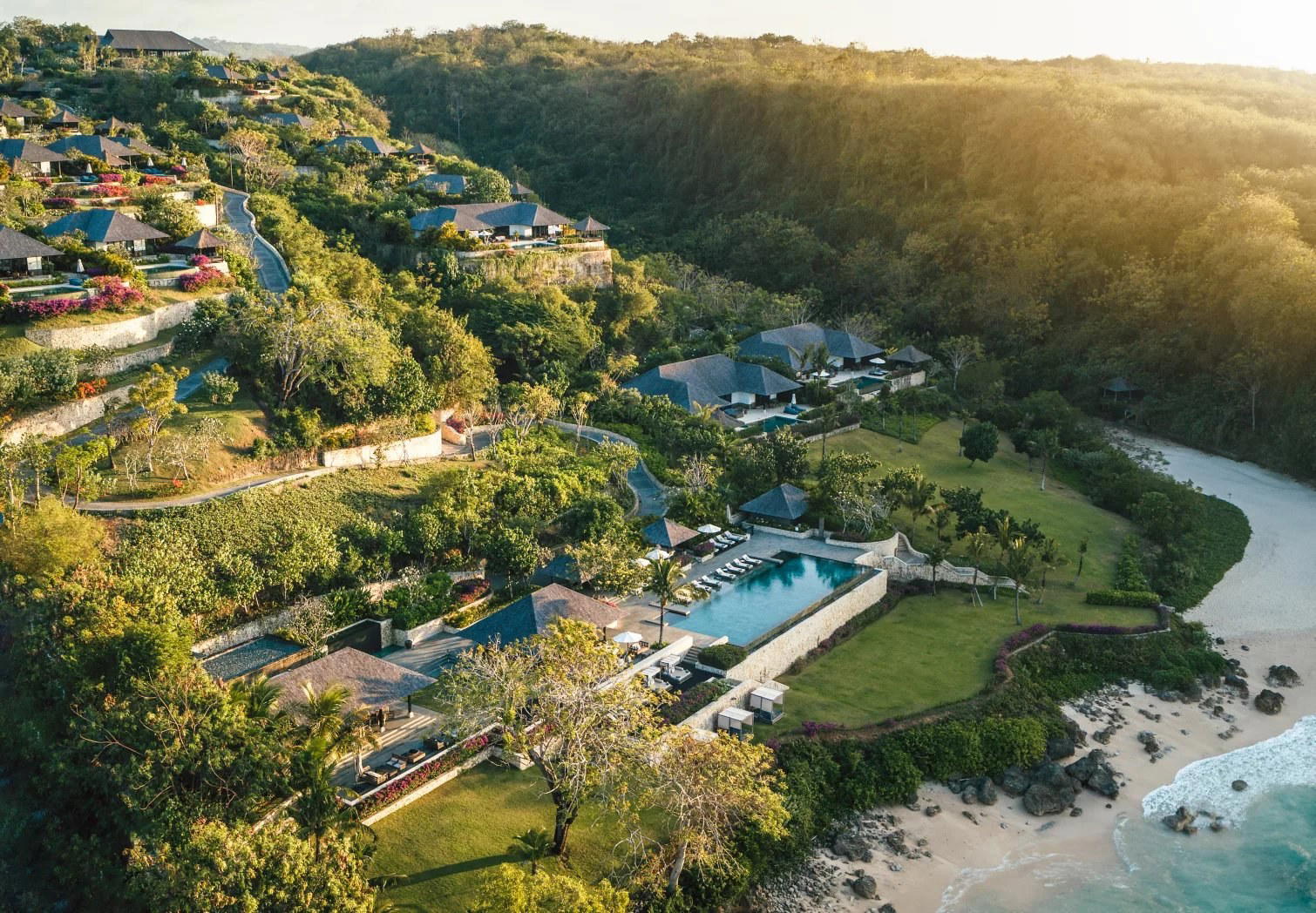
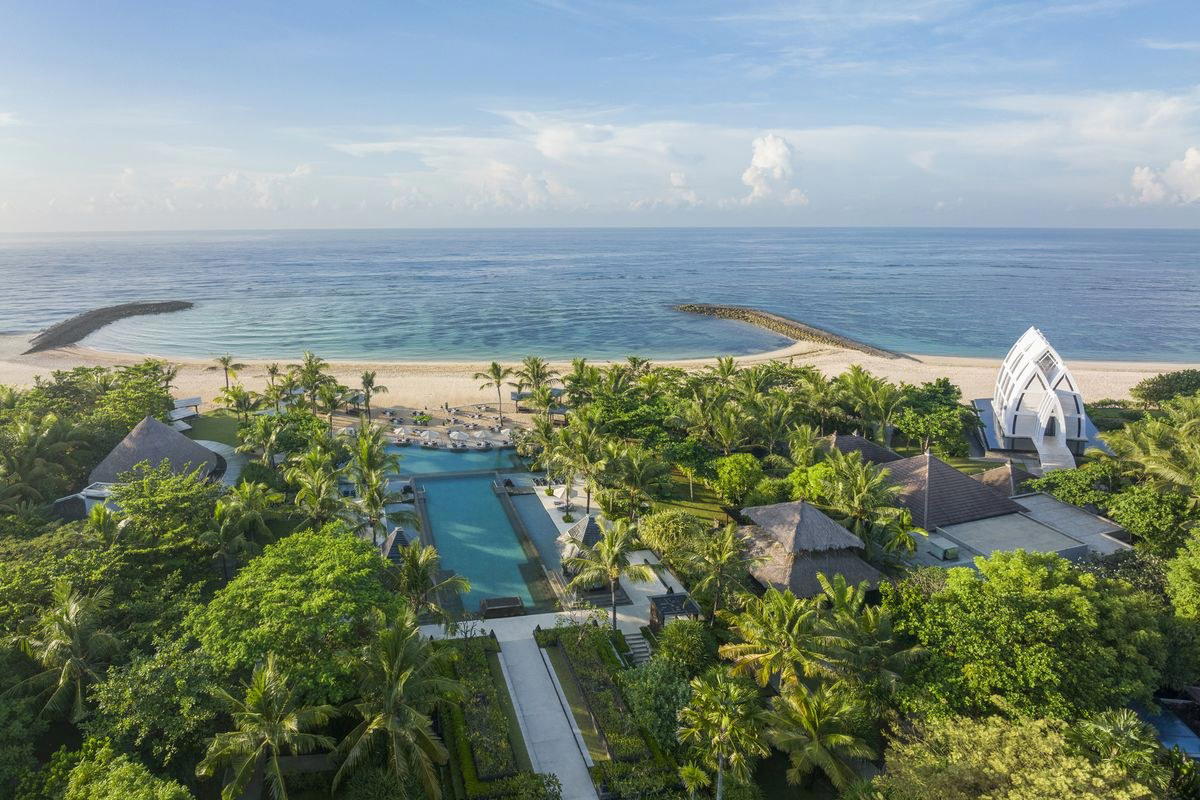
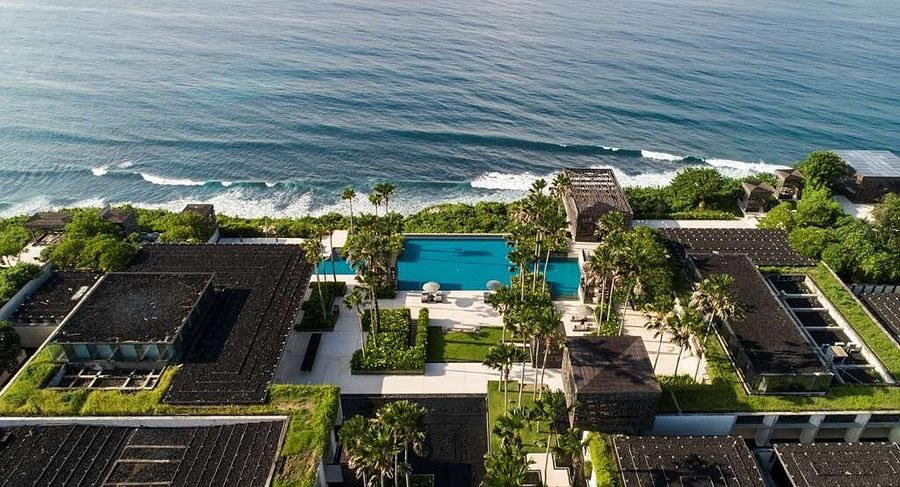
Ares Steak & Pasta restaurant in Kecamatan Denpasar Selatan, Indonesia
About

Denpasar's Dining Register: Between the Resort Belt and the Everyday Table

Bali's dining conversation tends to compress around two poles: the high-concept, often foreigner-owned restaurants of Seminyak, Canggu, and Ubud, and the warung circuit that serves Balinese food at near-zero margins. What gets less coverage is the tier sitting between them, the mid-range restaurants of Denpasar Selatan that feed the island's urban residents rather than its tourists. Ares Steak & Pasta, at Jalan Sudamala No. 20, operates in that middle register. Its address puts it inside one of southern Denpasar's more settled residential and commercial corridors, away from the beach-adjacent hospitality zones where the pricing floor rises sharply to cover location premiums.

This matters for anyone reading Bali through the lens of its restaurant scene rather than its resort catalog. The further south and west you move toward Kuta and Seminyak, the more pricing reflects real estate rather than plate content. Denpasar Selatan runs on a different logic: the customer base is local, the rent is lower, and the competitive pressure comes from value delivered rather than from curated atmospherics. For regional context across Indonesia's dining spectrum, our full Kecamatan Denpasar Selatan restaurants guide maps the broader picture.

The Steak-and-Pasta Format in Indonesia's Mid-Market

The combination of grilled meat and pasta on a single menu is not an accident of confusion about cuisines. Across Indonesia, this pairing has developed into a recognizable format, particularly in cities and towns where Western-style dining entered through affordable approximations rather than fine-dining imports. Jakarta's older steakhouse chains helped establish the template; the format then spread to Surabaya, Bandung, and eventually to Bali's non-resort zones. The appeal is direct: steak signals occasion and protein abundance, pasta signals comfort and familiarity, and together they cover the table for groups with mixed preferences.

This is a different tradition than the ingredient-sourcing rigor driving restaurants like Locavore NXT in Ubud, where the supply chain is a stated part of the editorial identity. At the mid-market tier, sourcing is typically less documented but no less consequential: the beef cut, its provenance (domestic Javan cattle or Australian import), and how it is aged and grilled determine whether the dish justifies its price point. In a market where customers are comparing value carefully, the difference between a competent and a mediocre steak shows up immediately.

Indonesia's broader grilling culture has its own reference points. Across the archipelago, from the satay grills of Yogyakarta (see Gudeg Yu Djum for the city's traditionalist dining) to the Korean-influenced barbecue formats that have expanded steadily in urban centers, open-flame cooking resonates with local palates in ways that have made it viable well outside fine-dining brackets. The pasta side of the equation draws on the Italian thread that runs through Indonesian café culture, a thread reinforced by decades of Dutch colonial-era influence on preserved and processed foods, and more recently by the proliferation of Italian-adjacent café menus in Bali's tourism economy.

Reading the Jalan Sudamala Address

Jalan Sudamala sits in the southern Denpasar grid rather than the tourist-facing coastal strip. The street's character is mixed-use: local businesses, residential blocks, and a range of food establishments that serve the surrounding community. Approaching from the main arterial roads of southern Denpasar, the immediate environment reads as working city rather than curated hospitality zone. This shapes both the atmosphere inside and the expectations at the table.

Restaurants in this part of Denpasar tend toward open or semi-open layouts that account for Bali's climate, fan-assisted or air-conditioned depending on the price bracket, and an interior language that prioritizes function over styling. The contrast with beach-club adjacent venues in Seminyak or the garden-set design restaurants further north in Ubud (see Bikini Restaurant Bali in Badung for a different register) is deliberate: in residential Denpasar, a certain directness of setting is part of the value proposition.

For comparison, the mid-market steak-and-grill format has found similar footholds in other Indonesian urban contexts. Hachi Grill Alam Sutera in South Tangerang represents the format's suburban Jakarta variant, where shopping-mall adjacency shapes the format differently but the core appeal, grilled protein at a reasonable price point, remains consistent. The Bali version, particularly in Denpasar rather than the resort belt, operates with fewer overhead costs and typically passes some of that savings to the customer.

Where Ares Fits in the Broader Bali Dining Picture

Bali's restaurant scene has attracted sustained international attention for its high-end tier. Venues like Mozaic in Ubud have represented French-influenced fine dining with serious wine programs; Nusantara By Locavore has pushed Indonesian ingredient provenance into a premium format; the warung network around Ibu Oka remains the reference for traditional Balinese cooking at its most functional. These are well-documented reference points, and the coverage they receive creates a partial picture of what eating on the island actually looks like for the majority of residents.

Ares Steak & Pasta occupies a different coordinate entirely. It is not competing with the high-concept Ubud properties, nor is it the cheapest option on the block. Its competition is the cluster of similar mid-market restaurants across Denpasar Selatan that serve the same demographic of local families, younger professionals, and visitors staying in the city rather than in resort areas. In Jakarta, comparable positioning might be found at venues like Kita 喜多 Restaurant And Bar in Kecamatan Menteng, where the city's urban dining middle tier has its own dynamics distinct from the capital's fine-dining circuit.

For context on how Indonesia's dining scene reads at its most ambitious end, August in Jakarta represents the kind of sourcing-forward, chef-driven programming that defines the country's top tier. The distance between that and a Jalan Sudamala steak house is not a criticism of either; it is simply a map of how a complex, multi-city dining culture distributes itself across price points and intentions. Other Indonesian comparators worth reading alongside include Kunyit Restaurant in Bandung and Jungle Fish Bali in Gianyar for a fuller picture of the regional range.

Planning Your Visit

Ares Steak & Pasta is located at Jalan Sudamala No. 20, Kecamatan Denpasar Selatan, Bali. The address is in southern Denpasar's residential and commercial grid, accessible by car or scooter from the main arterial roads connecting Denpasar to Kuta and Sanur. Given the absence of published booking information, walk-in visits are the practical approach; in this segment of the Denpasar market, reservation infrastructure is not typically part of the operating model. Phone and website details are not currently listed in the EP Club database, so arrival at the venue or a local inquiry is the most reliable way to confirm hours before visiting. Pricing information is similarly unpublished in our records, though the mid-market positioning and Denpasar Selatan location together suggest a price tier meaningfully below the resort-belt restaurants of Seminyak and Canggu.

Frequently asked questions

Comparable Spots, Quickly

These are the closest comparables we have in our database for quick context.

At a Glance
Vibe
  • Elegant
  • Sophisticated
Best For
  • Date Night
  • Special Occasion
Experience
  • Hotel Restaurant
Dress CodeSmart Casual
Noise LevelConversational
CapacityMedium
Service StyleUpscale Casual
Meal PacingStandard

Refined resort dining atmosphere suitable for indoor events and cultural gatherings.