Coccodrillo occupies a corner address in Berlin's Mitte district, at Veteranenstraße 9 in the 10119 postcode, a neighbourhood where independent restaurants have quietly held ground against the city's shifting hospitality map. The kitchen's approach and menu architecture place it within a wider Berlin tradition of restaurants that treat restraint as a creative position rather than a limitation.
Pearl is the En Primeur Club membership app — saves, bookings, and concierge access live there. Same editors, same standards.
- Address
- Veteranenstraße 9, 10119 Berlin, Germany
- Website
- bigsquadra.com
- Directions
- Get directions
 Saves & bookings on Pearl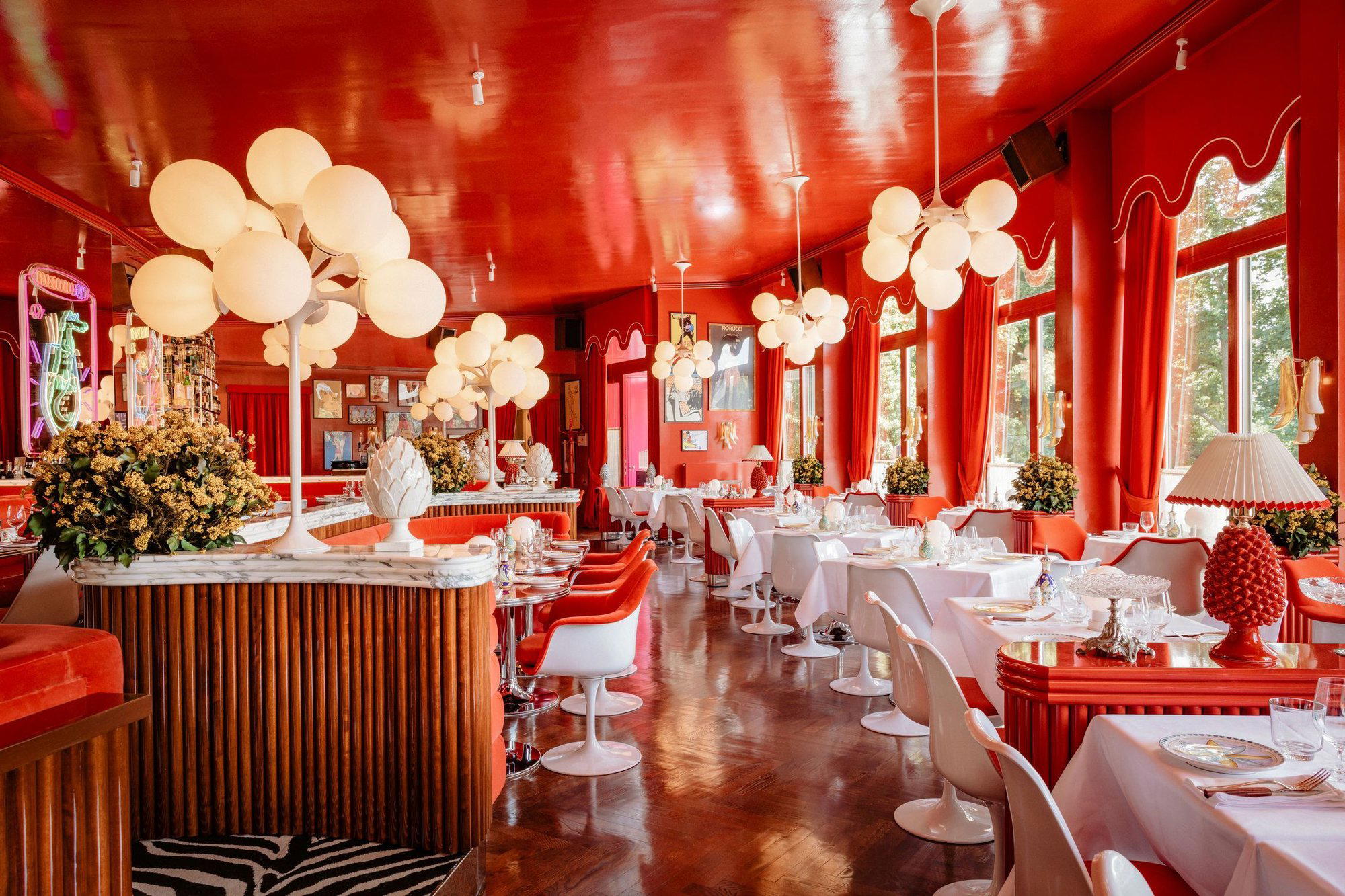
Mitte's Quieter Register: Where Veteranenstraße Sets Its Own Terms
The city that produced the austere regionalism of Nobelhart & Schmutzig and the dessert-forward ambition of CODA Dessert Dining also sustains a tier of neighbourhood restaurants where the work is done quietly, without the apparatus of tasting-menu theatre. Veteranenstraße 9, in the 10119 corridor of Mitte, sits in that register. The street runs through a section of the district that avoided particularly aggressive waves of commercial redevelopment, leaving a stock of ground-floor restaurant spaces that still feel proportional to their surroundings. Coccodrillo occupies one of them. It is an independent restaurant with a recommended reservation policy and smart casual dress code.
Approaching the address, the physical scale of the room reads before anything else does. In a city where large-format spaces dominate the Mitte dining offer, restaurants that hold their footprint to something more human in scale communicate a different set of priorities from the outset. That compression is not incidental. It shapes what the kitchen can attempt, how the room is serviced, and what kind of relationship forms between the food and the people eating it.
What the Menu Architecture Says
The structure of a restaurant's menu is one of the more reliable indexes of its actual ambitions. A menu that organises itself around a small number of clearly defined sections, without the sprawl of options designed to accommodate every preference simultaneously, tends to signal a kitchen that has made decisions rather than deferred them. That kind of editorial confidence is rarer at the neighbourhood scale than at the tasting-menu end of the market, where the format itself enforces discipline.
Berlin's stronger independent restaurants have increasingly moved toward menus that read as arguments rather than catalogues. Rutz does this through a framework that places wine logic at the centre of its food decisions. FACIL organises its contemporary European offer around seasonal compression.
At Coccodrillo, the address itself provides context. A kitchen operating on Veteranenstraße is not pricing against the €€€€ tasting-menu tier occupied by Berlin's decorated rooms. It is working within a set of constraints, on price, on volume, on the kind of guest who will walk through the door, that require a different kind of menu intelligence. The question any serious neighbourhood restaurant answers through its menu is whether it has translated those constraints into a coherent position.
Berlin's Independent Restaurant Scene: The Wider Picture
Germany's fine-dining geography has historically concentrated its starred rooms outside the capital. Schwarzwaldstube in Baiersbronn, Aqua in Wolfsburg, Vendôme in Bergisch Gladbach, and Victor's Fine Dining by Christian Bau in Perl each represent a model of destination dining that operates at a remove from an urban base. Waldhotel Sonnora in Dreis and Schanz in Piesport follow similar logic. Berlin's contribution to that national conversation has grown more pronounced in recent years, with rooms like Restaurant Tim Raue and FACIL establishing the city as a credible address for serious European dining, not merely for its creative energy but for technical execution.
What the capital has produced alongside those destination rooms is a denser network of independent restaurants working below the awards tier, restaurants that draw on the city's cosmopolitan sourcing, its relatively affordable rents by European capital standards, and its dining culture that favours directness over ceremony. Coccodrillo at Veteranenstraße 9 operates within that network. It is not competing with the three-Michelin-star rooms in Munich, represented by kitchens like JAN, or with Hamburg's formal dining offer anchored by Restaurant Haerlin. Its competitive set is the considered neighbourhood restaurant, and within that set, menu architecture becomes the primary differentiator.
Internationally, the model of the neighbourhood restaurant that punches above its category through disciplined menu construction has precedents in rooms like Lazy Bear in San Francisco, where format and menu structure carry as much weight as individual dishes. The distance between Berlin's independent tier and that level of international recognition is partly a function of the city's own pricing culture, which has kept even ambitious kitchens from charging at the rates that generate the kind of critical attention that follows price point as much as quality.
Seasonal Timing and the Neighbourhood Context
Mitte's restaurant density peaks between late spring and early autumn, when outdoor seating along streets like Veteranenstraße draws foot traffic that would not otherwise reach these addresses. The neighbourhood's residential character means that a meaningful share of covers at restaurants of this type come from repeat local guests rather than destination visitors, and menus tend to rotate with enough frequency to sustain that repeat patronage. Restaurants that rely on neighbourhood regulars build their menus differently from those targeting single-visit tourists: the pressure is on variety over time rather than a single knockout experience, and on consistency of execution over spectacle.
That seasonal rhythm also affects what kitchens in this part of Berlin can source credibly. Brandenburg's agricultural belt, within easy logistics of the city, provides a reliable supply of seasonal produce that feeds into the menus of neighbourhood restaurants at this price tier. The transition from winter root-vegetable frameworks to the lighter, more ingredient-forward cooking of spring and early summer is particularly pronounced in kitchens that have made sourcing part of their identity rather than an afterthought.
Visitors planning a Berlin itinerary that moves across the city's restaurant tiers should account for the fact that the neighbourhood tier operates on different booking rhythms. For context on the full spread of what Berlin offers, And for international reference points on how seafood-focused precision translates to a different kind of menu architecture, Le Bernardin in New York City remains the clearest example of what sustained editorial focus on a single ingredient category can produce at the highest level.
Know Before You Go
- Address: Veteranenstraße 9, 10119 Berlin, Germany
- Neighbourhood: Mitte, Berlin
- Price range: about $25 per person
- Reservations: recommended
- Hours: Mon to Thu 12 to 2:30 PM and 5:15 to 11:45 PM; Fri 12 to 3:15 PM and 5 PM to midnight; Sat 12 to 3:30 PM and 5:30 PM to midnight; Sun 12 to 11 PM
- Phone / Website: Not currently listed; search the venue name for current contact details
Comparable Spots
Comparable venues nearby, for context on price, style, and recognition.
| Venue | Cuisine | Price | Notes |
|---|---|---|---|
| CoccodrilloThis venue — the venue you are viewing | Authentic Italian Trattoria with Neapolitan Pizza | $$ | Not listed |
| Vino & Basilico | Modern Italian | $$ | Mitte |
| Pasta & Vino | Authentic Italian Pasta & Antipasti | $$ | Prenzlauer Berg |
| Parma di Vinibenedetti | Organic Neapolitan Pizza | $$ | Kreuzberg |
| Petrocelli | Authentic Italian from Basilicata | $$ | Charlottenburg |
| Rasoterra | Contemporary Sicilian Pizza | $$ | Wilmersdorf |
Continue exploring
More in Berlin
Restaurants in Berlin
Browse all →
Bars in Berlin
Browse all →
Hotels in Berlin
Browse all →

Wineries in Berlin
Browse all →

At a Glance
- Trendy
- Lively
- Retro
- Cozy
- Date Night
- Group Dining
- Casual Hangout
- Terrace
- Open Kitchen
- Craft Cocktails
- Local Sourcing
- Street Scene
- Garden
Current opening hours
- Monday
- 12–2:30 PM, 5:15–11:45 PM
- Tuesday
- 12–2:30 PM, 5:15–11:45 PM
- Wednesday
- 12–2:30 PM, 5:15–11:45 PM
- Thursday
- 12–2:30 PM, 5:15–11:45 PM
- Friday
- 12–3:15 PM, 5 PM–12 AM
- Saturday
- 12–3:30 PM, 5:30 PM–12 AM
- Sunday
- 12–11 PM
Hours can change for holidays and private events. Last verified .
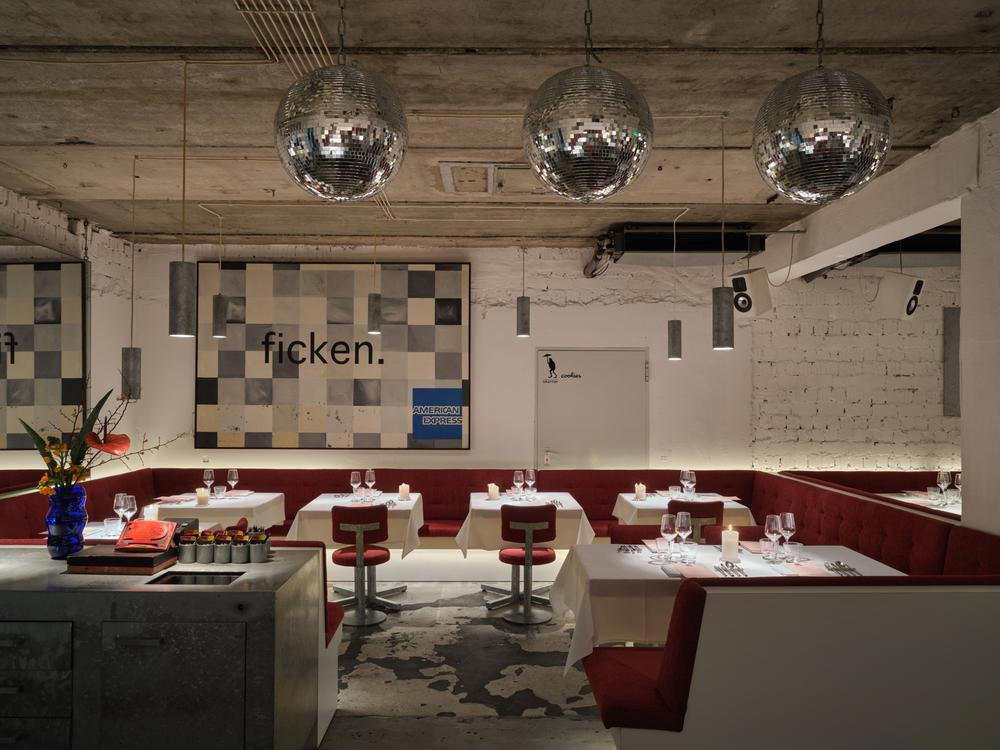
Elegant yet inviting with vintage-chic charm, lively atmosphere, red velvet seating, and scarlet walls creating a seductive Dolce Vita vibe.