Vino & Basilico occupies a quiet address on Tucholskystraße in Berlin's Mitte district, where the Italian-inflected name signals a kitchen built around wine and the Mediterranean herb that defines its character. The room sits within a neighbourhood corridor that has become one of central Berlin's more considered dining stretches, positioned between the institutional weight of the Scheunenviertel and the commercial energy of Hackescher Markt.
Pearl is the En Primeur Club membership app — saves, bookings, and concierge access live there. Same editors, same standards.
- Address
- Tucholskystraße 18/20, 10117 Berlin, Germany
- Phone
- +493027878885
- Website
- vinoebasilico.com
- Directions
- Get directions
 Saves & bookings on Pearl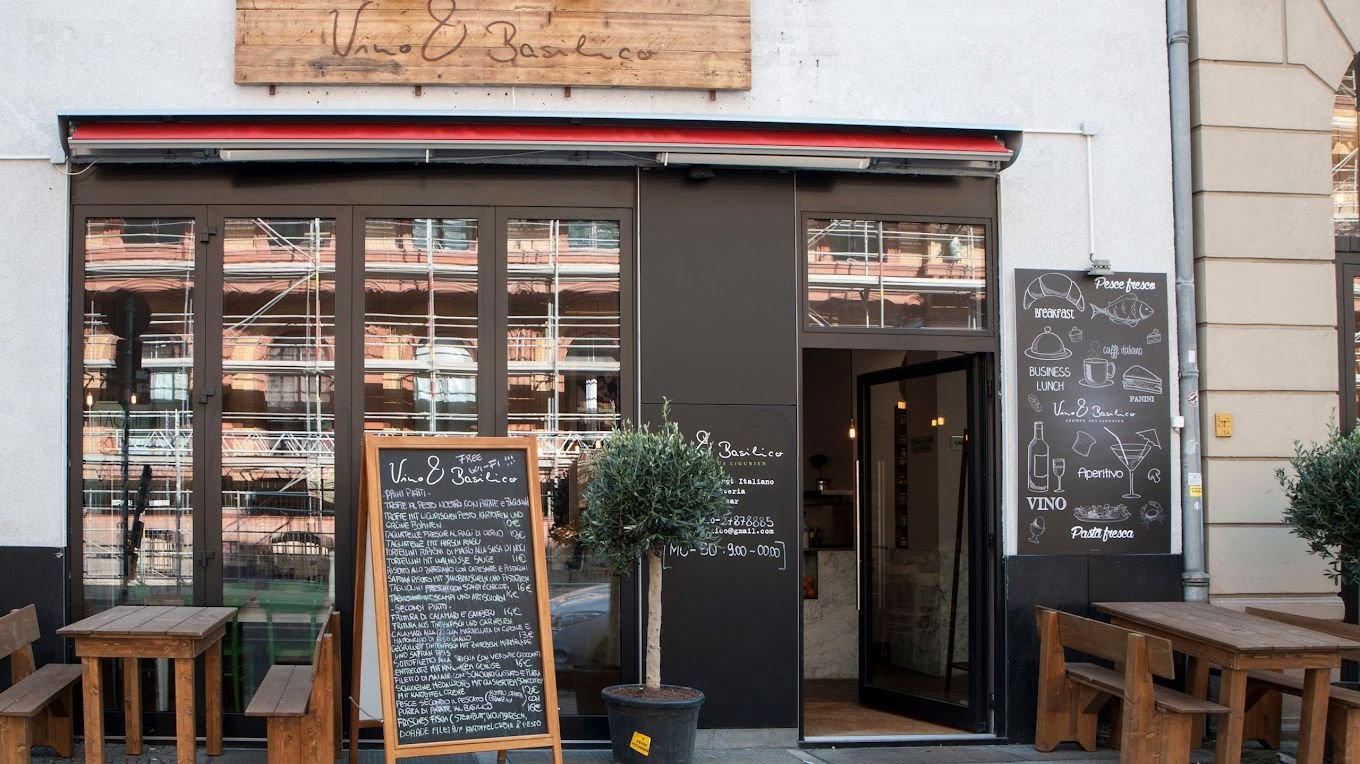
Mitte's Italian Undercurrent
Berlin's dining scene divides more sharply than most European capitals between its high-concept, tasting-menu tier and its everyday neighbourhood rooms. The tasting-menu bracket is well-documented: Rutz, Nobelhart & Schmutzig, and FACIL hold Michelin recognition and draw guests who plan weeks or months in advance. Below that tier, the city runs on a different logic: rooms defined by neighbourhood identity, a specific culinary tradition, and a kind of deliberate informality that Berliners tend to read as authenticity rather than absence of ambition. Vino & Basilico is a modern Italian restaurant on Tucholskystraße in Berlin's Mitte district.
The name itself is a curatorial statement. Vino and basilico, wine and basil, are two of particularly loaded terms in Italian culinary culture, invoking both the cellar and the kitchen garden, the glass and the plate. In Berlin, where Italian restaurants range from utilitarian pizza counters to rooms attempting the formality of a Roman trattoria, that pairing positions a venue in the middle register: somewhere that takes the Italian table seriously without performing it.
The Atmosphere on Tucholskystraße
Tucholskystraße runs through the northern section of Mitte, a few blocks from the Neue Synagoge and within walking distance of the Bodestraße museum cluster. The street itself has a nineteenth-century residential scale that the surrounding district largely lost to twentieth-century disruption and post-reunification development. Buildings along this stretch retain a proportion that keeps the street feel intimate rather than monumental, which matters for how a room on it reads from the outside.
Italian rooms in Berlin that work atmospherically tend to do so through a specific combination: warm light against a neutral interior, the smell of olive oil and herbs arriving before the food does, and a sound level that permits conversation without requiring effort. These are the sensory markers of a room that has calibrated its environment rather than simply furnished it. The name Vino & Basilico points toward exactly that calibration, where the herb in question is as much an olfactory signal as an ingredient.
For context on Berlin's wider Italian dining tradition, the city has imported the format over several decades in ways that range from the perfunctory to the careful. The careful end of that spectrum tends toward wine lists that reflect regional Italian depth, not simply the Chianti and Barolo defaults, but bottles from Campania, Friuli, and Sicily that reward a diner who asks questions. A name that leads with wine suggests a room where the list is considered a serious part of the offer, not an afterthought.
Where This Room Sits in Berlin's Dining Picture
The dining corridor in Berlin, CODA Dessert Dining, Restaurant Tim Raue, and the rooms listed above, operates on a set of assumptions about advance planning, price commitment, and a certain degree of ceremony. Vino & Basilico addresses a different guest: one who wants a specific culinary tradition delivered with care and without the architecture of a tasting menu. In that sense it belongs to a category that Berlin has historically underserved relative to cities like Munich or Hamburg, where mid-register Italian and European rooms have maintained a stronger identity.
Across Germany more broadly, the restaurants drawing sustained critical attention tend to be either German-inflected contemporary rooms or high-formal international kitchens. Aqua in Wolfsburg, JAN in Munich, and Schwarzwaldstube in Baiersbronn represent the ambitious end of that spectrum, alongside Vendôme in Bergisch Gladbach and Victor's Fine Dining by Christian Bau in Perl. Rooms like Vino & Basilico occupy the space that such destination restaurants do not: the consistent neighbourhood offer that a city's residents actually use on a Tuesday evening in November.
That positioning matters because Berlin's Mitte has become expensive in ways that have pushed some of its most characterful rooms toward the periphery. Prenzlauer Berg, Neukölln, and Friedrichshain now hold many of the city's more interesting neighbourhood restaurants. A room that has held its address on Tucholskystraße represents a degree of continuity in a district where continuity has a cost.
The Italian Table in a German City
Italian cuisine's relationship with Germany is longer and more layered than its tourist-facing surface suggests. Postwar migration brought southern Italian cooking into German industrial cities in the 1950s and 1960s, and the trattoria format became embedded in urban German dining culture in ways that parallel, say, the Chinese-American restaurant's relationship with American cities. What followed was several decades of evolution: some rooms fossilised around a 1970s idea of Italian food, others updated toward the regional specificity that became the dominant critical language in Italian cooking by the 1990s and 2000s.
The better Italian rooms in Berlin today tend to track that regional specificity, treating pasta as a serious technical subject, sourcing olive oils with the same attention given to wine, and understanding the difference between a Neapolitan and a Roman pizza as a genuine distinction rather than a marketing detail. A venue that places wine at the front of its identity fits a pattern visible in cities from Copenhagen to Vienna, where the sommelier's role in Italian rooms has grown to equal the chef's in terms of what draws a regular clientele.
For readers building a broader Germany itinerary, Restaurant Haerlin in Hamburg, Schanz in Piesport, Bagatelle in Trier, ES:SENZ in Grassau, and Waldhotel Sonnora in Dreis cover the formal-dining end of the country's range. Vino & Basilico answers a different question on that itinerary: where to eat well in central Berlin without the apparatus of a destination booking.
Planning Your Visit
Vino & Basilico is located at Tucholskystraße 18/20, 10117 Berlin, in the Mitte district. Reservations are recommended. Dress: Smart-casual is the appropriate register for a room of this type in Mitte. Budget: Around $30 per person. For international reference points in the Italian-influenced fine-dining register, Le Bernardin in New York City and Atomix in New York City represent how culinary discipline at this address tier translates into sustained critical recognition in a larger market.
Cuisine and Credentials
Comparable venues nearby, for context on price, style, and recognition.
| Venue | Cuisine | Price | Notes |
|---|---|---|---|
| Vino & BasilicoThis venue — the venue you are viewing | Modern Italian | $$ | Not listed |
| Zia Maria | Roman-Style Pizza al Taglio | $$ | Prenzlauer Berg |
| Trattoria a muntagnola | Authentic Southern Italian Basilicata Trattoria | $$ | Schoneberg |
| Osteria Centrale | Classic Tuscan Italian | $$ | Charlottenburg |
| Nea Pizza 1889 | Authentic Neapolitan Pizza | $$ | Mitte |
| CRUST Pizza | Neapolitan Pizza | $$ | Mitte |
Continue exploring
More in Berlin
Restaurants in Berlin
Browse all →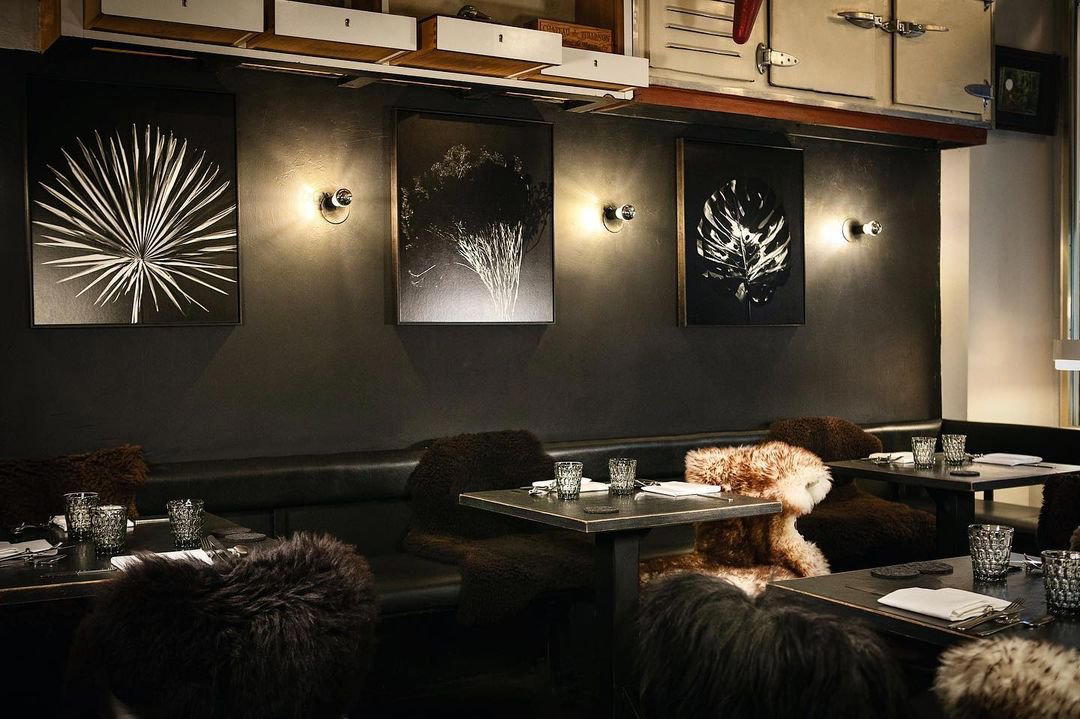
Bars in Berlin
Browse all →
Hotels in Berlin
Browse all →



At a Glance
- Cozy
- Lively
- Elegant
- Date Night
- Open Kitchen
- Extensive Wine List
Current opening hours
- Monday
- 12–11:30 PM
- Tuesday
- 12–11:30 PM
- Wednesday
- 12–11:30 PM
- Thursday
- 12–11:30 PM
- Friday
- 5–11:30 PM
- Saturday
- 5–11:30 PM
- Sunday
- Closed
Hours can change for holidays and private events. Last verified .
Cozy and lively atmosphere with warm welcoming service, professional staff, and an open kitchen.