On Uhlandstraße in Berlin's Charlottenburg district, Rasoterra positions itself within the city's quieter current of Italian-rooted vegetable-forward cooking, a counter to Berlin's louder fine-dining circuit. The address sits in a neighbourhood that rewards deliberate visitors over casual walk-ins, and the kitchen's approach reflects that same preference for attention over volume.
Pearl is the En Primeur Club membership app — saves, bookings, and concierge access live there. Same editors, same standards.
- Address
- Uhlandstraße 155, 10719 Berlin, Germany
- Phone
- +4917632107534
- Website
- rasoterra.berlin
- Directions
- Get directions
 Saves & bookings on Pearl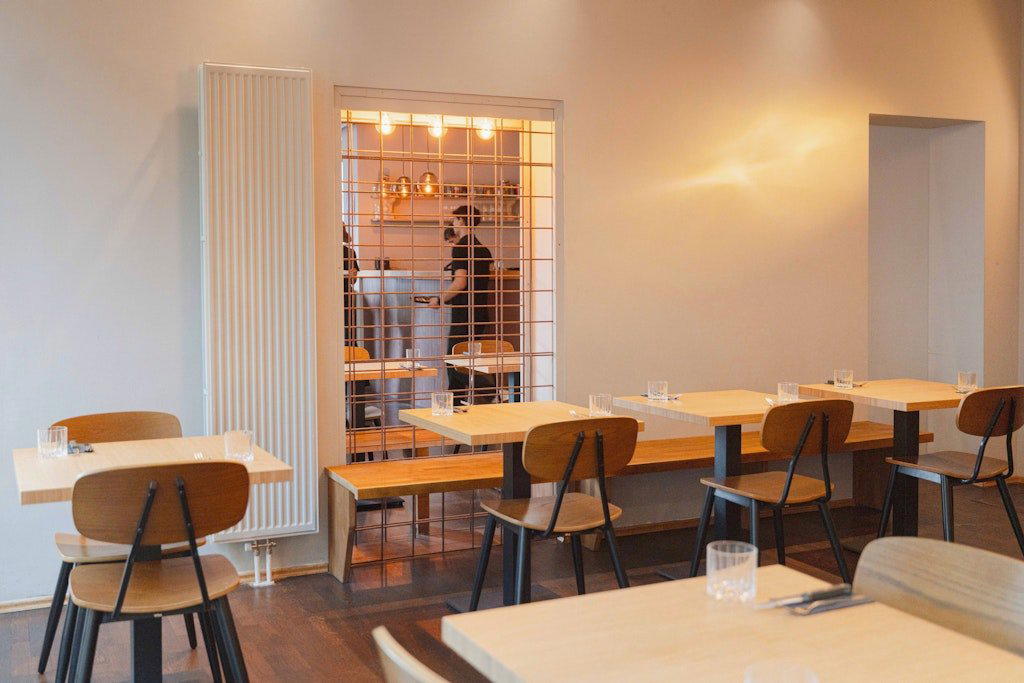
Uhlandstraße and the Quieter Register of Berlin Dining
Berlin's serious restaurant scene clusters in recognisable pockets: the Michelin-decorated rooms of Mitte and Tiergarten, the creative tasting-menu addresses that draw international press, and then the smaller, harder-to-categorise places that fill a different role entirely. Charlottenburg's Uhlandstraße sits in that third category. The street is residential in character, lined with pre-war apartment facades rather than retail frontage, and the dining addresses along it tend toward the considered rather than the conspicuous. Rasoterra occupies that register. Approaching the address, there is no doorman, no illuminated marquee, no queue-management apparatus. The restaurant presents itself plainly, which in the context of the city's current premium dining culture is itself a statement.
The Michelin-starred addresses at Rutz, Nobelhart & Schmutzig, and FACIL represent formal tasting-menu formats at the upper price tier, typically €€€€ in structure and international in their reference points. CODA Dessert Dining operates in a conceptually distinct register altogether. Rasoterra does not compete directly with that tier. Instead, it occupies the less mapped space between casual trattoria and destination fine dining, a position that Italian-influenced vegetable-forward restaurants in Europe's major cities have been carving out with increasing seriousness over the past decade.
Italian Roots, Northern European Context
Vegetable-centred Italian cooking occupies a specific and often misunderstood cultural position. In Italy itself, the cucina povera tradition produced dishes built around legumes, grains, and seasonal produce not from ideological preference but from historical necessity, and the result was a culinary grammar of extraordinary depth. Ribollita in Tuscany, pasta e fagioli across the north, the broad repertoire of Roman vegetable preparations: these are not compromise dishes. They are the structural backbone of a cuisine that long predates the protein-centred model that dominated twentieth-century restaurant culture.
When that tradition lands in a northern European city like Berlin, it takes on a different meaning. Berlin has a well-documented culture of plant-based eating, driven partly by a large young population with progressive dietary preferences and partly by a restaurant scene that responds quickly to shifting demand. But the Italian vegetarian tradition is categorically different from the lifestyle-driven vegan restaurant format that proliferates across Mitte and Prenzlauer Berg. It is rooted in specific regional techniques, in the slow cooking of dried legumes, in the emulsification of olive oil, in the use of aged hard cheeses as flavour anchors, in a relationship with seasonality that is geographical rather than ideological. Rasoterra positions itself within that tradition rather than the lifestyle-wellness axis, which places it in a smaller and more technically demanding peer group.
The Room and What It Signals
The interior at Uhlandstraße 155 reads as considered simplicity. The materials and proportions are consistent with a room designed to hold attention on the table rather than on the architecture, which is a sensible priority for a kitchen making an argument through the plate. Spaces that perform too hard visually often signal an uncertainty about whether the food can carry the experience unaided. Rooms that quiet themselves down tend to belong to kitchens with more confidence in that direction. Within Berlin's broader restaurant geography, this approach aligns Rasoterra with the ethos of addresses like Restaurant Tim Raue, where the kitchen's point of view is the dominant presence, even if the cuisine traditions are entirely different.
The Charlottenburg address also matters in terms of clientele. The neighbourhood draws a different demographic than Kreuzberg or Mitte: older, more local, less driven by international food tourism. For a restaurant built around a specific and somewhat specialist culinary position, this is a relevant consideration. The regulars here are likely to be Berliners rather than visitors cross-referencing a press list, which tends to produce a more settled, less performative dining room atmosphere.
Where Rasoterra Sits in the German Fine Dining Picture
Germany's decorated restaurant circuit extends well beyond Berlin. The country's most formal addresses include Aqua in Wolfsburg, Schwarzwaldstube in Baiersbronn, Vendôme in Bergisch Gladbach, and Victor's Fine Dining by Christian Bau in Perl, all operating at the highest Michelin tier and oriented around classical French-influenced technique. Further down the formality register, addresses like JAN in Munich, ES:SENZ in Grassau, Waldhotel Sonnora in Dreis, Restaurant Haerlin in Hamburg, Schanz in Piesport, and Bagatelle in Trier occupy regional positions with strong local followings. Rasoterra sits apart from this circuit. Its reference points are Italian and its format is less formal than the tasting-menu houses that dominate German fine dining coverage. That distinction is worth stating because it shapes what kind of experience the restaurant delivers and what kind of visitor it suits.
For international visitors building a broader itinerary, the comparison with vegetable-forward tasting formats in other cities is instructive. Addresses like Le Bernardin in New York City and Atomix in New York City operate in adjacent conversations about ingredient-driven cooking, albeit in entirely different culinary traditions and price brackets. Rasoterra asks what rooted Italian vegetable cookery looks like when practised seriously in a northern European city that takes both its Italian food culture and its plant-based eating seriously.
Planning a Visit
The address is Uhlandstraße 155, 10719 Berlin, in the Charlottenburg district. The nearest U-Bahn connection is Uhlandstraße on the U1 line, placing the restaurant within direct reach of central Berlin. Charlottenburg is also accessible from the main Zoologischer Garten transport hub. Specific booking details, current hours, and pricing are best confirmed directly with the restaurant, as this information is subject to change.
| Venue | Format | Price Tier | Cuisine Anchor |
|---|---|---|---|
| Rasoterra | À la carte / informal | Mid-range | Italian vegetarian |
| Nobelhart & Schmutzig | Fixed tasting menu | €€€€ | Modern German |
| FACIL | Tasting menu / à la carte | €€€€ | Contemporary European |
| Rutz | Tasting menu | €€€€ | Modern European |
| CODA Dessert Dining | Concept tasting menu | €€€€ | Creative / dessert-led |
Quick Comparison
Comparable venues nearby, for context on price, style, and recognition.
| Venue | Cuisine | Price | Notes |
|---|---|---|---|
| RasoterraThis venue — the venue you are viewing | Contemporary Sicilian Pizza | $$ | Not listed |
| Gazzo | Neapolitan Sourdough Pizza | $$ | Neukolln |
| Parma di Vinibenedetti | Organic Neapolitan Pizza | $$ | Kreuzberg |
| Trattoria a muntagnola | Authentic Southern Italian Basilicata Trattoria | $$ | Schoneberg |
| Mangiare Berlin | Authentic Neapolitan Pizza | $$ | Moabit |
| Coccodrillo | Authentic Italian Trattoria with Neapolitan Pizza | $$ | Scheunenviertel |
Continue exploring
More in Berlin
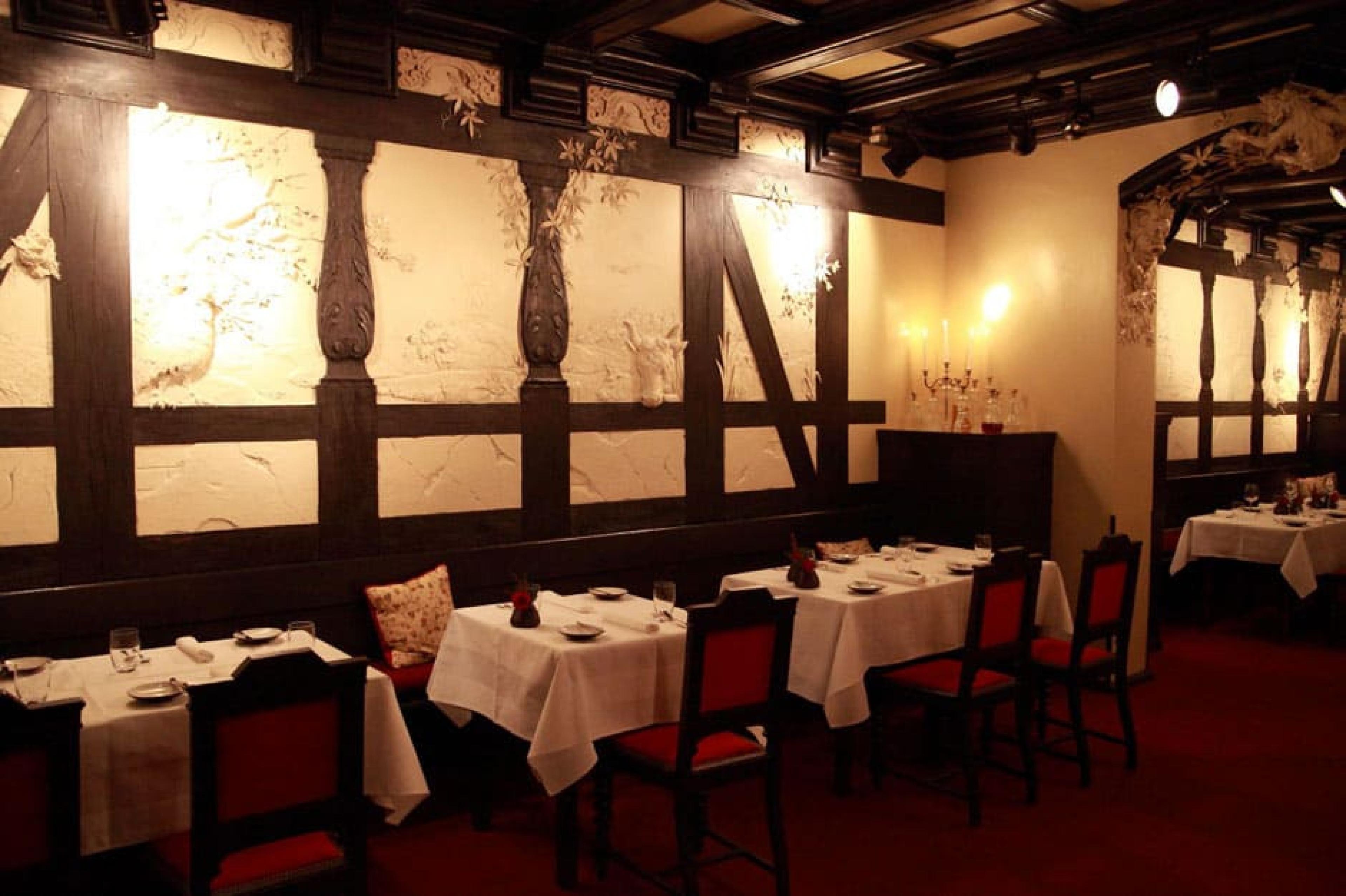
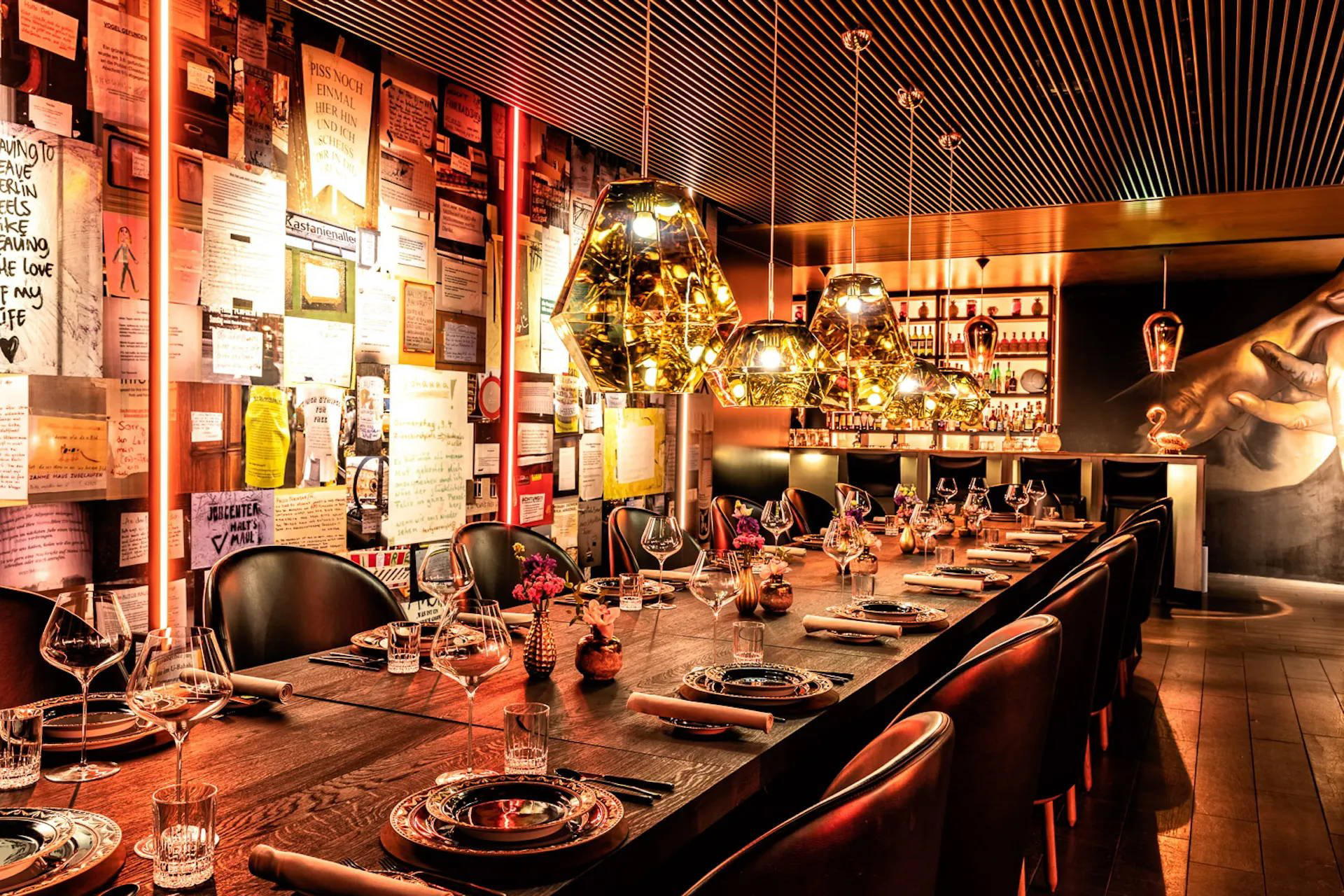
Restaurants in Berlin
Browse all →
Bars in Berlin
Browse all →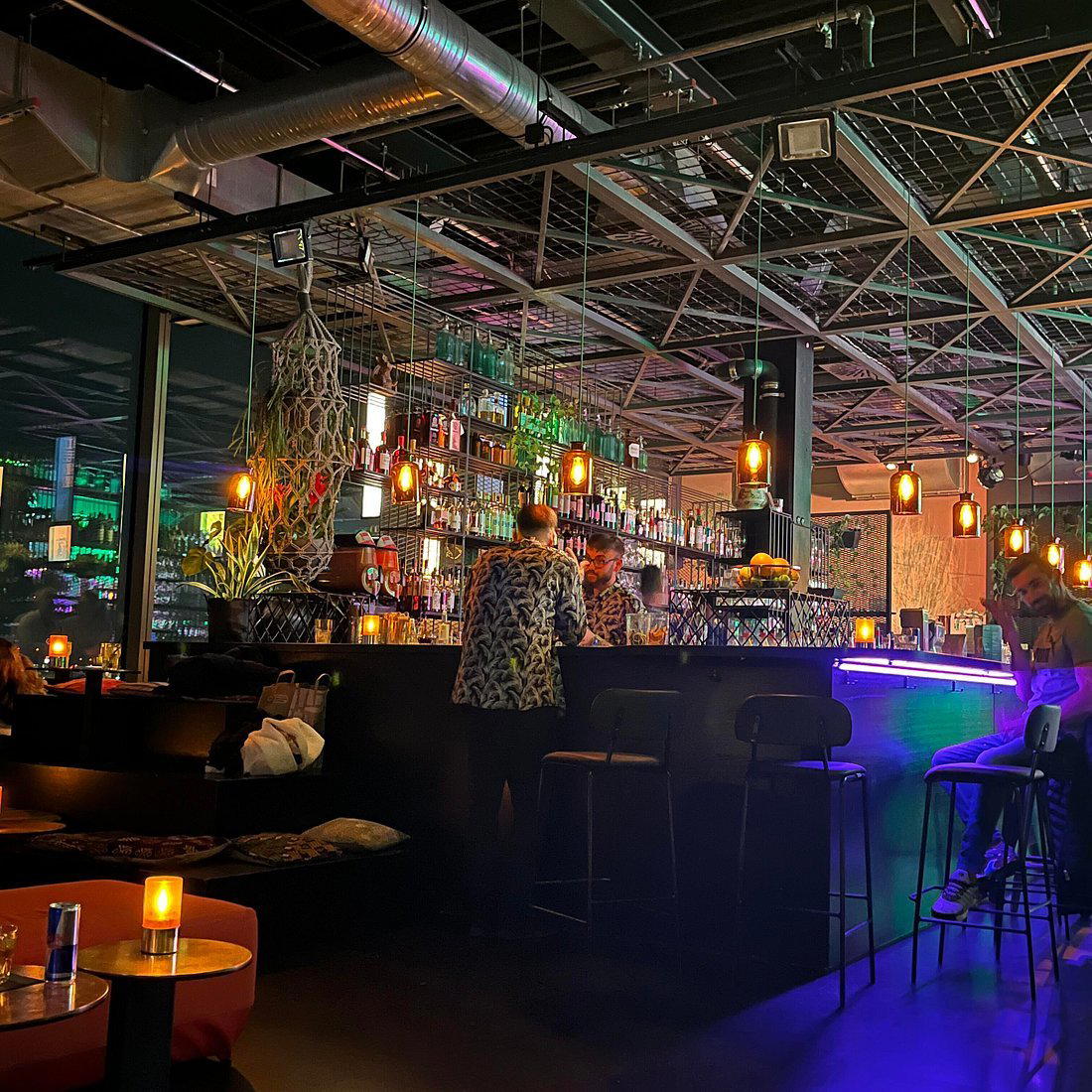
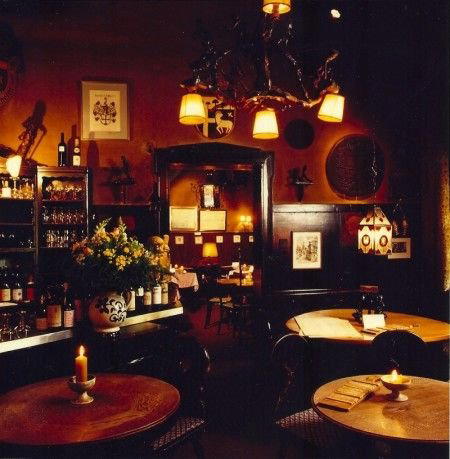
Hotels in Berlin
Browse all →

At a Glance
- Cozy
- Modern
- Casual Hangout
- Group Dining
- Open Kitchen
- Beer Program
- Organic
- Local Sourcing
Current opening hours
- Monday
- 5–10 PM
- Tuesday
- 5–10 PM
- Wednesday
- 5–10 PM
- Thursday
- 5–10 PM
- Friday
- 5–10 PM
- Saturday
- 12–10 PM
- Sunday
- 12–10 PM
Hours can change for holidays and private events. Last verified .
Energetic atmosphere with a laid-back, welcoming vibe in a cozy, modern space.