On Kurfürstendamm, Berlin's most commercially saturated boulevard, Petrocelli occupies a position that invites comparison with the capital's broader Italian dining conversation. The address places it squarely in Charlottenburg's traditional dining corridor, where ingredient provenance and kitchen discipline tend to separate the serious operators from the decorative ones. A venue worth tracking for those eating their way through western Berlin.
Pearl is the En Primeur Club membership app — saves, bookings, and concierge access live there. Same editors, same standards.
- Address
- Kurfürstendamm 36, 10719 Berlin, Germany
- Phone
- +493088926480
- Website
- petrocelli.de
- Directions
- Get directions
 Saves & bookings on Pearl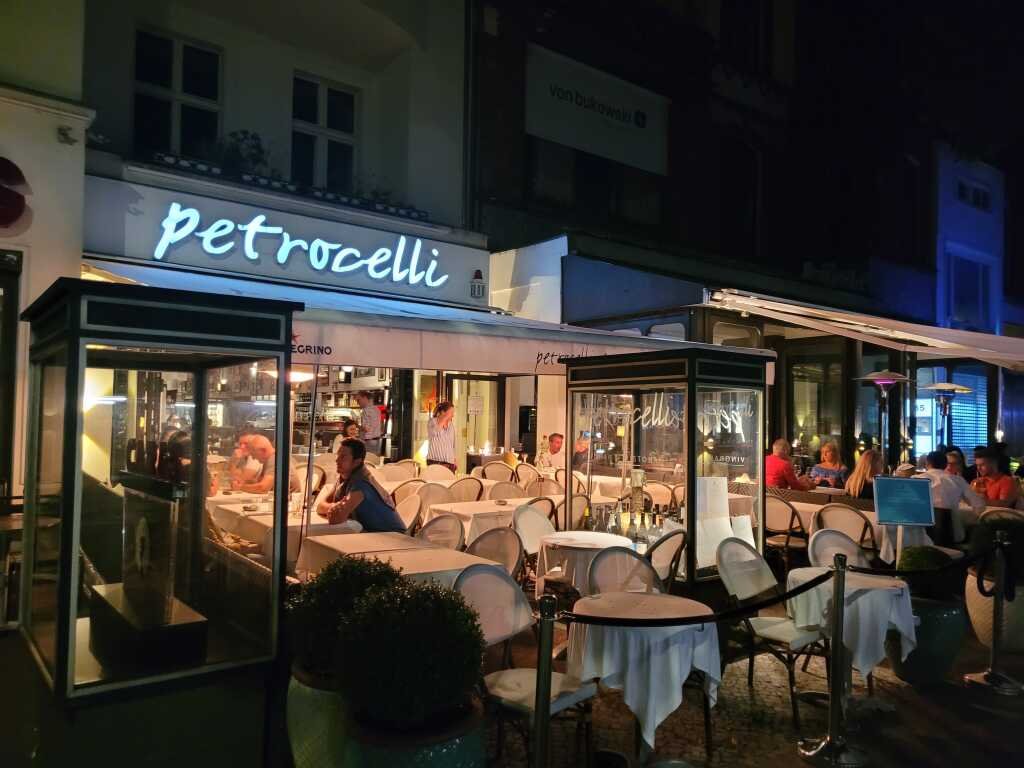
Kurfürstendamm and the Italian Question in Berlin
Berlin's fine dining conversation has, for the past decade, concentrated itself in Mitte, Kreuzberg, and Prenzlauer Berg. Berlin's fine dining conversation has, for the past decade, concentrated itself in Mitte, Kreuzberg, and Prenzlauer Berg. Charlottenburg, by contrast, carries the weight of West Berlin's former commercial primacy: wider pavements, established money, and a dining culture that predates reunification. Kurfürstendamm 36 sits inside that tradition. Whatever one expects from a restaurant on the Ku'damm, the expectation is not usually of a kitchen doing anything particularly urgent. That assumption is worth testing.
Italian cooking in Berlin occupies a strange middle ground. The city has a substantial Italian community and a long-established culture of neighbourhood trattorias, but the higher end of Italian dining remains comparatively underdeveloped relative to cities like Munich or Hamburg. At the serious end, where ingredient sourcing decisions define what arrives on the plate, Berlin has fewer Italian operators than you might expect for a capital of its size. It makes it part of a small and competitive category.
The Sourcing Logic Behind Italian Kitchens in Germany
To understand what separates Italian restaurants in Germany's higher tiers from the mid-market, the starting point is almost always procurement. The Italian culinary tradition is one of the world's most ingredient-dependent: pasta quality traces to semolina variety and milling method; olive oil carries regional character that changes dish by dish; preserved meats, aged cheeses, and cured fish each come with geographical designations that carry legal and qualitative weight. A kitchen working seriously with Italian product will have direct relationships, with producers in Campania, Emilia-Romagna, Sardinia, or Sicily, rather than relying on a single wholesale distributor to supply the whole pantry.
German kitchens approaching Italian cuisine from a high-craft perspective have demonstrated that rigorous sourcing is achievable across the border. The leading Italian-adjacent tables at Aqua in Wolfsburg and JAN in Munich show how German chefs integrate Italian product logic into their own frameworks. The discipline required, maintaining cold chains for fresh product, sourcing DOP-designated ingredients, rotating suppliers seasonally, is operationally demanding and reflects directly in pricing. When an Italian restaurant in Berlin holds its price point under pressure, the first thing to examine is where that margin is coming from, and the answer is often procurement shortcuts.
For a Charlottenburg address like Petrocelli, the sourcing question is particularly pointed. The Ku'damm corridor attracts a clientele that is willing to spend but also well-travelled enough to have eaten in Rome, Naples, and Milan. That creates a calibration challenge: the room needs to feel accessible, but the plate needs to justify the comparison. Italian kitchens that thread that needle successfully tend to do so through restraint, fewer components, better product, less interpolation. The ones that don't tend toward abundance as a substitute for precision.
Charlottenburg's Dining Register
The neighbourhood around Kurfürstendamm operates at a different register from Berlin's newer dining districts. The buildings are older, the clientele older, the pace slower. There is a formality here that Mitte has largely shed and that Kreuzberg never had. For certain categories of restaurant, classical French, established Italian, traditional German, Charlottenburg remains the right postcode. The address carries cultural legitimacy with a specific demographic: residents who ate well in the 1980s and 1990s, business diners from the surrounding offices, visitors staying in the Ku'damm hotel corridor who want something within walking distance that won't require a research project to book.
That demographic has historically been underserved by Berlin's critical establishment, which tends to focus eastward. What it means in practice is that a restaurant performing at a serious level in Charlottenburg can occupy a dominant position in its local competitive set without receiving the media attention that equivalent kitchens in Mitte or Neukölln would attract. The comparison set for Petrocelli is not Restaurant Tim Raue or the city's creative tasting-menu circuit. It is the narrower field of Italian-focused operators west of the Tiergarten.
Where Petrocelli Sits in the Broader German Fine Dining Map
Germany's most decorated kitchens, Schwarzwaldstube in Baiersbronn, Vendôme in Bergisch Gladbach, Victor's Fine Dining in Perl, Waldhotel Sonnora in Dreis, are almost exclusively located outside major cities, a structural feature of the German Michelin map that has no close parallel in France or the UK. Berlin, despite being the capital, carries fewer stars per capita than Baden-Württemberg or the Rhineland-Palatinate. That context matters when positioning any Berlin restaurant within a national framework: the city's dining scene operates under different constraints and draws from a different labour pool than the resort and country-house kitchens that dominate Germany's highest tier.
For those building a broader Germany itinerary, destinations like ES:SENZ in Grassau, Schanz in Piesport, or Bagatelle in Trier represent what the country's regional dining circuit delivers at its most focused. Restaurant Haerlin in Hamburg shows what a major northern city kitchen can achieve within the formal classical tradition. Petrocelli operates in a different register from all of these: it is a city neighbourhood restaurant, not a destination kitchen, and should be evaluated on those terms. For international visitors calibrating expectations against places like Le Bernardin in New York City or Atomix, the framing should be neighbourhood authority rather than tasting-menu destination.
Planning Your Visit
Kurfürstendamm 36 is accessible from the Uhlandstraße U-Bahn station (U1), putting it within a short walk of both the Ku'damm shopping corridor and the western hotel district.
| Venue | Area | Price Tier | Category | Booking Complexity |
|---|---|---|---|---|
| Rutz | Mitte | €€€€ | Modern European | Advance booking advised |
| FACIL | Tiergarten | €€€€ | Contemporary European | Advance booking advised |
| Nobelhart & Schmutzig | Kreuzberg | €€€€ | Modern German | High demand, book early |
Comparable Venues
Comparable venues nearby, for context on price, style, and recognition.
| Venue | Cuisine | Price | Notes |
|---|---|---|---|
| PetrocelliThis venue — the venue you are viewing | Authentic Italian from Basilicata | $$ | Not listed |
| Caligari | Modern Italian Trattoria | $$ | Neukolln |
| Mamida | Modern Sourdough Pizza | $$ | Prenzlauer Berg |
| 12 Apostel Berlin | Traditional Italian Pizzeria | $$ | Charlottenburg |
| Pizza Nostra | Authentic Neapolitan Pizza | $$ | Prenzlauer Berg |
| Pascarella | Modern Sicilian-Italian with Dry-Aged Steaks | $$$ | Charlottenburg |
Continue exploring
More in Berlin
Restaurants in Berlin
Browse all →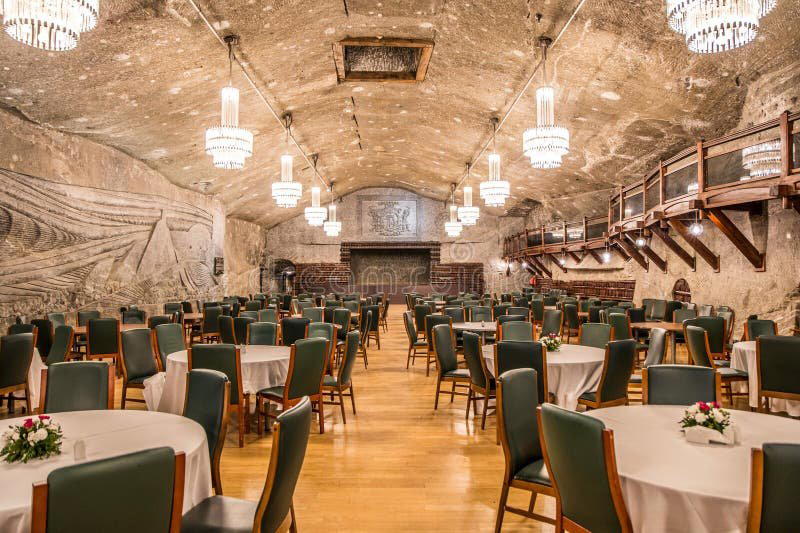
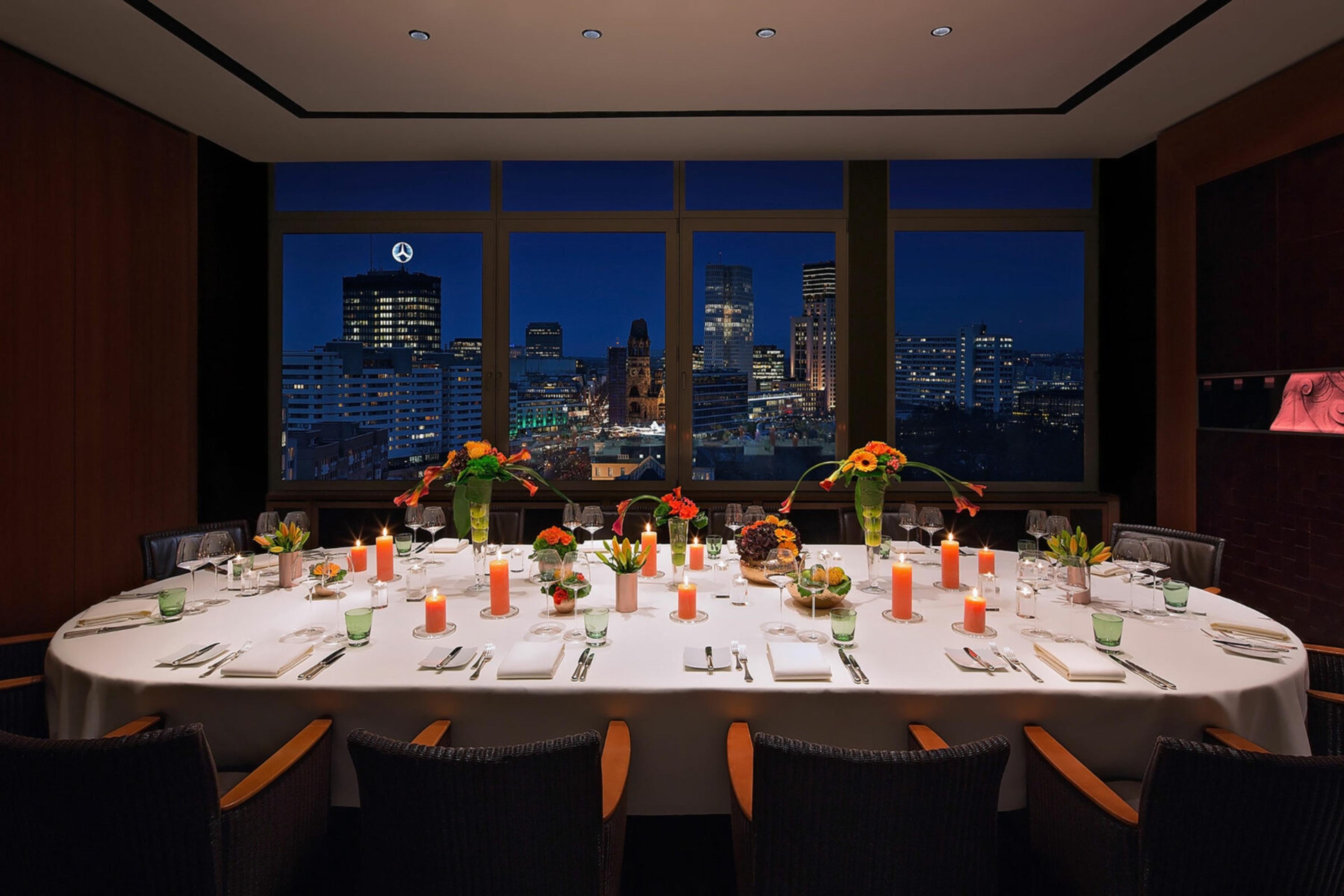
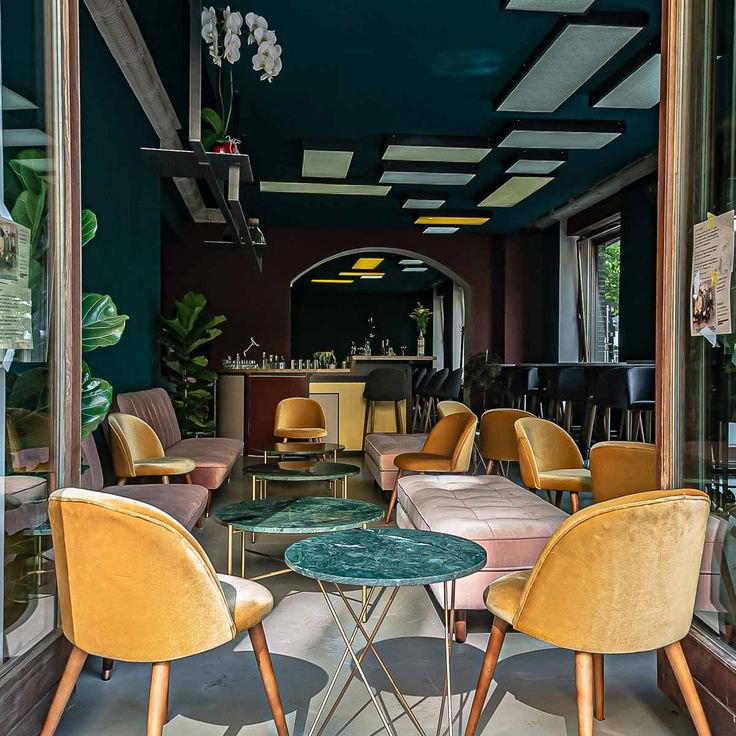
Bars in Berlin
Browse all →
Hotels in Berlin
Browse all →

At a Glance
- Cozy
- Classic
- Casual Hangout
- Family
- Street Scene
Current opening hours
- Monday
- 12 PM–12 AM
- Tuesday
- 12 PM–12 AM
- Wednesday
- 12 PM–12 AM
- Thursday
- 12 PM–12 AM
- Friday
- 12 PM–12 AM
- Saturday
- 12 PM–12 AM
- Sunday
- Closed
Hours can change for holidays and private events. Last verified .
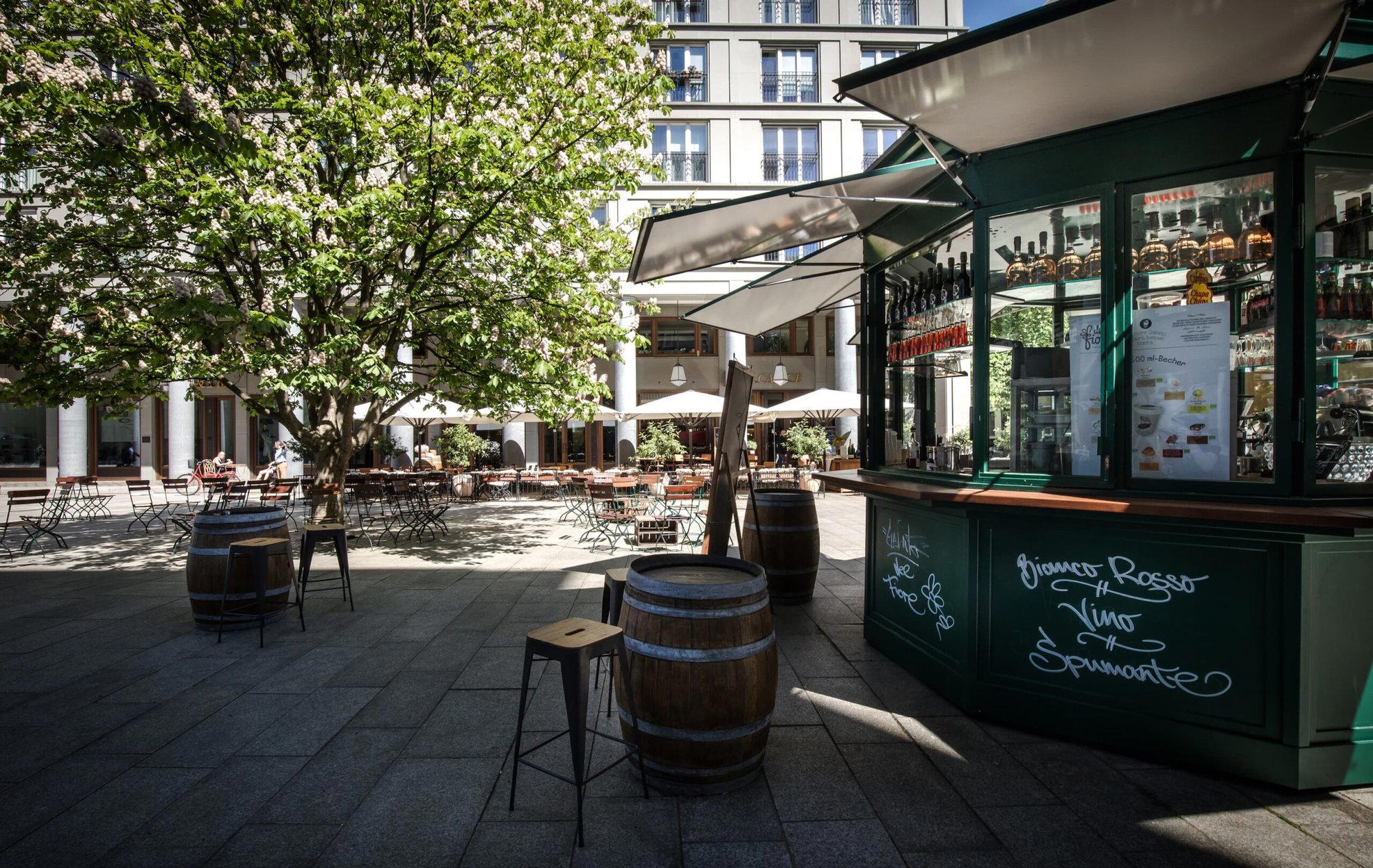
Atmospheric with sunny outdoor seating for people-watching on Kurfürstendamm.