
An eight-seat Setagaya ramen counter selected for Tabelog Ramen TOKYO “Tabelog 100” from 2019 through 2025, Chuka Soba Nishikawa represents Tokyo’s small-format ramen culture at its most disciplined. The draw is not spectacle but concentration: counter seating, a short lunch rhythm, cash-only payment, and a residential Kinuta address near Chitose-Funabashi Station.
Pearl is the En Primeur Club membership app — saves, bookings, and concierge access live there. Same editors, same standards.
- Address
- 2 Chome-15-10 Kinuta, Setagaya City, Tokyo 157-0073, Japan
- Phone
- +81 90-9152-9673
- Website
- mobile.twitter.com
 Saves & bookings on Pearl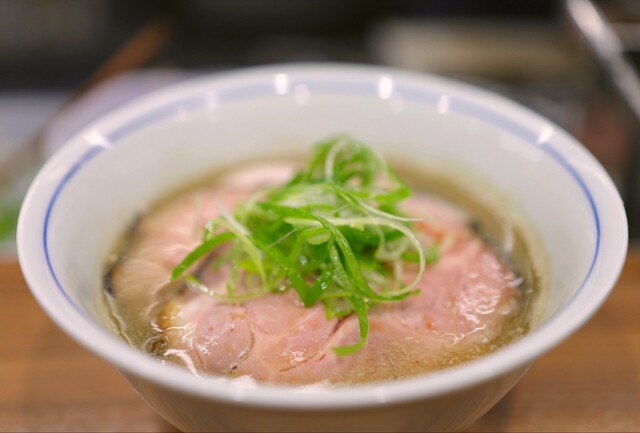
Approaching a serious Tokyo ramen counter in Setagaya differs from entering a station-front chain. The pace drops, the room tightens, and the meal becomes about timing: a seat opens, a bowl lands, conversation stays low, and the counter does the work. Chuka Soba Nishikawa belongs to that compact Tokyo category, where setting is part of the argument. Eight counter seats, no private rooms, no smoking, and a note asking guests to keep voices down say almost as much as an awards badge.
Tokyo ramen culture has split into two visible tracks: high-throughput comfort for late nights and office workers, and the specialist counter, where limited seating and short service compress demand into a narrow window. This Kinuta address sits firmly in the second camp. Its repeated inclusion in Tabelog Ramen TOKYO “Tabelog 100” from 2019 through 2025 gives it a public signal that matters in Japan’s ramen conversation: not a luxury ranking, but a sustained marker of local attention in a crowded, opinionated field.
Setagaya ramen, stripped down to counter discipline
Setagaya softens the usual Tokyo dining cliché. This is not Ginza formality or Shinjuku volume. Kinuta and the Chitose-Funabashi orbit pull ramen into a residential rhythm, where destination eating sits beside everyday errands rather than hotel lobbies. The counter format suits that setting. There is no theatrical dining room, long printed manifesto, or tasting-menu choreography. The sensory frame is narrow: steam, bowls, the scrape of stools, and the quiet mechanics of a small kitchen working through brief service.
Restraint is not anonymity. In Tokyo ramen, small rooms carry weight because the category rewards repeatability and precision. A bowl has to register quickly; there is little time for correction once it reaches the counter. Chuka Soba Nishikawa’s Tabelog score of 3.83 and continuing “Tabelog 100” selections place it among the city’s scrutinized ramen addresses without pushing it into fine-dining price logic. The competitive set is closer to specialist ramen peers such as Ramen MAIKAGURA than to French rooms like Quatre Vingt Douze or sushi counters such as Sushi Ikki, even when all sit inside Tokyo’s reservation-aware dining culture.
The counter-only arrangement also shapes who the meal suits. Solo diners fit naturally because the experience is linear and self-contained. Families are not excluded; children are explicitly welcomed, including preschool and school-age children. Still, this is a quiet, narrow room rather than a spread-out family restaurant, so comfort depends less on menu flexibility than on whether the group can match the room’s pace and volume.
Why recognition matters more than ceremony here
Ramen recognition in Tokyo works differently from haute cuisine recognition. Michelin stars and long-form tasting menus create one hierarchy; ramen relies more on repeat local scrutiny, queue culture, and the accumulated force of ratings platforms. Tabelog’s Hyakumeiten lists matter because they capture a category where thousands of bowls compete at modest prices, and incremental differences in broth style, noodle handling, and service rhythm build loyalty. Selection across seven consecutive annual cycles, from 2019 to 2025, is more telling than any single-year appearance.
The format resists over-description. Without a verified dish list, the responsible reading is through category, not invented tasting notes. It is a ramen counter, and the Japanese chuka soba tradition usually signals a leaner noodle-and-broth focus rather than the maximalist toppings race common in some newer shops. That tradition prizes balance, temperature, and pacing. In a room this small, atmosphere and execution are hard to separate: the silence of concentration, absence of card terminals, and lack of parking all point to a meal designed around a compact routine rather than casual lingering.
For travelers building a Tokyo food itinerary, the question is not whether this is grander than a sushi counter or more atmospheric than a yakitori room. It is whether a short-format ramen meal in Setagaya adds another register to the trip. EP Club’s Tokyo restaurant coverage ranges from casual specialists such as 3 Chome no Curry Ya San and 2D Cafe to skewers at 124. KAGURAZAKA (Yakitori), seafood-and-grill formats like . 鮪と炭火焼き うお炭 秋葉原店, and central-city dining such as 12/10 Shinjuku ten. Chuka Soba Nishikawa adds a quieter western-Tokyo note to that map.
How to place it in a Tokyo dining day
The planning logic is simple: treat the visit as a focused lunch stop, not an all-afternoon meal. Reservations are unavailable, seating is limited, and the counter format favors small parties. Chitose-Funabashi Station on the Odakyu Line is the rail anchor, with the shop set in Kinuta rather than a major tourist district. That location is part of the appeal for readers who know central Tokyo’s restaurant density and want a ramen address reflecting neighborhood demand rather than hotel-concierge circulation.
Payment and access shape the mood as much as the food. Cash is the safe assumption because credit cards, electronic money, and QR code payments are not accepted. Parking is unavailable, reinforcing the train-and-walk pattern typical of serious casual dining in Tokyo. Take-out is listed, but the counter remains the clearest expression of the format: a small room, a short meal, and a level of quiet that asks diners to participate in the discipline of the place.
Use it as a counterpoint within a broader Tokyo plan. A Setagaya ramen lunch with a polished dinner elsewhere makes more sense than stacking multiple noodle shops in one day. For wider planning, see Our full Tokyo restaurants guide, plus the city’s adjacent travel rails: Our full Tokyo hotels guide, Our full Tokyo bars guide, Our full Tokyo wineries guide, and Our full Tokyo experiences guide. Readers extending the food map beyond Tokyo can compare the same casual-specialist logic at -Grilled beef Sukiyaki- KAMAKURA TANUKIAN 鎌倉 たぬき庵 in Kamakura.cafe in Osaka.know in Kumamoto, (Shoku) Vietnam in Kawasaki, [Curry Senmon Ten] Maruyama Kyoju. in Sapporo, [ki:] in Kyoto, Jōdo Saké Bar in Los Angeles, and Onigiri Time in Pasadena.
Price Lens
Nearby venues at a similar price tier for orientation.
| Venue | Cuisine | Price | Notes |
|---|---|---|---|
| Chuka Soba NishikawaThis venue — the venue you are viewing | Setagaya, Japanese Ramen | $ | Not listed |
| Meguro Hiiragi Himonya kouen doori ten | Meguro, Taiyaki & Japanese Wagashi Shop | $ | Not listed |
| Konpira Chaya | Not listed | $ | Shinagawa, Handmade Udon & Beef Curry Udon |
| Teuchi Udon Iwashiya Aoyama ten | Minato, Handmade Sanuki Udon | $ | Not listed |
| Ichijoryu Ganko Sohonke Bunke Yotsuya Arakicho | Shinjuku, Classic Japanese ramen counter | $ | Not listed |
| Hagakure | Minato, Udon and curry udon izakaya | $ | Not listed |
Recognition history
Dated appearances from independent guides and award organizations, with the underlying list record or original source where available.
Tabelog 100 #90 · No. 90
Tabelog · Tabelog 100 - Ramen - TOKYO - 2025














At a Glance
- Classic
- Cozy
- Solo
- Casual Hangout
- Standalone
Current opening hours
- Monday
- Closed
- Tuesday
- Closed
- Wednesday
- Closed
- Thursday
- 11 AM–2:30 PM
- Friday
- 11 AM–2:30 PM
- Saturday
- 11 AM–2:30 PM
- Sunday
- 11 AM–2:30 PM
Hours can change for holidays and private events. Last verified .
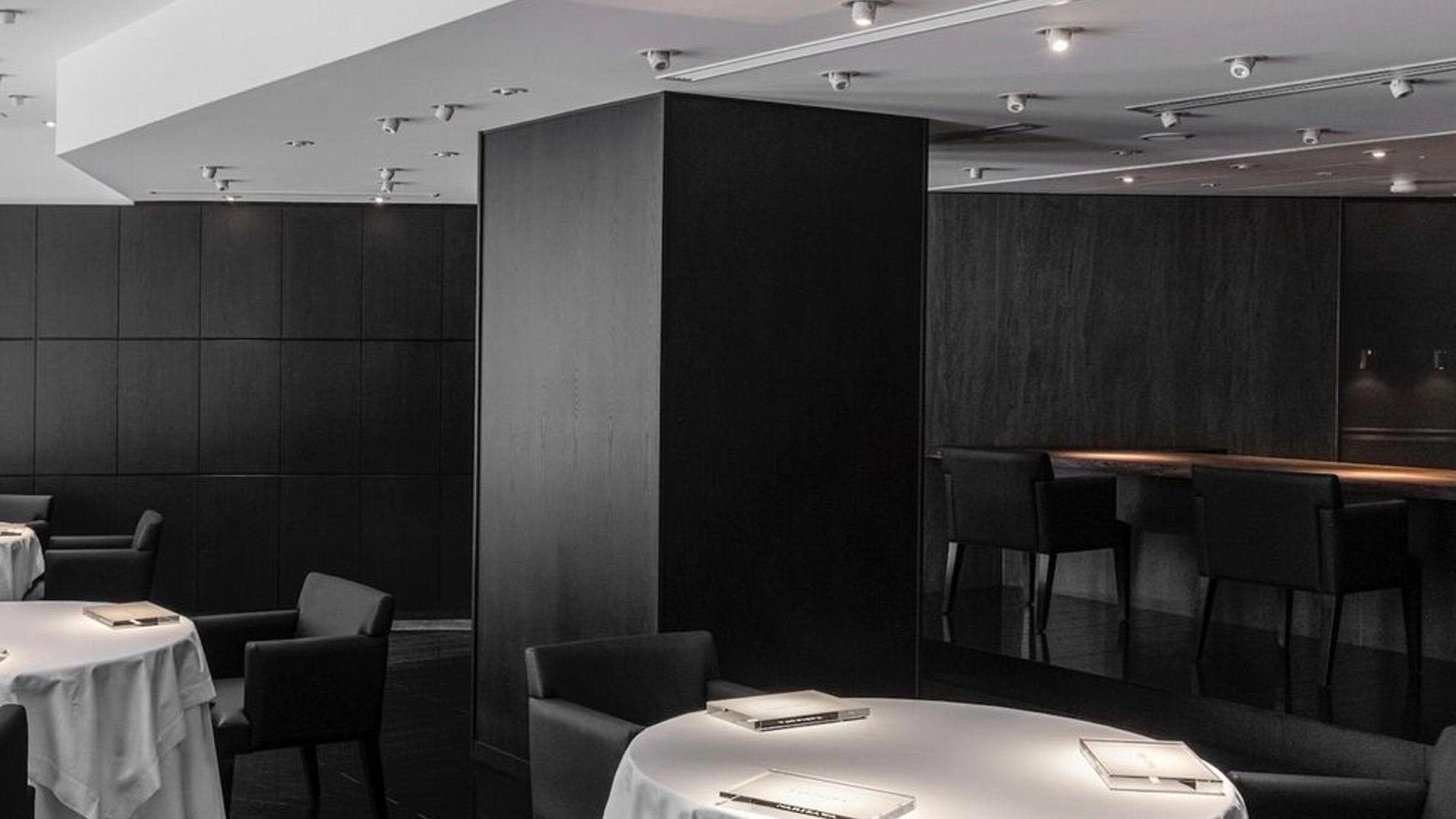
Small, no-frills ramen counter atmosphere with a focused lunch-service rhythm and a neighborhood shop feel.