
Aoyama’s basement-level udon counter culture gets a serious marker here: Teuchi Udon Iwashiya Aoyama ten is a 35-seat, no-reservations Sanuki udon specialist selected for Tabelog 100 Udon East 2024, with meals typically under JPY 999. The appeal is not ceremony, but precision, speed, and the way a regional noodle tradition reads in central Tokyo.
Pearl is the En Primeur Club membership app — saves, bookings, and concierge access live there. Same editors, same standards.
- Address
- Japan, 〒107-0061 Tokyo, Minato City, Kita-Aoyama, 1 Chome−2−3 B1F
- Phone
- +81 3-6812-9822
- Website
- salt-group.jp
 Saves & bookings on Pearl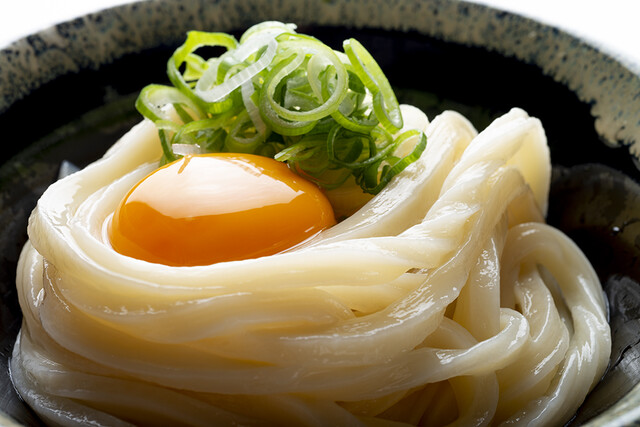
Below Aoyama-itchome, Tokyo’s office-lunch rhythm becomes disciplined: a basement address, direct station connection, and a room built around handmade wheat noodles rather than dining-room theatre. In Minato, where polished restaurants and corporate towers can flatten midday meals into habit, udon has a different authority: fast, affordable, textural, and unforgiving. A bowl succeeds or fails on noodle pull, broth clarity, temperature control, and a kitchen’s ability to repeat the sequence dozens of times without drift.
That frames Teuchi Udon Iwashiya Aoyama ten. The restaurant belongs to Tokyo’s serious udon circuit, not its luxury dining economy: Tabelog selected it for Tabelog 100 Udon East in 2024, after earlier selections in 2022 and 2020, and its score sits at 3.67. Those signals matter because udon is not judged like high-price sushi or French-leaning tasting menus. Recognition here rewards consistency, texture, and local confidence, not theatrical plating.
Sanuki technique inside a Tokyo weekday room
Sanuki udon, associated with Kagawa Prefecture, is a cuisine of wheat, water, salt, pressure, and timing. Its reputation rests on firmness and elasticity, not delicacy alone. In Tokyo, that tradition enters the city’s commuter metabolism: a bowl can be lunch, a late-afternoon reset, or early dinner before the evening thins out. The global-technique angle is not imported luxury, but how regional craft travels, standardizes, and survives in a speed-driven metropolis.
Teuchi Udon Iwashiya Aoyama ten works at that intersection. Handmade noodles supply the craft signal; Aoyama supplies the urban constraint. The room has 35 seats, placing it in the compact everyday-dining tier rather than the counter-only destination tier. That scale explains the appeal: enough turnover for a working neighbourhood, small enough that noodle discipline remains the point. In a city where Narisawa represents Tokyo’s internationally coded fine-dining grammar and Sushi Takumi Shingo represents high-control sushi minimalism, udon at this level offers another exactitude, less expensive but not casual in standards.
Tokyo noodle culture is often read through ramen, but udon is quieter. Ramen tolerates density, fat, and personal riffs; Sanuki udon is more exposed. The noodle carries the argument. Broth, tempura, toppings, and condiments support rather than disguise. An Aoyama udon specialist therefore counters the city’s more visible dining narratives, showing how a regional Japanese form can enter a central business district without becoming decorative.
Why the recognition matters in a low-price category
A Tabelog 100 Udon East selection is a different trust signal from Michelin stars or international lists. It points to a category where local diners compare small differences: queue tolerance, noodle texture, service rhythm, value, and repeatability. The average spend sits in a low bracket by Tokyo standards, sharpening the achievement. When a restaurant at this price level enters a specialist list, the implication is not lavishness; it is category fluency.
That distinction matters for travellers. Tokyo can make value feel invisible because excellence appears at every price band, from underground curry shops to polished omakase rooms. Aoyama’s udon scene does not compete with French-influenced grandeur or sushi-counter reservation pressure. It competes on the city’s democratic metric: can a short meal justify a detour from the station concourse? Repeated Tabelog selections make the answer credible without needing a fine-dining frame.
The Aoyama address also changes the reading. This is not the backstreet noodle shop romanticized through scarcity, but a central, transit-linked operation in a district serving office workers, families, or visitors crossing between Omotesando, Akasaka, and the stadium-side blocks. Children and strollers are accepted, and private use is listed for groups up to 20 people, pushing the experience away from preciousness. Serious food in Tokyo often hides behind formality. Udon, at its strongest, lets technique operate inside a room that handles ordinary life.
How to place it in a Tokyo dining day
Use this address as a precise noodle stop, not a long-format meal. Aoyama-itchome is built for movement: subways, office towers, museums within reach, and quick transfers toward western shopping districts or central nightlife. A compact udon meal suits that geography, before a bar crawl, between gallery visits, or as a low-cost reset after a more expensive dinner the night before.
For a broader Tokyo itinerary, the contrast helps. The Burn shows how American formats read inside Tokyo’s polished restaurant culture; Bees Cafe & Bar by Narisawa translates a major dining name into a more relaxed Japanese format; Don Ciccio sits in another lane. Udon adds ballast, reminding visitors that Tokyo’s dining intelligence is not concentrated only in tasting menus, wine lists, or chef counters.
Neighbourhood choice should guide the day. For more restaurants across the city, use Our full Tokyo restaurants guide; for stays, Our full Tokyo hotels guide keeps the geography clean. Drinking plans belong in Our full Tokyo bars guide, while Our full Tokyo experiences guide connects food with galleries, markets, and cultural programming. The city’s wine angle is narrower but trackable through Our full Tokyo wineries guide.
Nearby and cross-city comparisons sharpen the category. 鮪と炭火焼き うお炭 秋葉原店 speaks to Tokyo’s tuna-and-grill appetite, 12/10 Shinjuku ten belongs to the Shinjuku dining map, and 124. KAGURAZAKA (Yakitori) points to skewered chicken as another precision-led Japanese format. For lighter stops and specialist comfort food, 2D Cafe and 3 Chome no Curry Ya San show how Tokyo rewards narrow focus.
The national context broadens the point. Regional Japanese dining is not one hierarchy: -Grilled beef Sukiyaki- KAMAKURA TANUKIAN 鎌倉 たぬき庵 in Kamakura.cafe in Osaka.know in Kumamoto, (Shoku) Vietnam in Kawasaki, [Curry Senmon Ten] Maruyama Kyoju. in Sapporo, and [ki:] in Kyoto each sit in different local appetites. Abroad, Jōdo Saké Bar in Los Angeles and Onigiri Time in Pasadena show how Japanese forms change once they leave Japan. Aoyama’s udon lesson is tighter: imported within the country from Sanuki tradition to Tokyo, then judged by whether the noodle keeps authority in a city built for speed.
- Kamatama udon
- Bukkake udon
- Atsukake (hot kake) udon
- Hiyashi tsuke udon
- Toriten (chicken tempura)
- Red ginger tempura
Budget and Context
Side-by-side context: comparable cuisine and price.
| Venue | Cuisine | Price | Notes |
|---|---|---|---|
| Teuchi Udon Iwashiya Aoyama tenThis venue — the venue you are viewing | Minato, Handmade Sanuki Udon | $ | Not listed |
| 青山浅田 | Minato, japanese | $ | Not listed |
| Kasho Kikuya | Not listed | $ | Minato, Traditional Japanese Wagashi Confectionery |
| Toki Ya Shinjuku odakyu haruku ten | Shinjuku, Japanese sweets cafe | $ | Not listed |
| Kyogashi Misakiya | Not listed | $ | Shibuya, Traditional Japanese Wagashi (Japanese Sweets) |
| Sabouru | Not listed | $ | Chiyoda, Traditional Tokyo kissaten & light café fare |
Recognition history
Dated appearances from independent guides and award organizations, with the underlying list record or original source where available.
Tabelog 100 #34 · No. 34
Tabelog · Tabelog 100 - Udon - EAST - 2024












At a Glance
- Lively
- Casual
- Classic
- Solo
- After Work
- Casual Hangout
- Group Dining
- Standalone
- Local Sourcing
Current opening hours
- Monday
- 11 AM–7 PM
- Tuesday
- 11 AM–7 PM
- Wednesday
- 11 AM–7 PM
- Thursday
- 11 AM–7 PM
- Friday
- 11 AM–7 PM
- Saturday
- 11 AM–2 PM
- Sunday
- Closed
Hours can change for holidays and private events. Last verified .
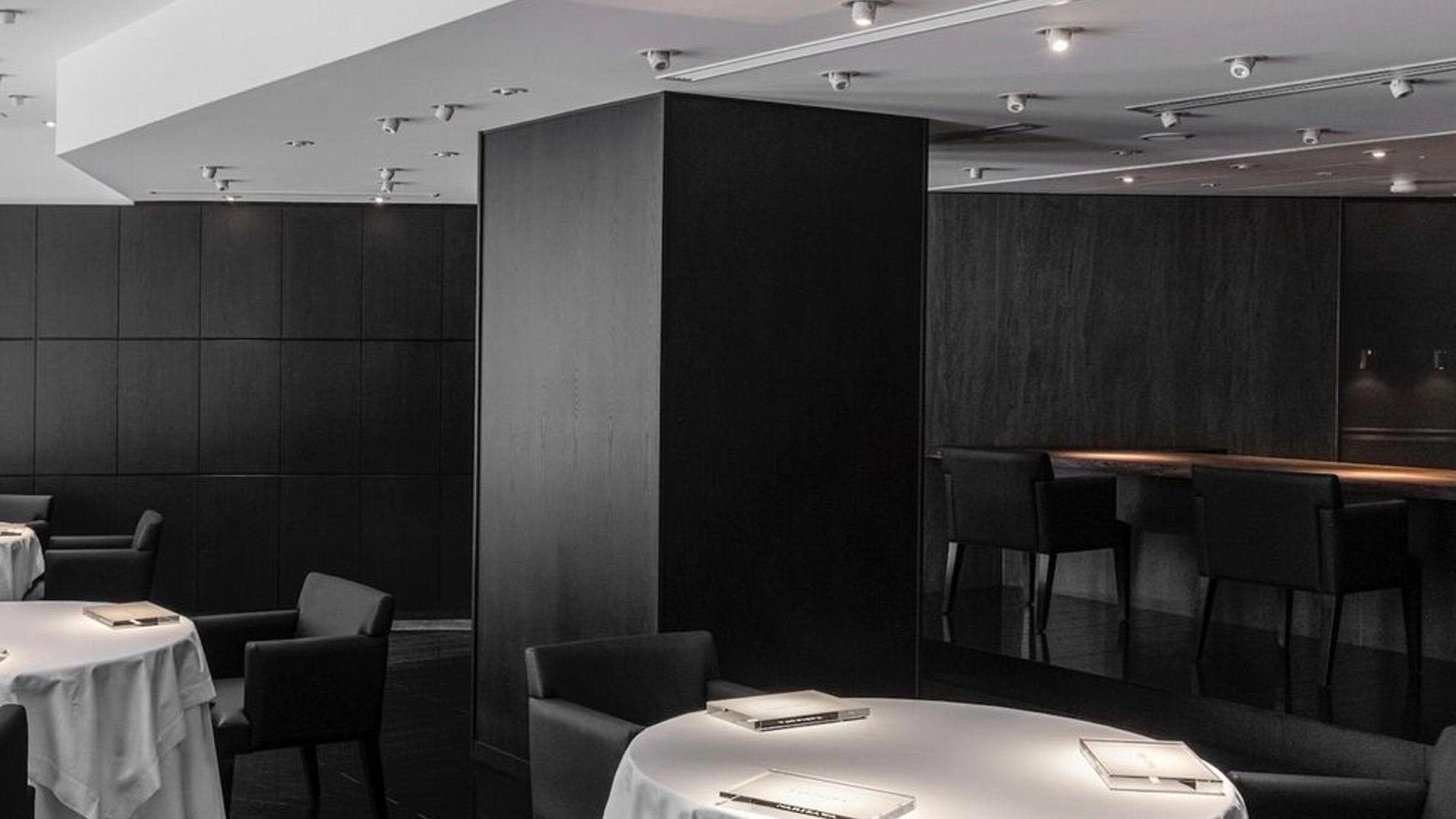
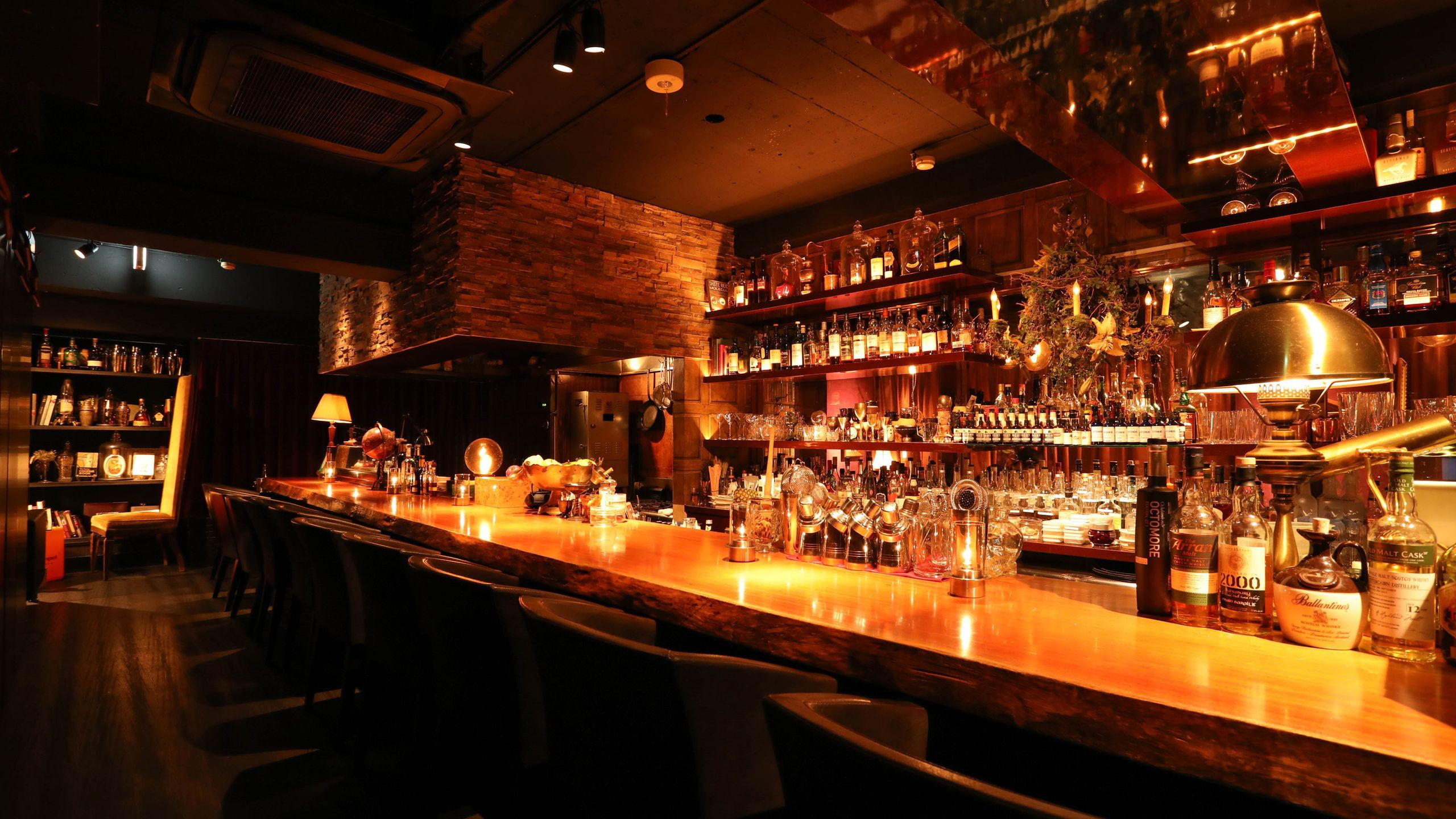
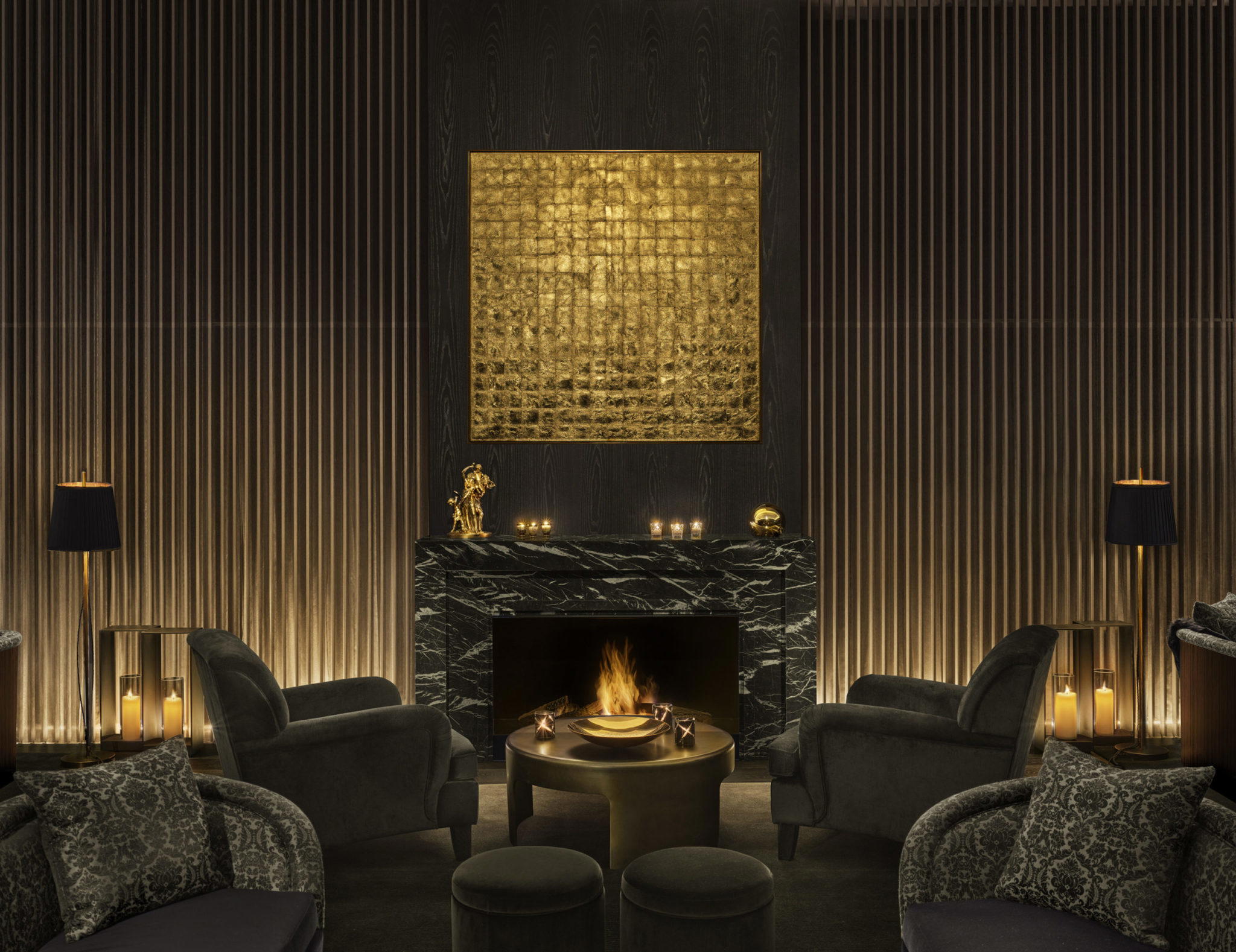
Casual and functional basement udon shop with counter-focused seating, bright and efficient rather than decorative, geared toward quick solo and small-group meals during weekday lunch and early dinner rushes.