
A seven-seat counter in Yotsuya Arakicho puts Tokyo ramen back in its concentrated form: short service, tight rules, and a room built around the bowl rather than hospitality theatre. Ichijoryu Ganko Sohonke Bunke Yotsuya Arakicho has repeated Tabelog Ramen TOKYO 100 selections, including 2025, which places it in the city’s serious ramen conversation without moving it into luxury-restaurant territory.
Pearl is the En Primeur Club membership app — saves, bookings, and concierge access live there. Same editors, same standards.
- Address
- 東京都新宿区舟町4-1 メゾンド四谷 106
- Website
- ganko1joh.hatenablog.jp
 Saves & bookings on Pearl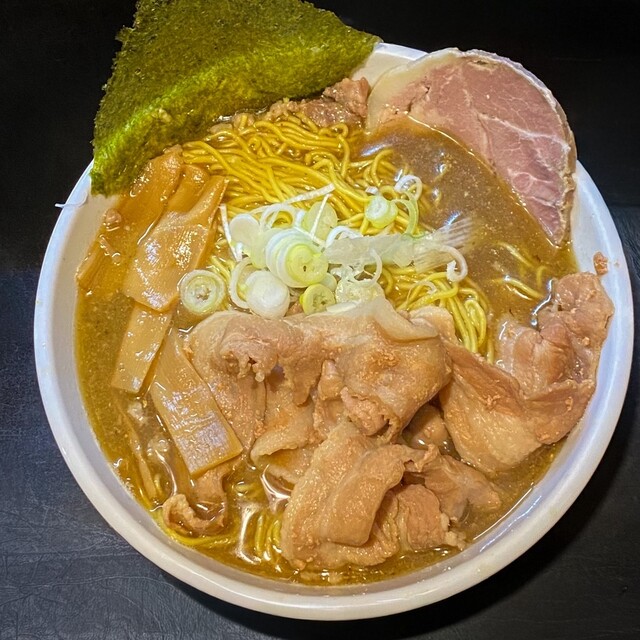
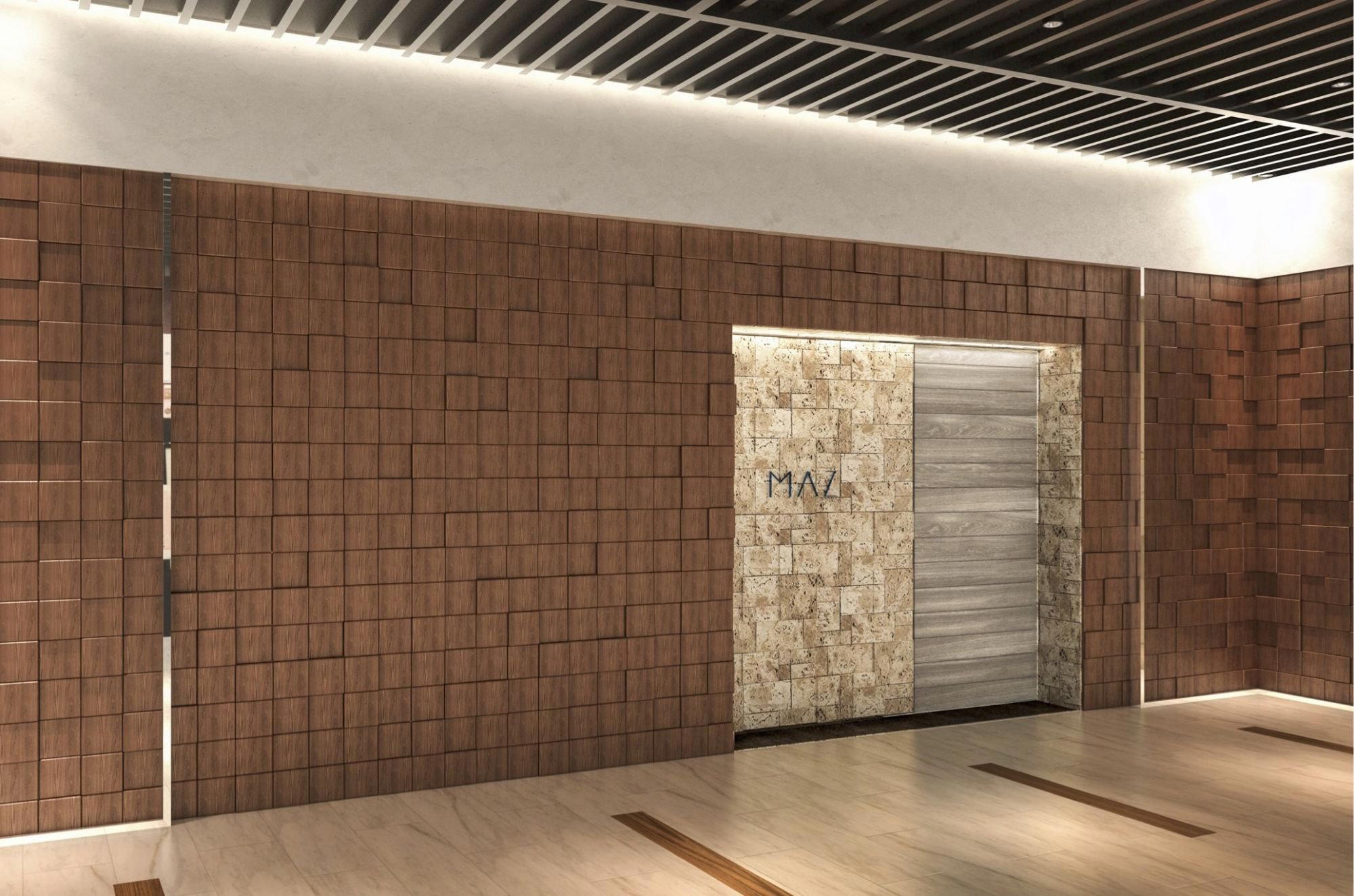
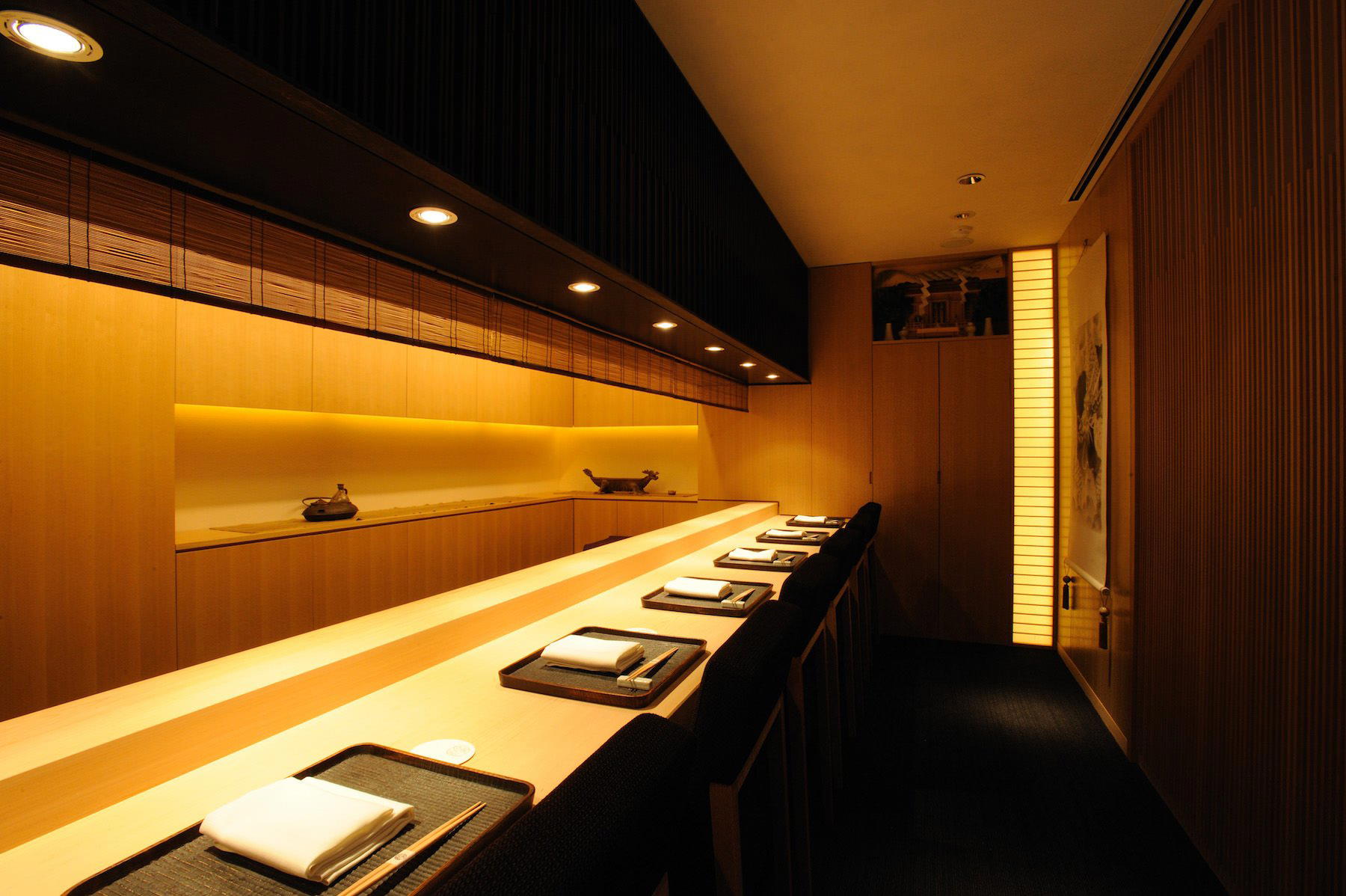
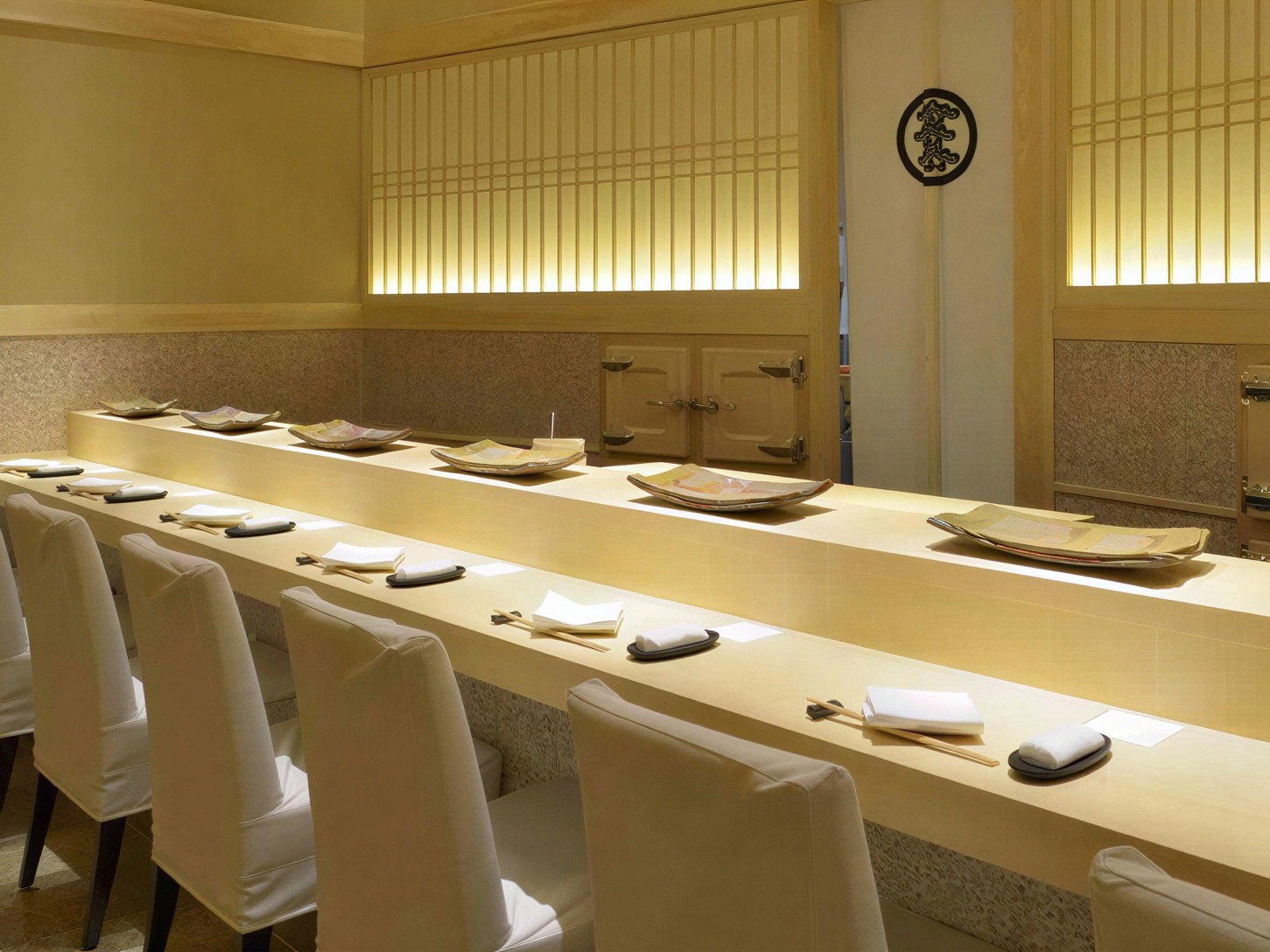
Yotsuya Arakicho is not Ginza theatre or Shibuya velocity. Its dining rhythm is narrower and more adult: small doorways, old drinking streets, habitual counters, and rooms where the customer must pay attention. Here, ramen can feel less like casual fuel than controlled urban ritual. A seven-seat counter changes the meal: no private-room buffer, no table-service choreography, no space for a group to drift. The bowl, the cook, and the queue become the room’s entire logic.
Tokyo ramen culture rewards such compression. The city has polished noodle shops with broad menus and soft entry points, but its serious counter tradition often moves the other way: fewer seats, narrower choices, shorter hours, and rules that protect pace. Ichijoryu Ganko Sohonke Bunke Yotsuya Arakicho belongs to that stricter branch. Its repeated inclusion in Tabelog Ramen TOKYO 100, selected in 2017, 2018, 2021, 2022, 2023, 2024, and 2025, is the signal. This is not built to flatter visitors; it has held attention in a city where ramen reputations are tested daily.
Seven seats, counter discipline, and the Arakicho ramen mood
The counter-only format matters because ramen is highly timing-sensitive. Noodles do not wait while a table debates the menu. Broth, tare, fat, and noodle texture meet at a brief point, and Tokyo’s exacting shops design service to preserve it. A seven-seat room reduces distraction and makes etiquette part of the meal: phones are restricted, earphones are not allowed, and photography is limited to the ramen itself. Severe on paper, these rules are coherent in ramen terms. They stop a small counter becoming a photo studio or waiting room.
This is where Tokyo ramen differs from high-end sushi and kaiseki. At Kaiseki Ohara or Yotsuya Minemura, the meal depends on courses, pacing, and a longer relationship with the room. At Sushi Teru, attention is also concentrated, but the grammar is different: rice temperature, sequence, and chef-to-guest exchange shape the evening. Ramen strips interaction down. The decisive moment is the bowl arriving ready to eat, not a progression of plates.
Yotsuya Sanchome frames the experience well. Close enough to central Tokyo to attract serious diners, it keeps a backstreet character suited to specialist counters. Nearby Japanese options, from Gekko to OHKUSA, show the district’s appetite for small-format restaurants rather than large destination rooms. For a broader city read, Our full Tokyo restaurants guide maps how these rooms sit alongside hotel dining, cocktail bars, and experience-led itineraries; travellers pairing food with a wider stay can also use Our full Tokyo hotels guide, Our full Tokyo bars guide, Our full Tokyo wineries guide, and Our full Tokyo experiences guide.
The point is the bowl, not a chef mythology
Tokyo ramen writing often over-personalises the form, turning every counter into a founder narrative. The stronger story is repeatability under pressure: the same narrow service window, counter discipline, and demand that each bowl justify the wait. The absence of a public chef biography is not a weakness here. It keeps attention where ramen culture places it: on execution and format.
The shop’s category is simply ramen, which is enough. In Tokyo, that word covers radically different subcultures: clear chintan, heavier paitan, niboshi-driven bowls, tsukemen, regional revivals, and shops run by house rules as much as recipe. Here, the defining idea is old-school seriousness at small scale. The refusal to accept hard-noodle orders shows texture is treated as part of the intended balance, not a customisable preference. That differs from casual ramen chains where speed and adaptation dominate.
Tabelog’s Ramen TOKYO 100 matters because it filters within a crowded category rather than across unrelated restaurant types. A Michelin star and a ramen selection measure different things. For ramen, a city-specific list can say more about peer relevance than luxury signalling. The 2025 selection, with earlier appearances back to 2017, suggests durability rather than a single-year spike. The Tabelog score of 3.78 also places it in a serious user-review bracket for Tokyo ramen, where small numerical differences can reflect substantial consensus.
The experience is not gentle. The format favours solo diners and pairs who understand conversation is secondary. It is a counter for concentration, not lingering. The restrictions create a cleaner sensory field: fewer screens, less chatter, more attention to noodles being lifted and bowls set down. Specific broth or topping descriptions should come from the day’s bowl rather than generic ramen vocabulary, but the structural message is clear: ramen as disciplined, time-sensitive craft.
How to place it in a Tokyo food day
Think of Ichijoryu Ganko Sohonke Bunke Yotsuya Arakicho not as an isolated trophy stop, but as a compact lesson in how Tokyo protects specialist food formats. It suits a day built around precision rather than excess: a morning or midday ramen counter, a later coffee or sweet stop, then an evening meal where pacing can stretch. Travellers can contrast it with casual Tokyo addresses such as 2D Cafe or 3 Chome no Curry Ya San, or move into grill and counter traditions through 124. KAGURAZAKA (Yakitori). 鮪と炭火焼き うお炭 秋葉原店, and 12/10 Shinjuku ten.
There is value, too, in comparing the Tokyo counter instinct with Japanese dining elsewhere. -Grilled beef Sukiyaki- KAMAKURA TANUKIAN 鎌倉 たぬき庵 in Kamakura points to regional comfort and set-piece beef cooking, while [ki:] in Kyoto sits in a city where restraint takes a different architectural and seasonal form. Beyond Japan, Jōdo Saké Bar in Los Angeles and Onigiri Time in Pasadena show how Japanese formats translate abroad, usually with softer rules and broader hospitality cues. Tokyo’s small ramen counters are less flexible, which is precisely the point.
For travellers moving across Japan, lighter detours such as.cafe in Osaka.know in Kumamoto, (Shoku) Vietnam in Kawasaki, and [Curry Senmon Ten] Maruyama Kyoju. in Sapporo sharpen the contrast: Japan’s casual dining range is broad, but Tokyo ramen at this level is unusually governed by micro-rules. Those rules are the mechanism that lets a tiny room produce a focused meal again and again.
Comparable Spots, Quickly
Side-by-side context: comparable cuisine and price.
| Venue | Cuisine | Price | Notes |
|---|---|---|---|
| Ichijoryu Ganko Sohonke Bunke Yotsuya ArakichoThis venue — the venue you are viewing | Classic Japanese ramen counter | $ | Not listed |
| レベル | Modern Japanese Fine Dining | $ | Shinjuku |
| Chuka Soba Chigonoki | Niboshi-focused Ramen Shop | $ | Shinjuku |
| Morinoen | Hojicha specialty Japanese tea café & sweets | $ | Chūō |
| Mendokoro Bigiya Gakugei daigaku honten | Classic Tokyo shoyu ramen shop | $ | Meguro |
| Tsuki to Kame | Japanese Curry | $ | Kōtō |
Recognition history
Dated appearances from independent guides and award organizations, with the underlying list record or original source where available.
Tabelog 100 #11 · No. 11
Tabelog · Tabelog 100 - Ramen - TOKYO - 2025










At a Glance
- Cozy
- Well Known
- Solo
- Casual Hangout
- After Work
- Chefs Counter
- Standalone
A small, counter-only ramen shop with a no-frills, old-school feel, where guests line up in the corridor of a modest building for rich, deeply flavored bowls served in a bustling but intimate setting.