
Konpira Chaya brings Meguro’s curry udon tradition into Tokyo’s award-recognised noodle conversation, with Tabelog 100 Udon EAST selections in 2024, 2022 and 2020. The appeal is not ceremony but focus: udon, curry udon, sake, take-out, English menu support, and a compact table-seat room near Meguro Station.
Pearl is the En Primeur Club membership app — saves, bookings, and concierge access live there. Same editors, same standards.
- Address
- 3 Chome-3-1 Kamiosaki, Shinagawa City, Tokyo 141-0021, Japan
- Phone
- +81 3-3441-2491
- Website
- konpira-chaya.com
 Saves & bookings on Pearl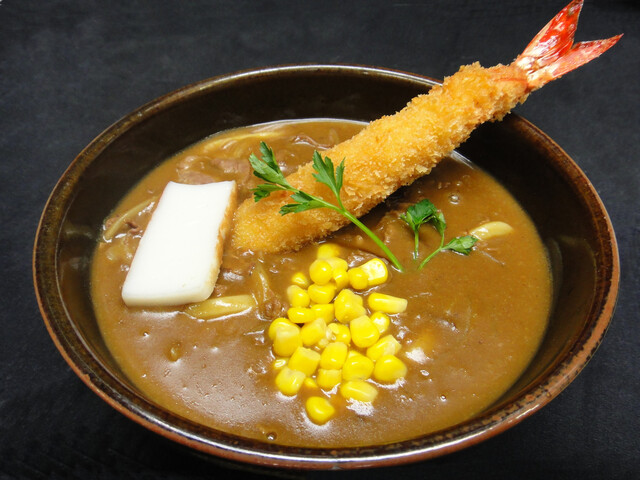
Meguro’s station-side dining has a different tempo from Ginza counters or Aoyama tasting menus. The first impression is practical rather than theatrical: office workers, families, and regulars moving through a compact udon room where the decision is not how many courses to surrender to, but which form of wheat noodle comfort suits the day. Konpira Chaya belongs to that Tokyo category where reputation is built through repeat use, not spectacle.
That matters in a city where noodle cooking is often split by tribe. Ramen absorbs international attention, soba carries an older ceremonial gravity, and udon can be treated as everyday fuel until a specialist reminds diners how much range the form has. Curry udon sits at the intersection of home-style familiarity and shop-level technique: thick wheat noodles, curry sauce engineered to cling rather than slide, and a rhythm that suits lunch, late dinner, and the solo diner as easily as a family table.
Curry udon as Meguro's democratic counterpoint to Tokyo fine dining
Tokyo’s serious food culture is not confined to expensive rooms. A JPY 1,000 to JPY 1,999 udon shop can carry as much local meaning as a tasting counter if the category is narrow, repeatable, and judged by diners who know the difference between a serviceable bowl and a destination bowl. Konpira Chaya’s inclusion in Tabelog 100 Udon EAST 2024 places it inside a regional specialist conversation rather than a generic neighbourhood noodle list. Its earlier Tabelog 100 udon selections in 2022 and 2020 add a continuity signal that matters more than a single-year spike.
The useful comparison is not with luxury sushi or kappo. It is with Tokyo’s broader middle tier of focused, category-led restaurants: tonkatsu, yakitori, curry, soba, and udon rooms that ask for little ceremony but attract serious attention. In Meguro, Tonkatsu Meguro Kogane occupies a similar accessible price bracket in a different comfort-food lane, while Yakitori Abe and Tori-Shiki show how single-category Japanese restaurants can build reputations through precision rather than breadth. Konpira Chaya sits closer to the everyday end of that spectrum, but the award recognition moves it beyond mere convenience.
The house identity is unusually legible because the category is explicit: udon and curry udon. The publicly highlighted dish is beef curry udon, and the shop’s own description points to handmade, thick udon with curry designed to hold to the noodles. That is a rare case where the practical claim and the culinary thesis are the same. This is not fusion for novelty. It is Tokyo comfort cooking narrowed until the format can be judged on texture, heat, sauce density, and consistency.
What the recognition says about the room
Tabelog’s Hyakumeiten lists tend to reward shops with clear category authority, and udon is a demanding field because regional styles differ sharply. Sanuki-style firmness, Kansai broth clarity, Tokyo curry adaptations, and casual chain expectations all sit in the diner’s mental background. A Meguro curry udon specialist selected for the EAST list signals that the shop is being read as more than a local lunch stop. It is being placed among eastern Japan’s notable udon addresses for that year.
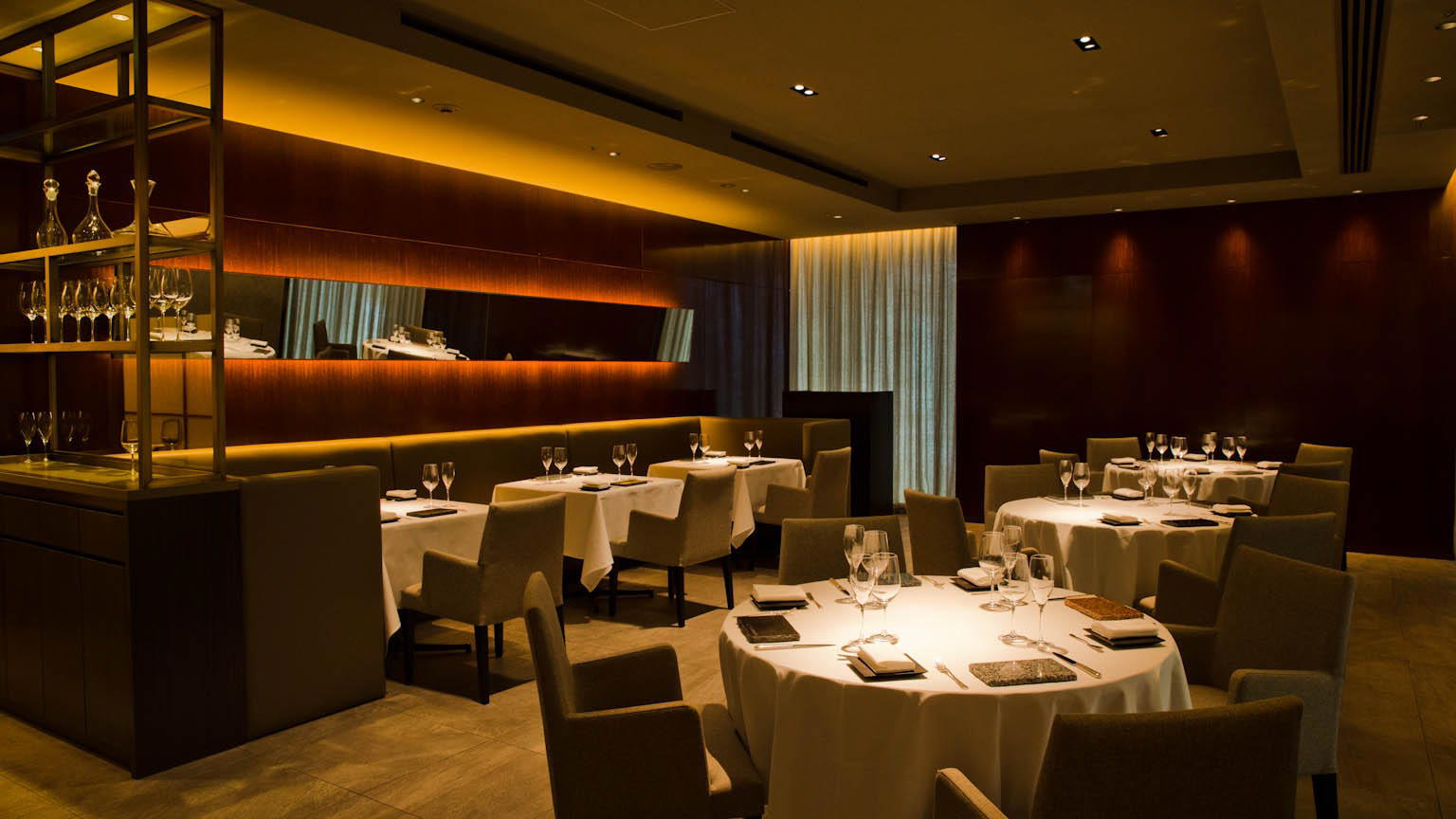
The room itself reinforces the point. Twenty table seats make this a compact operation, not a sprawling station restaurant engineered for volume alone. Private rooms and private use are not part of the format, which keeps the experience close to the classic Tokyo noodle shop model: quick decisions, shared urban rhythm, and food that needs no explanatory script. Non-smoking service, children welcome, take-out, sake, and an English menu widen the audience without changing the core proposition.
Tokyo visitors often overcorrect toward reservations and prestige markers, then miss the city’s more revealing everyday specialists. Readers mapping meals across neighbourhoods can use Our full Tokyo restaurants guide for the dining spread, then cross-reference Our full Tokyo hotels guide, Our full Tokyo bars guide, Our full Tokyo wineries guide, and Our full Tokyo experiences guide when building a full itinerary.
Where it fits in a Tokyo food itinerary
The editorial value of the restaurant is its contrast. It can sit before a formal evening, after a museum-heavy day, or between train transfers without asking diners to recalibrate around luxury codes. For a casual Tokyo sequence, it pairs conceptually with other focused addresses in the city index: 3 Chome no Curry Ya San for curry as a genre. 鮪と炭火焼き うお炭 秋葉原店 for charcoal and tuna in Akihabara, 12/10 Shinjuku ten for Shinjuku dining context, 124. KAGURAZAKA (Yakitori) for a yakitori-led route, and 2D Cafe for a lighter pop-cultural stop.
The wider Japanese map also helps define the category. Curry specialists such as [Curry Senmon Ten] Maruyama Kyoju. in Sapporo show how curry can anchor an entire shop identity, while regional contrasts appear at [ki:] in Kyoto.cafe in Osaka.know in Kumamoto, (Shoku) Vietnam in Kawasaki, and -Grilled beef Sukiyaki- KAMAKURA TANUKIAN 鎌倉 たぬき庵 in Kamakura. Even overseas Japanese comfort formats, from Jōdo Saké Bar in Los Angeles to Onigiri Time in Pasadena, underline the same lesson: humble categories travel well, but their authority depends on restraint and repetition.
Critical call is simple. The restaurant is for diners who want a Tokyo meal with local credibility, category focus, and minimal ceremony. Its Tabelog 100 udon recognition supplies the trust signal; the curry udon focus supplies the reason to care. In a city overloaded with high-status dining decisions, that clarity is the point.
Price and Positioning
Comparable venues for cuisine and category context.
| Venue | Cuisine | Price | Notes |
|---|---|---|---|
| Konpira Chaya | Not listed | $ | Shinagawa, Handmade Udon & Beef Curry Udon |
| Kitchen Nankai (キッチン南海) | Jimbocho, Classic Yoshoku Katsu Curry | $ | Not listed |
| Umemura | Koto, Japanese Soul Food | $ | Not listed |
| 福田家 | Chiyoda, Japanese Conveyor Belt Sushi | $ | Not listed |
| Gyusuji Curry Chiisana Curry Ya | Not listed | $ | Shinjuku, Japanese Beef Tendon Curry & Curry Udon |
| HIIKI | Not listed | $ | Ōta, Ramen shop specializing in shoyu tonkotsu |
Recognition history
Dated appearances from independent guides and award organizations, with the underlying list record or original source where available.
Tabelog 100 #25 · No. 25
Tabelog · Tabelog 100 - Udon - EAST - 2024













At a Glance
- Cozy
- Classic
- Lively
- Solo
- After Work
- Casual Hangout
- Family
- Standalone
- Street Scene
Current opening hours
- Monday
- 11 AM–11 PM
- Tuesday
- 11 AM–11 PM
- Wednesday
- 11 AM–11 PM
- Thursday
- 11 AM–11 PM
- Friday
- 11 AM–11 PM
- Saturday
- 11 AM–11 PM
- Sunday
- 11 AM–11 PM
Hours can change for holidays and private events. Last verified .