
Roppongi’s hot-pot scene often tilts toward beef, late-night comfort, and expense-account dining; this room works a narrower lane around individual mushroom hot pots, vegetable-led courses, and medicinal nabe language. Selection for Tabelog 100 Hot Pot 2024 gives it a clear credential in a category where repeat diners tend to value format discipline over spectacle.
Pearl is the En Primeur Club membership app — saves, bookings, and concierge access live there. Same editors, same standards.
- Address
- 東京都港区六本木4-11-11 六本木GMビル 4F
- Phone
- +81368045095
- Website
- shangrila.jp
 Saves & bookings on Pearl
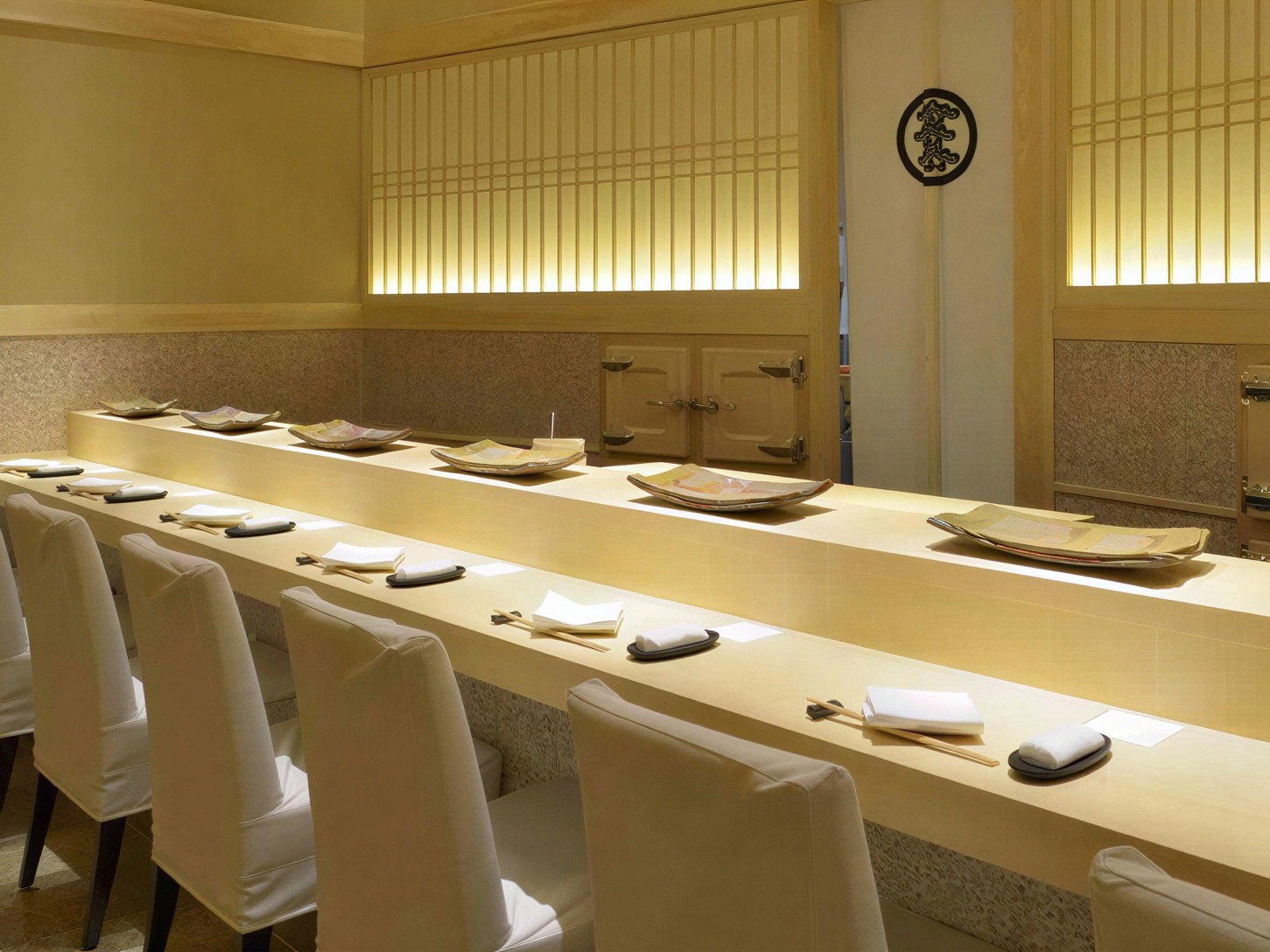
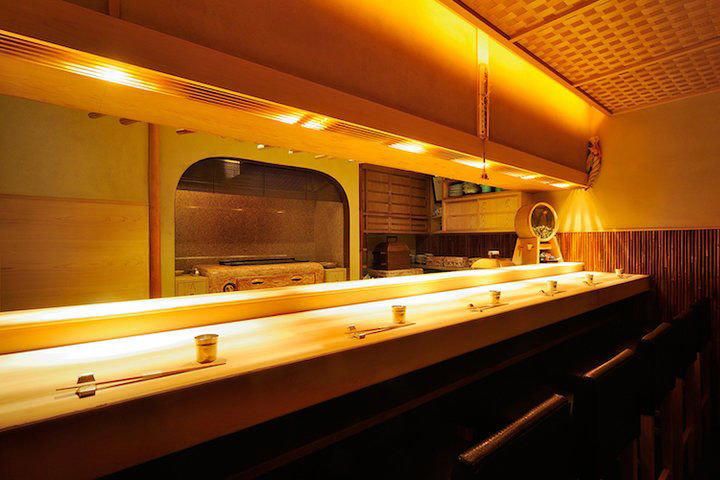
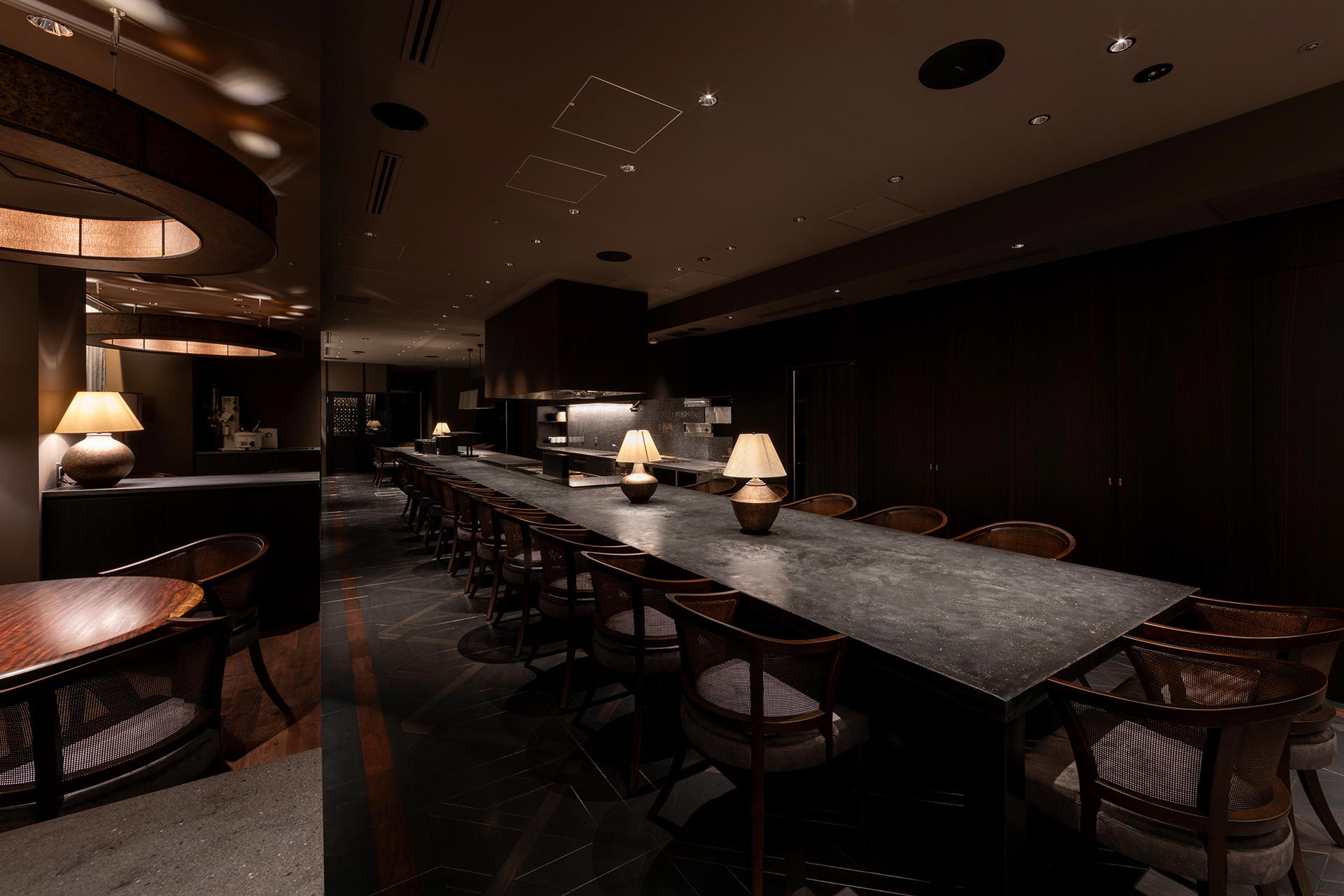
Roppongi changes character quickly above street level. Step off the lift in a commercial building and the usual district signals, neon, traffic, late dinners after work, drop into a quieter hot-pot rhythm: private rooms, sofa seating, power outlets, multilingual menus, and the faintly corporate comfort that makes sense in Minato. In Tokyo, nabe is not one tradition but a broad family of formats, from winter home cooking to high-spend shabu-shabu counters. haven's secret ROPPONGI belongs to the polished, repeat-visit end of that spectrum, where the draw is not theatrical scarcity but a dependable structure built around one-person one-pot mushroom hot pot.
Individual hot pots in a city that usually shares the flame
Tokyo hot pot dining often assumes a shared centre: one burner, one pot, a table negotiating pace together. The individual-pot format changes the social contract. It suits business meals, mixed dietary needs, and diners who want control over broth, vegetables, and timing without turning dinner into a committee decision. That explains why regulars return to this style in Roppongi, a neighbourhood where meals often sit between work, friends, and late evening plans.
The kitchen’s public category signals matter here: shabu-shabu, nabe, and medicinal cooking, with a particular emphasis on vegetables and health-oriented menus. Vegan and vegetarian options are listed, which gives the room a different utility from beef-first sukiyaki and shabu-shabu specialists. It is not trying to compete with steakhouse luxury in the way BENJAMIN STEAK HOUSE Roppongi does, nor with the fast, single-bowl logic of IRUCA TOKYO. It sits closer to the part of Tokyo dining where comfort, routine, and a controlled format carry the meal.
The external credential is useful because hot pot rarely receives the same international attention as sushi, tempura, or kaiseki. Selection for Tabelog 100 Hot Pot 2024 places the restaurant inside a local Japanese evaluation culture that takes everyday genres seriously. A 3.55 Tabelog score is less important than the category placement: this is a specialist field, and the award points to recognition among sukiyaki, shabu-shabu, and nabe venues rather than a general fine-dining race.
Why regulars care about the unwritten rhythm
Regulars at this kind of restaurant are not usually chasing novelty. They return because the format removes friction. One course per guest sets the meal’s spine, private rooms give small groups a protected register, and the two-hour seating rhythm keeps the evening contained. The room also reads as practical Tokyo hospitality rather than ceremonial luxury: non-smoking, wheelchair accessible, with English and Simplified Chinese menus available. Those details shape who can use the restaurant, especially in Roppongi, where international diners and local business traffic overlap.
The drink frame is broad enough for the category without turning the meal into a bar program. Shochu, wine, and cocktails are listed, a useful spread for a table where one guest may want Japanese spirits and another a low-intervention dinner with vegetables at the centre. Bring-in rules are stricter than casual celebratory dining: outside food and drink are generally restricted, with exceptions requiring advance consultation, and wine carry-in is charged by the bottle. That is not a footnote for regulars; it is part of the house logic. The restaurant wants control over hygiene, pacing, and quality preservation, which is consistent with hot pot service built around prepared ingredients and individual burners.
Family use is more conditional. Lunch has some flexibility, though stroller accommodation depends on seating space; dinner excludes children who are not yet in school. That policy tells experienced Tokyo diners how to read the room: daytime can work for a carefully planned family meal, while evening belongs more clearly to adults, work meals, and friend groups.
Roppongi context, and how to place it in a Tokyo itinerary
Roppongi is not a single dining identity. It contains international expense-account rooms, late-night bars, casual noodles, art-district meals, and destination Japanese cooking within a few blocks. That makes hot pot here especially useful: it can absorb a mixed group without forcing everyone into raw fish, wagyu, or a tasting-menu schedule. Honmura-An, Kanjo, and Rian occupy different corners of the same district conversation, while this address works the wellness-adjacent nabe lane with a tighter format.
For travellers building a broader Tokyo food week, the restaurant makes sense as a reset meal between heavier bookings. Pair it with yakitori, curry, ramen, and seafood rather than treating it as a solitary trophy reservation. For nearby alternatives and different moods, EP Club’s Tokyo restaurant map includes . 鮪と炭火焼き うお炭 秋葉原店, 12/10 Shinjuku ten, 124. KAGURAZAKA (Yakitori), 2D Cafe, and 3 Chome no Curry Ya San. Wider planning sits in Our full Tokyo restaurants guide, with companion guides for Our full Tokyo hotels guide, Our full Tokyo bars guide, Our full Tokyo wineries guide, and Our full Tokyo experiences guide.
The wider Japan and overseas index shows how category expectations shift by city: -Grilled beef Sukiyaki- KAMAKURA TANUKIAN 鎌倉 たぬき庵 in Kamakura frames sukiyaki through beef.cafe in Osaka and.know in Kumamoto sit in different casual registers, (Shoku) Vietnam in Kawasaki moves toward regional Vietnamese cooking, [Curry Senmon Ten] Maruyama Kyoju. in Sapporo covers curry specialization, and [ki:] in Kyoto belongs to another city’s dining grammar. Across the Pacific, Jōdo Saké Bar in Los Angeles and Onigiri Time in Pasadena show how Japanese formats change when translated abroad.
The editorial case is clear: this is the Roppongi choice for diners who want hot pot as a controlled, vegetable-forward routine rather than a beef spectacle or a ramen stop. The award recognition supplies credibility, but the more persuasive reason is functional. Individual pots, private-room options, multilingual support, and a health-oriented nabe identity make the restaurant useful for repeat Tokyo dining, not just a single night on a checklist.
Quick Comparison
Comparable venues at the same tier.
| Venue | Cuisine | Price | Notes |
|---|---|---|---|
| Shangri-La's secret ROPPONGIThis venue — the venue you are viewing | Yunnan Mushroom Hot Pot | $$$ | Not listed |
| Chugoku Ikkyosai Bai En | Authentic Chinese course restaurant | $$$ | Taitō |
| Chinese Hanten Mita ten | Classic Chinese restaurant known for Peking duck | $$$ | Minato |
| Sichuan Ryori Kae | Sichuan Hot Pot and Chinese Cuisine | $$$ | Toshima |
| Sifon Choi Yoshida | Traditional Cantonese à la carte | $$$ | Minato |
| Chinese Raika Shikunshiso | Seasonal Nouvelle Chinese with Shanghai crab and shark fin specialties | $$$ | Chiyoda |
Recognition history
Dated appearances from independent guides and award organizations, with the underlying list record or original source where available.
Tabelog 100 #71 · No. 71
Tabelog · Tabelog 100 - Hot Pot - 2024








At a Glance
- Cozy
- Elegant
- Romantic
- Sophisticated
- Date Night
- Business Dinner
- Group Dining
- Special Occasion
- After Work
- Standalone
- Design Destination
- Private Dining
- Sake Program
- Craft Cocktails
- Local Sourcing
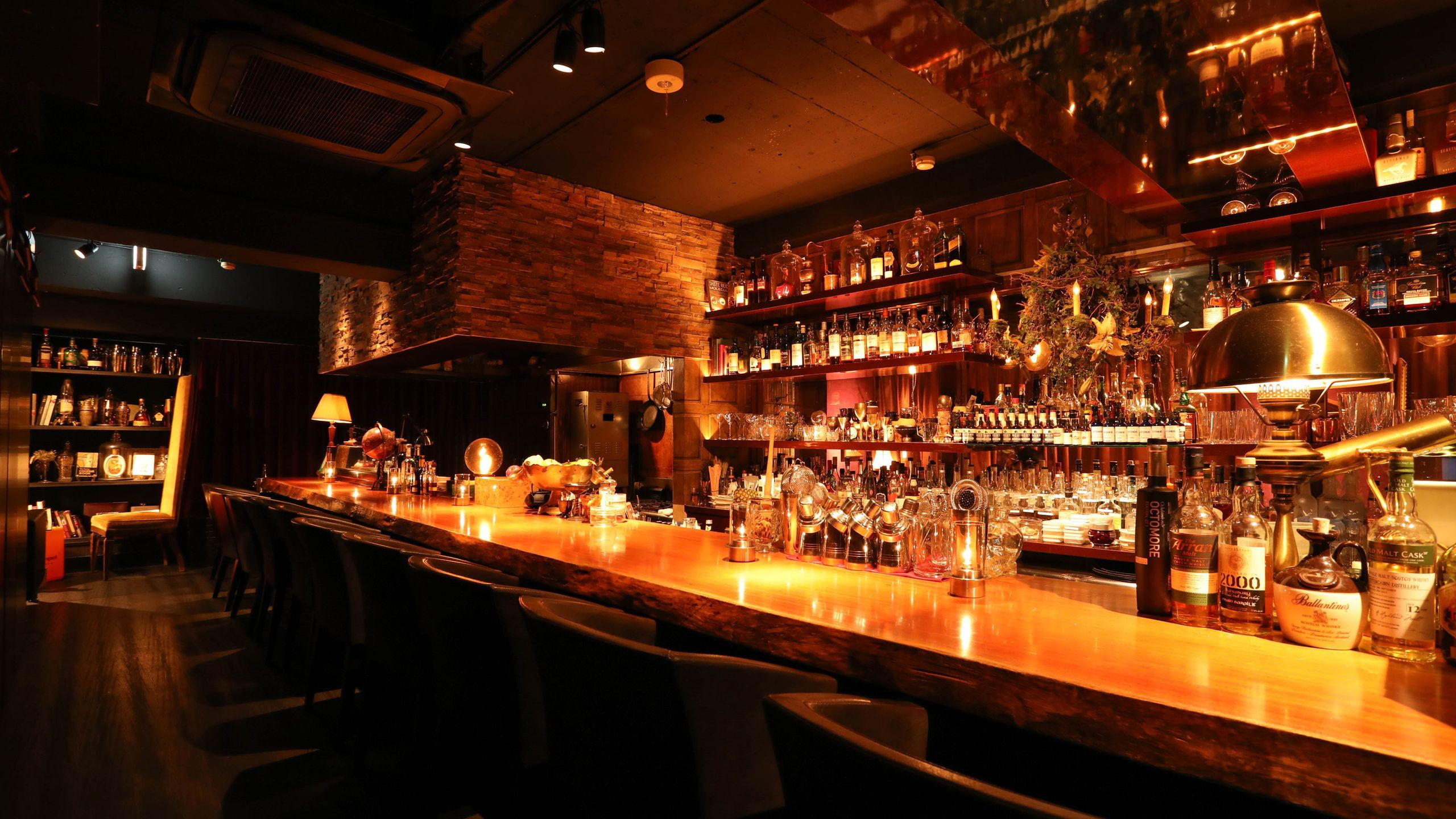
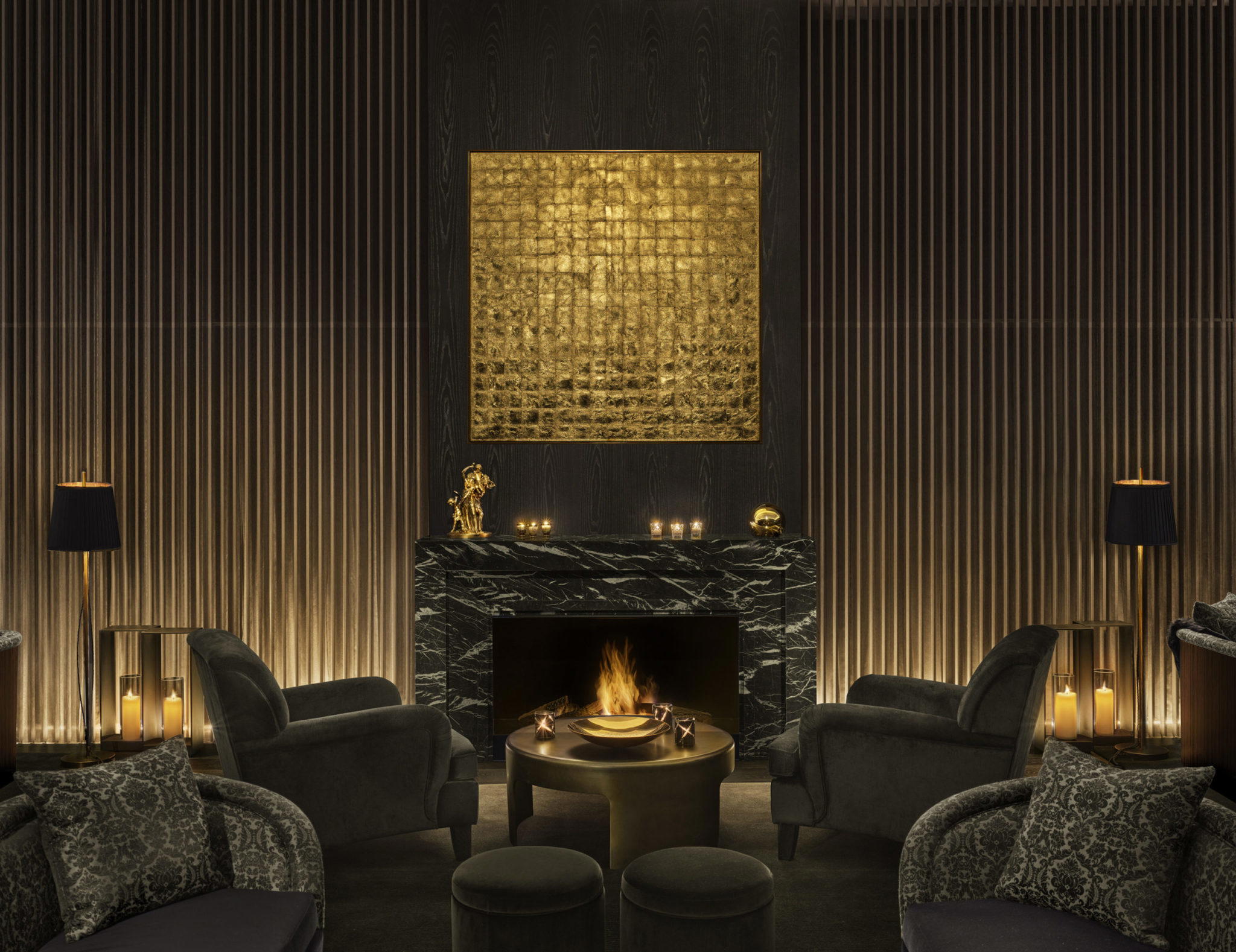
Intimate, dimly lit hot-pot dining room with a hidden-entry feel, refined but relaxed service, and a focus on slow, wellness-oriented mushroom dining rather than a noisy, boisterous nabe house.