
Kanda Yunrin places Chinese and Sichuan cooking inside Kanda Sudacho’s older commercial grid, where specialist restaurants sit above street level rather than announcing themselves from broad avenues. Its Tabelog 100 Chinese cuisine Tokyo 2026 selection, 32-seat scale, fish focus, sommelier service, and long-running presence since 2006 make it a serious address for diners reading Tokyo beyond Ginza and Roppongi.
Pearl is the En Primeur Club membership app — saves, bookings, and concierge access live there. Same editors, same standards.
- Address
- Japan, 〒101-0041 Tokyo, Chiyoda City, Kanda Sudacho, 1 Chome−17 第2F&Fロイヤルビル 2F
- Phone
- +81 50-5486-2264
- Website
- kandayunrin.com
 Saves & bookings on Pearl
The approach to Kanda Sudacho sharpens appetite before the meal. This Chiyoda pocket is rail exits, office traffic, old shopfronts, and second-floor dining rooms, closer to Tokyo’s working culinary memory than hotel-lobby luxury. Chinese food here reads differently from polished central-business-hotel rooms: pleasure comes through precision, repeat custom, and a room small enough for the kitchen’s rhythm to matter.
Kanda Yunrin belongs to the specialist Tokyo category where Chinese and Sichuan cooking are not treated as one thing. Listed for Chinese and Sichuan, with stated emphasis on fish, it matters in Japan, where Cantonese seafood houses, mapo-tofu lunch counters, Shanghainese crab seasons, and chef-led modern Chinese rooms all sit under the same broad label. Its selection for Tabelog 100 Chinese cuisine Tokyo 2026 places it among a narrow citywide group, not the larger field of everyday chuka dining.
Kanda's second-floor Chinese rooms reward diners who look past the station frontage
Kanda has long served serious eaters because it resists one identity. Around Awajicho, Ogawamachi, Akihabara, and JR Kanda, the dining map changes block by block: soba institutions, curry shops, coffee rooms, izakaya, and small restaurants serving office workers by day and regulars by night. Here, Chinese cooking can be adult, quiet, and ingredient-led without the ceremonial architecture of a hotel restaurant.
The comparison helps. Takemura and CHOPIN occupy a lower-priced, old-Tokyo everyday bracket; Kanda Yabu Soba anchors a different tradition of soba craft and neighbourhood continuity. Topca Kanda honten and AROMAS of INDIA show how the area supports spice-led casual dining at lunch-friendly budgets. Against that frame, Kanda Yunrin sits in a more deliberate dinner tier, not because the neighbourhood has become glossy, but because Kanda absorbs serious dining without changing its street-level character.
That distinction matters for travellers. Tokyo’s high-end Chinese scene is not confined to grand rooms with skyline views. Some of its more interesting addresses sit in mixed-use buildings, near train lines, where lunch economy and dinner ambition share pavement. The 32-seat scale fits: compact enough to feel specialist, large enough to avoid the counter-only theatre that shapes much of Tokyo’s sushi and kappo conversation.
Chinese and Sichuan cooking, filtered through Tokyo's taste for seasonality
The restaurant’s public notes point to Chinese and Sichuan cooking with attention to fish, drinks including sake, shochu, cocktails, and wine, plus sommelier service. These details say more than a generic cuisine label. In Tokyo, stronger Chinese rooms increasingly behave less like banquet restaurants and more like produce-driven dining rooms: seasonality, pairing flexibility, and course pacing matter as much as regional vocabulary.
Shanghai crab season is a revealing signal. The restaurant announces a Shanghai Crab course from October 14, placing it inside a seasonal East Asian luxury calendar rather than a fixed-menu tourist script. Autumn crab carries a different charge from year-round prestige ingredients: it compresses availability, demands timing, and attracts diners who book around a window rather than a sightseeing route. The point is not novelty; serious Chinese dining in Tokyo often borrows Japan’s seasonal discipline while retaining Chinese technique and appetite.
Sichuan also functions differently in Tokyo than in cities where heat alone drives reputation. Better rooms balance spice, oil, aroma, texture, and pacing, especially when wine or sake service is part of the meal. A perfume request appears in the restaurant’s guest notes, a small sign that aroma is treated as part of dining conditions, not background decoration. That instruction belongs to restaurants where room discipline affects the table.
The Tabelog score of 3.72 and Tabelog 100 inclusion need context. Tabelog’s Hyakumeiten lists reward category depth, and Tokyo’s Chinese field is crowded, from long-running neighbourhood restaurants to expensive modern rooms. Multiple selections across 2021, 2023, 2024, and 2026 suggest sustained local recognition, not one publicity cycle.
Who this table suits, and how to read it within Tokyo
This is not the obvious first Tokyo meal built around neon, spectacle, or a famous counter ritual. It suits diners who know the city’s food culture is strongest when granular: one station exit, one building floor, one cuisine category, one seasonal ingredient. The family-friendly note and semi-private six-person room broaden the audience, but the strongest use case is a small group or focused dinner where Chinese technique, fish, and wine service matter.
For a broader Chiyoda and eastern Tokyo day, the geography works well. Akihabara, Ochanomizu, Jimbocho, and Nihonbashi sit in the wider eating orbit, so lunch, coffee, bars, and dinner can be built without repeatedly crossing the city. Nearby comparisons include the area’s casual seafood energy at . 鮪と炭火焼き うお炭 秋葉原店, the broader Tokyo restaurant field through Our full Tokyo restaurants guide, and after-dinner options in Our full Tokyo bars guide.
The editorial position is clear: Kanda Yunrin is for travellers wanting Tokyo Chinese dining with local recognition, seasonal cues, and neighbourhood texture, not a trophy room detached from its streets. It belongs to Kanda’s pattern of serious places hidden in ordinary commercial fabric, where the reward is not discovery for its own sake but calibration: knowing which second-floor dining room justifies slowing down.
For wider planning, EP Club’s Tokyo and Japan pages extend the same lens across categories: Our full Tokyo hotels guide, Our full Tokyo wineries guide, and Our full Tokyo experiences guide. Nearby and national restaurant references include 12/10 Shinjuku ten, 124. KAGURAZAKA (Yakitori), 2D Cafe, 3 Chome no Curry Ya San, -Grilled beef Sukiyaki- KAMAKURA TANUKIAN 鎌倉 たぬき庵 in Kamakura,.cafe in Osaka,.know in Kumamoto, (Shoku) Vietnam in Kawasaki, [Curry Senmon Ten] Maruyama Kyoju. in Sapporo, [ki:] in Kyoto, Jōdo Saké Bar in Los Angeles, and Onigiri Time in Pasadena.
City Peers
Comparable venues for orientation by cuisine and category.
| Venue | Cuisine | Price | Notes |
|---|---|---|---|
| Kanda YunrinThis venue — the venue you are viewing | Seasonal Chinese (Shanghai/Sichuan influence) Fine Dining | $$$ | |
| Chinese Sai Lao Shisen Pyaoshan Ginza mitsukoshi ten | Traditional Sichuan by Piao Xiang in Ginza Mitsukoshi | $$$ | Chūō |
| Tousenkaku | Modern Chinese Fine Dining | $$$ | Minato |
| Reikasai Ginza The Chinese Imperial Court dishes | Imperial Chinese court cuisine in Ginza | $$$ | Chūō |
| Chinese Hanten Ichigaya ten | Seasonal Shanghai Chinese (Chuugokuhanten Ichigaya) | $$$ | Chiyoda |
| Sifon Choi Yoshida | Traditional Cantonese à la carte | $$$ | Minato |








At a Glance
- Elegant
- Cozy
- Quiet
- Hidden Gem
- Business Dinner
- Date Night
- Special Occasion
- Group Dining
- Celebration
- Solo
- Standalone
- Design Destination
- Private Dining
- Local Sourcing
- Organic
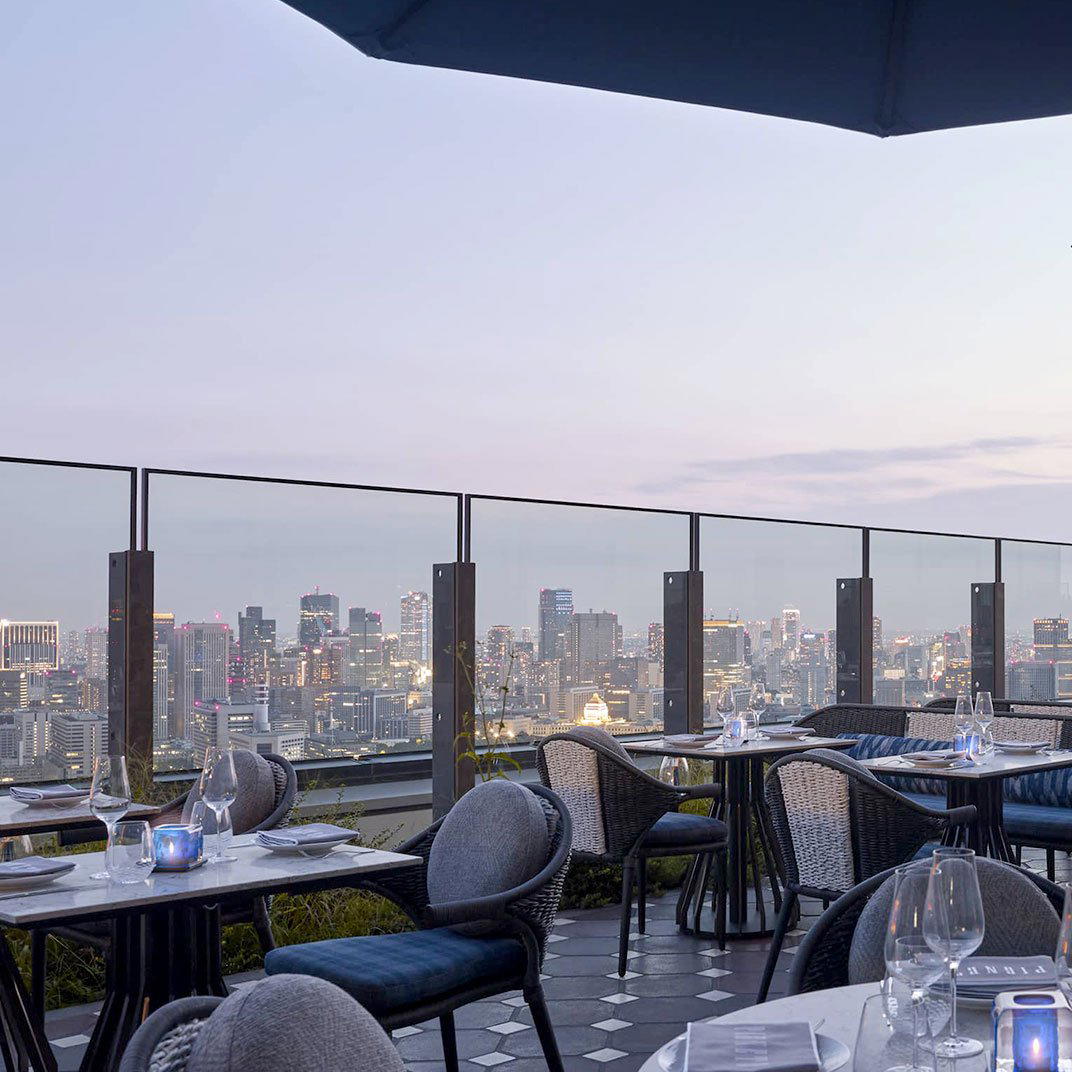
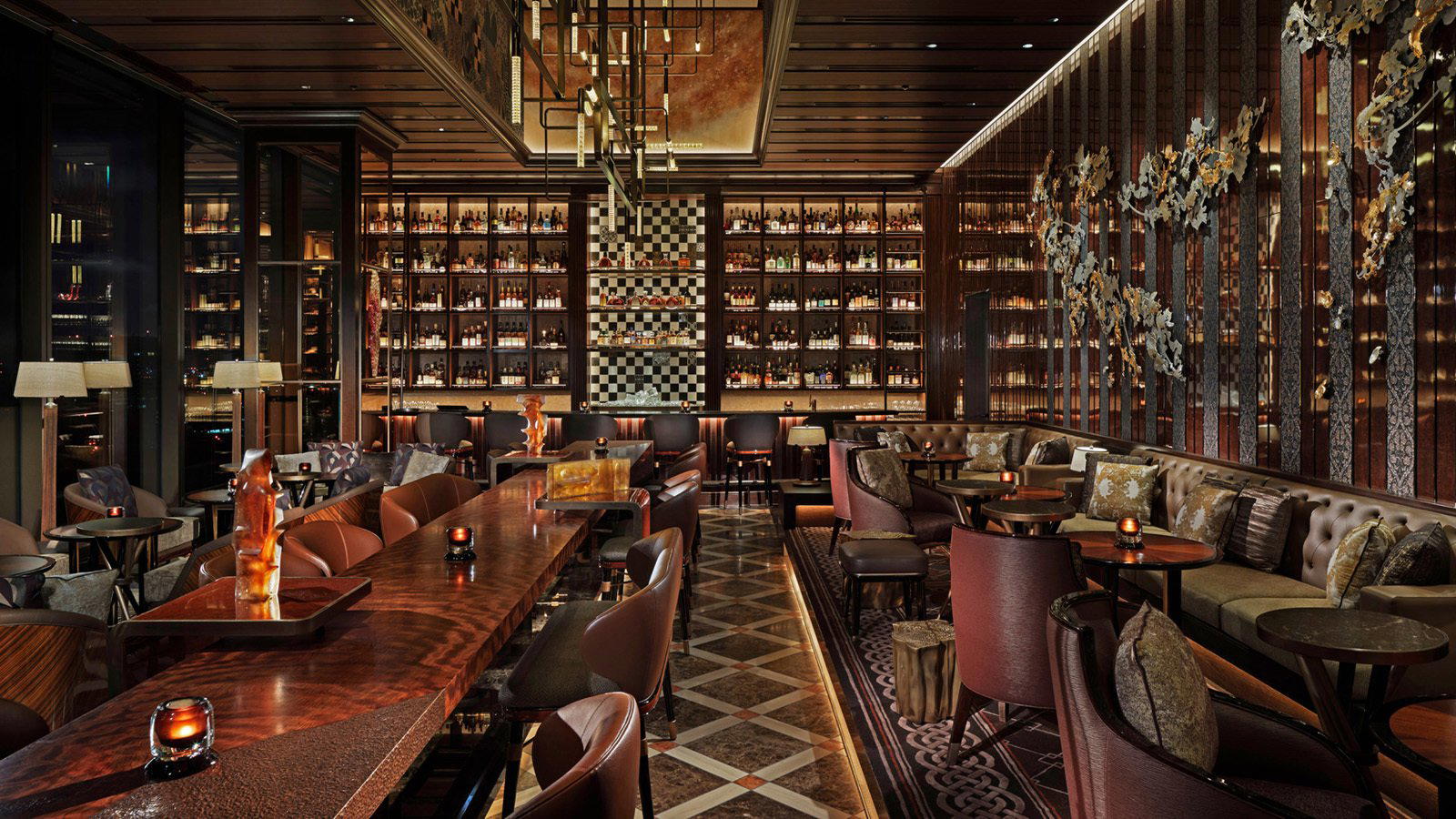
Small second-floor dining room with a calm, quietly elegant atmosphere; reviews highlight neatly presented dishes, crisp vegetables, and a relaxed, non-smoking space that feels like a hidden neighborhood gem rather than a typical noisy Chinese eatery.[1][3][9]