Michelin Plate
Our verdict
A Michelin Plate-recognised Chinese restaurant in Minato's Takanawa district, Chugokusai KAKYU-BOU operates at the disciplined intersection of orthodox Chinese technique and seasonal Japanese sourcing. The name references a mountain from classical Chinese philosophy, and the kitchen's approach reflects that grounding: innovation kept within the structure of tradition, with an appetiser assortment drawing from sea and soil alike. Rated 4.8 on Google from early reviewers.

Pearl is the En Primeur Club membership app, where members save venues, book tables and use the concierge.
Where Takanawa Meets the Chinese Table
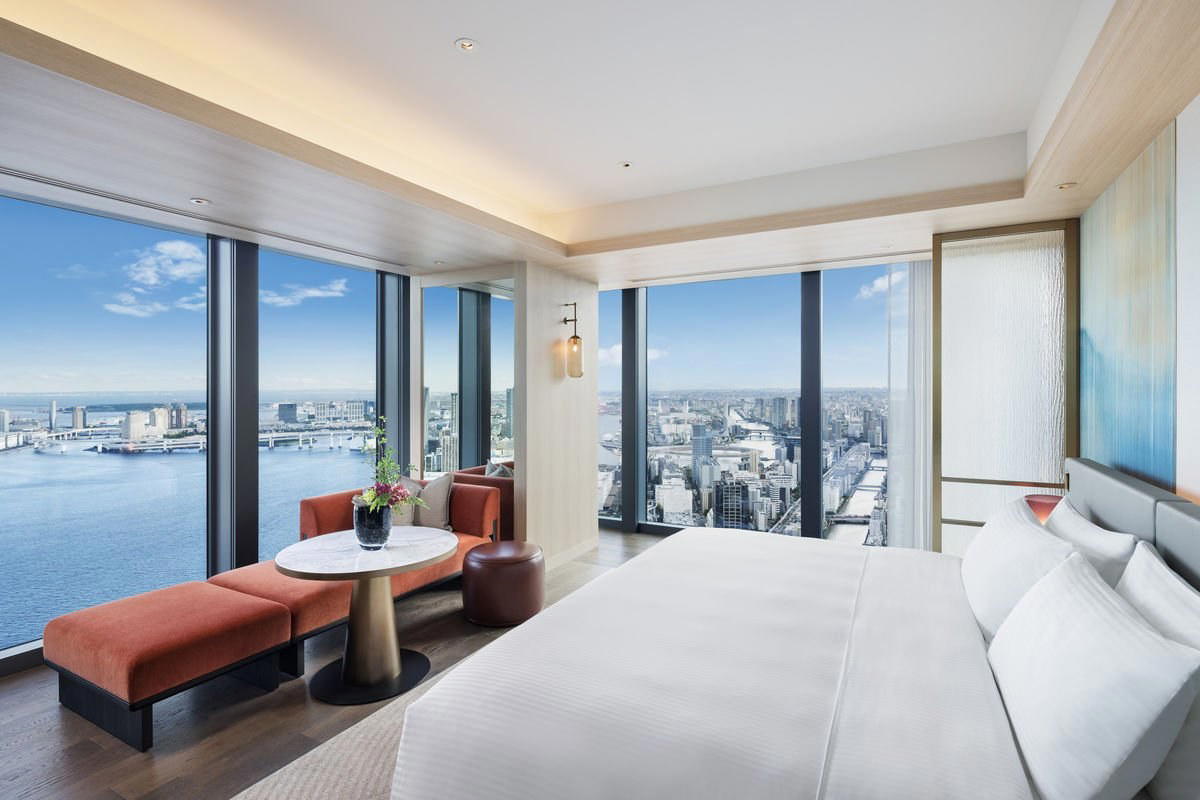
Minato's Takanawa district occupies a quieter register than the high-traffic dining corridors of Ginza or Roppongi. The streets here carry a residential calm that the neighbourhood's hotels and embassies reinforce, and the restaurants that endure in this part of Tokyo tend to reward patience rather than foot traffic. Chugokusai KAKYU-BOU sits at 2 Chome-1-62 Takanawa inside that logic: a Chinese kitchen operating at a mid-range price point (¥¥) in a district that does not depend on passing crowds to fill seats.
The name itself carries philosophical weight. Kakyu-bou translates as "Kitchen of Mount Huaqiu," drawing on a Chinese classical text in which the mountain Huaqiu is described as a place where many fruits grow. The framing is not decorative. It sets the kitchen's declared orientation: gratitude for what the earth provides, expressed through cooking. In a Tokyo dining scene where concept restaurants often announce themselves loudly, that quiet rootedness in classical reference reads as a statement of intent.
The Logic of Orthodox Technique and Seasonal Sourcing
Tokyo's Chinese restaurant tier divides broadly into two categories. The first is the prestige Cantonese and regional Chinese format found in hotels and high-end standalone rooms, where prix-fixe menus and imported ingredients drive pricing into the ¥¥¥ and ¥¥¥¥ brackets. Venues like Chugoku Hanten Fureika and Chugoku Hanten Kohakukyu (Amber Palace) occupy that upper band. The second category is the neighbourhood specialist: a kitchen where technique is the credential and the sourcing radius is often closer to home than the cuisine's geographic origin would suggest.
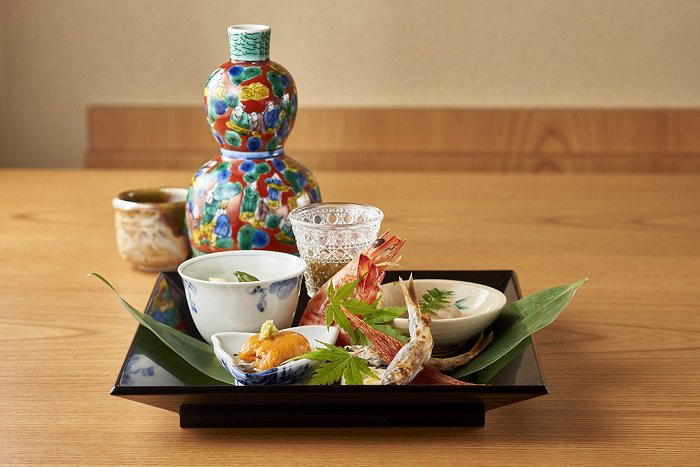
KAKYU-BOU belongs to the second category, and its approach to ingredient sourcing clarifies why that positioning matters. The kitchen's signature appetiser assortment is described as "bounty from sea and soil prepared with Chinese techniques," a phrase that signals deliberate dual-sourcing rather than a fixed regional pantry. Japan's coastal and agricultural outputs are treated here as raw material for Chinese culinary logic rather than as a competing tradition. That relationship, where Japanese produce is processed through orthodox Chinese method, is not unique to this restaurant, but it is a defining characteristic of the better mid-range Chinese kitchens in Tokyo, and KAKYU-BOU's Michelin Plate recognition in both 2024 and 2025 suggests the execution is consistent.
The Michelin Plate is a signal worth contextualising. It does not carry the star weight of a venue like Koshikiryori Koki or the innovative Japanese rooms that populate the ¥¥¥ tier, but it represents Michelin's affirmation of good cooking at a given price point. For a ¥¥ Chinese restaurant in Takanawa, back-to-back Plate recognition is a concrete quality signal, not a consolation. It places the kitchen inside the Michelin-assessed city, which is meaningful in a market as dense as Tokyo's.
Sea and Soil: How the Kitchen Thinks About Its Ingredients
The declared philosophy of the appetiser assortment, produce from sea and soil rendered through Chinese technique, reflects a sourcing logic common to the more serious end of Tokyo's Chinese dining. Japan's fish markets and seasonal agricultural outputs provide materials of exceptional quality. The discipline required is knowing how to apply Chinese preparation methods to that provenance without flattening either. The kitchen's stated apprenticeship principle, that without the basics there can be no application, suggests the technique is treated as a precondition for any departure from it.
That framing also places the restaurant in an interesting position relative to the innovation-led Chinese restaurants appearing in other major cities. At Mister Jiu's in San Francisco, Chinese-American culinary identity is the subject. At Restaurant Tim Raue in Berlin, Chinese flavour structure is reconfigured through a European fine-dining lens. KAKYU-BOU's declared position is different: innovation as a destination reached through orthodoxy, not around it. That is a less theatrical proposition, but in Tokyo's dining culture, where technical mastery tends to be valued over concept alone, it is a credible one.
Takanawa in Context
Understanding where a restaurant sits geographically matters in Tokyo more than in most cities, because each district shapes both the kitchen's likely clientele and its competitive set. Takanawa is not an area associated with destination dining in the way that Ginza or Nishi-Azabu are. It is quieter, more residential, and the Chinese restaurants that occupy this district tend to draw from local regulars and the area's hotel guests rather than from the city-wide reservation queue that fills the more prominent rooms.
That context helps explain the ¥¥ price positioning at KAKYU-BOU. This is not a room pricing against Ippei Hanten or the upper-bracket hotel Chinese rooms. It prices against the serious neighbourhood-level Chinese kitchen, where the value proposition is technical rigour at an accessible spend.
For readers building a broader Tokyo itinerary, the restaurant sits within a city whose Chinese dining spans considerable range. The full picture is available in our full Tokyo restaurants guide, with hotels, bars, wineries, and experiences covered separately. For those extending beyond Tokyo, the comparison restaurants mentioned above sit alongside strong tables elsewhere in Japan: HAJIME in Osaka, Gion Sasaki in Kyoto, akordu in Nara, Goh in Fukuoka, 1000 in Yokohama, and 6 in Okinawa each represent a different strand of Japan's current dining picture. And itsuka offers a further Tokyo reference point for readers cross-referencing across styles.
Know Before You Go
- Address: 2 Chome-1-62 Takanawa, Minato City, Tokyo 108-0074, Japan
- Price range: ¥¥ (mid-range)
- Awards: Michelin Plate 2024, Michelin Plate 2025
- Cuisine: Chinese
- Booking, hours, and contact: Details at time of publication; verify directly before visiting
Frequently asked questions
What's the price range at Chugokusai KAKYU-BOU?
Pricing at Chugokusai KAKYU-BOU is listed as ¥¥.
How do I find Chugokusai KAKYU-BOU?
Chugokusai KAKYU-BOU is located at 2 Chome-1-62 Takanawa, Minato City, Tokyo 108-0074, Japan, Tokyo.
Is Chugokusai KAKYU-BOU award-winning?
Chugokusai KAKYU-BOU has received recognition including: Huaqiu (read as Kakyu in Japanese) is the name of a holy mountain, mentioned in a Chinese book of philosophy, where many fruits grow. The name Kakyu-bou, ‘Kitchen of Mount Huaqiu’, captures the joy of cooking in a spirit of thanksgiving for….
What should I eat at Chugokusai KAKYU-BOU?
The appetiser assortment is the clearest expression of the kitchen's philosophy: produce from sea and soil prepared through orthodox Chinese technique. The kitchen's approach prioritises foundational method over novelty, so these opening courses reflect both sourcing intention and technical grounding. It is the dish category the restaurant's own ethos explicitly points toward as a statement of identity.
What cuisine category does Chugokusai KAKYU-BOU fall under?
A Quick Peer Check
Comparable options at a glance, pulled from our tracked venues.
| Venue | Cuisine | Price | Awards | Notes |
|---|---|---|---|---|
| Chugokusai KAKYU-BOUThis venue (the venue you are viewing) | Orthodox Chinese Fine Dining | $150–200 | Michelin Plate | Not listed |
| Harutaka | Edo-Style Omakase Sushi | $200–300 | 3 Michelin Stars · World's 50 Best #76 | Sushi |
| RyuGin | Modern Kaiseki | $500+ | 3 Michelin Stars · World's 50 Best #41 | Kaiseki, Japanese |
| L'Effervescence | Modern French with Japanese Influences | $200–300 | 3 Michelin Stars · World's 50 Best #69 | French |
| HOMMAGE | Modern French with Japanese Influences | $150–200 | 2 Michelin Stars · World's 50 Best #78 | Innovtive French, French |
| MAZ | Innovative Peruvian-Japanese Fusion | $150–200 | 2 Michelin Stars · World's 50 Best #28 | Innovative |
Recognition history
Dated appearances from independent guides and award organizations, with the underlying list record or original source where available.
Michelin Plate
Michelin
Full recognition history (3 entries)
Michelin Plate
Michelin
Michelin Plate
Michelin