Our verdict
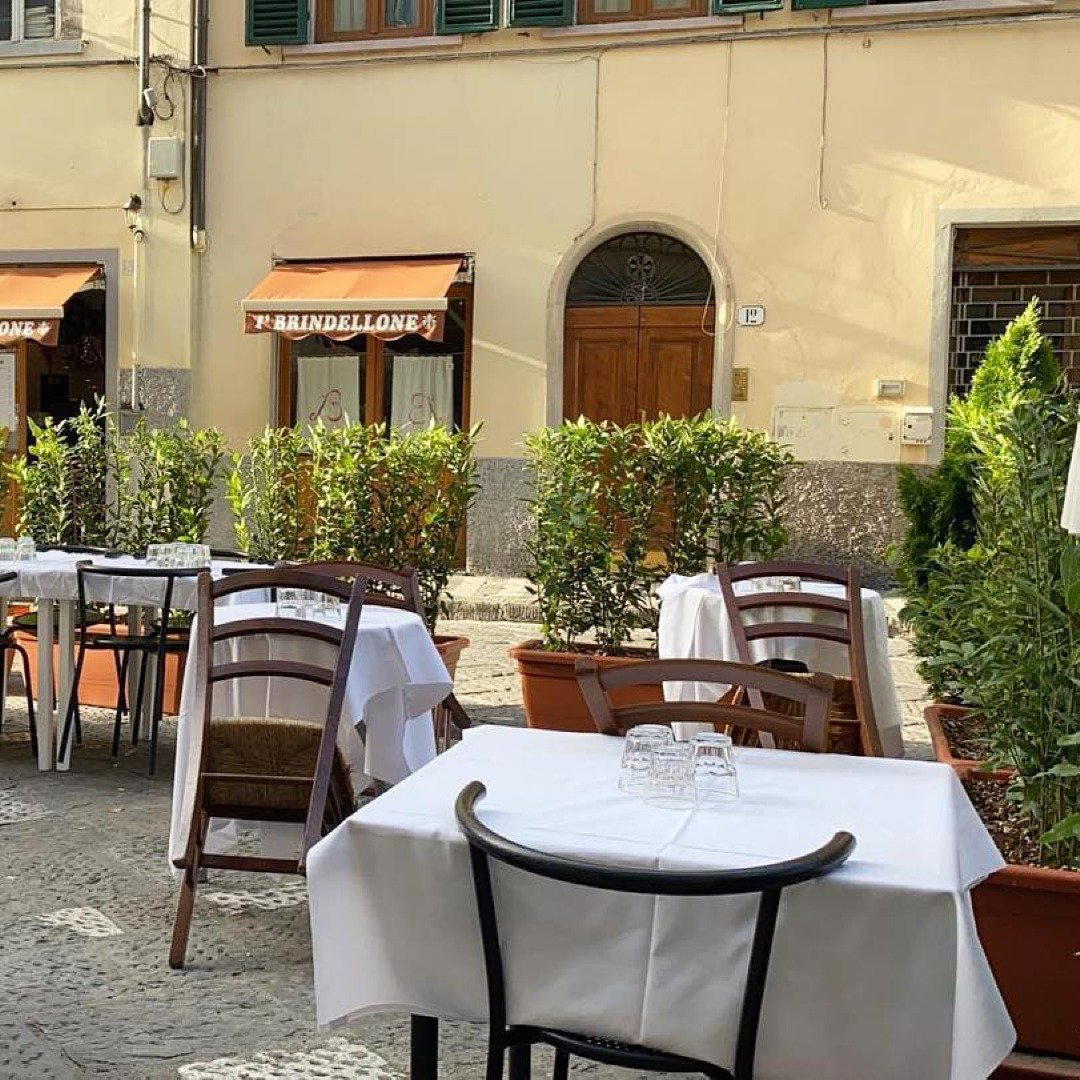
Piazza Piattellina is the kind of square that Florentine trattoria culture was built around: residential, unhurried, largely free of tourist foot traffic. I'Brindellone occupies that square with the low-key authority of a place that has never needed to advertise itself. For visitors looking beyond the Duomo corridor, it represents the Oltrarno neighbourhood's dining character in concentrated form.

Pearl is the En Primeur Club membership app — saves, bookings, and concierge access live there. Same editors, same standards.
The menu
What to order
- Bistecca alla Fiorentina
- Coccoli
- Truffle Pasta
- Fried Zucchini Flowers
- Pappardelle with Rabbit Ragù
A Square That Sets the Terms
Piazza Piattellina sits in the Oltrarno, Florence's left-bank district, at a remove from the Ponte Vecchio crowds that define the visitor experience for most of the city. The square itself is domestic in scale: a gathering point for the neighbourhood rather than a waypoint on any tourist route. Arriving here, the terms of the meal are already established before you reach the door. This is not the Florence of grand gestures and Michelin-decorated dining rooms. It is the Florence of marble-topped tables, house wine, and a menu that has no interest in surprising you with technique.
That distinction matters more than it might seem. Florence's premium restaurant tier has moved steadily toward creative elaboration and international reference points. Places like Enoteca Pinchiorri, Santa Elisabetta, and Gucci Osteria da Massimo Bottura occupy a bracket where the ambition is explicitly modern, the price points reach into €€€€ territory, and the dining room design announces itself. I'Brindellone belongs to an entirely different competitive set, one defined not by what it has added but by what it has declined to change.
The Physical Container and What It Tells You
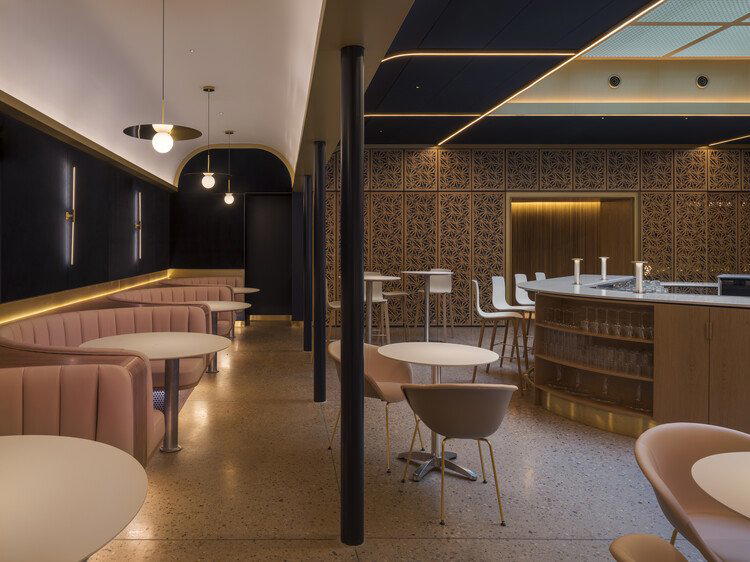
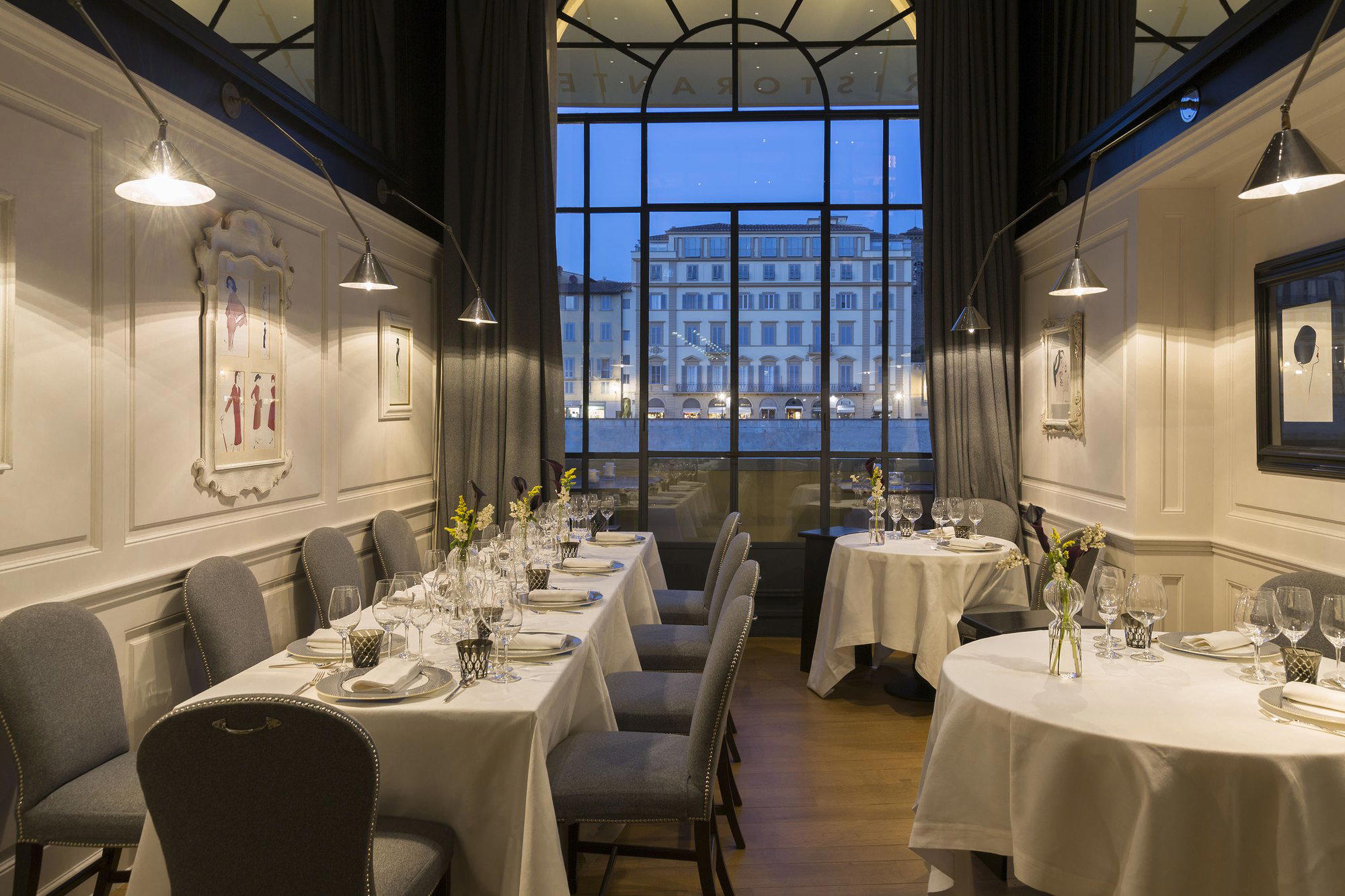
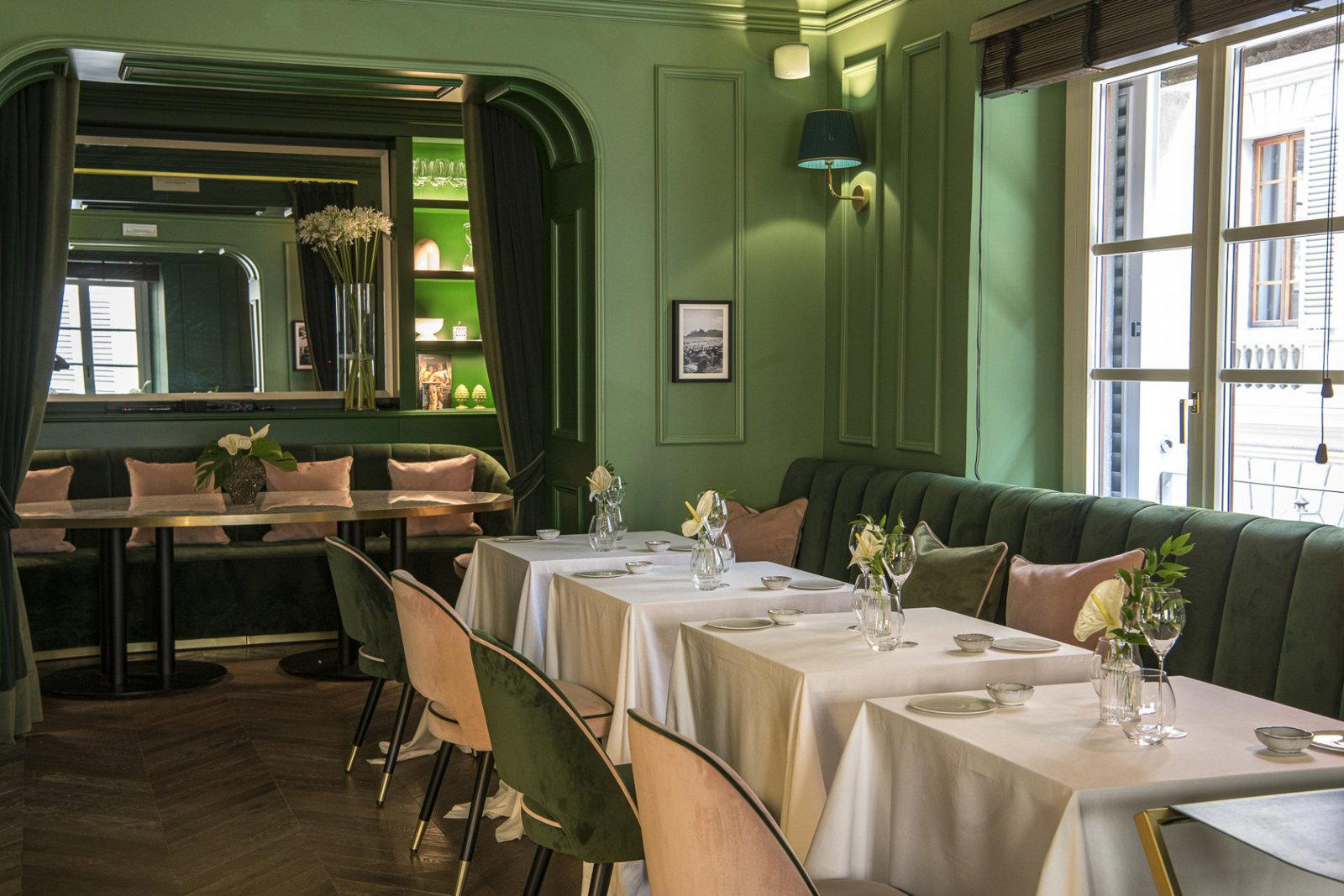
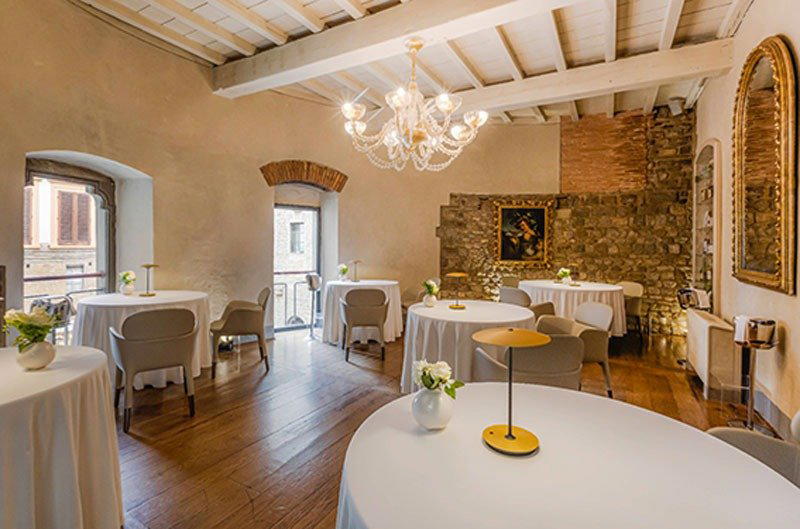
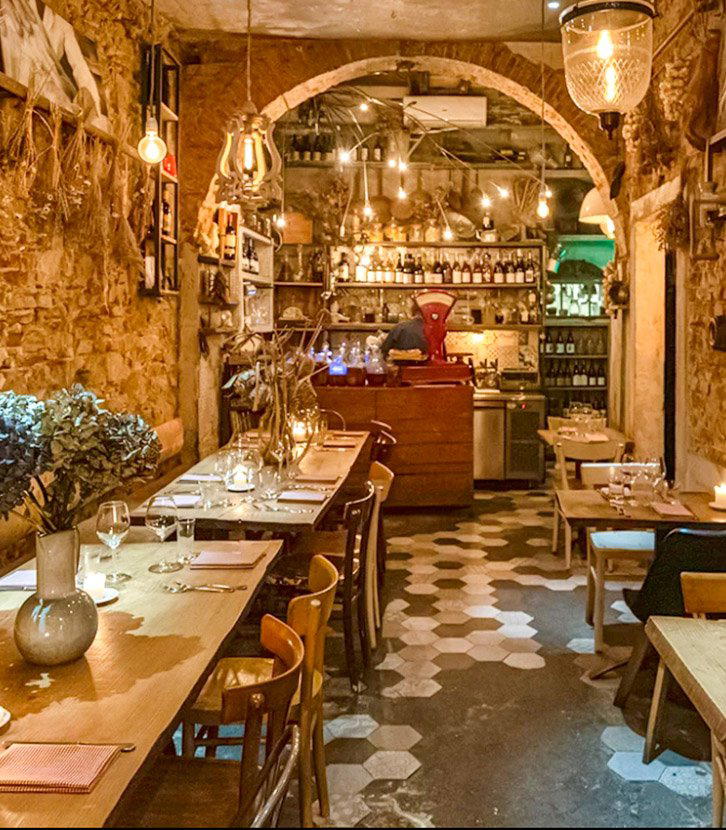
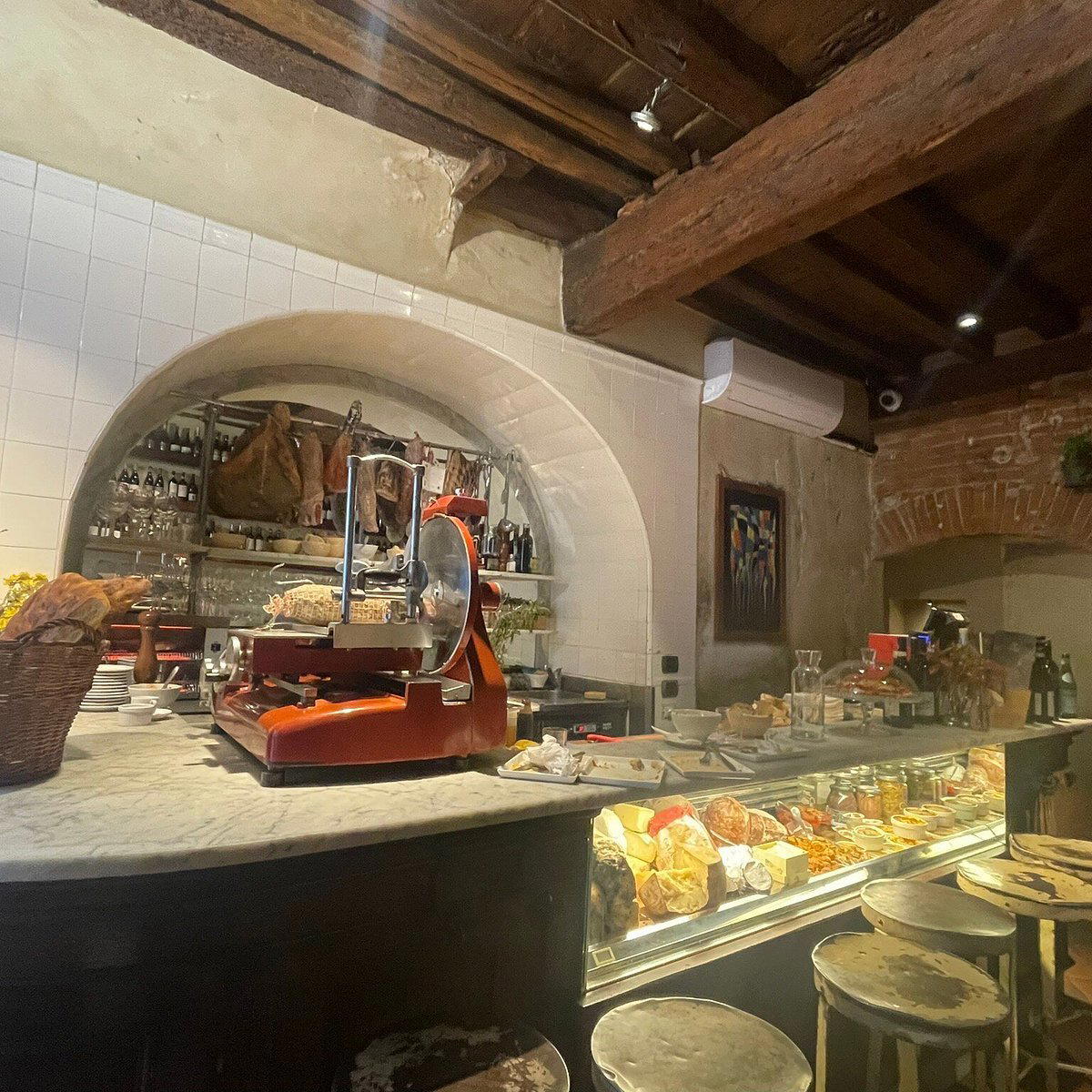
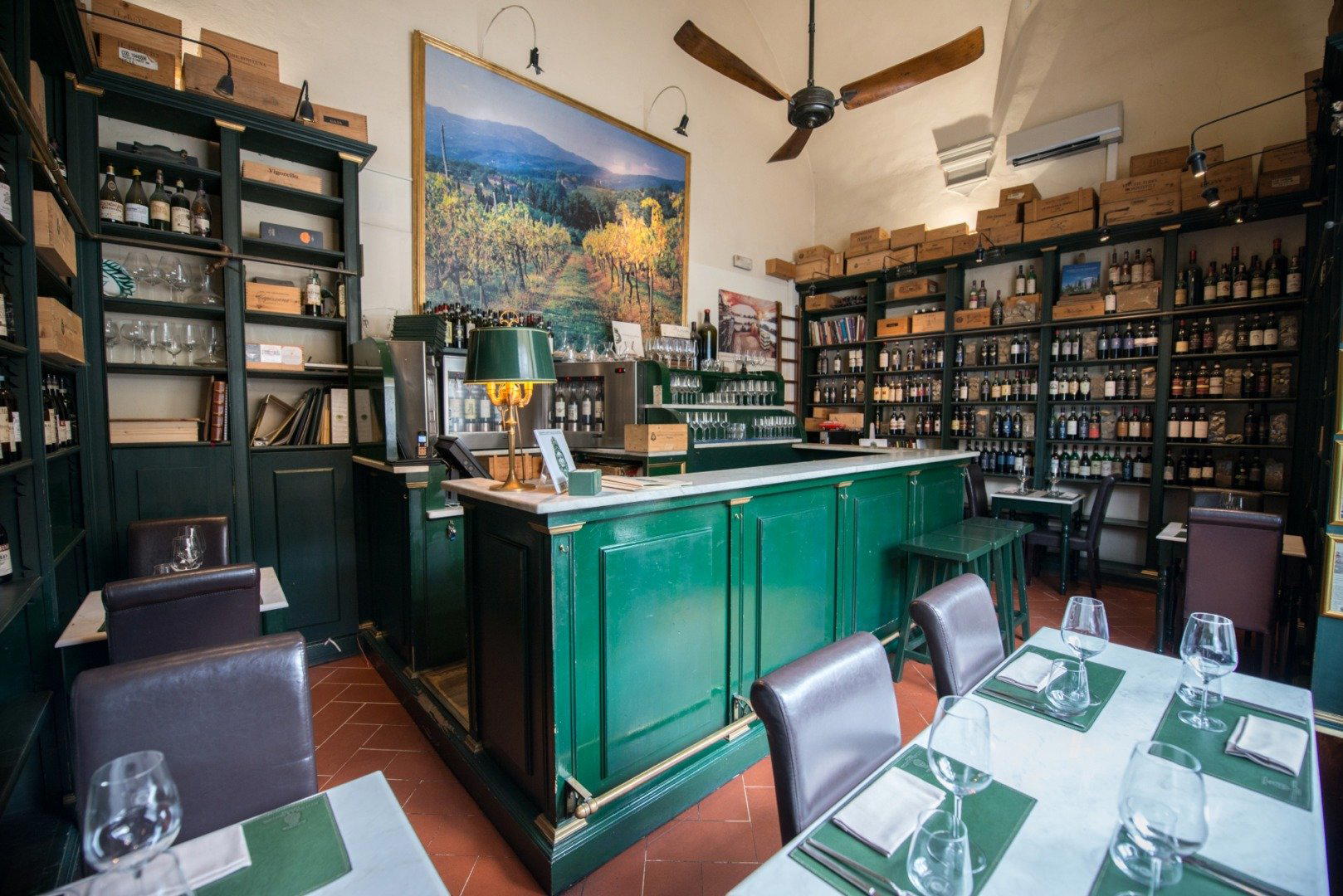
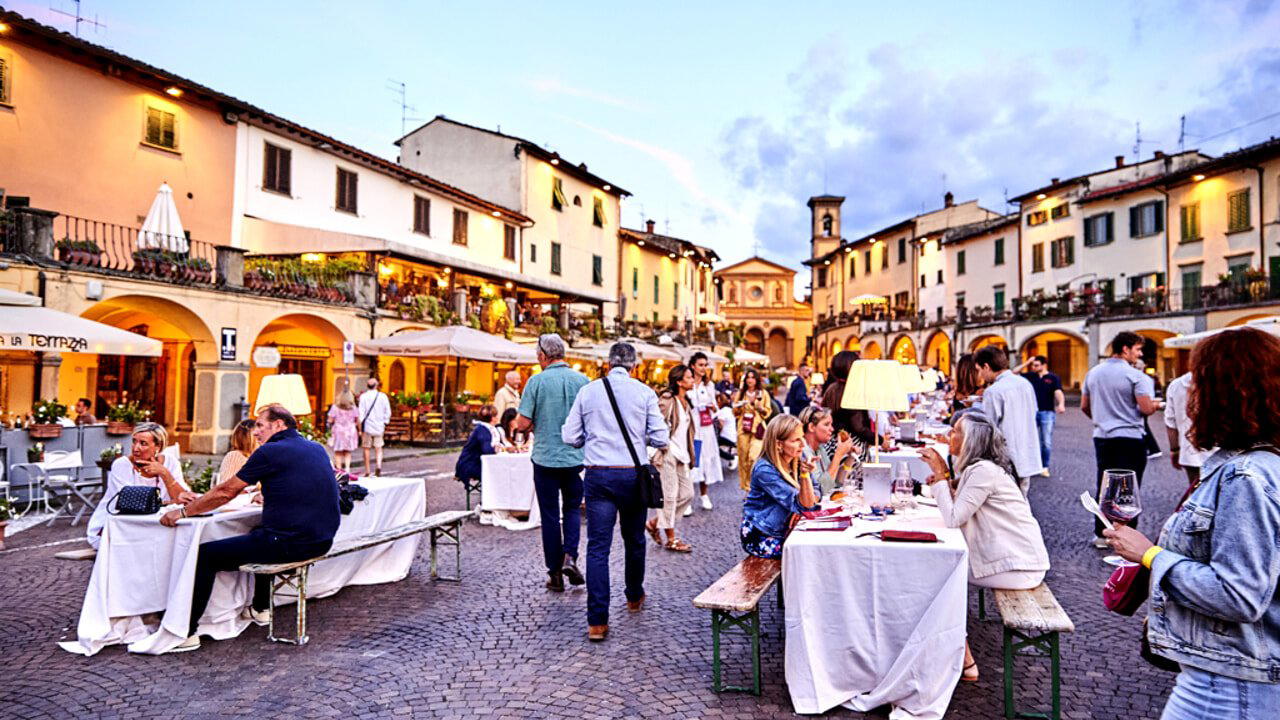
The interior of a traditional Florentine trattoria functions as a kind of argument made in wood, tile, and close-set tables. Space is used efficiently rather than generously. The proportions favour conviviality over privacy: you are aware of the tables around you, of conversations overlapping, of the room operating as a shared space rather than a collection of individual dining experiences. I'Brindellone reads within that tradition. The room communicates its position before a word is spoken or a menu consulted: this is a place that organises itself around the meal, not around the experience of being seen having a meal.
Seating arrangements in these rooms tend to be flexible in practice but firm in character. Communal tables or tightly grouped arrangements are not accidental; they reflect a dining culture in which the trattoria is understood as an extension of domestic life rather than a stage set. The physical container shapes behaviour. Diners arrive expecting to be absorbed into the room's rhythm rather than to set their own. That rhythm, in the better Oltrarno establishments, is unhurried but purposeful: courses arrive, wine is poured, the room fills and gradually empties over the course of an evening.
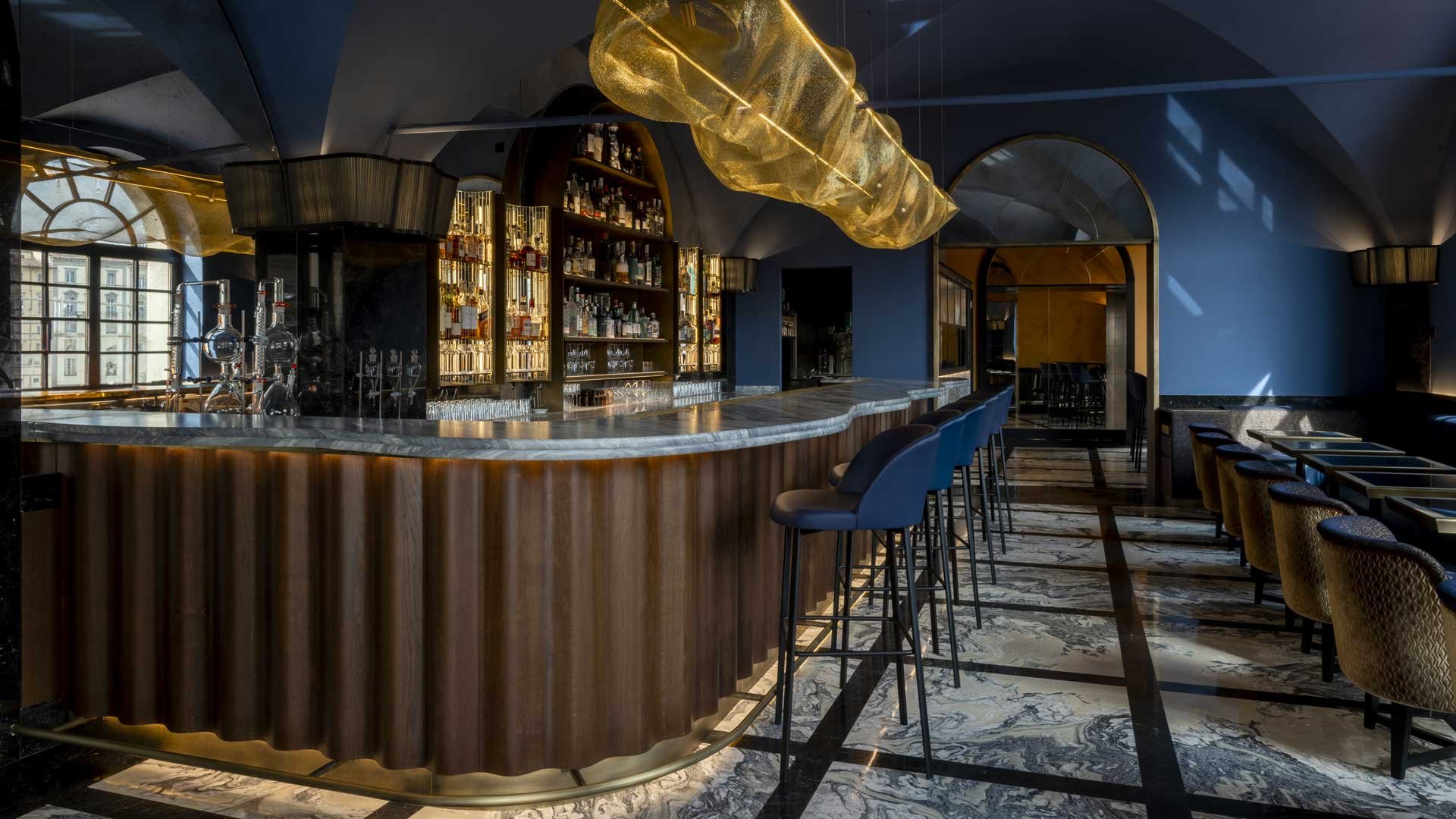
This contrasts visibly with the design-forward approach of Florence's newer dining destinations. Atto di Vito Mollica and Borgo San Jacopo operate in rooms where the architecture is itself part of the editorial proposition, where the visual experience of the space is calibrated as carefully as the food. I'Brindellone makes no such claim. Its interior is a means rather than an end, and that restraint is legible as a form of positioning.
What the Neighbourhood Determines
The Oltrarno has maintained a reputation for a more local-facing dining culture than the centro storico, partly because of its residential density and partly because of geography: it requires the deliberate act of crossing the river. That friction, small as it is, filters the clientele toward people who have made a choice about where they want to eat rather than those filling time between monuments. The result, across the neighbourhood's better-established trattorias and osterias, is a room that skews toward Florentines and repeat visitors rather than first-timers oriented by proximity to a landmark.
This is the context in which Piazza Piattellina makes sense as a location. The square is not photogenic in the way that a piazza with a fountain or a church facade is photogenic. It is functional and residential, which means that the restaurant on it is accountable primarily to a local clientele. That accountability tends to produce kitchens with less tolerance for slippage: a neighbourhood that returns to the same table weekly is a sharper critic than a tourist who will not return for years, if at all.
Italy's trattoria tradition, broadly, is under the same pressures that affect informal dining everywhere: rising costs, staffing difficulties, the pull toward either casual fast formats or higher-margin fine dining. The places that have navigated that pressure through consistency rather than reinvention occupy a specific and increasingly valued position. For readers interested in how that model plays out at the highest end of the Italian spectrum, Osteria Francescana in Modena and Dal Pescatore in Runate represent what happens when the trattoria form is extended rather than abandoned. I'Brindellone operates at the other end of that spectrum: the form maintained at ground level, without elaboration.
Situating the Visit
For readers building a Florence itinerary around the city's serious restaurant tier, I'Brindellone functions as counterpoint rather than centrepiece. The premium bracket is well-covered by establishments with defined creative programs and formal reservation systems. Italy's broader fine dining circuit, from Piazza Duomo in Alba to Uliassi in Senigallia to Reale in Castel di Sangro, offers escalating ambition and investment. A meal at I'Brindellone asks for neither. It asks for an afternoon or evening in the Oltrarno, an appetite calibrated to what the neighbourhood produces, and a tolerance for rooms that organise themselves around the food rather than around you.
For context on how Florence's restaurant scene distributes across price points and styles, our full Florence restaurants guide maps the city's dining character from the Michelin-starred end through to neighbourhood institutions. Comparable creative-contemporary programmes within Italy are covered through our reviews of Le Calandre in Rubano, Enrico Bartolini in Milan, Casa Perbellini 12 Apostoli in Verona, and Quattro Passi in Marina del Cantone. For international comparisons in the format-discipline category, Lazy Bear in San Francisco and Le Bernardin in New York City represent the counterpart conversation in other markets. Mountain-region Italian cooking at altitude is covered in our review of Atelier Moessmer Norbert Niederkofler in Brunico.
Visiting I'Brindellone on a weekday lunch positions the meal within the neighbourhood's working rhythm rather than against its busier evening current. The piazza functions differently at midday: quieter, more local in character, with the trattoria operating at a pace that suits the format. As with most traditional Florentine establishments of this type, arriving without a reservation carries more risk on weekend evenings than at weekday lunch, when the room turns over across a longer window.
Frequently asked questions
Where exactly is I’Brindellone?
I’Brindellone is located at Piazza Piattellina, 10, 50124 Firenze FI, Italy, Florence.
What's the best thing to order at I'Brindellone?
Traditional Florentine trattorias in the Oltrarno district typically anchor their offer around Tuscan staples — ribollita, trippa alla fiorentina, bistecca — though the actual current menu at I'Brindellone should be confirmed in person. The safest approach in a neighbourhood-facing room like this is to ask what came in that day.
Do I need a reservation for I’Brindellone?
Reservations are recommended for I’Brindellone in Florence. Confirm current policy via the venue's official channels.
Do I need a reservation for I'Brindellone?
No booking policy is formally documented for I'Brindellone, but Oltrarno trattorias at Piazza Piattellina tend to draw a local lunch crowd that fills tables without tourist-season advance planning. Arriving early or outside peak meal hours is the practical hedge if you cannot call ahead.
Category Peers
Comparable venues nearby, for context on price, style, and recognition.
| Venue | Cuisine | Price | Notes |
|---|---|---|---|
| I’BrindelloneThis venue — the venue you are viewing | Traditional Tuscan Trattoria | $50–100 | Not listed |
| Osteria Santo Spirito | Traditional Tuscan Trattoria | $20–30 | Santo Spirito |
| Trattoria Mario | Traditional Tuscan Trattoria | $20–30 | Santo Spirito |
| 'l Trippaio di San Frediano | Traditional Florentine Offal Street Food | $1–10 | San Frediano |
| BABAE | Modern Italian Bistro | $30–50 | Santo Spirito |
| Osteria delle Tre Panche | Tuscan Trattoria with Truffles | $50–100 | Santo Spirito |