Our verdict
リストランテ ラヴィータ sits in the Izumigaoka district of Kanazawa, where the city's appetite for European fine dining intersects with Hokuriku's ingredient culture. The address places it slightly outside the old-town circuits, drawing a loyal local following rather than transient tourism. For visitors tracing Kanazawa's Italian and French restaurant scene, it represents a quieter but committed corner of that conversation.

Pearl is the En Primeur Club membership app, where members save venues, book tables and use the concierge.
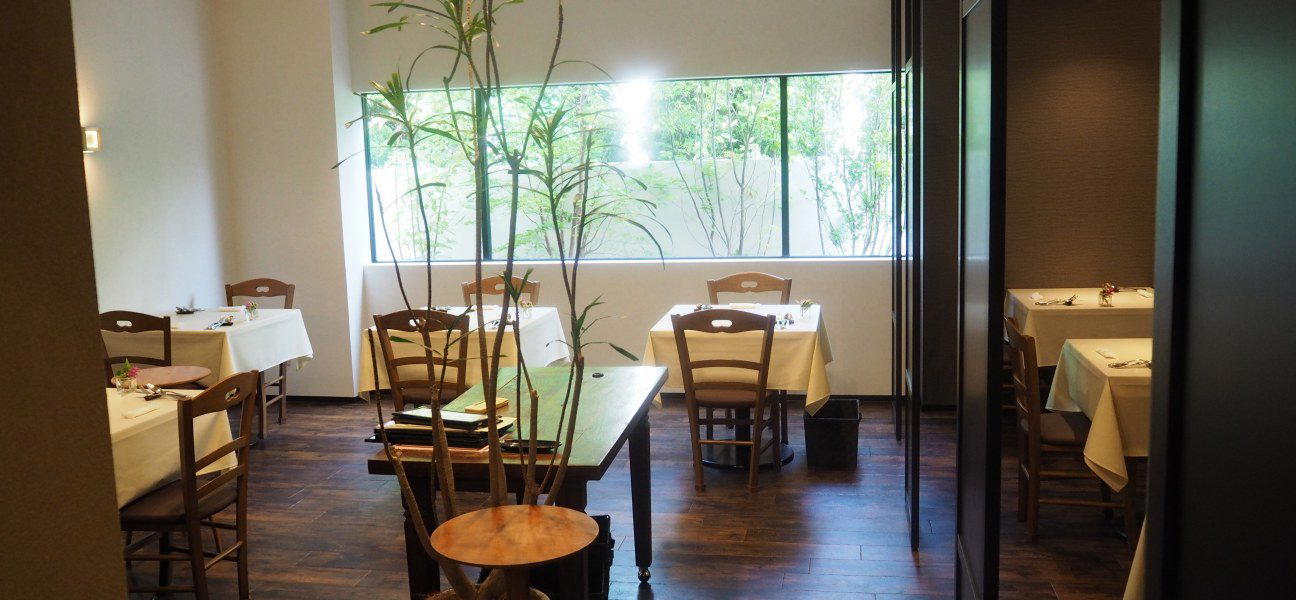
Italian Fine Dining in a City That Rewards Patience
Kanazawa has spent decades cultivating a dining identity that sits at an angle to Tokyo and Osaka. The city's proximity to the Japan Sea gives its kitchens access to crab, yellowtail, and shellfish that arrive in the kind of condition that shortens menus to what is actually good that week. Most visitors enter through the kaiseki corridor, booking at counters like Kataori or Zeniya, where the Hokuriku ingredient tradition is filtered through the formal codes of Japanese multi-course cuisine. What receives less attention is the parallel track of European fine dining that has taken root in Kanazawa, serving the same premium ingredients through French and Italian frameworks. リストランテ ラヴィータ, addressed at Izumigaoka in the southern reaches of the city, belongs to that quieter conversation.
The Izumigaoka address is worth noting not as a logistical inconvenience but as a signal. Restaurants that locate outside the Higashi Chaya and Katamachi circuits tend to do so because their clientele arrives by intention rather than by accident. The neighbourhood is residential and unhurried, the kind of setting where a European-format restaurant can build a repeat-guest culture without competing for the foot traffic that sustains more central operations. In Kanazawa, that kind of positioning tends to produce a different dining atmosphere: quieter, more concentrated, oriented toward the regulars who already know what they are ordering.
The Service Architecture of European Dining in Regional Japan
In Kanazawa's Italian restaurants, the service structure tends to mirror the formality of kaiseki more than the casual informality that European dining sometimes assumes outside its home markets. The collaboration between kitchen, floor, and beverage programs in this tier operates as a coordinated performance rather than three separate functions running in parallel. Where the editorial angle of European fine dining in Japan becomes interesting is precisely here: the integration of a sommelier program with a kitchen that sources locally requires a different kind of fluency than importing a European wine list to match European dishes. The pairing logic has to account for Japan Sea fish, regional mountain vegetables, and the particular mineral weight of Hokuriku water in the cooking.
At this level of Italian dining in regional Japanese cities, the front-of-house team carries a burden that comparable venues in Tokyo or Osaka distribute more broadly. Cities like Kanazawa lack the dense critic and media infrastructure that keeps urban fine dining venues in constant public conversation, which means the floor staff do more of the interpretive work, explaining dishes, guiding wine choices, and managing the rhythm of a meal for guests who may be visiting once rather than returning monthly. That dynamic places a premium on the depth of the service team, not just its polish. Compare the demands on floor staff at a venue like Goh in Fukuoka or akordu in Nara, both of which operate European formats in cities where the fine dining audience is smaller and more discerning than the headline tourist numbers would suggest, and the pattern holds: regional European fine dining in Japan rewards the team dynamic far more than scale.
Kanazawa's European Restaurant Tier
The European dining scene in Kanazawa is small enough that its venues occupy distinct positions without directly competing. Budoonomori Les Tonnelles (French) represents one approach to French cooking in the city, while Italian-format venues like リストランテ ラヴィータ operate from a slightly different ingredient logic, one that allows for pasta as a structural element of the meal rather than the rice-forward architecture of kaiseki or the sauce-weight of classical French. The Italian format, when done carefully with Hokuriku produce, has an intuitive coherence: the seafood of the Japan Sea has textural and flavour affinities with the Adriatic and Tyrrhenian fish that Italian coastal cooking was built around. The translation is not a stretch.
For visitors who have already covered the kaiseki ground, exploring the European tier adds a comparative dimension to the Kanazawa experience. Venues like Dokkan and Hakuichi occupy different registers of the city's food culture, while Amanatto Kawamura sits at the traditional confectionery end of the spectrum. The full picture of Kanazawa dining requires moving between those registers, and the city's full restaurant guide maps that range in practical terms.
The broader context of high-level Italian dining in Japan is anchored by a small number of reference points. HAJIME in Osaka operates at the technically ambitious end of European-influenced cooking in the Kansai region, while Tokyo's established fine dining counters like Harutaka set the benchmark for omakase-style precision. At the kaiseki level, Gion Sasaki in Kyoto represents the standard against which regional Japanese formal dining is measured. リストランテ ラヴィータ operates in a quieter bracket than any of these, but the city's ingredient quality means the raw material is at least comparable, even where the profile differs.
Seasonal Timing and the Hokuriku Table
Kanazawa's ingredient calendar is among the most pronounced in Japan. Winter, from roughly November through March, brings the Japan Sea crab season, when Zuwaigani dominates menus across formats and price points. A European kitchen that sources locally will reflect that calendar in its menu logic, which means the gap between a visit in January and a visit in July is not cosmetic but structural: the dishes available, the wine pairings that make sense, and the overall register of the meal shift substantially. Visitors planning around the crab season should expect higher competition for reservations across all serious Kanazawa restaurants during that window, including the Italian and French tier.
The shoulder seasons, April through June and September through October, offer a different argument: spring vegetables from the Kaga plains, autumn mushrooms, and the kind of transitional menus that tend to show a kitchen's range more fully than the prestige of a single seasonal ingredient can. For venues in the Izumigaoka district, the spring and autumn periods also coincide with lighter visitor pressure, which affects both the dining atmosphere and the practical ease of securing a booking.
For context on what regional fine dining looks like across Japan's less-covered cities, the EP Club network also covers venues like 三本木 右川製 in Nanao and 湖畔荘 in Takashima, both of which operate in the Hokuriku and Chubu orbit that shapes Kanazawa's own supply chains and dining character.
Planning a Visit
リストランテ ラヴィータ is located at 2 Chome-6-32 Izumigaoka, Kanazawa, Ishikawa. The Izumigaoka address sits in the southern residential belt of the city, accessible by taxi from Kanazawa Station in under fifteen minutes and more efficiently reached by car than on foot from central districts. Given that serious Italian restaurants in regional Japanese cities of this scale typically operate on a reservation basis, arriving without a booking is not recommended, particularly during the winter crab season or on weekends. Dress expectations at this category of restaurant in Japan tend toward smart-casual at minimum, with the quiet neighbourhood setting reinforcing a formal rather than casual dining atmosphere.
Frequently asked questions
What do regulars order at リストランテ ラヴィータ?
Do I need a reservation for リストランテ ラヴィータ?
What has リストランテ ラヴィータ built its reputation on?
Is リストランテ ラヴィータ allergy-friendly?
How does リストランテ ラヴィータ fit into Kanazawa's broader Italian dining scene compared to venues in other Japanese cities?
Same-City Peers
Comparable venues nearby, for context on price, style, and recognition.
| Venue | Cuisine | Price | Awards | Notes |
|---|---|---|---|---|
| リストランテ ラヴィータThis venue (the venue you are viewing) | Refined Local Italian | $50–100 | Not listed | Not listed |
| Uva Uva | Natural Wine Italian | $50–100 | Not listed | Kanazawa |
| Yakitori Manjiro | Yakitori counter in Kanazawa | $50–100 | Tabelog 100 #12 | Kanazawa |
| 乙女寿司 | Traditional Japanese Omakase | $150–200 | Tabelog Bronze #346 | Kanazawa |
| Tori Take | Yakitori (Grilled Chicken Skewers) | $50–100 | Tabelog 100 #94 | Kanazawa |
| うなぎ四代目菊川 | Kansai-style Whole Eel (Unagi) | Not listed | Not listed | Kanazawa Station |
Continue exploring
More in Kanazawa
Restaurants in Kanazawa
All restaurants in Kanazawa →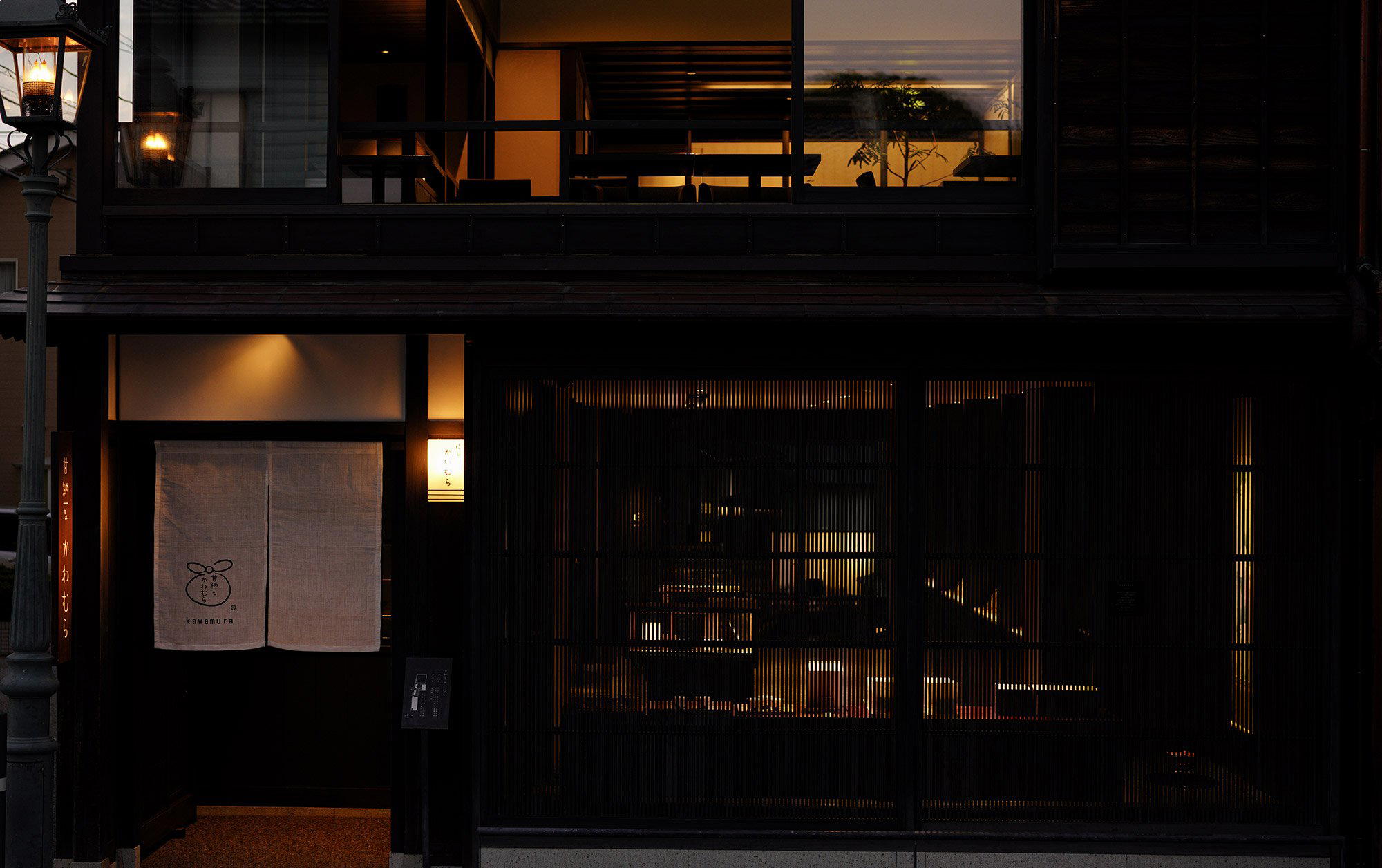
Hotels in Kanazawa
All hotels in Kanazawa →
Wineries in Kanazawa
Browse all →
Details
- Elegant
- Sophisticated
- Classic
- Date Night
- Special Occasion
- Local Sourcing
- Organic
- A La Carte
- Prix Fixe
Current opening hours
- Monday
- 11:30 AM–2 PM
- Tuesday
- Closed
- Wednesday
- 11:30 AM–2 PM, 6–9 PM
- Thursday
- 11:30 AM–2 PM, 6–9 PM
- Friday
- 11:30 AM–2 PM, 6–9 PM
- Saturday
- 11:30 AM–2 PM, 6–9 PM
- Sunday
- 11:30 AM–2 PM, 6–9 PM
Hours can change for holidays and private events. Hours as of .
Clean and orthodox restaurant atmosphere with attentive floor service, praised for its sophisticated and established Italian dining experience.