アカ occupies the ground floor of the Mitsui No. 2 Building in Nihonbashimuromachi, one of Chuo City's most historically layered commercial addresses. The venue sits inside a Tokyo dining corridor that has quietly accumulated serious restaurants over the past decade, placing it within a comparable set that values address credibility as much as kitchen credentials. Booking logistics and neighbourhood context make this a considered destination for visitors planning ahead.
Pearl is the En Primeur Club membership app — saves, bookings, and concierge access live there. Same editors, same standards.
- Address
- Japan, 〒103-0002 Tokyo, Chuo City, Nihonbashimuromachi, 2 Chome−1−1 三井二号館 1F
- Phone
- +81362625090
- Website
- aca-kyoto.jp
 Saves & bookings on Pearl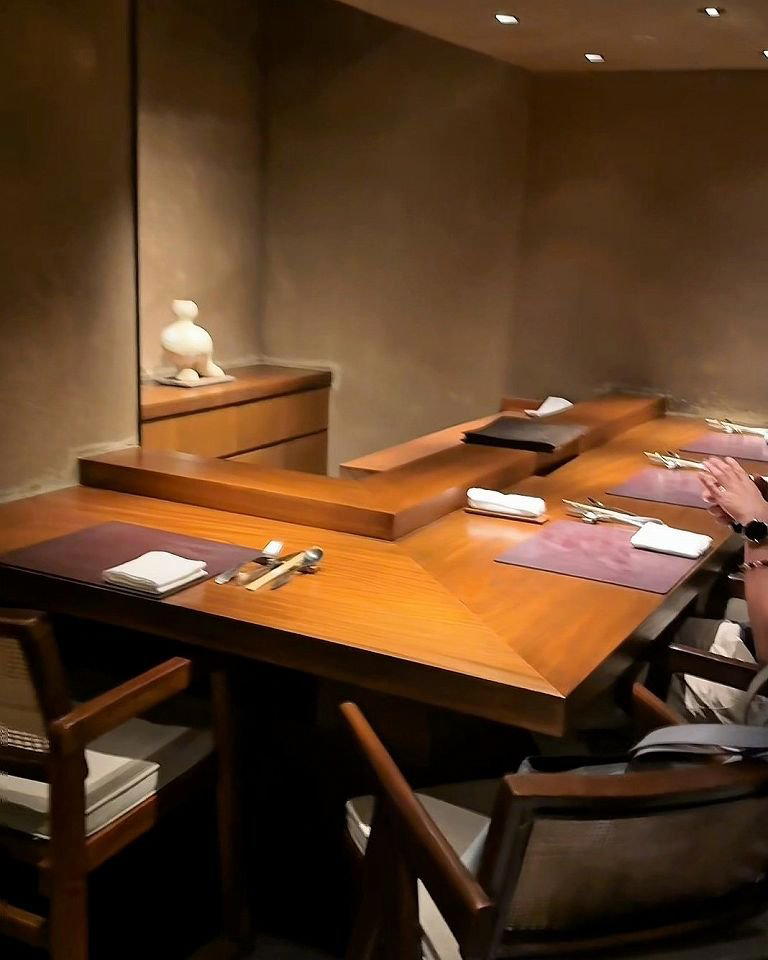
Nihonbashimuromachi and the Shift Toward Address-Conscious Dining
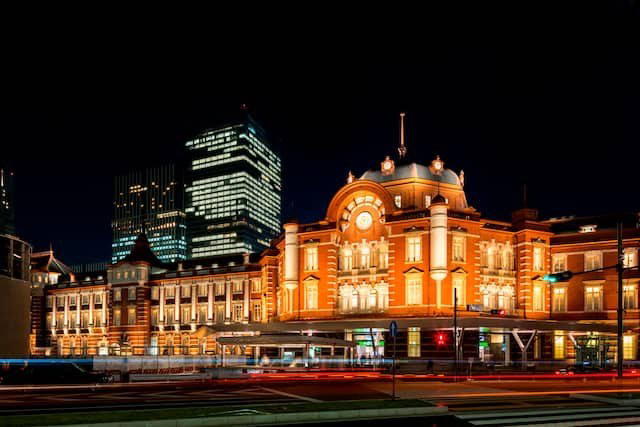
Tokyo's premium restaurant geography has reorganised itself over the past fifteen years. Ginza and Minami-Aoyama long held the dominant positions, but Nihonbashimuromachi, the old merchant district of Chuo City, has been steadily accumulating serious dining destinations, partly because the area's commercial redevelopment brought modern hospitality infrastructure to a neighbourhood with genuine historical depth. The Mitsui No. 2 Building, where アカ occupies a ground-floor space, sits within a cluster of Mitsui-group properties that date the district's commercial identity back centuries. That address carries weight that newer dining corridors in Tokyo cannot manufacture.
Restaurants in Nihonbashimuromachi tend to attract both business clientele from the surrounding financial offices and deliberate destination diners who have done their research. The booking environment reflects that dual demand, and arriving without a reservation at any venue in this tier, across the city, not just in this neighbourhood, is rarely a productive strategy.
Planning Around the Booking Window
The pattern holds whether you are looking at an eight-seat sushi counter like Harutaka in Ginza, a Michelin-decorated kaiseki room like RyuGin in Roppongi, or French-influenced tasting formats such as L'Effervescence and Sézanne. The city's dining culture has moved firmly toward pre-committed experiences, and a venue's position within a recognised address adds to the lead time required.
For アカ specifically, the venue's location in Nihonbashimuromachi 2-chome places it within easy reach of Mitsukoshimae Station on the Tokyo Metro Ginza and Hanzomon lines, typically a short walk depending on the exit. Visitors staying in Nihonbashi, Ginza, or Marunouchi can reach the address on foot or with minimal transit. That logistical convenience is not incidental; it positions the venue for lunch slots as well as dinner, and the Chuo City commercial calendar means midweek availability can differ from weekend patterns in ways worth factoring into planning.
This is standard practice at this address tier in Tokyo, where reservation infrastructure is often handled through phone or in-person channels rather than third-party platforms.
The Chuo City Dining Tier in Context
Placing アカ within its comparable set requires understanding how Chuo City restaurants sit relative to the broader Tokyo field. The neighbourhood is not the place for casual drop-in dining at serious restaurants; it is a district where the friction of booking is accepted as part of the transaction. Comparable dynamics operate at destination venues across Japan: HAJIME in Osaka and Gion Sasaki in Kyoto both operate within neighbourhood contexts where address identity and booking difficulty are intertwined signals of positioning.
Tokyo's ¥¥¥¥ tier, where venues like Crony sit alongside French and kaiseki rooms, is densely competitive. A venue at a historically anchored address in Nihonbashi is implicitly competing against that upper bracket for the same pool of informed diners, regardless of whether it holds formal award recognition at the time of a given visit. That is the tier against which booking difficulty and address prestige should be read.
What to Know About the Cuisine Approach
アカ serves Modern Spanish cuisine and is best approached with a reservation. In Tokyo's better-documented dining rooms, cuisine type is often the first filter, sushi counters, kaiseki formats, and French-influenced tasting menus each carry different planning implications around season, dietary restrictions, and price expectation. When that information is not pre-published, arriving with open questions rather than fixed expectations tends to produce better outcomes.
Visitors who want to anchor their Tokyo itinerary around documented cuisines and verified credentials have strong options within the same geographic corridor: Harutaka represents the omakase sushi tradition at its most precise, while L'Effervescence and Sézanne represent the French-in-Tokyo format that has become a significant part of the city's fine dining identity.
For those building a multi-city Japan itinerary, the same principle of address-aware, advance-planned dining applies across the country. akordu in Nara and Goh in Fukuoka both demonstrate how Japan's regional dining scene has developed venues that require the same advance planning discipline as their Tokyo counterparts. Further afield, 一本木 石川割烹 in Nanao, 北海道庁旧本庁舎 in Sapporo, 湖畔廚房 in Takashima, 庄内羽後屋 in Nishikawa Machi, Birdland in Sakai, and Bistro Ange in Toyohashi each represent the regional reach of Japan's serious dining culture beyond the three major cities.
For international reference points on how address prestige and booking friction interact at the fine dining tier, Le Bernardin in New York City and Atomix in New York City offer instructive comparisons: both operate in districts where location carries institutional authority, and both require planning windows that would surprise diners accustomed to more spontaneous booking cultures.
Planning Your Visit
アカ is located at 2-1-1 Nihonbashimuromachi, Chuo City, Tokyo, on the ground floor of the Mitsui No. 2 Building. Mitsukoshimae Station provides direct access via the Tokyo Metro Ginza and Hanzomon lines. Dress code is smart casual, and the restaurant sits at a price tier of $200 per person. As with most serious restaurants in this city, visiting on short notice without a reservation is not recommended.
A Pricing-First Comparison
Comparable venues nearby, for context on price, style, and recognition.
| Venue | Cuisine | Price | Notes |
|---|---|---|---|
| アカThis venue — the venue you are viewing | Chūō, Modern Spanish | $$$$ | Not listed |
| オガサワラ レストラン | Shinjuku, Modern Spanish Fine Dining | $$$$ | Not listed |
| EL BUEY | Not listed | $$$ | Shinjuku, Spanish bar with charcoal-grilled Wagyu |
| GinaGina | Minato, Modern Spanish Fusion | $$$ | Not listed |
| ENEKO Tokyo | Minato, Modern Basque Fine Dining | $$$$ | Not listed |
| 茶禅華 | Not listed | $$$$ | Minami-Azabu, Modern Japanese-influenced Chinese fine dining |






At a Glance
- Sophisticated
- Elegant
- Modern
- Special Occasion
- Date Night
- Business Dinner
- Open Kitchen
Current opening hours
- Monday
- 5–8 PM, 8:30–11:30 PM
- Tuesday
- 5–8 PM, 8:30–11:30 PM
- Wednesday
- 5–8 PM, 8:30–11:30 PM
- Thursday
- 5–8 PM, 8:30–11:30 PM
- Friday
- 5–8 PM, 8:30–11:30 PM
- Saturday
- 12–3 PM, 5–8 PM
- Sunday
- Closed
Hours can change for holidays and private events. Last verified .
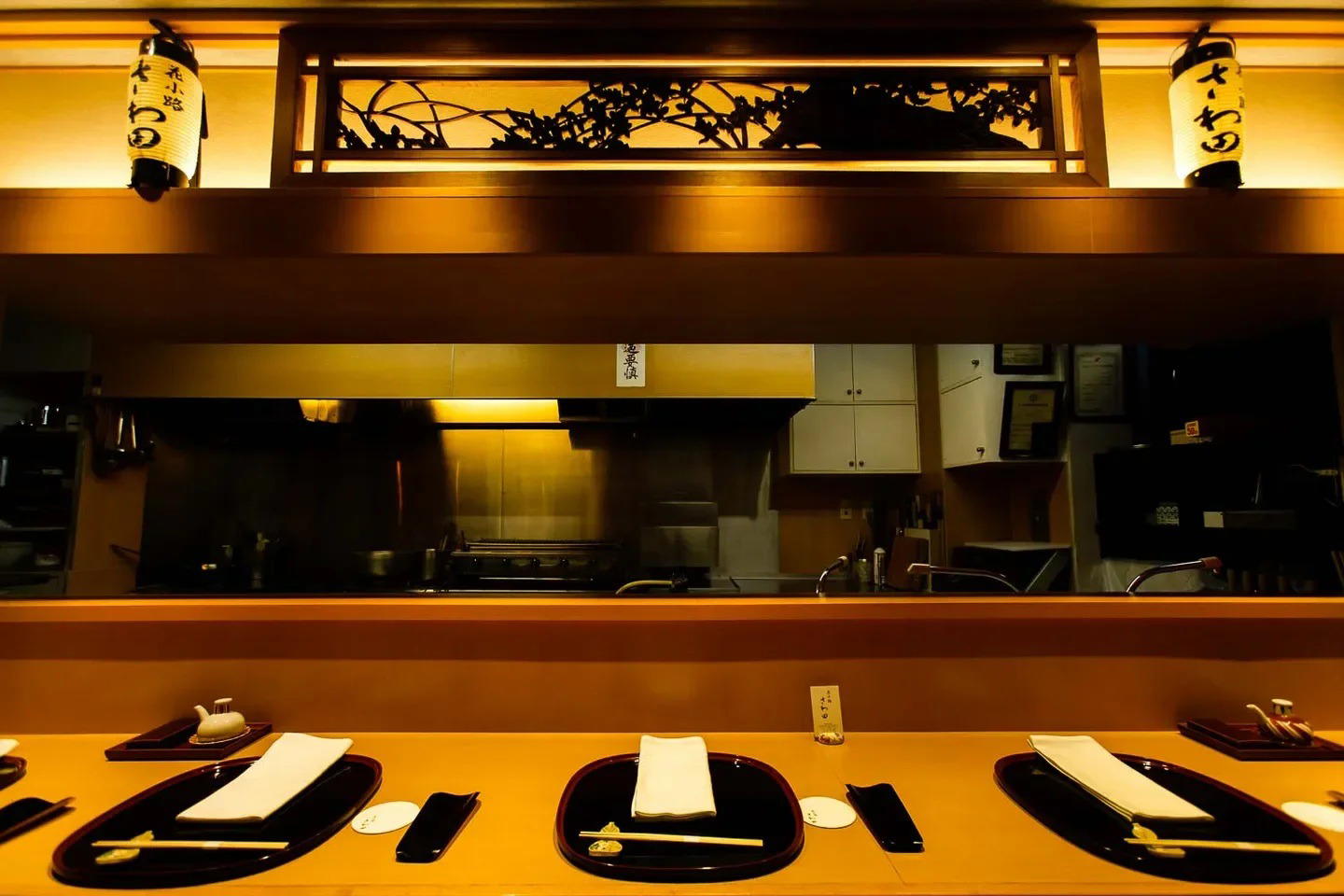
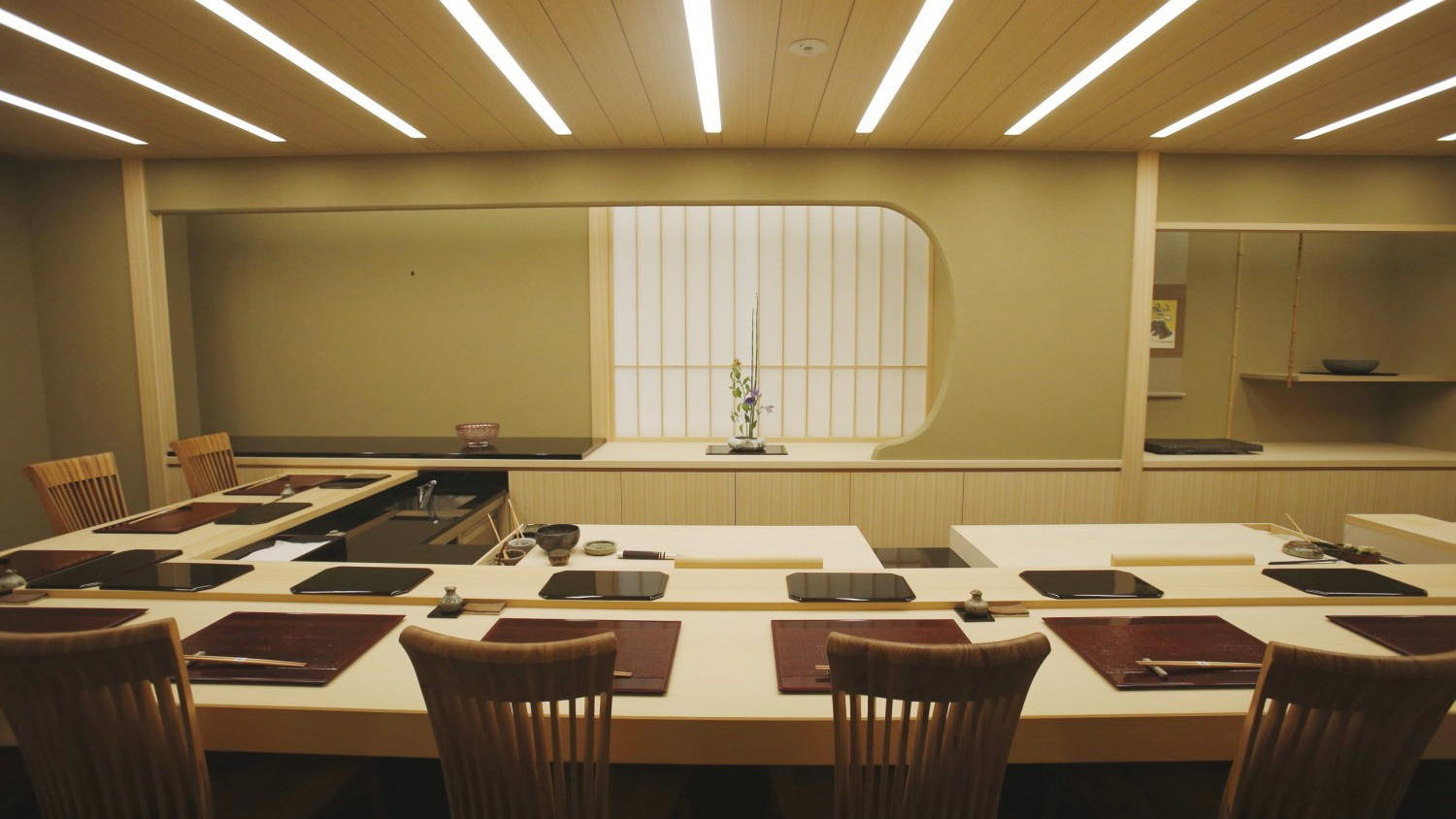
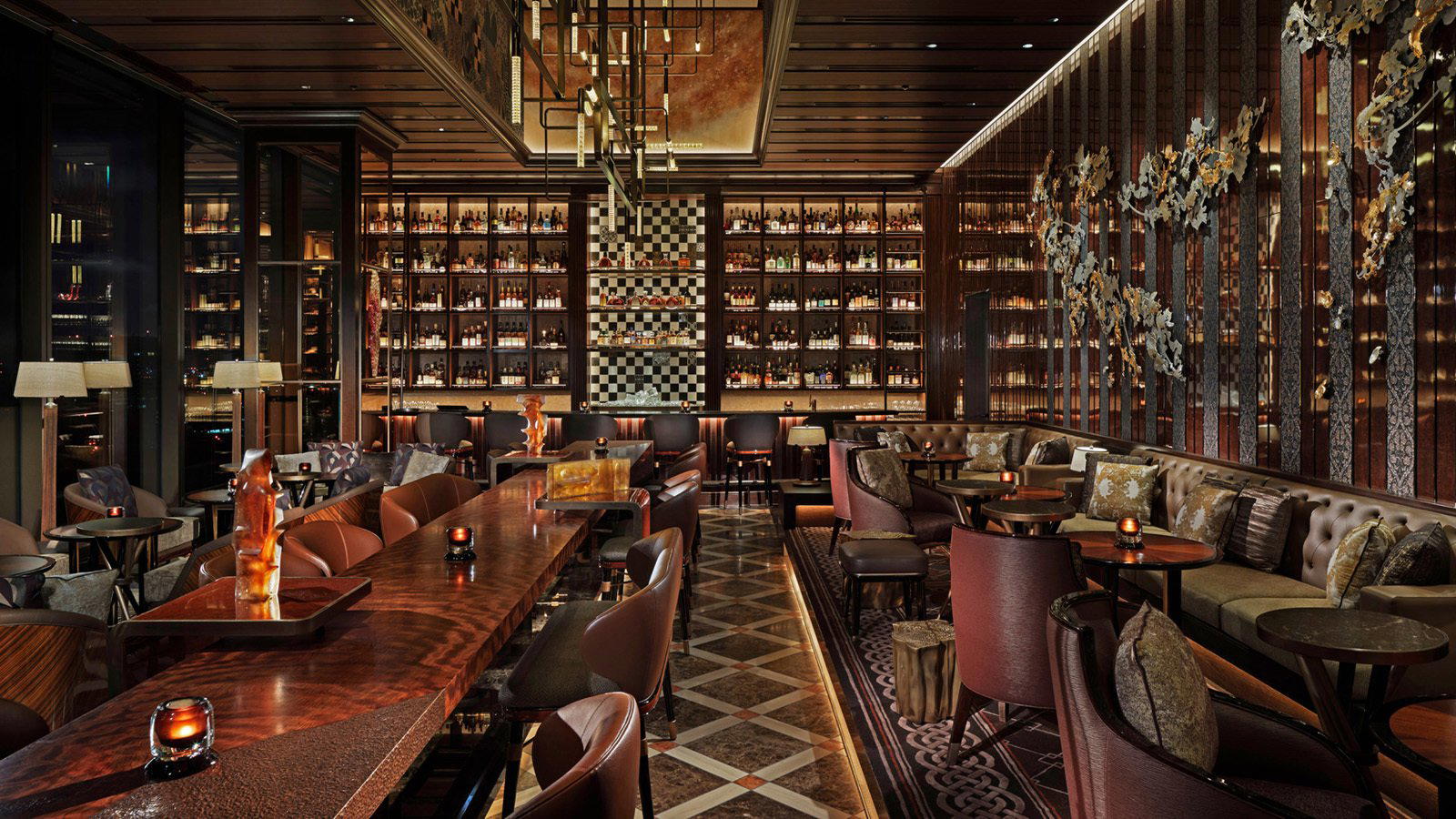
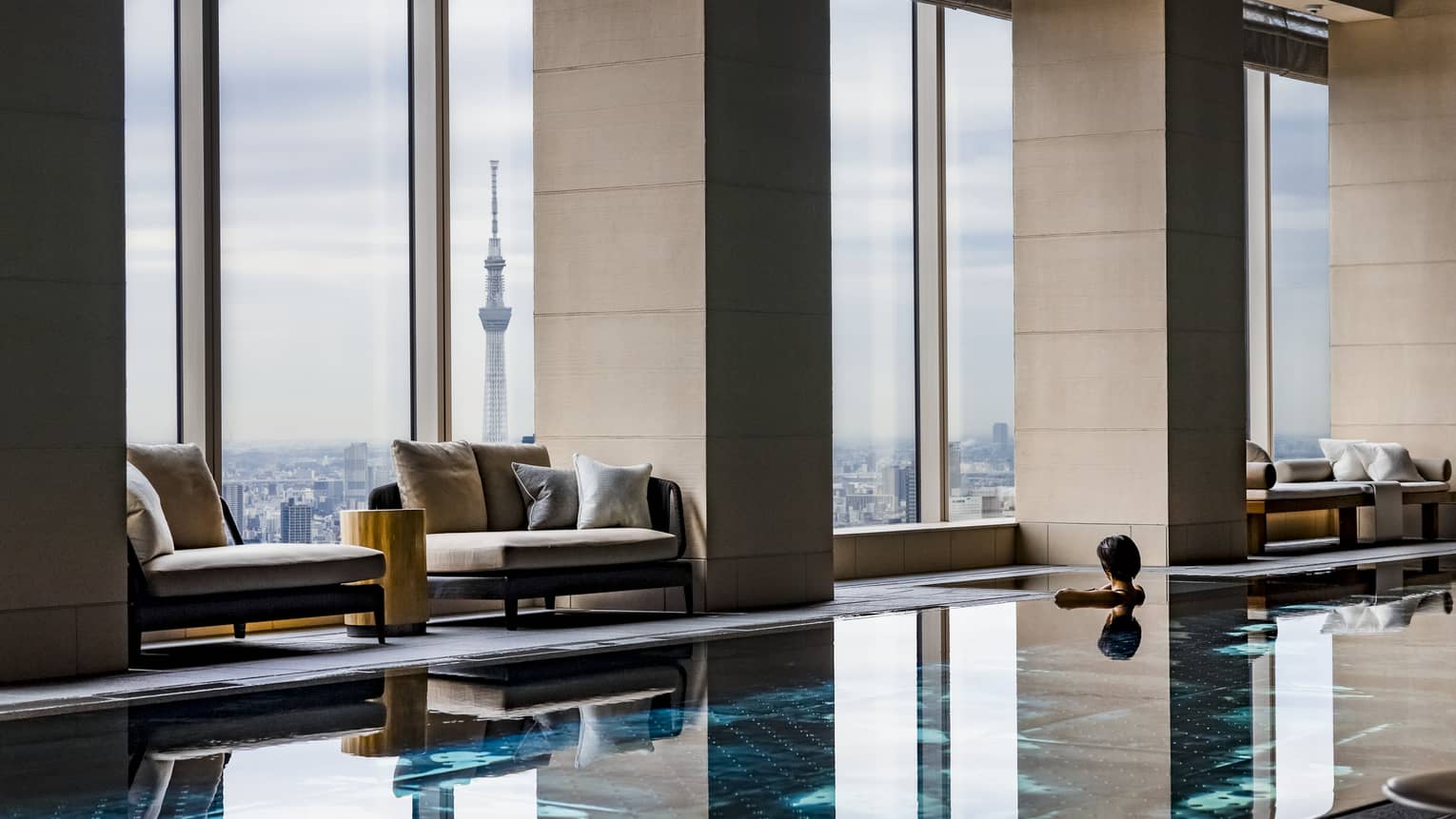
Sophisticated and elegant atmosphere highlighting creative presentations and refined dining.