
Located in Uda, a rural Nara prefecture town with deep connections to Japan's ancient agricultural heartland, 中ノ庄屋 sits at 1362 Haibarajimyo amid a region shaped by centuries of traditional farming and forest culture. With sparse public data available, the restaurant invites the kind of deliberate, research-first visit that defines serious travel in provincial Japan. For context on what the broader Uda dining scene offers, see our full guide.
Pearl is the En Primeur Club membership app — saves, bookings, and concierge access live there. Same editors, same standards.
- Address
- 1362 Haibarajimyo, Uda, Nara 633-0217, Japan
- Phone
- +81745820053
- Website
- xn--4gq73zd7d.com
 Saves & bookings on Pearl
Rural Nara and the Logic of Eating Close to the Source
一如庵 is a Chinese Noodles restaurant in Uda, Nara, Japan, at the ¥¥ price tier. Uda, a small city in Nara prefecture's inland mountain corridor, sits in a region that supplied imperial kitchens for centuries, its cedar forests and river valleys producing ingredients that still move through traditional supply chains largely invisible to urban food media. The address at 1362 Haibarajimyo places 一如庵 in Haibara, a district within Uda with roots in the old post-town network that once connected Yoshino to the ancient capitals. That geographic specificity is not incidental: in rural Japanese dining, where you are is inseparable from what ends up on the table.
Nara prefecture occupies a peculiar position in Japan's food geography. It lacks the coastal prestige of Ishikawa or Hokkaido, and it sits in the shadow of Kyoto's internationally recognized kaiseki tradition, yet it contributes ingredients, particularly yamato vegetables, river fish, deer, and foraged mountain produce, that appear in the menus of some of the country's most serious kitchens. Gion Sasaki in Kyoto and akordu in Nara each draw on this regional larder in different ways, the former through refined kaiseki, the latter through a European lens applied to local produce. A place like 中ノ庄屋, operating at the source rather than the destination, operates under a different logic entirely.
Ingredient Geography: What Uda Produces and Why It Matters
The Uda river basin and the surrounding Yoshino highlands generate a specific category of ingredient: mountain-conditioned, seasonal, and in many cases tied to agricultural practices that predate industrial supply chains. Yamato vegetables, a protected regional classification covering heirloom cultivars grown in Nara, include varieties of daikon, burdock, and greens that respond to the area's altitude and temperature swings in ways that flatland farming cannot replicate. Wild mushrooms, river ayu, and foraged sansai (mountain vegetables) follow strict seasonal windows in this part of Honshu, and restaurants that sit within these supply networks, rather than importing from distant markets, work on a fundamentally different calendar than urban kitchens.
This proximity to primary production is increasingly rare across Japanese fine dining. The concentration of high-end restaurants in Tokyo, Osaka, and Kyoto means that even kitchens with strong sourcing philosophies are physically removed from agricultural land. HAJIME in Osaka, operating at the ¥¥¥¥ tier with a French-innovative framework, addresses this distance through formal sourcing relationships and explicit provenance narratives on the menu. Rural operators in places like Uda do not need to construct that narrative: the provenance is the address. That structural advantage, closeness to origin rather than proximity to money, is what makes the category of rural provincial dining worth tracking even when specific operational details are limited.
For comparison, the sourcing logic at play in premium regional Japanese venues tends to produce menus shaped by what is available rather than what is fashionable. 一本木 魚川製 in Nanao and 湖畔庄屋 in Takashima both operate in the same regional-Japan-outside-major-cities category, where access to hyperlocal produce and an unhurried pace of service tend to define the experience more than any formal awards recognition. The same pattern holds across a range of prefectural dining destinations: 羽根屋 in Nishikawa Machi and 夫仁女山乃 in Sapporo each reflect the argument that regional specificity produces a form of dining intelligence that metropolitan restaurants spend considerable effort simulating.
The Haibara Setting: Approaching 中ノ庄屋
Arriving in Haibara means committing to the journey. Uda is accessible from Osaka or Nara city by regional rail and road, but the district itself operates at a pace that filters out casual visitors. The approach through the Yoshino river valley, forested hillsides alternating with small paddy fields and traditional farmhouses, establishes a frame of reference before you reach the door. This is not the curated rural aesthetic of a renovated machiya in a tourist district: Haibara is a working agricultural community, and the restaurant's address within it suggests an integration with that community rather than a design-led overlay onto it.
That kind of physical context matters when assessing a dining destination with limited public documentation. The location itself functions as a trust signal. Rural Nara restaurants that have operated with sustained local recognition tend to do so through quality of produce access and community relationship, not through marketing infrastructure. This is a different model from the awarded urban counters, such as Harutaka in Tokyo or Goh in Fukuoka, where Michelin recognition and reservation pressure shape the entire experience framework.
Where 中ノ庄屋 Fits in the Broader Japanese Dining Picture
Japanese dining at the serious end of the spectrum has diversified considerably over the past decade. The assumption that quality concentrates only in metropolitan centers has been dismantled by a growing body of evidence: bodai in Nachikatsuura and Cafe Naoshima Konichiwa in Naoshima each demonstrate that the logic of place, the specific ingredients, rhythms, and relationships of a particular locale, can generate dining experiences that metropolitan venues cannot replicate regardless of budget. Even internationally recognized kitchens like Le Bernardin in New York City or Atomix in New York City spend considerable effort constructing the sense of terroir and place-specific identity that a restaurant in rural Nara inherits automatically from its geography.
This is the broader argument for a place like 中ノ庄屋: not that it competes with metropolitan fine dining on conventional metrics, but that it represents a different axis of value entirely. The Uda region's agricultural heritage, its position within Nara prefecture's ingredient geography, and the commitment implied by choosing to operate in Haibara rather than in a city with established food tourism infrastructure all point toward a venue shaped by place rather than positioning. See Asahitei, another Uda address, for a point of local comparison, and consult our full Uda restaurants guide for a complete picture of what this part of Nara offers the traveling diner.
Additional regional context can be found through venues operating in comparable rural-Japan frameworks: Birdland in Sakai, Bistro Ange in Toyohashi, and Blue Ocean Steak in Nakagami District each operate outside Japan's primary dining clusters, making them useful reference points for travelers building itineraries around regional rather than metropolitan dining priorities.
Planning a Visit
Uda is within day-trip range of both Osaka and Nara city, but the Haibara district rewards those who build more time into the itinerary rather than rushing the approach.
Comparable Spots, Quickly
Comparable venues nearby, for context on price, style, and recognition.
| Venue | Cuisine | Price | Notes |
|---|---|---|---|
| 一如庵This venue — the venue you are viewing | Chinese Noodles | $$ | Not listed |
| 和風レストラン 青葉の庄 | Traditional Japanese Washoku Set Meals | $$ | 宇陀市 |
| Asahitei | Edo-style Grilled Unagi | $$ | Haibara |
| Din Tai Fung (鼎泰豊) | Taiwanese Dim Sum | $$ | Shibuya |
| China Sichuan Rakuda | Authentic Sichuan Chinese | $$ | Sakyō |
| Okei (おけ以) | Traditional Chinese Gyoza | $$ | Iidabashi |
Recognition history
Dated appearances from independent guides and award organizations, with the underlying list record or original source where available.
Tabelog 100 #2 · No. 2
Tabelog · Tabelog 100 - Soba - WEST - 2025
Continue exploring
More in Uda



Bars in Uda
Browse all →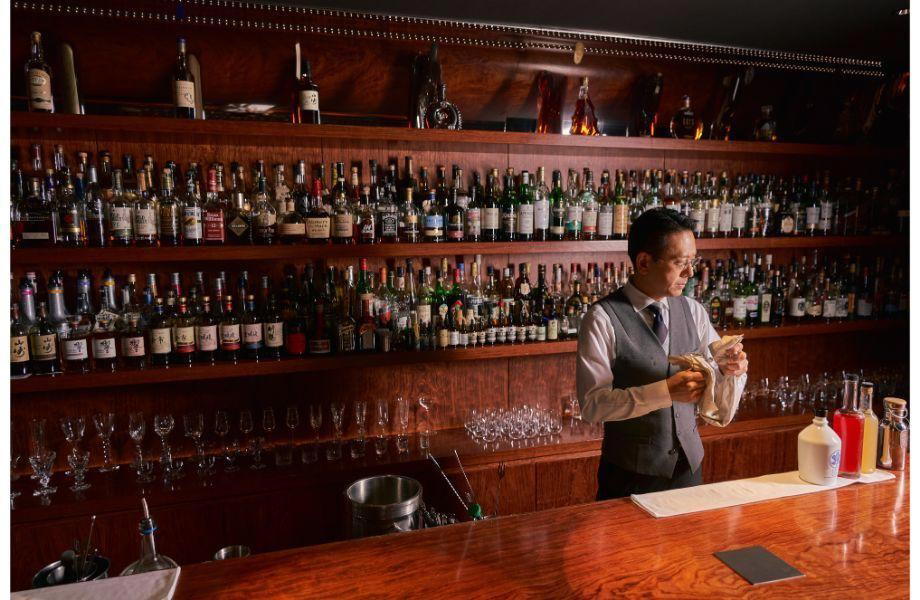

Hotels in Uda
Browse all →



Wineries in Uda
Browse all →
At a Glance
- Casual
- Cozy
- Casual Hangout
- Family
- Group Dining
- Terrace
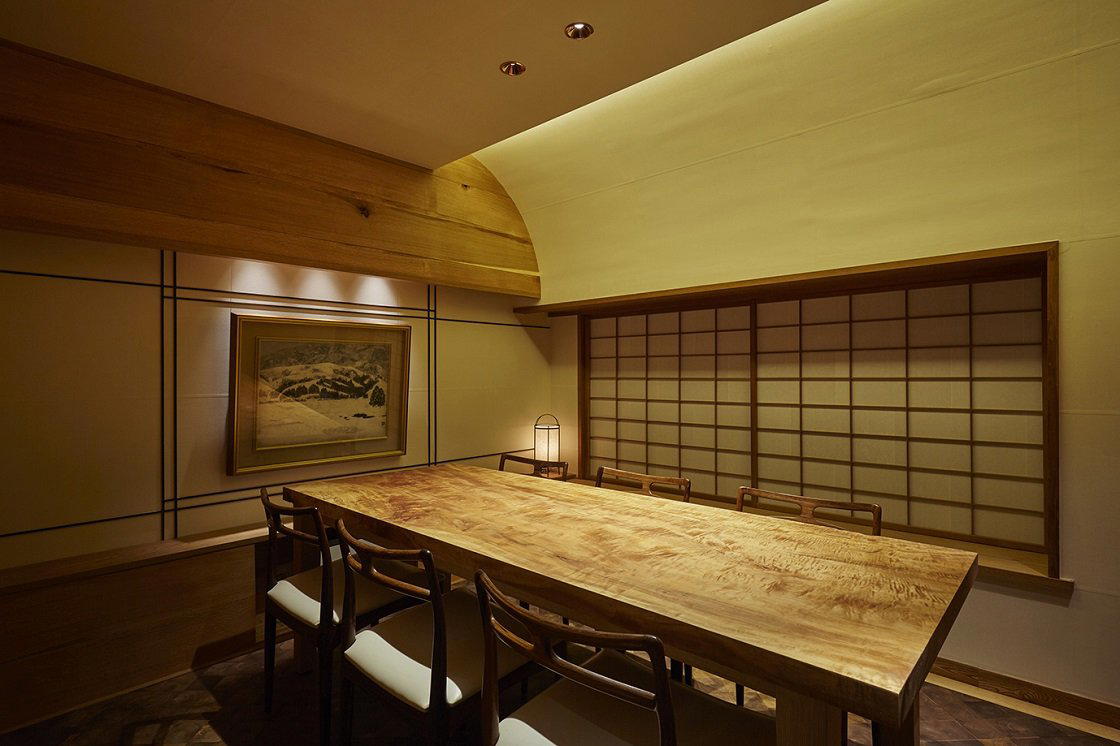
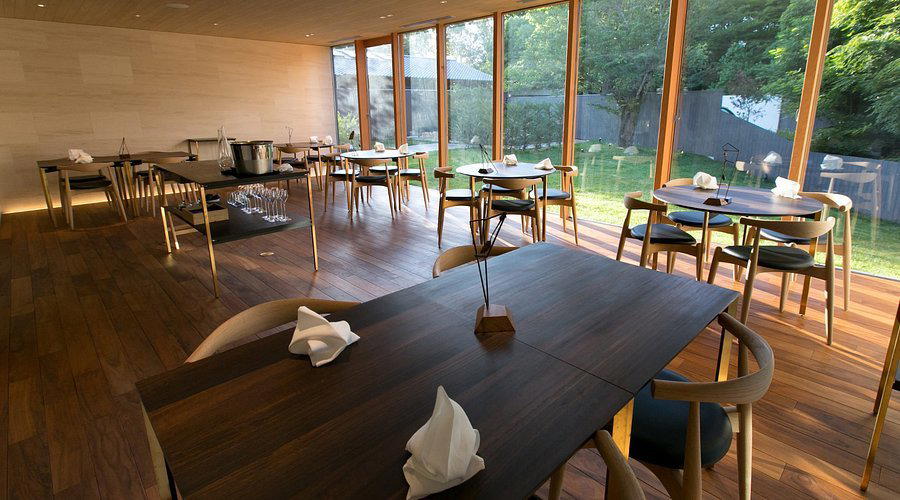
Casual and trendy environment with outdoor seating options, welcoming to families and groups.