In the rural Nara interior, Asahitei operates at a remove from the Kansai dining circuit that produces most of the region's recognition. That distance from the mainstream is part of the point: the restaurant draws on the agricultural and forested character of Uda-shi, a city whose cedar timber and tea cultivation have shaped the local larder for centuries. For a traveller willing to leave the Kyoto-Osaka corridor, it represents a different register of Japanese dining entirely.
Pearl is the En Primeur Club membership app — saves, bookings, and concierge access live there. Same editors, same standards.
- Address
- 29 Haibarashimoidani, Uda, Nara 633-0241, Japan
- Phone
- +81745820564
- Website
- k188800.gorp.jp
 Saves & bookings on Pearl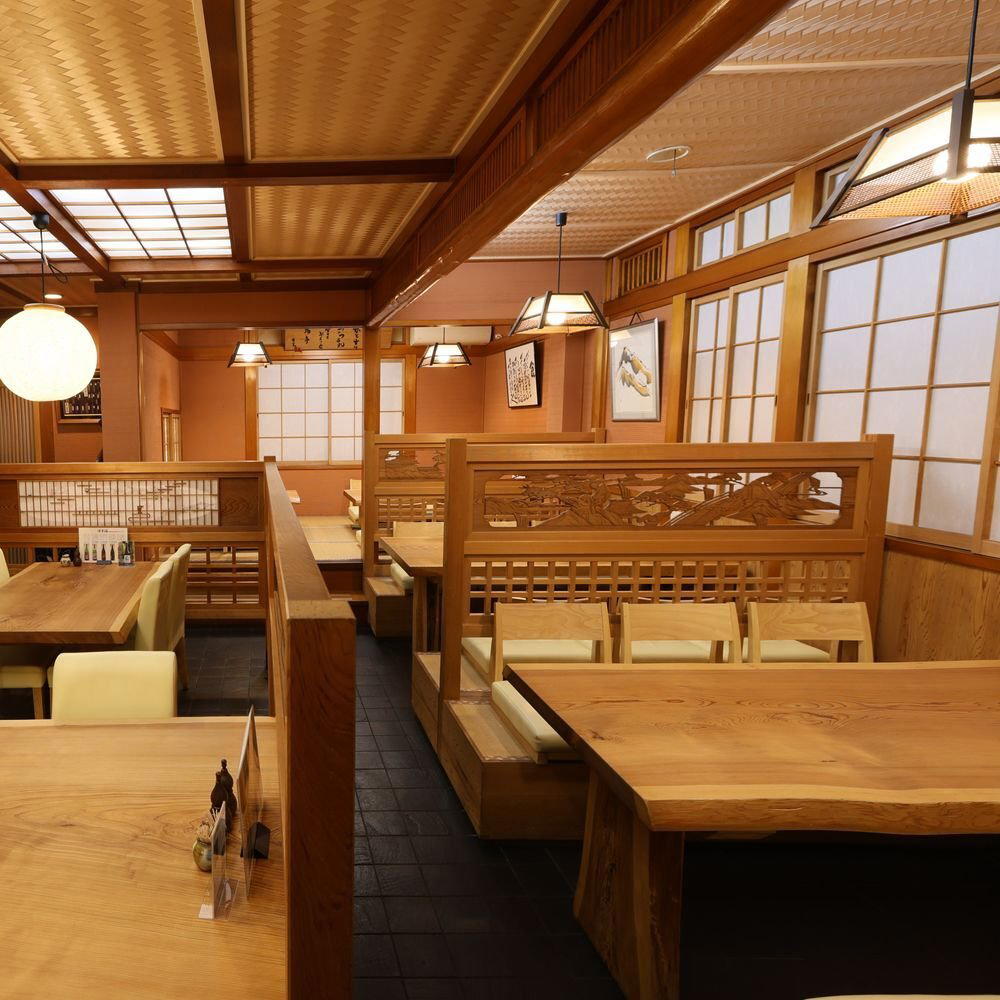
Where the Nara Interior Meets the Table
Uda-shi sits in the mountainous interior of Nara Prefecture, far enough from the deer-park tourism of Nara city that most visitors never reach it. The approach through cedar-lined valleys and agricultural flatlands signals something important before you arrive: this is a part of Japan where the relationship between land and kitchen has not been rationalised by urban supply chains. Restaurants operating in this geography either source from what surrounds them or they struggle to justify their existence here at all. Asahitei, a restaurant serving Edo-style Grilled Unagi in Uda, Nara, belongs to the former category.
The wider context matters here. Japan's most discussed fine dining in recent years has concentrated in a familiar circuit: the kaiseki houses of Kyoto like Gion Sasaki in Kyoto, the technically ambitious French-influenced kitchens of Osaka such as HAJIME in Osaka, and the precision sushi counters of Tokyo including Harutaka in Tokyo. Against that backdrop, a restaurant in rural Nara operates by different logic. The supply chain is local by necessity and by choice.
The Ingredient Geography of Uda
Uda-shi has a documented agricultural character that shapes what ends up on any serious table here. The area is associated with Yoshino cedar, tea cultivation in the surrounding hills, and a mountain river system that supports freshwater produce. These are not marketing talking points but historical facts about the region's economy. For a kitchen working in this environment, the sourcing decisions are less about philosophy and more about proximity and availability.
In a city like Uda, that provenance is simply the default state: the alternative, trucking in produce from Osaka's wholesale markets, would represent an active choice against the local supply.
For wider comparison, restaurants such as akordu in Nara have demonstrated that Nara Prefecture can anchor serious cooking, while places further afield like affetto akita in Akita and Ajidocoro in Yubari District show the broader pattern of Japan's regional kitchens building menus from genuinely local agricultural and forested landscapes rather than importing from national distribution hubs.
Uda in the Context of Japan's Rural Dining Shift
Over the past decade, Japan's culinary attention has expanded beyond the three-star concentration of Tokyo and Kyoto to include regional kitchens working in smaller cities and towns. This shift is partly driven by the Michelin Guide's regional expansions, partly by domestic food media, and partly by a generation of chefs who trained in major urban kitchens and chose to return to or relocate to the countryside. The pattern appears across prefectures: Goh in Fukuoka, Amaki in Aichi, aki nagao in Sapporo, and Akakichi in Imabari each represent a regional dining culture that rewards travel beyond the main urban corridors.
Uda fits this trajectory. It is not a dining destination in the way that Kyoto's Gion district is, nor does it have the critical mass of restaurants that would justify a dedicated trip on dining alone. What it has is a specific agricultural identity, proximity to Yoshino's mountain landscape, and the conditions that have historically supported a particular kind of seasonal Japanese cooking rooted in foraged and cultivated mountain produce. For a traveller building an itinerary through Kansai, adding a day in the Nara interior is a logistical commitment that filters out the casual visitor and rewards the one who comes with purpose.
Planning a Visit to Asahitei
Uda-shi is accessible by rail from Nara city via the Kintetsu Osaka Line, though the more rural parts of the municipality require a car or taxi for the final approach. The address at Haibarashimoidani is in the outer reaches of the city, and visitors planning to arrive by public transport should factor in connection times carefully. Given the rural character of the area, booking well in advance is advisable; small restaurants in this setting typically operate with limited covers and do not have the walk-in capacity of urban venues. Reservations are recommended. The surrounding area, including the Yoshino cedar forests to the south, makes a half-day or full-day itinerary in the region sensible rather than travelling solely for dinner.
Travellers who have covered comparable regional Japanese restaurants, such as Abon in Ashiya, Aji Arai in Oita, Amegen in Saga, or anchoa in Kanagawa, will recognise the format: a kitchen working within the seasonal and geographic constraints of its immediate environment, with limited seating and a degree of operational informality that distinguishes it from the choreographed precision of urban fine dining. The contrast with high-end urban kitchens elsewhere, whether Le Bernardin in New York City or Lazy Bear in San Francisco, is instructive: those are restaurants shaped by the expectations and competitive density of major global cities; Asahitei is shaped by where it sits.
Comparable Spots, Quickly
Comparable venues nearby, for context on price, style, and recognition.
Continue exploring
More in Uda




Bars in Uda
Browse all →

Hotels in Uda
Browse all →



Wineries in Uda
Browse all →
At a Glance
- Classic
- Cozy
- Special Occasion
- Standalone
- Sake Program
Current opening hours
- Monday
- 11 AM–1:30 PM, 4:30–7 PM
- Tuesday
- 11 AM–1:30 PM, 4:30–7 PM
- Wednesday
- 11 AM–1:30 PM, 4:30–7 PM
- Thursday
- Closed
- Friday
- Closed
- Saturday
- 11 AM–1:30 PM, 4:30–7 PM
- Sunday
- 11 AM–1:30 PM, 4:30–7 PM
Hours can change for holidays and private events. Last verified .
Traditional and quiet with a focus on historical Edo-era techniques in a residential setting.