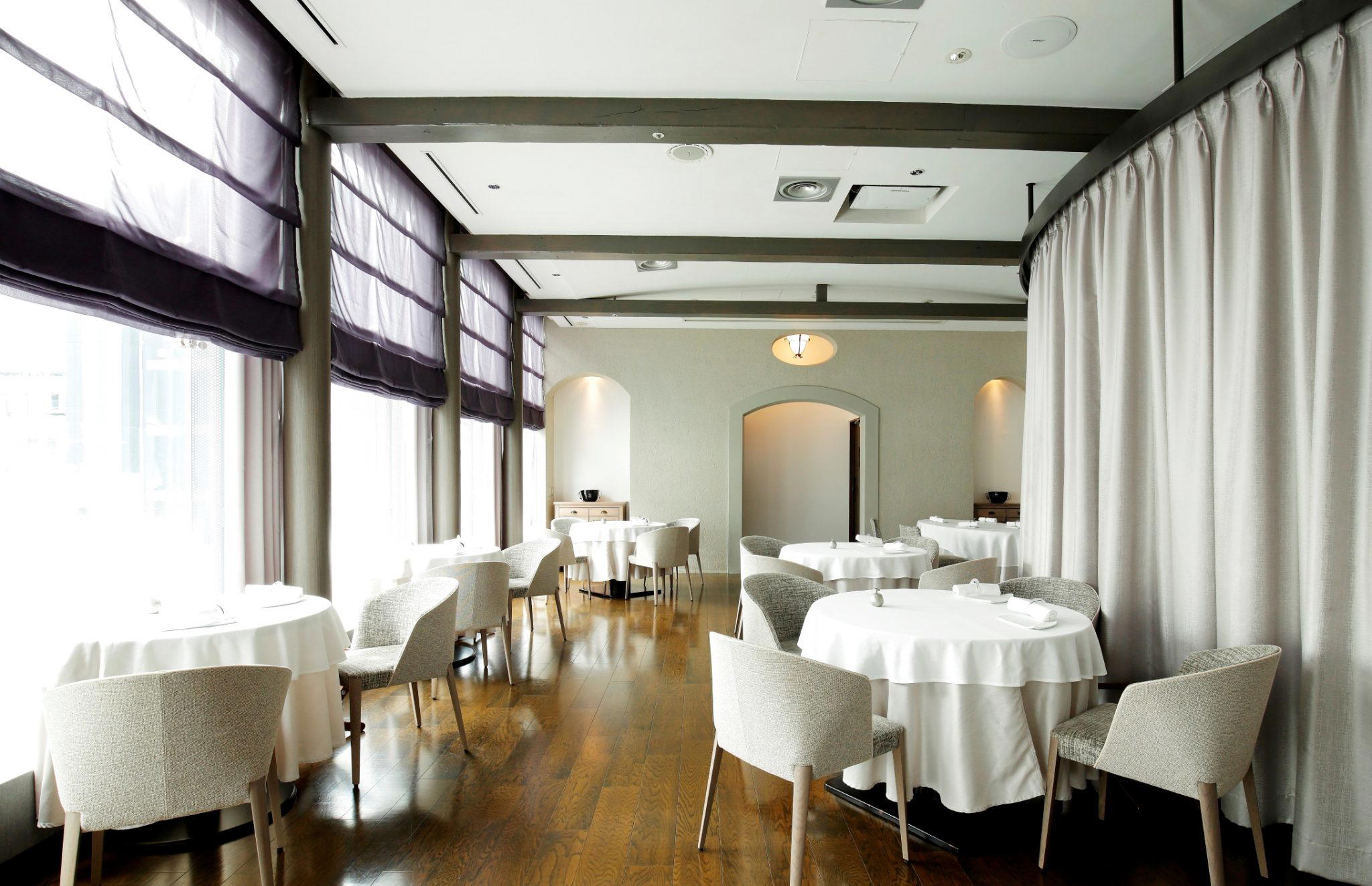
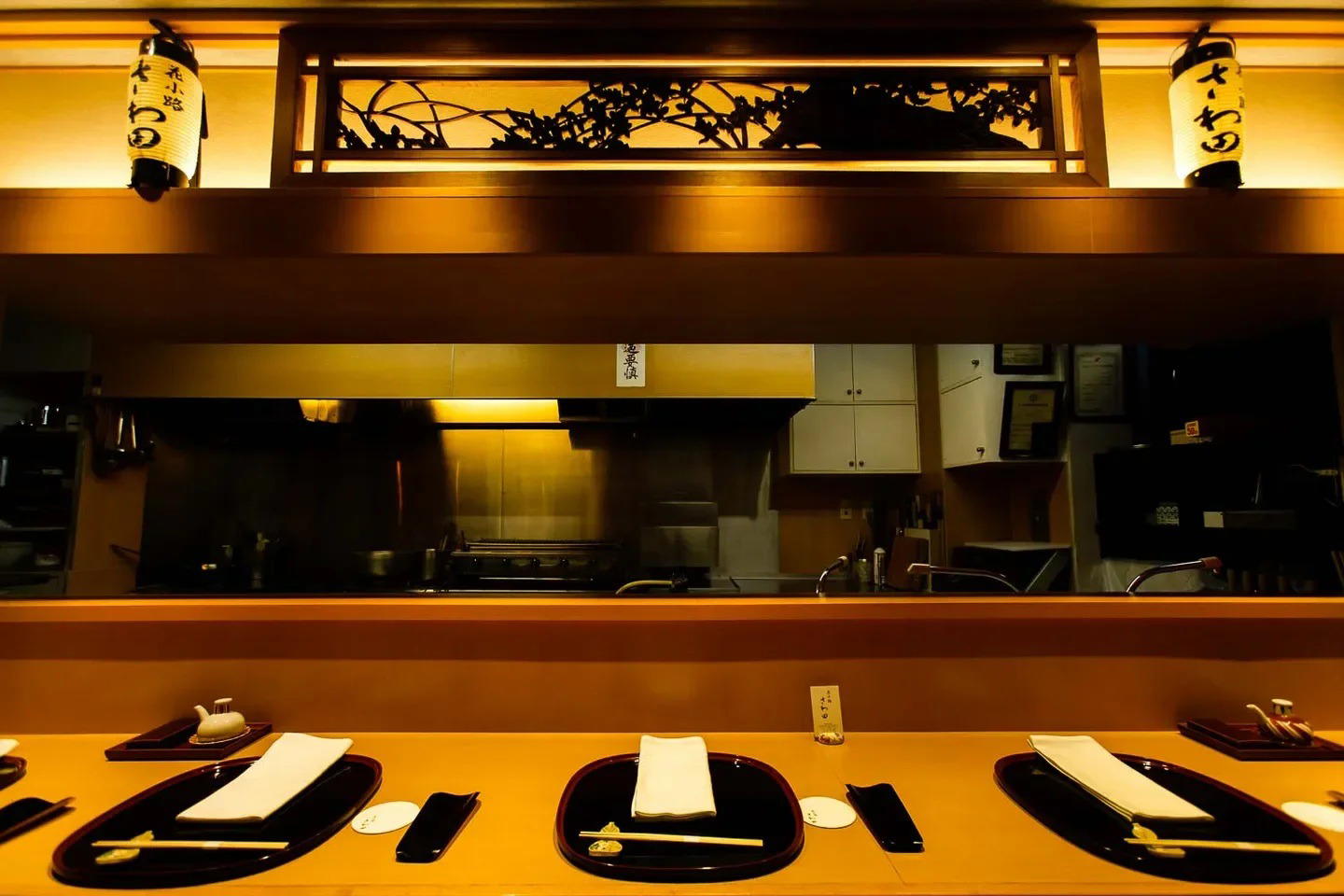
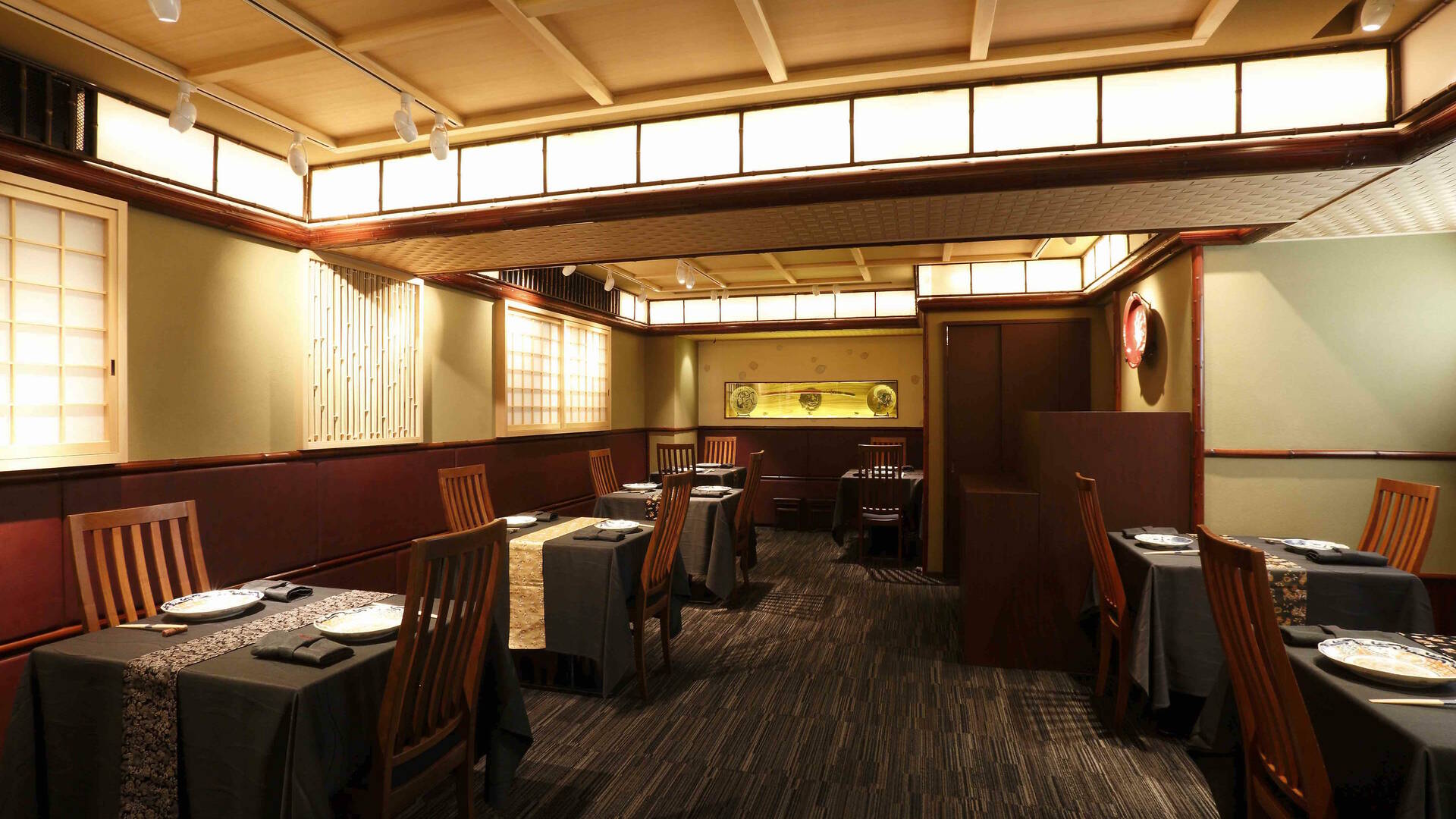
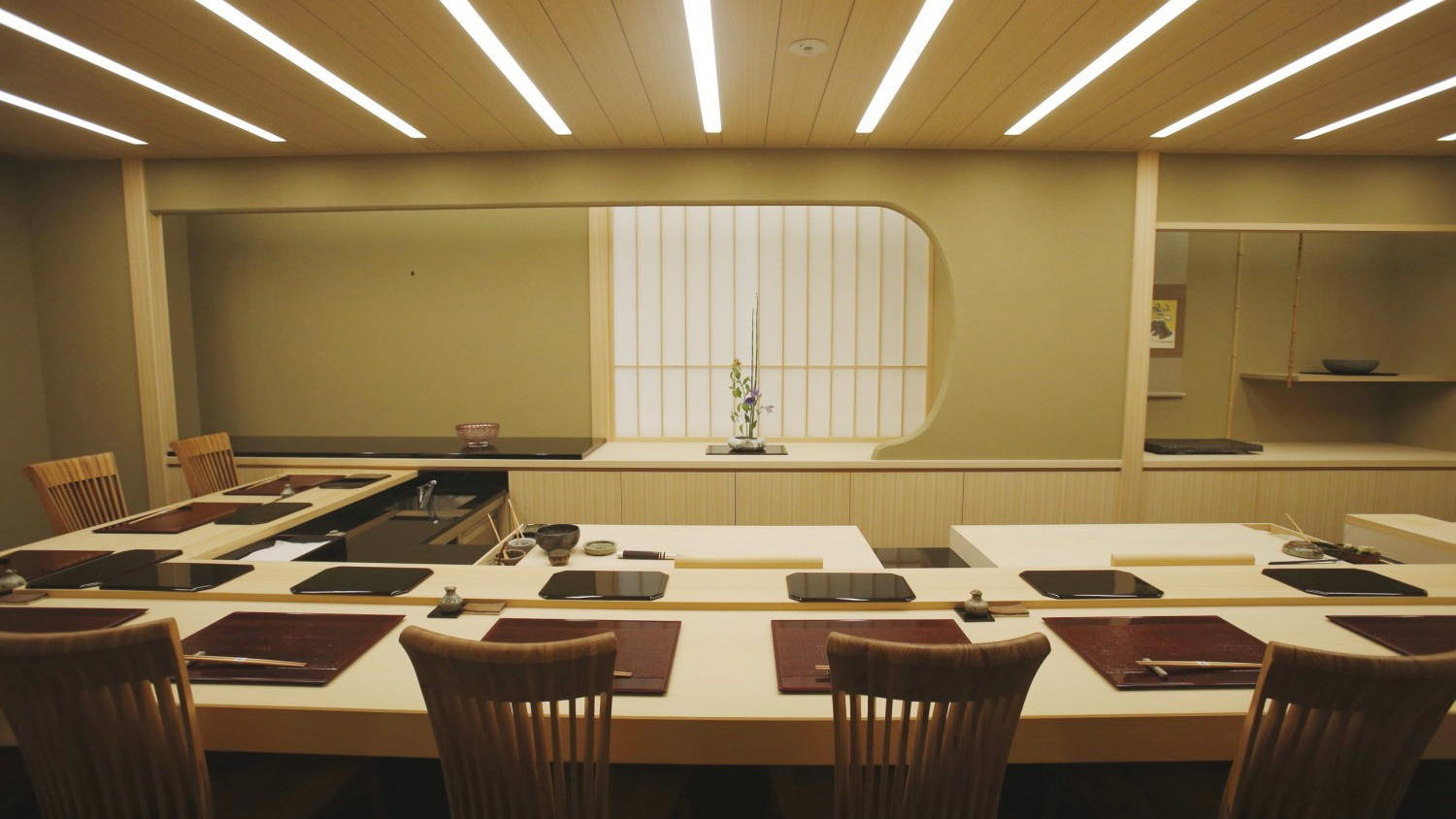
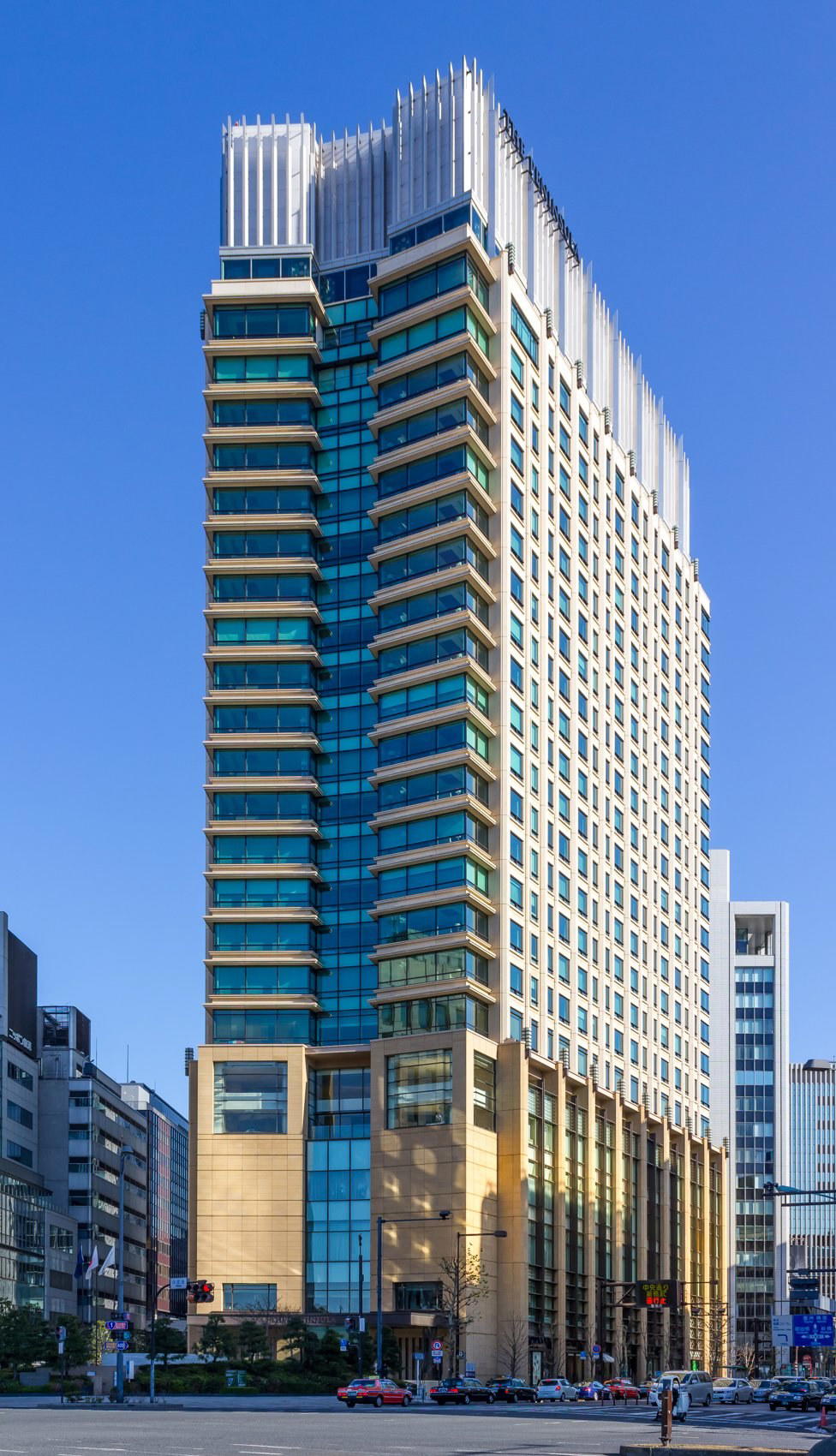
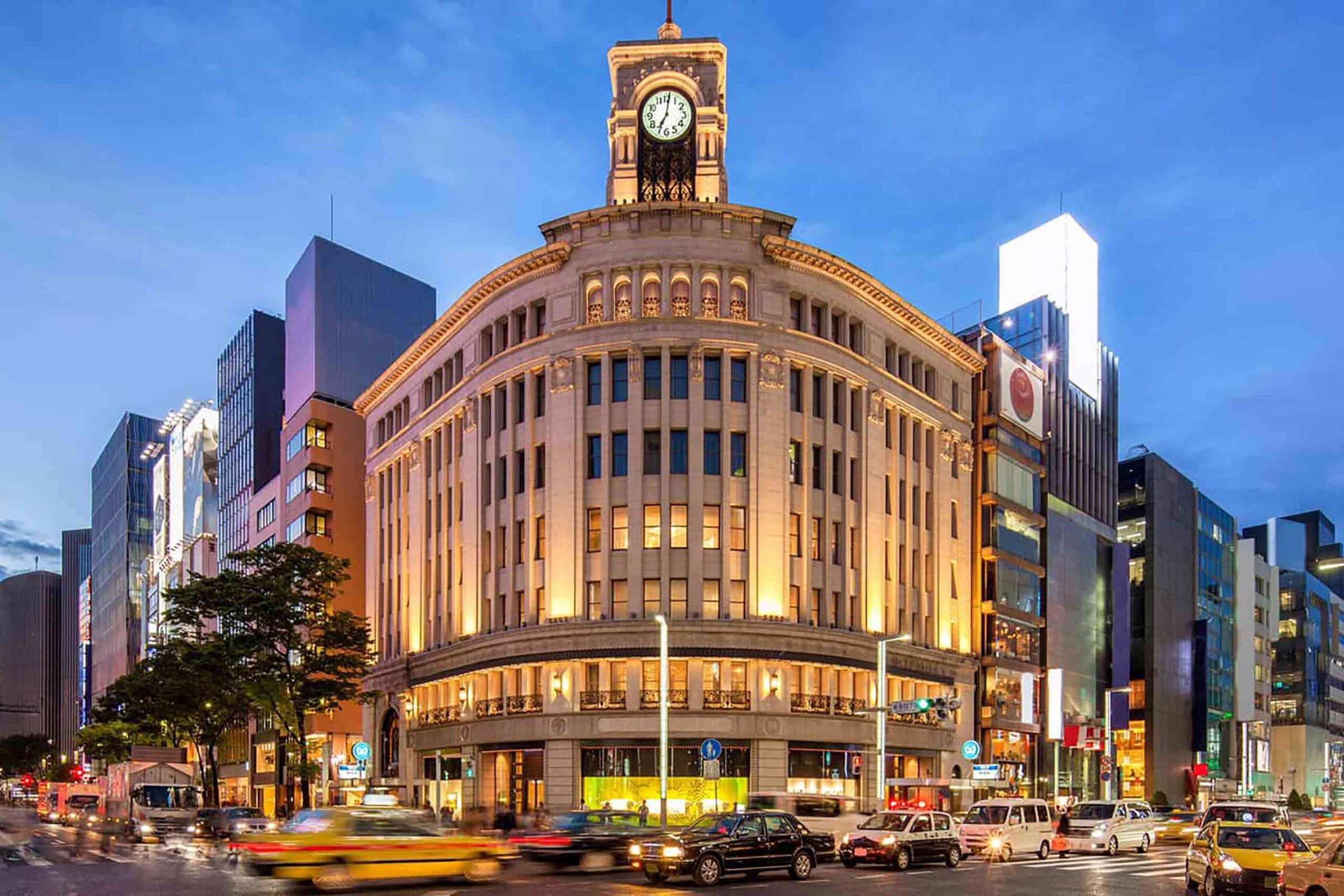
羸謔 by 徳山鮓 occupies the ninth floor of a Ginza building, bringing the fermentation-led philosophy of its Lake Biwa source kitchen into one of Tokyo's most competitive fine dining corridors. The menu structure positions preserved and aged ingredients as primary subjects rather than accents, a format that sits outside the mainstream kaiseki or omakase frameworks that define much of Ginza's upper tier.
Pearl is the En Primeur Club membership app — saves, bookings, and concierge access live there. Same editors, same standards.
- Address
- Japan, 〒104-0061 Tokyo, Chuo City, Ginza, 4 Chome−4−2 松屋通り安田ビル 9階
- Phone
- +81 3-5579-9760
- Website
- salt-group.jp
- Directions
- Get directions
 Saves & bookings on Pearl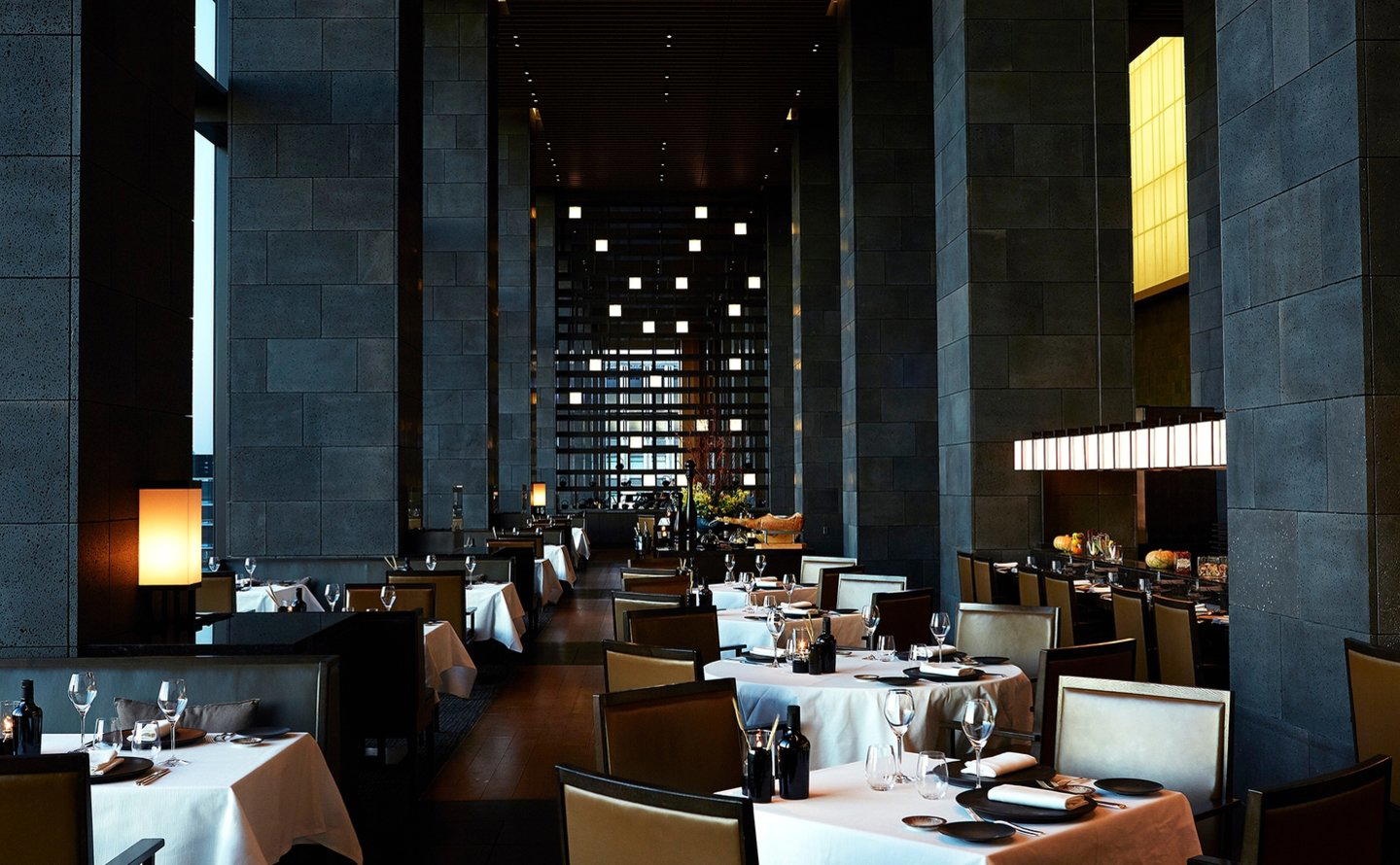
The Ginza Floor Where Fermentation Sets the Terms
What it is not stated in the record, but the address places it on the ninth floor of a Ginza building in Tokyo. Ginza's premium dining tier skews heavily toward sushi omakase and French-inflected kaiseki, formats where seasonal freshness and immediate technique are the prevailing logic. 羸謔 by 徳山鮓 operates from a different premise: that aged, fermented, and preserved ingredients carry as much narrative weight as anything harvested that morning. That positioning puts it in a narrow comparable set within Tokyo's broader fine dining scene, one that rewards prior knowledge of what you are entering.
The parent address, 徳山鮓, is located in Shiga Prefecture near Lake Biwa, a region with deep roots in narezushi, one of Japan's oldest preserved fish traditions. That lineage shapes what arrives on the plate at the Ginza address. Where nearby counters like Harutaka frame the menu entirely around the morning's fish market, 羸謔 reaches backward into preservation cycles that can run weeks or months. The resulting menu architecture is less a sequence of seasonal moments and more a structured argument about how time functions as an ingredient.
Menu Architecture: Time as the Primary Technique
In most of Ginza's high-end restaurants, the menu is a calendar: each course marks a point in the Japanese seasonal cycle, and freshness is both the method and the message. At 羸謔, the structure inverts that logic. Preserved and fermented preparations appear not as garnish or accent but as the central technical subject of individual courses. This is a meaningful structural difference. It asks the diner to engage with umami depth and microbial complexity as the primary sensory register, rather than the brightness and delicacy that define much of the tier.
That approach connects 羸謔 to a broader international conversation about fermentation in fine dining, a conversation that venues like L'Effervescence in Tokyo's Nishi-Azabu and, internationally, Le Bernardin in New York approach from different traditions. At 羸謔, the fermentation reference point is specifically Japanese, rooted in lacto-preserved fish cultures rather than European charcuterie or Nordic pickling. That specificity gives the menu a coherent internal logic, and courses that might seem disparate in another context here read as variations on a single argument.
Kaiseki purists might contest whether 羸謔's format belongs within that tradition at all. The seasonal kaiseki structure practiced at addresses like RyuGin in Roppongi prioritizes the choreography of seasonal ingredients through a precise sequence of courses. 羸謔 borrows the counter format and the attention to mise en place, but the underlying philosophy is closer to a study in transformation than a celebration of immediacy. Whether that constitutes a departure from or an extension of kaiseki thinking depends on how broadly you draw the tradition's edges.
Ginza's Competitive Context
Ginza remains one concentrated zone for high-commitment fine dining in Tokyo, a city that itself sustains the largest Michelin-starred restaurant count of any city in the world. The corridor running through Chuo-ku includes omakase counters, French-Japanese hybrids like Sézanne, and inventive formats like Crony, which works within the innovative French tier at ¥¥¥¥ price points. Within that field, 羸謔 occupies a niche defined less by cuisine category and more by the specific fermentation tradition it draws from.
That niche positioning means the venue attracts a self-selecting diner. Guests arriving from a kaiseki reservation at a more conventional address, or from a sushi counter expecting the sharp, clean flavors of peak-season fish, may find 羸謔's flavor register disorienting without prior context. The counter rewards preparation. Reading into narezushi history and the Lake Biwa food culture before arriving sharpens the experience considerably.
For those building a wider Japan itinerary, the fermentation and regional-ingredient thread runs through several addresses worth considering alongside 羸謔: Gion Sasaki in Kyoto and HAJIME in Osaka represent distinct but related approaches to Japanese fine dining with deep regional provenance. Further afield, akordu in Nara and Goh in Fukuoka each anchor their menus in local ingredient cultures in ways that parallel what 羸謔 does within the Ginza context.
Regional Network and the Lake Biwa Thread
Understanding 羸謔 requires some orientation toward what 徳山鮓 represents in the regional context. Shiga Prefecture's fermented fish culture is among the oldest continuously practiced food traditions in Japan, predating the vinegar-seasoned rice formats that most contemporary sushi is built on. Bringing that tradition into Ginza's ninth floor is less a transplant than a deliberate confrontation between old and new, between a preservation culture rooted in rural lake ecology and the concentrated cosmopolitan attention of Japan's most watched dining district.
That geographic tension is not distinctive to 羸謔. Across Japan, fine dining has increasingly drawn energy from regional producers and local preservation methods, a pattern visible from Abon in Ashiya to affetto akita in Akita, and from Aji Arai in Oita to Ajidocoro in Yubari District and Akakichi in Imabari. What distinguishes 羸謔 is the sharpness of its argument: the menu does not treat Lake Biwa fermentation as a regional flourish but as the structural basis for how meals are constructed.
Venues like aki nagao in Sapporo demonstrate how northern Japanese ingredient cultures can sustain fine dining programs far outside the Tokyo axis. Lazy Bear in San Francisco represents a Western parallel, where a deep-dive into preservation and fermentation across a tasting menu format has built a sustained following among diners who engage with food as intellectual terrain rather than pure pleasure. 羸謔 operates within that international cohort while remaining specifically, uncompromisingly Japanese in its source material.
Know Before You Go
Address: 9F, Matsuzaki Yasuda Building, 4-4-2 Ginza, Chuo City, Tokyo 104-0061
Timing: The fermentation-led menu changes with preservation cycles rather than purely with seasonal harvests. Visits in autumn and winter, when aged preparations are particularly central to Japanese food culture, align well with the kitchen's approach.
Access: Ginza Station (Tokyo Metro Ginza, Hibiya, and Marunouchi lines) is within a short walk of the 4-chome address.
Comparable Options
Comparable venues nearby, for context on price, style, and recognition.
| Venue | Cuisine | Price | Notes |
|---|---|---|---|
| 百薬 by 徳山鮓This venue — the venue you are viewing | :null | Not listed | Not listed |
| 虎ノ門PAIRON | Taiwanese Gyoza Izakaya | $$ | Toranomon |
| 陳麻婆豆腐 麺飯館 | Authentic Sichuan Mapo Tofu and Noodles | $$ | Shinjuku |
| Kayanoya (茅乃舎) | Dashi Oden Japanese | $$ | Roppongi |
| Juichibo Coffee Ten | Traditional Japanese kissaten & cafe | $$ | Chūō |
| Ginza no Ginger Ginza honten | Ginger-focused café & dessert shop | $$ | Chūō |