Bucintoro sits on Via Silvio Trentin in Jesolo, the Adriatic resort town that draws summer crowds from across the Veneto. The address places it within Jesolo's established dining corridor, where seafood traditions rooted in the lagoon and open sea set the terms for serious cooking. Visitors looking for a grounded, locally oriented table in a town where beach-facing casual dining dominates will find the name consistently surfacing in local conversation.
Pearl is the En Primeur Club membership app — saves, bookings, and concierge access live there. Same editors, same standards.
- Address
- Via Silvio Trentin, 91, 30016 Jesolo VE, Italy
- Phone
- +39421971539
- Website
- bucintorojesolo.it
- Directions
- Get directions
 Saves & bookings on Pearl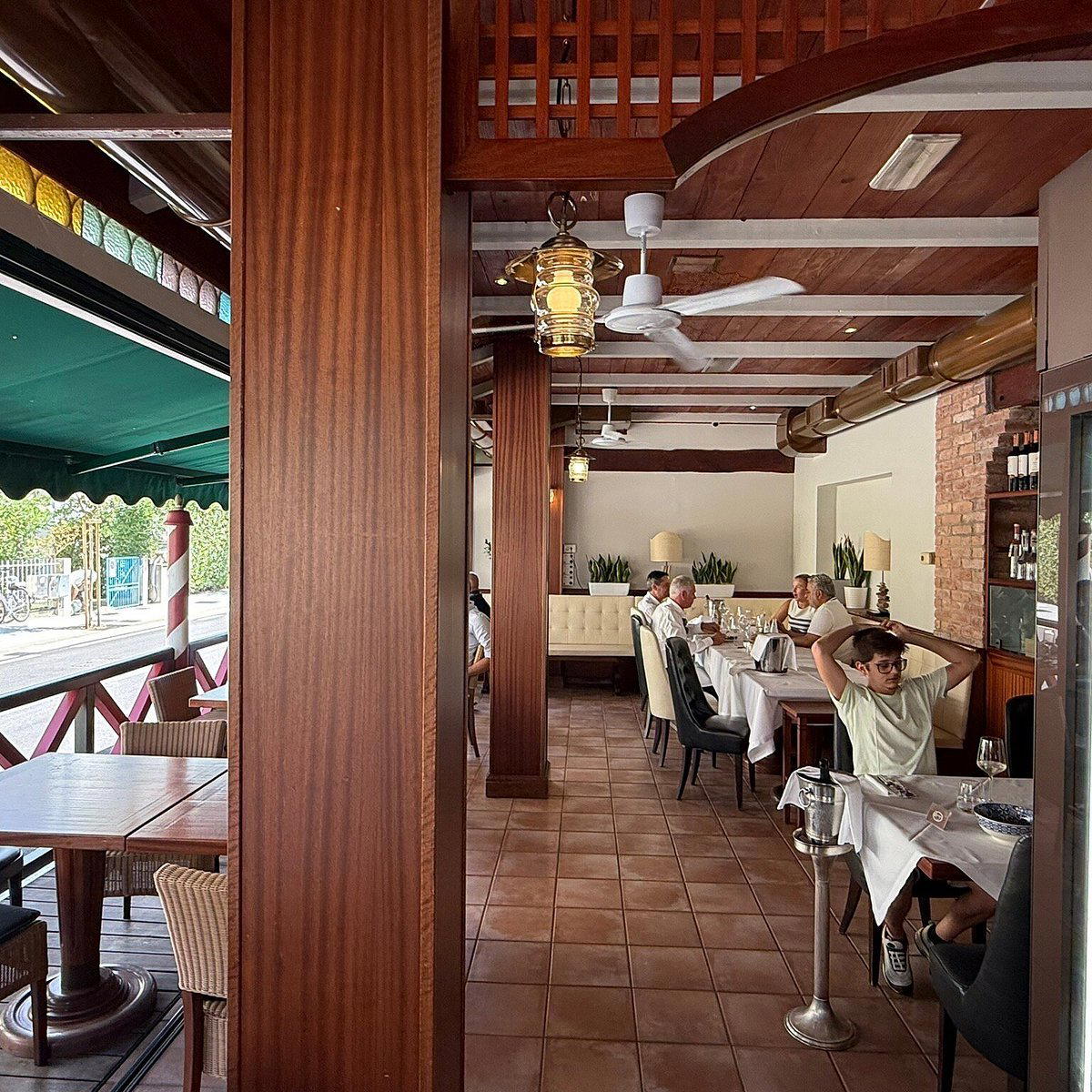
Where Jesolo's Seafood Tradition Gets Serious
Jesolo is rarely the first name Italian food writers reach for when mapping the Adriatic's serious dining addresses. That distinction tends to fall to Senigallia, where Uliassi in Senigallia has spent decades redefining what coastal Italian cooking can be, or to the kind of destination-destination rooms like Quattro Passi in Marina del Cantone that attract the awards-circuit crowd. But Jesolo has its own logic, and it runs on a different clock: the summer rush of the Veneto coast, the proximity of the Venice lagoon, and a local appetite for seafood that is specific, unflashy, and deeply habitual. Bucintoro is a restaurant in Jesolo at Via Silvio Trentin 91, serving Italian seafood and pizza.
On one side sit the beach-road trattorias turning over grilled fish for tourists at high volume; on the other, a smaller group of addresses where the sourcing is more considered and the menu has been thought through rather than assembled. Bucintoro lands in the second tier, a positioning that matters in a place where the majority of covers are chasing seasonal footfall rather than culinary reputation. Jesolo restaurants including Al Torcio, Al Traghetto, Alla Grigliata, Bigoleria Pizzeria San Marco, and Capri each stake out their own position within the town's range, from the grill-focused to the pasta-led. The name Bucintoro, borrowed from the ceremonial Venetian barge used in the Doge's annual marriage to the sea, signals an orientation toward the city across the water and its traditions, before a single dish arrives at the table.
Reading the Menu as a Document
In Venetian coastal cooking, a menu's architecture tells you as much as its ingredients. The Adriatic tradition runs through a defined grammar: raw and marinated crudi to open, followed by pasta in brodetto or with shellfish, then the main event of whole fish or mixed grilled seafood. That sequence reflects how the sea is understood in this part of Italy, as something to approach in stages, not to rush past on the way to a main course. Where a kitchen places its creative bets within that grammar reveals its actual priorities.
The strongest menus at this level of the Italian coastal scene treat the pasta course as the hinge point: it is where regional identity concentrates and where technique is most legible. A well-made bigoli in salsa or spaghetti alle vongole signals something about a kitchen's discipline in a way that a grilled branzino, however well-sourced, cannot, because the latter leaves fewer places to hide. The pasta course at Veneto seafood tables is also where you read local knowledge, whether the kitchen is working with anchovy from the right boats, clams from the lagoon rather than the open market, and whether the hand behind the sauce has spent time learning the difference. At Bucintoro, the Venetian reference in the name itself sets an expectation that the pasta course should carry that weight.
The Jesolo Context: Summer Town, Year-Round Table
Jesolo's dining scene operates under a structural pressure that most Italian coastal towns share: the majority of its covers happen between June and August, when the beach population swells and restaurants operate under conditions that reward speed and volume over depth. The kitchens that maintain standards across that seasonal peak, and sustain them into the shoulder months, are the ones worth tracking. The autumn window, roughly September through October, is when the Adriatic seafood supply shifts, the summer species thin out and the more interesting cold-water fish come into range. For a table like Bucintoro, that seasonal turn is where the menu's actual range should be most visible.
Reaching Jesolo requires some planning. The town sits at the eastern end of the Venice coastal strip, accessible by road from Venice Marco Polo airport in roughly forty minutes, or by bus and ferry combinations for those arriving without a car. The summer period brings traffic congestion on the coastal roads, so evening reservations in July and August are leading treated with buffer time.
For comparison across entirely different geographies of seafood cooking, Le Bernardin in New York City and Reale in Castel di Sangro sit at the opposite end of the scale in terms of international profile, while Lazy Bear in San Francisco demonstrates how format discipline and booking architecture shape a dining experience before the food arrives. For Enrico Bartolini in Milan, the structural comparison is instructive: an Italian chef using formal menu architecture to position a room within a competitive city. The principles apply at smaller scale in a resort town like Jesolo.
Accolades, Compared
Comparable venues nearby, for context on price, style, and recognition.
| Venue | Cuisine | Price | Notes |
|---|---|---|---|
| BucintoroThis venue — the venue you are viewing | Italian Seafood and Pizza | $$ | Not listed |
| Mille Luci | Venetian Italian with Pizza | $$ | Lido di Jesolo |
| Stiefel | Traditional Italian Pizza | $$$ | Lido di Jesolo |
| La Taverna | Traditional Italian Trattoria with Seafood and Pizza | $$ | Cortellazzo |
| Tempini | Italian Seafood and Pizza | $$ | Jesolo Lido |
| Magazzino delle scope | Italian Chicheteria - Venetian Tapas | $$ | Lido di Jesolo |
Continue exploring
More in Jesolo
Restaurants in Jesolo
Browse all →
Bars in Jesolo
Browse all →
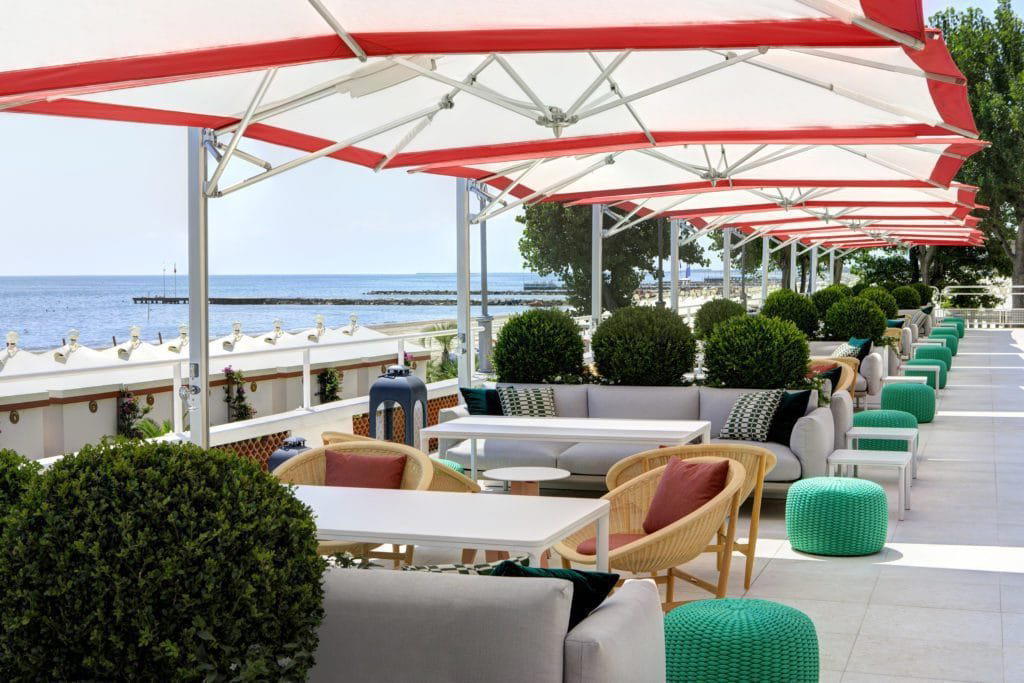
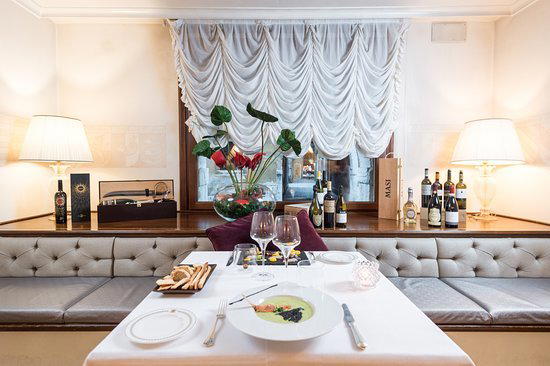
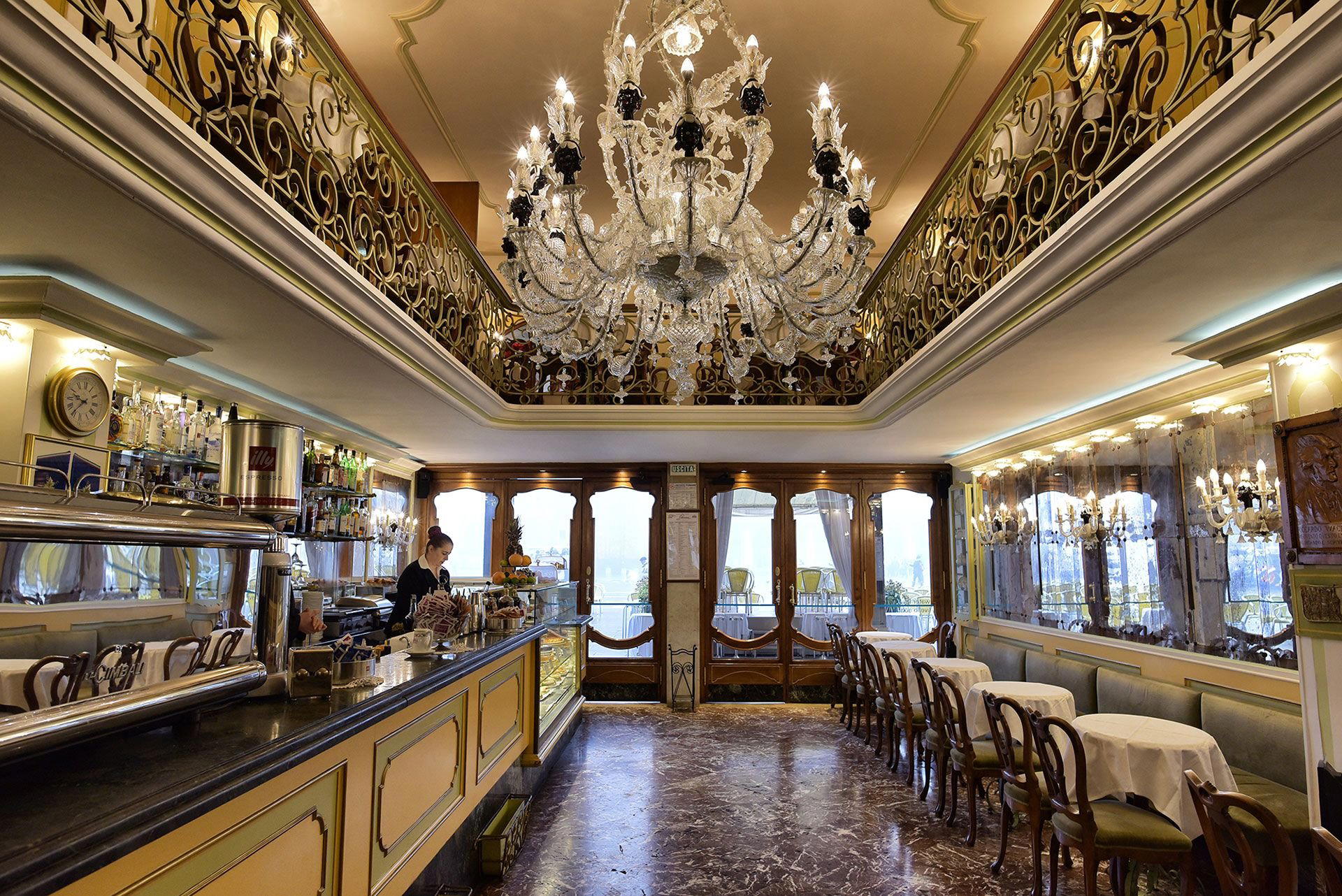
Hotels in Jesolo
Browse all →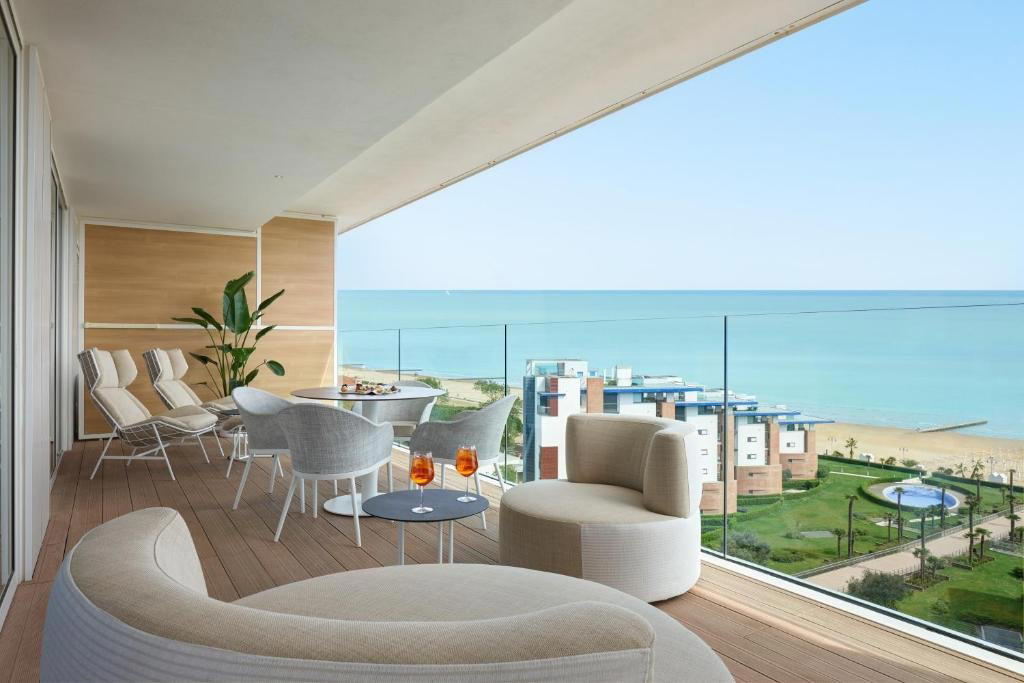
At a Glance
- Elegant
- Classic
- Cozy
- Date Night
- Special Occasion
- Family
- Standalone
- Extensive Wine List
Current opening hours
- Monday
- 12–2 PM, 6–11 PM
- Tuesday
- 12–2 PM, 6–11 PM
- Wednesday
- Closed
- Thursday
- 12–2 PM, 6–11 PM
- Friday
- 12–2 PM, 6–11 PM
- Saturday
- 12–2 PM, 6–11 PM
- Sunday
- 12–2 PM, 6–11 PM
Hours can change for holidays and private events. Last verified .
Nice decor and calm atmosphere with elegant and refined nautical theme that lets guests feel relaxed.