Combo sits in the Cannaregio sestiere at Campo dei Gesuiti, operating as one of Venice's more low-key drinking addresses in a city where bar culture tends toward tourist-facing wine counters or hotel lounges. The format leans craft-focused, placing it in a smaller peer set alongside spots like Al Covino and Al Mercà that serve a local and informed-traveller clientele rather than the canal-side crowd.
 Discover on Pearl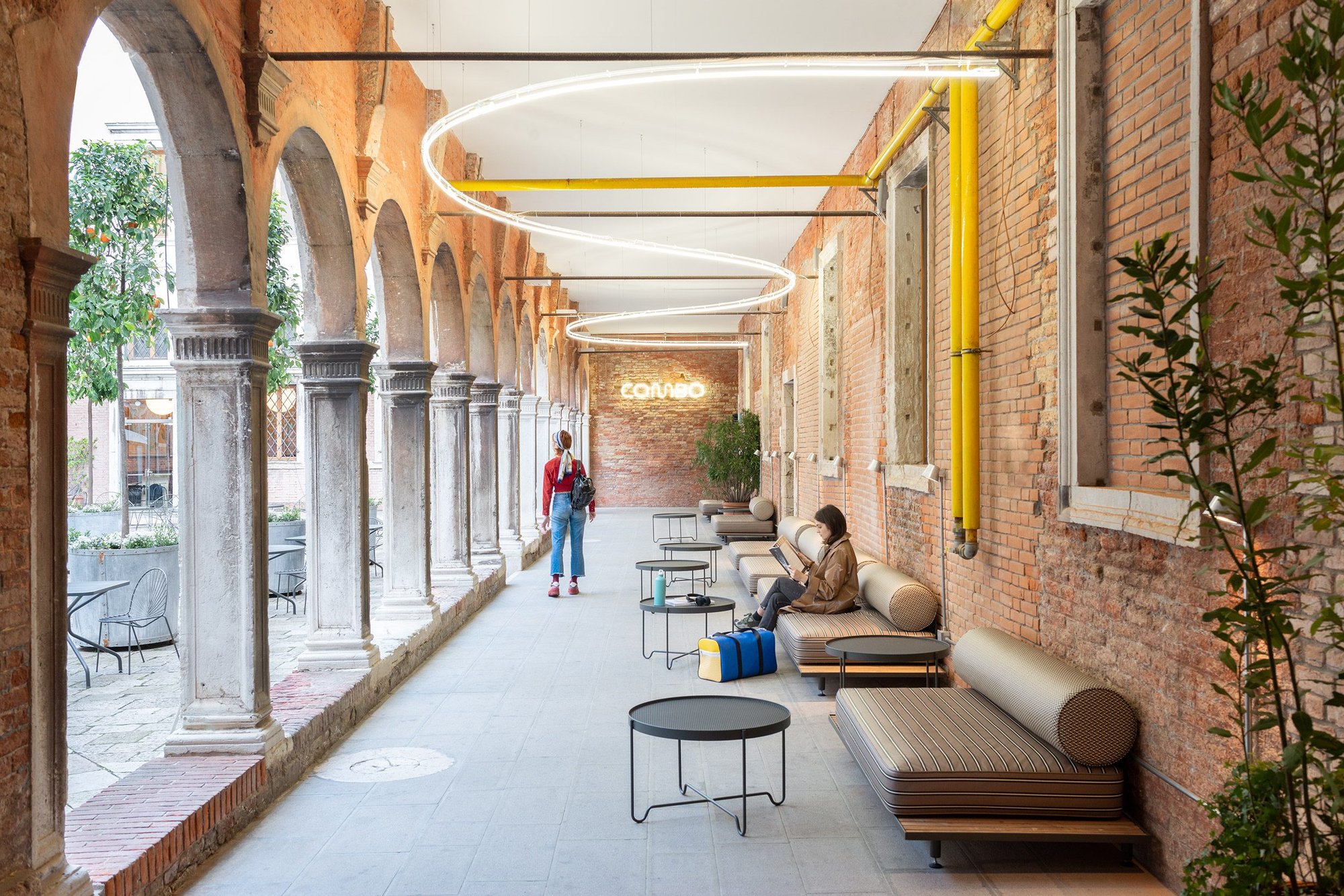
A Campo in Cannaregio, Away from the Current
Venice's drinking culture divides more sharply than most cities. Along the Rialto and near San Marco, the bar offer is largely transactional: a spritz served quickly to someone consulting a map, consumed at a markup that reflects footfall rather than craft. Move north into Cannaregio and the picture changes. The campo bars here operate on a different tempo, drawing a regulars-first clientele and programming their counters around what they actually want to drink rather than what photographs well beside a gondola. Campo dei Gesuiti sits toward the quieter end of this sestiere, a broad stone square bookended by the Jesuit church's baroque facade and a handful of addresses that see almost no through-tourist traffic. This is where Combo, Venezia operates, and the address alone tells you something about who the bar is for.
Cannaregio's bar scene has developed gradually into one of the more credible drinking zones in the city, not because it was planned that way but because rents and residential density kept it honest. The neighbourhood produces the kind of bar that opens because the people running it want to drink well in their own backyard, not because a hospitality group identified an underserved demographic. That pattern of organic development is legible in the bars that have established themselves here: Al Covino and Al Mercà both operate on similar logic, prioritising product and regulars over volume. Combo fits that template.
The shortlist, unlocked.
Hard-to-book tables, cellar releases, and concierge-planned trips.
Get Exclusive Access →The Craft Bar Model in a City Built for Wine
Italy's cocktail culture has been reshaping itself for the better part of a decade, but the change has been uneven across cities. Milan led the shift earliest, with programs like 1930 in Milan establishing a benchmark for technical ambition in the country. Rome followed with addresses like Drink Kong in Rome bringing an international frame of reference to the capital's bar scene. Florence found its own register through spots like Gucci Giardino in Florence. Naples contributed L'Antiquario in Naples. Venice has been slower to develop this tier, partly because its visitor economy rewards volume over craft, and partly because the city's identity remains so rooted in wine: the ombra, the bacaro, the enoteca.
That wine-first instinct is not a limitation. Addresses like Enoteca Storica Faccioli in Bologna demonstrate how seriously northern Italy takes natural wine as a standalone bar category, and Venice has its own version of that seriousness in spots like Vino Vero. But the craft cocktail segment is thinner here than in comparable Italian cities, which means the handful of bars operating in that space occupy a less crowded field. Combo is part of that smaller cohort, positioned at the intersection of the neighbourhood bar model and a more considered drinks program.
Behind the Counter: Training and Approach
The editorial angle on any bar of this type is ultimately about what the person behind the counter brings to it. In a city where bar culture defaults to the spritz and the prosecco, running a craft-focused program requires a deliberate decision to operate against the grain of easy commerce. The bartender's approach at a place like Combo involves a different set of priorities: sourcing ingredients with the same care a kitchen would give produce, understanding the architecture of a drink well enough to adjust it for a specific guest, and building the kind of hospitality that makes a foreign visitor feel like a local regular rather than a tourist who wandered off-route.
This model has clear international analogues. Bar Leather Apron in Honolulu operates on a similar principle of deliberate, guest-focused craft in a city whose bar economy is otherwise dominated by beach-adjacent volume. Lost and Found in Nicosia does the same in a market where the cocktail bar format is still relatively new. The through-line is a bartender who treats the counter as a workspace requiring genuine skill rather than a surface for pouring product. Venice's geography makes this commitment harder, not easier: supply chains are complicated by the absence of road access, seasonal staffing fluctuates with tourism cycles, and the economics of running any small business on an island favour the path of least resistance. A bar that holds to craft standards in this context is doing something that requires more effort than it would in most other cities.
Placing Combo in Venice's Bar Map
For a visitor building a serious drinking itinerary in Venice, the city breaks into a few distinct tiers. The hotel bar layer, represented by addresses like the Aman Bar, delivers a specific kind of polished service within properties that carry their own institutional weight. The bacaro circuit, which runs through Cannaregio and around the Rialto markets, is a different proposition entirely: standing room, cicheti, and wine by the glass at the kind of prices that remind you Venice was once a working port. Al Covo occupies its own niche as a more food-anchored address. Combo sits somewhere between the bacaro informality and the craft cocktail register, which makes it useful for an evening that doesn't fit neatly into either category.
The Campo dei Gesuiti location adds a practical consideration for itinerary planning. Cannaregio is walkable from the train station and from the northern edges of the historic centre, but it sits away from the main tourist corridors, which means arriving here requires a degree of intentionality. You don't end up at Campo dei Gesuiti by accident. That self-selecting filter produces a room that feels like Venice's own version of a neighbourhood bar rather than an international tourist stop, which is a meaningful distinction in a city where the two experiences rarely overlap.
For a broader picture of where Combo sits within the city's overall food and drink offer, the EP Club Venice guide maps the full range of the drinking and dining scene across the sestieri.
Planning Your Visit
Campo dei Gesuiti is located in northern Cannaregio at address 4878, a square most easily reached on foot from the Fondamenta Nuove waterfront or via the main pedestrian route through Cannaregio from the station. Because no booking or phone information is currently listed, arriving in person is the practical approach; the neighbourhood bar format typically accommodates walk-ins more readily than reservation-dependent venues. For visitors staying in the area, the square itself is a useful staging point for an evening that moves between Cannaregio's smaller bars, particularly if the itinerary includes Al Covino or the Rialto-adjacent bacari. Evening visits tend to suit the format leading, when the campo settles into the quieter rhythm that defines this part of the city after the day-trip crowds have cleared the centre.
The shortlist, unlocked.
Hard-to-book tables, cellar releases, and concierge-planned trips.
Get Exclusive Access →Frequently Asked Questions
Compact Comparison
A quick peer snapshot; use it as orientation, not a full ranking.
| Venue | Notes | Price |
|---|---|---|
| Combo, Venezia | This venue | |
| Aman Bar | ||
| Arts Bar | ||
| Il Mercante | ||
| Vino Vero | ||
| Al Covino |
Need a Table?
Our members enjoy priority alerts and concierge-led booking support for the world's most difficult bars and lounges.
Get Exclusive AccessThe shortlist, unlocked.
Hard-to-book tables, cellar releases, and concierge-planned trips.
Get Exclusive Access →