Al Torcio sits on Via Silvio Trentin in Jesolo, a Venetian coastal town whose dining scene runs from simple beach trattorie to more considered seafood-focused addresses. The restaurant draws from the northeastern Italian tradition of cucina di mare rooted in the Adriatic and the lagoon, placing it within a distinct culinary lineage that separates Jesolo's better tables from its seasonal tourist staples.
Pearl is the En Primeur Club membership app — saves, bookings, and concierge access live there. Same editors, same standards.
- Address
- Via Silvio Trentin, 80, 30016 Jesolo VE, Italy
- Phone
- +393312889637
- Website
- altorcioristorante.it
- Directions
- Get directions
 Saves & bookings on Pearl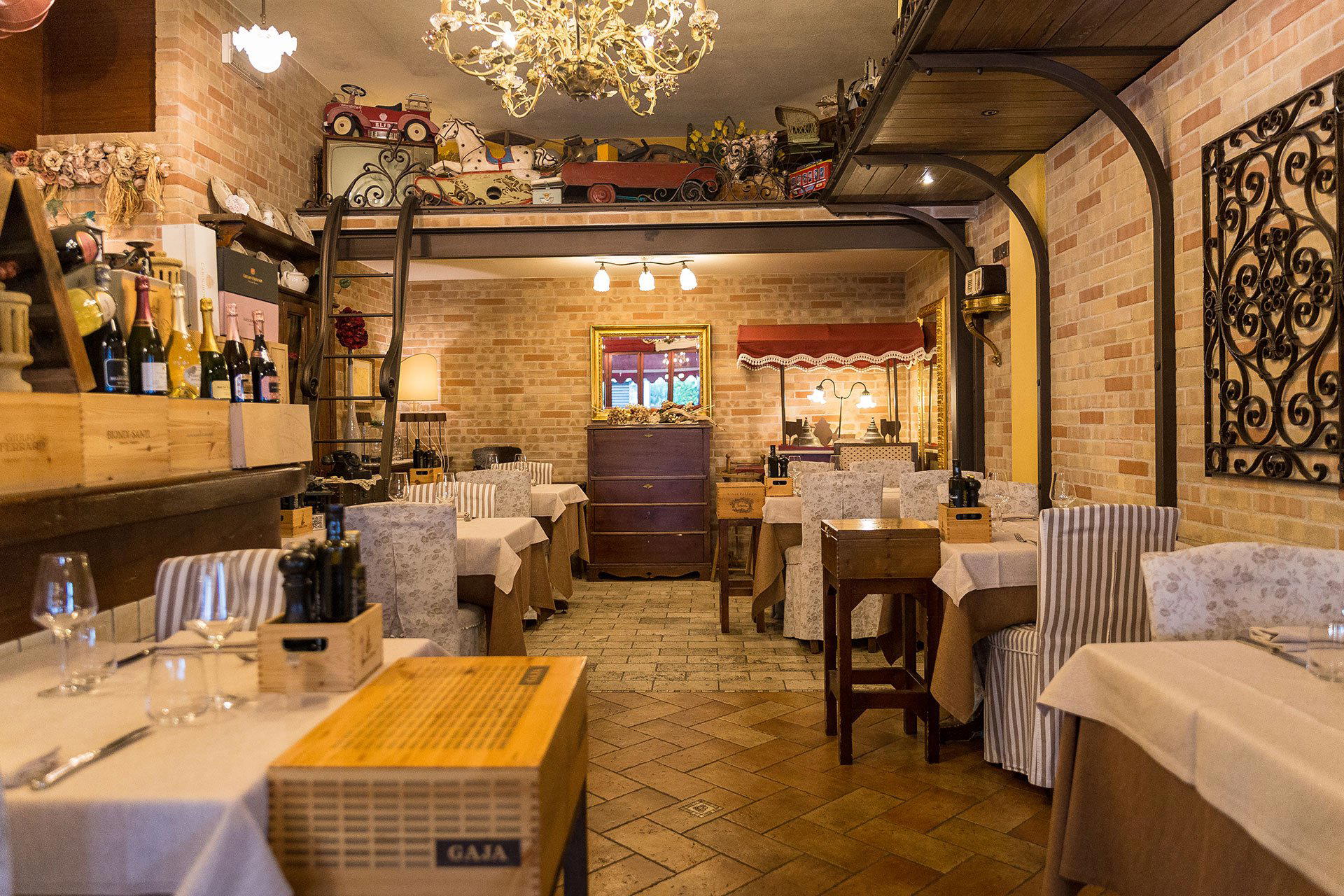
Jesolo's Dining Character and Where Al Torcio Sits Within It
The Adriatic coastline north of Venice produces a dining pattern that repeats across its resort towns: a broad base of seasonal beach restaurants built for volume, and a smaller tier of addresses that take the region's seafood tradition more seriously. Jesolo, a flat strip of coast about 40 kilometres east of Venice, follows that pattern closely. In summer it functions as one of the Veneto's most visited beach destinations, and the restaurant density reflects that, hundreds of covers spread across establishments ranging from fried-fish kiosks to multi-course seafood rooms. Al Torcio, on Via Silvio Trentin in the residential grid behind the beachfront, sits away from the loudest part of that market.
That positioning matters in a town like Jesolo. Restaurants on the main seafront promenade compete primarily on visibility and throughput. Addresses one or two streets back tend to rely on repeat custom and local recommendation, which in the Veneto almost always signals a more grounded approach to the food. The northeastern Italian tradition of cucina di mare is not built on spectacle, it is built on the quality of what comes off the boats and the restraint applied in the kitchen, a philosophy you find at its most refined in places like Uliassi in Senigallia or Quattro Passi in Marina del Cantone, and in simpler registers across dozens of smaller coastal addresses.
The Culinary Tradition Behind Northeastern Italian Seafood
To understand a restaurant like Al Torcio, it helps to understand the culinary geography it inherits. The stretch of northern Adriatic coast between the Po Delta and the Friulian border has one of Italy's most distinctive seafood traditions. The lagoon environment around Venice produces ingredients, moeche (soft-shell crabs), sarde in saor, branzino from shallow brackish waters, that do not appear in the same form anywhere else on the peninsula. Jesolo sits within that cultural zone, and restaurants operating in this area draw, to varying degrees, on that lagoon-and-sea larder.
The tradition here is not the Neapolitan one of bold tomato-and-garlic seafood sauces, nor the Ligurian one of herb-driven lighter preparations. It is something quieter: raw or barely cooked crustaceans, grilled or roasted whole fish, pasta dressed with seafood reduction rather than heavy sauce. Bigoli in salsa, thick whole-wheat pasta with anchovy and onion, is as Venetian as any dish on the Italian table. The wine culture that accompanies this food tends toward the Veneto's own whites: Soave, Lugana, and the Pinot Grigio of Friuli, all of which cut through salt and fat without overwhelming delicate seafood flavour.
Jesolo's stronger seafood addresses operate within that tradition. Comparison restaurants in the area, such as Al Traghetto, Alla Grigliata, and Bucintoro, each occupy a segment of that market. Da Guido, one of the town's more established seafood addresses at the €€€ price point, represents the tier where ingredient sourcing and kitchen technique become the primary differentiators. Al Torcio occupies territory in the same part of town and the same culinary conversation.
What the Address Signals
In Italian coastal towns, the street address of a restaurant carries information. Via Silvio Trentin runs through a quieter residential zone of Jesolo rather than along the beachfront strip, which means the restaurant's footfall depends on intent rather than impulse. Diners arrive because they chose to, not because they walked past. That dynamic tends to produce a different kind of room, less transient, more likely to include local regulars and return visitors who know the Venetian coastline well enough to move past the obvious options.
This is a pattern common across Italy's coastal dining culture. The genuinely considered tables in resort towns are almost never on the prominent street. Dal Pescatore in Runate occupies a location in rural Lombardy that requires specific commitment to find. Even within Venice itself, the restaurants most respected by locals tend to be in campi and calli away from the Rialto and San Marco tourist circuits. The restaurant's address places it in that same structural category, not hidden, but not immediately obvious either.
Jesolo in Context: A Coastal Town Worth Reading Carefully
Jesolo receives significant visitor numbers from Austria, Germany, and other parts of northern Europe, which shapes the hospitality infrastructure in ways that are not always positive for serious dining. A town built around beach tourism tends to flatten culinary ambition toward the widest possible palate. The restaurants that resist that gravitational pull and maintain a connection to the regional tradition represent a different kind of hospitality proposition, one that rewards visitors who research before they arrive rather than those who choose based on a menu board.
For visitors approaching Jesolo with serious dining intent, the useful comparison set includes Bigoleria Pizzeria San Marco and Capri for different price points and formats, as well as the broader Jesolo restaurants guide for a full orientation to what the town offers across categories. Italy's most decorated seafood and coastal restaurants, among them Le Calandre in Rubano, Atelier Moessmer Norbert Niederkofler in Brunico, and Reale in Castel di Sangro, demonstrate what the upper end of Italian regional dining looks like when the full kitchen apparatus is applied. The restaurant operates in a different register, but the culinary lineage it draws from is the same northeastern Italian one that has produced some of Italy's most credible seafood cooking.
For a wider frame of reference across Italy's fine dining spectrum, addresses like Osteria Francescana in Modena, Enoteca Pinchiorri in Florence, Enrico Bartolini in Milan, and Piazza Duomo in Alba anchor the national context. Internationally, restaurants like Le Bernardin in New York City and Lazy Bear in San Francisco show how seafood-forward or ingredient-led cooking operates at its most technically precise.
Planning a Visit
The restaurant is located at Via Silvio Trentin, 80, in Jesolo, within the Veneto region of northeastern Italy. Jesolo is reachable from Venice Marco Polo airport in roughly 40 minutes by road, and from Venice city centre via the Punta Sabbioni ferry connection or by road through Mestre. The town's peak season runs from June through August, when restaurant demand is highest across all categories. Visitors travelling in May, September, or early October will find the town quieter, the restaurants less pressured, and the Adriatic light considerably easier to be around.
Booking and Cost Snapshot
Comparable venues nearby, for context on price, style, and recognition.
| Venue | Cuisine | Price | Notes |
|---|---|---|---|
| Al TorcioThis venue — the venue you are viewing | Not listed | $$$ | Not listed |
| Alla Grigliata | Not listed | $$$ | Lido di Jesolo, Traditional Italian Grill |
| Bucintoro | Not listed | $$ | Lido di Jesolo, Italian Seafood and Pizza |
| Vesuvio | Jesolo Lido, Neapolitan Pizza & Seafood | $$ | Not listed |
| Al Traghetto | Cortellazzo, Italian Seafood | $$$$ | Not listed |
| Stiefel | Not listed | $$$ | Lido di Jesolo, Traditional Italian Pizza |
Continue exploring
More in Jesolo
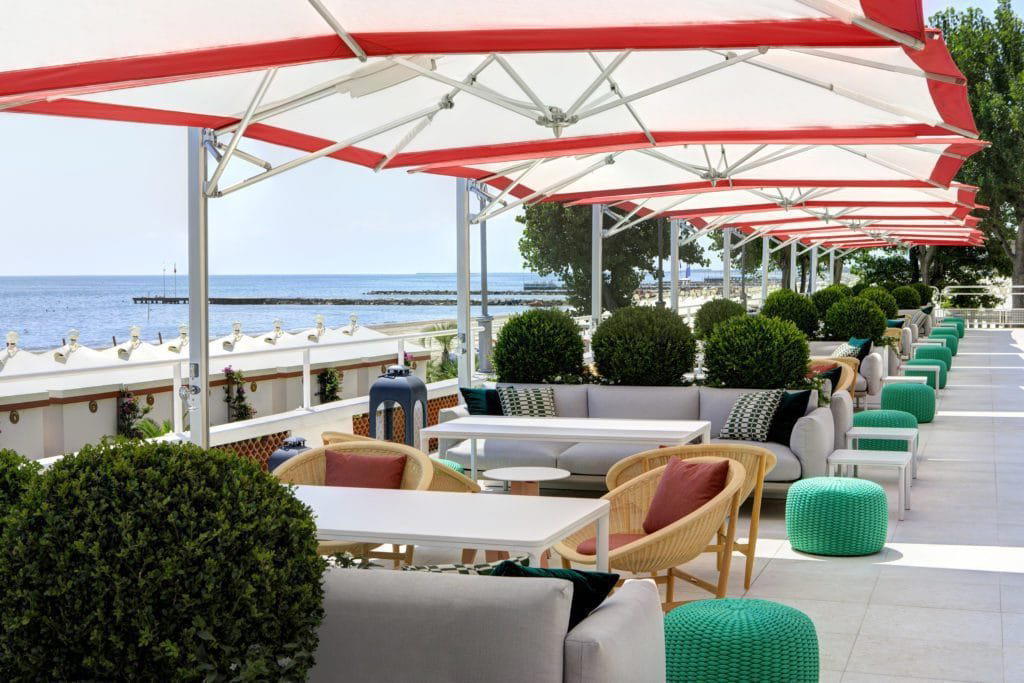
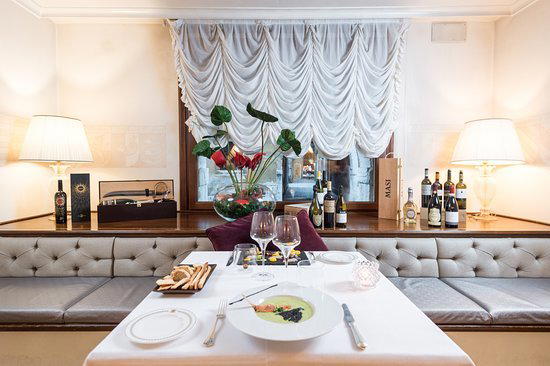
Restaurants in Jesolo
Browse all →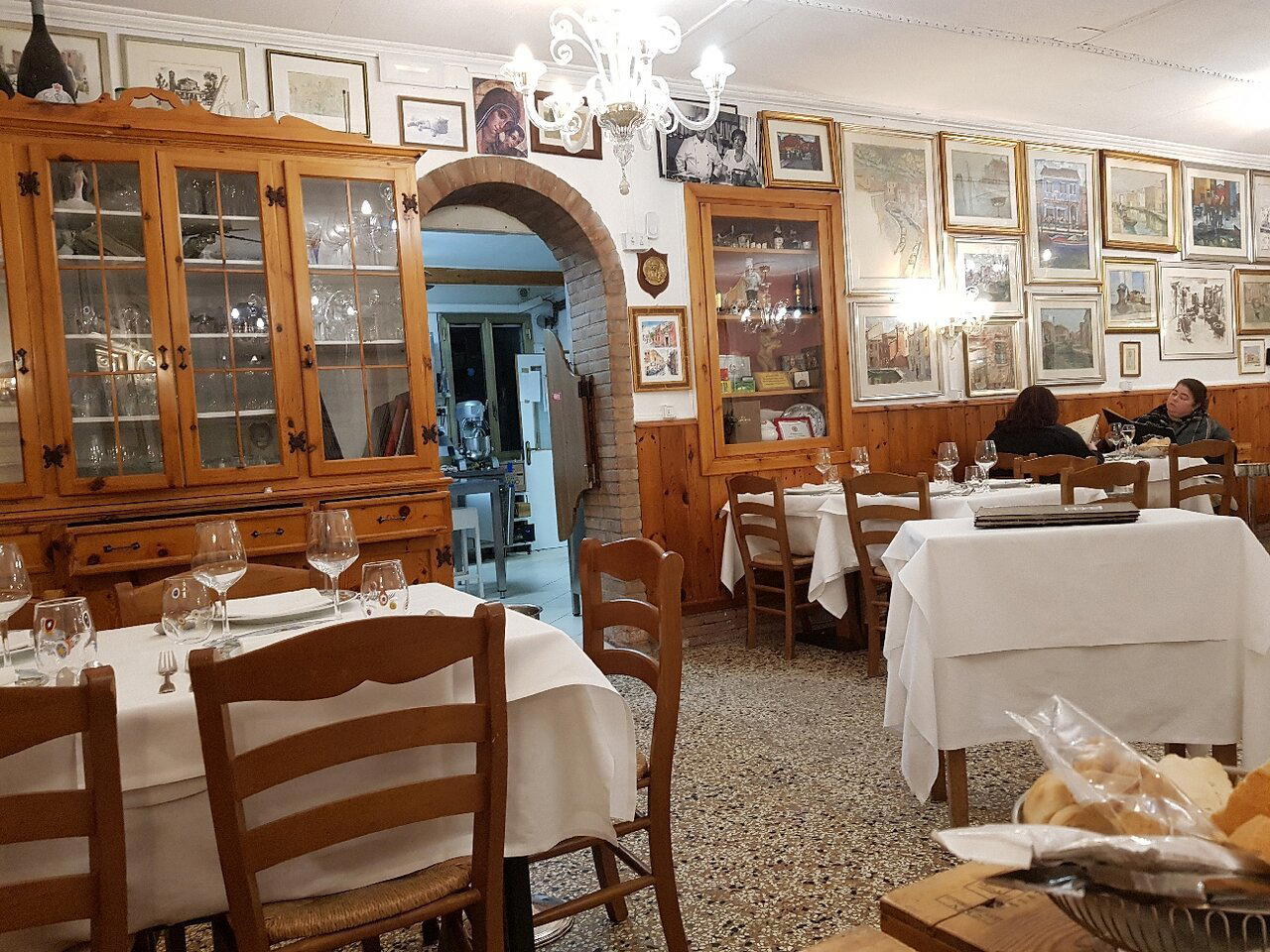
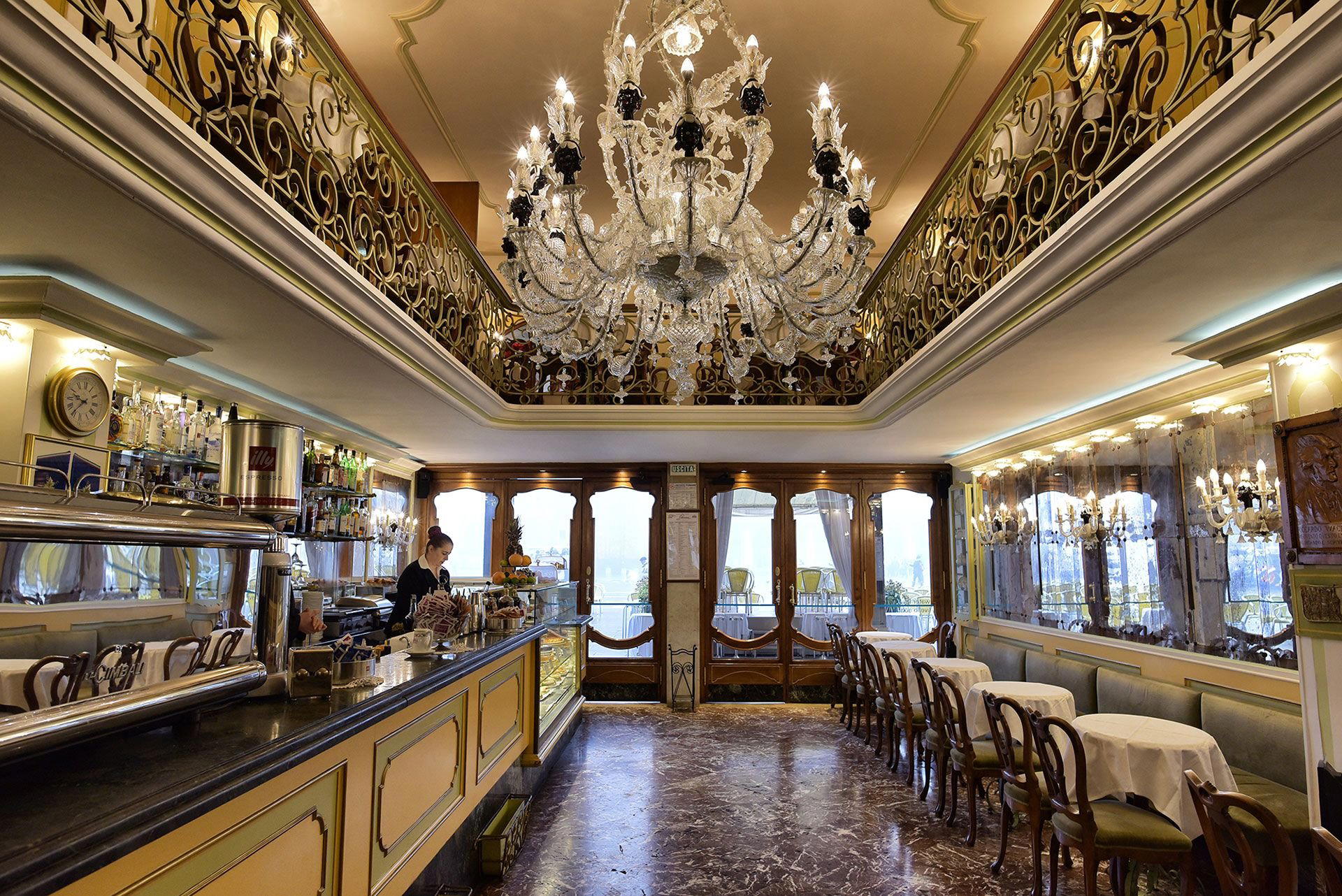
Bars in Jesolo
Browse all →
Hotels in Jesolo
Browse all →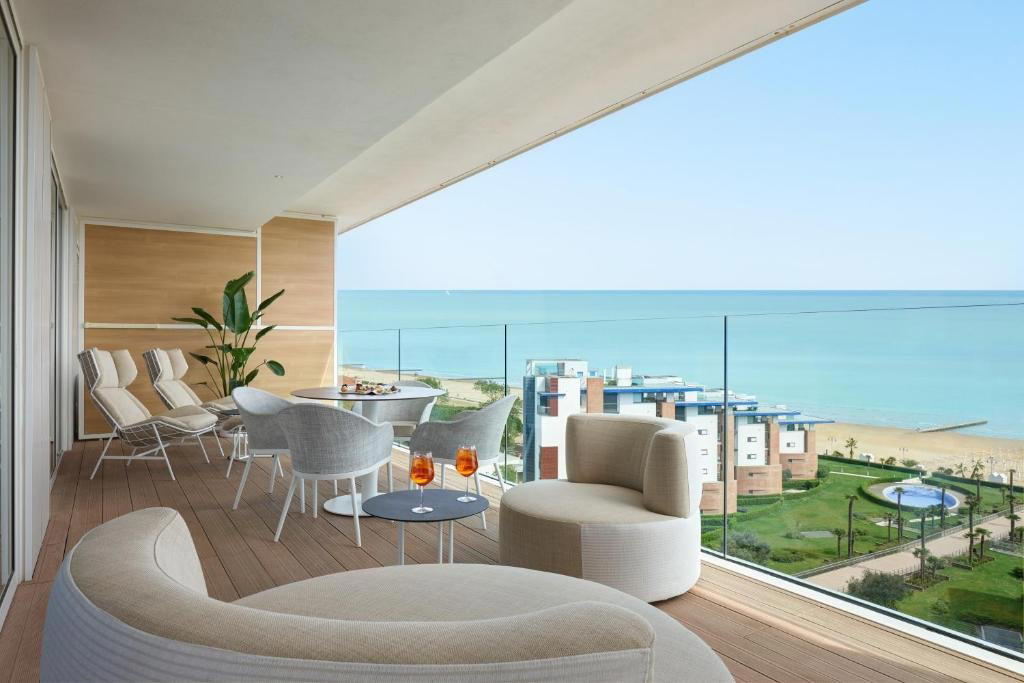
At a Glance
- Cozy
- Elegant
- Classic
- Intimate
- Date Night
- Group Dining
- Celebration
- Special Occasion
- Terrace
- Private Dining
- Standalone
- Extensive Wine List
- Sommelier Led
- Local Sourcing
Current opening hours
- Monday
- 12–2:30 PM, 6–11 PM
- Tuesday
- 12–2:30 PM, 6–11 PM
- Wednesday
- 12–2:30 PM, 6–11 PM
- Thursday
- Closed
- Friday
- 12–2:30 PM, 6–11 PM
- Saturday
- 12–2:30 PM, 6–11 PM
- Sunday
- 12–2:30 PM, 6–11 PM
Hours can change for holidays and private events. Last verified .
Warm and inviting with elegant, cozy dining rooms featuring careful attention to detail; historic setting with clean, well-maintained interiors and a welcoming atmosphere.