Our verdict
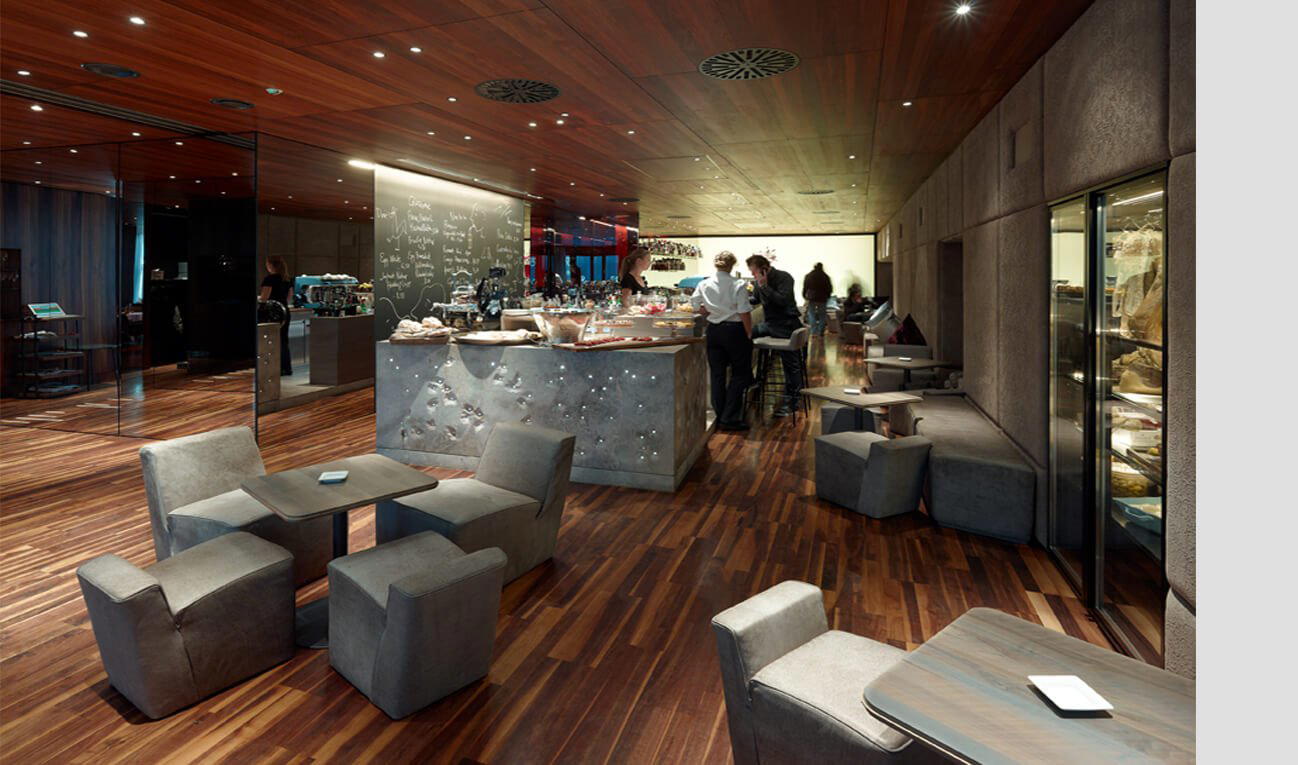
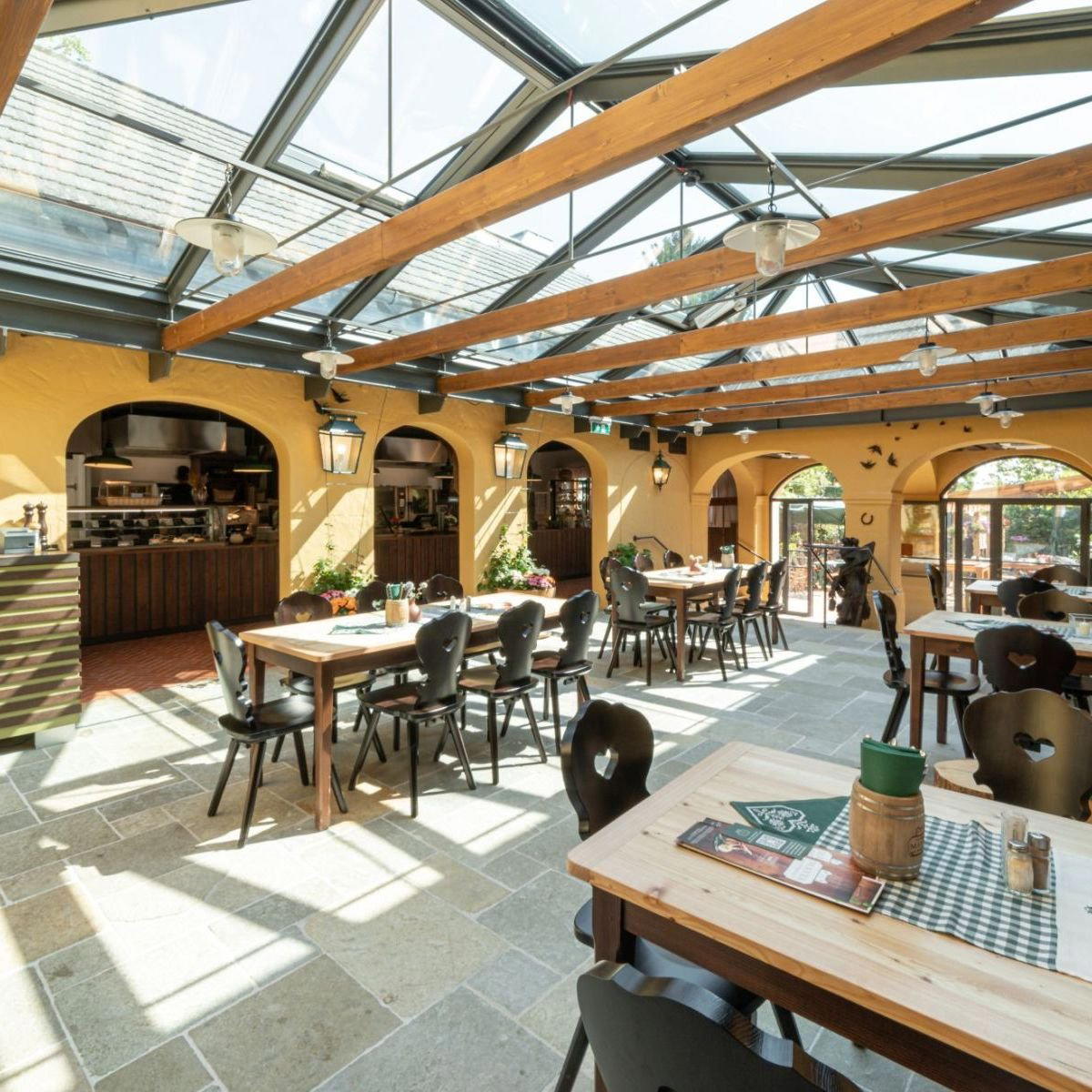
Brötchenwelt serves Austrian Bakery Café staples, including Schnitzelsemmel and Wiener Frühstück, on Berggasse 27 with terrace seating for a quick bite.

Pearl is the En Primeur Club membership app, where members save venues, book tables and use the concierge.

The menu
What to order
- Schnitzelsemmel
- Belegtes Brötchen mit Avocado und Lachs
- Wiener Frühstück
Berggasse 27 sits in Vienna's 9th district, the Alsergrund, a neighbourhood whose character has long been shaped by the University of Vienna, the old Jewish quarter, and a density of independent shops that resists the homogenisation creeping through the 1st. The street itself carries a certain unhurried weight: Sigmund Freud's former apartment and practice occupy number 19, and the block has retained the feel of a working residential quarter rather than a tourist corridor. It is in this context that Brötchenwelt operates, a small bread-focused address that belongs to a distinct category of Viennese food culture, the specialist daytime counter, where the offer is tight, the rhythm is lunchtime, and the proposition is entirely different from what the city's evening dining rooms provide.
Vienna's Bread Culture and Where Daytime Counters Fit
Austrian bread culture is not a background detail. The country holds a living tradition of regional bread styles, from the dense rye-heavy loaves of the alpine provinces to the soft, enriched rolls that Viennese bakeries have been producing since the 19th century. The Viennese Semmel, a kaiser roll with its distinctive five-segment crown, is not a generic bread item but a specific craft object, one that serious bakers will argue cannot be replicated outside the city's water and ambient conditions. Brötchenwelt, as the name makes plain, is a place where rolls and bread combinations are the primary subject.
Vienna's premium dining scene is anchored by a set of ambitious restaurants that operate primarily in the evening format, including Steirereck im Stadtpark, which represents the apex of creative Austrian cuisine, and multi-course tasting-menu operations like Amador, Konstantin Filippou, and Mraz & Sohn. These are evening commitments, structured, expensive, and planned well in advance. Brötchenwelt operates in an entirely different register: accessible by foot from the U6 Michelbeuern-AKH stop, open during hours that serve the neighbourhood's daytime population, and built around a format where you can eat well without a reservation, a dress code, or a two-hour window.
That divide, between Vienna's formal dinner culture and its daytime bread and snack tradition, is not merely a price difference. It reflects two distinct eating philosophies. The evening restaurants are about occasion and progression. The daytime counter is about frequency and reliability. Regulars at a place like Brötchenwelt are not eating there because they cannot afford Steirereck; they are eating there because the format answers a different question entirely.
The Lunch Proposition in the Alsergrund
The 9th district's daytime food offer has evolved in the past decade alongside the neighbourhood's shifting demographics, with more students, medical professionals from the AKH university hospital nearby, and a younger creative class driving demand for quality casual food at accessible prices. The specialist bread counter fits this pattern precisely. Where a larger café or bistro would spread itself across a longer menu, a focused bread address makes a cleaner argument: we do this one thing carefully, come at lunch.
In the wider Austrian context, bread-focused dining has received renewed critical attention as a category. Operations like Döllerer in Golling an der Salzach have demonstrated that bread can be a serious editorial subject within a high-end format, while regional specialists across Austria, from Landhaus Bacher in Mautern an der Donau to Obauer in Werfen, maintain house bread programs as a point of identity rather than an afterthought. In that context, an address whose entire premise is the bread is not a niche curiosity but an honest specialisation.
The lunch versus dinner divide at a place like Brötchenwelt also reflects a pragmatic truth about Vienna's food geography: the city's afternoons belong to the coffee house tradition, and the window between late morning and early afternoon is where the bread counter has historically done its leading work. Viennese eating rhythms are not the same as those in cities where dinner starts at 9pm. The midday meal carries real cultural weight, and a well-executed bread counter in a residential neighbourhood is a serious participant in that tradition.
Situating Brötchenwelt Among Vienna's Wider Restaurant Scene
For readers who approach Vienna through its formal dining tier, the city's reputation rests on a cluster of restaurants with strong Michelin recognition and consistent international coverage. Beyond Steirereck and Konstantin Filippou, operations like Doubek represent the continuing vitality of Vienna's creative cooking scene. But the city's food culture is not reducible to its tasting-menu tier. The neighbourhood counter, the bakery with a lunch offer, the specialist address in a residential district: these form the connective tissue of daily eating in Vienna, and they deserve assessment on their own terms rather than as a lesser alternative to evening fine dining.
Austria's restaurant culture extends well beyond the capital. The alpine restaurants, from Gourmetrestaurant Tannenhof in Sankt Anton am Arlberg and Stüva in Ischgl to Kräuterreich by Vitus Winkler in Sankt Veit im Pongau and Schwarzer Adler in Hall in Tirol, demonstrate the regional breadth of Austrian dining ambition. Closer to Vienna, Taubenkobel in Schützen am Gebirge and Ois in Neufelden show how serious kitchen ambition operates outside the capital. And internationally, high-concept specialist formats at places like Le Bernardin in New York City and Lazy Bear in San Francisco, and closer to home Restaurant 141 by Joachim Jaud in Mieming, remind us that specialism, when executed with discipline, is its own form of credibility. Brötchenwelt operates at a different scale, but the logic is analogous: a clearly defined offer, a specific address, a particular moment of the day.
For a broader map of where Brötchenwelt sits within the capital's eating options, our full Vienna restaurants guide covers the city across price tiers and formats.
Know Before You Go
- Address
- Berggasse 27, 1090 Wien, Austria
- District
- 9th Bezirk (Alsergrund)
- Phone
- Not publicly listed
- Website
- Not publicly listed
- Hours
- Not confirmed at time of writing; daytime service is the primary format
- Reservations
- Walk-in format typical for this category; confirm locally
- Price range
- Not confirmed; daytime bread counters in this district typically operate at accessible price points
- Awards
- None currently listed
Frequently asked questions
Where exactly is Brötchenwelt?
Brötchenwelt is located at Berggasse 27, 1090 Wien, Austria, Vienna.
Is Brötchenwelt a good option for lunch in Vienna's 9th district near the university quarter?
Brötchenwelt sits at Berggasse 27 in the 9th district, within walking distance of the University of Vienna campus and the general Alsergrund quarter that has developed a stronger daytime food culture over the past decade. For visitors or residents in that part of the city seeking a bread-focused midday stop, its address places it conveniently within the neighbourhood's daytime circuit. No price range is formally documented, but the counter format and local positioning suggest a mid-market daytime proposition.
What do people recommend at Brötchenwelt?
Brötchenwelt's name signals its focus directly: bread-centred preparations are the core of what people come for. The counter format at Berggasse 27 in Vienna's 9th district points toward a daytime, roll-and-sandwich-led offer typical of neighbourhood spots embedded in Austrian bread culture.
Can I walk in to Brötchenwelt?
Brötchenwelt operates from a fixed address at Berggasse 27 in Vienna's Alsergrund district, and the counter format typical of this category of Viennese daytime spot generally accommodates walk-in customers. No reservation system or booking requirement is documented. Arriving during off-peak hours gives the best chance of immediate seating.
What do critics highlight about Brötchenwelt?
No formal critical recognition or awards are currently documented for Brötchenwelt. Within Vienna's 9th district, the venue sits in a neighbourhood whose daytime food offer has grown alongside a shifting student and medical-professional demographic, which tends to reward straightforward, bread-focused counters over formal dining. Its positioning in that context is its relevant frame of reference.
How does Brötchenwelt handle allergies?
No documented allergen policy is available for Brötchenwelt. Given the bread-centred format, gluten is a baseline consideration for any visitor with dietary restrictions. The most reliable approach is to check the venue's official channels at Berggasse 27, Vienna, before visiting.
Credentials Lens
A compact comparison to help you place this venue among nearby peers.
| Venue | Cuisine | Price | Awards | Notes |
|---|---|---|---|---|
| BrötchenweltThis venue (the venue you are viewing) | Austrian Bakery Café | $10–20 | Not listed | Not listed |
| Steirereck im Stadtpark | Modern Austrian Fine Dining | $200–300 | 3 Michelin Stars · World's 50 Best #33 | Creative |
| Konstantin Filippou | Modern Fish-Led Fine Dining | $200–300 | 2 Michelin Stars · La Liste Top Restaurants | Modern European, Modern Cuisine |
| Mraz & Sohn | Contemporary Austrian Fusion | $150–200 | 2 Michelin Stars · La Liste Top Restaurants | Modern Austrian, Creative |
| Silvio Nickol Gourmet Restaurant | Modern Austrian Fine Dining | $300–500 | 2 Michelin Stars · La Liste Top Restaurants | Modern Cuisine |
| APRON | Modern Austrian Fine Dining | $150–200 | 1 Michelin Star · Falstaff Restaurant - 95 Falstaff Points | Austrian, Creative |