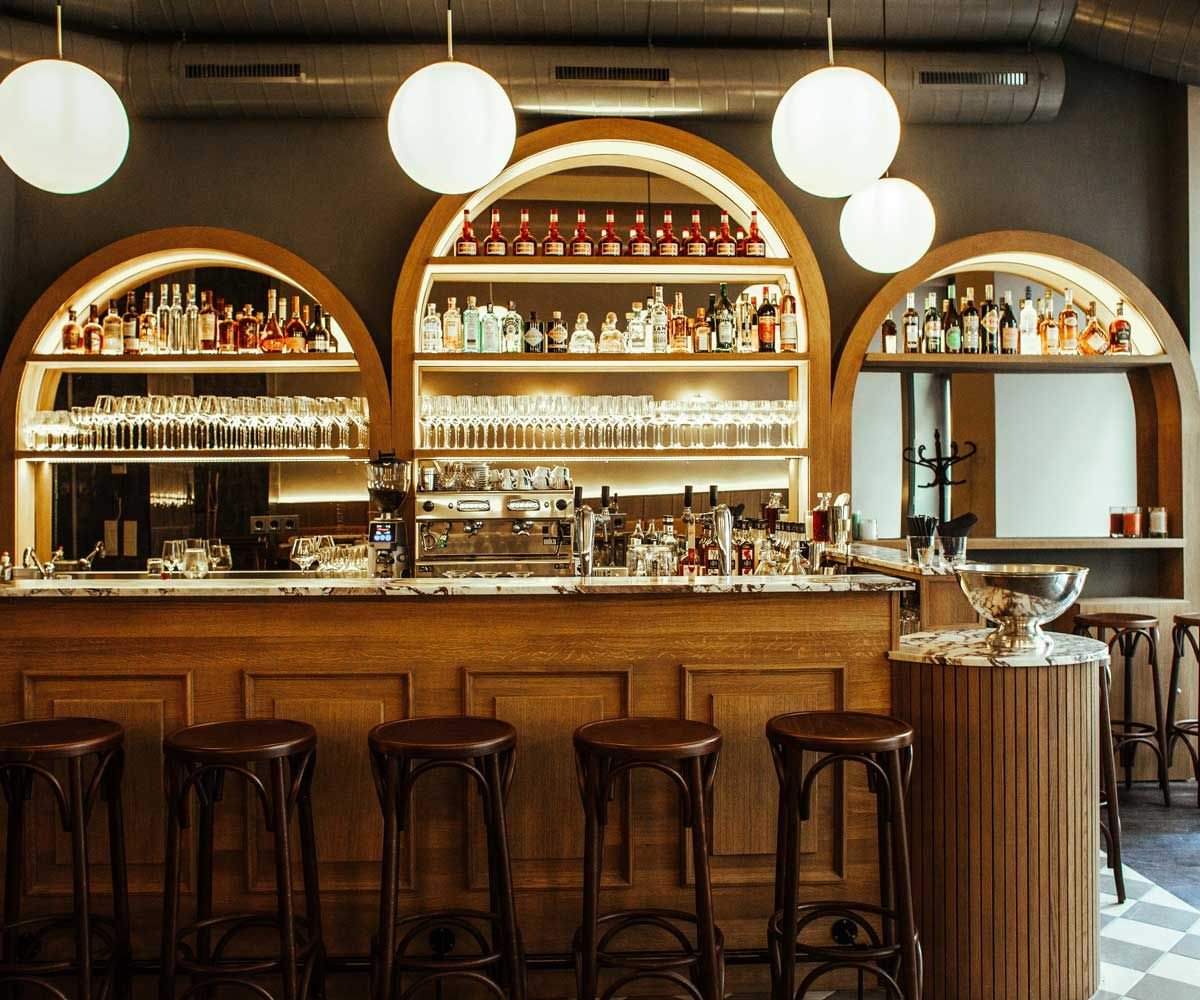
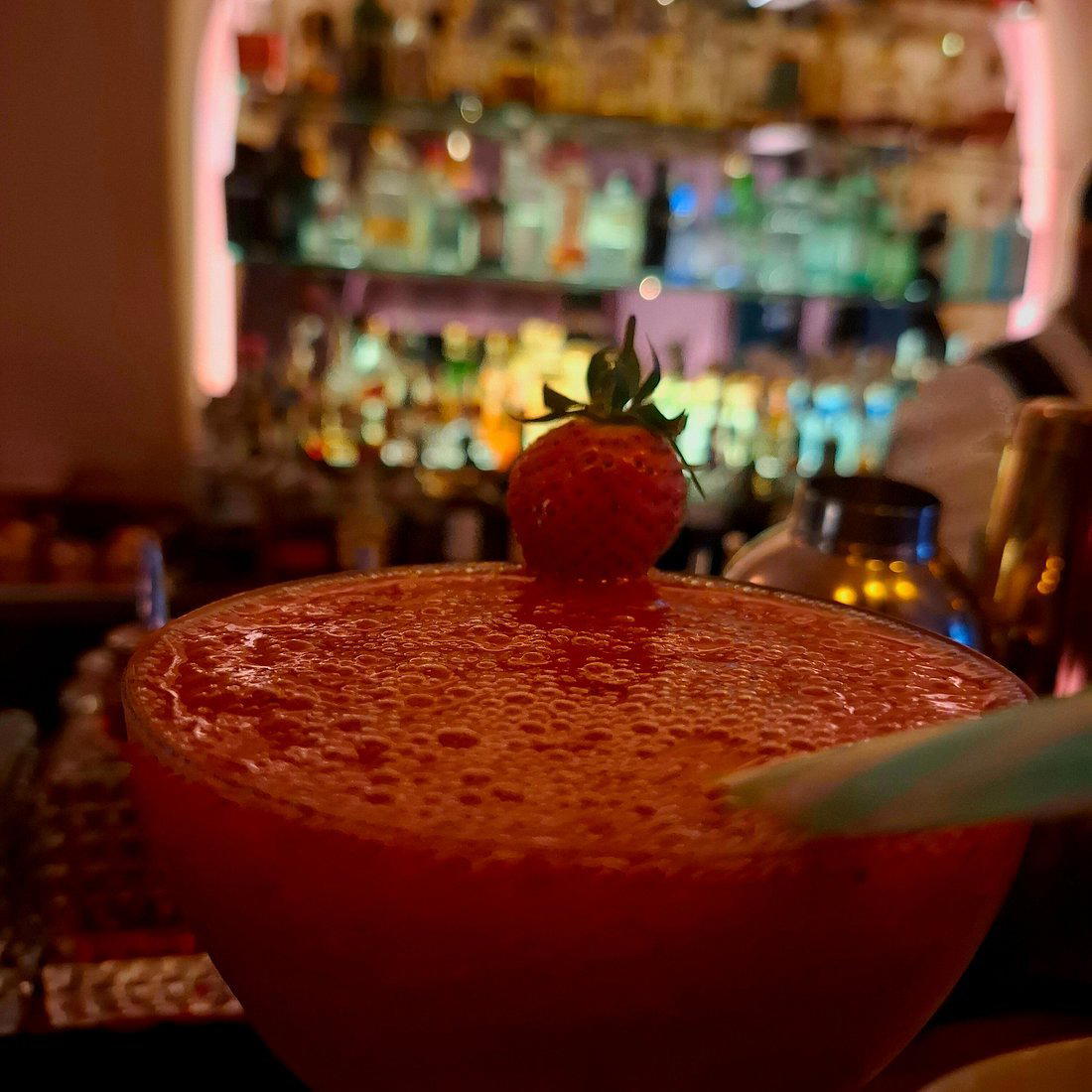
Downstairs pairs a Cocktail Lounge & Billiards Bar format with craft cocktails and a casual, lively setting at Theobaldgasse 15 in Vienna, suited to late-night plans.
Pearl is the En Primeur Club membership app — saves, bookings, and concierge access live there. Same editors, same standards.
- Address
- Theobaldgasse 15, 1060 Wien, Austria
- Phone
- +434315812808
- Website
- downstairs.at
- Directions
- Get directions
 Saves & bookings on Pearl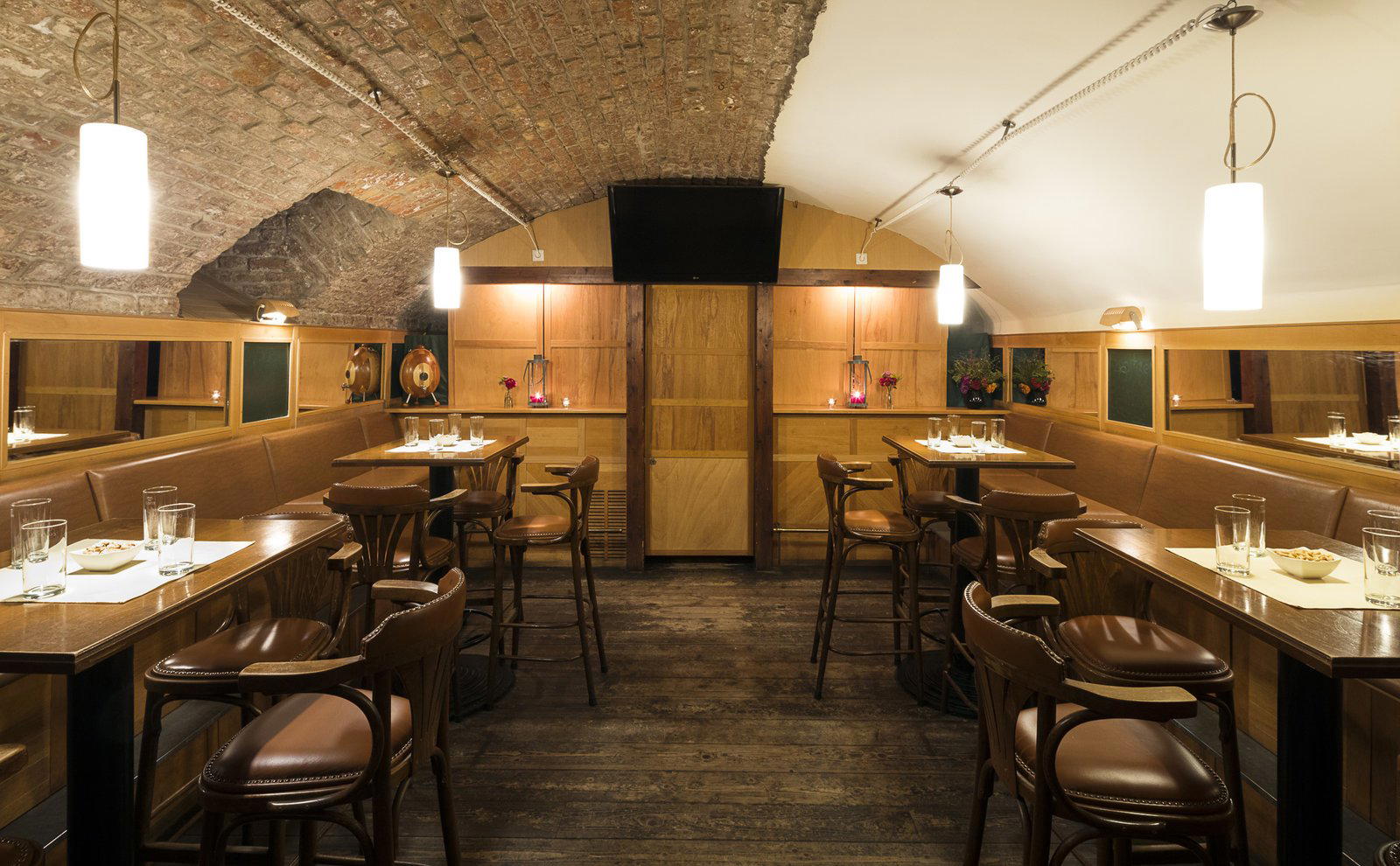
Vienna's Sixth District and the Case for Going Below Street Level
The 6th district, Mariahilf, has long operated at a remove from Vienna's high-dining corridor. While the city's most decorated tables cluster around the Innere Stadt and along the Ringstrasse, Mariahilf runs on a different logic: smaller operators, shorter menus, rooms that seat thirty rather than eighty, and a clientele that tends to know what it wants before it arrives. Theobaldgasse sits within that neighbourhood pattern, a residential street where the ground floor gives little away and the real action, in several cases, is below it.
Downstairs, at number 15, belongs to this quieter register of Vienna dining. It is not part of the starred circuit that includes Steirereck im Stadtpark or Amador, and it does not appear to be positioning itself there. The competitive set here is closer to the kind of room that Vienna's informed regulars find through word of mouth rather than through award shortlists. That positioning is itself a signal worth reading.
What the Room Tells You Before the Menu Arrives
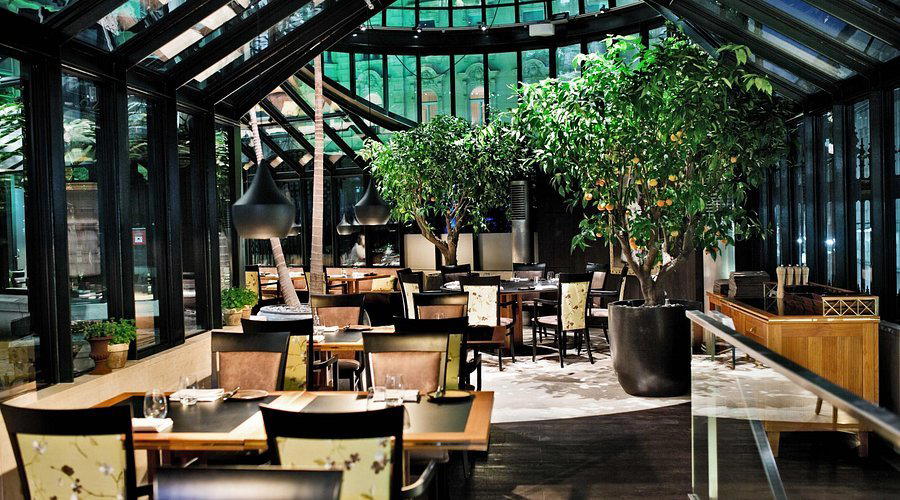
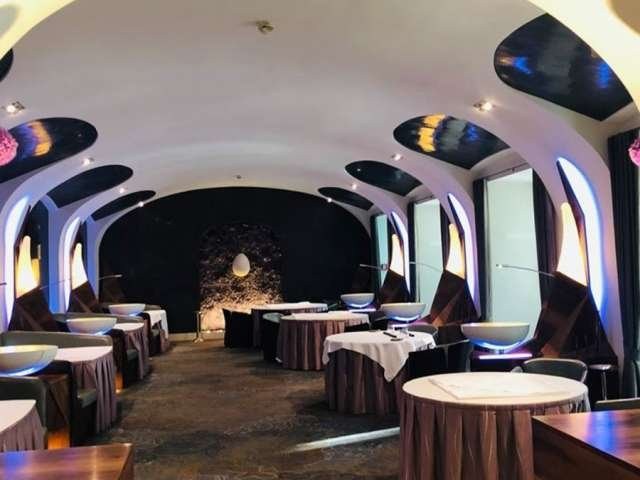
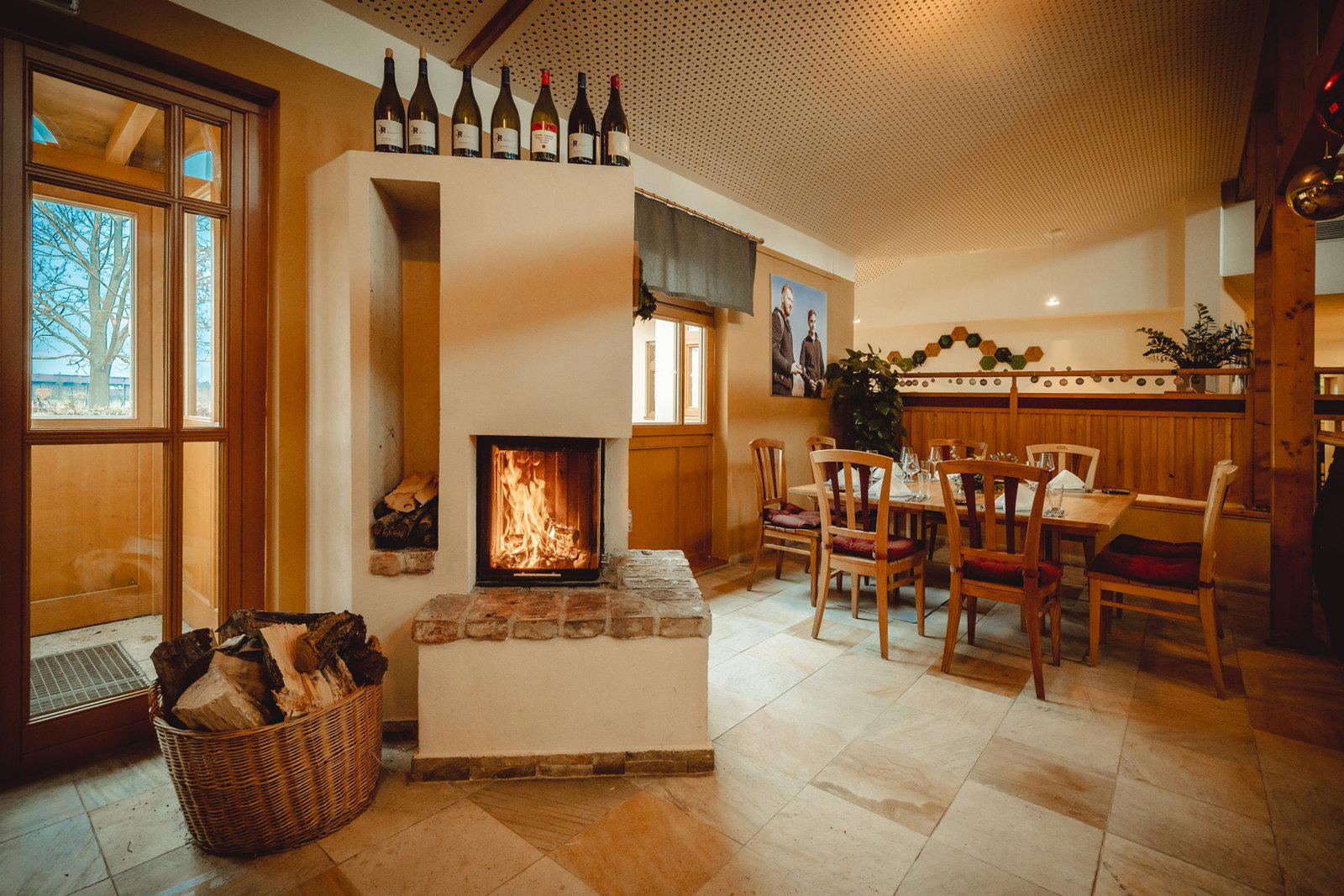
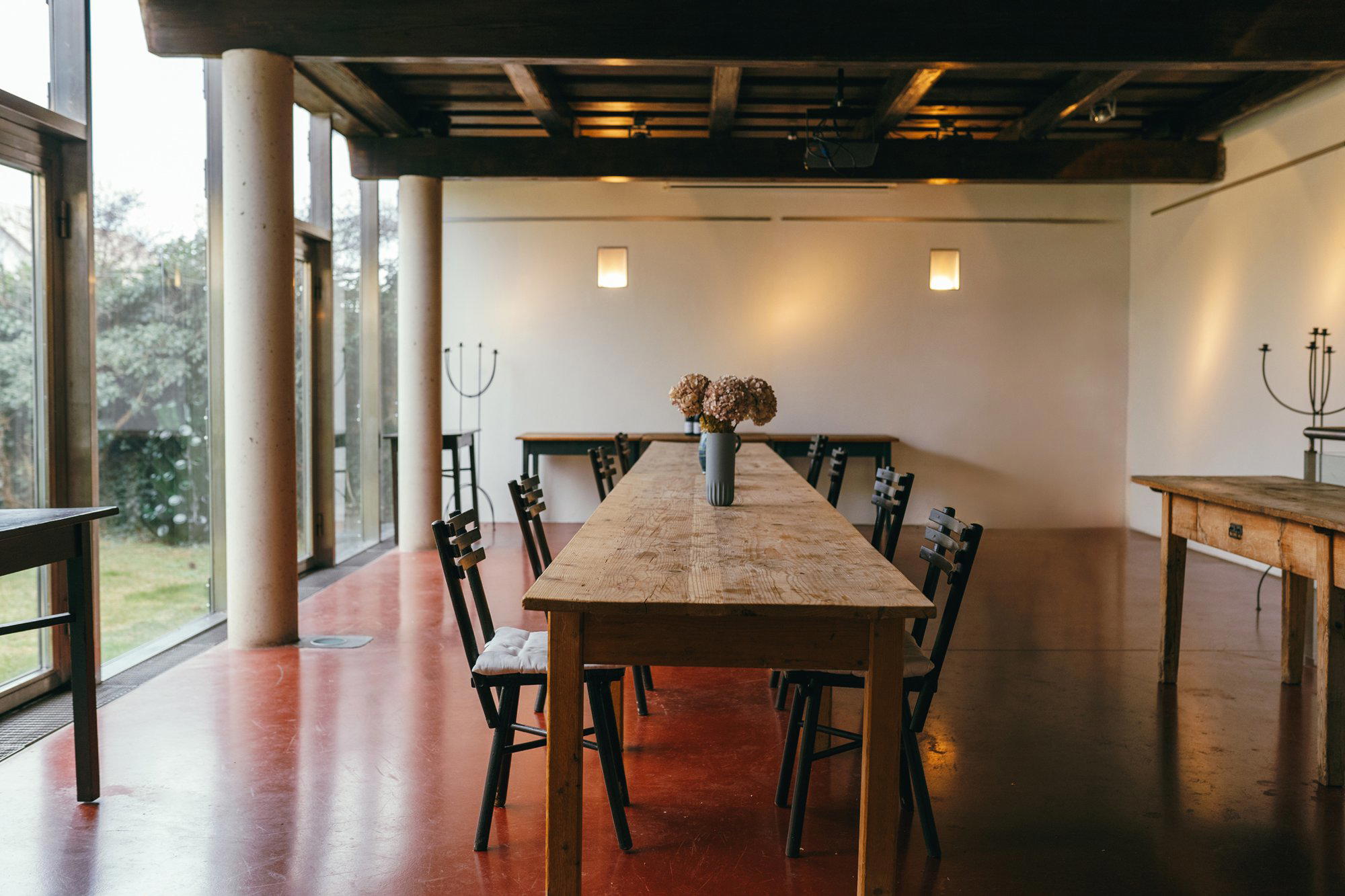
Basement dining rooms in European cities carry their own typology. The leading ones use the constraints of low ceilings and reduced natural light to create intimacy rather than to compensate for it. Sound behaves differently underground: conversation stays at the table, and the ambient register drops. In a city like Vienna, where the distinction between a serious dinner and a performative one is felt before the first course, that acoustic quality matters. A room that keeps the noise inside its own walls signals something about how the kitchen and floor expect the evening to unfold.
The address on Theobaldgasse places Downstairs within walking distance of Naschmarkt, Vienna's principal daily market, which has historically supplied independent restaurants in the surrounding districts with produce that larger central kitchens often bypass. That proximity is part of the neighbourhood's broader character, not a claim specific to this venue, but it shapes the kind of operation that finds its footing here.
The Team Dynamic as the Organizing Principle
Across Vienna's serious mid-tier restaurants, the gap between kitchen ambition and floor execution has narrowed noticeably over the past decade. At the upper end, tables like Konstantin Filippou and Mraz & Sohn have invested as heavily in sommelier depth and front-of-house knowledge as in kitchen credentials. That investment has gradually pulled expectation downward through the price tiers, so that even rooms without Michelin recognition are now assessed partly on whether the person explaining the wine list actually knows it.
At venues of Downstairs's scale and positioning, the team dynamic often becomes the defining variable. A small room means a small team, and a small team means the margin between a coherent evening and a disjointed one is narrow. When kitchen, sommelier, and floor are genuinely coordinated, the experience carries a precision that larger operations struggle to replicate. When they are not, the gaps are visible in ways they would not be across a hundred covers. Operators in Vienna's 6th district who have built durable reputations have generally done so by keeping the team compact and stable, rather than by scaling up.
This pattern is visible across Austria's serious independent restaurants, from Döllerer in Golling an der Salzach to Landhaus Bacher in Mautern an der Donau to Taubenkobel in Schützen am Gebirge. The venues that have sustained recognition over time share a common feature: the team reads as a unit, not as a collection of departments. That is a harder thing to achieve than it sounds, and it is increasingly the lens through which informed diners assess a room before any course is served.
Vienna's Independent Tier and Where Downstairs Sits Within It
Vienna's dining scene is unusual among European capitals in that its independent mid-tier has remained relatively stable while other cities have seen it hollowed out by rising costs and format consolidation. The city still supports a meaningful number of small, owner-operated rooms that sit between the casual Beisl and the formal starred restaurant. Doubek occupies one register of that space; Downstairs appears to occupy another.
For context on how this tier compares internationally: at collaborative-format restaurants like Lazy Bear in San Francisco, the team dynamic is formalized into the concept itself, with front-of-house participation built into the evening's structure. At the other end of the formality spectrum, rooms like Le Bernardin in New York City achieve coordination through institutional depth. Vienna's independent tier operates in neither mode, but the underlying ambition, a room where the floor knows the food and the kitchen knows the room, is the same.
Beyond the city, Austria's regional dining scene offers useful reference points for understanding what coherent independent operations look like. Obauer in Werfen, Ois in Neufelden, Gourmetrestaurant Tannenhof in Sankt Anton am Arlberg, Stüva in Ischgl, Kräuterreich by Vitus Winkler in Sankt Veit im Pongau, and Schwarzer Adler in Hall in Tirol each represent the kind of durable, team-built operation that the country's serious dining scene rests on. Restaurant 141 by Joachim Jaud in Mieming is another example of a small-team format producing consistent results outside the capital. The common thread is not a shared cuisine or price point but a shared structural logic: when the people in the room know each other's work, the evening holds together.
Planning Your Visit
Recognition Snapshot
Comparable venues nearby, for context on price, style, and recognition.
| Venue | Cuisine | Price | Notes |
|---|---|---|---|
| DownstairsThis venue — the venue you are viewing | Cocktail Lounge & Billiards Bar | $$ | Not listed |
| Pepper & Ginny | Vegan Deli | $$ | Innere Stadt |
| Piotrowski | Polish Pierogi | $$ | Stephansdom |
| Konzept Greissler | Regional Austrian Bakery & Deli | $$ | Landstrasse |
| Laby | Café Bar | $$ | Hernals |
| Erbsenzählerei | Organic Vegetarian Café | $$ | Margareten |
Continue exploring
More in Vienna
Restaurants in Vienna
Browse all →
Bars in Vienna
Browse all →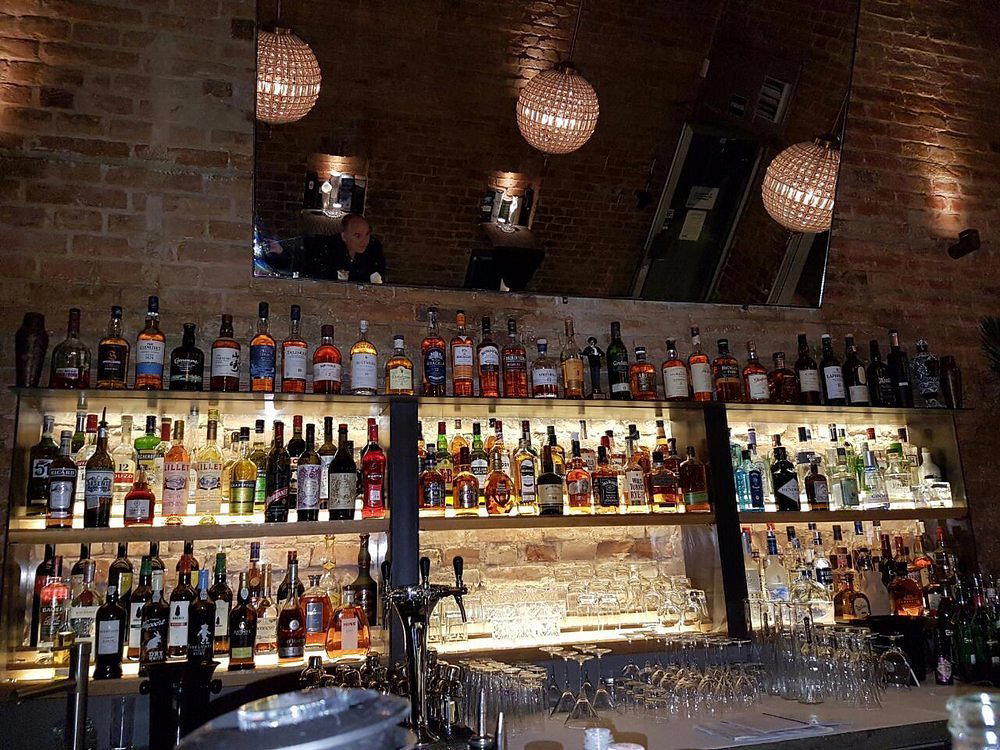

Hotels in Vienna
Browse all →
At a Glance
- Lively
- Trendy
- Casual Hangout
- After Work
- Late Night
- Craft Cocktails
Current opening hours
- Monday
- 4 PM–1 AM
- Tuesday
- 4 PM–1 AM
- Wednesday
- 4 PM–1 AM
- Thursday
- 4 PM–1 AM
- Friday
- 4 PM–2 AM
- Saturday
- 4 PM–2 AM
- Sunday
- 4 PM–12 AM
Hours can change for holidays and private events. Last verified .
Casual and relaxed during early evening hours, becoming increasingly lively and energetic as the night progresses with a focus on entertainment and social gaming.