天麩羅 佶祥 sits in Osaka's Nakazakinishi neighbourhood, a part of Kita Ward where independent specialty restaurants operate at a quieter register than the city's more commercially trafficked dining corridors. The address places it within reach of Osaka's serious dining tier, where tempura houses occupy a specific and demanding niche alongside kaiseki and sushi counters.
 Discover on Pearl
Pearl is the En Primeur Club membership app — saves, bookings, and concierge access live there. Same editors, same standards.
Nakazakinishi and the Tempura Tradition in Osaka
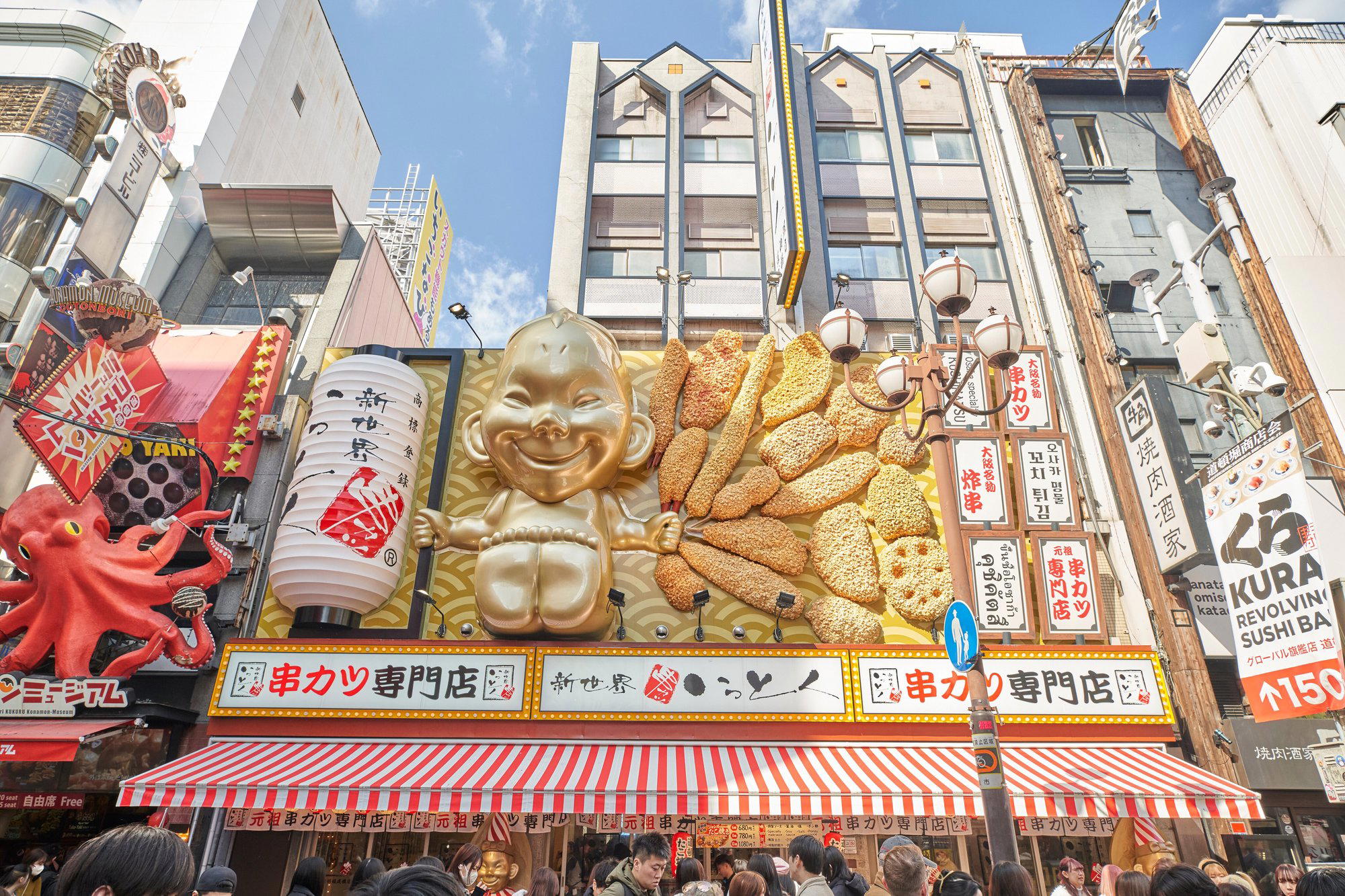
Osaka's relationship with fried food runs deeper than the tourist-facing takoyaki and kushikatsu narrative suggests. The city's tempura tradition belongs to a different register altogether: quieter, more precise, and shaped by a competition with Tokyo's own acclaimed tempura counters that has sharpened Osaka practitioners for decades. In Kita Ward's Nakazakinishi district, that tension plays out at an intimate scale. The neighbourhood sits at a remove from the Umeda station complex and the Shinsaibashi shopping corridor, and that distance is deliberate in the dining context. The restaurants that locate here tend to do so because proximity to transit crowds is not part of their offer. What replaces it is a residential-scale quietness that allows the food to become the entire event.
天麩羅 佶祥 operates at 1 Chome-6-24 Nakazakinishi, an address that places it squarely in this lower-decibel section of Kita Ward. The surrounding streets combine older low-rise buildings with a scatter of independent cafes and galleries, a neighbourhood texture that has attracted a particular kind of Osaka resident and, by extension, a particular kind of restaurant. Tempura counters in this zone do not compete on visibility. They compete on the quality of their oil temperature management, the sourcing of their seasonal ingredients, and the rigour of their batter-to-ingredient ratio.
What the Tempura Counter Format Demands
The tempura counter, as a dining format, imposes a discipline that casual restaurant contexts do not. The chef works in direct sightline of every diner. Oil temperature, the precise moment of extraction, the angle of drainage, the immediate service to the plate: all of it is visible and therefore subject to the diner's silent evaluation. This is a format that rewards skill and punishes inconsistency in a way that a kitchen-behind-closed-doors operation does not. Osaka's serious tempura practitioners understand this, and the counter format at establishments in Nakazakinishi reflects that understanding.
In Japan's broader tempura hierarchy, the form has Edo-period roots as street food, but the counter restaurant format that defines premium tempura today is a post-war development in which Tokyo's Ginza district played an outsized role. Osaka's premium tempura houses have historically operated in productive dialogue with that Tokyo lineage, sometimes trained through it, sometimes in deliberate contrast to it. The result is a tier of Osaka tempura that sits alongside kaiseki and sushi as a serious destination category for visitors who have moved past the city's famous street-food circuit. For that context in broader Kansai dining, Gion Sasaki in Kyoto and akordu in Nara illustrate how the region's specialist dining formats each carry distinct cultural weight.
Kita Ward's Dining Geography
Kita Ward contains some of Osaka's most serious dining real estate, but it distributes unevenly. The zone around Umeda and Osaka Station commands the highest foot traffic and the most commercially visible restaurants. Nakazakinishi, by contrast, functions more like an inner-neighbourhood dining district, where the density of serious independent operators is high relative to the street-level energy. This mirrors a pattern visible in other Japanese cities: the most technically demanding restaurants often locate in residential-adjacent zones where rent structures allow the investment to go into the food rather than the frontage.
Within Osaka's own dining tier, tempura sits alongside other highly technical formats. HAJIME in Osaka represents one end of the city's ambition in fine dining, while Ajikitcho Bunbuan and Ajihei Sonezaki anchor the kaiseki tradition. Tempura counters occupy a distinct space in that map: technically demanding, ingredient-driven, and structured around a format that is simultaneously more accessible in terms of price range and more specialized in terms of what it foregrounds. The comparison with Harutaka in Tokyo is instructive for understanding where the premium tempura counter sits nationally.
Seasonal Ingredient Logic in Japanese Tempura
The cultural significance of tempura at its most serious is inseparable from Japan's seasonal ingredient system. The leading tempura counters structure their menus around what is available in the immediate season, and the technical skill of the chef is partly demonstrated through the range of ingredients they can handle well. Vegetables, seafood, and mushrooms each require different oil temperatures and timing; a counter that moves fluently across all three categories is demonstrating a breadth of technical command that a narrowly fish-focused operation would not. In autumn, matsutake and shishito peppers; in winter, anago and burdock root; in spring, bamboo shoots and young greens: the seasonal rotation is not decoration but the actual architecture of the menu.
This seasonal logic connects tempura to the broader Japanese culinary principle of shun, the idea that ingredients have a peak moment that the chef's role is to honour rather than override. At serious counters, this principle functions as a constraint and a discipline. The menu is not static and cannot be memorized across visits; each season presents a different technical problem set. For international visitors comparing Japanese tempura to European frying traditions, the closest conceptual parallel might be the way a skilled fritto misto in coastal Italy tracks the season's catch, though the aesthetic register and level of formalization differ considerably. Globally, the parallel investment in technique at the very highest level can be seen in venues like Le Bernardin in New York City, where the treatment of seafood is similarly ingredient-forward and technique-led.
Osaka Dining in Context: What the Nakazakinishi Address Signals
An address in Nakazakinishi communicates something specific to a Osaka dining audience. This is not the Minami district, where volume and energy define the offer, and it is not the hotel dining tier of central Umeda. It is a neighbourhood where restaurants succeed on repeat local custom and word-of-mouth referral rather than on tourist footfall. That operating model tends to produce a specific kind of dining experience: less performative, more concentrated on the food itself, and calibrated for a customer who knows what they are looking for.
Other Osaka addresses worth noting in this context include Aka to Shiro, Az, and Calendrier, each operating in a different format but sharing the characteristic Osaka approach of putting the product ahead of the setting. For visitors building a broader Kansai itinerary, Goh in Fukuoka adds useful regional contrast. The full picture of what Osaka's dining scene offers is mapped in our full Osaka Shi restaurants guide.
Planning Your Visit
天麩羅 佶祥 is located at 1 Chome-6-24 Nakazakinishi, Kita Ward, Osaka 530-0015. Nakazakinishi Station on the Osaka Metro Tanimachi Line provides the most direct access to this part of Kita Ward. Given that specific pricing, hours, and booking methods are not confirmed in our current database, visitors are advised to verify current operating details directly before planning. Tempura counter restaurants in this tier of Osaka dining typically operate on a reservation basis, and walk-in availability at peak dining hours is limited. Arriving without a booking on a weekend evening carries meaningful risk of not being seated. For broader context on regional dining at a similar level of ambition, Atomix in New York City illustrates how counter-format restaurants with strong cultural roots operate internationally.
Cost and Credentials
A quick look at comparable venues, using the data we have on file.
| Venue | Price | Awards | Notes |
|---|---|---|---|
| å¤©éº©ç¾ ä½¶ç¥¥ | This venue | ||
| èæ¾åå¤å· | |||
| ç±³å¢ | |||
| Unagi Nishihara | |||
| Dotonbori Kukuru | |||
| Feu åæ°å° |
Continue exploring
More in Osaka Shi
Restaurants in Osaka Shi
Browse all →
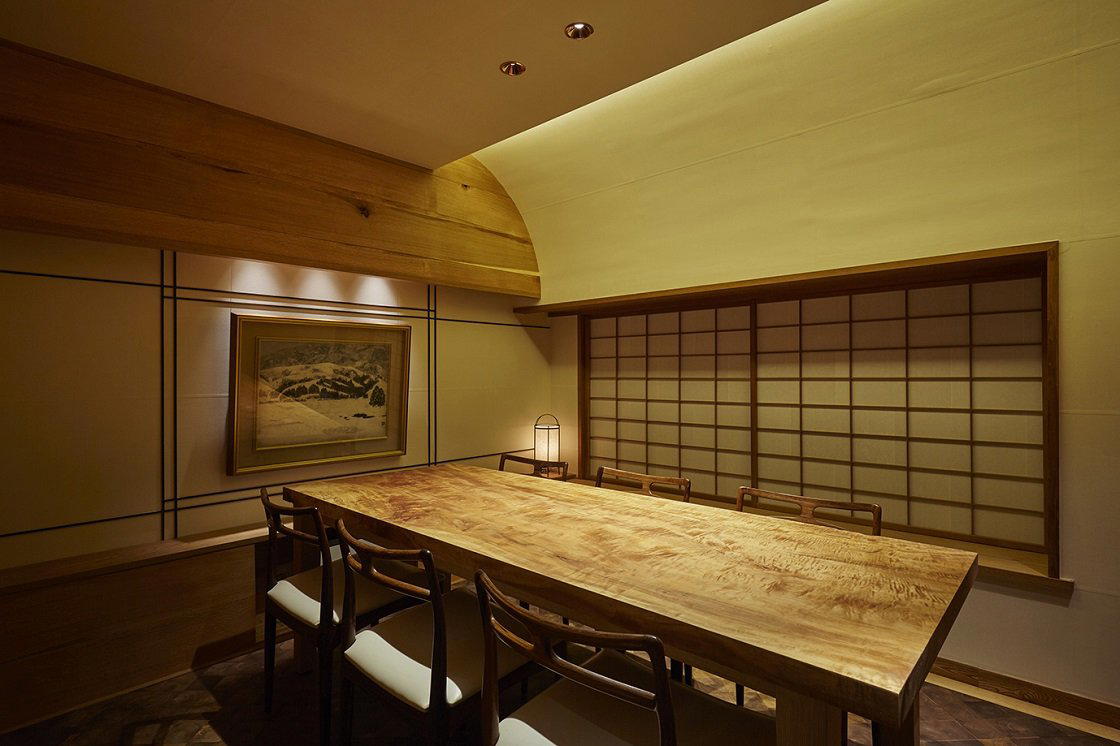

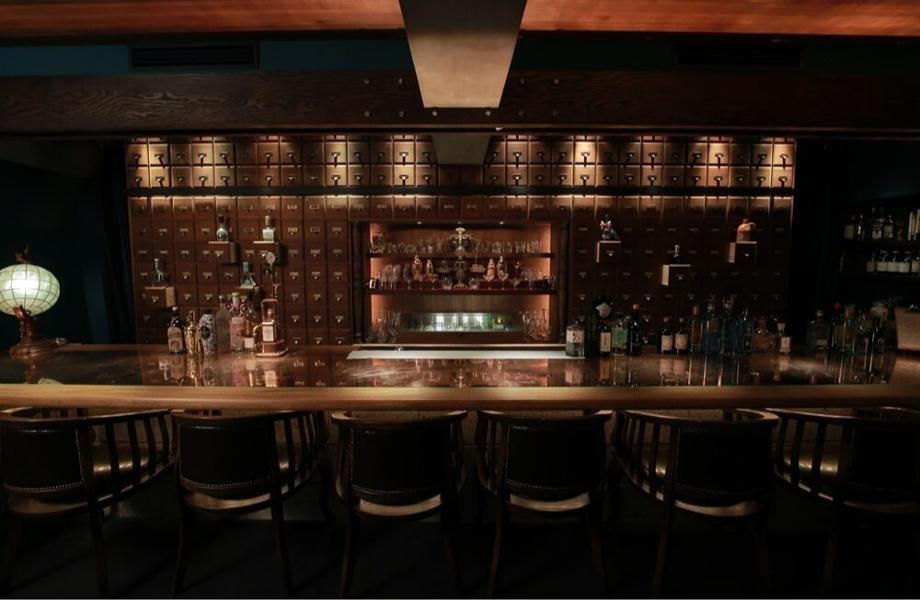
Bars in Osaka Shi
Browse all →

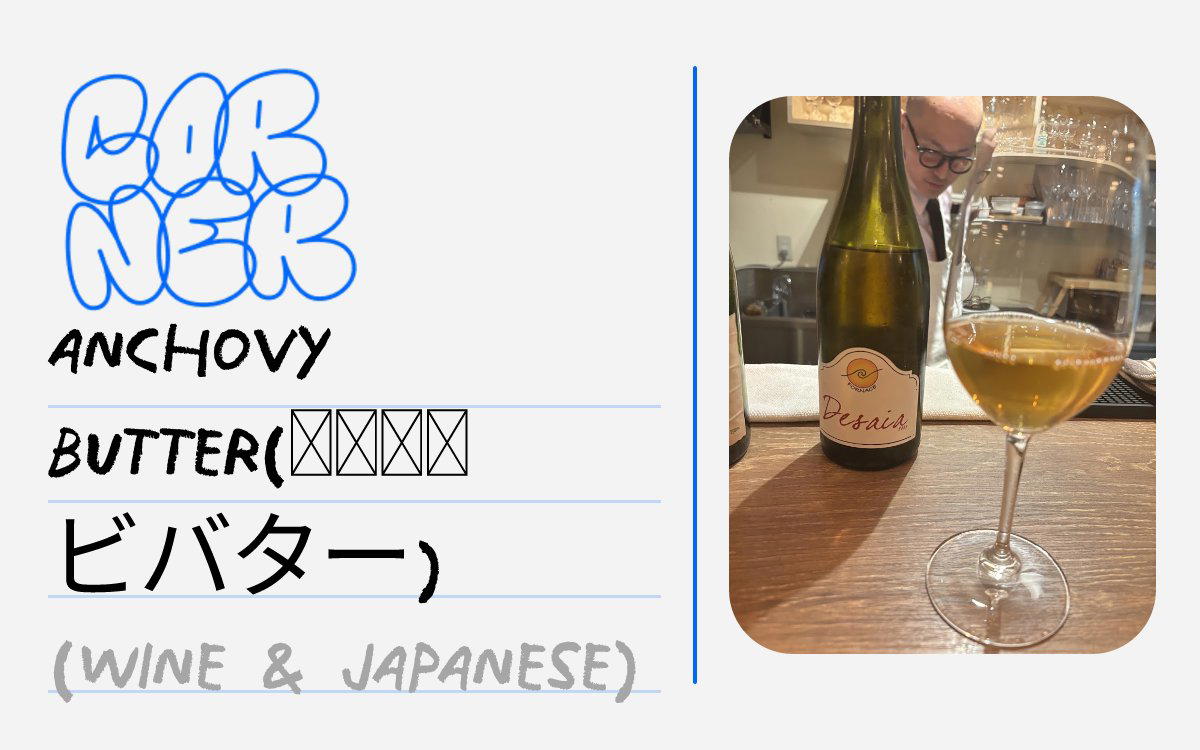

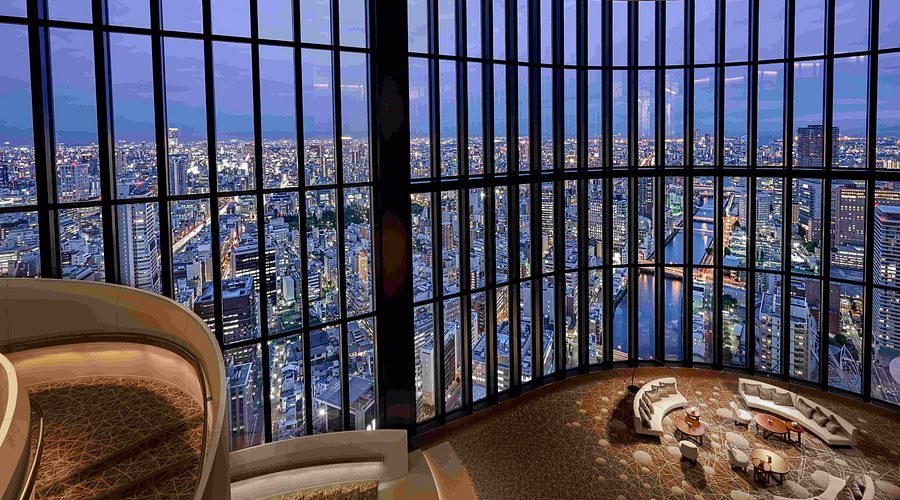
Hotels in Osaka Shi
Browse all →



Wineries in Osaka Shi
Browse all →
At a Glance
:null,