Blanched noodles tossed in a spicy meat sauce trio
 Discover on Pearl
Pearl is the En Primeur Club membership app — saves, bookings, and concierge access live there. Same editors, same standards.
- Address
- China, CN åå·ç æé½å¸ éç¾åº è¿è¡æ¥¼è¡ 46 46å·é8 é®æ¿ç¼ç
- Phone
- +8615281044619
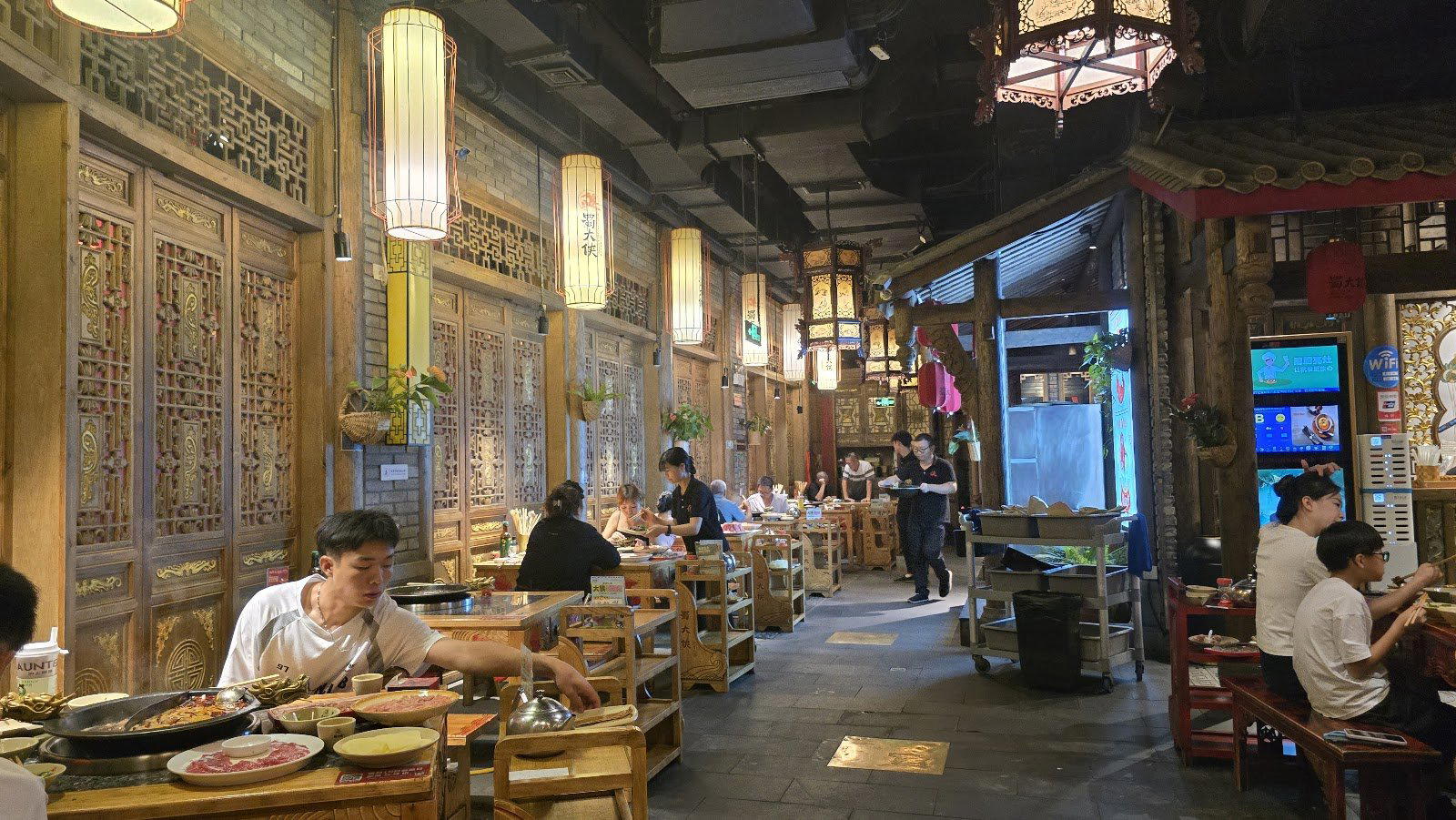
Steam, Spice, and the Morning Ritual of Chengdu Noodles
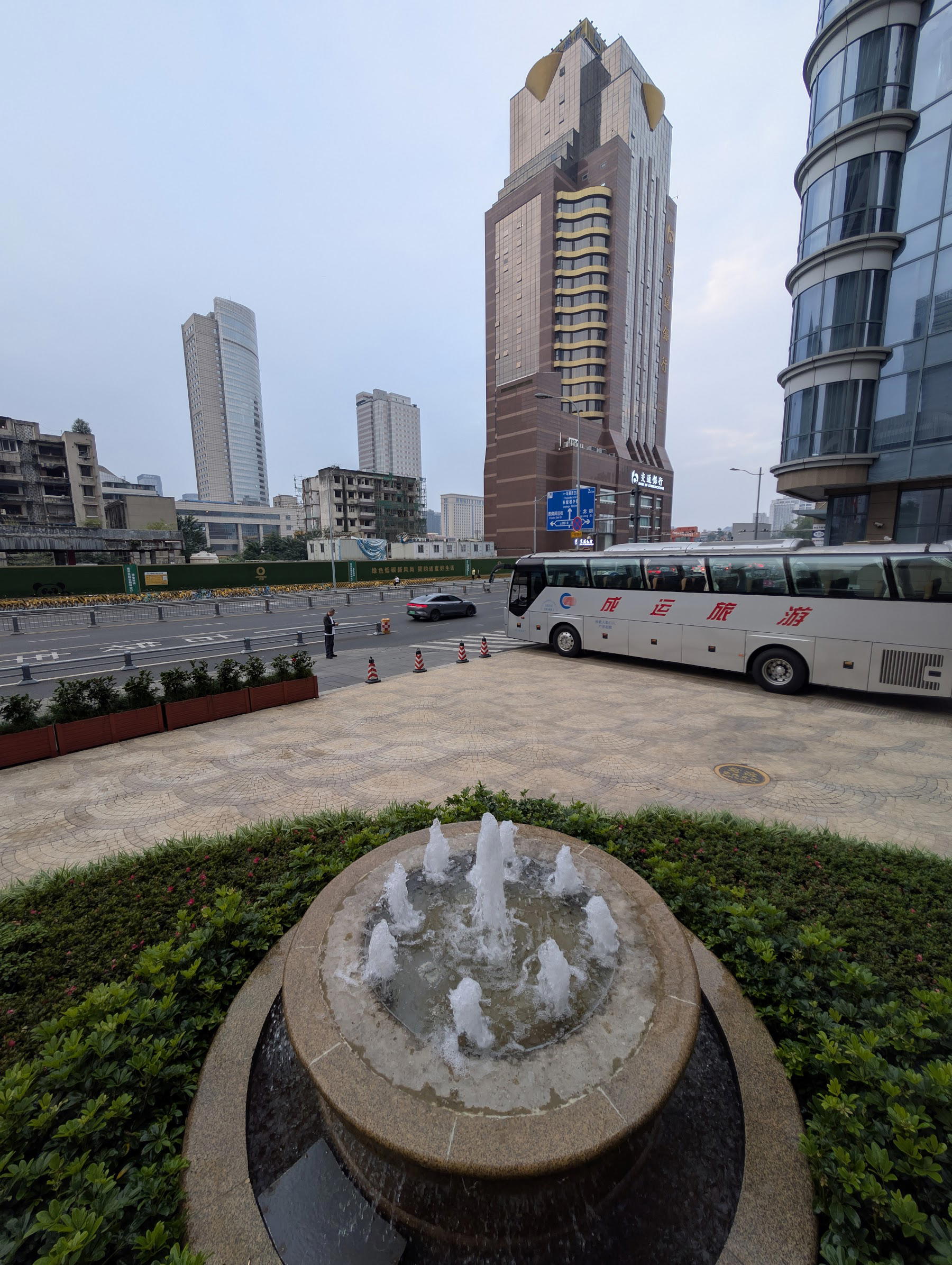
Arrive at Jiuxing Lou Street in the Qingyang District before the city has fully woken, and the smell of dried chillies hitting hot oil, the soft percussion of ladles against iron pots, and the density of steam in the lane signal you are in the right place. Chengdu's street-level noodle culture is one of the most codified in China, a tradition where regulars claim their seat by habit rather than by reservation and where the measure of a bowl is calibrated to fractions of a gram of chilli powder. Laochengdu Sanyang Noodles sits inside that tradition at 46 Jiuxing Lou Street, operating as the kind of address that neighbourhood residents treat as infrastructure rather than discovery.
Where This Fits in Chengdu's Noodle Hierarchy
Chengdu's noodle scene divides cleanly into tiers. At one end, a handful of formally structured restaurants in the ¥¥¥¥ bracket, such as Yu Zhi Lan and Xin Rong Ji, approach Sichuan cooking as a composed fine-dining proposition. At the other end, the city's neighbourhood dan dan mian counters and za jiang noodle shops operate on a logic of speed, repetition, and accumulated trust. Laochengdu Sanyang belongs squarely to that second register. The name itself signals the positioning: "Laochengdu" translates roughly as "old Chengdu," a phrase that in local restaurant branding functions as a shorthand for pre-modernisation technique, for lard-enriched sauces, for broth made from bones rather than powder, and for the particular pace of a morning spent eating slowly before work. Across the city, spots operating under this flag compete less on novelty than on consistency, and consistency is evaluated by a customer base that eats the same bowl multiple times a week.
The comparison set for this address is not Fang Xiang Jing or Fu Rong Huang, nor the white-tablecloth Sichuan houses that draw visitors from across China. It is the network of low-cost, high-frequency noodle shops that have defined Chengdu breakfast culture for generations, where a bowl rarely exceeds the price of a short taxi ride and where the transaction is completed quickly if the queue allows.
The Sensory Architecture of a Bowl
Understanding what draws a regular back to a place like this requires attending to detail at the level of texture and temperature rather than ingredient list. Traditional Chengdu noodle preparation centres on the relationship between the noodle itself, usually an alkaline wheat noodle with enough chew to hold against the sauce, and the base dressing applied before broth or additional toppings arrive. In the dan dan format, that dressing typically involves sesame paste, preserved vegetables, minced meat cooked with Shaoxing wine and sweet bean paste, and the Sichuan peppercorn oil that creates the ma (numbing) sensation distinct from the la (heat) of the chilli. These are not interchangeable. Ma arrives at the sides of the tongue and spreads; la builds from the back of the throat. A well-calibrated bowl delivers both in sequence rather than simultaneously, which is what separates a practised kitchen from one that simply adds heat.
The room at an address like this operates on entirely different cues than a formal dining space. Stools rather than chairs, shared tables, the sound of porcelain against formica, the visual shorthand of hand-written boards listing the day's options. The atmosphere is produced not by design but by repetition: the same staff, the same preparation sequence, the same clientele returning to the same seats. In a city where imported regional cuisines now share street space with long-established Sichuan formats, places anchored in the Laochengdu mode represent a continuity that the city's rapidly developing dining scene actively works around rather than replaces.
Timing and the Logic of the Chengdu Morning
The noodle shop format in Chengdu is primarily a morning institution, with peak activity running from roughly 7am through to mid-morning. By the time lunch service at mid-range restaurants begins, many neighbourhood noodle counters have already cycled through the bulk of their daily preparation. Visiting outside that window at a place operating in this tradition risks finding reduced options or a kitchen winding down rather than scaling up. Seasonal timing also matters: winter months, when Chengdu sits under its characteristic grey low-pressure sky, push demand for warming broth-heavy formats, while summer visits bring lighter cold-noodle variations into rotation across the city's traditional shops.
Travellers arriving from other major Chinese dining cities will recognise the format's logic even if the flavour profile differs sharply. The breakfast noodle culture that drives places like this in Chengdu has rough parallels in the beef brisket noodle shops of Guangzhou (see Imperial Treasure Fine Chinese Cuisine for that city's formal register) and in the morning congee counters of Nanjing near Dai Yuet Heen. The underlying social function is consistent: inexpensive, fast, high-frequency, neighbourhood-anchored. What distinguishes the Chengdu version is the complexity of the spice profile, which requires more preparation than most equivalent formats in other regions.
Planning Your Visit
Laochengdu Sanyang Noodles is located at 46 Jiuxing Lou Street (迎晖路楼街46号) in the Qingyang District of Chengdu. No reservation system applies at this category of address; the model is walk-in, and the practical strategy is arrival early in the morning before queue length peaks. Price points at this tier in Chengdu's noodle market run low, consistent with the ¥ bracket that characterises the neighbourhood noodle shop category. No website or advance booking channel has been confirmed.
City Peers
Comparable venues nearby, for context on price, style, and recognition.
| Venue | Cuisine | Price | Notes |
|---|---|---|---|
| Laochengdu Sanyang NoodlesThis venue — the venue you are viewing | Authentic Sichuan Noodles | $ | |
| Chuan Yang Guan Noodle Shop | Authentic Sichuan Noodles | $ | Qingyang District |
| Chen's Mapo Doufu (陈麻婆豆腐) | Authentic Sichuan Mapo Tofu | $ | Qingyang |
| Xiaomingtang Dandantian Shuimian | Traditional Sichuan Noodles | $ | Chengdushi |
| 十二桥包子店 | Traditional Chinese Steamed Buns | $ | central Chengdu |
| Chun Yang Guan (纯阳馆) | Traditional Sichuan Noodles | $$ | Jinjiang District |
At a Glance
- Classic
- Rustic
- Hidden Gem
- Casual Hangout
- Family
- Standalone
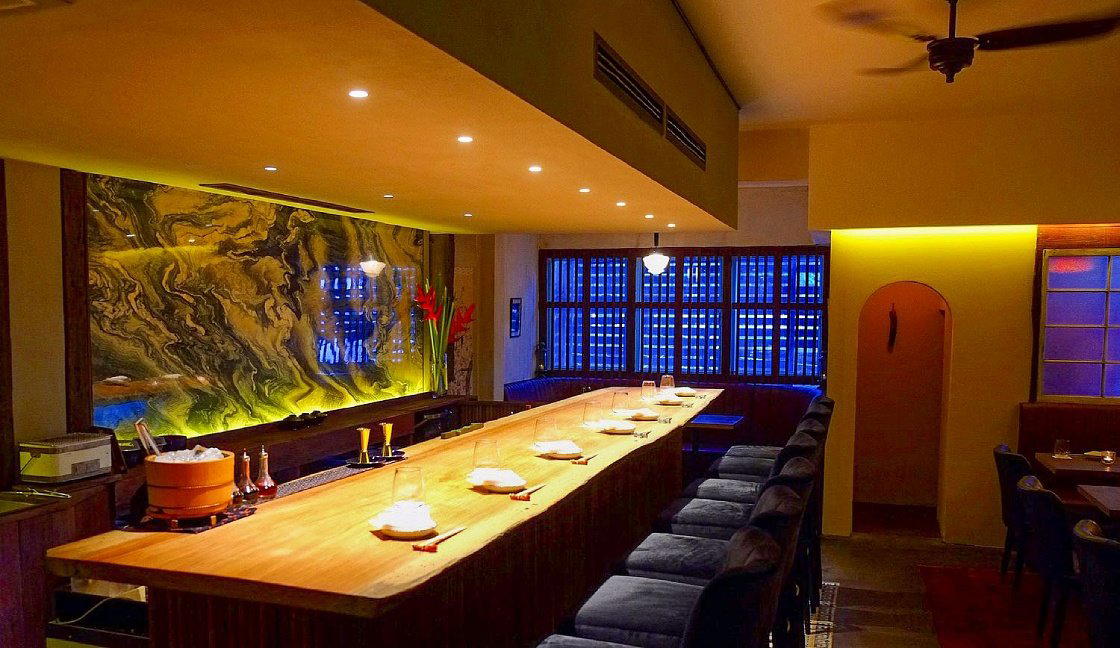
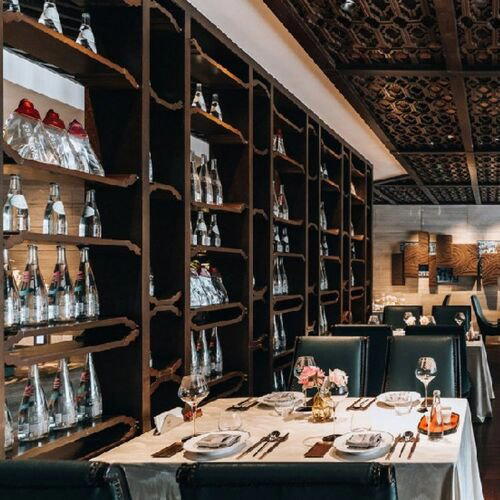
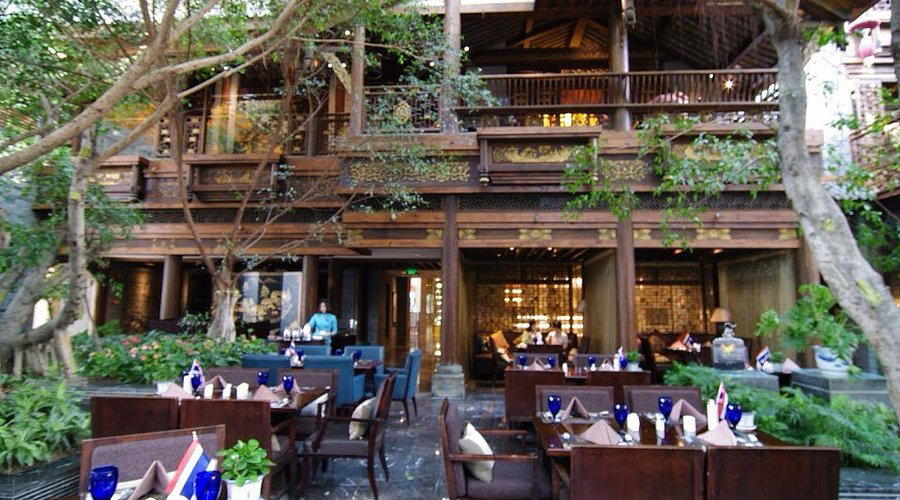
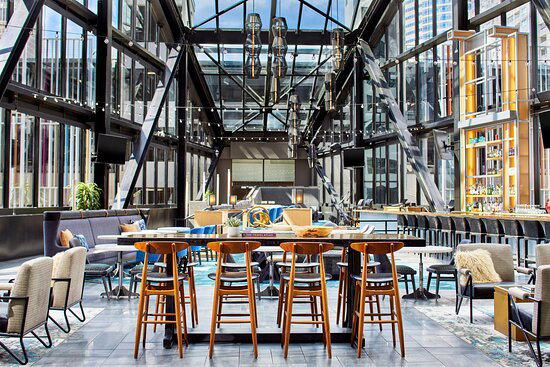
No-frills, simple local setup focused on the food with a welcoming, traditional atmosphere.