
A no-frills Chengdu small-plates counter on Yulin South Road where regulars return for rabbit head and duck head in mala marinade alongside pork trotter soup, chicken soup rice, and cold skewers steeped in chilli oil and Sichuan pepper. This is the kind of neighbourhood spot that defines everyday eating in Wuhou, priced and pitched for locals rather than tourists. Arrive with an appetite for bold, numbing heat.
Pearl is the En Primeur Club membership app — saves, bookings, and concierge access live there. Same editors, same standards.
- Address
- J3G8+W37, Yulin E St, 人民南路南延线休闲餐饮一条街 Wuhou District, Chengdu, Sichuan, China, 610044
- Phone
- +86 28 8557 4180
- Directions
- Get directions
 Saves & bookings on Pearl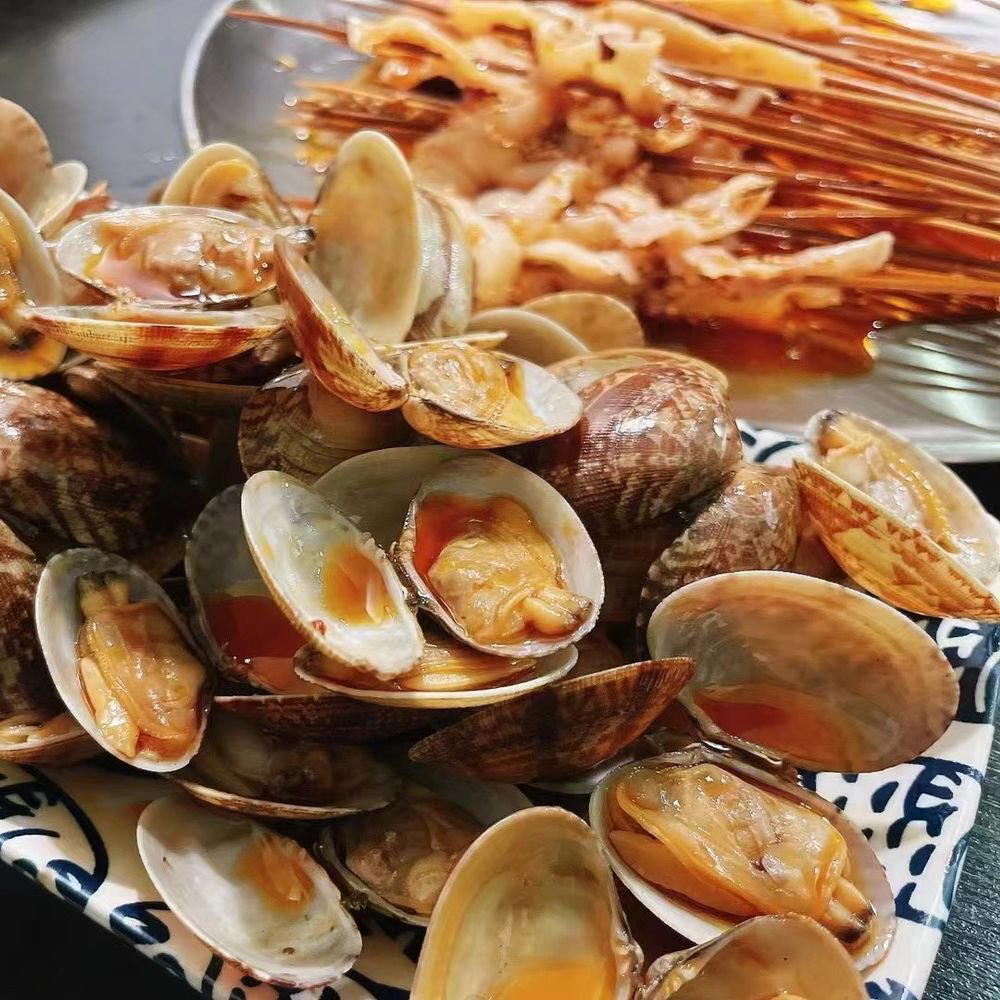
Yulin South Road and the Logic of Chengdu's Neighbourhood Food Shops
Chengdu's dining identity is not built on its fine-dining addresses alone. The city's real culinary character lives in the dense residential neighbourhoods of Wuhou, where street-level shops serve the kind of food locals eat several times a week: cold skewers, mala-marinated offal, slow-simmered soups. Yulin South Road sits inside that tradition, a district known for casual, high-turnover eating where the clientele is almost entirely neighbourhood regulars and where a queue outside means the food earns it. Tan Jia operates at that register, at Yulin E St in Wuhou District, and the format is immediately readable: no-frills room, a focused menu built around Sichuan's most assertive flavours, and a customer base that knows exactly what it came for.
That context matters when deciding how to approach this kind of stop. Compared with the formal tasting-menu tier occupied by spots like Yu Zhi Lan (Sichuan) or the refined regional cooking at Xin Rong Ji (Taizhou), Tan Jia sits at the opposite end of the formality spectrum. There is no booking architecture to decipher, no tasting format. The comparison set is the handful of similar Sichuan small-plate shops scattered through Wuhou and Jinjiang, and within that set, Tan Jia's mala-marinated rabbit and duck heads have built a reputation strong enough to generate repeat traffic and word-of-mouth credibility.
What Gets Ordered and Why
Rabbit head is one of Chengdu's most city-specific eating rituals. It reads as confrontational from outside the culture and as completely ordinary from inside it. The preparation at Tan Jia follows the mala-marinade tradition: the head is slow-cooked and steeped in a stock built around dried chillies, Sichuan pepper, and a range of aromatics that vary by shop. The result is eating that is architectural in its own way, requiring patience and familiarity with which parts reward the effort. Duck head follows the same logic. Regulars treat both as the point of the meal; first-timers can take them as an orientation into how Chengdu handles offal, which is with the same careful seasoning it applies to everything else.
For those who want to start elsewhere, the menu reaches beyond the heads. Pork trotter soup is a long-cooked, collagen-heavy preparation that sits in a different register entirely, mild and restorative against the background heat of the rest of the menu. Chicken soup rice is the same: a simple bowl that makes sense as an anchor for a meal built around sharper flavours. The cold skewers carry a broader range of proteins and textures. Chicken, beef tripe, and celtuce (a variety of stem lettuce common in Sichuan cooking) arrive already steeped in a chilli-oil and Sichuan pepper stock. The numbing-heat balance in that stock is the central technical question in any mala preparation, and the regulars who return to Tan Jia are, implicitly, voting on how that balance has been resolved here.
This approach to small plates is worth understanding in context. Chengdu's cold-skewer and mala traditions sit in a different category from the delicate, labour-intensive preparations you find at Fang Xiang Jing (Sichuan) or the banquet-format cooking at Fu Rong Huang (Sichuan). The appeal here is calibrated heat, good-value eating, and the kind of communal informality that makes Chengdu's neighbourhood food scene among the more interesting in mainland China for a certain kind of traveller.
The Booking Experience: Planning and Logistics
There is no conventional booking infrastructure to manage for a shop at this level. No reservation platform, no months-long waitlist, no concierge intermediary. The planning logic is simpler: you show up, you assess the queue, and you decide whether to wait. Timing matters more than advance planning. Mid-morning and mid-afternoon visits between meal rushes are likely to move faster than peak lunch and dinner windows, when the neighbourhood crowd arrives in volume. Arriving early in a service period is the practical equivalent of a reservation here.
This stands in sharp contrast to how you would approach the fine-dining tier of Chengdu's restaurant scene, where booking windows of several weeks are standard, and where forward planning is the primary variable in whether you eat at all. For travellers building an itinerary around Chengdu, the useful approach is to anchor the schedule around the harder-to-access addresses and let a stop at Tan Jia flex around them. It does not require the same logistical commitment as, say, securing a seat at a formal tasting counter, but it does reward arriving with some knowledge of what you want to order, since the menu format assumes a level of familiarity that guidebook readers may not have.
For reference points elsewhere in China, the formal end of the regional Chinese dining spectrum is well represented by addresses such as Xin Rong Ji (Xinyuan South Road) in Beijing, Ru Yuan in Hangzhou, and Imperial Treasure Fine Chinese Cuisine in Guangzhou. Further afield, Chef Tam's Seasons in Macau and Dai Yuet Heen in Nanjing represent the high-formality end of Chinese fine dining in their respective cities. For those travelling internationally, 102 House in Shanghai sits at a different but comparably interesting register. Beyond the Chinese circuit, Le Bernardin in New York City and Emeril's in New Orleans illustrate how different cities build their fine-dining identities from a distinct local base, a useful frame for understanding why Chengdu's neighbourhood-level cooking matters as much as its Michelin-tracked addresses.
Budget Reality Check
Comparable venues nearby, for context on price, style, and recognition.
| Venue | Cuisine | Price | Awards |
|---|---|---|---|
| Tan Jia (Wuhou)This venue — the venue you are viewing | Not listed | $ | Michelin Plate |
| Member | Chengdushi, Traditional Chengdu Noodles | $ | Michelin Plate |
| Zhu Ji Zhi Mian Pu | Chengdushi, Traditional Sichuan Noodles | $ | Bib Gourmand |
| Qie Fang Xiang | Chengdushi, Home-Style Sichuanese | $$ | Michelin Plate |
| Wan San Mian Guan (Qinglongzheng Street) | Chengdushi, Yibin-Style Ranmian Noodles | $ | Bib Gourmand |
| Chaimen Gong Guan | Chengdushi, Modern Sichuanese | $$ | Michelin Plate |
Recognition history
Dated appearances from independent guides and award organizations, with the underlying list record or original source where available.
Michelin Plate
Michelin · 2026 Michelin Plate


At a Glance
- Cozy
- Casual Hangout
- Standalone
Current opening hours
- Monday
- 10 AM–10 PM
- Tuesday
- 10 AM–10 PM
- Wednesday
- 10 AM–10 PM
- Thursday
- 10 AM–10 PM
- Friday
- 10 AM–10 PM
- Saturday
- 10 AM–10 PM
- Sunday
- 10 AM–10 PM
Hours can change for holidays and private events. Last verified .
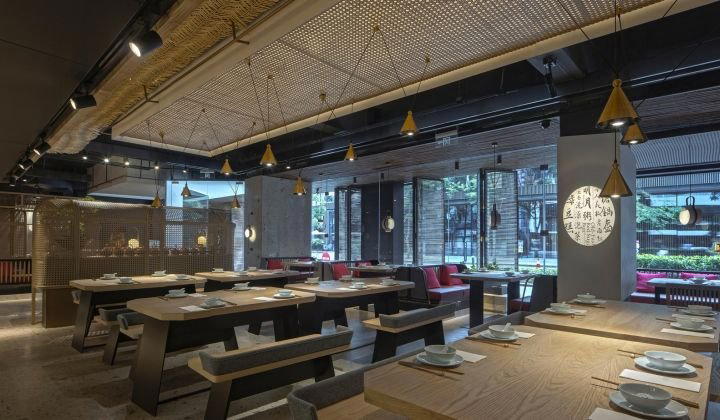
Casual, unpretentious atmosphere in a small local eatery.