
Tan Jia is a Michelin Plate-recognised small eats address in Chengdu's Qingyang district, operating at the single-¥ price tier where Sichuan street food tradition meets a level of consistency that earns independent critical attention. For a city where the gap between neighbourhood snack culture and formal dining can be vast, Tan Jia occupies a position that rewards visitors willing to eat the way locals actually do.
Pearl is the En Primeur Club membership app — saves, bookings, and concierge access live there. Same editors, same standards.
- Address
- China, CN 四川省 成都市 青羊区 二环路西二段 87 87号附4 邮政编码: 610074
- Phone
- +86 155 2073 3005
- Directions
- Get directions
 Saves & bookings on Pearl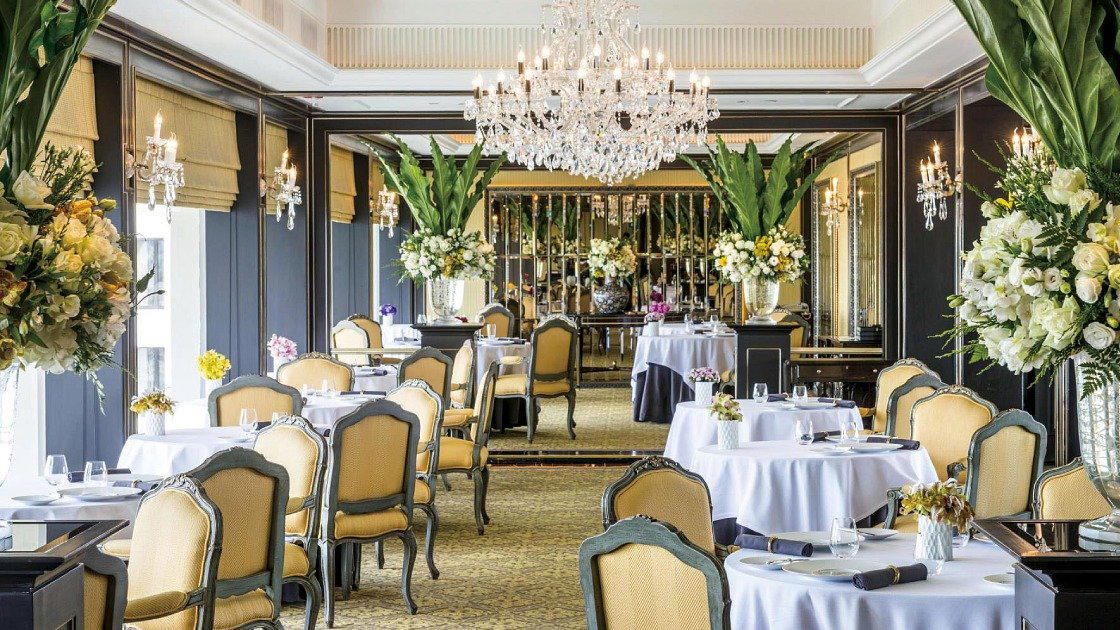
Street Food Seriousness: How Chengdu's Small Eats Scene Earned Its Credentials
Chengdu has a longer and more codified street food culture than almost any other city in China. The category known as xiaochi, small eats, snacks, quick bites, is not a secondary tier below proper restaurant dining here; in many neighbourhoods, it is the primary tier. Stalls and compact shopfronts serving dan dan noodles, zhong shui jiao, and cold-dressed offal have occupied the same streets for generations, and the city's residents treat them with the same critical attention that diners in other cities reserve for tasting menus. Tan Jia, sitting in the Qingyang district on the western side of the Second Ring Road, belongs to this tradition, and its 2024 Michelin Plate recognition confirms its standing.
The Qingyang District: Where the City Eats Without Ceremony
The western stretch of Chengdu's Second Ring Road runs through a part of the city that has historically attracted workaday dining rather than destination restaurants. Qingyang sits west of the Jinjiang river and away from the more photographed tourist corridors around Jinli and Kuanzhai Xiangzi. That distance from the heritage tourism circuit is relevant: the small eats operations that have endured here have done so on the strength of repeat neighbourhood custom, not foot traffic from visitors following a guidebook trail. A Michelin Plate at this address, in this part of the city, signals something about earned local authority rather than cultivated visibility.
Daytime Eating vs. Evening Eating: A Meaningful Divide
In Chengdu's small eats culture, the gap between lunch and dinner service carries more weight than it does in formal restaurant settings. The early and midday hours are when the city's snack tradition functions at its most unadorned: queues form early, portions are sized for speed, and the offer is narrow because the kitchen has been running since before most restaurants open their doors. Chilli oil settles differently in the cold morning air. Bone broth concentrates through the morning's slow work. The logic of daytime xiaochi is efficiency and intensity, two or three items, eaten standing or at a shared table, before returning to work or a walk through the neighbourhood.
Evening service at venues in this category tends to shift register in a way that is easy to miss if you only visit once. Turnover slows, the mix of customers changes, and the venue functions less as a fuel stop and more as a casual gathering point. The food itself may not change, but the experience around it does. For Tan Jia, operating at the single-¥ tier, the daytime visit is probably the more representative one: faster, louder, and closer to the cooking's natural rhythm. Evening visits at this price tier across Chengdu tend to attract a younger crowd lingering longer over the same dishes.
This lunch-versus-dinner dynamic is less pronounced at the city's more formal addresses. At Yu Zhi Lan, operating at the ¥¥¥¥ tier with Sichuan haute cuisine credentials, the service rhythm is consistent across both services by design. Similarly, Xin Rong Ji, the Taizhou-rooted restaurant operating at ¥¥¥¥ in Chengdu, runs a format where the kitchen's output does not vary by service time. At the small eats level, the kitchen's tempo is the whole experience.
What a Michelin Plate Means in This Context
The Michelin Plate designation, introduced to signal restaurants that serve food meeting Michelin's quality criteria without reaching star level, functions differently depending on where it appears. At a ¥¥¥¥ tasting menu restaurant, the Plate can read as a stepping-stone marker. At a single-¥ small eats counter in Qingyang, it reads as a category statement: this is a kitchen whose technique and consistency warrant attention from food critics who are used to working across different formats. The 2024 Plate awarded to Tan Jia places it in company with other Chengdu operations flagged for quality, including Fang Xiang Jing and Fu Rong Huang, while maintaining a price point accessible to anyone eating in the city.
Where Tan Jia Sits in Chengdu's Price Tier Spread
Chengdu's restaurant scene covers a wider price spread than its reputation as a street food city might suggest. The presence of premium Sichuan operations at the ¥¥¥¥ tier demonstrates that the city supports formal dining at full regional prices. The restaurant, at a single ¥, occupies the opposite end of that spread, where the competitive set is not other Michelin-recognised venues but the dozens of unlisted small eats counters that surround it. Its distinction within that peer group is what the Plate recognises. That said, the single-¥ tier in Chengdu is not a compromise, it is where some of the city's most technically consistent cooking happens, because the dishes are simple enough that execution variance shows immediately.
Planning a Visit
The restaurant operates at 87 Erhuanlu Xier Duan, Qingyang district, Chengdu (邮政编码: 610074). No booking method, published phone number, or website is available, and queuing is the de facto reservation system. The ¥ price tier means the full financial risk of a wasted trip is minimal.
Qingyang is accessible by metro on Line 4, which connects to central Chengdu and the railway hub at Chengdu East. For premium Chinese dining further afield, Xin Rong Ji in Beijing, 102 House in Shanghai, Ru Yuan in Hangzhou, Chef Tam's Seasons in Macau, Imperial Treasure Fine Chinese Cuisine in Guangzhou, and Dai Yuet Heen in Nanjing represent the formal end of regional Chinese dining across major cities. The restaurant is the other end of the same spectrum, and in Chengdu, that end is where the food culture began.
Frequently Asked Questions
What is the signature dish at Tan Jia?
The 2024 Michelin Plate recognises the kitchen's overall consistency rather than any single dish. If you want to eat correctly at a venue in this category, order what the table next to you is having. For Sichuan small eats with a wider confirmed menu, Fang Xiang Jing is another Michelin-recognised address in the city worth cross-referencing.
Is Tan Jia reservation-only?
No reservation infrastructure, phone, website, or booking platform, is recorded for the restaurant, which is consistent with how single-¥ small eats venues across Chengdu typically operate. If the 2024 Michelin Plate has increased demand, expect queuing rather than pre-booking as the primary friction point. The price tier means this is not the kind of meal that requires weeks of planning, the practical approach is to show up, particularly at the start of a service, when the kitchen is at its freshest and the queue has not yet formed. For venues in Chengdu at higher price points where advance booking is essential, Yu Zhi Lan and Xin Rong Ji both warrant planning ahead.
A Quick Peer Check
Comparable venues nearby, for context on price, style, and recognition.
| Venue | Cuisine | Price | Awards | Notes |
|---|---|---|---|---|
| Tan JiaThis venue — the venue you are viewing | Authentic Chengdu Small Plates | $ | Michelin Plate | Not listed |
| Tan Jia (Wuhou) | Authentic Chengdu Small Plates | $ | Michelin Plate | Chengdushi |
| 十二桥包子店 | Traditional Chinese Steamed Buns | $ | Not listed | central Chengdu |
| Bainian Fenzheng Beef | Traditional Sichuan Beef | $ | Not listed | Chengdushi |
| Qie Fang Xiang | Home-Style Sichuanese | $$ | Michelin Plate | Chengdushi |
| Nan's Gourmet | Refined Cantonese | $$$ | Michelin Plate | Chengdushi |
Recognition history
Dated appearances from independent guides and award organizations, with the underlying list record or original source where available.
Michelin Plate
Michelin


At a Glance
- Intimate
- Solo
- Casual Hangout
- Standalone
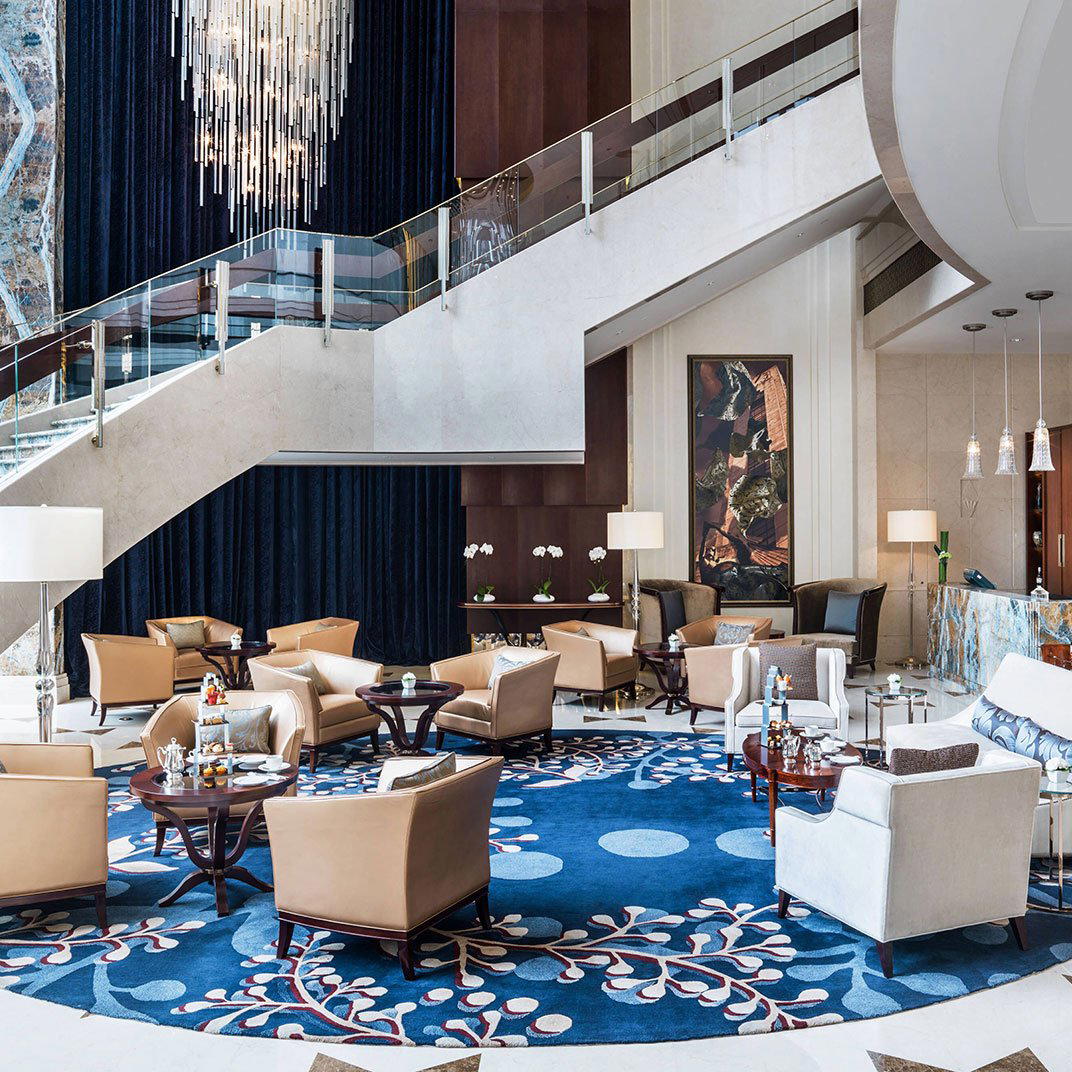
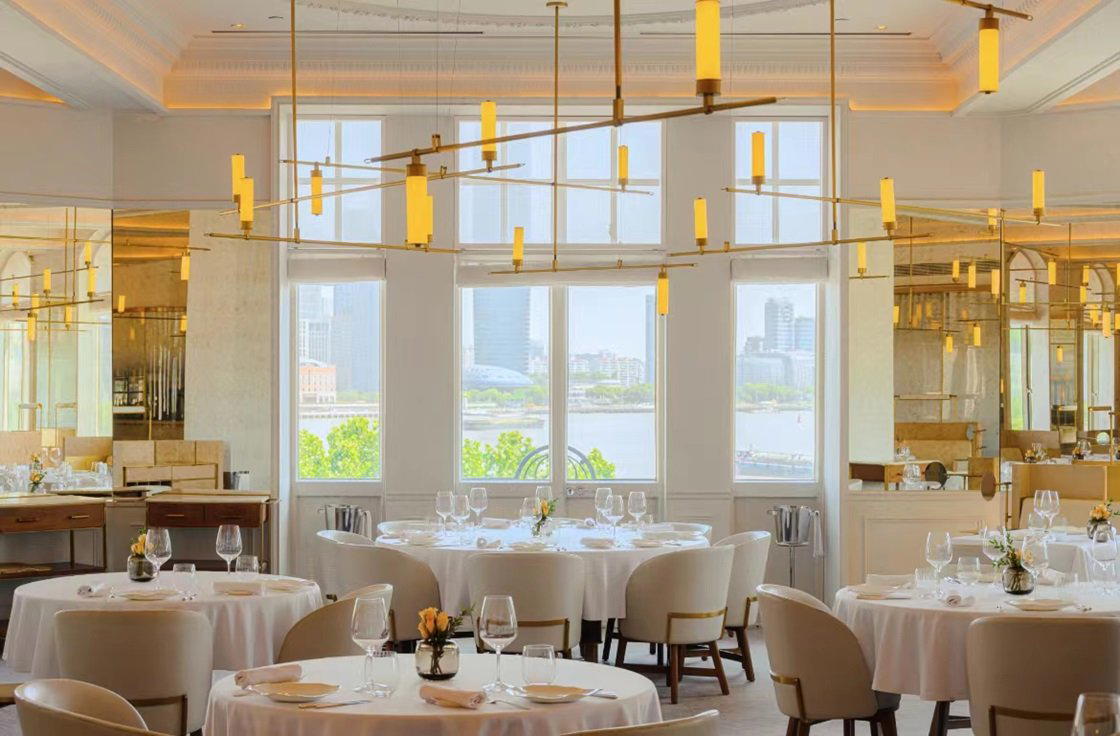
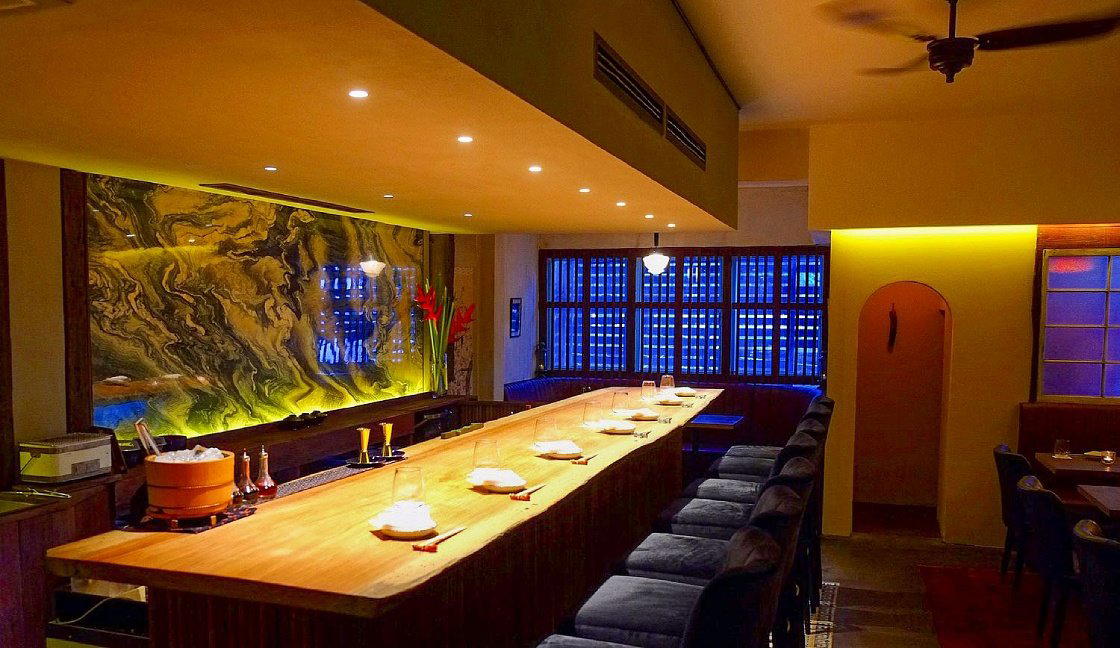
Compact and deliberately understated space with monastic restraint, focusing on flavor over decor.