
Baika Tei puts Nagahama’s ramen culture in a sharper regional frame: small-format, ingredient-led, and serious enough to earn selection in Tabelog’s Ramen WEST “Tabelog 100” for 2023, 2024, and 2025. The appeal is not luxury theatre, but a focused noodle shop whose reputation sits beside the city’s better-known sushi, soba, and lake-country cooking traditions.
Pearl is the En Primeur Club membership app — saves, bookings, and concierge access live there. Same editors, same standards.
- Address
- 1031-3 Oinuicho, Nagahama, Shiga 526-0043, Japan
- Phone
- +81 749-65-6450
- Website
- baikatei.net
- Directions
- Get directions
 Saves & bookings on Pearl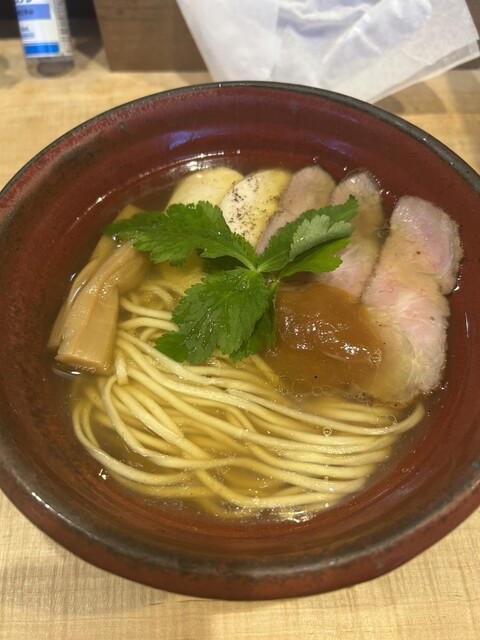
Approaching a serious ramen shop in a provincial Japanese city rarely carries the choreography of high dining. The signal is usually quieter: a compact room, a short service window, counter seats in view, and a menu built around broth, noodles, tare, and the timing of the bowl rather than ceremony. In Nagahama, where Lake Biwa’s northern edge has long shaped local eating habits, Baika Tei belongs to that practical school of excellence. The point is not spectacle. It is whether a low-priced bowl can show the same discipline that diners now expect from sushi counters, soba rooms, and kaiseki kitchens across Shiga.
That context matters because Nagahama is not a ramen-only destination. The city’s dining map stretches from sushi at Kyogokuzushi to soba at Teuchi Soba Mitani, chicken cooking at Torikita Honten, and the more contemporary register of SOWER (Innovative). Ramen has to compete with those traditions on clarity rather than price escalation. Baika Tei’s repeated selection for Tabelog’s Ramen WEST “Tabelog 100” in 2023, 2024, and 2025 places it in the regional conversation for western Japan ramen, not merely as a convenient local stop.
Ramen in Nagahama, judged by broth discipline rather than theatre
Ingredient sourcing is the quiet engine of ramen. Even when a shop does not publish a farm-by-farm manifesto, the category depends on sourcing decisions at every level: wheat for the noodles, bones or seafood for the soup base, soy sauce or salt for tare, aromatics, rendered fat, and toppings that can either sharpen or blur the bowl. In cities with stronger tourist flows, ramen often becomes a queue performance. In Nagahama, the more persuasive test is whether the bowl can carry enough detail to justify a trip between the city’s other food addresses.
Baika Tei works across ramen, tsukemen, abura-soba, and maze-soba, which matters because those formats expose different weaknesses. Soup ramen tests integration: stock, seasoning, fat, noodle texture, and temperature all have to resolve quickly. Tsukemen separates noodle and dipping broth, making wheat character and sauce concentration harder to hide. Abura-soba and maze-soba remove the soup safety net altogether, shifting attention to tare, oil, and mixing structure. A shop that is recognized across this category is being judged on more than one comfortable house style.
The better comparison inside Nagahama is not only with other noodle shops. Teuchi Soba Mitani sits in the same accessible price tier, but soba and ramen ask different questions of grain. Soba foregrounds buckwheat fragrance and cut; ramen pushes wheat elasticity against stock and seasoning. Torikita Honten, also in an approachable bracket, represents the city’s everyday restaurant culture from another angle. The restaurant’s relevance is that it gives Nagahama a ramen address with regional recognition while remaining part of the city’s casual dining fabric.
A small room for a broad noodle vocabulary
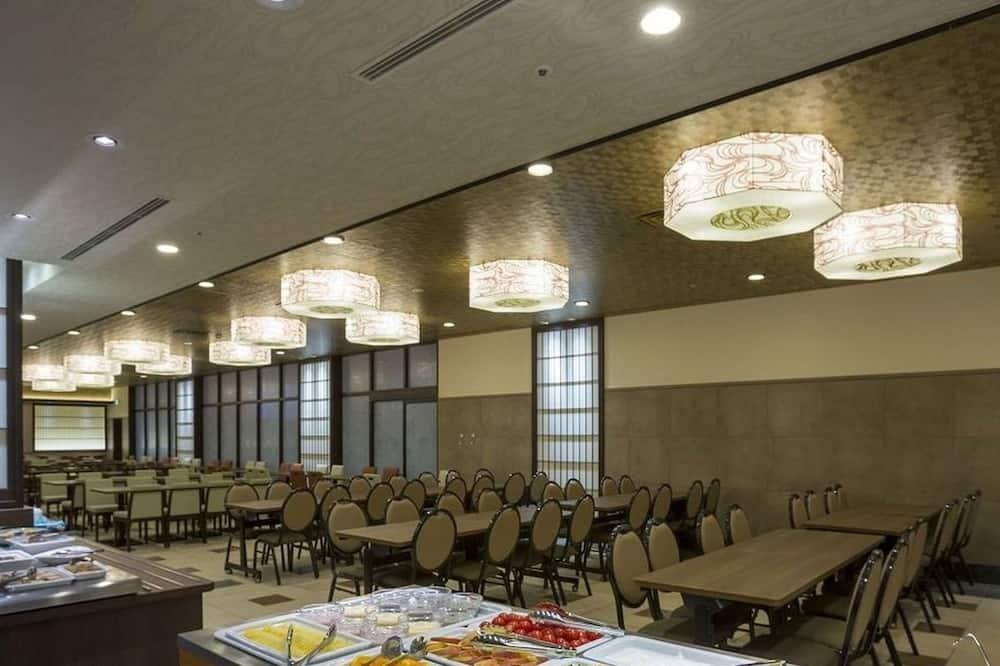
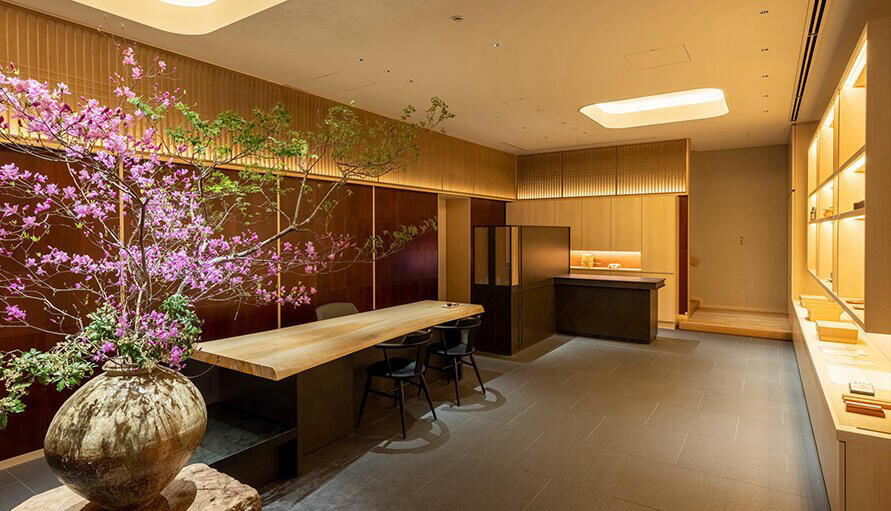
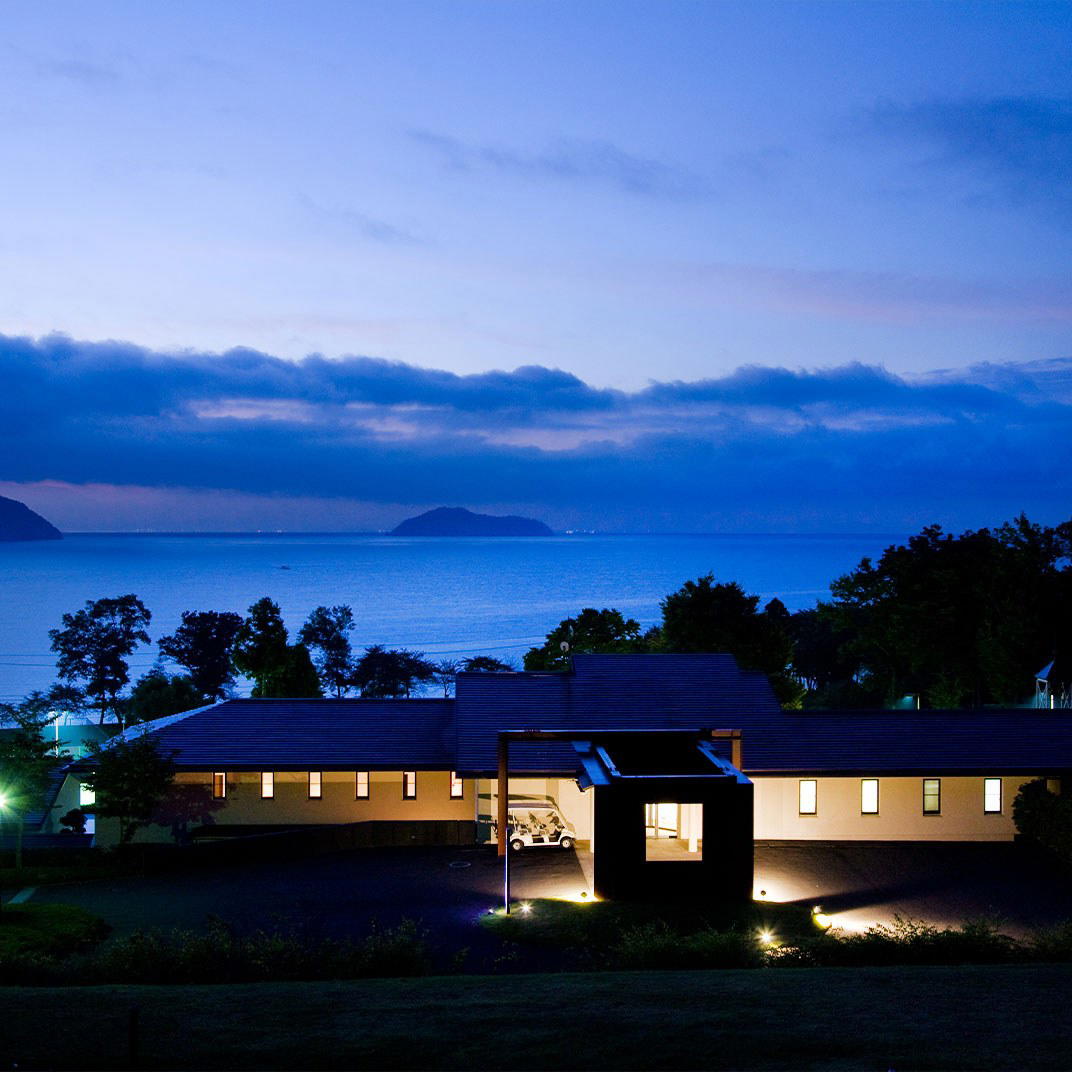
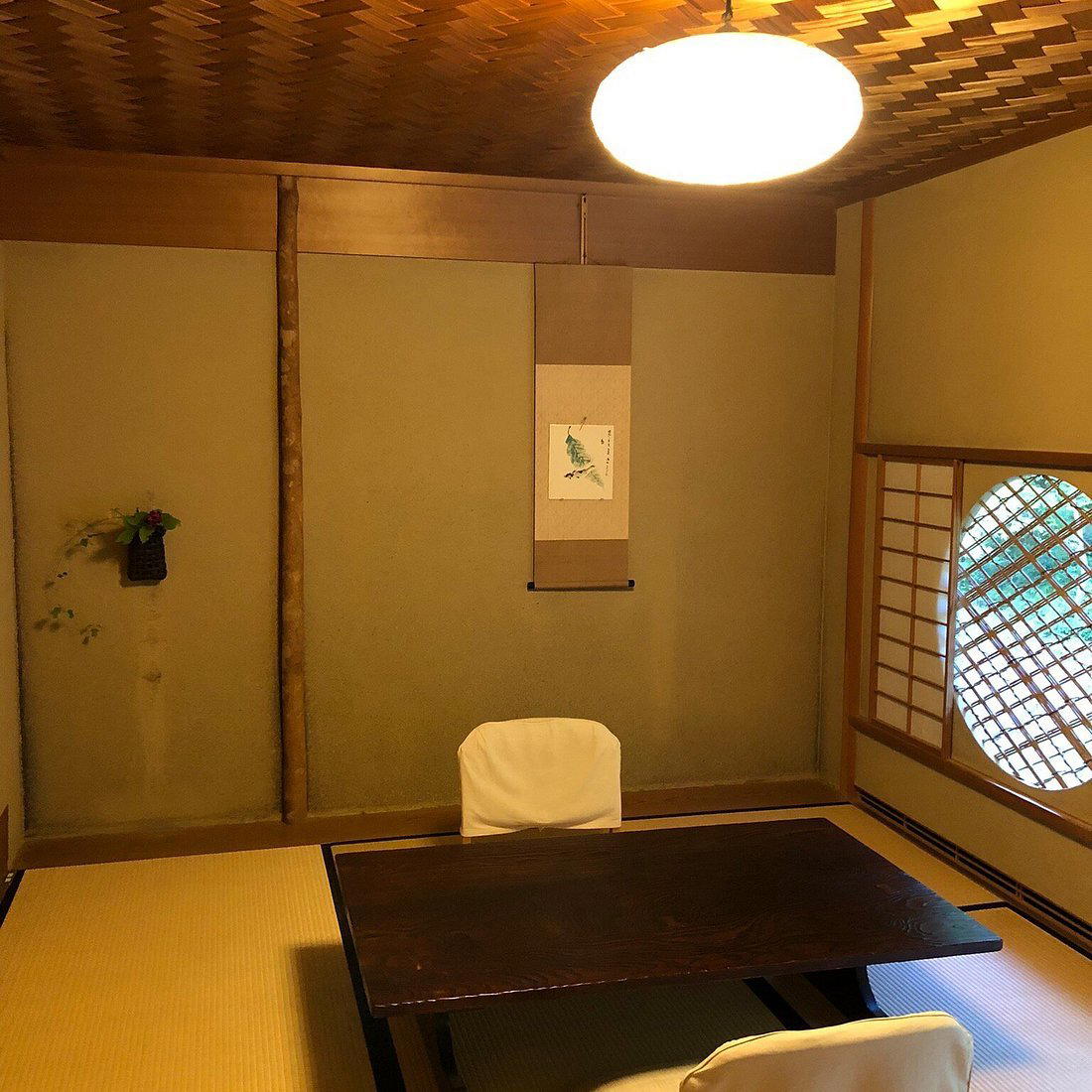
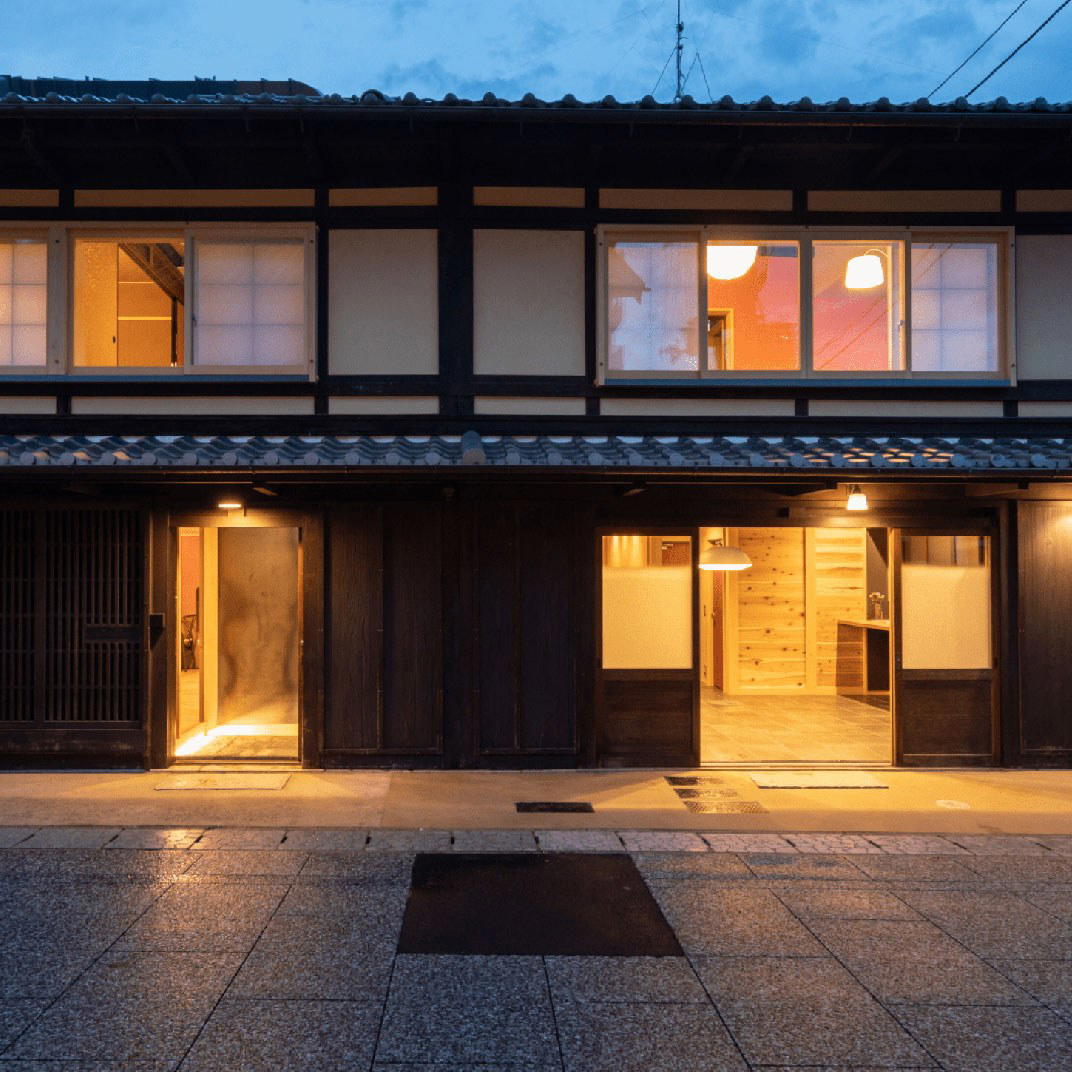
The format is compact: 16 seats, including four at the counter and 12 at tables. That scale changes the experience. Ramen rewards short distance between kitchen and diner, because noodles are time-sensitive and soup temperature is part of the structure. Counter seating also makes solo dining natural, while table seating keeps the room usable for families and small groups. This is not the hushed choreography of Tokuyamazushi (Kaiseki) in the wider Shiga conversation, nor the tasting-menu cadence associated with contemporary destination dining. It is a narrower format, and that narrowness is the advantage.
Award signal is useful here because Tabelog’s Ramen WEST “Tabelog 100” is category-specific. It does not flatten the restaurant into a general-purpose dining accolade; it says the shop has been noticed within western Japan’s ramen field. In an area where travelers may already be weighing sushi, soba, kaiseki, and lake-country cooking, that specificity helps. For a broader scan of the city, Our full Nagahama restaurants guide gives the surrounding dining picture, while Our full Nagahama hotels guide, Our full Nagahama bars guide, Our full Nagahama wineries guide, and Our full Nagahama experiences guide help place the meal inside a larger itinerary.
There is also a practical editorial distinction worth making. Some Japanese restaurants trade on scarcity through reservations, chef-counter intimacy, or high per-head spend. The restaurant’s scarcity is closer to the ramen model: a small room, fixed service periods, and the possibility that a shop working with fresh stock and noodles runs on daily limits. That makes timing more important than dress or ceremony. It also keeps the value proposition clear. The restaurant belongs to the part of Japanese dining where technical repetition, not luxury signalling, builds reputation.
Where it fits in a wider Japan dining itinerary
For travelers building a Japan food route, the restaurant is useful because it does not duplicate the argument made by higher-formality meals. A day that includes Nagahama’s historic streets or the northern Lake Biwa area needs a restaurant that can deliver local credibility without consuming the itinerary. That is the role a strong ramen shop plays: quick enough to fit between trains or sightseeing, serious enough to register as a food decision rather than a convenience stop.
The same logic explains why EP Club keeps casual specialists and polished dining rooms in the same editorial field. A reader might compare Nagahama’s ramen and soba options with destination restaurants elsewhere, from -Grilled beef Sukiyaki- KAMAKURA TANUKIAN 鎌倉 たぬき庵 in Kamakura to. 鮪と炭火焼き うお炭 秋葉原店 in Tokyo.cafe in Osaka.know in Kumamoto, (Shoku) Vietnam in Kawasaki, or [Curry Senmon Ten] Maruyama Kyoju. in Sapporo. Outside Japan, the same specialist logic appears in places such as Jōdo Saké Bar in Los Angeles and Onigiri Time in Pasadena: narrow formats can say more about a food culture than broad menus trying to cover everything.
The restaurant is strongest as a category decision. Choose it when the meal calls for ramen with recognized regional standing, a compact room, and a menu vocabulary that covers soup noodles, dipping noodles, and soupless styles. In Nagahama, that makes it less a detour from the city’s better-known food traditions than a useful counterpoint to them.
At-a-Glance Comparison
Comparable venues by cuisine and price in the same metro.
| Venue | Cuisine | Price | Notes |
|---|---|---|---|
| Baika Tei | Ramen shop | $ | . Tamura, Nagahama |
| 住茂登 | Japanese | Not listed | Nagahama |
| Torikita Honten | Traditional Nagahama chicken & egg bowls and udon | $ | Motohamacho / Nagahama Sta. area |
| Teuchi Soba Mitani | Handmade Soba & Izakaya | $$ | Nagahama |
| SOWER | Modern Japanese Farm-to-Table | $$$$ | Nagahama |
| Kyogokuzushi | Edomae Sushi | $$$$ | Motohamacho |
Recognition history
Dated appearances from independent guides and award organizations, with the underlying list record or original source where available.
Tabelog 100 #86 · No. 86
Tabelog · Tabelog 100 - Ramen - WEST - 2025

At a Glance
- Solo
- Casual Hangout
- After Work
- Family
- Standalone
Current opening hours
- Monday
- Closed
- Tuesday
- 11:30 AM–2 PM, 6–8 PM
- Wednesday
- 11:30 AM–2 PM, 6–8 PM
- Thursday
- 11:30 AM–2 PM, 6–8 PM
- Friday
- 11:30 AM–2 PM, 6–8 PM
- Saturday
- 11:30 AM–2 PM, 6–8 PM
- Sunday
- 11:30 AM–2 PM, 6–8 PM
Hours can change for holidays and private events. Last verified .
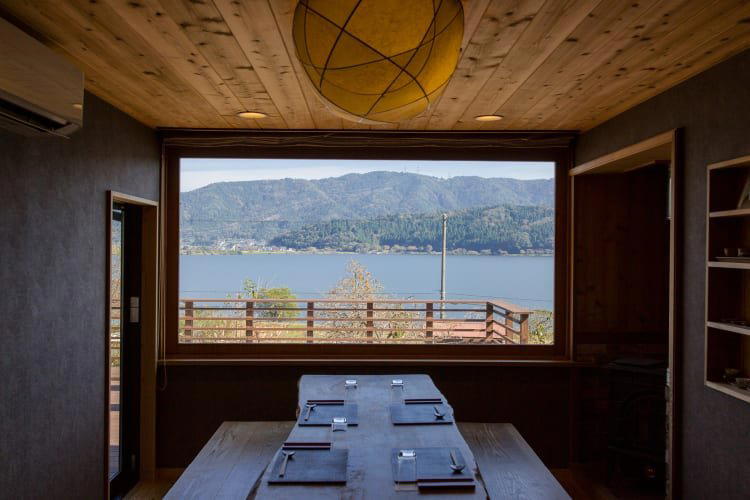
Simple, no-frills ramen-ya atmosphere with a small counter and a few tables, focused on efficient service rather than decor or lingering.