
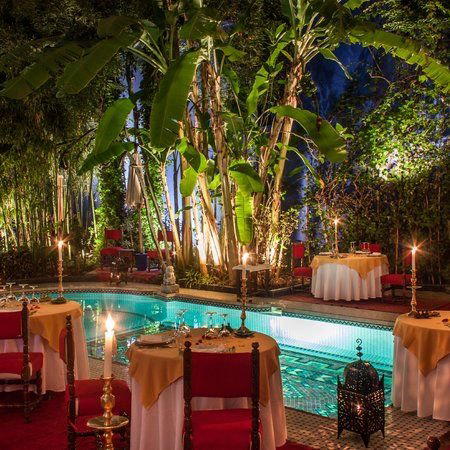
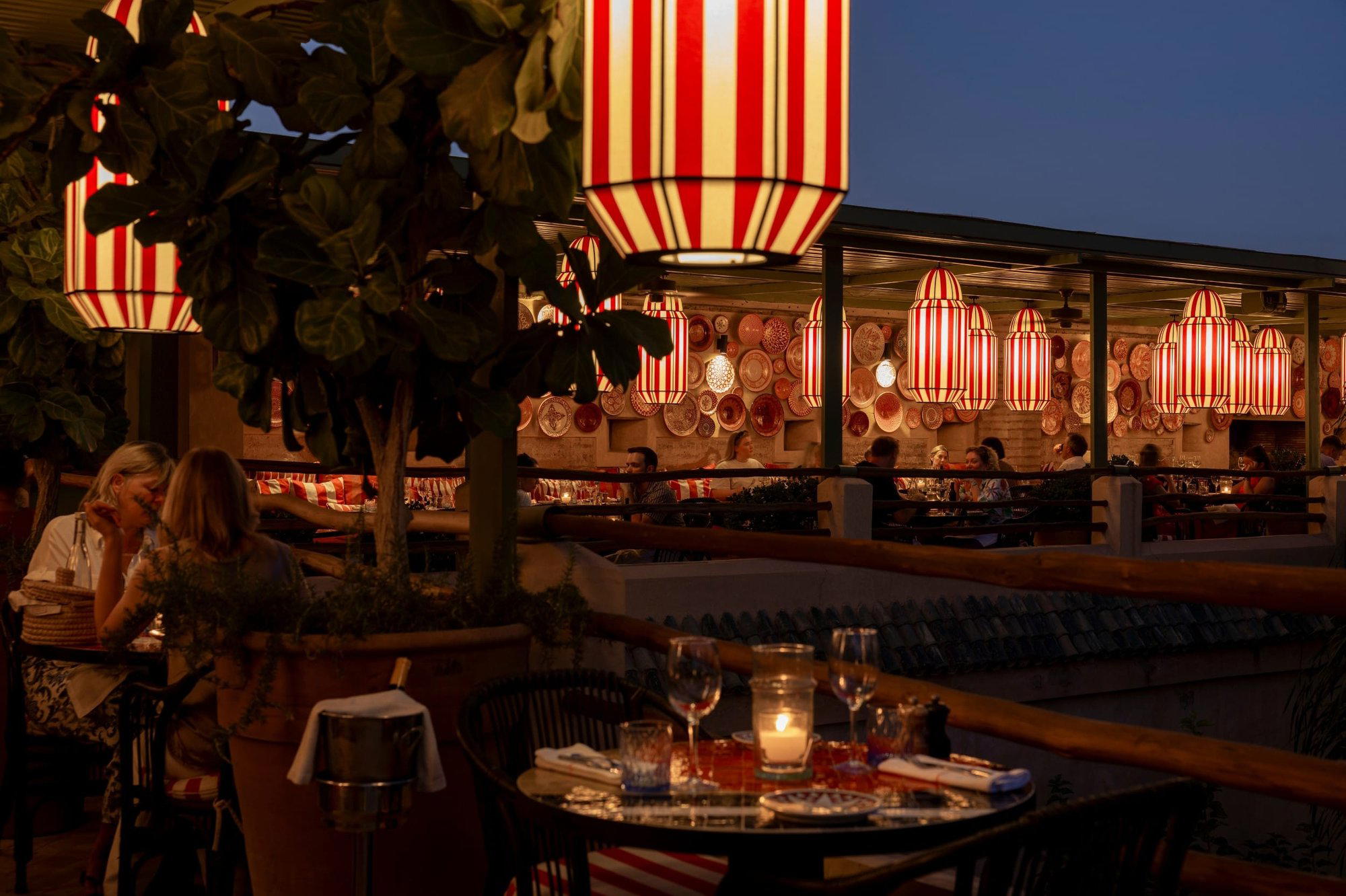
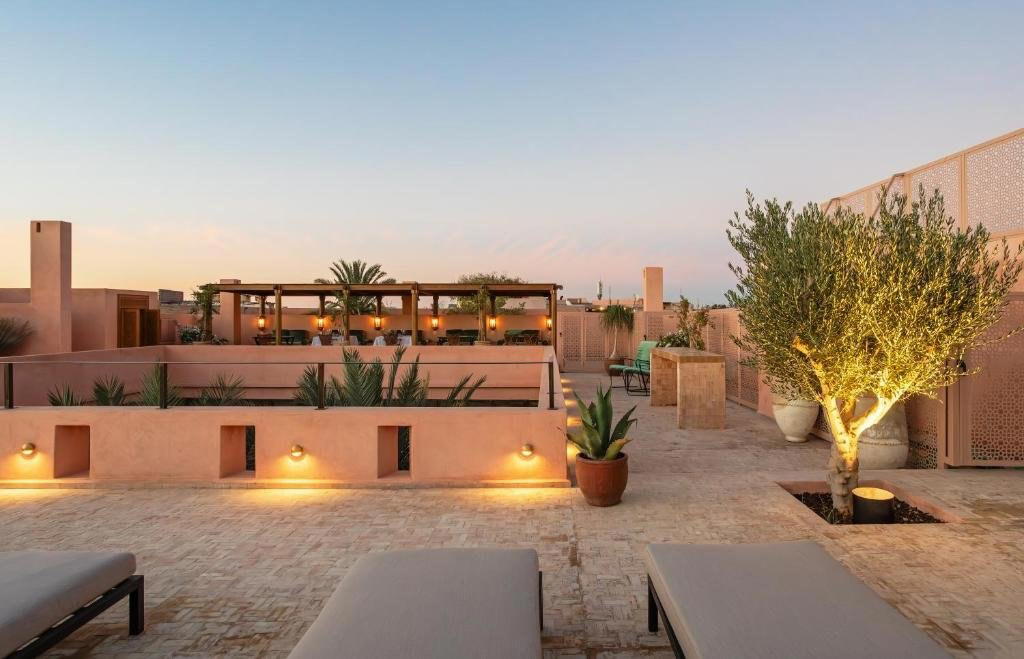
Set on a rooftop above Marrakesh's historic Palmeraie, Palais Ronsard brings together Moroccan and French culinary traditions under chef Aurélien Mourez in a setting of colonial-inflected architecture, private pavilions, and pool terraces.
Pearl is the En Primeur Club membership app — saves, bookings, and concierge access live there. Same editors, same standards.
- Address
- Propriété Salah 7 ABYAD, Marrakech 40016, Morocco
- Phone
- +212 5 24 29 86 00
- Website
- palaisronsard.com
- Directions
- Get directions
 Saves & bookings on Pearl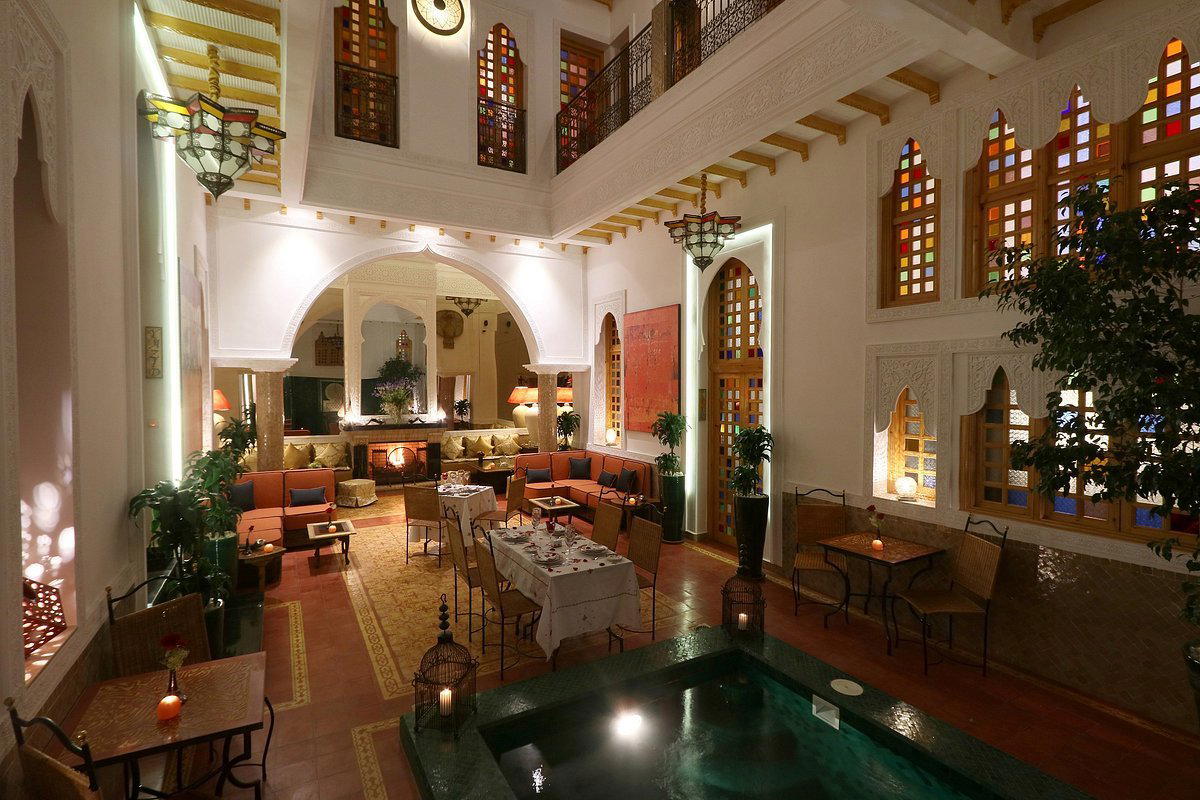
Where the Palmeraie Meets the Table
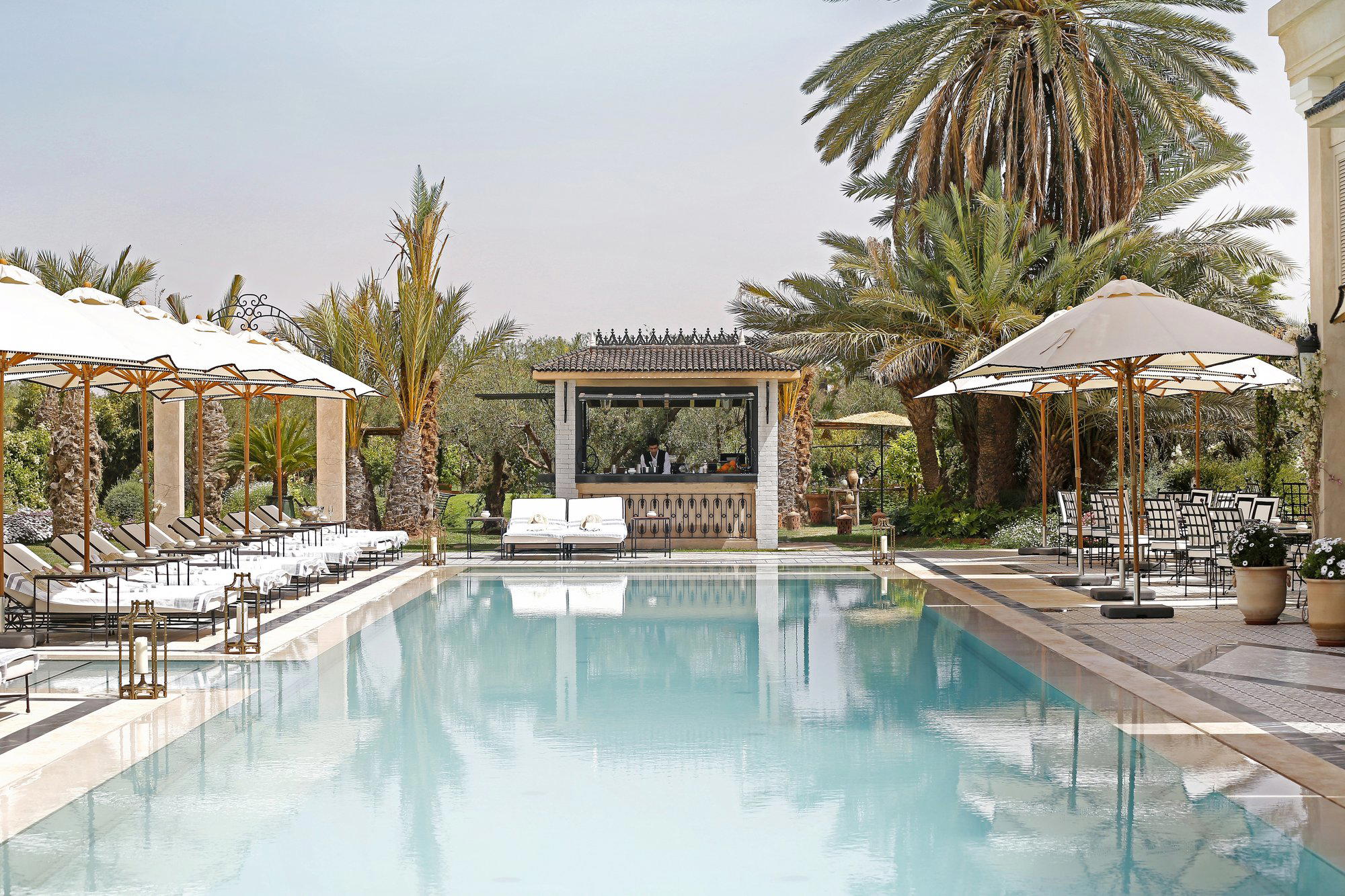
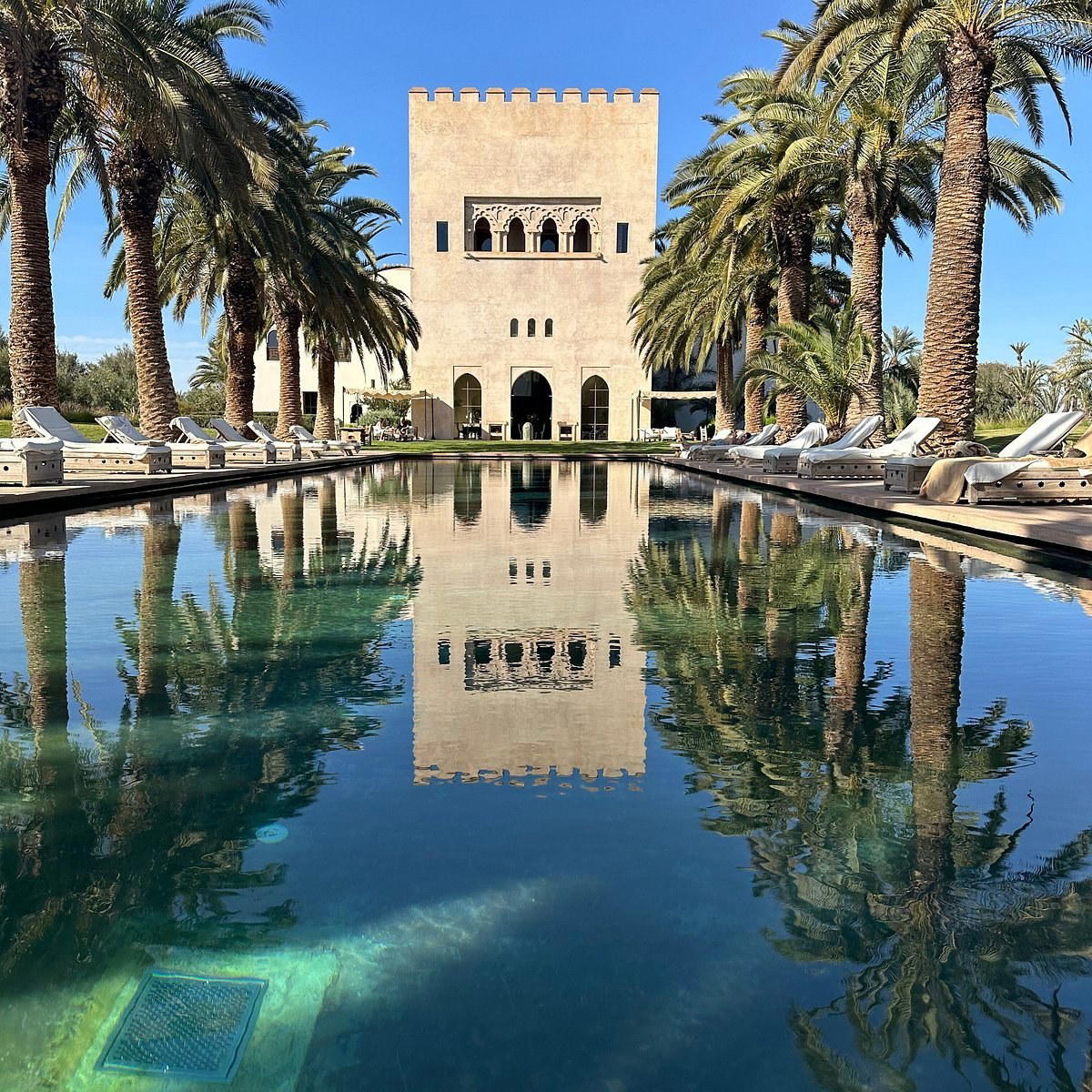
Approaching Palais Ronsard, the city's noise recedes before you arrive. The Palmeraie — Marrakesh's ancient palm grove, stretching north of the medina and long associated with the city's wealthiest estates — provides the buffer. Properties in this zone operate at a different register from the medina's compressed hospitality: more space, more silence, and a design vocabulary that tends toward colonial grandeur rather than riad intimacy. Palais Ronsard works precisely within that register, with a rooftop position that places the palm canopy at eye level and the Atlas foothills on the horizon on clear days.
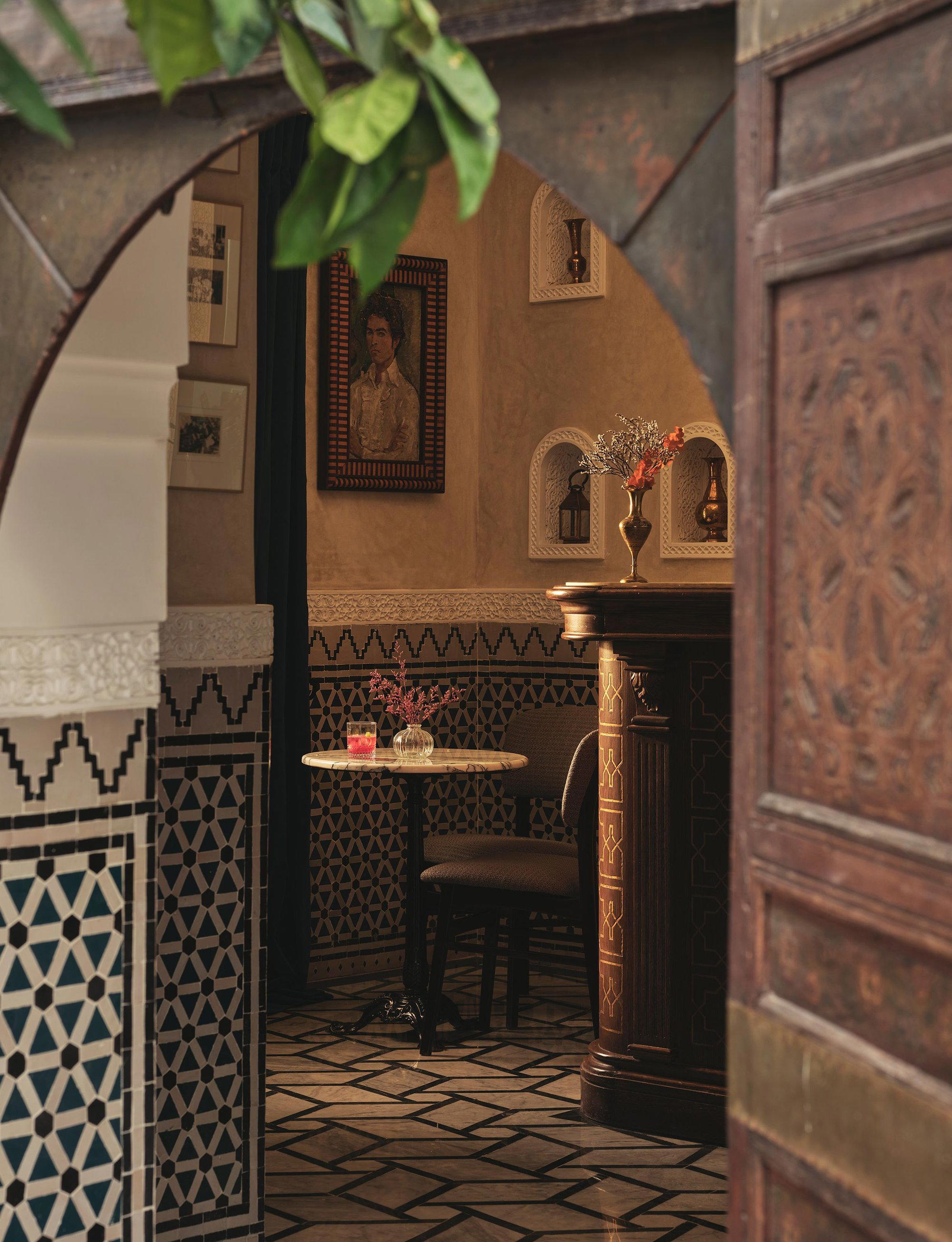
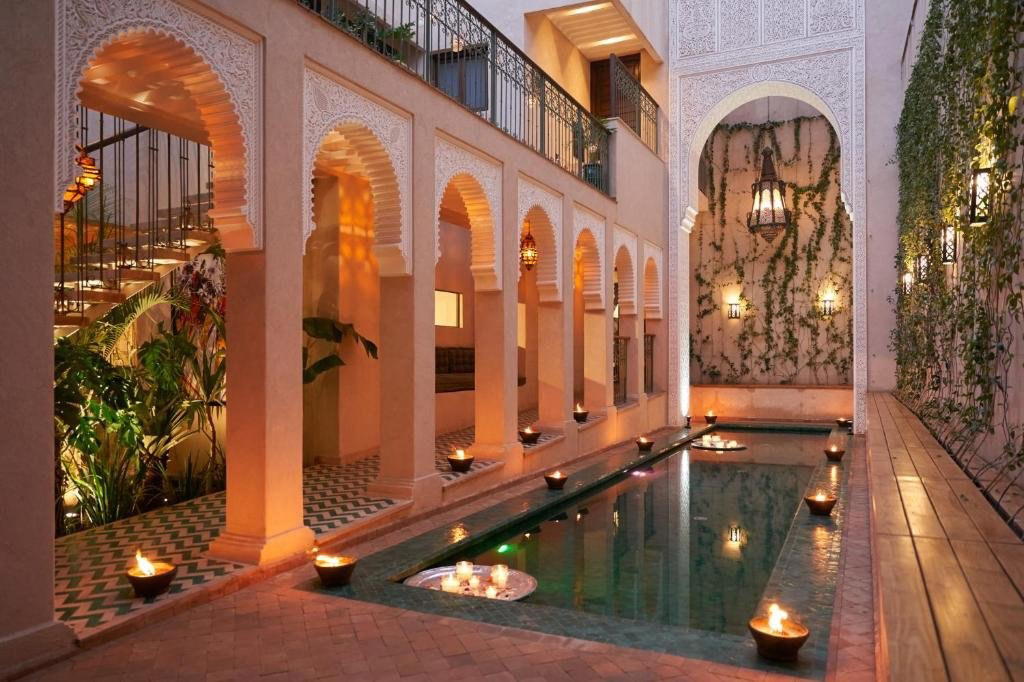
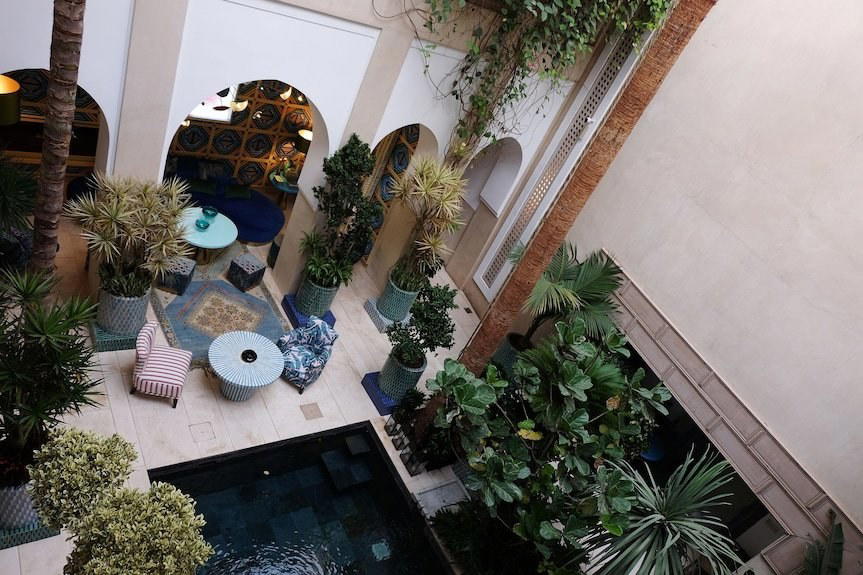
The interior leans into colonial-era reference points without apology: high ceilings, layered textiles, and a decorative density that reads as studied rather than accidental. Private pavilions with pool access position the property in the upper tier of Palmeraie estates, alongside addresses that treat outdoor architecture as seriously as the dining room itself. For visitors arriving from [our full Marrakesh hotels guide](), this is the kind of setting that changes the character of a meal before the first course arrives.
Moroccan French in its Broader Context
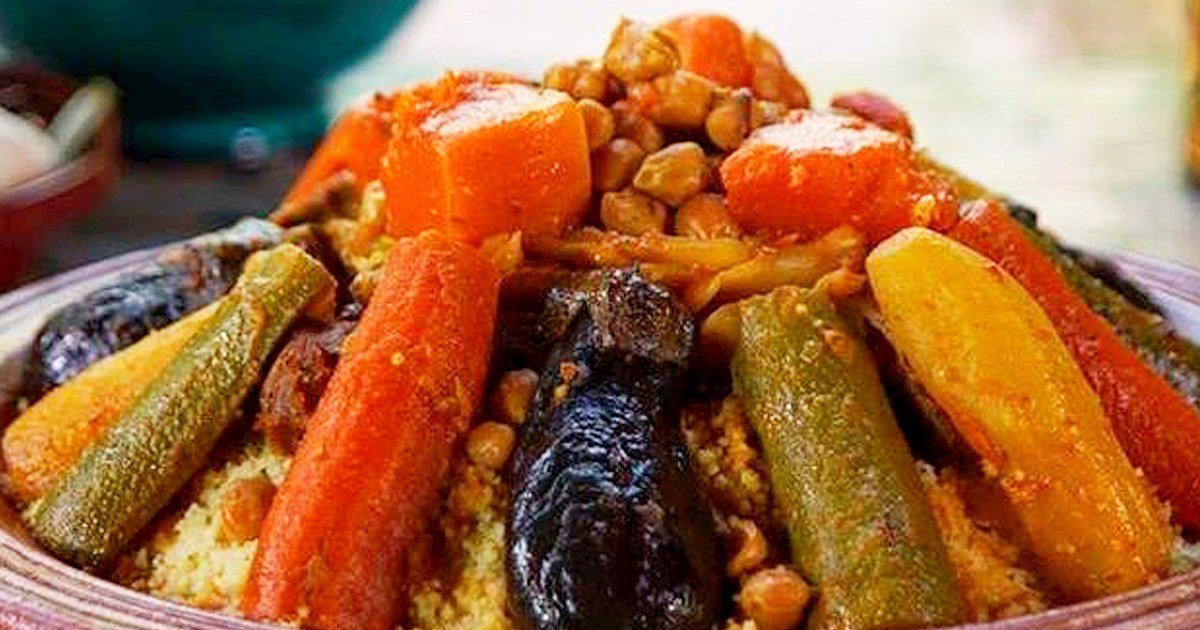
The Moroccan-French culinary category carries a specific weight in this city. French culinary technique arrived in Morocco through the protectorate period and has remained embedded in the country's upscale restaurant culture ever since. The combination is not fusion in the contemporary sense, it is a structural inheritance, visible in the way classical French method is applied to local spice palettes, preserved lemons, smen, and slow-cooked proteins that define Moroccan cuisine at its most serious. What varies between kitchens is the ratio: how much the Moroccan element leads, and where French technique intervenes.
Across Marrakesh, that balance plays out differently at each address in this category. La Grande Table Marocaine at Royal Mansour anchors the formal end of the spectrum, operating within a palace property designed to project Moroccan heritage at the highest material register. La Grande Brasserie by Hélène Darroze tilts the ratio toward the French side, with a Gascony-inflected sensibility. Le Marocain at La Mamounia operates within one of the city's most historically freighted hotel environments. Palais Ronsard sits outside the medina hotel circuit entirely, which gives it a different kind of breathing room: the Palmeraie estate format allows for a pace and scale that centrally located restaurants cannot replicate.
At the broader Morocco level, the Moroccan-French synthesis appears in different forms across cities. Iloli in Casablanca and Hôtel Le Doge in Casablanca represent the coastal commercial capital's version, while Heure Bleue Palais in Essaouira brings a medina-riad context to the pairing. The comparison points matter because they reveal how consistently the category is tied to heritage architecture and formal service, Palais Ronsard's Palmeraie estate setting is not incidental to the proposition, it is structural to it.
Chef Aurélien Mourez and the Kitchen's Direction
Chef Aurélien Mourez leads the kitchen at Palais Ronsard. The Moroccan-French format he works within demands fluency in both directions: the ability to apply classical French structure without overwriting the flavour logic of Moroccan cuisine, and the confidence to let those flavours operate on their own terms when the dish calls for it. In this city, the benchmark for that kind of discipline is high. Peer kitchens like +61 and Sesamo demonstrate that Marrakesh's upper dining tier has become genuinely competitive on technique, not just on setting and ambience.
What the Palais Ronsard format adds is the rooftop position above the Palmeraie, a physical context that most medina restaurants cannot offer. A meal here has a spatial dimension that extends beyond the plate, and in a city where dining environments are themselves a central part of the offer, that is not a secondary consideration.
The Palmeraie as a Dining Address
Marrakesh's restaurant geography splits in ways that matter for planning. The medina and its surrounding riad belt concentrates the city's most storied addresses and highest booking pressure. Hivernage and Guéliz carry the contemporary international offer. The Palmeraie represents a third zone: lower density, larger footprints, and a guest profile that tends toward the villa and estate crowd rather than the medina day-tripper. Palais Ronsard at GPS coordinates 31.6795, -7.9341 sits approximately 16 km from Marrakesh Ménara International Airport and 11 km from the main train station, making it accessible from either arrival point without requiring medina navigation.
For visitors building an itinerary around the full range of Marrakesh's dining options, the Palmeraie tier offers something different in kind, not just in style. [Our full Marrakesh restaurants guide]() maps the city's dining across all zones. Those exploring further afield should consider Gayza in Fès for a sense of how Morocco's other imperial city handles formal dining, or Château Roslane in Icr Iqaddar for wine-focused estate dining in the wine-producing region south of Fès.
Contextualising the Rating
For context within Morocco's broader fine dining register, properties such as L'Oliveraie in El Hajeb and Le Petit Cornichon in Marrakech demonstrate how varied the country's upper-tier restaurant offer has become outside the palace-hotel format. Palais Ronsard's estate model represents a distinct niche within that range.
Planning a Visit
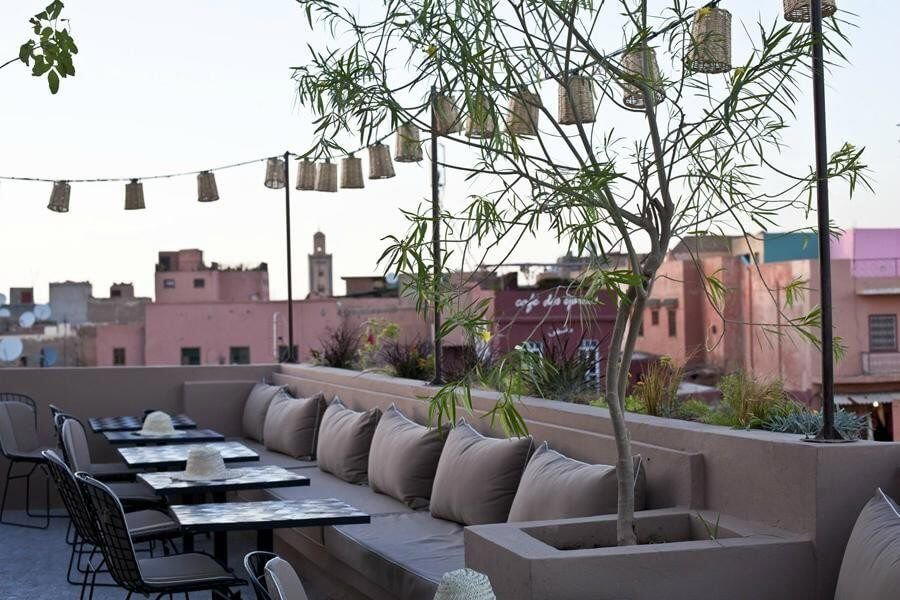
The Palais Ronsard address, Propriété Salah 7 Abyad, Marrakech 40016, is located in the Palmeraie north of the city centre. Given the distance from the medina, arriving by taxi or private car is the practical approach; the GPS coordinates (31.6795, -7.9341) are reliable for navigation in a zone where street addressing can be inconsistent. The rooftop dining format means weather and time of day carry more weight here than at enclosed medina restaurants: cooler season evenings, roughly October through April, suit the outdoor setting most naturally, while summer dining works better in the later evening hours. Those combining the visit with broader Marrakesh exploration can cross-reference [our full Marrakesh bars guide]() and our full Marrakesh experiences guide for neighbouring activities.
How Palais Ronsard Marrakech compares with similar nearby venues.
| Venue | Cuisine | Awards |
|---|---|---|
| Palais Ronsard | Moroccan French | Relais Chateaux Award (2026) |
| Pool House | Cooking classics | Not listed |
| Le Marocain - La Mamounia | Moroccan French | Not listed |
| Iloli | Moroccan French | Not listed |
| Hôtel Le Doge | Moroccan French | Not listed |
Recognition history
Dated appearances from independent guides and award organizations, with the underlying list record or original source where available.
Relais Chateaux Award
Relais Chateaux
Relais Chateaux Award
Relais Chateaux
Continue exploring
More in Marrakech
Restaurants in Marrakech
Browse all →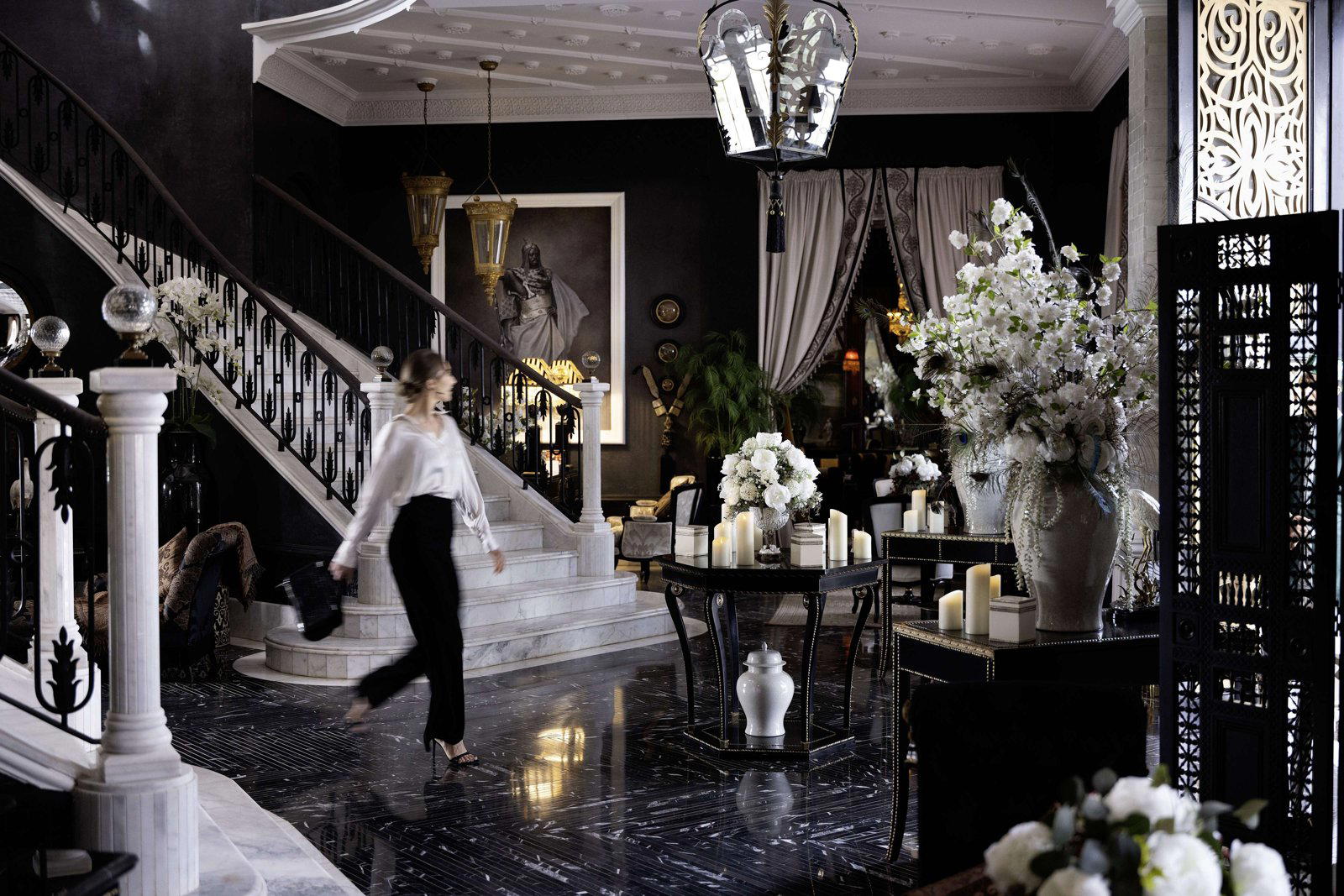
Bars in Marrakech
Browse all →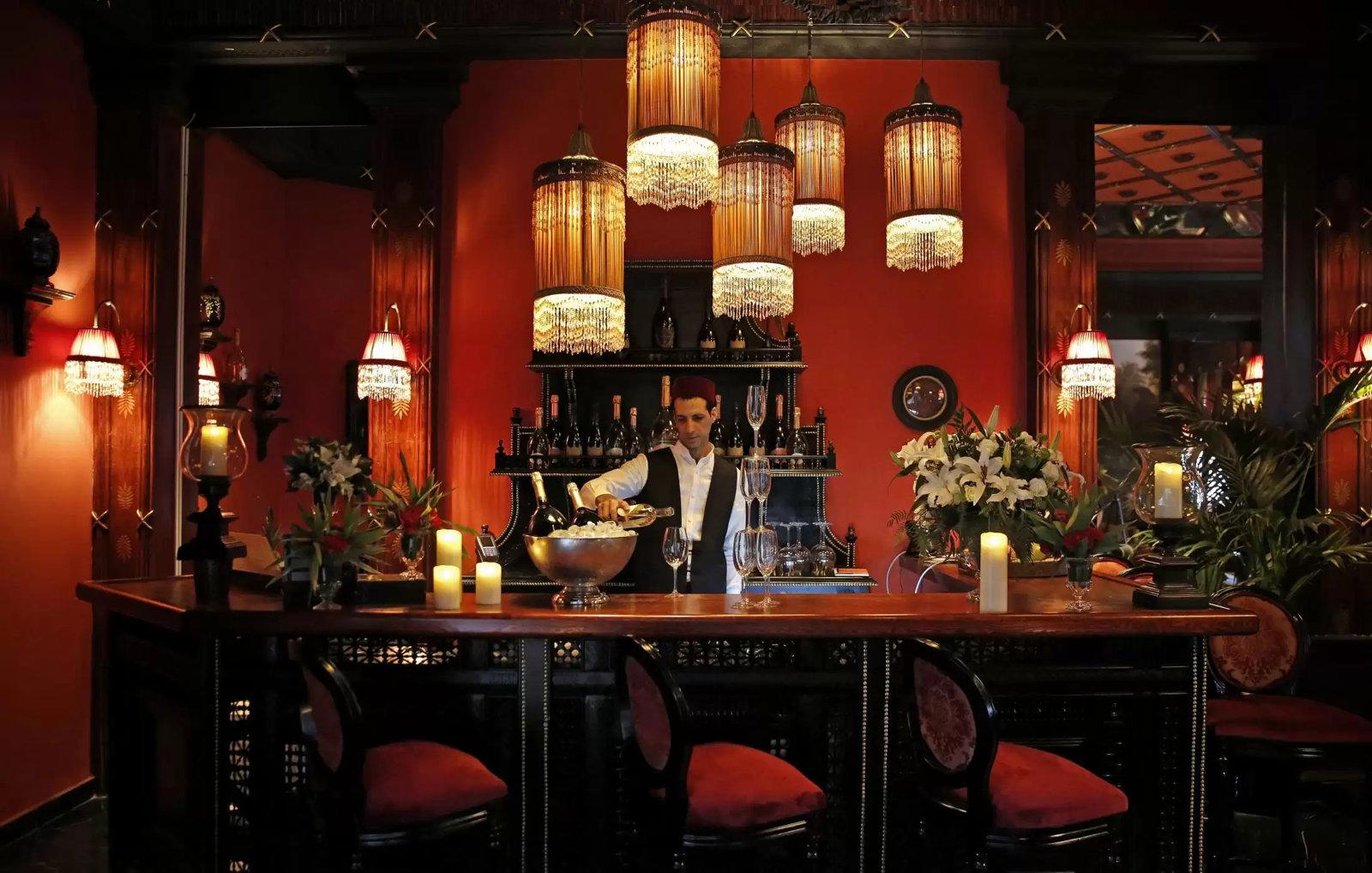
Hotels in Marrakech
Browse all →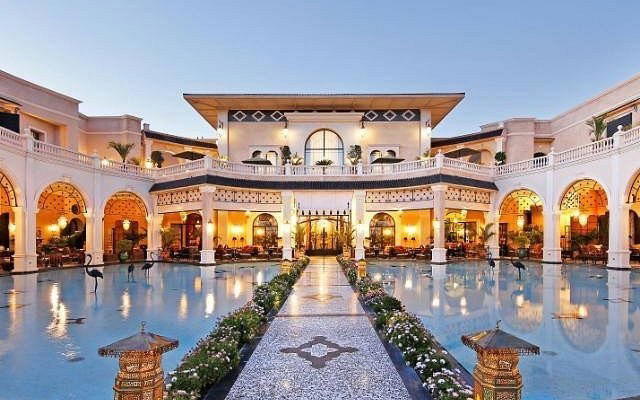
Wineries in Marrakech
Browse all →
At a Glance
- Romantic
- Elegant
- Scenic
- Intimate
- Sophisticated
- Ornate
- Date Night
- Special Occasion
- Garden
- Hotel Restaurant
- Historic Building
- Extensive Wine List
- Local Sourcing
- Garden
Tranquil paradise with twinkling lights on water features, lush gardens, palms, singing birds, and a serene, luxurious atmosphere.
Know Before You Go
- Getting there
- Propriété Salah 7 ABYAD, Marrakech 40016, Morocco