

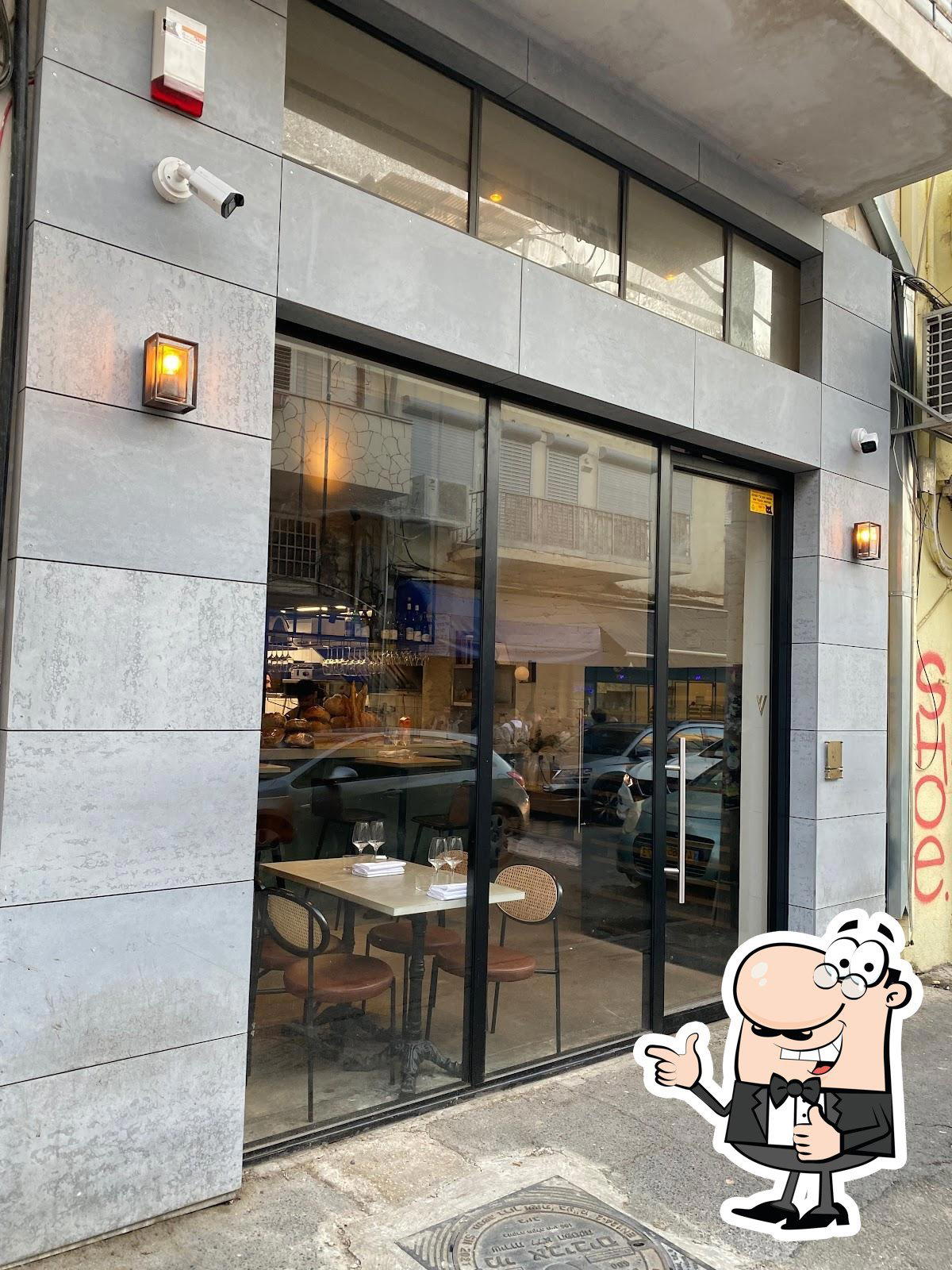
Hotel Montefiore occupies a landmarked 1920s building on one of Tel Aviv's most storied streets, housing a restaurant that holds a 2-Star World of Fine Wine & Lifestyle Accreditation and operates under R2M, Israel's leading hospitality group. Lunch and dinner service runs with the kind of formal attentiveness that remains rare in the city's otherwise casual dining culture.
Pearl is the En Primeur Club membership app — saves, bookings, and concierge access live there. Same editors, same standards.
- Address
- Montefiore St 36, Tel Aviv-Yafo, Israel
- Phone
- +972 3-564-6100
- Website
- hotelmontefiore.co.il
- Directions
- Get directions
 Saves & bookings on Pearl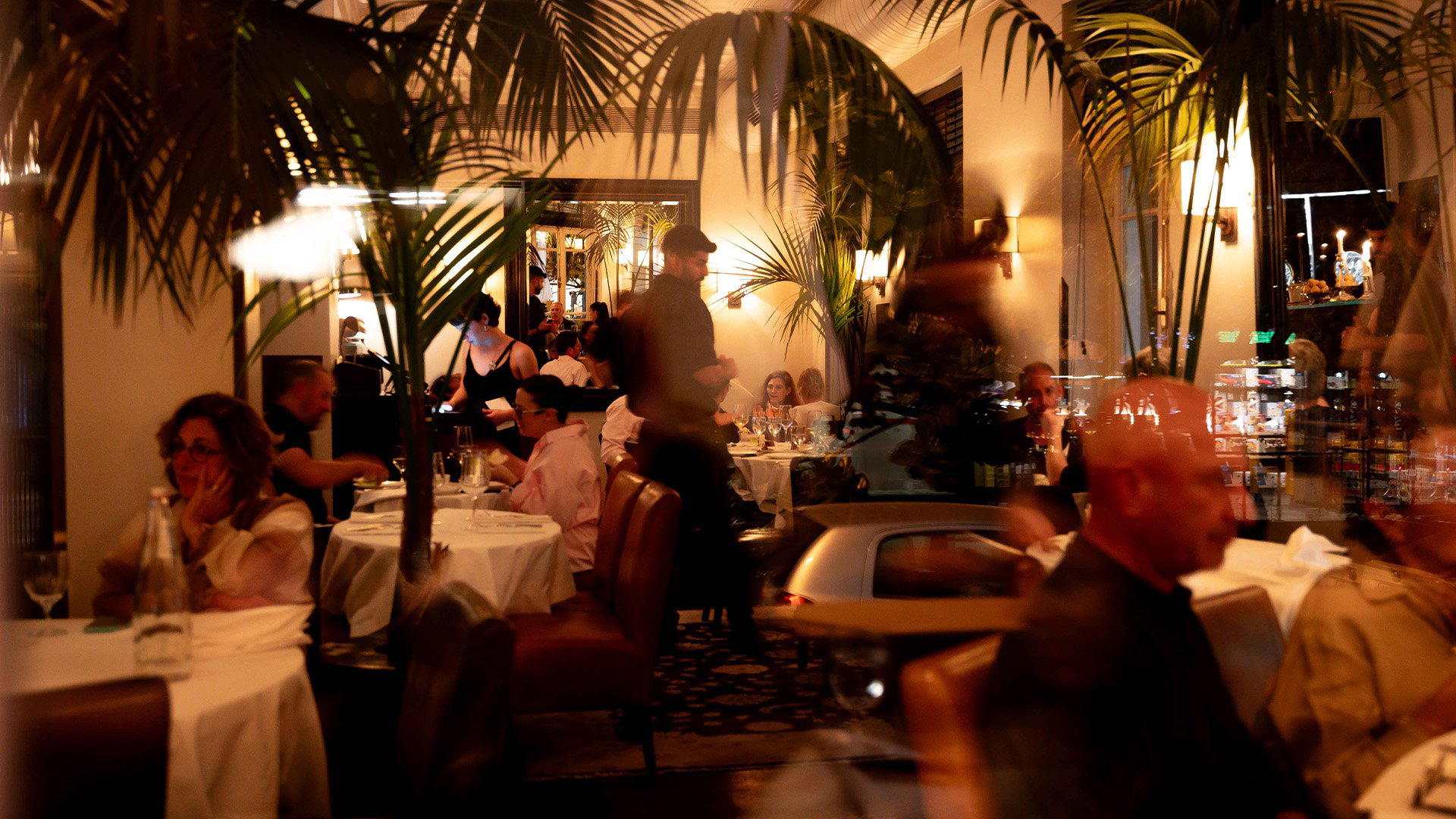
Montefiore Street and the Architecture of Tel Aviv Fine Dining
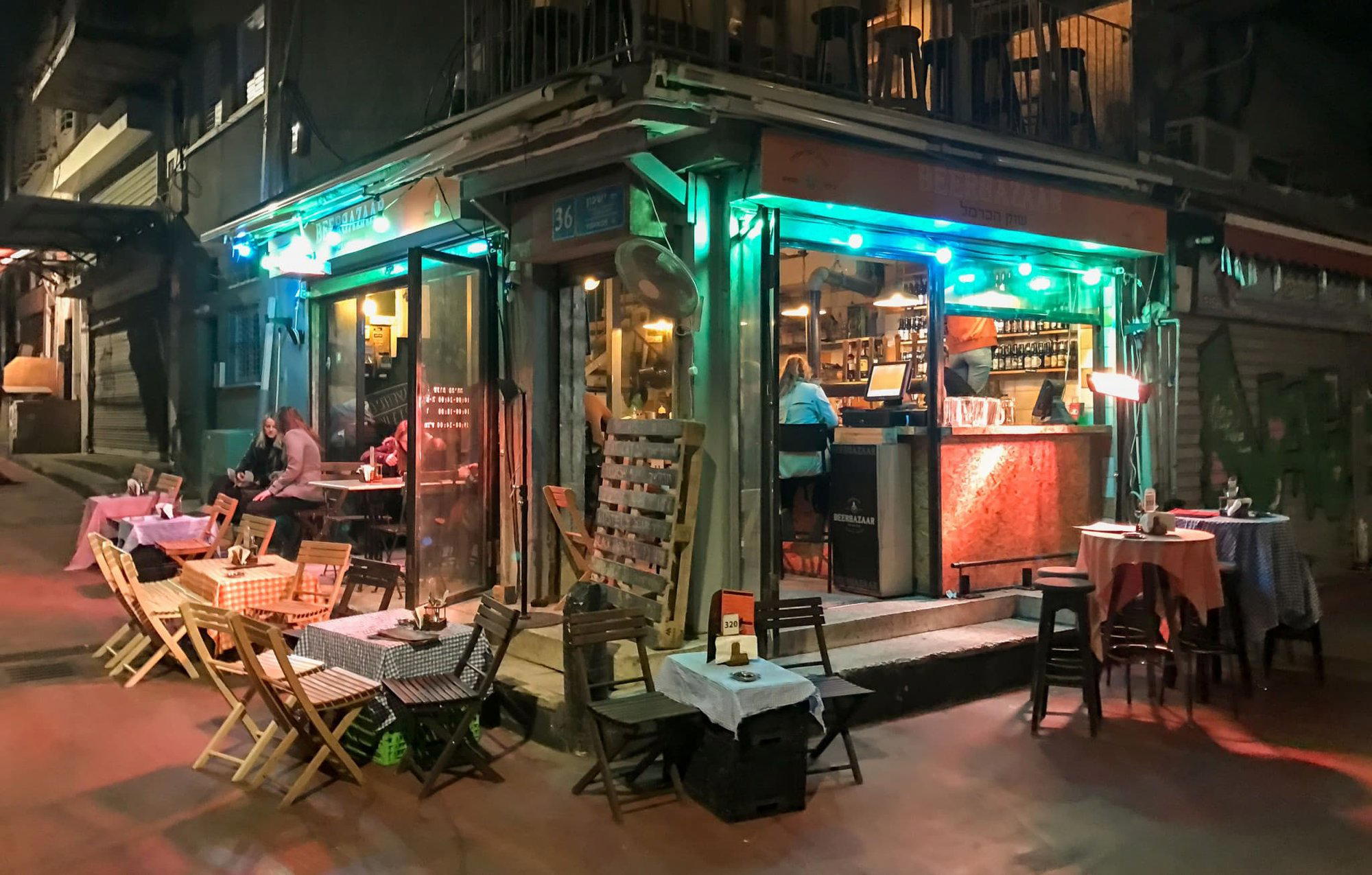
Tel Aviv's dining identity is built on contradiction: a city that prizes informality and yet has produced some of the region's most technically accomplished restaurants. The tension plays out most clearly in the Lev Ha'ir neighbourhood, where early twentieth-century Bauhaus and Eclectic-style buildings have been converted into hotels, wine bars, and restaurants that carry the weight of the city's history while serving food shaped by a distinctly modern Israeli sensibility. Hotel Montefiore sits at the centre of that tension, occupying a restored 1920s building on a street that predates the white-city architecture Tel Aviv is internationally associated with. The address alone places it in a different register from the seafront hotels further north or the Florentin warehouse conversions to the south.
This is the part of Tel Aviv where the European Jewish immigration of the early twentieth century settled into a Mediterranean climate and began to produce something new. That cultural layering, rather than any single culinary tradition, is what the leading restaurants in this neighbourhood reflect.
What the 2-Star Wine Accreditation Signals
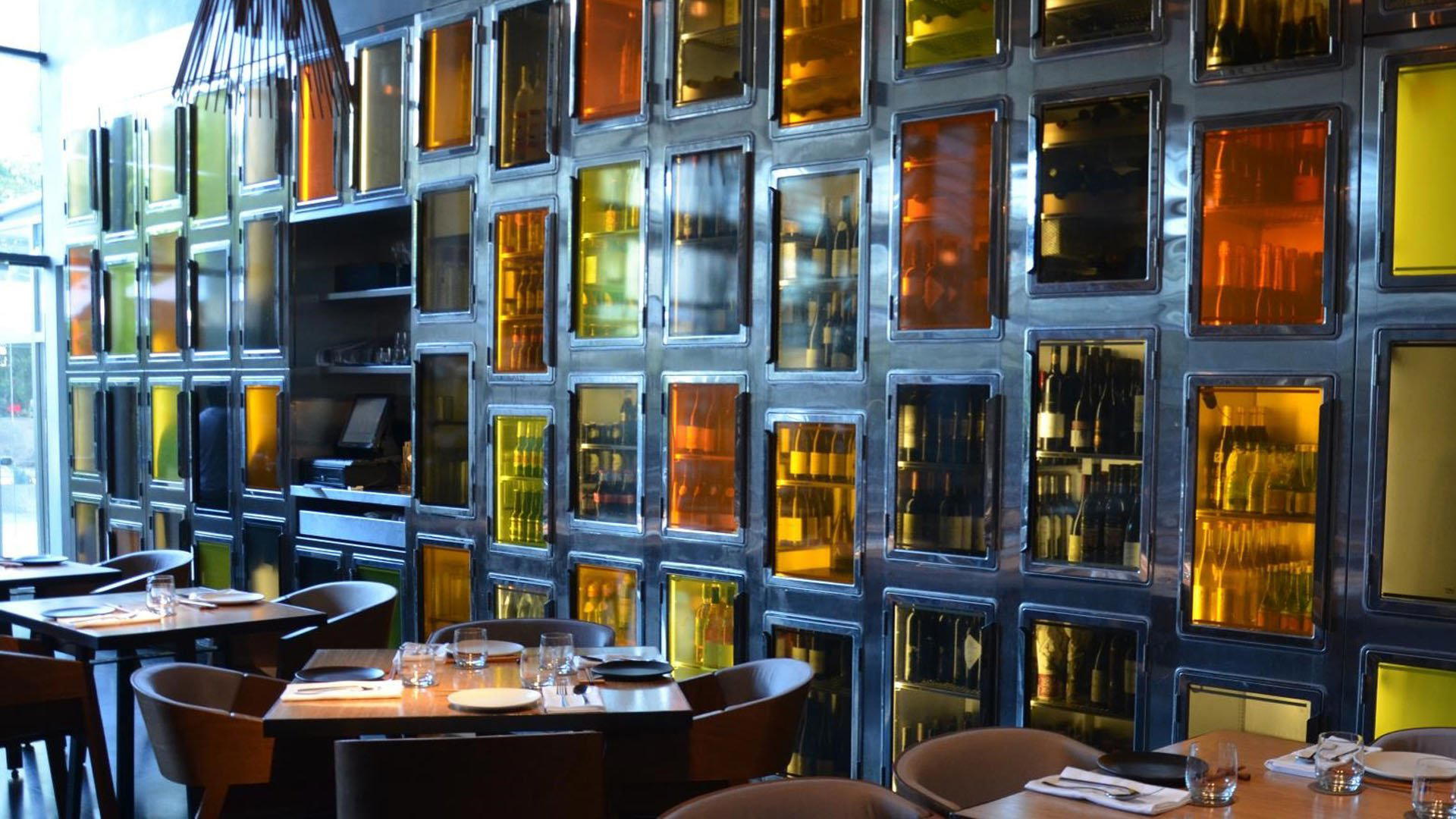
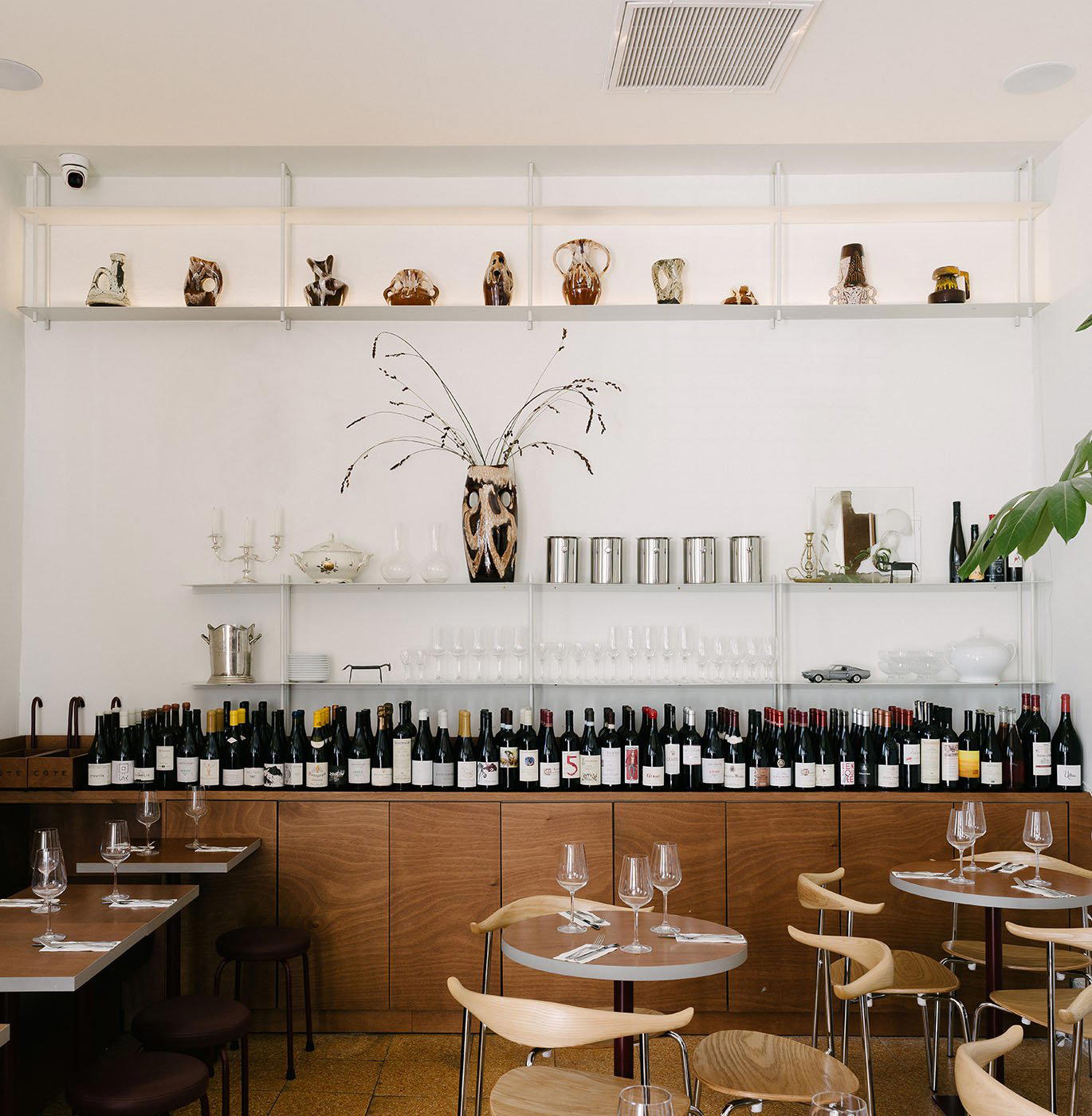
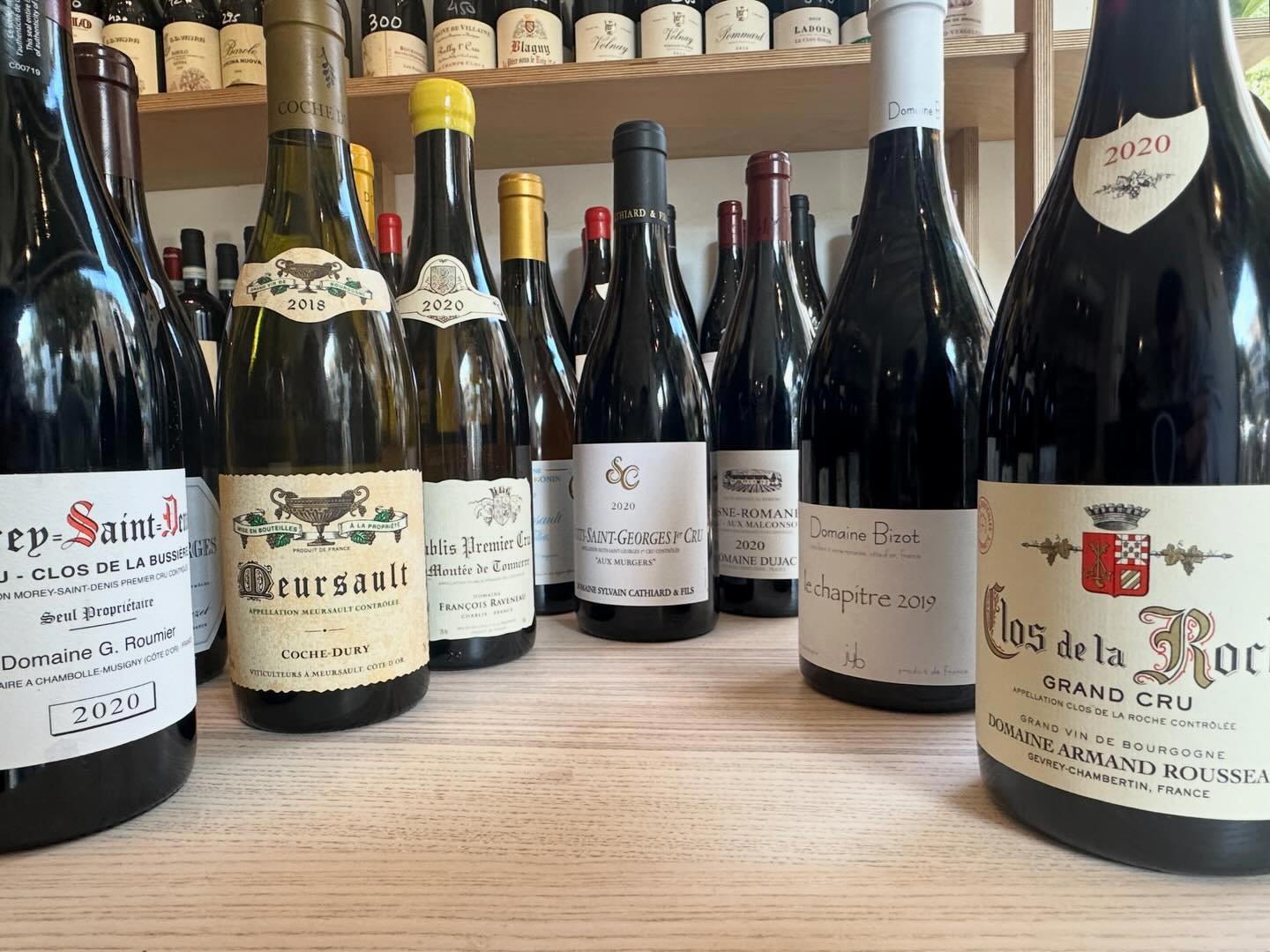
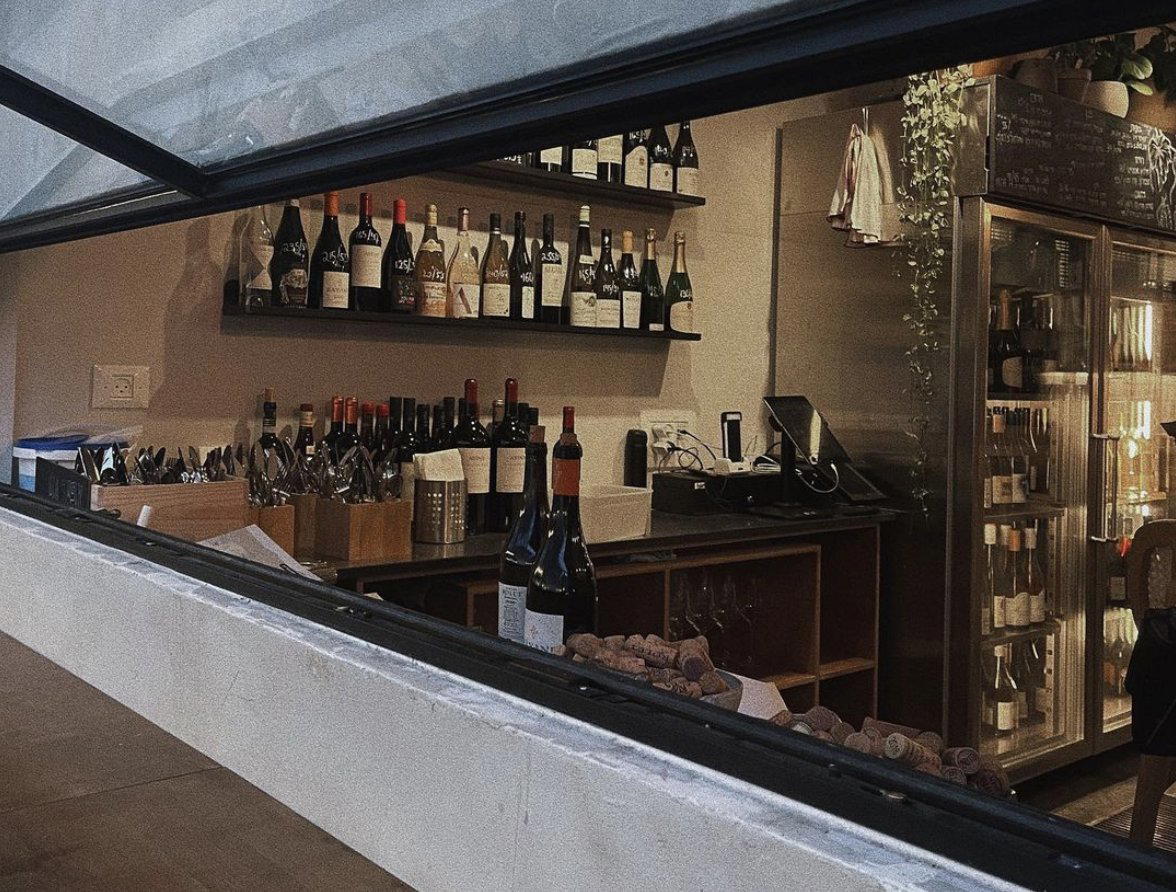
Hotel Montefiore holds a 2-Star Accreditation from the World of Fine Wine and Lifestyle Awards, placing it within a group of restaurants assessed on the seriousness of their wine program and the coherence of the overall hospitality offer. In a city where the domestic wine industry has made significant gains over the past two decades, that accreditation carries specific meaning. Israeli winemaking, particularly from the Galilee and Judean Hills appellations, has moved from regional curiosity to a category attracting serious international attention. A restaurant operating at this tier is expected to navigate that domestic story confidently while maintaining a credible international list alongside it.
The accreditation also signals format discipline, and Hotel Montefiore operates with formal attentiveness that distinguishes it from the majority of Tel Aviv's dining options. For broader regional comparison, Helena in Caesarea and Machneyuda in Jerusalem represent comparable dining ambition across Israel, each with its own relationship to local produce and culinary tradition.
Israeli Cuisine in Its Current Form
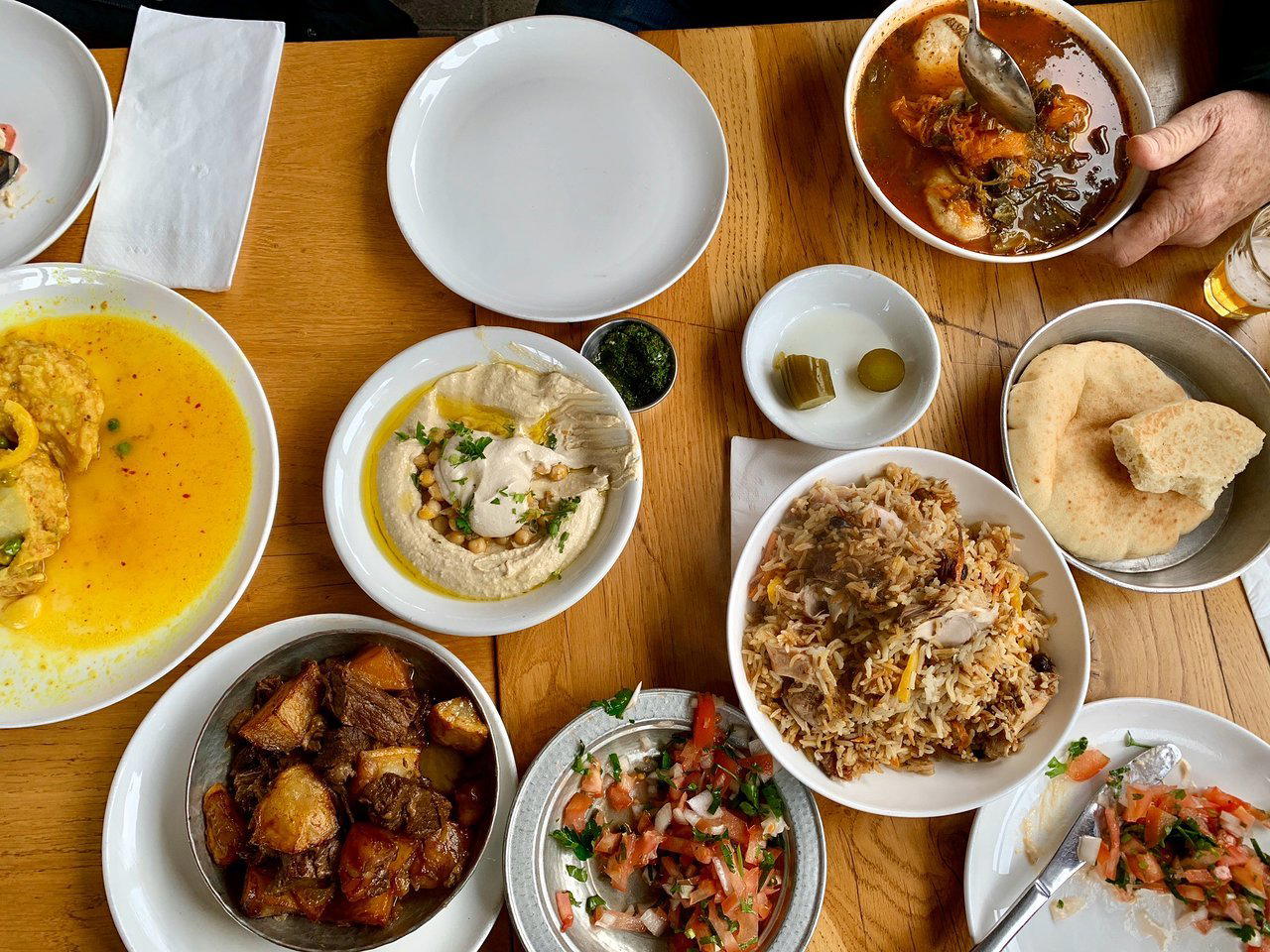
Modern Israeli cooking is one of the more debated categories in contemporary food writing, partly because its ingredients span so many overlapping traditions. Levantine spicing, Ashkenazi technique, North African preservation methods, and Persian-influenced rice cookery exist in the same city, sometimes on the same table. What has emerged from that convergence is not fusion in the diluted, airport-lounge sense, but a genuinely syncretic cuisine that rewards attention. The question for any restaurant working in this register is how deliberately it engages with those sources rather than treating them as a backdrop.
The comparison venues operating in Tel Aviv's mid-to-upper tier illustrate the range of approaches. Alena at The Norman frames Israeli cuisine through a refined European lens, while Claro has built a reputation around wood-fire cooking and Mediterranean produce. George and John works a different register entirely. Dr. Shakshuka in Jaffa and Abu Hassan anchor the more traditional end of the spectrum. The restaurant's formal service model and accredited wine program place it comfortably in the upper tier of this ecosystem, where the expectation is technical precision and considered sourcing rather than casual abundance.
Le Bernardin in New York and 8½ Otto e Mezzo Bombana in Hong Kong both demonstrate that a hotel address need not limit a restaurant's standing in its city. In Tel Aviv's more compact fine dining tier, the restaurant occupies a similar position: a restaurant that happens to share a building with hotel rooms, rather than a hotel that happens to have a restaurant.
R2M and the Structure of Israeli Hospitality
The restaurant operates under R2M, described as Israel's leading hospitality group. Group backing at this level typically brings procurement scale, management consistency, and the kind of institutional wine-list maintenance that independent restaurants struggle to sustain. It also introduces questions about character: whether a property feels like a considered individual project or a template deployed at multiple addresses. In the restaurant's case, the landmarked building and the specific address on Montefiore Street provide enough distinctiveness to resist that flattening. The property is not one of several interchangeable R2M sites; it occupies a specific historical and neighbourhood context that gives the restaurant its anchor.
For travellers who want to understand Tel Aviv's hospitality landscape more broadly,
Planning a Visit
The restaurant serves lunch and dinner, making it one of the more flexible options in Tel Aviv's formal dining tier, where many comparable venues operate dinner-only. The combination of a landmarked address, a formal service standard, and a 2-Star wine accreditation suggests that booking ahead is advisable, particularly for dinner and on weekends when the neighbourhood draws additional foot traffic from the wider city. Reservations are recommended, especially for dinner and weekends.
The Lev Ha'ir location places the restaurant within walking distance of several of Tel Aviv's more established cultural and dining landmarks, and the neighbourhood itself repays exploration before or after a meal. Travellers combining Tel Aviv with broader regional itineraries should note that Pescado in Ashdod and Machneyuda in Jerusalem both offer different but comparable levels of culinary ambition within day-trip range. Those interested in the broader portfolio of serious Israeli cooking represented by venues like Claro restaurant in Tel Aviv, Emeril's in New Orleans, and Lazy Bear in San Francisco will find the restaurant a coherent, considered presence in the city.
Pricing, Compared
Comparable venues nearby, for context on price, style, and recognition.
| Venue | Cuisine | Price | Notes |
|---|---|---|---|
| Hotel MontefioreThis venue — the venue you are viewing | Newe Ẕedeq, French-Vietnamese Fusion | $$$$ | Not listed |
| Alena at The Norman | Not listed | $$$$ | Newe Sha'anan, Mediterranean-European Bistro |
| Yaffo Tel-Aviv | Montefiore, Modern Mediterranean | $$$$ | Not listed |
| George & John | Not listed | $$$$ | Newe Ẕedeq, Modern Mediterranean with Israeli & Jewish-Moroccan Influences |
| Claro restaurant | Ha-rakevet, Mediterranean Farm-to-Table | $$$$ | Not listed |
| Radler | Not listed | $$$ | Newe Ẕedeq, Contemporary Mediterranean Brasserie |
Recognition history
Dated appearances from independent guides and award organizations, with the underlying list record or original source where available.
Star Wine List
Star Wine List
World's Best Wine Lists Awards WBWL 2-Star
World's Best Wine Lists Awards
Continue exploring
More in Tel Aviv
Restaurants in Tel Aviv
Browse all →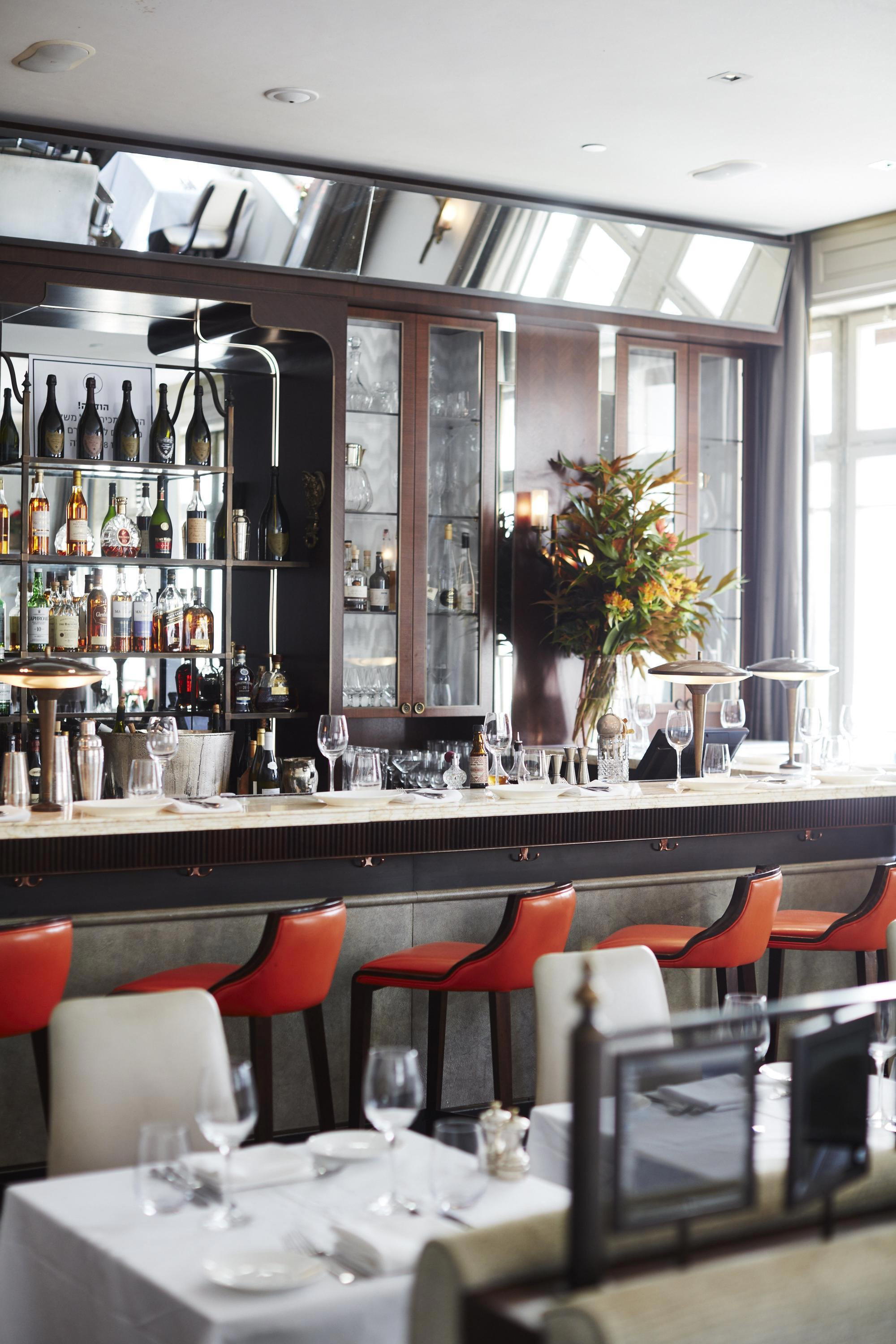
At a Glance
- Elegant
- Sophisticated
- Trendy
- Intimate
- Date Night
- Business Dinner
- Special Occasion
- Hotel Restaurant
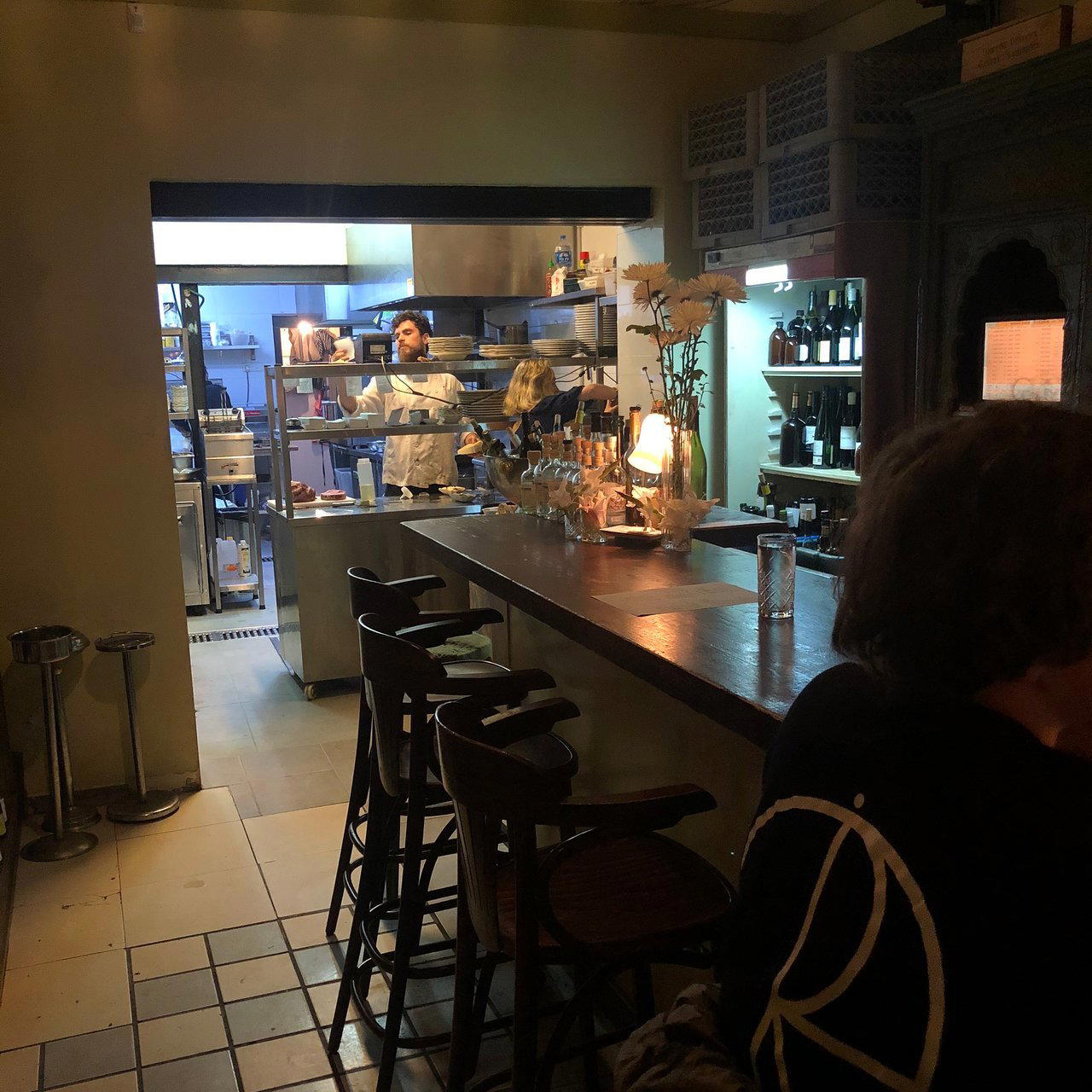
- Open Kitchen
- Craft Cocktails
- Sommelier Led
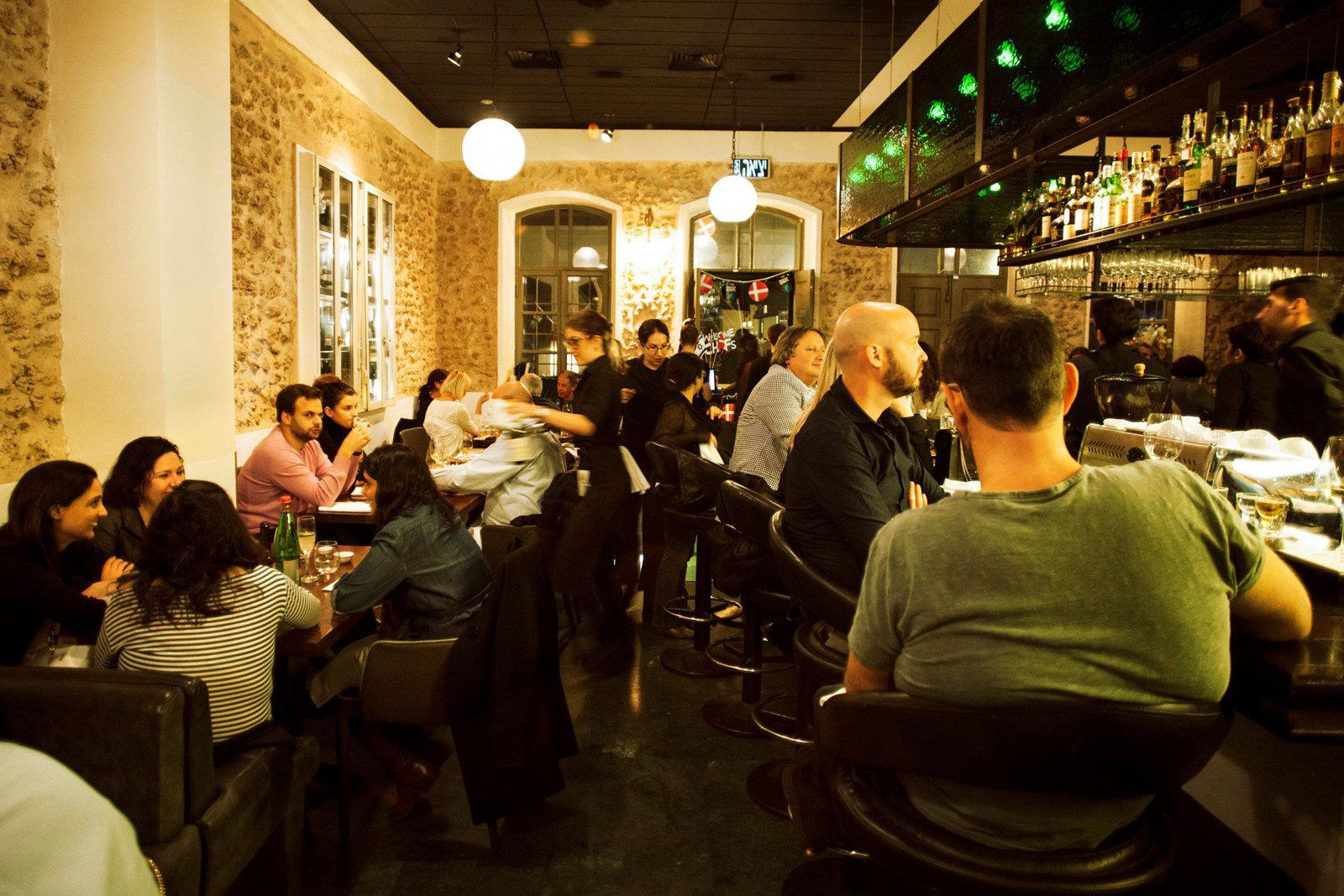
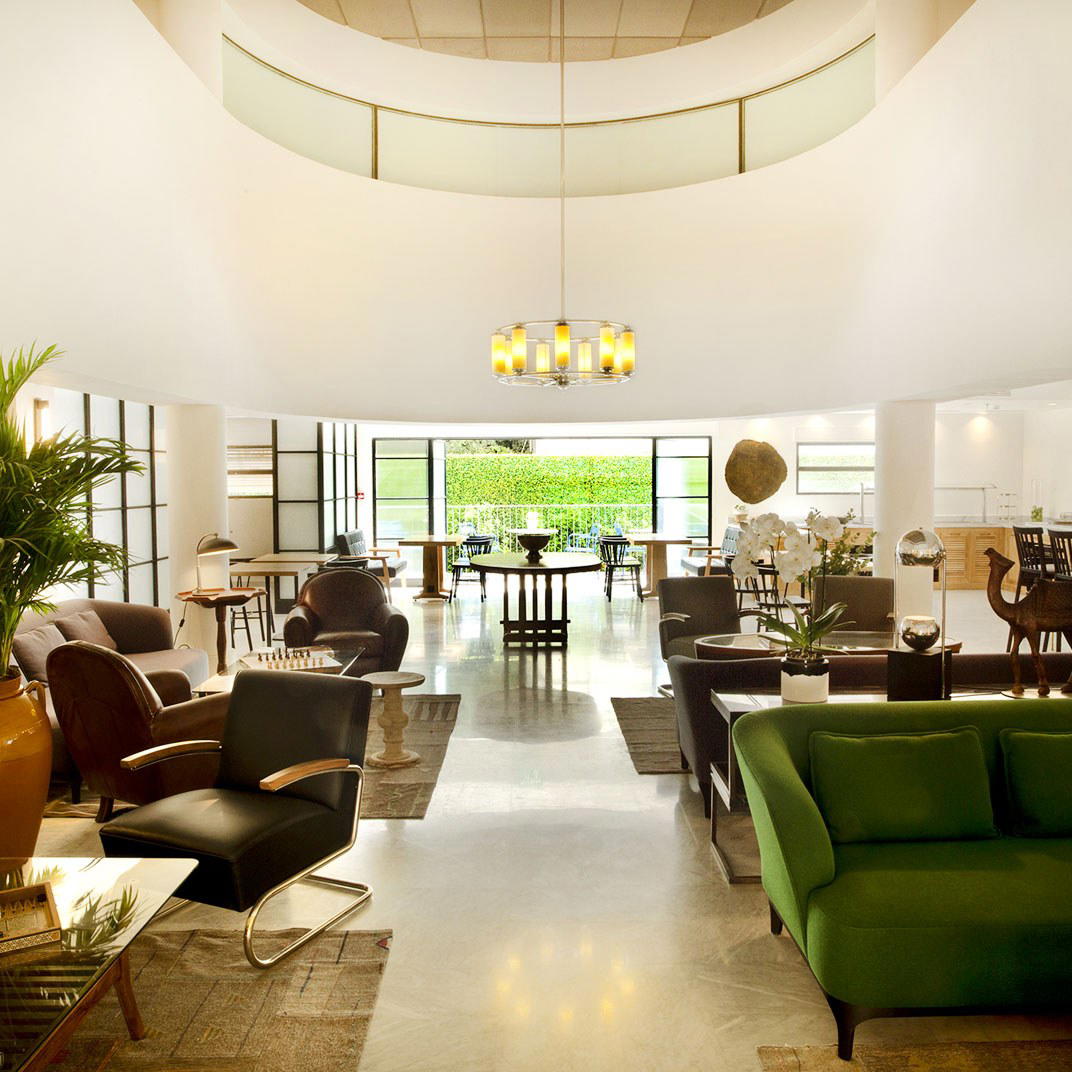
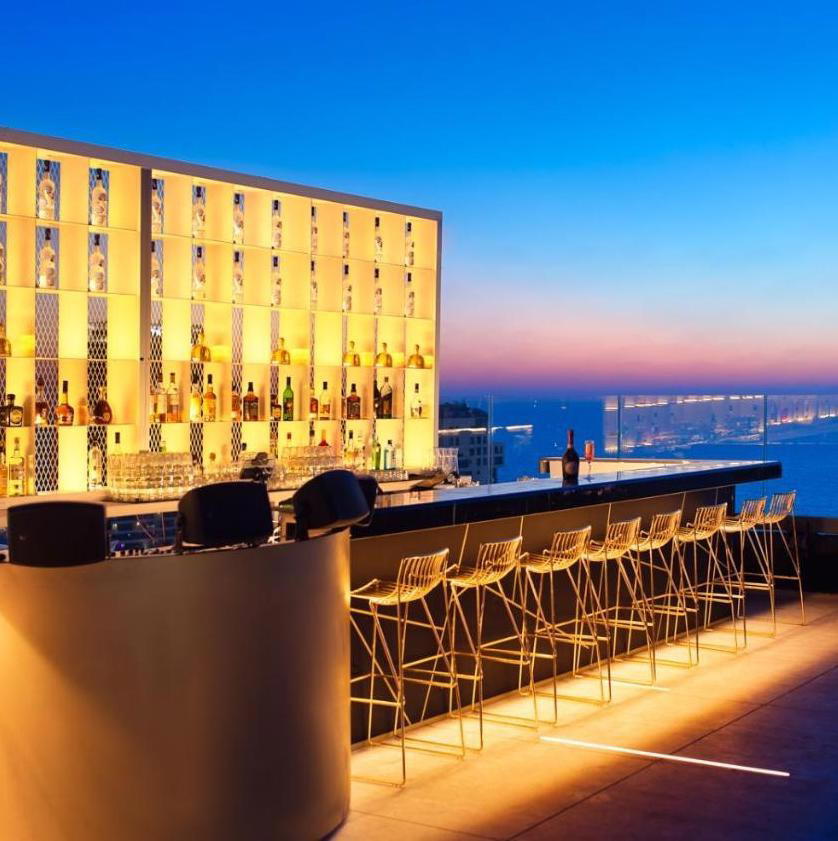
Chic and elegant with lively lobby atmosphere, good for conversation though bar area can get loud.