




La Mar Cebichería in Miraflores is Gastón Acurio's dedicated ceviche house, ranked #31 among South America's top restaurants by Opinionated About Dining in 2024. Open daily for lunch service, the Av. La Mar address has become a reference point for Peru's ceviche tradition, drawing on fresh seafood and combinations that range from the traditional to the vegetable-forward. Chef Anthony Vasquez leads the kitchen.
Pearl is the En Primeur Club membership app — saves, bookings, and concierge access live there. Same editors, same standards.
- Address
- Av. Mariscal La Mar 770, Miraflores 15074, Peru
- Phone
- +51 1 4213365
- Website
- lamarcebicheria.com
- Directions
- Get directions
 Saves & bookings on Pearl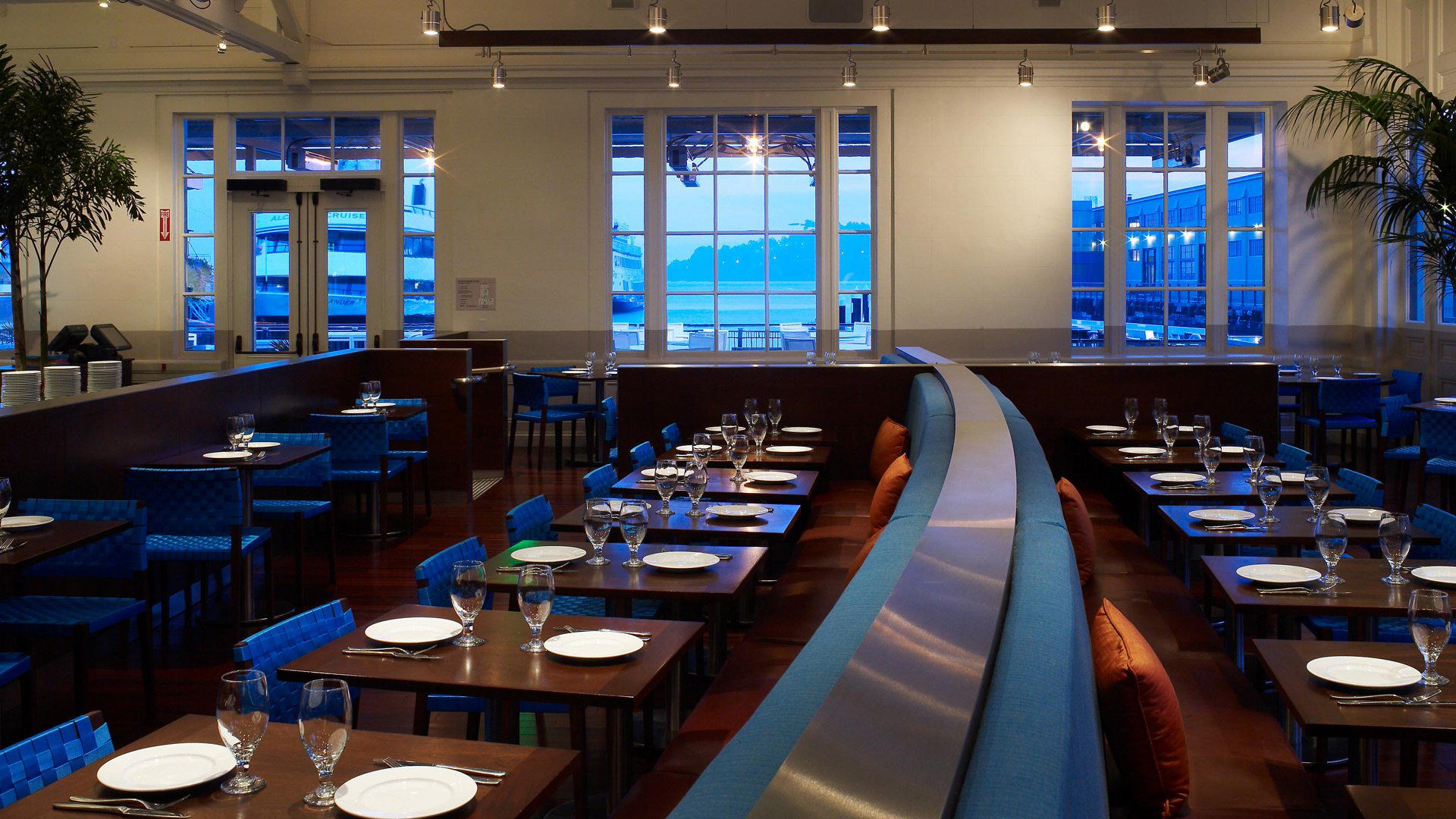
Ceviche as a Serious Culinary Project
La Mar Cebicheria is a Peruvian cevicheria in Miraflores, Lima, ranked #26 in The World's 50 Best Restaurants in 2024, with lunch service centered on ceviche and seafood. At midday, the pavement fills with office workers, tourists, and regulars navigating toward lunch with the kind of purpose that signals a neighborhood that takes its food seriously. La Mar Cebichería sits on that avenue with a format that has shaped how the city thinks about ceviche as a restaurant category: not a quick counter snack, but a structured lunch service around Peru's most exported dish, executed at a level that supports sustained critical attention.
The cebiche restaurant format in Lima operates differently from most of the city's dining categories. Kitchens open at noon and close by mid-afternoon, lunch is the only service, and the entire proposition rests on the freshness of seafood received that morning. The window between a fish's arrival and the moment leche de tigre meets it determines the quality of the dish in ways that evening service cannot replicate. La Mar's hours reflect that logic precisely: Monday through Thursday noon to 5pm, Friday through Sunday to 5:30pm. There is no dinner.
Where La Mar Sits in Lima's Restaurant Hierarchy
Lima's modern restaurant scene is often described through a handful of reference points: the progressive tasting-menu tradition represented by venues like Central, and the classic Creole tradition kept alive by places like Isolina Taberna Peruana. La Mar occupies a different position, specialist rather than omnivorous, focused on the sea rather than the full Andean pantry, and operating within a single daylight service rather than across an evening tasting menu.
That specialization has produced durable recognition. Opinionated About Dining ranked La Mar at #31 in 2024. Movement within a ranked list is not always meaningful, but sustained presence in the top 35 across two consecutive years in a region that includes São Paulo, Buenos Aires, and Bogotá alongside Lima signals consistent execution rather than a moment of critical attention.
The restaurant is also part of the wider Gastón Acurio network. Astrid & Gastón operates at the high-tasting-menu end of the Acurio portfolio; Panchita addresses Lima's anticucho and criollo tradition. La Mar is the project dedicated specifically to ceviche and seafood, with the format replicated across seven cities internationally, a scale that places it in a different competitive bracket from single-location specialists but has not, based on the available critical record, diluted the Lima original's standing.
Anthony Vasquez and the Kitchen's Role in the Scene
The editorial angle on any Acurio venue in Lima requires separating the founding vision from the daily operational reality. Gastón Acurio built a restaurant company that now spans continents; the chefs running individual kitchens are the practitioners shaping what guests actually eat. At La Mar Lima, Anthony Vasquez leads the kitchen. The Acurio group has historically trained its kitchen leadership inside a culture that prizes technical discipline around Peruvian ingredients, leche de tigre acidity levels, the sourcing of corvina and conchas negras, the preparation of tiradito against the structural logic that distinguishes it from ceviche proper.
Peru's nikkei tradition also surfaces here. The menu includes sashimi and sushi preparations alongside traditional ceviche, reflecting Lima's Japanese-Peruvian culinary overlap that emerged through late 19th and early 20th century immigration. This is not fusion as marketing concept but a documented historical development that has produced a recognized culinary style, nikkei, with its own techniques and practitioners. That La Mar includes it alongside traditional ceviche is a statement about what the kitchen considers within scope, and it extends the menu's range without abandoning the seafood-first premise.
Vegetable-forward preparations also appear on the menu, a signal that the kitchen is not narrowly fish-only. Vegetable-forward preparations also appear on the menu.
The Miraflores Context and the Wider Lima Table
Miraflores concentrates a higher density of internationally recognized restaurants than any other Lima district. The restaurants along and around Avenida La Mar, Larco, and the cliff-edge streets facing the Pacific form a competitive cluster where multiple serious kitchens operate within walking distance of each other. Costanera 700 and Cosme in San Isidro occupy adjacent neighborhoods with their own positions in the seafood and contemporary Peruvian categories. Anticuchos Grimanesa addresses a different register of the Lima table entirely, street-rooted and charcoal-forward, but it belongs to the same cluster of serious addresses that a visitor to Miraflores encounters.
For those extending beyond Lima, the Acurio-adjacent world connects outward: Mil in Cusco and Cirqa in Arequipa represent how the Peruvian culinary conversation has regionalized beyond the capital. Peru's culinary influence has also traveled internationally, with Causa in Washington, D.C. and ITAMAE in Miami addressing the nikkei-Peruvian tradition in the American market. Delfin Amazon Cruises in Iquitos and the Delfin I dining room in Nauta extend the Peruvian table into entirely different geography and ingredient logic. All of which situates La Mar not as an isolated address but as a node in a larger Peruvian culinary network that has spent the past two decades internationalizing aggressively.
Planning a Visit
The lunch-only format shapes how La Mar works. Visiting during the week between noon and 2pm places you in the peak service window. The address, Av. Mariscal La Mar 770 in Miraflores 15074, is accessible from most Miraflores hotels without significant travel time.
our full Lima restaurants guide, our full Lima hotels guide, our full Lima bars guide, our full Lima wineries guide, and our full Lima experiences guide.
Reputation Context
Comparable venues nearby, for context on price, style, and recognition.
| Venue | Cuisine | Price | Awards | Notes |
|---|---|---|---|---|
| La Mar CebicheriaThis venue — the venue you are viewing | Peruvian Cevicheria | $$$ | World's 50 Best #26 | Not listed |
| Rafael | Modern Peruvian Fine Dining | $$$ | World's 50 Best #33 | Miraflores |
| Mayta | Modern Peruvian Fine Dining | $$$$ | World's 50 Best #11 | Miraflores |
| OSSO CARNICERIA | Dry-Aged Steakhouse | $$$ | World's 50 Best #44 | San Isidro |
| Shizen Restaurante Nikkei | Nikkei (Japanese-Peruvian Fusion) | $$$ | World's 50 Best #62 | San Isidro |
| Kjolle | Modern Peruvian Fine Dining | $$$$ | World's 50 Best #2 | Barranco |
Recognition history
Dated appearances from independent guides and award organizations, with the underlying list record or original source where available.
Opinionated About Dining Top Restaurants in South America Ranked #27
Opinionated About Dining
Star Wine List
Star Wine List
The Best Chef One Knife
The Best Chef
We're Smart World 2 Radishes
We're Smart World
World's 50 Best Latin America's Best Restaurants #26
World's 50 Best
Opinionated About Dining Top Restaurants in South America Ranked #31
Opinionated About Dining
Opinionated About Dining Top Restaurants in South America Ranked #23
Opinionated About Dining
Continue exploring
More in Lima
Restaurants in Lima
Browse all →
Bars in Lima
Browse all →
Hotels in Lima
Browse all →
Wineries in Lima
Browse all →
At a Glance
- Lively
- Energetic
- Well Known
- Group Dining
- Family
- Casual Hangout
- Celebration
- Open Kitchen
- Craft Cocktails
- Sustainable Seafood
- Street Scene
Current opening hours
- Monday
- 12–5 PM
- Tuesday
- 12–5 PM
- Wednesday
- 12–5 PM
- Thursday
- 12–7 PM
- Friday
- 12–5:30 PM
- Saturday
- 11:30 AM–5:30 PM
- Sunday
- 11:30 AM–5:30 PM
Hours can change for holidays and private events. Last verified .
Buzzy, open-air atmosphere with informal al fresco seating, lively crowds, and a festive vibe focused on fresh seafood.