Our verdict
On Calle Saphy, one of Cusco's quieter colonial streets, Cantina Vino Italiano occupies a position that says something about how Italian wine culture travels. In a city where Andean ingredients define the dining conversation, an Italian-focused wine cantina format offers a counterpoint worth understanding on its own terms.

Pearl is the En Primeur Club membership app, where members save venues, book tables and use the concierge.
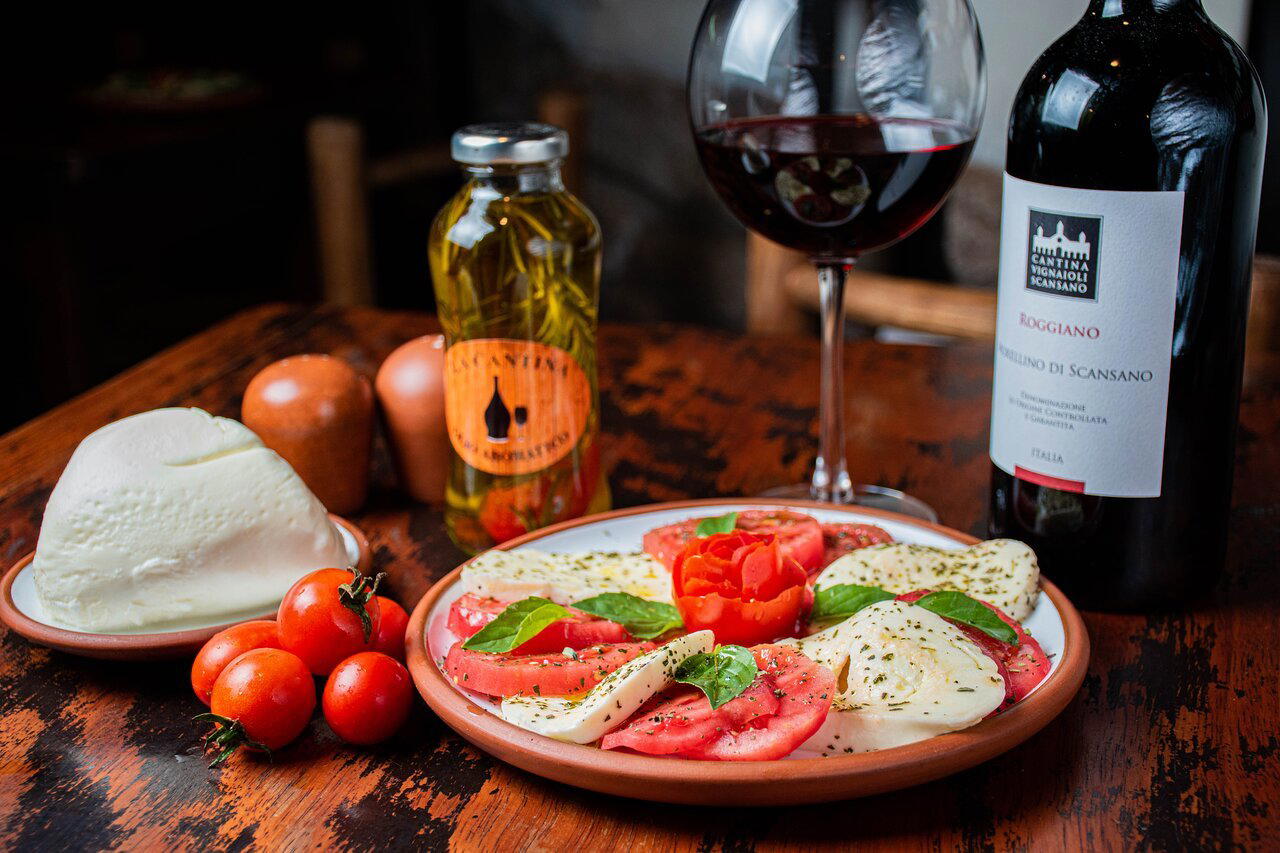
A Street That Sets the Tone
Calle Saphy runs northwest from the Plaza de Armas, shedding the heaviest tourist traffic within a block or two. By the time you reach number 554, the street has the character of a working Cusco address rather than a souvenir corridor. That placement matters for a wine-focused venue. Italian cantinas in their original form are neighbourhood institutions, places where the wine is the anchor and the food exists to support it, and an address with some friction built into it tends to select for guests who have sought the place out rather than stumbled into it.
In a city sitting at 3,400 metres above sea level, the calculus around wine changes. Altitude affects both how alcohol is absorbed and how wine tastes on the palate, which means the sourcing decisions behind a wine list carry more weight than they might at sea level. A bottle chosen for freshness and moderate alcohol reads differently at altitude than in a coastal dining room, and a Italian list, which skews naturally toward higher-acid, often lower-alcohol expressions, has a structural logic in the Andean context that a New World heavy-weight list would not.
Italian Wine in the Andean Context
The story of Italian wine arriving in South America is older than most people assume. Italian immigration to Argentina and southern Brazil in the late nineteenth and early twentieth centuries transplanted grape varieties, winemaking knowledge, and cantina culture across the continent. Peru received smaller waves of that migration, concentrated largely on the coast, but the cultural imprint of Italian food and wine in the Andean interior has come more recently and through different channels: chefs trained in Europe returning home, imported wine lists growing as Cusco's hospitality sector expanded with international tourism, and a broader Peruvian restaurant culture that has spent two decades absorbing external influences without abandoning its own.
That context places Cantina Vino Italiano in an interesting position relative to the dominant dining narrative in Cusco. The city's most discussed restaurants, places like Chicha por Gaston Acurio and Inkaterra La Casona, draw their authority from Andean ingredient sourcing and the alta cocina andina movement that has placed Cusco on the international culinary map. A cantina focused on Italian wine sits outside that frame, which can be a liability or a strength depending on what a guest is looking for after several days of Peruvian tasting menus.
Ingredient Sourcing and the Italian Framework
The Italian cantina format, at its most coherent, is built around a simple sourcing logic: wine from specific appellations, food designed to carry those wines. That often means cured meats, aged cheeses, antipasti assembled rather than cooked, and pasta formats that function as a backdrop rather than a centrepiece. In Cusco, executing that model requires resolving a supply chain problem. Italian DOP ingredients, the bresaola, the parmigiano, the prosciutto di Parma, arrive in Peru through Lima importers, and the supply consistency in a highland city varies in ways it does not in coastal capitals.
The more interesting sourcing question is how a venue at this address handles the crossover. Cusco's own larder is extraordinary by any measure: highland potatoes in dozens of varieties, kiwicha grain, chuño, fresh cheeses from Andean dairy traditions, river trout from the Sacred Valley. Whether a cantina format draws on any of that, or maintains a strict Italian frame, shapes what kind of establishment it becomes. The venues that have lasted in Cusco's competitive mid-range have generally found a position rather than trying to be all things: Cicciolina has held a distinct lane by mixing European technique with Andean produce for years, and Green Point works a different register entirely. A wine cantina that knows its sourcing logic and sticks to it tends to develop a clearer identity than one that tries to match the Andean ingredient programmes of its neighbours.
For context on how Peruvian fine dining handles sourcing at altitude with the most rigour, Mil Centro in Moray, outside the city, represents the apex of that conversation, building its entire programme around the biodiversity of the Sacred Valley. The Cusco city dining scene that surrounds Cantina Vino Italiano is shaped by that precedent, even for venues that are not directly part of it.
Placement in Cusco's Dining Tier
Cusco's restaurant market has stratified considerably over the past decade. At one end, the Plaza de Armas tourist restaurants compete on visibility and menu length. In between sits a substantial mid-range that includes wine bars, cantinas, and European-format bistros drawing from the city's long-stay visitors, the researchers, the Sacred Valley residents who come in for the weekend, and the growing segment of travellers who have done the Machu Picchu circuit before and are now looking for a different kind of evening. That mid-tier is where a wine cantina on Calle Saphy competes, and in that tier the quality of the list matters more than the size of the room.
For a broader orientation to where Cantina Vino Italiano sits within the full range of Cusco options, the EP Club Cusco restaurants guide maps the city's dining across formats and price points. For comparison with how Italian and European wine culture intersects with Andean ingredients elsewhere in Peru, Costanera 700 in Miraflores and Osaka Nikkei in San Isidro illustrate different versions of the conversation in Lima. The full arc of Peruvian restaurant ambition, from highland sourcing at El Rey in Oxapampa to the coastal refinement of Astrid & Gaston in Lima, gives context for where a Cusco cantina sits in the national picture.
Other regional reference points that illuminate different facets of Peruvian dining: Mapacho Craft Beer Restaurant in Urubamba shows how the Sacred Valley is developing its own food and drink identity, while Delfin Amazon Cruises in Iquitos and Delfin I dining room in Nauta represent the Amazonian end of Peruvian ingredient sourcing. Further afield, Cirqa in Arequipa and Maranon Province round out the highland dining picture. For a global frame on what a serious wine-led dining programme can look like, Le Bernardin in New York City and Lazy Bear in San Francisco set reference points at the upper end of the format discipline spectrum.
The venue's address, C. Saphy 554, places it within walking distance of the Plaza de Armas but on a street that rewards the short detour. Given the absence of confirmed booking channels in current listings, arriving early in the evening is a reasonable approach, as cantina formats in this tier tend to fill from local and long-stay visitor traffic rather than from tour groups on fixed schedules. Altitude management, including eating earlier and drinking water alongside wine, applies here as it does everywhere in Cusco.
Frequently asked questions
Can I bring kids to Cantina Vino Italiano?
Nothing in the venue's format at Calle Saphy 554 suggests it is oriented toward families with young children. The cantina model, built around wine-led dining, typically suits adults and older teenagers more naturally.
What should I expect atmosphere-wise at Cantina Vino Italiano?
Calle Saphy runs northwest from Cusco's Plaza de Armas and loses most of its tourist foot traffic within a block or two, which shapes the tone at number 554. The cantina format historically implies a compact, wine-focused room where the list does more talking than the décor. Expect something closer to a neighbourhood wine stop than a high-volume tourist restaurant.
What's the must-try dish at Cantina Vino Italiano?
The cantina format in Italian tradition centres food around wine compatibility, so dishes sourced from the Andean region and framed within Italian technique are the logical draw. Asking the house for what is best matched to whatever is being poured that evening is the practical approach.
Where is Cantina Vino Italiano in Cusco?
Cantina Vino Italiano is located at C. Saphy 554, Cusco 08002, Peru, Cusco.
Quick Comparison
Comparable venues nearby, for context on price, style, and recognition.
| Venue | Cuisine | Price | Awards | Notes |
|---|---|---|---|---|
| Cantina Vino ItalianoThis venue (the venue you are viewing) | Italian Wine Bar & Pizza | $20–30 | Not listed | Not listed |
| Green Point | Modern Vegan Peruvian | $20–30 | We're Smart World 3 Radishes | San Blas |
| Limo | Peruvian Nikkei Fusion | $30–50 | Not listed | Plaza de Armas |
| Papacho's, Cuzco | Peruvian Gourmet Burgers | Not listed | Not listed | Plaza de Armas |
| Inkaterra La Casona | Traditional Peruvian Fine Dining | Not listed | Relais Chateaux Award | Plaza de las Nazarenas |
| Marcelo Batata Restaurante | Peruvian Criolle and Andean Fusion | Not listed | Not listed | Cusco City Center |
Continue exploring
More in Cusco
Restaurants in Cusco
All restaurants in Cusco →
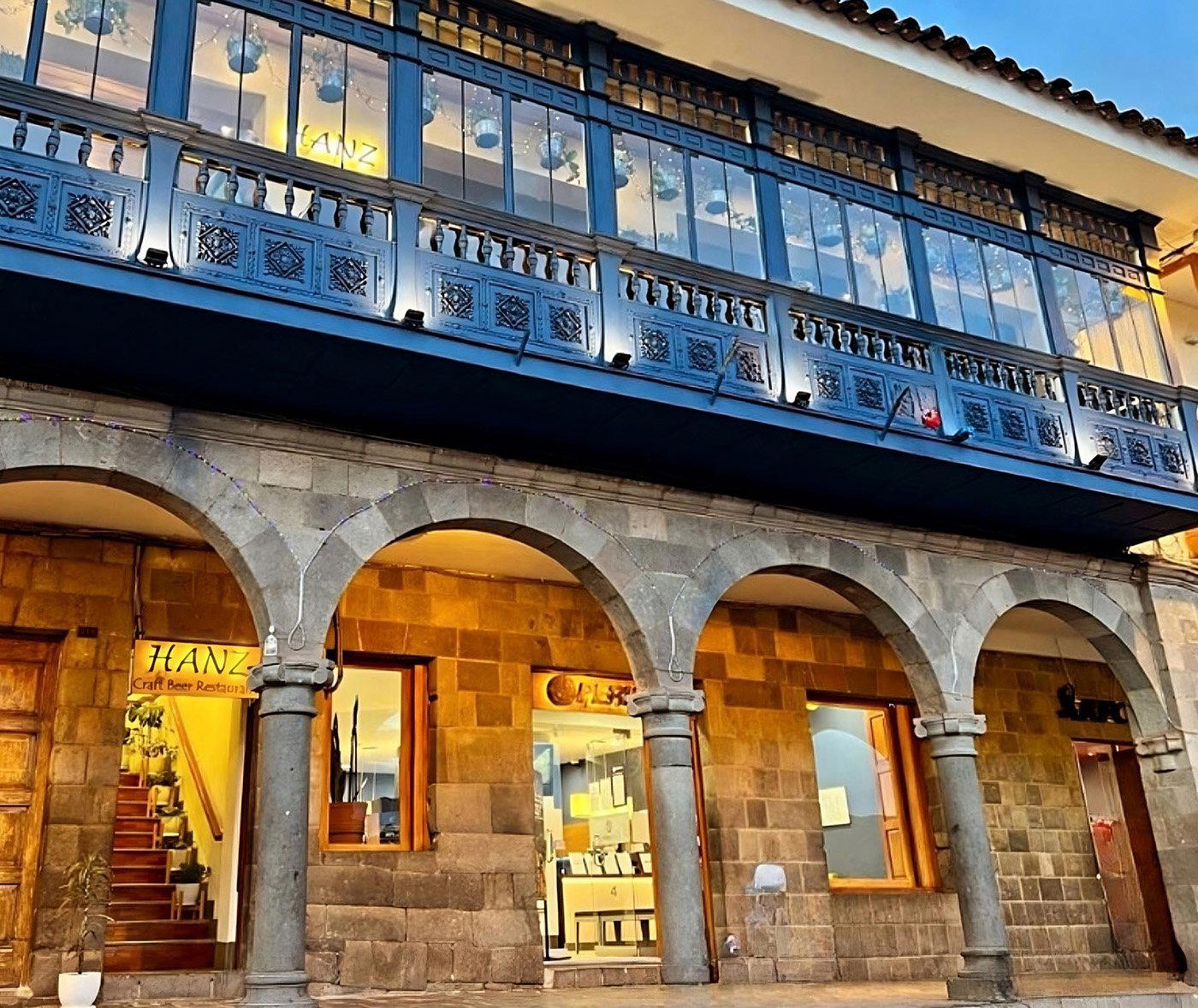
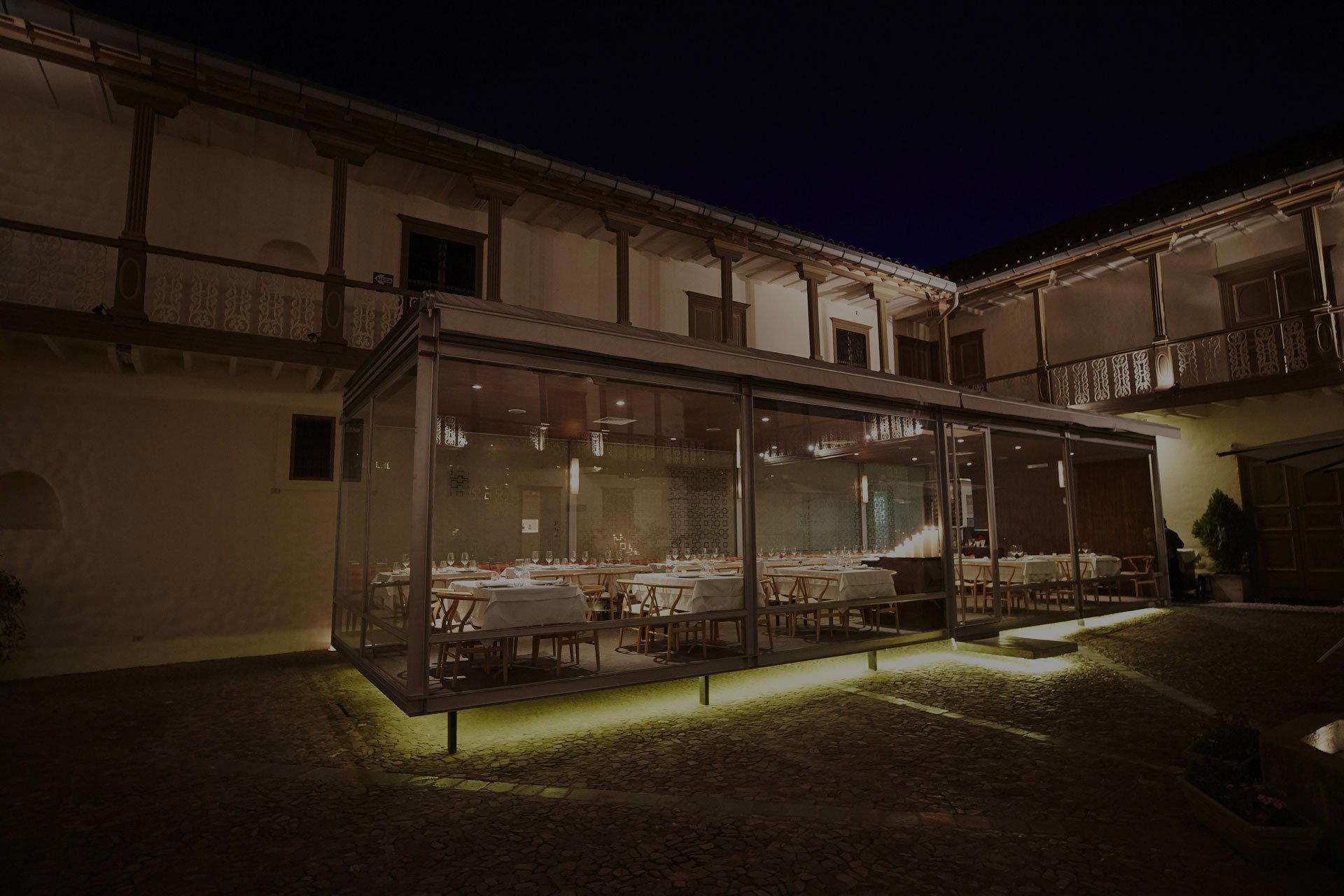
Bars in Cusco
Browse all →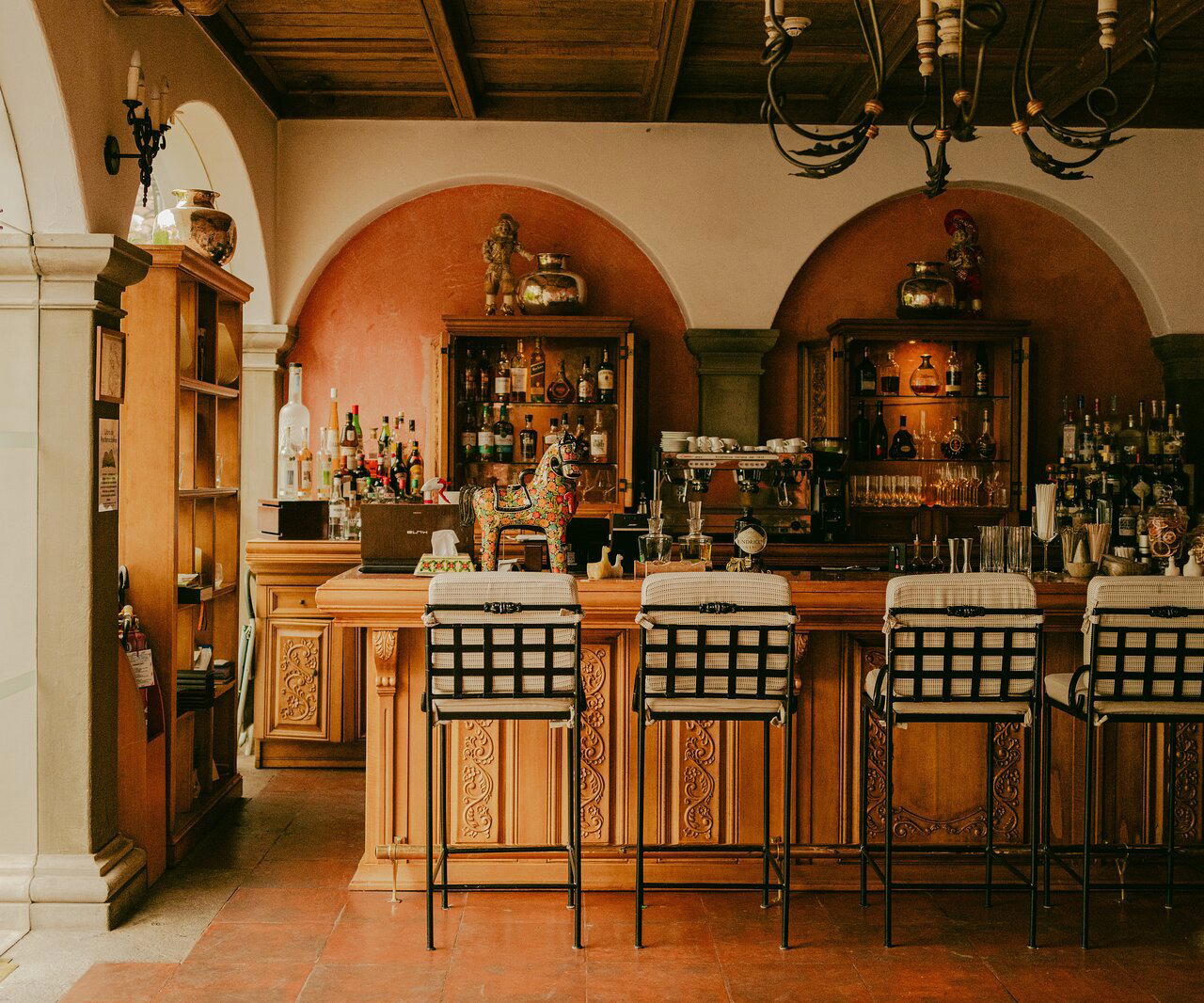
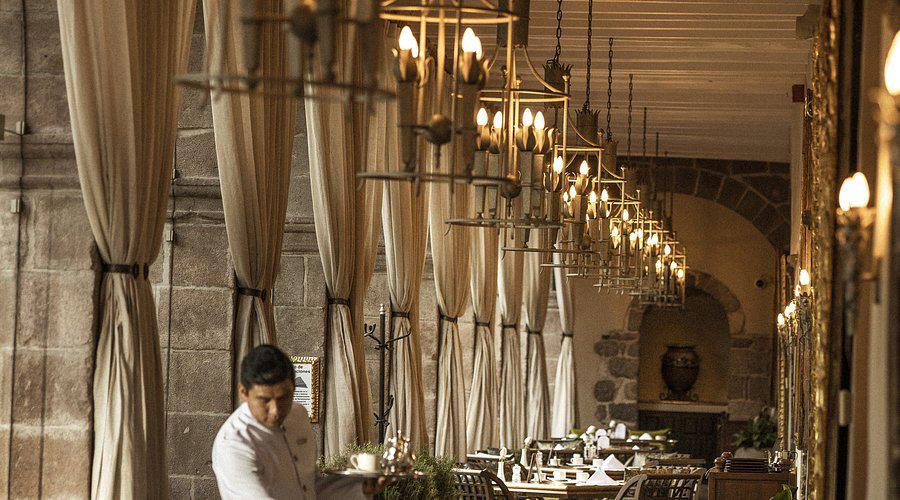
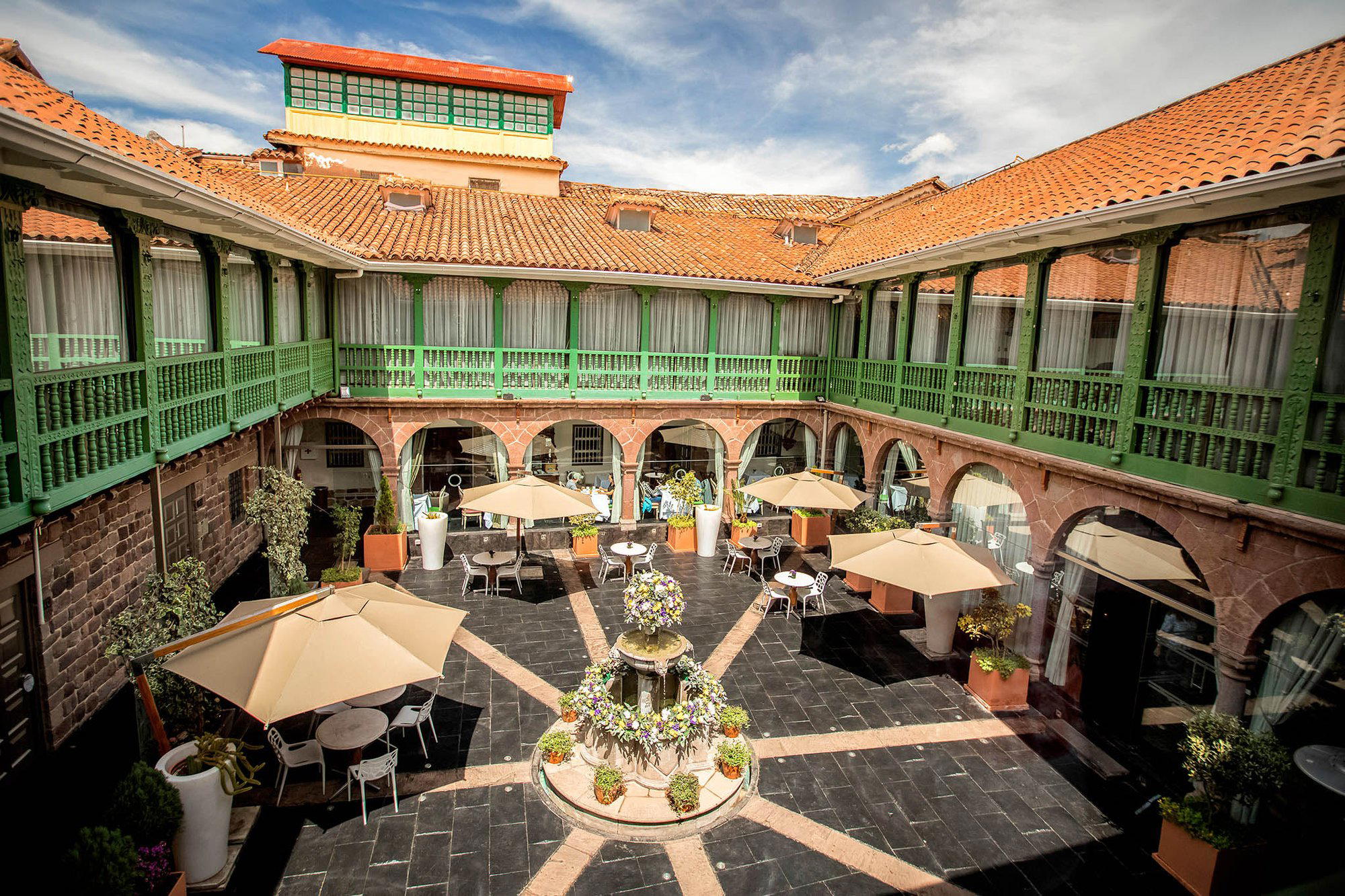
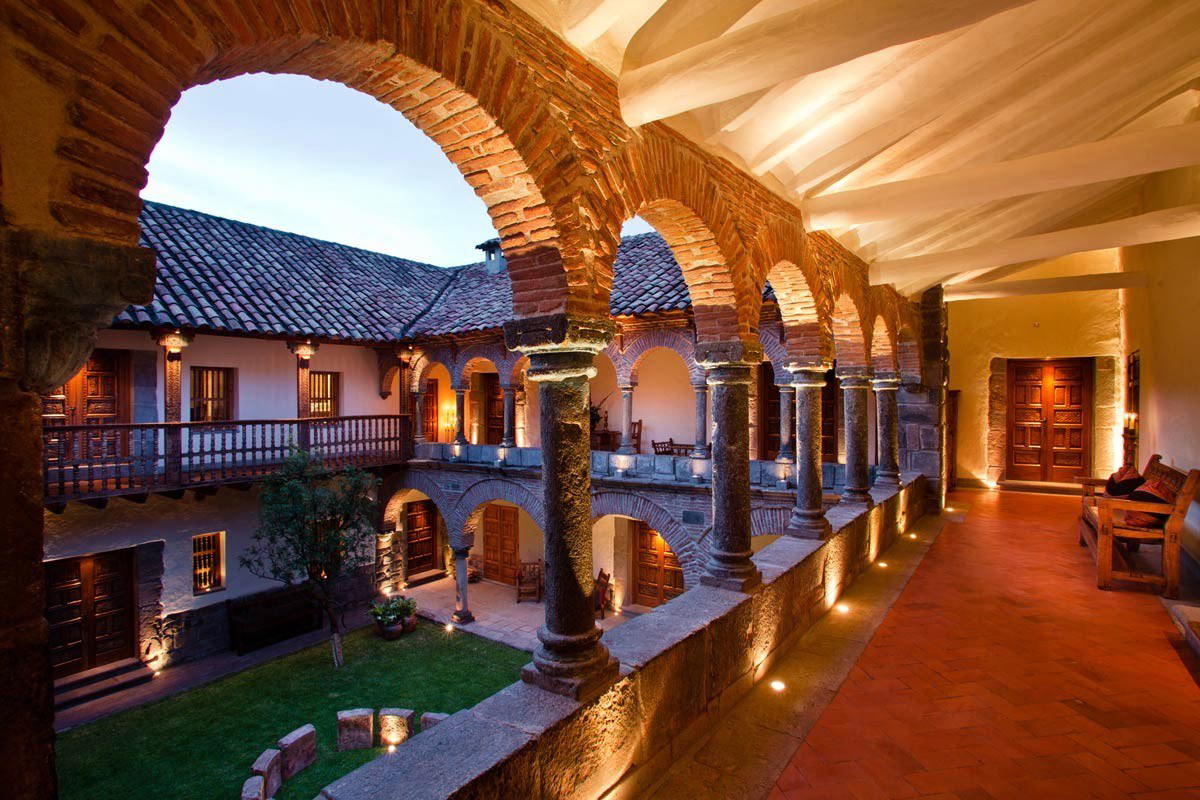
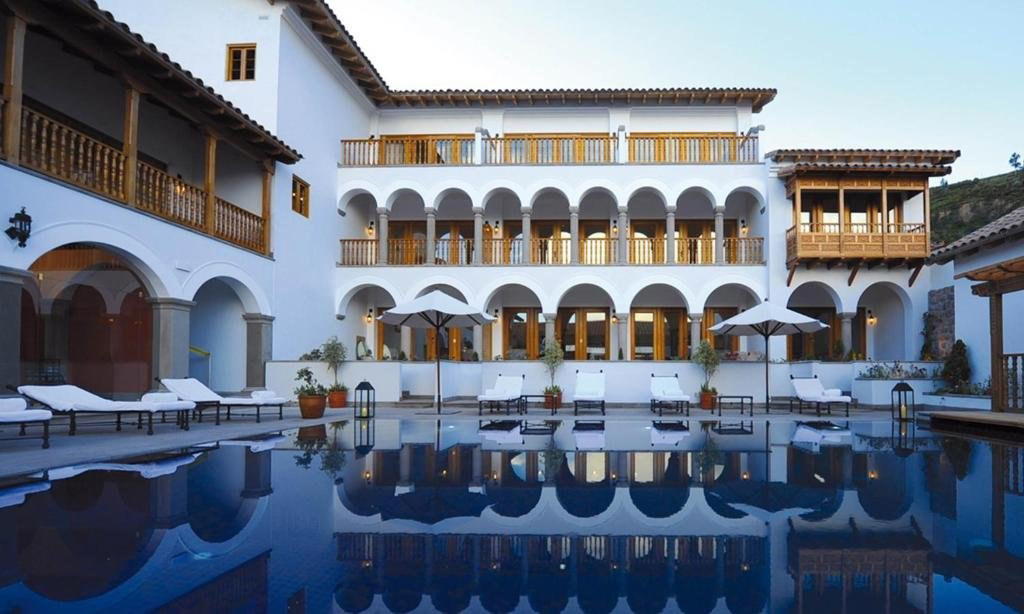
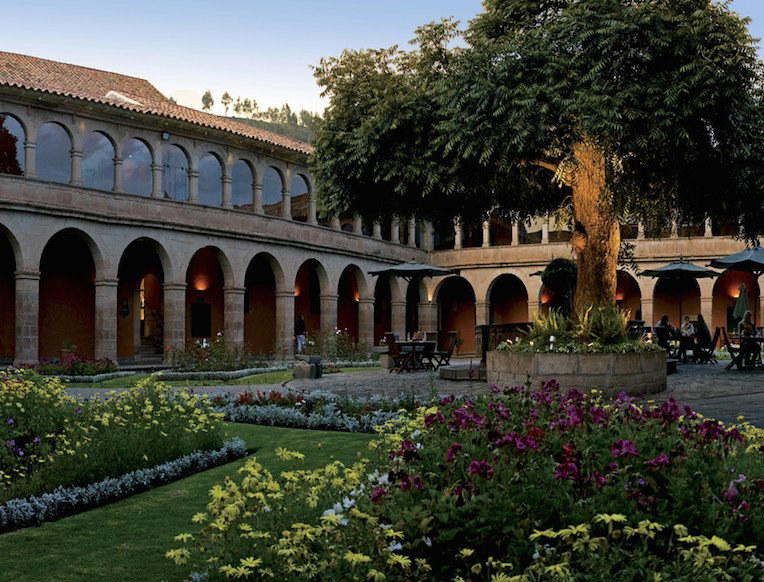
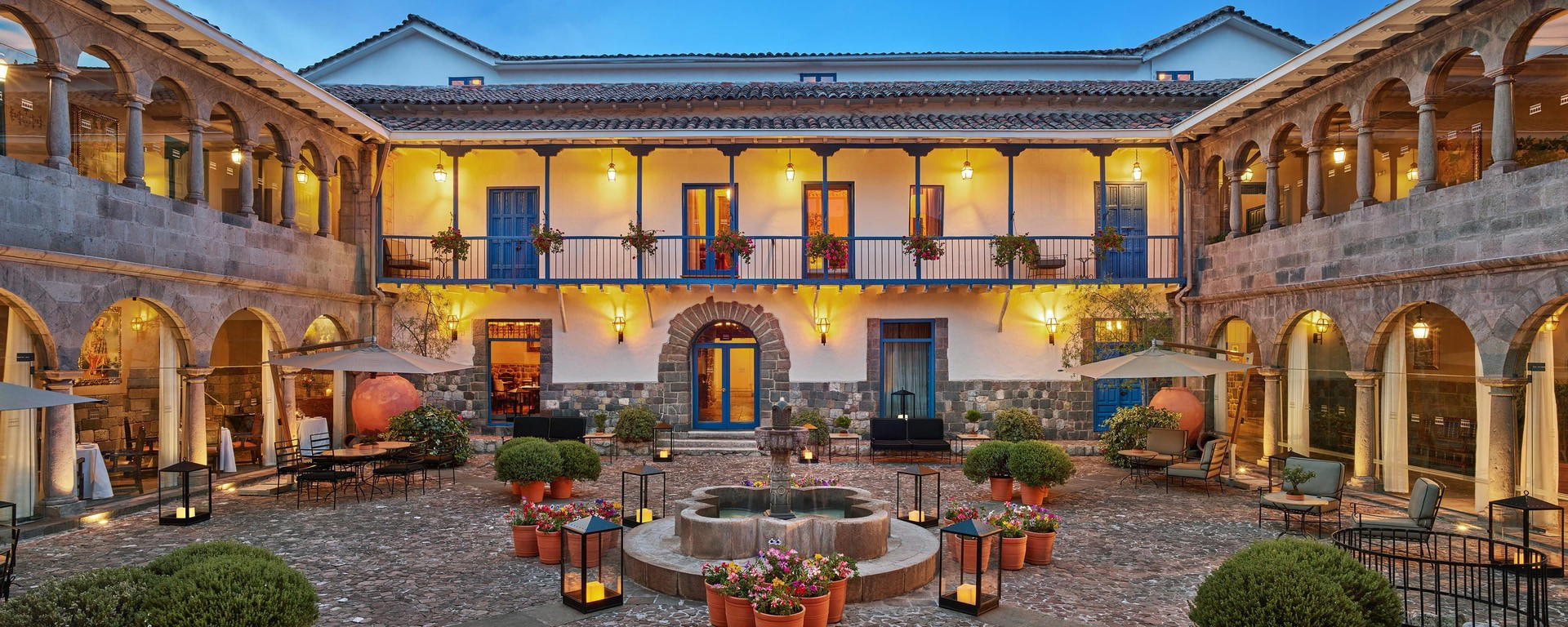
Cantina Vino Italiano
The wine
- Wine program
- Deep wine list
- Extensive wine list
Details
- Intimate
- Cozy
- Romantic
- Rustic
- Date Night
- Casual Hangout
- Special Occasion
- Wine Cellar
- Extensive Wine List
- A La Carte
- Small Plates
- Italian Wine
- Vegetarian Friendly
Current opening hours
- Monday
- 6–11 PM
- Tuesday
- 6–11 PM
- Wednesday
- 6–11 PM
- Thursday
- 6–11 PM
- Friday
- 6–11 PM
- Saturday
- 6–11 PM
- Sunday
- 6–11 PM
Hours can change for holidays and private events. Hours as of .
Intimate and cozy with walls lined with wine bottles, warm family atmosphere, and relaxed rustic mood.