






Set inside the 17th-century Casa Moreyra hacienda in San Isidro, Astrid & Gastón has held a place in the World's 50 Best Restaurants every year from 2011 to 2018, peaking at #14 in 2013 and 2015. Under chef Jorge Muñoz Castro, the restaurant runs a tasting format built around Peruvian biodiversity, with vegetables as a recurring editorial thread. Ranked #9 in South America by Opinionated About Dining in 2025.
Pearl is the En Primeur Club membership app — saves, bookings, and concierge access live there. Same editors, same standards.
- Address
- Av. Paz Soldán 290, San Isidro 15073, Peru
- Phone
- +51 1 4422777
- Website
- astridygaston.com
- Directions
- Get directions
 Saves & bookings on Pearl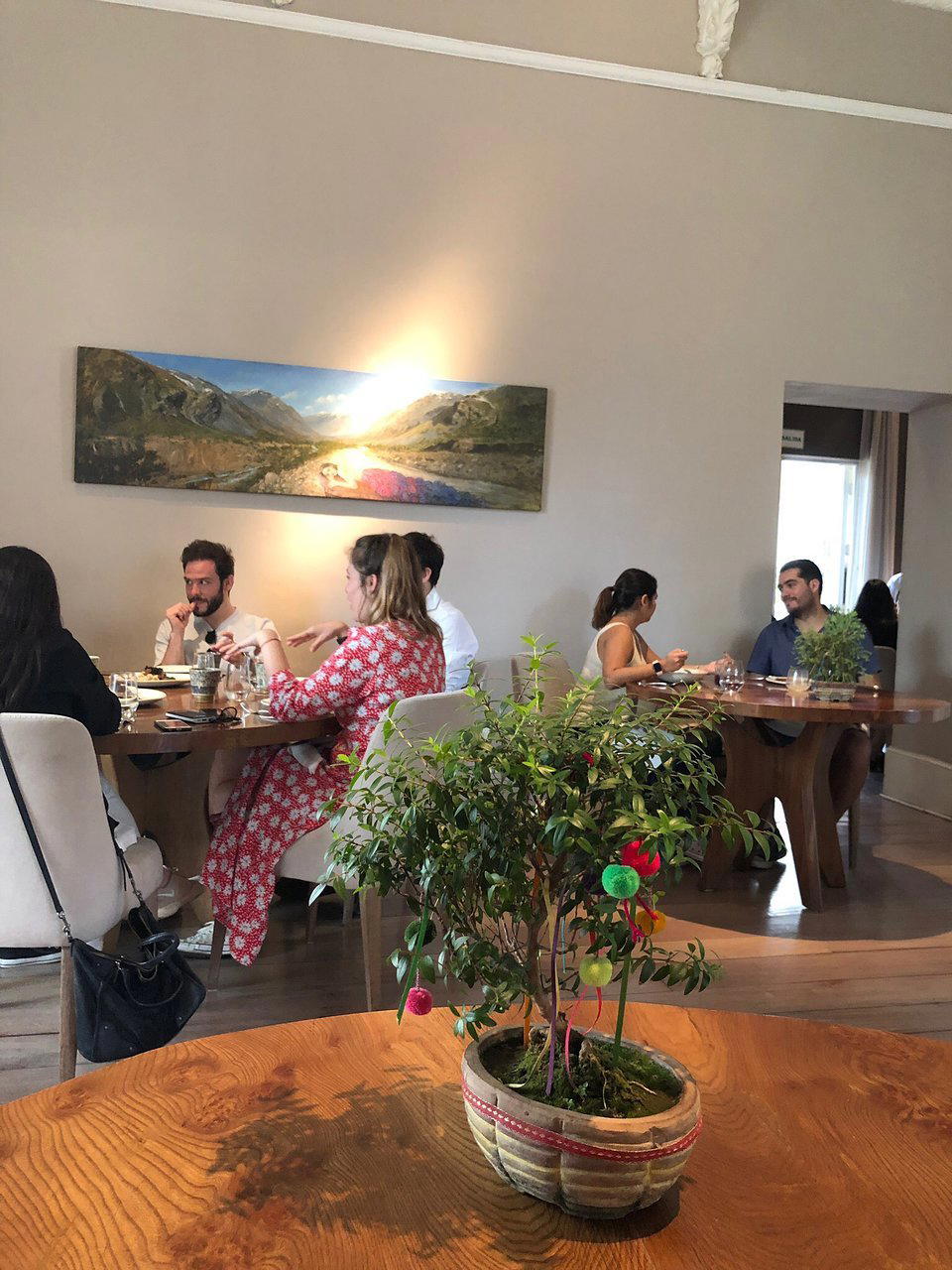
A Hacienda at the Centre of Peru's Modern Dining Moment
Approaching Casa Moreyra along Av. Paz Soldán in San Isidro, the 17th-century hacienda reads as an anomaly: thick colonial walls and a courtyard that predates the republic, sitting inside Lima's financial district. That physical tension, old land held by new money, turns out to be an apt frame for what has happened to Peruvian haute cuisine over the past two decades. Astrid & Gastón occupies this building not as a heritage curiosity but as a working argument that Peru's pantry, its coastal fish, Andean root vegetables, Amazonian botanicals, and highland grains, belongs in the same conversation as the world's most technically demanding kitchens.
The restaurant's record in the Lima fine-dining scene helps contextualize the current moment. From 2011 through 2018, Astrid & Gastón held a position in the World's 50 Best Restaurants list every single year, peaking at #14 in both 2013 and 2015 and reaching #30 in 2016. By the time Central (Progressive Peruvian) and Maido (Nikkei) were trading top-ten positions on that same list, Astrid & Gastón had already established that Lima was a serious destination, not a regional curiosity. It is difficult to read the current generation of Peruvian fine dining without acknowledging that this restaurant built much of the infrastructure, conceptual and reputational, that made the boom possible.
The Regional Logic Behind the Menu
Peru's geographic range is the key fact behind its cooking. The country compresses coast, high sierra, and jungle into a relatively compact territory, producing a pantry that no single Latin American country can match in sheer variety. This is the condition that Peruvian fine dining, at its most thoughtful, tries to articulate. Where Oaxacan cuisine in Mexico draws from one coherent regional tradition, or where Yucatecan cooking maps a specific historical corridor, Peruvian modern cuisine must work across multiple ecological zones simultaneously, choosing which altitude, which biome, which pre-Columbian lineage to foreground in any given dish.
Astrid & Gastón's tasting format addresses this directly. The 28-course structure, documented by guests and verified through Opinionated About Dining's coverage, operates as a survey rather than a single argument. Vegetables carry particular weight here: in 2018, the restaurant was recognised as Leading Vegetable Restaurant in Peru, a credential that places it in a specific position within the Peruvian tasting-menu tier, where protein-forward formats are far more common. That distinction also explains the educational dimension guests report: a reference guide to the tasted products, distributed at the end of the meal, functions less as a souvenir and more as evidence that the menu is built around knowledge transfer as much as pleasure.
Current culinary direction sits with chef Jorge Muñoz Castro, who has maintained the restaurant's place in the Lima comparable set. The Opinionated About Dining ranking has tracked a modest upward trajectory: #15 in 2024, #9 in 2025, with a La Liste score of 85 points in 2026. That movement suggests the kitchen is active rather than coasting on an established name.
San Isidro and the Fine-Dining Geography of Lima
San Isidro functions as Lima's professional core, and its restaurant scene skews toward the formal end of the spectrum. Astrid & Gastón holds company here with Cosme in San Isidro, while Miraflores, a short drive south, anchors a parallel cluster that includes Costanera 700 in Miraflores. The distinction matters: San Isidro's restaurant culture tends to attract a business-lunch and long-format dinner clientele, which suits the pacing of a 28-course tasting menu far better than a neighbourhood with higher table-turn pressure.
The Casa Moreyra building amplifies this. A 17th-century hacienda provides something that a purpose-built restaurant cannot replicate: genuine spatial depth. Courtyards, corridors, and rooms of different scales allow a long tasting format to unfold through distinct environments rather than a single static room. For context on how Lima's fine-dining addresses spatial experience, the contrast with Kjolle and Maras, both of which operate from designed, contemporary spaces, is instructive. The hacienda format at Astrid & Gastón sits in a different register entirely.
Where Astrid & Gastón Sits in the Peruvian Scene Today
Peru's fine-dining tier has fragmented productively since the early 2010s. Central's altitude-mapping format, Maido's Nikkei lineage, Rafael's European-inflected approach, and Kjolle's ingredient-led experimentation all occupy distinct positions. Astrid & Gastón's position is different from all of them: it is the restaurant that helped define what Peruvian fine dining could be before any of the current generation had opened, and it continues to operate as a reference point rather than a follower.
That history produces a specific kind of gravity. Visitors arriving from abroad who have followed Peruvian cuisine's rise over the past decade will find Astrid & Gastón a necessary stop: not because it currently occupies the leading position in any single ranking, but because its accumulated record provides context that the newer restaurants cannot offer by definition.
The broader Peruvian restaurant scene extends well beyond Lima. Mil in Cusco, operating at altitude above the Sacred Valley, and Mauka, Modern Peruvian in Cusco, extend the country's fine-dining conversation into the highlands. Cirqa in Arequipa brings the same seriousness to the south. For travellers building a longer Peru itinerary, the remote end of the spectrum is covered by Delfin Amazon Cruises in Iquitos and the Delfin I dining room in Nauta. Astrid & Gastón in Lima sits at the origin point of this network, not the newest node but the one that gave the others a frame to work inside or against.
Planning a Visit
The restaurant operates Monday through Saturday from 1 to 10:45 pm, with Sunday closed. Monday is closed. The San Isidro address, Av. Paz Soldán 290, is accessible from Lima's Jorge Chávez International Airport, approximately 22 km away. For guests building a full Lima visit around the dining scene, the supporting context sits nearby in San Isidro and across the city. The courtyard environment at Casa Moreyra reads differently in natural light.
Booking and Cost Snapshot
Comparable venues nearby, for context on price, style, and recognition.
| Venue | Cuisine | Price | Awards | Notes |
|---|---|---|---|---|
| Astrid & GastónThis venue — the venue you are viewing | San Isidro, Modern Peruvian Fine Dining | $$$$ | World's 50 Best #14 | Not listed |
| Central | Barranco, Modern Peruvian Tasting Menu | $$$$ | World's 50 Best #1 | Not listed |
| Mérito | Not listed | $$$ | World's 50 Best #4 | Barranco, Modern Venezuelan-Peruvian Fusion |
| Kjolle | Barranco, Modern Peruvian Fine Dining | $$$$ | World's 50 Best #2 | Not listed |
| Maido | Not listed | $$$$ | World's 50 Best #1 | Miraflores, Nikkei (Japanese-Peruvian Fusion) |
| Mayta | Miraflores, Modern Peruvian Fine Dining | $$$$ | World's 50 Best #11 | Not listed |
Recognition history
Dated appearances from independent guides and award organizations, with the underlying list record or original source where available.
La Liste Top Restaurants
La Liste
Opinionated About Dining Top Restaurants in South America Ranked #16
Opinionated About Dining
Relais Chateaux Award
Relais Chateaux
Star Wine List
Star Wine List
Opinionated About Dining Top Restaurants in South America Ranked #9
Opinionated About Dining
Relais Chateaux Award
Relais Chateaux
We're Smart World 2 Radishes
We're Smart World
World's 50 Best Latin America's Best Restaurants #81
World's 50 Best
Opinionated About Dining Top Restaurants in South America Ranked #15
Opinionated About Dining
Opinionated About Dining Top Restaurants in South America Ranked #13
Opinionated About Dining
World's Best Wine Lists Awards WBWL Category Winner
World's Best Wine Lists Awards
World's Best Wine Lists Awards WBWL 3-Star
World's Best Wine Lists Awards
World's 50 Best Best Restaurants #39
World's 50 Best
World's 50 Best Best Restaurants #33
World's 50 Best
World's 50 Best Best Restaurants #30
World's 50 Best
World's 50 Best Best Restaurants #14
World's 50 Best
World's 50 Best Best Restaurants #18
World's 50 Best
World's 50 Best Best Restaurants #14
World's 50 Best
World's 50 Best Best Restaurants #35
World's 50 Best
World's 50 Best Best Restaurants #42
World's 50 Best
Continue exploring
More in Lima
Restaurants in Lima
Browse all →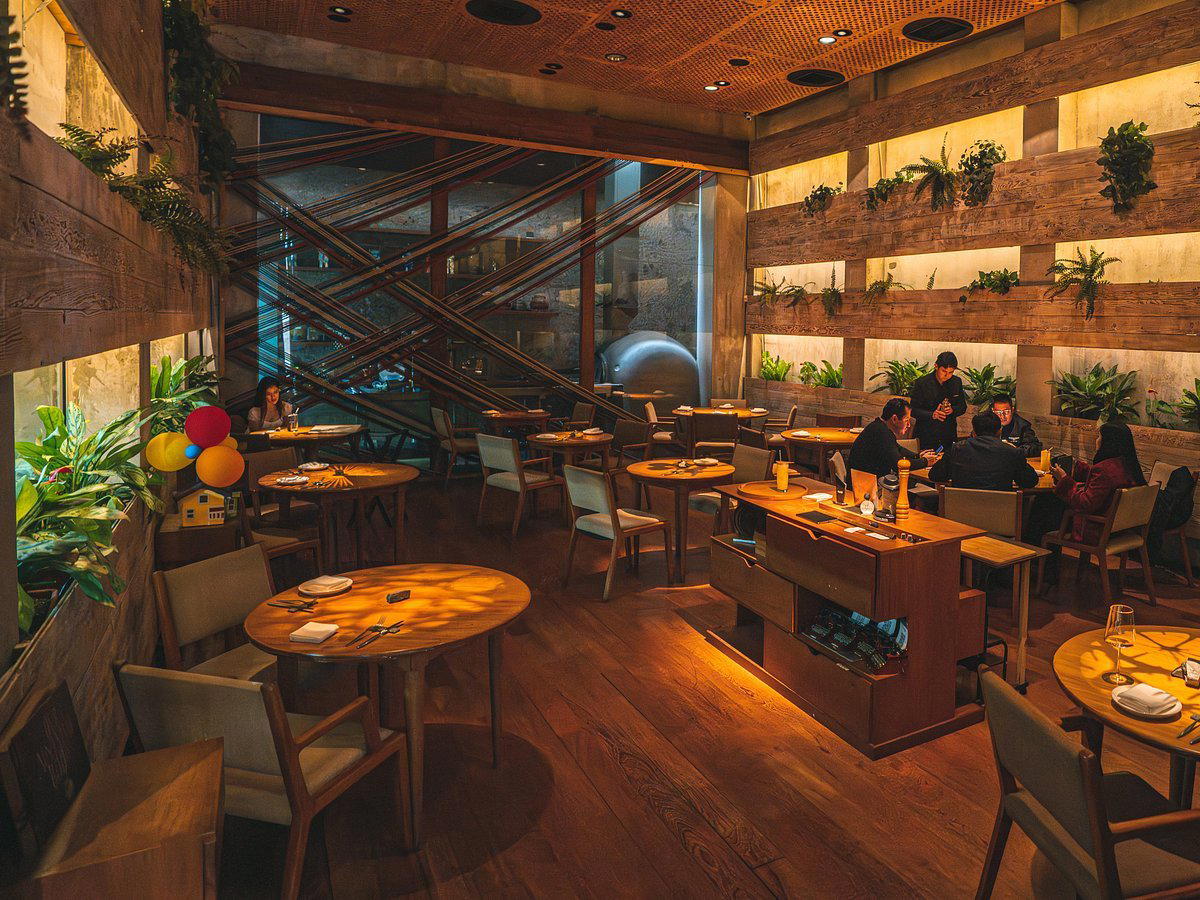
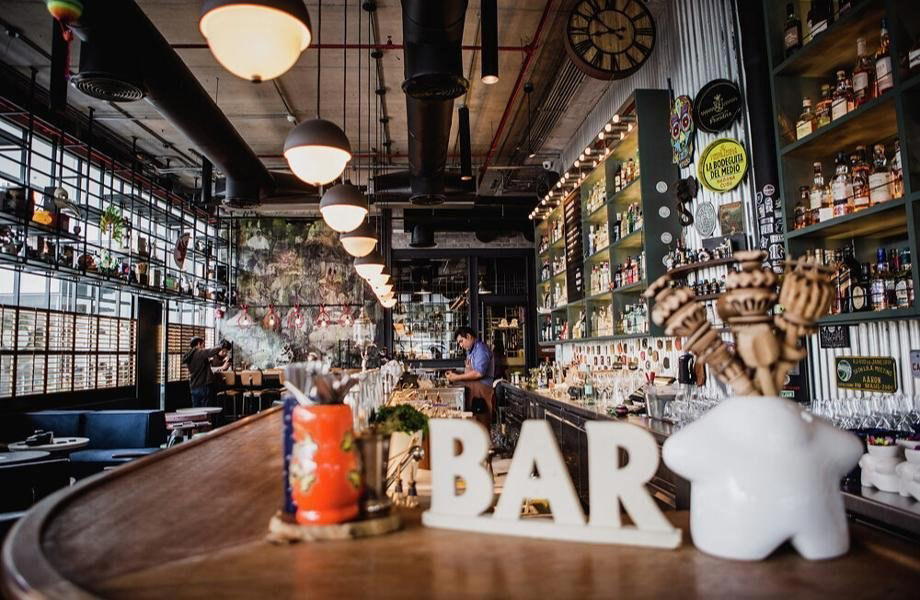
Bars in Lima
Browse all →
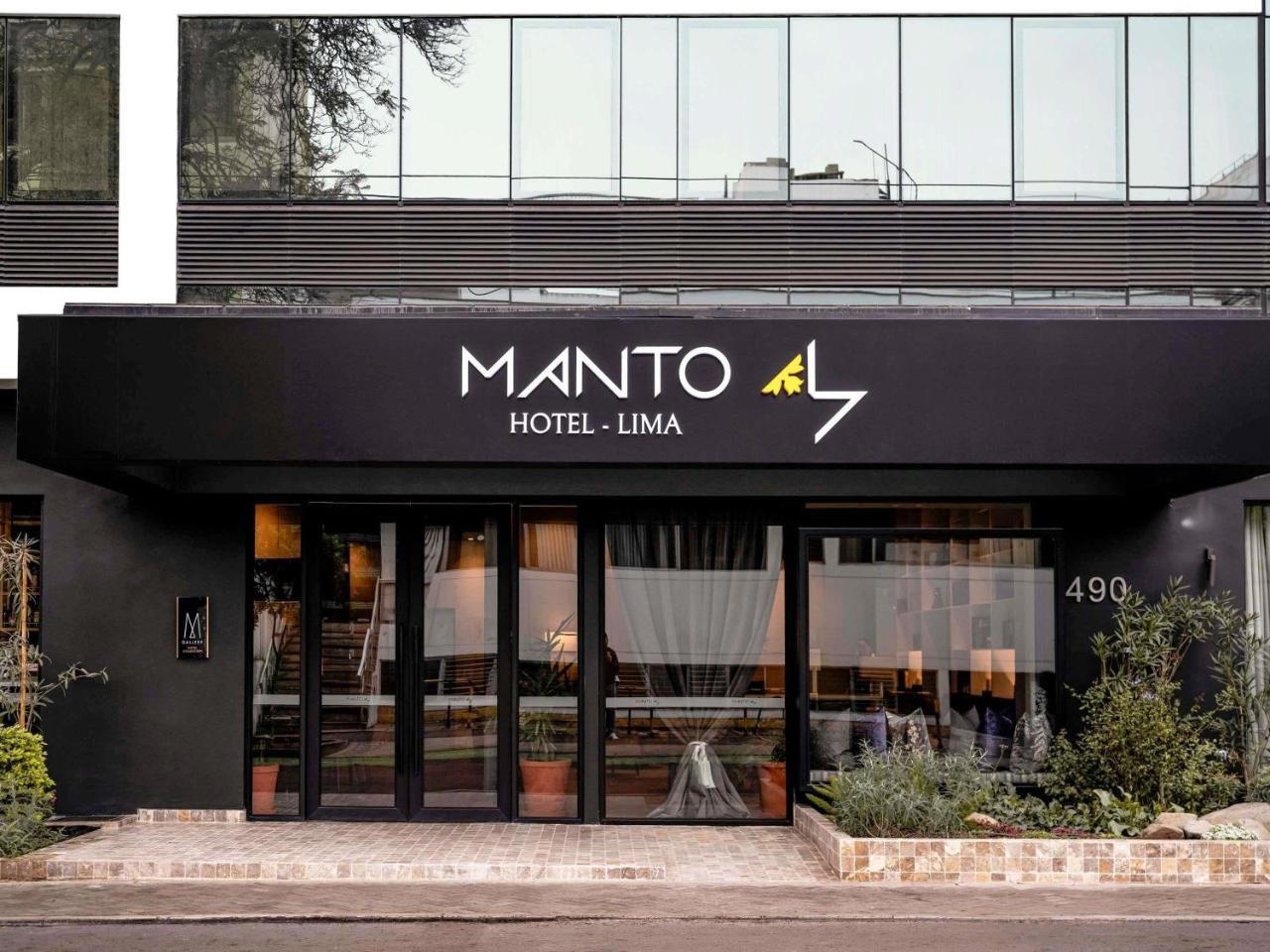
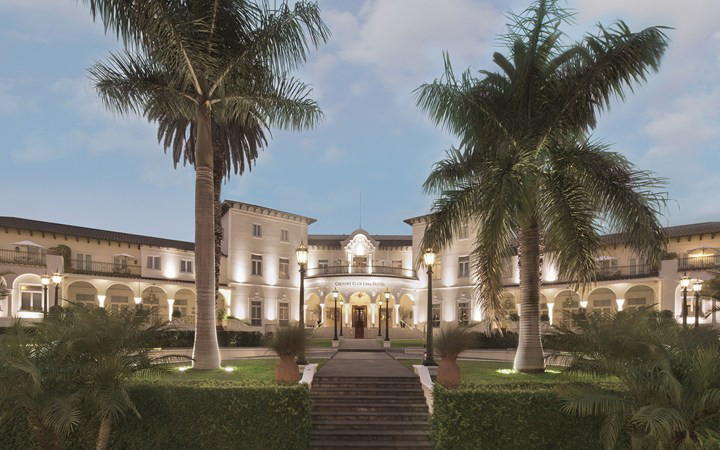
Hotels in Lima
Browse all →

Wineries in Lima
Browse all →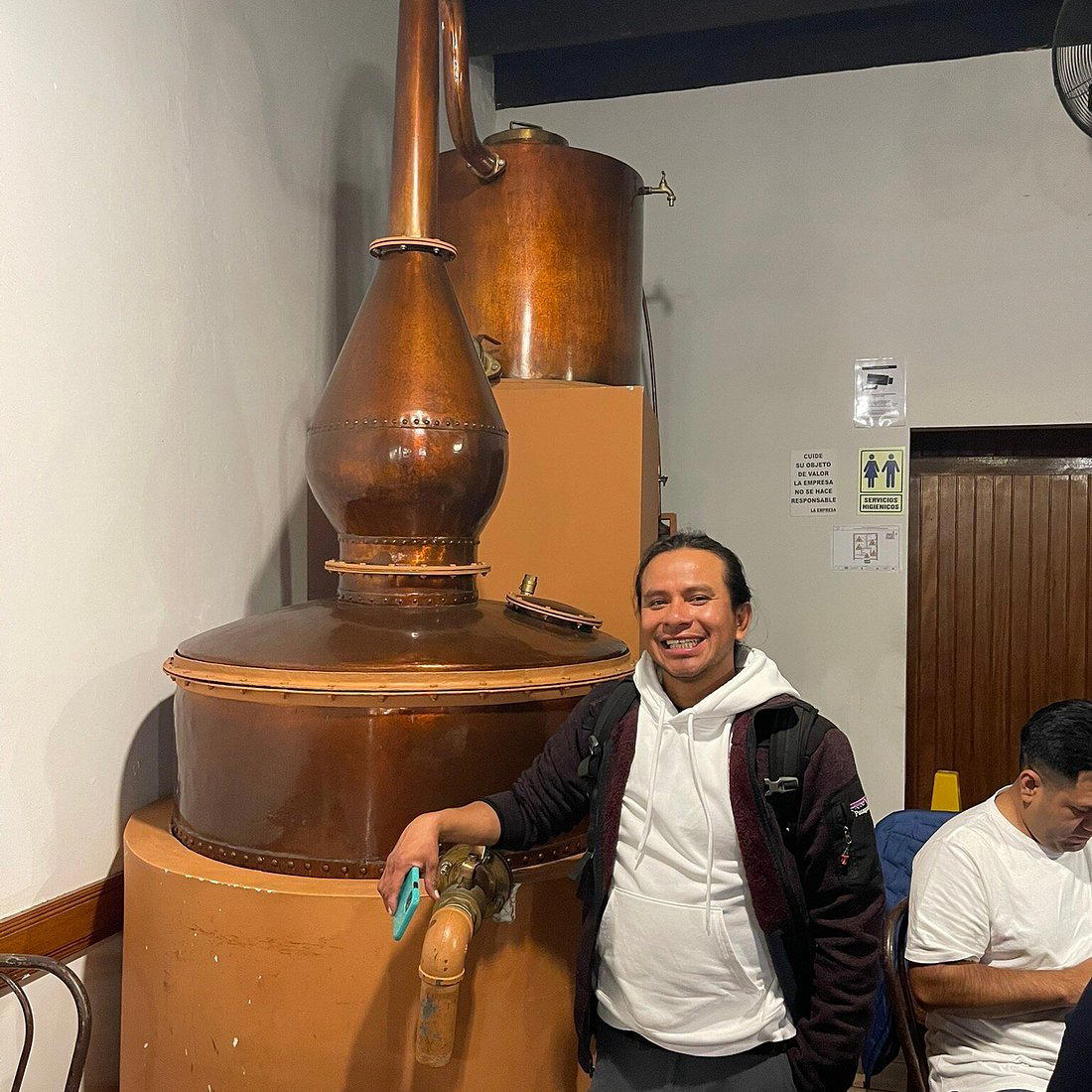
At a Glance
- Elegant
- Sophisticated
- Classic
- Well Known
- Special Occasion
- Date Night
- Business Dinner
- Celebration
- Private Dining
- Historic Building
- Extensive Wine List
- Sommelier Led
- Local Sourcing
Current opening hours
- Monday
- 1–10:45 PM
- Tuesday
- 1–10:45 PM
- Wednesday
- 1–10:45 PM
- Thursday
- 1–10:45 PM
- Friday
- 1–10:45 PM
- Saturday
- 1–10:45 PM
- Sunday
- Closed
Hours can change for holidays and private events. Last verified .
Warm and elegant atmosphere in a beautiful historic house with cultural Peruvian decor, ambient music, and multiple intimate dining rooms.