Our verdict
Mapacho Craft Beer Restaurant sits on Urubamba's main drag at Imperio de los Incas 614, occupying a corner of the Sacred Valley's emerging craft-drink scene where local ingredients meet small-batch brewing. It draws travellers and valley residents in roughly equal measure, functioning as a casual counterpoint to the area's higher-format dining rooms. For those passing through between Cusco and Ollantaytambo, it reads as a practical and unpretentious stop.

Pearl is the En Primeur Club membership app, where members save venues, book tables and use the concierge.
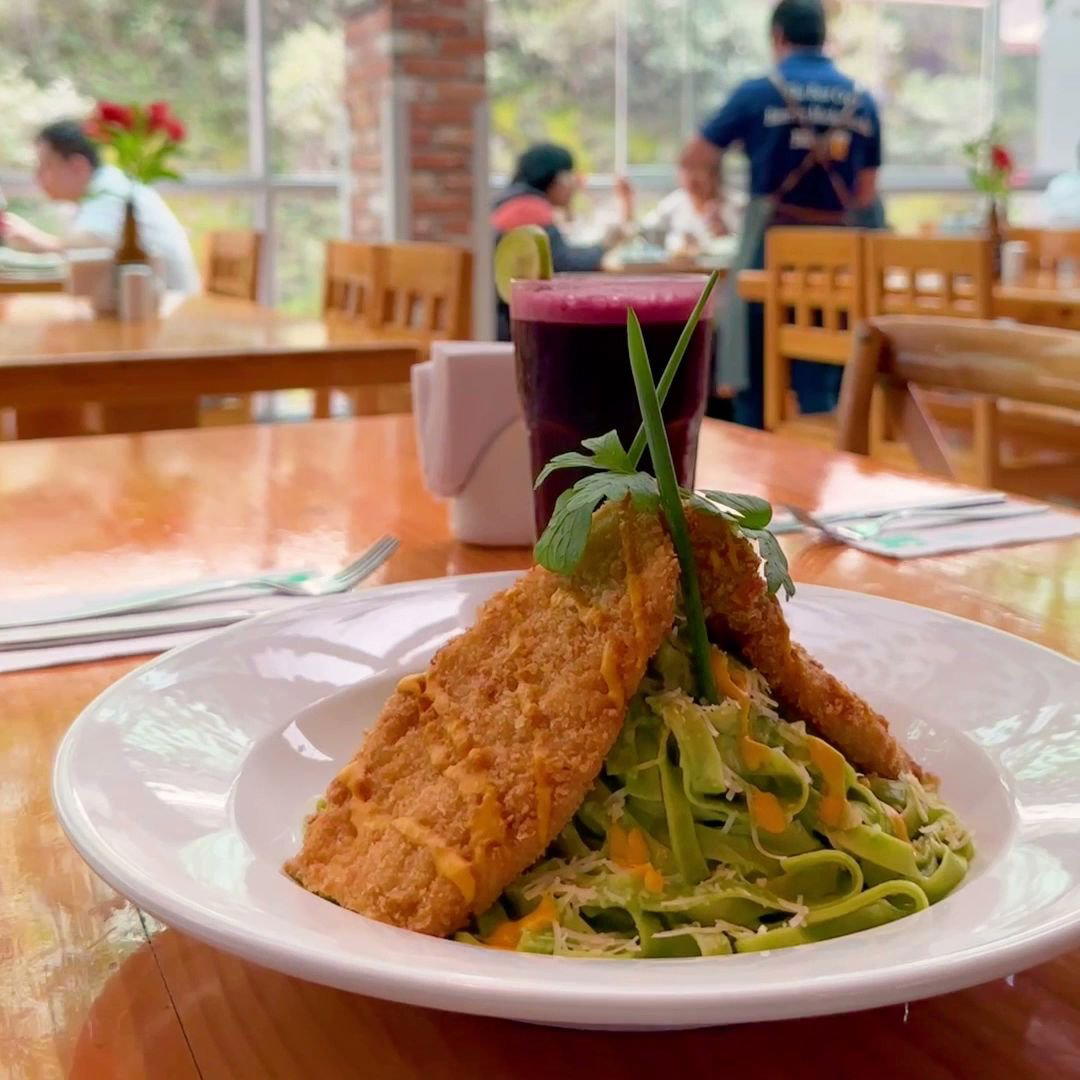
The menu
What to order
- Ceviche
- Lomo saltado
- Pisco sour
- Quinoa crusted trout
- Ají de gallina
Where the Sacred Valley's Ingredient Story Gets a Different Format
The Sacred Valley corridor between Cusco and Ollantaytambo has spent the last decade building a reputation around sourced, altitude-conscious cooking. Restaurants like MIL - Food Lab and Interpretation Center and Sol y Luna have anchored the high-format end of that conversation, using native Andean varieties and hyperlocal sourcing as editorial pillars of their menus. Mapacho Craft Beer Restaurant on Urubamba's Imperio de los Incas sits in a different register entirely: it is a casual, craft-led address that brings the same regional ingredient logic down to the level of everyday eating and drinking without the ceremony or the price architecture that surrounds the valley's prestige tables.
Urubamba town itself is often treated as a transit point rather than a destination, the mid-valley stop that visitors pass through on the way to Ollantaytambo or the train connection to Aguas Calientes. That position, however, places it at the centre of the valley's agricultural activity. The surrounding flatlands and terraced slopes at roughly 2,860 metres above sea level produce a supply chain that better-resourced restaurants in Cusco and Lima have been drawing on for years. A craft beer and kitchen concept operating at street level here has direct access to that same supply, and the question of how a venue at this format tier engages with local sourcing is what makes Mapacho worth reading against the broader valley scene rather than dismissing as a secondary option.
Craft Beer in Andean Context
Peru's craft beer movement accelerated through the 2010s, initially concentrated in Lima before spreading to Cusco and then, gradually, to smaller valley towns. The Cusco region presented particular challenges for small-batch brewing: altitude affects carbonation, fermentation behaviour, and mouthfeel in ways that brewers trained at sea level have to recalibrate for. The breweries and bar-kitchens that emerged in highland towns like Urubamba tend to work with those constraints explicitly, and the more considered operations have looked to local botanicals, grains, and adjuncts to build flavour profiles that reflect their altitude rather than fight it.
Mapacho, the Quechua-derived term widely used in the Andes for wild or ceremonial tobacco, signals an orientation toward Andean identity rather than imported brewing culture. Whether that identity manifests in the ingredient selections, the beer styles on offer, or the food programme is something that the venue's position in the local market makes plausible. Comparable craft-forward venues in the region have found that pairing Andean staples with small-batch beer creates a food-and-drink logic that the Valley's higher-format restaurants don't occupy. Dishes built around potato varieties, quinoa, choclo, and preserved chilli traditions sit naturally alongside sessionable, locally inflected ales in a way that has little precedent in European or American brewing culture.
For context on how the valley's broader sourcing conversation plays out at a research level, Mil Centro in Moray has documented over 200 native potato varieties in the valley's immediate agricultural belt. That density of raw material reaches informal kitchens and casual venues as much as it does formal research-driven restaurants.
Reading Mapacho Against Its Urubamba Peers
Urubamba's dining options span a wider range than the valley's reputation for luxury lodges and prestige restaurants might suggest. Killa Wasi and Ponchos Peruvian Kitchen operate at mid-register, with traditional Andean formats and local produce as their organising logic. The Tree House Restaurant occupies a more experience-led position. Mapacho sits outside all of those reference points because its core identity is not a restaurant that happens to serve beer, but a beer-led venue that happens to serve food. That distinction matters for how you approach it: the food programme functions as kitchen support for drinking rather than as the primary reason to visit.
That positioning gives it a practical role that the valley's more destination-oriented tables don't fill. Travellers arriving on an afternoon train connection, cyclists finishing the Maras-Moray circuit, or Sacred Valley residents who want a low-formality evening out represent a different demand pattern than the tour-group set targeting Sol y Luna or the research-minded diner booking weeks ahead for MIL.
Peru's wider dining conversation, running from Astrid and Gastón in Lima through to regional operators in the highlands, has increasingly focused on ingredients as primary evidence of culinary identity. At street level in the Sacred Valley, a venue like Mapacho engages with that conversation without the infrastructure to articulate it in the same terms. That gap between the formal ingredient-sourcing narrative and the informal version of the same story is worth understanding before you arrive.
Getting There and Planning Your Visit
The address at Imperio de los Incas 614 places Mapacho on one of Urubamba's main commercial streets, walkable from the town's central plaza and accessible from both the eastern and western ends of the Sacred Valley corridor. The most practical approach from Cusco is by shared colectivo or private taxi along the main valley road, a route that takes between 50 minutes and 90 minutes depending on traffic and the time of day. From Ollantaytambo it is a shorter drive of approximately 20 to 30 minutes. No phone number or booking system is publicly listed, which suggests walk-in is the standard operating format, consistent with a casual bar-kitchen model. Arriving earlier in the evening is the lower-risk approach if you are combining it with an onward journey.
For anyone building a wider valley itinerary around food and drink, our full Urubamba restaurants guide maps the town's options across format tiers. Broader Peru dining context is available through EP Club's coverage of Costanera 700 in Miraflores, Osaka Nikkei in San Isidro, and Cirqa in Arequipa, each of which illustrates how different regions of Peru are handling the sourcing conversation at higher format levels.
Frequently asked questions
Where is Mapacho Craft Beer Restaurant located?
Mapacho Craft Beer Restaurant is located at Imperio de los Incas 614, Cusco 08681, Peru, Urubamba.
Is Mapacho Craft Beer Restaurant a good option for craft beer in the Sacred Valley?
Mapacho is one of the few venues in Urubamba that puts craft beer at the centre of the offer rather than treating it as a side list to a full restaurant menu. Located at Imperio de los Incas 614, it is walkable from Urubamba's central plaza, making it accessible without transport. In a valley where dining options skew toward lodge restaurants and Peruvian cuisine-focused kitchens, a dedicated craft beer format gives Mapacho a distinct position in the local scene.
What do people recommend at Mapacho Craft Beer Restaurant?
Mapacho sits on Imperio de los Incas 614 in Urubamba, positioning it squarely within the Sacred Valley corridor that has built a reputation around altitude-conscious, locally sourced cooking. Visitor accounts consistently point to the craft beer selection as the anchor of the experience, with the kitchen operating in support of that format.
Should I book Mapacho Craft Beer Restaurant in advance?
Urubamba is a working town rather than a purely tourist hub, but the stretch along Imperio de los Incas draws steady traffic from travellers moving between Cusco and Ollantaytambo. Mapacho's format as a craft beer restaurant rather than a fine-dining room suggests walk-in access is generally possible, though weekend evenings and peak Sacred Valley season (June through August) can shift that calculus. Contacting the venue directly before your visit is the safest approach.
What do critics highlight about Mapacho Craft Beer Restaurant?
Mapacho operates in a regional dining scene that earned wider attention through the 2010s, as Peru's craft beer movement spread from Lima to Cusco and then into valley towns like Urubamba. The craft beer focus itself is a differentiator in a corridor better known for prestige lodge restaurants.
Quick Comparison
Comparable venues nearby, for context on price, style, and recognition.
| Venue | Cuisine | Price | Awards | Notes |
|---|---|---|---|---|
| Mapacho Craft Beer RestaurantThis venue (the venue you are viewing) | Traditional Peruvian with Craft Beers | $1–10 | Not listed | Not listed |
| Ponchos Peruvian Kitchen | Modern Peruvian Kitchen | $20–30 | Not listed | Urubamba |
| MIL - Food Lab and Interpretation Center | Modern Andean Peruvian Fine Dining | $200–300 | World's 50 Best #49 · La Liste Top Restaurants | Maras |
| Tree House Restaurant | Peruvian Fusion | $10–20 | Not listed | Aguas Calientes |
| Killa Wasi | Modern Peruvian Fine Dining | Not listed | Relais Chateaux Award | Urubamba |
| Sol y Luna | Modern Peruvian with Sacred Valley influences | Not listed | Relais Chateaux Award | Urubamba |
Continue exploring
More in Urubamba
Restaurants in Urubamba
All restaurants in Urubamba →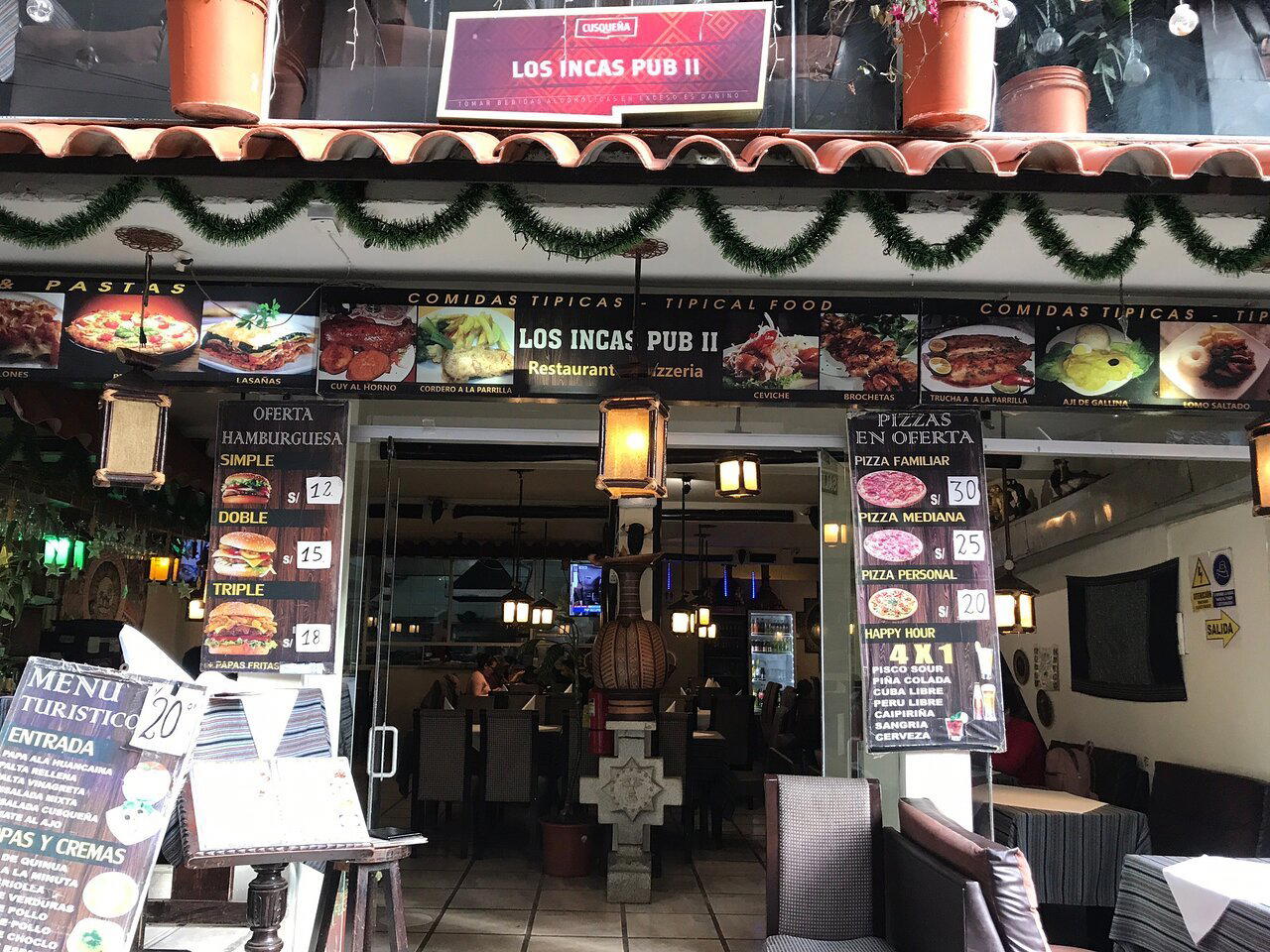
Details
- Lively
- Scenic
- Rustic
- Casual Hangout
- Group Dining
- After Work
- Waterfront
- Live Music
- Open Kitchen
- Beer Program
- Local Sourcing
- Organic
- Waterfront
- A La Carte
- Craft Beer
- Pisco Sour
- Vegetarian Friendly
- Vegan Options
- Gluten Free Options
Current opening hours
- Monday
- 10 AM–10 PM
- Tuesday
- 10 AM–10 PM
- Wednesday
- 10 AM–10 PM
- Thursday
- 10 AM–10 PM
- Friday
- 10 AM–10 PM
- Saturday
- 10 AM–10 PM
- Sunday
- 10 AM–10 PM
Hours can change for holidays and private events. Hours as of .
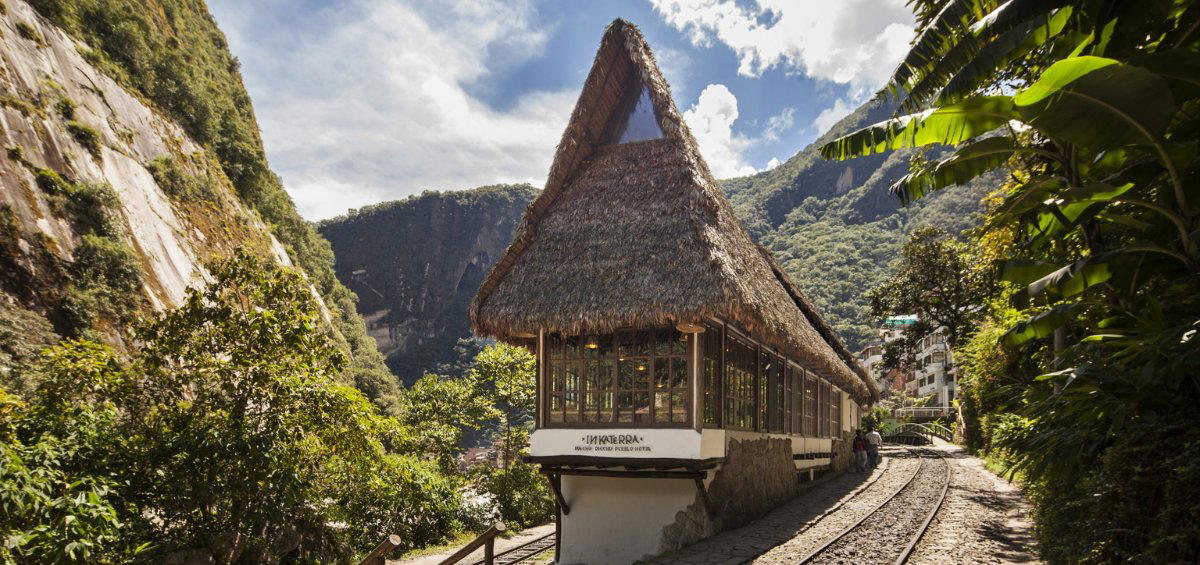
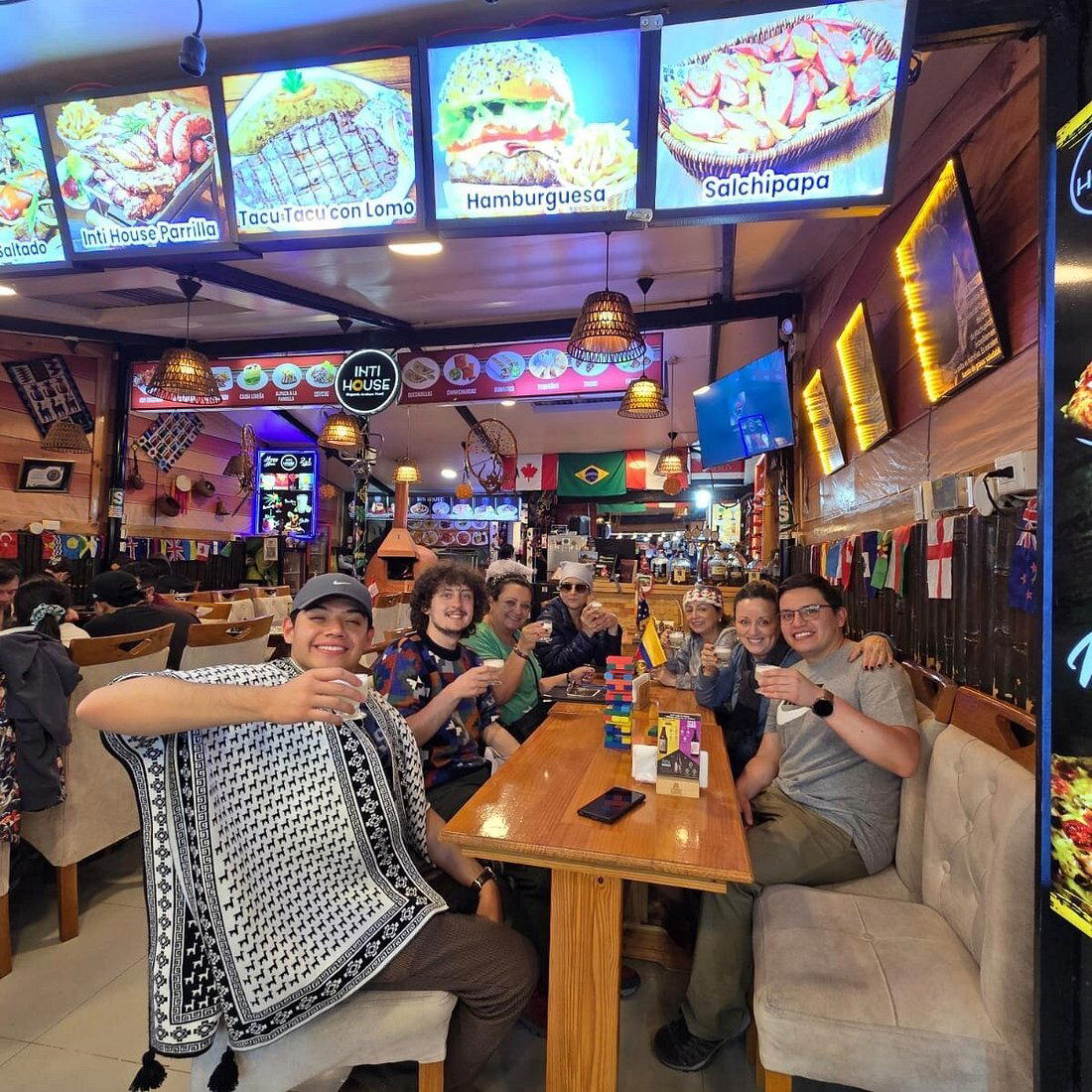
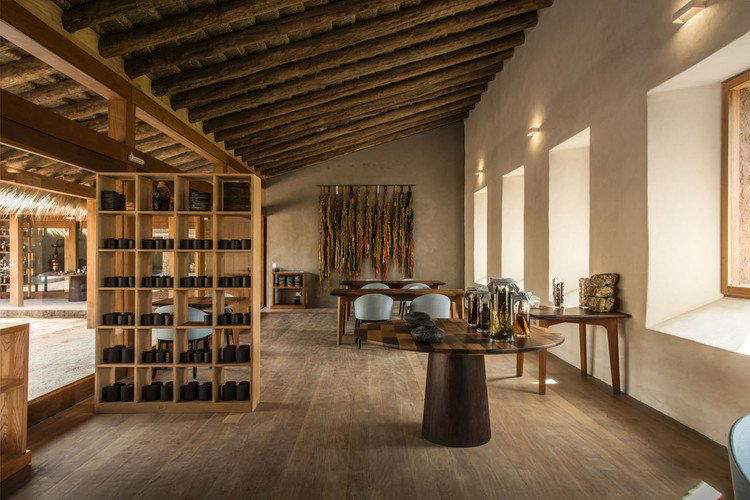
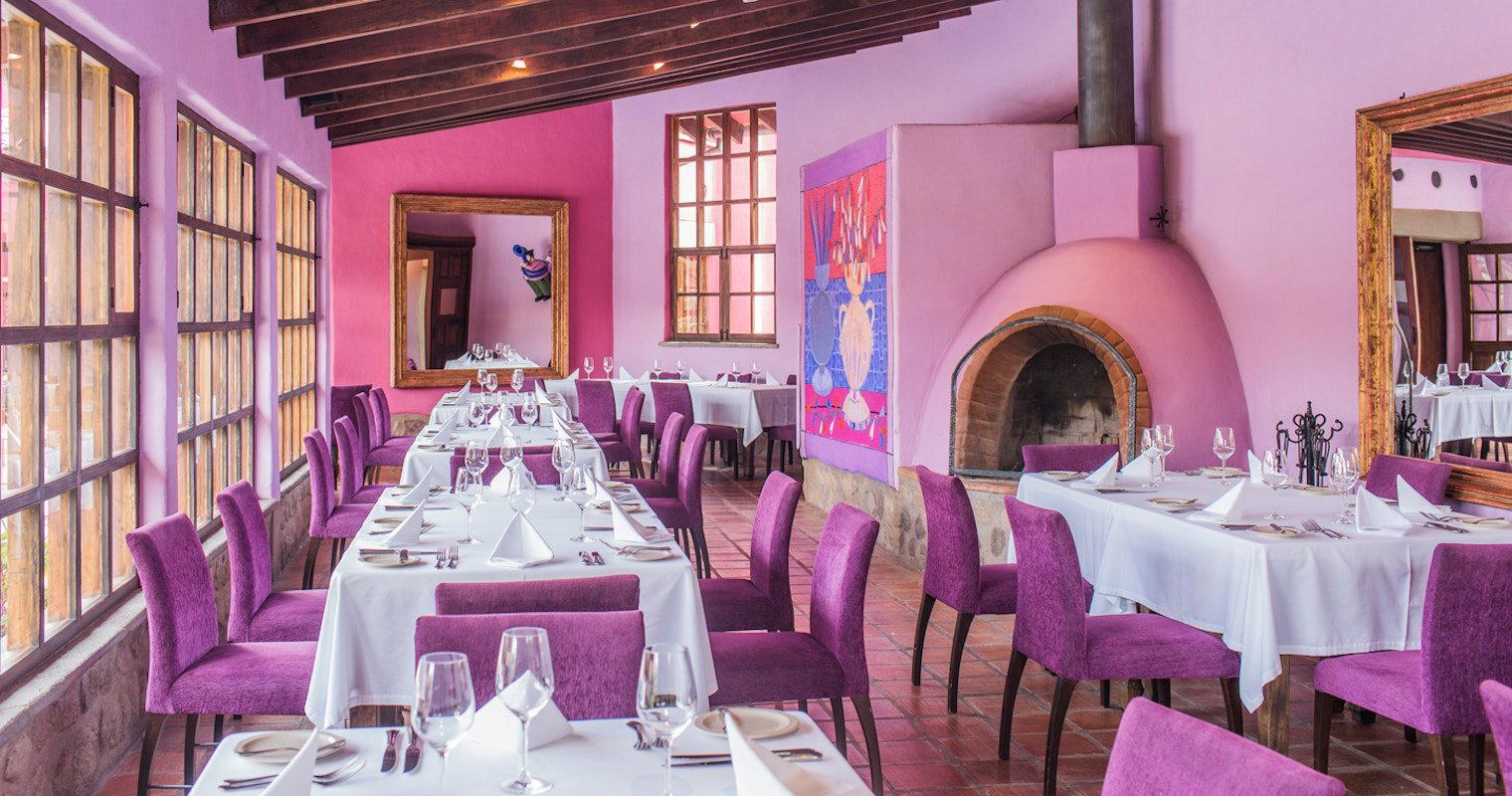
Lively and welcoming atmosphere with river and passing train views, featuring attentive service and lively energy throughout two floors with abundant window seating.