Our verdict
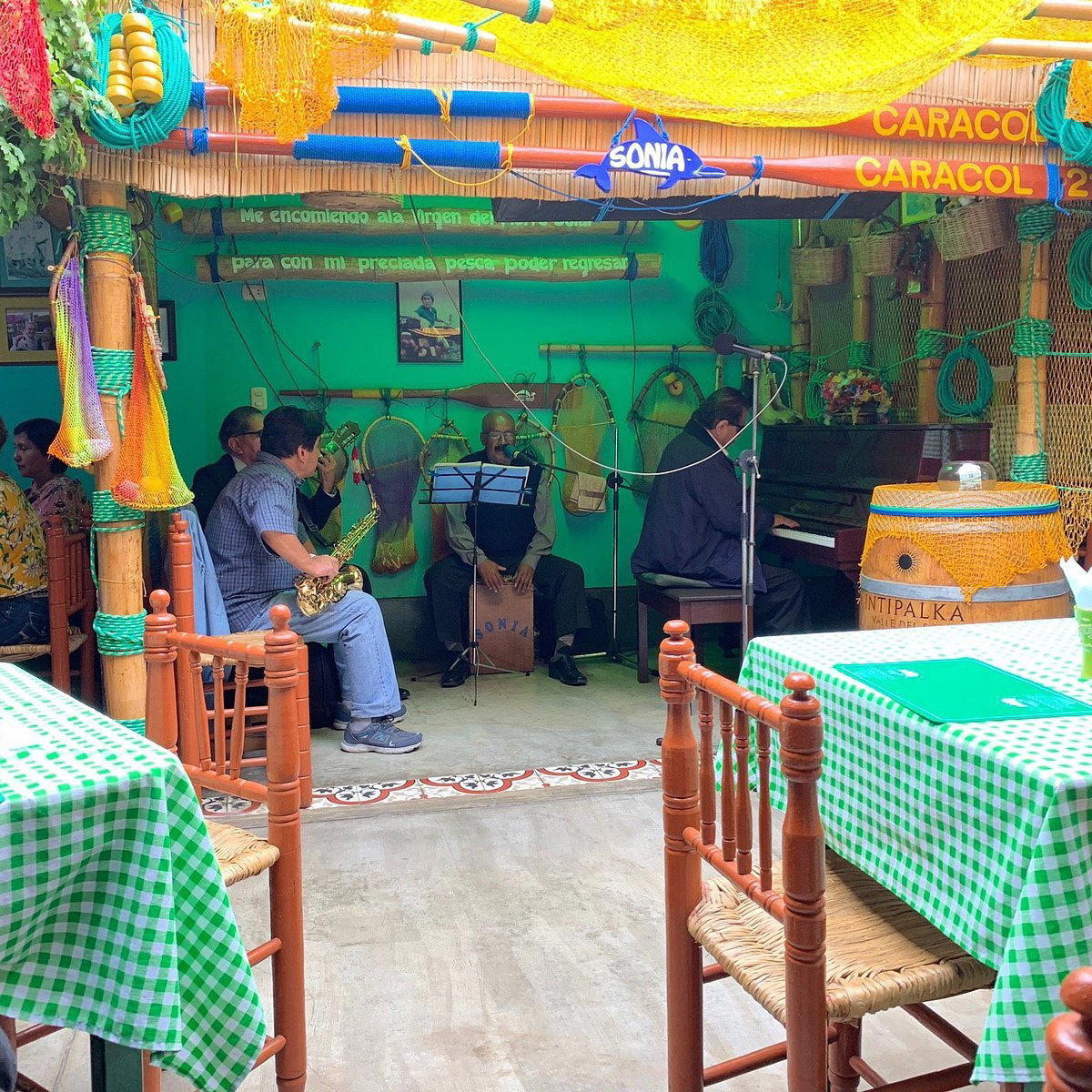
Restaurant SONIA occupies a quiet address in Chorrillos, one of Lima's older coastal districts, positioned at a remove from the Miraflores circuit that dominates most international itineraries. The address alone signals a deliberate departure from the city's high-profile dining cluster, placing it among a smaller tier of neighbourhood-rooted tables that reward the extra transit. For travellers willing to cross district lines, it represents Lima's less-charted dining geography.

Pearl is the En Primeur Club membership app — saves, bookings, and concierge access live there. Same editors, same standards.
- Address
- La Rosa Lozano Y Tirado 173, Chorrillos 15064, Peru
- Phone
- +51 1 2516693
- Website
- restaurantsonia.com
- Directions
- Get directions
- Booking
- Book on the venue's website
The menu
What to order
- Ceviche
- Tuna mushiame
- Chupe de camaron
The Chorrillos Proposition: Dining Outside Lima's Default Circuit
Lima's restaurant conversation tends to collapse into a familiar triangle: Miraflores, Barranco, and San Isidro. The international press reinforces this, directing visitors toward a well-documented cluster of high-concept tables, from the altitude-spanning menus at Central (Progressive Peruvian) to the Nikkei heritage of Maido (Nikkei). What gets less coverage is the city's older coastal districts, where restaurants operate with different economics, different clientele, and different relationships to Peruvian cooking tradition. Chorrillos is one of those districts. Sitting south of Barranco along the Pacific cliffs, it carries the character of a working fishing neighbourhood that was also, at various points in Lima's history, a summer retreat for the city's elite. That layered identity shapes what you find there at the table.
Restaurant SONIA sits on La Rosa Lozano Y Tirado, a street that places it squarely inside the Chorrillos residential fabric rather than on any tourist-facing corridor. That geography is the first editorial fact worth holding onto: a restaurant's location in a non-destination district implies a self-selecting clientele, typically regulars with a specific reason to return rather than visitors casting a wide net. For readers of our full Lima restaurants guide, this type of address is worth flagging as a distinct category from the Miraflores benchmark tier.
What Chorrillos Brings to the Table
Peru's coastal cooking tradition is older and more specific than the modern fine-dining narrative sometimes suggests. Long before Astrid & Gastón (Modern Peruvian) helped reframe Peruvian cuisine for international audiences in the 1990s, Lima's fishing districts were already producing a tight, ingredient-disciplined style of seafood cooking built on proximity to the catch. Ceviche, tiradito, and leche de tigre in this context are not menu constructs designed for tasting progression — they are everyday preparations whose quality tracks directly to what arrived that morning from the sea.
The distinction matters when thinking about how a meal might progress at a neighbourhood table in Chorrillos versus a formal tasting counter in Miraflores. At the latter, the arc is deliberately composed: courses move through temperature, texture, and protein weight in a sequence the kitchen controls. At a neighbourhood cevichería operating closer to the Chorrillos tradition, the sequencing is simpler but the sourcing argument is often more direct. The cold dishes come first because the fish is fresh enough to demand it. The cooked preparations follow. The logic is supply chain, not theatre.
For comparison, consider how Costanera 700 in Miraflores and Osaka Nikkei in San Isidro have each taken the city's coastal raw-fish tradition and repositioned it inside a formal dining register. Restaurant SONIA's Chorrillos address places it at the opposite end of that repositioning spectrum, closer to the source material than the interpretation of it.
Reading the Meal as a Sequence
In Lima's neighbourhood seafood houses, the architecture of a meal is rarely written on the menu but is well understood by regulars. You start with something cold and acid-bright — ceviche or leche de tigre, that functions as both aperitif and palate signal. The quality of this first course tells you almost everything about what follows: if the fish is fresh and the citrus is calibrated, the kitchen is working with good raw material that day. If either element is off, no amount of technique in the cooked courses will fully recover the meal.
The middle of the meal tends to move toward rice and heat: arroz con mariscos or chaufa de mariscos, where the same catch gets absorbed into preparations with more body and weight. These are the dishes that reward a second visit, because they are harder to execute consistently than ceviche and more revealing of a kitchen's baseline competence. The end of the sequence, if there is one, is informal, often fruit, often nothing, because the meal has already made its point.
This is a different kind of tasting progression from what you encounter at Kjolle (Modern Peruvian) or at Central Restaurante, where the sequence is authored and explained. At Chorrillos-style tables, the progression is assumed rather than announced. That informality is the point, not an absence of intention.
For travellers who have eaten their way through Peru's high-altitude and Amazonian cooking traditions, represented at addresses like Mil Centro in Moray and Delfin Amazon Cruises in Iquitos, a Chorrillos seafood table offers a useful counterpoint: the Pacific coast, not the jungle or the mountains, is where Lima's most unmediated cooking still happens.
Where SONIA Sits in Lima's Broader Picture
Lima's dining infrastructure now spans a wider range than most international coverage reflects. Beyond the internationally ranked restaurants and the Miraflores fine-dining belt, there is a second tier of neighbourhood-specific tables whose reputations are built on consistency and local loyalty rather than press cycles. These restaurants rarely appear in the same conversation as Maido or Astrid & Gastón, and the comparison would be slightly beside the point. They are operating in a different register, answering a different question about what Lima cooking can be.
Restaurant SONIA, addressed in Chorrillos, reads as this kind of table. That absence of documented recognition places it outside the trust-signal hierarchy that governs internationally profiled restaurants, from Michelin citations down to named editorial mentions. What the address and district context provide instead is a different kind of signal: a restaurant that has persisted in a neighbourhood without a press narrative is almost always doing so on the strength of a returning clientele.
For travellers who have already covered the high-profile tier, including stops at well-documented Peruvian tables both in Lima and beyond, such as Cirqa in Arequipa or El Rey in Oxapampa, a Chorrillos address like SONIA represents the logical next layer of the city's eating geography.
Planning a Visit
Chorrillos sits roughly 15 to 20 minutes south of Barranco by car, depending on traffic along the coastal road. The district is accessible but not walkable from the main tourist zones, so most visitors will arrive by taxi or rideshare. La Rosa Lozano Y Tirado 173 is a residential address, and the restaurant operates within that neighbourhood scale. Arriving early in the lunch window, which is when Peru's seafood houses are typically at their strongest, is a reasonable default strategy regardless of what the posted hours suggest.
Frequently asked questions
What part of town is Restaurant SONIA in?
Restaurant SONIA is located at La Rosa Lozano Y Tirado 173, Chorrillos 15064, Peru, Lima.
Is Restaurant SONIA in Chorrillos easy to reach from central Lima?
Chorrillos sits roughly 15 to 20 minutes south of Barranco by car along the coastal road, making Restaurant SONIA at La Rosa Lozano Y Tirado 173 accessible but outside easy walking distance from Lima's main hotel districts. A taxi or rideshare is the standard approach. The drive itself follows the Pacific coastline, which gives useful orientation to how far south Lima's urban fabric extends.
What do people recommend at Restaurant SONIA?
Restaurant SONIA's address in Chorrillos places it within Lima's coastal seafood tradition, where neighbourhood tables typically anchor their menus around ceviche, tiradito, and fried fish preparations built on the day's catch. The district itself has a documented history as a fishing community, so proximity to fresh supply has always shaped what gets ordered here.
What makes Restaurant SONIA worth seeking out?
The case for SONIA is primarily geographical: Chorrillos sits outside the Miraflores-Barranco-San Isidro circuit that absorbs most international dining attention in Lima, yet carries a longer history as a coastal settlement than those districts. Restaurants here operate closer to the working fishing tradition that underpins all of Lima's seafood cooking, without the pricing structure that comes with international press coverage. For a reader who has already covered the ranked addresses, Chorrillos offers a different register of the same culinary argument.
Accolades, Compared
Comparable venues nearby, for context on price, style, and recognition.
| Venue | Cuisine | Price | Awards | Notes |
|---|---|---|---|---|
| Restaurant SONIAThis venue — the venue you are viewing | Traditional Peruvian Cevicheria | $20–30 | Not listed | Not listed |
| Saqra | Modern Peruvian Fusion | Not listed | Not listed | Miraflores |
| El Restaurant | Modern Peruvian Seafood | $30–50 | Relais Chateaux Award | Lima |
| Central Restaurante | Modern Peruvian Tasting Menu | $500+ | World's 50 Best #1 · La Liste Top Restaurants | Barranco |
| Limaná | Modern Peruvian Superfood | $30–50 | We're Smart World 4 Radishes | San Isidro |
| Pucusana | Peruvian Seafood Cevicheria | $10–20 | Not listed | Pucusana |
Continue exploring
More in Lima
Restaurants in Lima
Browse all →
Bars in Lima
Browse all →
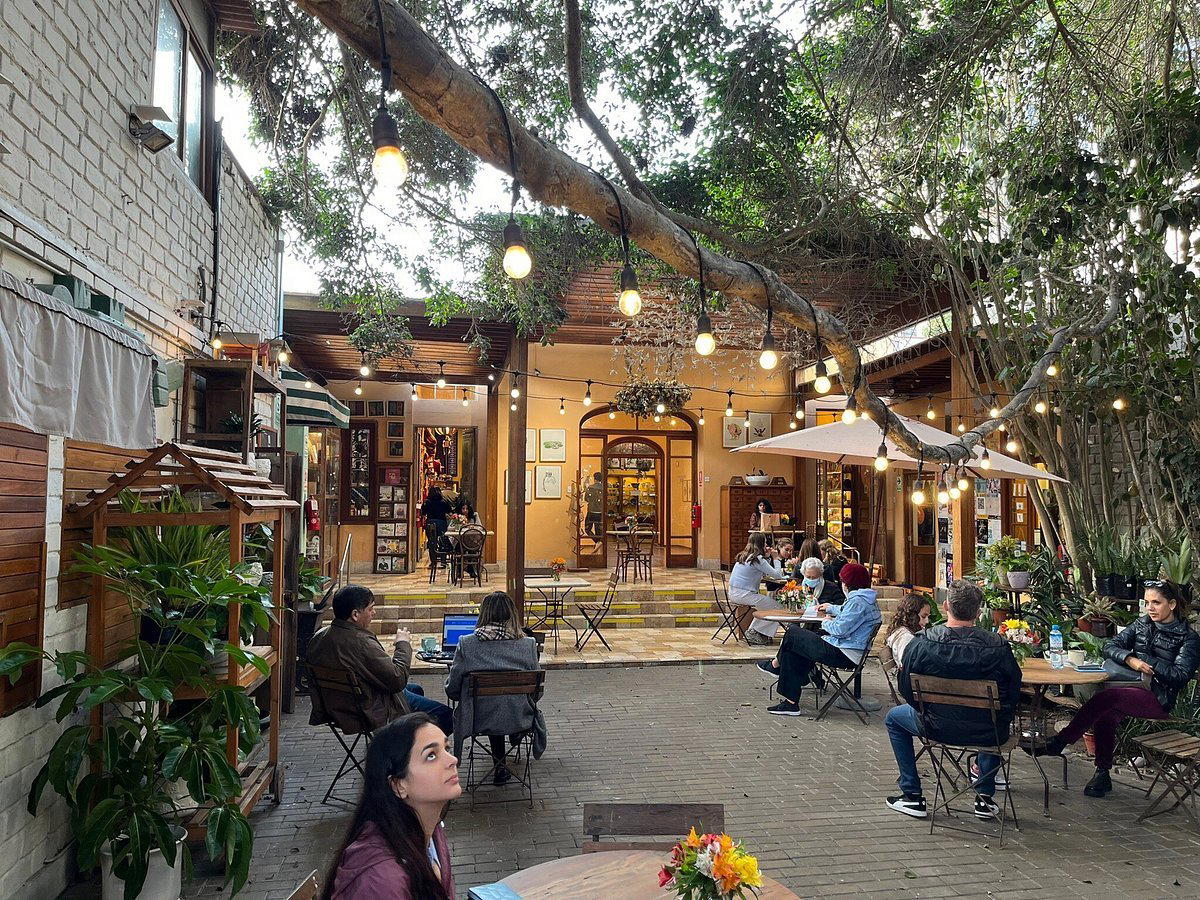
Hotels in Lima
Browse all →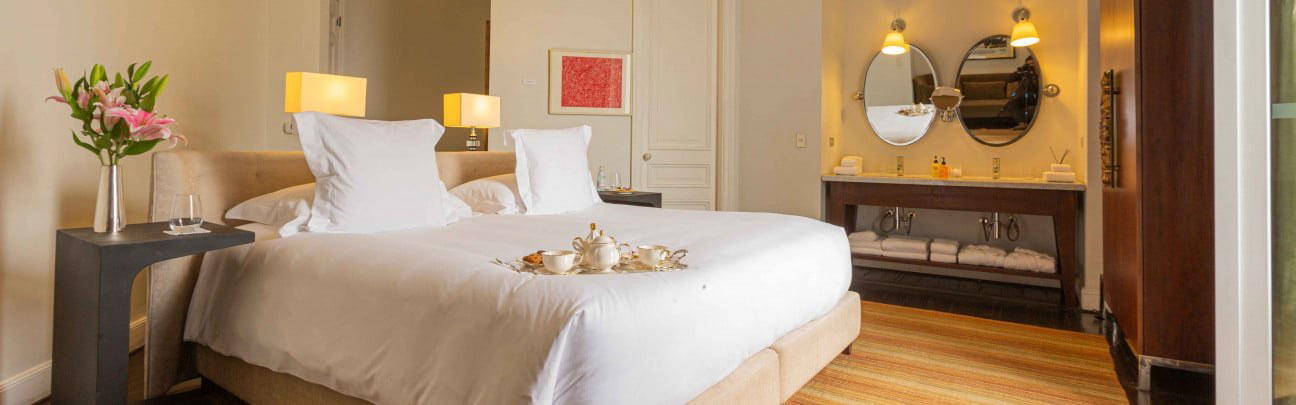

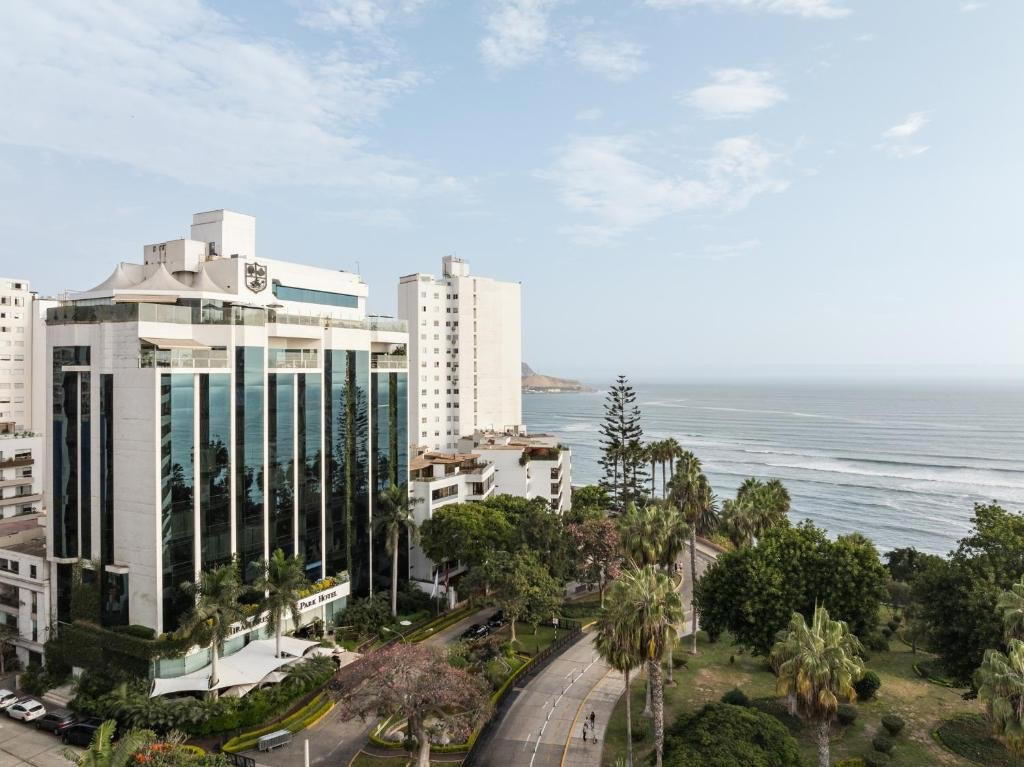
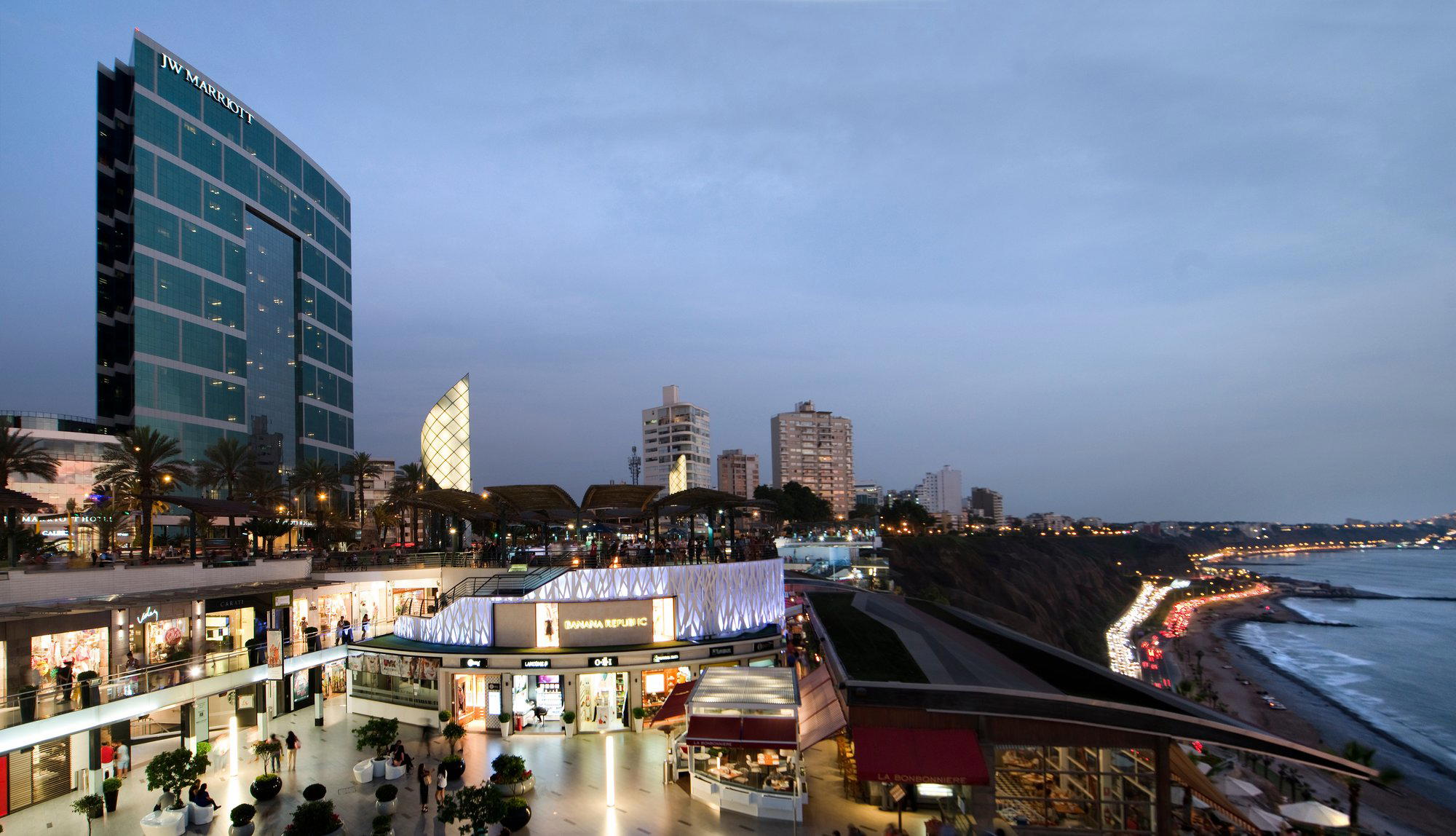
Wineries in Lima
Browse all →
Details
- Rustic
- Cozy
- Family
- Casual Hangout
- Standalone
- Local Sourcing
- Street Scene
- A La Carte
Inviting, warm, family-oriented atmosphere in a casual, rustic 'puerta cerrada' (closed-door) restaurant.