The address on Av. San Martín has served as a gathering point for the neighbourhood's pisco and wine culture for generations, offering a window into how Peruvian drinking traditions sustain themselves in a changing city.
Pearl is the En Primeur Club membership app — saves, bookings, and concierge access live there. Same editors, same standards.
- Address
- Av. San Martín 1090, Pueblo Libre 15084
- Phone
- +51 1 4600441
- Website
- antiguatabernaqueirolo.com
- Directions
- Get directions
 Saves & bookings on Pearl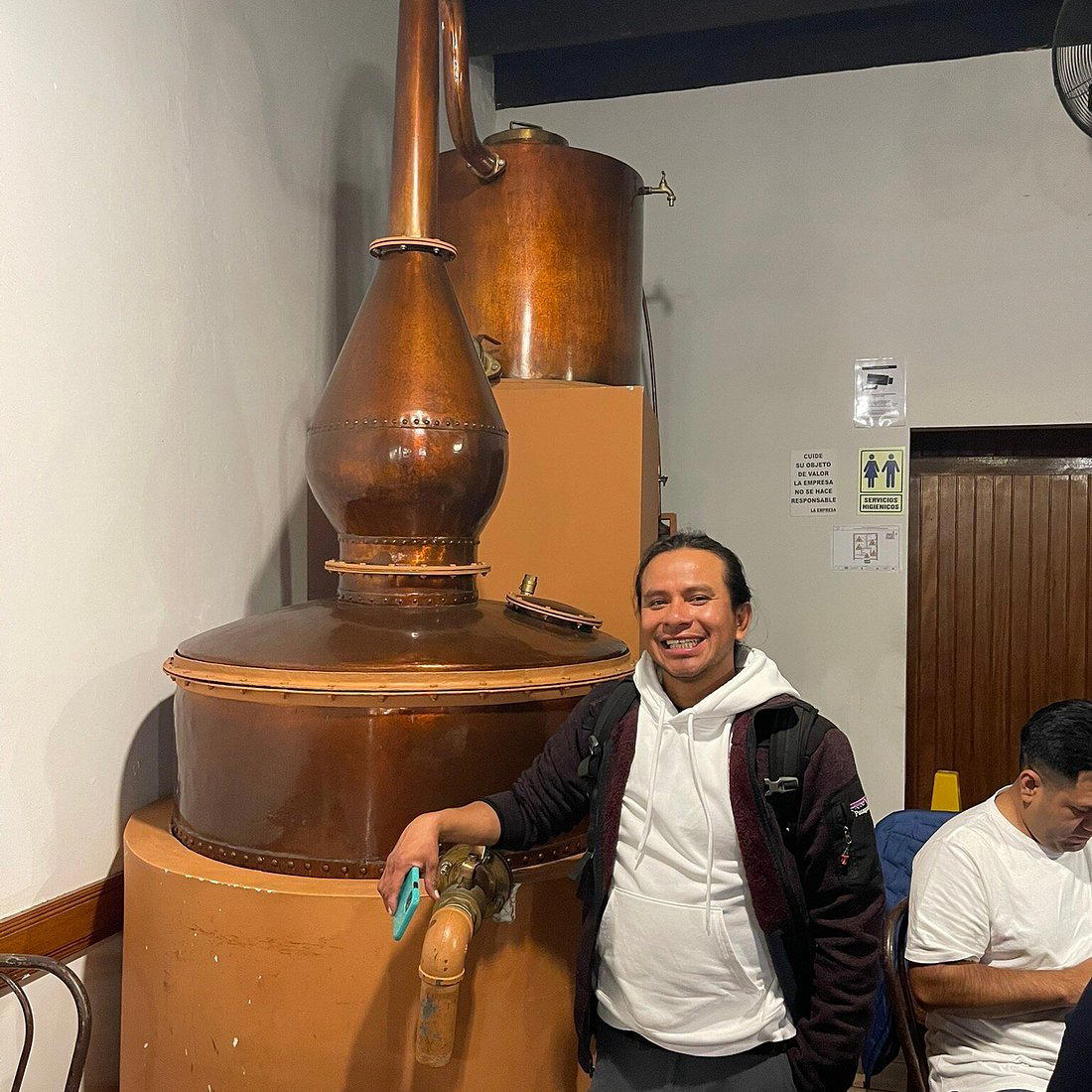
Where Lima Keeps Its Oldest Wine Habit
On Avenida San Martín in Pueblo Libre, the side of the city that tourists rarely prioritize, a particular kind of institution survives. Taberna Queirolo sits in a district that has long carried Lima's more grounded, less performative cultural identity. Pueblo Libre was, for much of the twentieth century, the neighbourhood of artists, academics, and the working middle class. It still carries that character. The taberna format that anchors Queirolo belongs to a tradition older than Peru's current restaurant boom, rooted in the Spanish colonnial tavern model that the country's coastal wine and pisco producers used to sell directly to an urban public.
Peru's relationship with viticulture runs deeper than most international visitors realize. The Ica Valley, roughly 300 kilometres south of Lima, has produced wine since the sixteenth century, making it one of the oldest wine-producing regions in the Americas. That history connects directly to a domestic drinking culture that long predates the pisco sour's global moment, and it's a culture that tabernas like Queirolo have sustained in physical form for generations. If you want to understand Lima's wine identity rather than its cocktail identity, Pueblo Libre is the logical neighbourhood to spend an afternoon.
The Tradition the Taberna Format Carries
The taberna as a format sits between a wine shop and a bar. In Lima's version, the line between retail and consumption was historically blurred by design. Producers would bring their wines and piscos into the city, and the taberna served as the bottling point, the tasting room, and the neighbourhood gathering place simultaneously. That format has largely disappeared from Lima's other districts, absorbed by wine bars with imported lists and cocktail programmes aimed at younger professional crowds.
What makes Queirolo worth attention in 2025 is less about nostalgia and more about what the format still accomplishes. The Peruvian wine industry is in genuine transition, with producers in Ica and the newer Lunahuaná region experimenting with international varieties alongside the traditional Quebranta, Torontel, and Italia grapes that define the country's distilling heritage. A venue anchored in that domestic production tradition offers a different kind of access than the modern wine bar, one grounded in terroir expression rather than international curation. Peru's coastal wine belt, running from Lima south through Ica toward Nazca, benefits from a desert climate moderated by cold Humboldt Current air, with dramatic diurnal temperature shifts that give the grapes pronounced acidity relative to the warm daytime temperatures. That particular climatic signature shows up in Peruvian wines as brightness and freshness, and it's a profile that makes more sense in a taberna glass than it does on a cocktail menu.
For those interested in how geography shapes what's in the bottle, the contrast between Peruvian coastal viticulture and, say, the Alsatian tradition represented by producers like Albert Boxler in Niedermorschwihr or the cool-climate precision of Adelsheim Vineyard in Newberg is instructive. Peru's coastal vines don't have the diurnal extremes of Paso Robles producers like Adelaida Vineyards, but the Humboldt influence creates its own version of thermal contrast. The resulting wines are structurally different from what most international visitors expect when they sit down in a South American dining room.
For a taberna, that recognition signals something specific: this is not a venue coasting on historical identity alone. The prestige designation within that award structure implies that the experience holds up against contemporary standards of quality and hospitality, not merely against the lower bar of nostalgic appeal.
Within Lima's broader dining and drinking scene, that positioning is relevant context. Lima has accumulated significant international recognition for its restaurant culture over the past fifteen years, with the city's leading tables appearing regularly in the World's 50 Best lists and collecting critical attention across publications. That recognition has concentrated on a particular tier of the city's food culture, high-technique Novoandina cooking and ceviche-led fine dining in Miraflores and Barranco. The taberna format sits entirely outside that competitive tier, which means Queirolo is not trying to earn the same credentials as the city's marquee restaurants. It operates in a different register, and the prestige award acknowledges that a venue can matter for reasons that have nothing to do with tasting menus or technique-forward cooking.
Peruvian Viticulture and What It Means in the Glass
Peru does not yet appear on the international wine conversation's main stage. That absence is partly structural: production volumes are small relative to Chile and Argentina, and export infrastructure remains limited. But the domestic quality story has been developing steadily, particularly around the Ica Valley producers who have invested in temperature-controlled fermentation and varietal selection over the past two decades. Hacienda Quilloay in Ica is one of the producers working within this tradition, and the wines reaching Lima's tabernas reflect that evolving regional identity.
The comparison point that puts Peruvian viticulture in perspective is not Napa or Bordeaux but rather the historical wine cultures of other high-altitude, desert-influenced regions: parts of northern Argentina's Cafayate, Canary Islands, or coastal parts of the eastern Mediterranean. In each of those cases, wines grown in challenging, sunny climates with cooling influences developed identities distinct from European classical models. Peru is at an earlier stage of that identity formation, which means the wines available at a venue like Queirolo represent something genuinely developmental rather than fully codified. That's a more interesting position for a wine drinker than a mature, predictable regional profile.
For comparison across how different regions express terroir under climate pressure, producers like Alban Vineyards in Arroyo Grande offer a reference point for Rhône varieties grown in warm, coastal-influenced California conditions, while Alexander Valley Vineyards in Geyserville shows how continental influences shape the same varietal families differently. Across the Atlantic, the aged wines of Aldo Conterno in Monforte d'Alba illustrate how climate-specific terroir can produce wines with multi-decade ambition. Peru's coastal belt is producing nothing at that age or structural scale yet, but the directional interest is real.
Getting to Pueblo Libre and Planning Your Visit
Pueblo Libre sits west of Miraflores and Barranco, Lima's main tourist districts, and is most practically reached by taxi or rideshare from either neighbourhood. The journey from Miraflores takes roughly twenty to thirty minutes depending on traffic, which in Lima is a variable worth factoring seriously, particularly in evening hours. The district itself is worth more than a single-stop visit: the Larco Museum on Avenida Bolívar holds one of the Americas' most important pre-Columbian collections and is within a short walk of Queirolo's address on Avenida San Martín.
Taberna Queirolo's address is Av. San Martín 1090, Pueblo Libre 15084. Reservations are recommended, and weekend afternoons can draw a local crowd.
For those building a wider wine itinerary around a Lima visit, the range of reference points is instructive. Domestically produced wines and piscos at a venue like Queirolo sit at one end of a spectrum; internationally, properties like Accendo Cellars in St. Helena, Alpha Omega Winery in Rutherford, Achaia Clauss in Patras, All Saints Estate in Rutherglen, Andrew Murray Vineyards in Los Olivos, Amrut in Bengaluru, and Aberlour in Aberlour each represent how regional identity and terroir expression work in established wine and spirits cultures. The contrast sharpens what's genuinely distinctive about Peru's still-forming wine identity.
Side-by-Side Snapshot
Comparable venues nearby, for context on price, style, and recognition.
| Venue | Cuisine | Price | Notes |
|---|---|---|---|
| Taberna QueiroloThis venue — the venue you are viewing | Malbec, Tannat | $$ | Not listed |
| Hacienda Quilloay | quebranta, negra criolla | $$ | San Juan Bautista |
| Hacienda La Caravedo | Quebranta, Torontel | $$ | San Juan Bautista |
| Tacama Winery | Ica | $$ | Not listed |
Continue exploring
More in Lima
Bars in Lima
Browse all →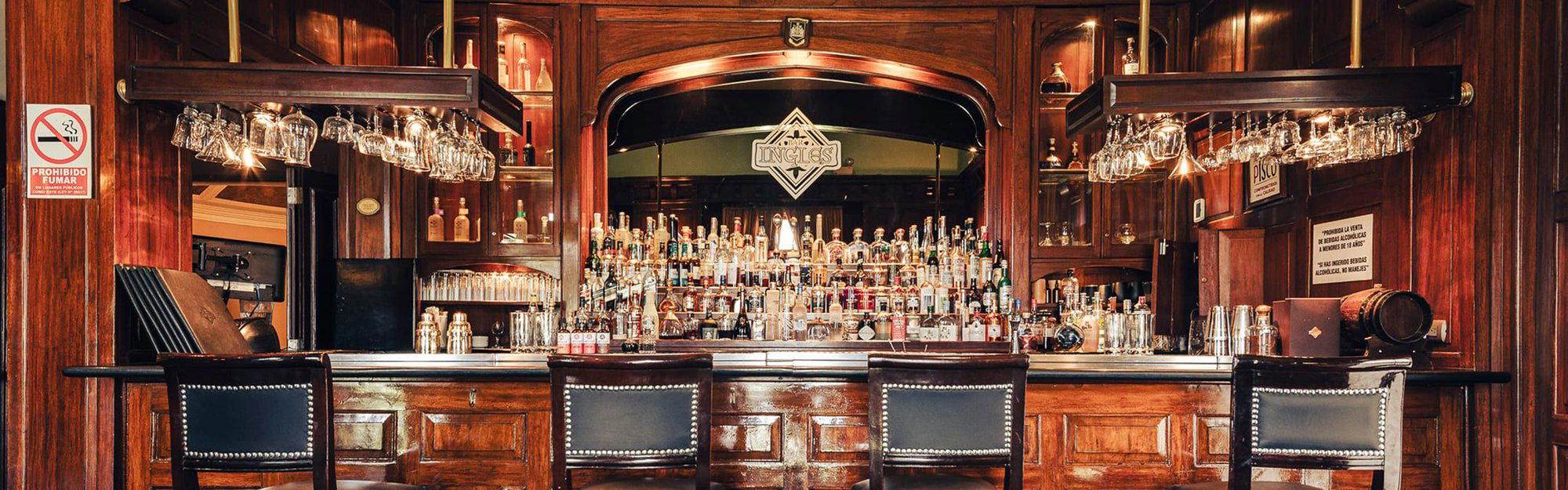

At a Glance
- Historic
- Rustic
- Classic
- Intimate
- Solo Exploration
- Wine Education
- Historic Building
- Ica Valley
- Malbec
- Tannat
- Syrah
- Cabernet Sauvignon
- Petit Verdot
- Chardonnay
- Sauvignon Blanc
- Quebranta
- Torontel
- Still Red
- Still White
- Wine Tasting
- Pisco Tasting
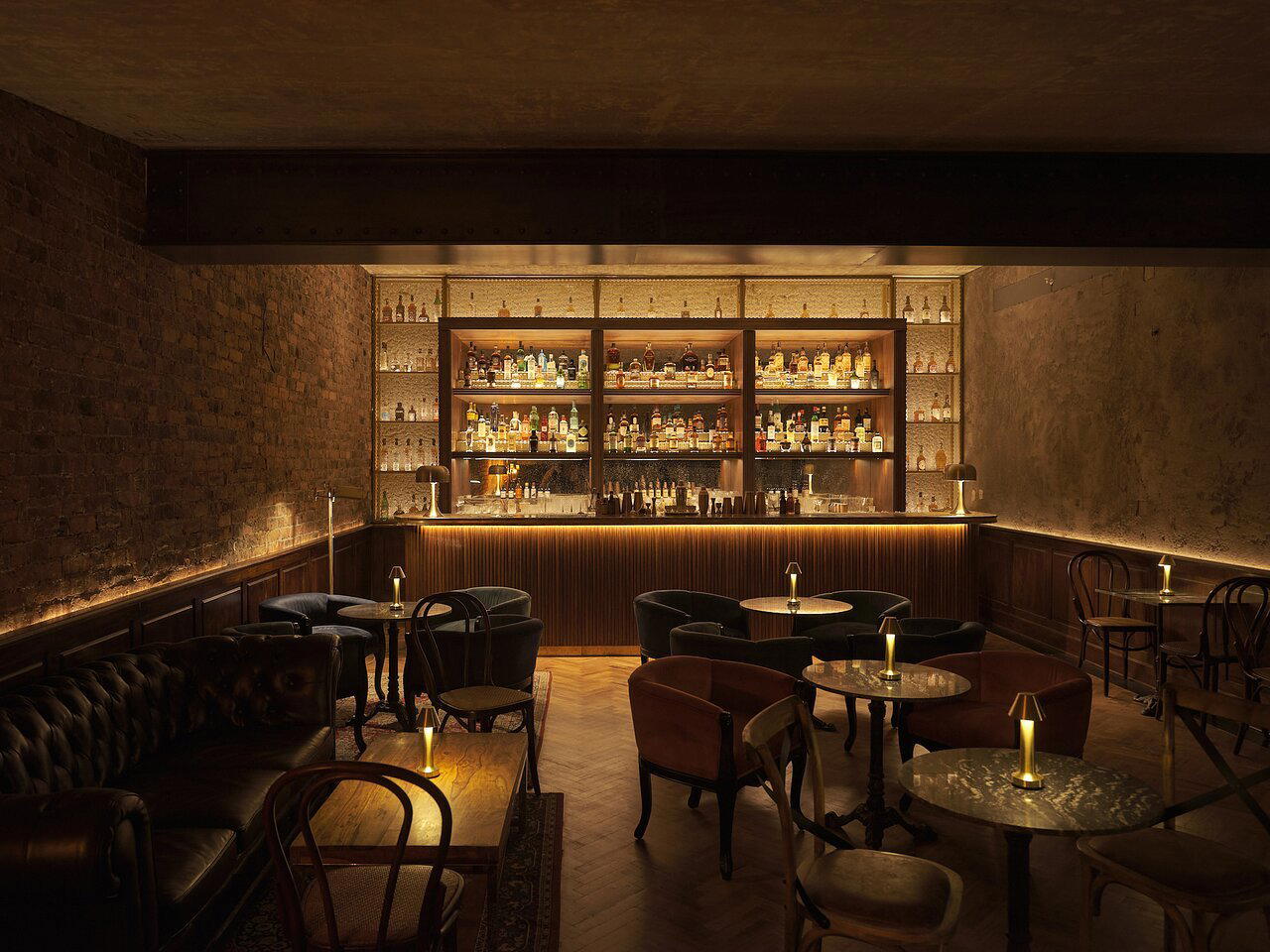
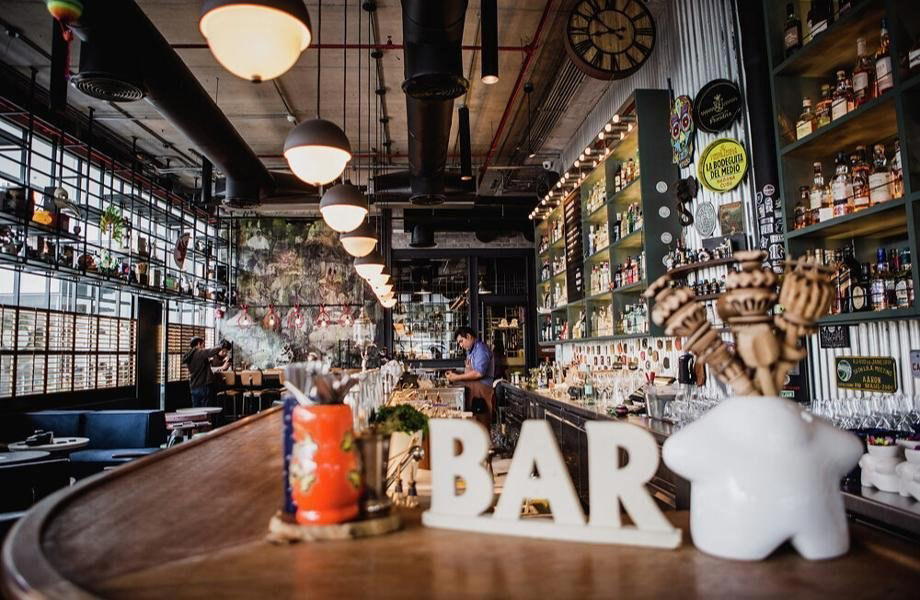
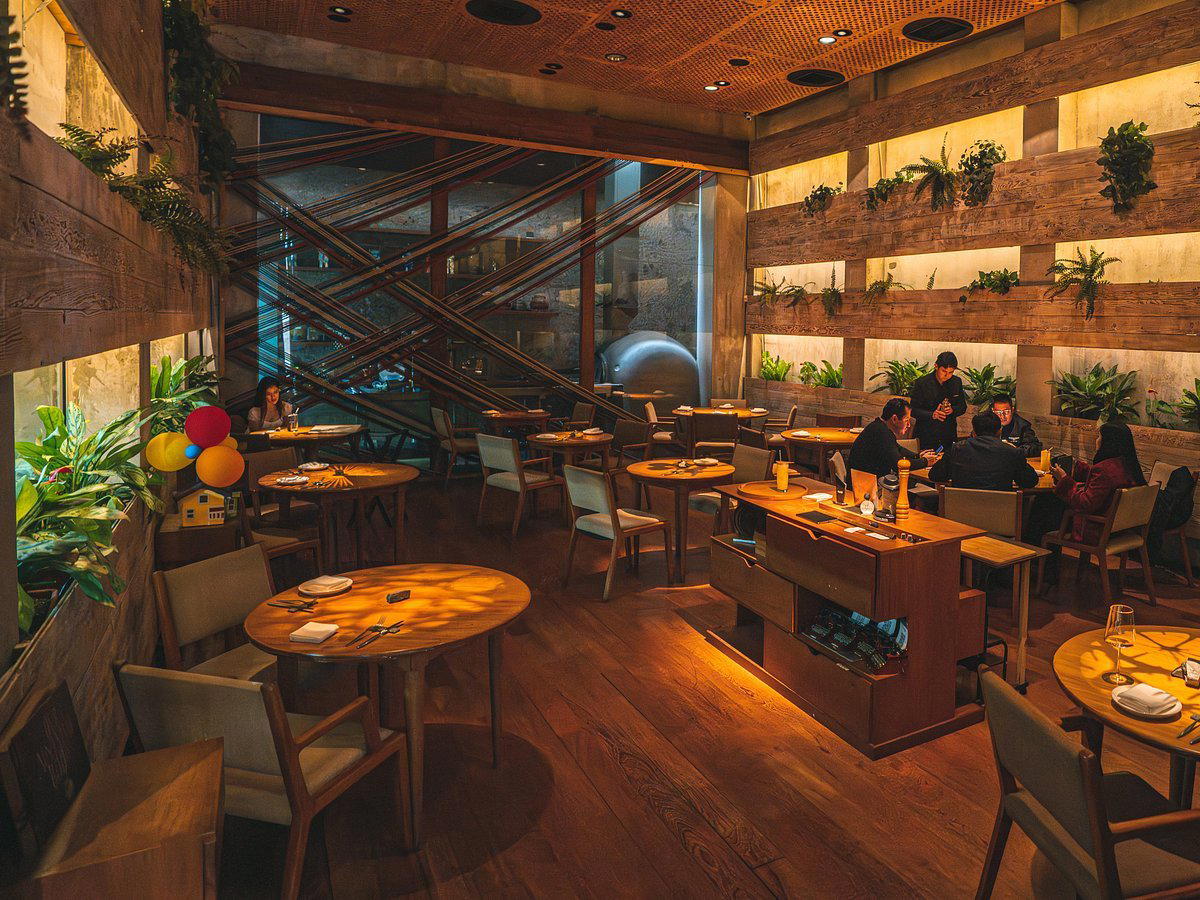
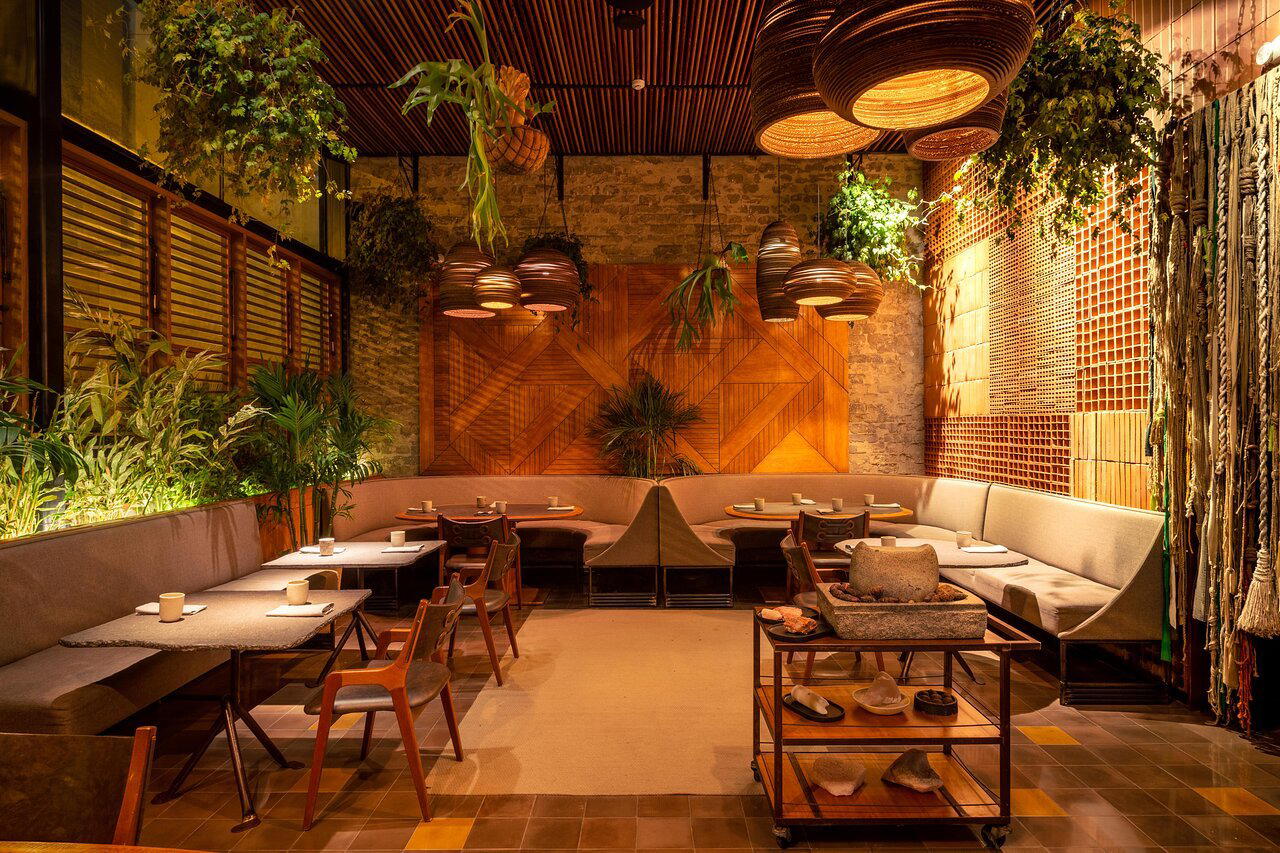
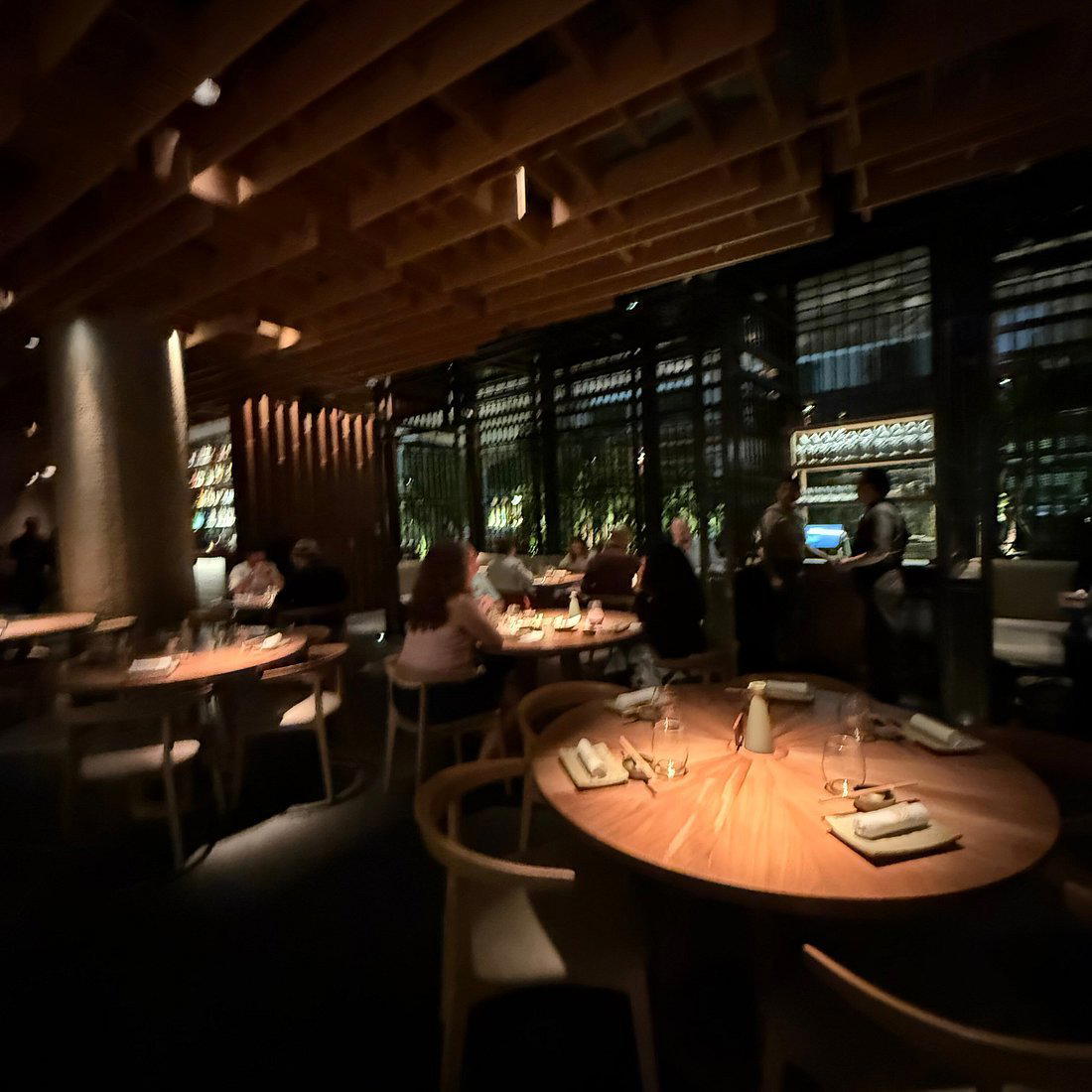
Historic and authentic atmosphere with antique decor, marble countertops and tables, evoking old Lima in a cozy, traditional setting.