Alegrîa Picantería Piurana brings northern Peruvian, Piura-rooted cooking into Miraflores, a district better known to visitors for polished cevicherías and contemporary dining rooms. Its value is cultural as much as culinary: picantería food carries a regional grammar of seafood, lime, ají, corn, beans, and slow-cooked stews that reads differently from Lima’s coastal canon.
Pearl is the En Primeur Club membership app — saves, bookings, and concierge access live there. Same editors, same standards.
- Address
- Calle Alcanfores 715, Miraflores 15074, Peru
- Directions
- Get directions
 Saves & bookings on Pearl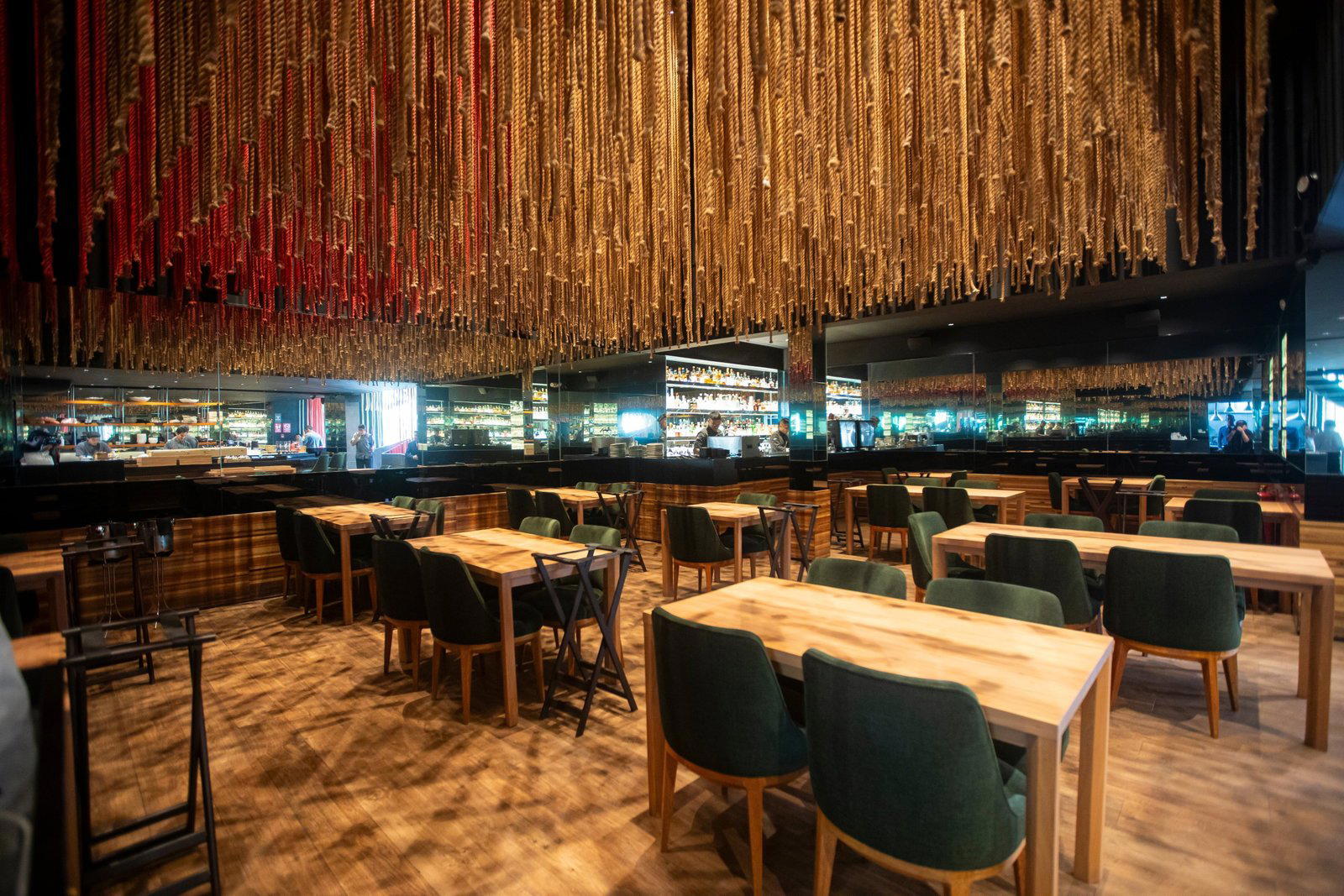
Miraflores can feel too orderly for regional cooking: clipped sidewalks, hotel lobbies, polished dining rooms, and a visitor economy that often translates Peru into tasting menus and neat ceviche plates. A Piurana picantería changes the register. The reference point is northern Peru, where the table is built around heat, citrus, seafood, maize, legumes, and the generosity of a midday meal rather than the choreography of fine dining. Alegrîa Picantería Piurana belongs in that conversation because it brings Piura’s coastal-northern idiom into one of Lima’s most accessible dining districts.
Piura's coastal pantry, translated for Miraflores
Piurana cooking matters because it is not simply another regional label inside Peruvian cuisine. Piura sits in the north, shaped by warm Pacific waters, dry coastal valleys, and a food culture that treats seafood, green plantain, goat, beans, ají, lime, and chicha-based preparations as core vocabulary. In Lima, where international attention often lands on Nikkei counters, modern Peruvian tasting menus, and cevicherías aimed at travellers, this northern register gives a different answer to what Peruvian food can be.
The picantería format also carries social meaning. It is historically less about hushed service and more about appetite, acidity, spice, and shared plates. That tradition gives the room its editorial interest: not a chef-led auteur project, but a regional food language entering Miraflores on its own terms. Alegrîa Picantería Piurana’s cuisine type, Piurana, is the key fact here. It signals a focus away from generic coastal Peru and toward a specific northern repertoire, where sourcing logic begins with the sea and extends inland through corn, tubers, legumes, herbs, and slow braises.
For travellers using Lima as a dining base, the distinction is useful. A meal here sits closer to regional immersion than to the city’s international-facing luxury circuit. That does not make it rustic by default; it means the pleasure comes from understanding a place through its ingredients. Piura’s food is direct, saline, sharp, and sunlit in structure, with dishes that often depend on freshness, seasoning, and timing rather than elaborate plating. In a city where restaurant ambition can be measured in awards and architecture, that kind of clarity has its own force.
Where it fits in Lima's regional food map
Lima’s dining identity is often described through breadth: Andean altitude cooking, Amazonian ingredients, Japanese-Peruvian technique, Chinese-Peruvian chifa, Spanish-Creole inheritance, and coastal ceviche culture all coexist within the capital. The more useful reading is by neighbourhood and format. Miraflores gives visitors access and range; Barranco tends to carry more nightlife and design energy; San Isidro leans corporate and polished; traditional markets and anticucho circuits work on a different rhythm altogether.
Seen from that map, Alegrîa Picantería Piurana is not trying to solve all of Peru on a plate. Its editorial value is narrower and stronger: it makes northern coastal cooking legible in a district where many visitors already stay. That matters because regional Peruvian food can get flattened when it travels. Piurana cooking is not interchangeable with Arequipa’s picantería culture, the Afro-Peruvian grill tradition, or the Lima cevichería model. The differences show up in what the kitchen privileges: acidity, seafood, ají heat, plantain, stews, and the relaxed abundance associated with northern tables.
Readers building a wider Lima itinerary can use category contrast rather than ranking. For anticucho culture, Anticuchería Doña Pochita and Anticuchos Grimanesa (Peruvian) point toward the city’s grill-and-skewer tradition. For modern Peruvian dining, Astrid & Gastón (Modern Peruvian) represents a different register of ambition. Arlotia, Av. Mariscal La Mar 770, and Asianica in Miraflores help show how broad the district’s restaurant mix has become. The point is not to compare them dish for dish, but to understand how Lima lets regional, contemporary, and immigrant-influenced formats sit within a short urban radius.
A regional table, not a trophy-room meal
There are no major award signals attached here, and that absence shapes expectations in the right way. This is not a restaurant to read through medals, star language, or scarcity mechanics. It is better approached through cuisine, neighbourhood fit, and the role of picantería cooking inside Peru’s broader dining culture. In EP Club terms, the trust signal is contextual rather than trophy-based: a clearly defined regional cuisine in a city where regional specificity is often the difference between a useful meal and a generic one.
The practical decision is simple. If the goal is a formal dégustation, Miraflores has other rooms built for that. If the goal is to understand how northern Peru enters the capital’s everyday dining conversation, this address has a clearer purpose. The setting belongs to Lima’s urban restaurant fabric rather than a resort or destination-dining compound, which makes it easy to fold into a day planned around Miraflores, Barranco, or the coastal parks without turning the meal into a logistical project.
For a wider Peru route, the same regional lens helps. Alma Bar Restaurante in Arequipa points toward southern highland and picantería-adjacent traditions, while As De Oro in Pisco, Ballestas Restaurant in Paracas, Bistrot Bastille in Ica, and Café Inkaterra in Machu Picchu show how place changes the table as travellers move through the country. For planning beyond restaurants, EP Club’s city rails are useful: Our full Lima restaurants guide, Our full Lima hotels guide, Our full Lima bars guide, Our full Lima wineries guide, and Our full Lima experiences guide. Further afield, Jōdo Saké Bar in Los Angeles and Onigiri Time in Pasadena sit in a separate Pacific dining conversation, useful for readers tracking how regional specificity travels across cities.
The verdict is measured but firm: the restaurant is a smart Lima choice when the brief is northern Peruvian flavour rather than ceremony. Its appeal lies in specificity, not spectacle. In a capital crowded with restaurants trying to represent Peru at large, a Piura-focused picantería gives the meal a narrower origin point and, for that reason, a more useful sense of place.
Comparable Venues Nearby
Comparable venues nearby, for context on price, style, and recognition.
| Venue | Cuisine | Price | Notes |
|---|---|---|---|
| Alegrîa Picantería PiuranaThis venue — the venue you are viewing | Traditional Piuran Peruvian Picantería | $$ | Not listed |
| El Rincón Que No Conoces | Traditional Peruvian Criolla | $$ | Lince |
| Casa Tambo Restaurant | Traditional Peruvian Creole | $$ | Lima |
| Panchita | Authentic Peruvian Creole | $$$ | Miraflores |
| La Niña | Modern Peruvian Seasonal | $$$ | Miraflores |
| La Nacional | Modern Peruvian | $$ | Independencia |
At a Glance
- Lively
- Cozy
- Rustic
- Energetic
- Group Dining
- Family
- Casual Hangout
- Celebration
- After Work
- Solo
- Standalone
Current opening hours
- Monday
- 12–5 PM
- Tuesday
- 12–10 PM
- Wednesday
- 12–10 PM
- Thursday
- 12–10 PM
- Friday
- 12–10 PM
- Saturday
- 12–10 PM
- Sunday
- 12–5 PM
Hours can change for holidays and private events. Last verified .
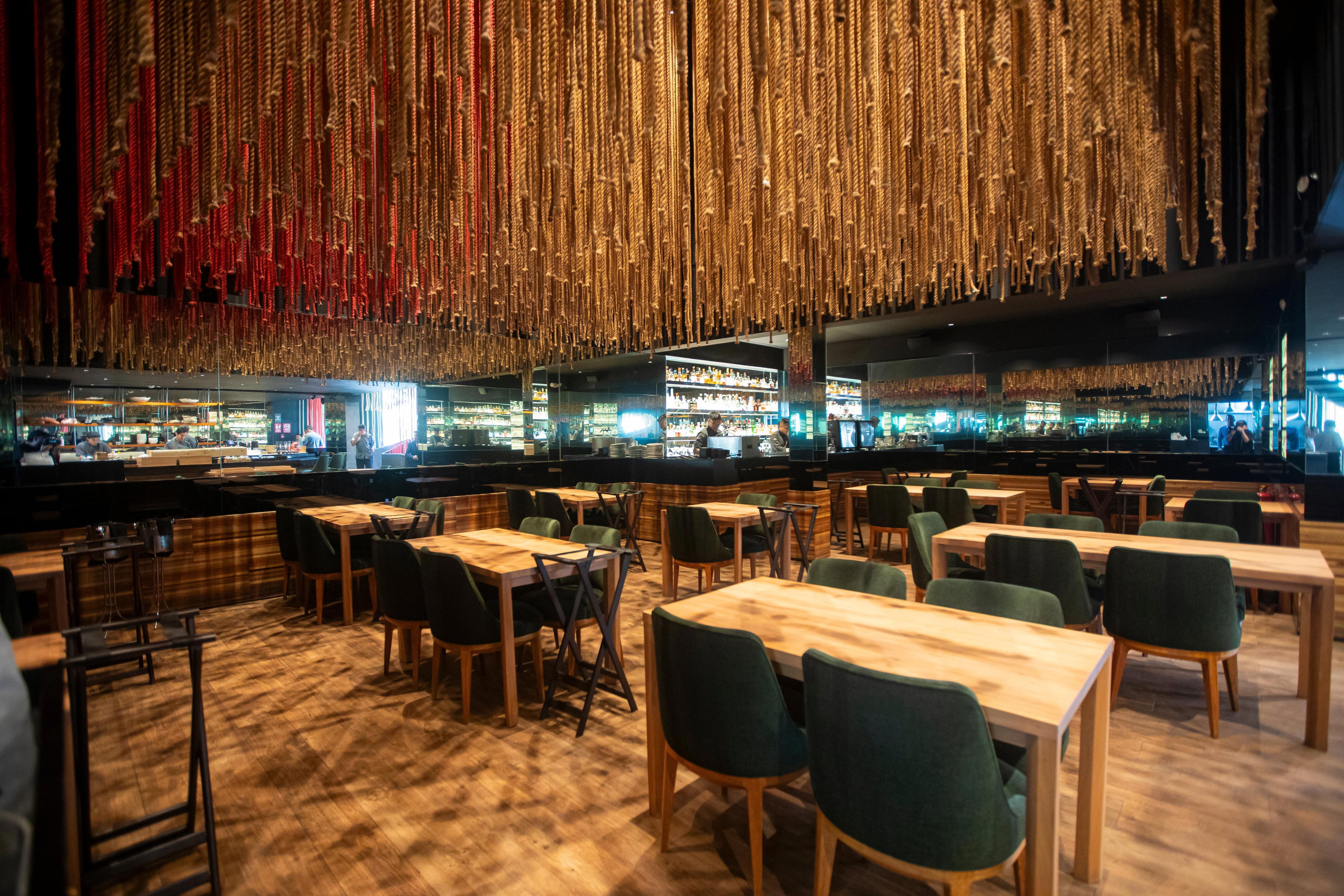
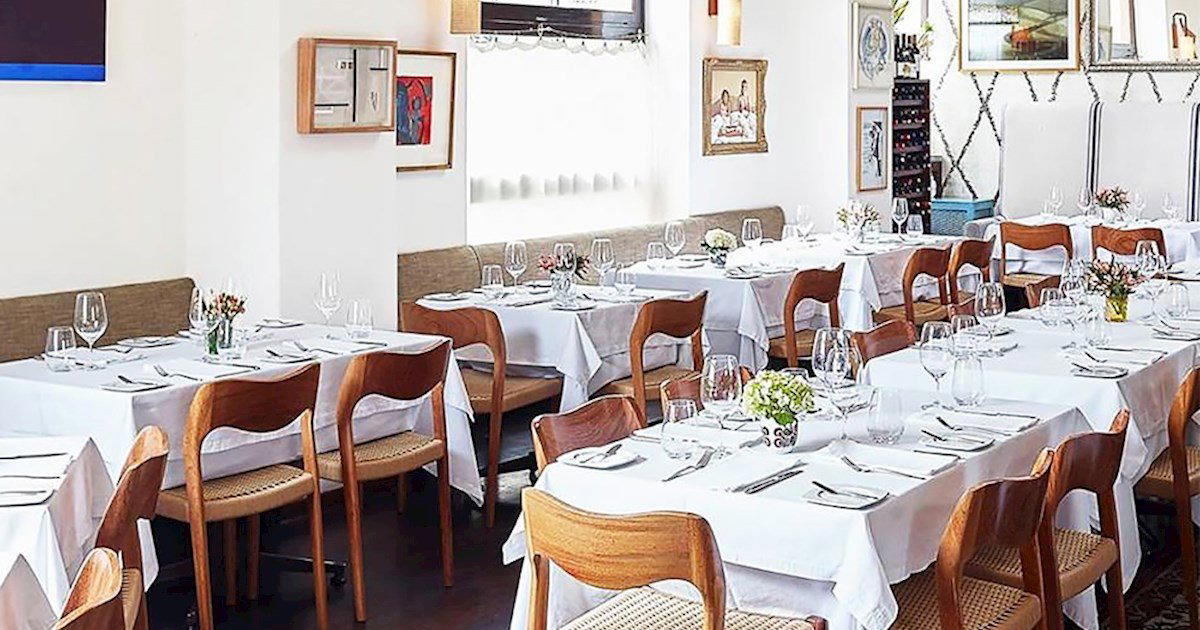
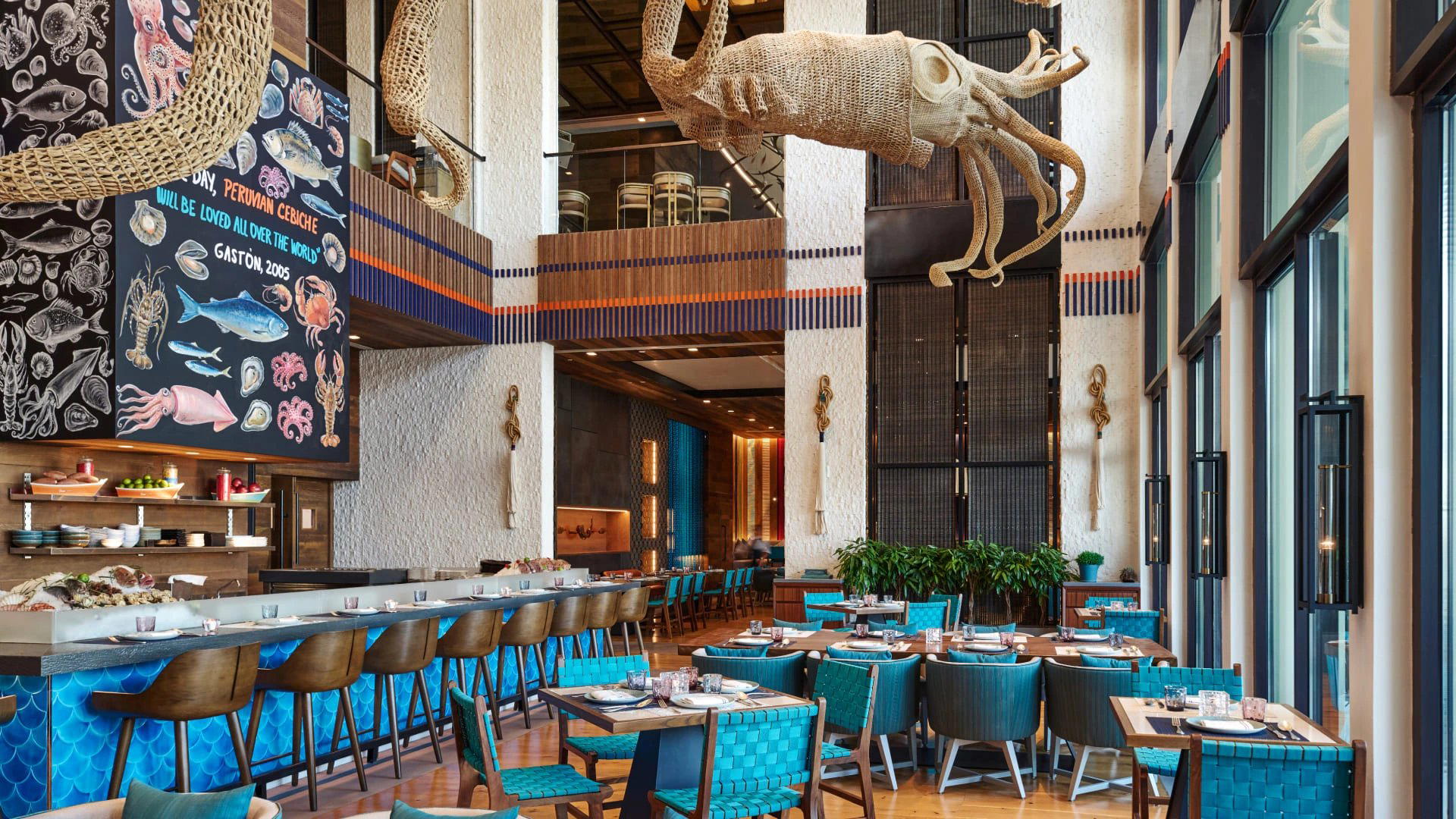
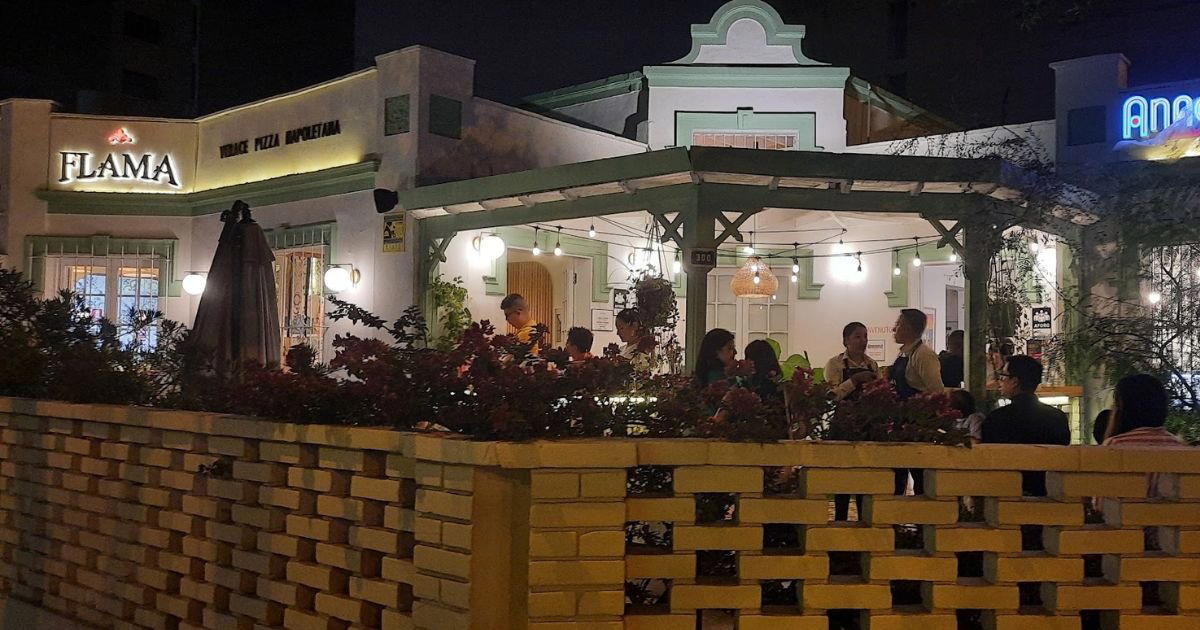
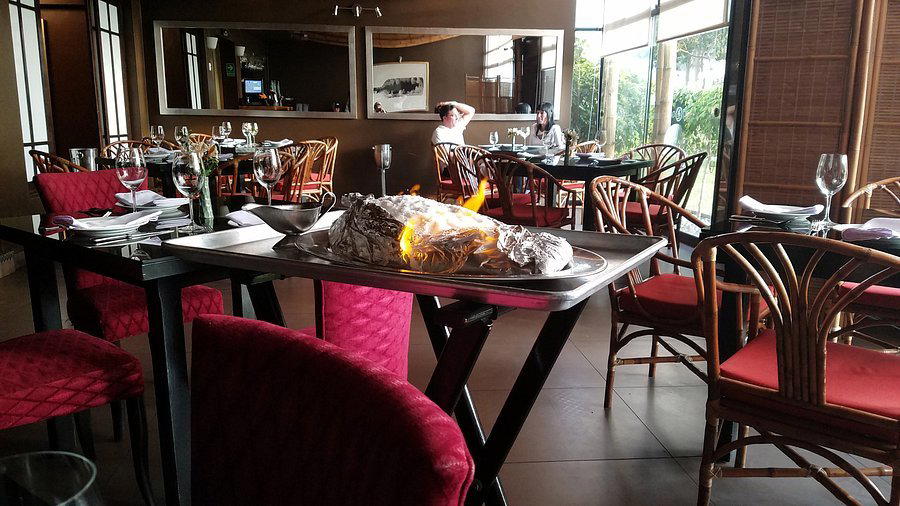
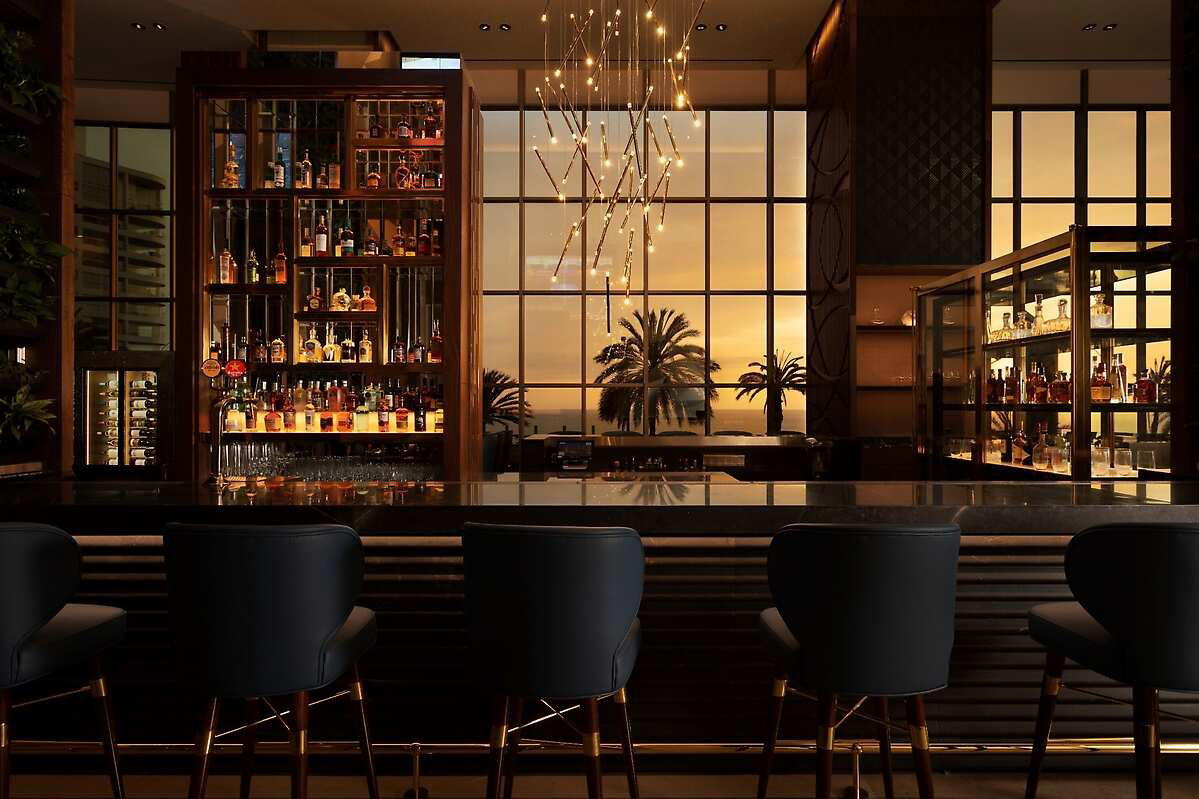
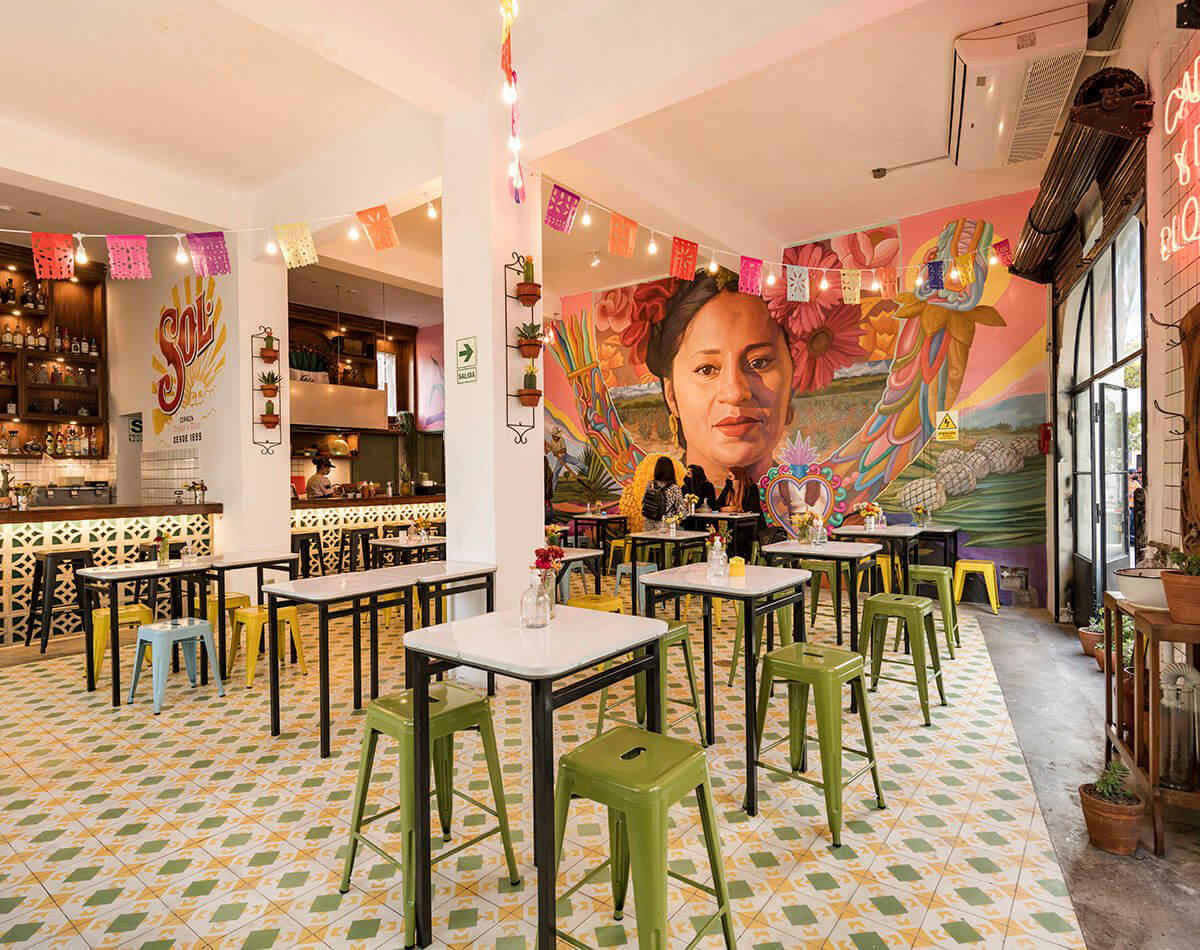
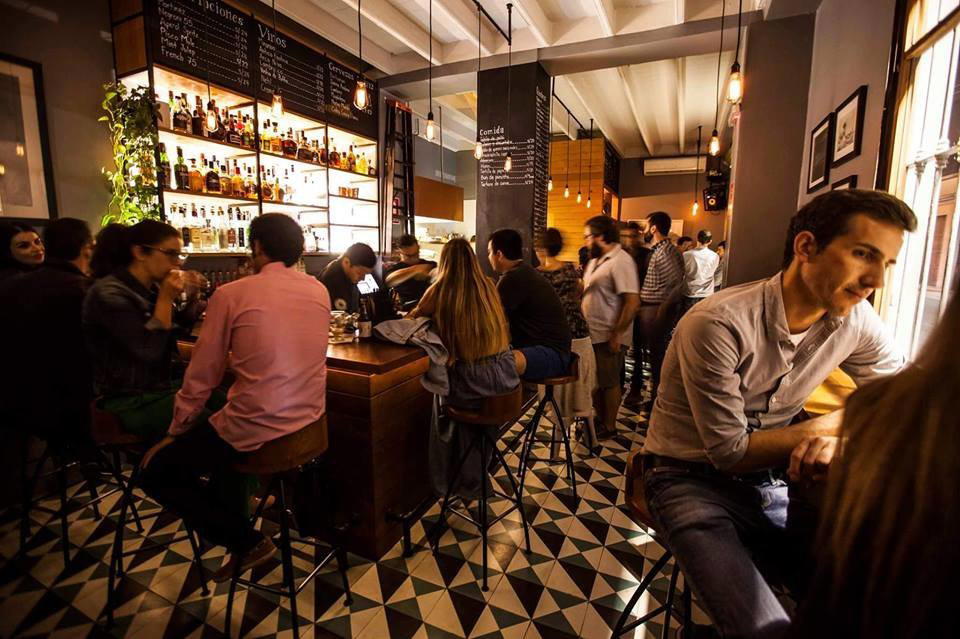
Bustling, informal dining room with a cheerful, family-style atmosphere, where generous plates of Piuran specialties and friendly, attentive staff create a cozy, neighborhood feel rather than a formal setting.