
In Miraflores, Lima's most concentrated dining district, Xoma operates at the intersection of architectural considered design and creative Peruvian cooking. Chef Ralf Zuniga frames the menu around emotion, color, and innovation, placing the restaurant in the emerging tier of modern Lima tables that We're Smart has flagged for closer attention. The address on Elías Aguirre puts it within walking distance of the neighborhood's leading restaurants.
Pearl is the En Primeur Club membership app — saves, bookings, and concierge access live there. Same editors, same standards.
- Address
- Elías Aguirre 179, Miraflores 15074, Peru
- Phone
- +51 970 653 913
- Website
- xoma.mesa247.pe
- Directions
- Get directions
 Saves & bookings on Pearl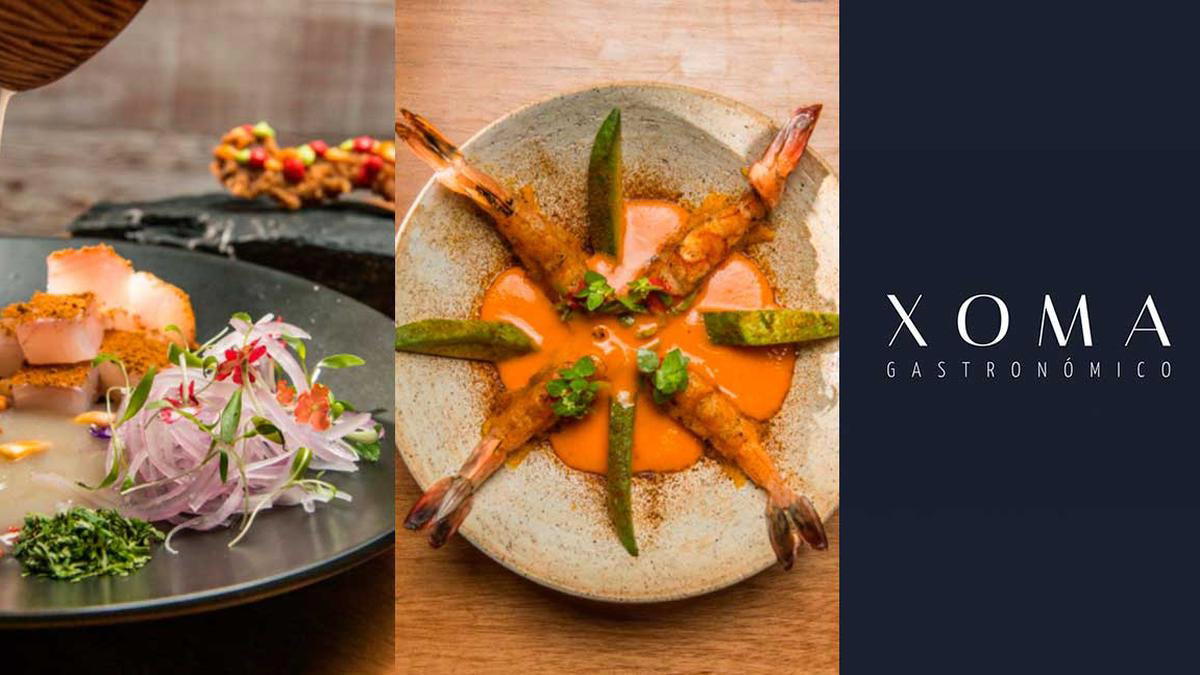
Where Miraflores Puts Its Creative Restaurants
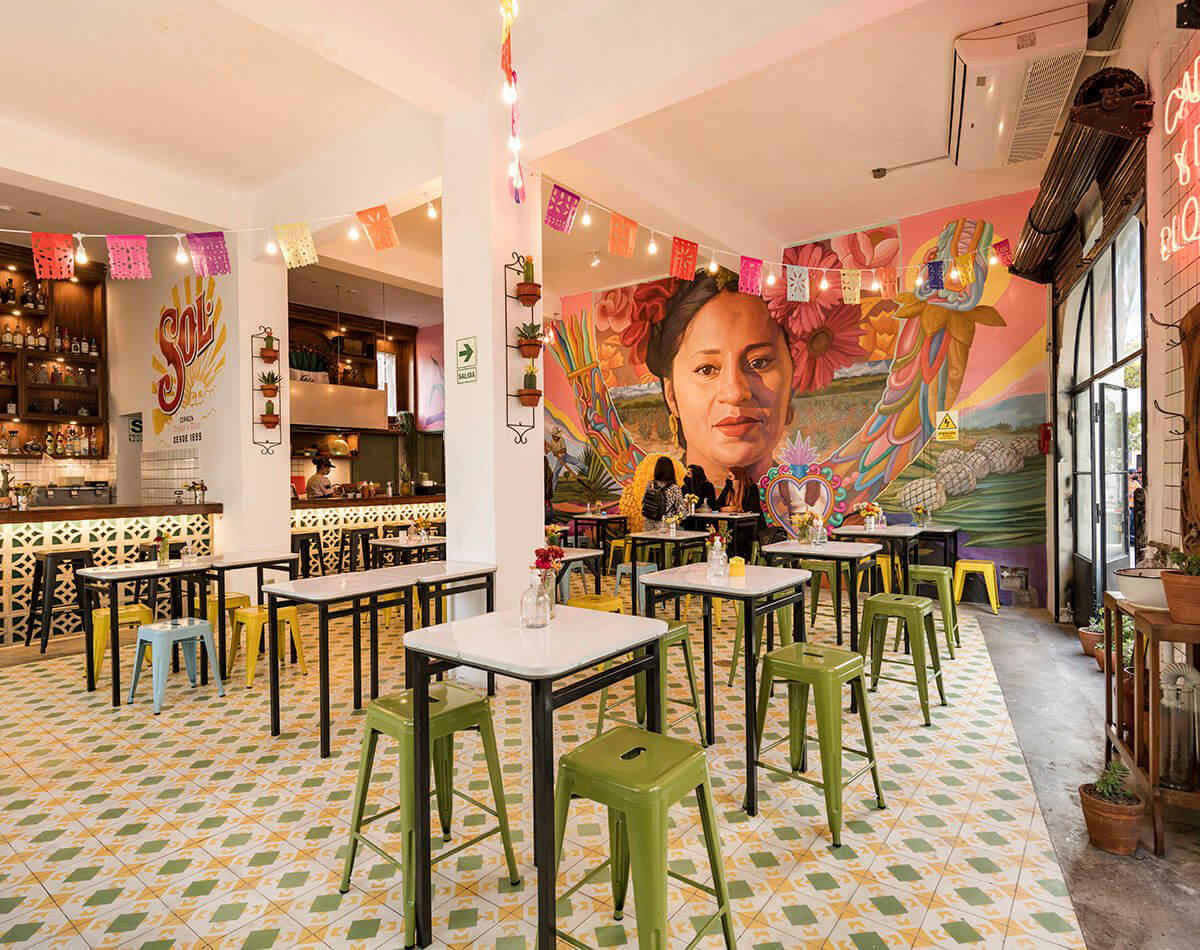
Miraflores has functioned as Lima's primary dining district for decades, absorbing the city's appetite for serious cooking while also bearing the weight of comparison to globally watched addresses like Central (Progressive Peruvian) and Maido (Nikkei). That proximity cuts both ways. It raises the standard of expectation for any new arrival, but it also places ambitious tables inside a conversation that reaches well beyond Peru. Xoma, at Elías Aguirre 179, enters that conversation from a specific position: a restaurant where the physical space and the food on the plate are conceived as a single statement rather than two separate departments.
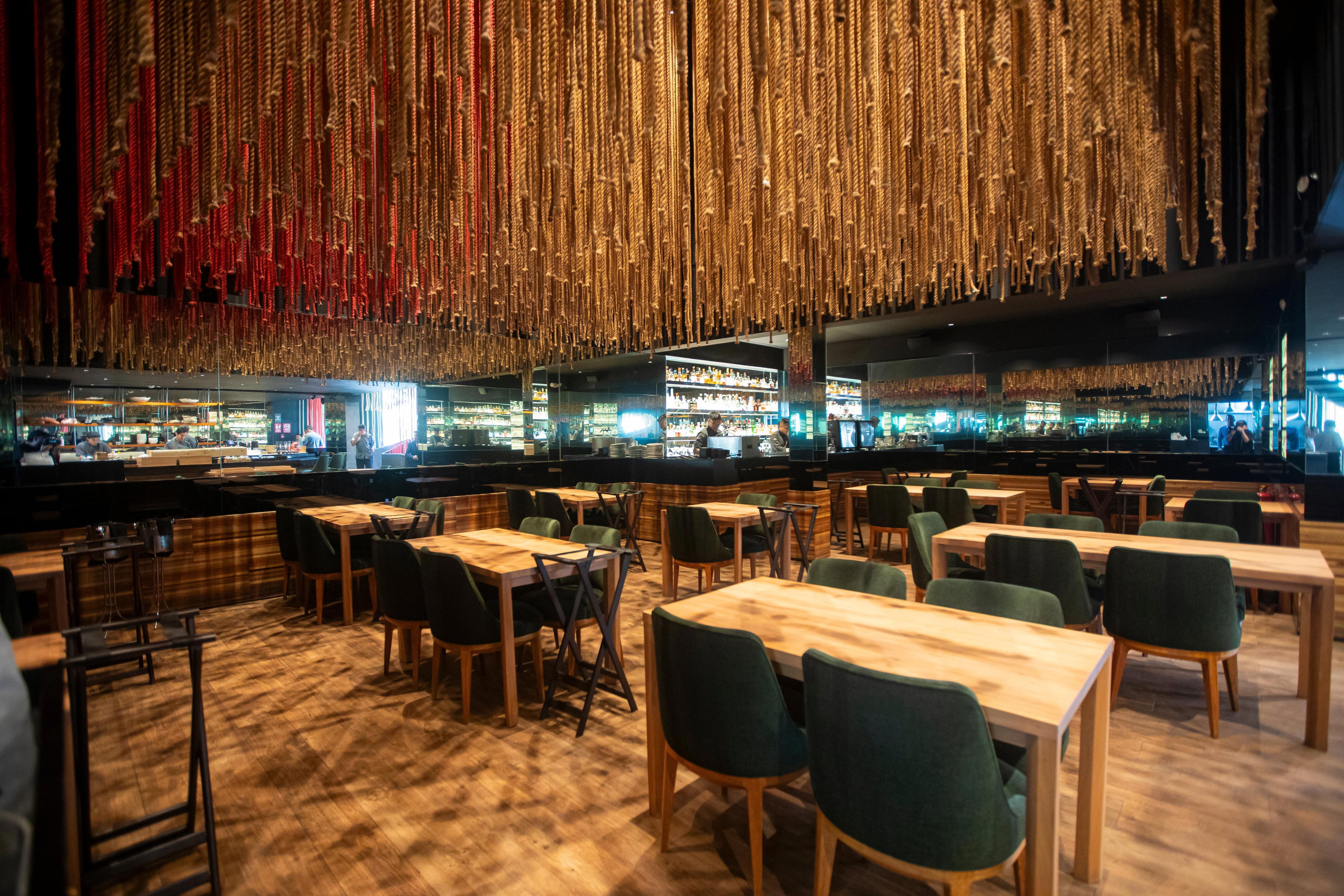
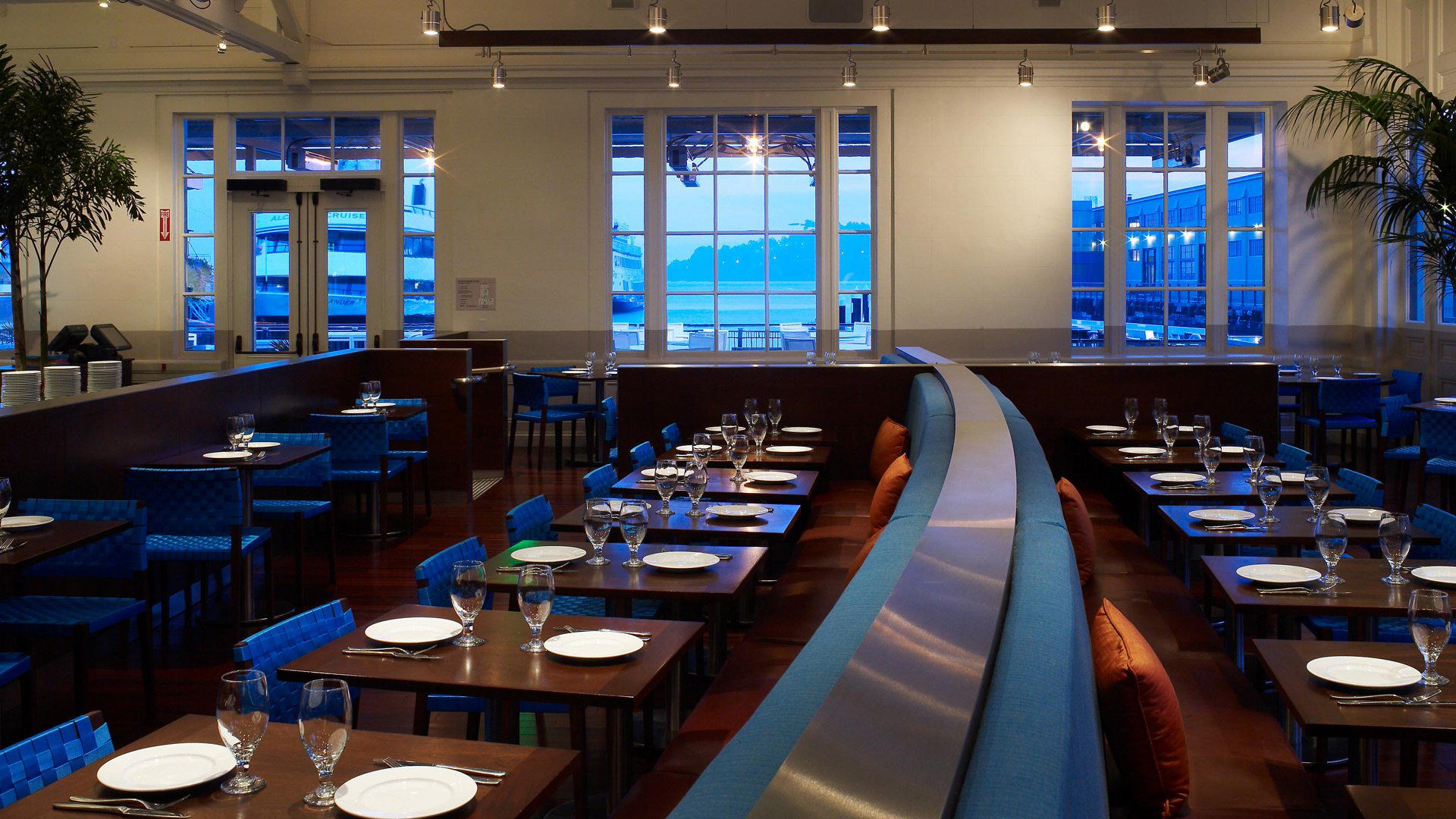
The architecture at Xoma is not decorative context. It reads as a deliberate frame for the cooking, the kind of design integration that has become a marker of seriousness in Lima's newer generation of restaurants. Where an earlier generation of Miraflores dining rooms borrowed from European fine-dining codes, the more considered current wave works with materiality, light, and proportion as active elements of the meal. Xoma belongs to that latter tendency, which positions it alongside peers that include Kjolle (Modern Peruvian) and Mayta (Peruvian Modern) in the district's design-attentive tier.
The Sensory Logic of the Room
Lima's leading modern dining rooms tend to operate on a principle of controlled restraint, where what reaches the table has been edited rather than amplified. The approach owes something to the broader influence of Peruvian ingredient culture, where the raw material commands enough complexity that excessive technique becomes a distraction. At Xoma, the framework is built around four declared pillars: emotion, flavor, color, and innovation. Each of these has a visual correlate as much as a gustatory one. Color, in particular, is a prompt to read the plate before tasting it, a practice that has become more pronounced across Lima's creative restaurants as chefs compete for the sensory attention of guests who arrive with calibrated expectations.
That emphasis on visual register is not superficial. Lima's position as one of the world's more photographically active dining cities means that color and composition function as a kind of editorial shorthand, signaling a kitchen's precision and intent before a fork is lifted. The restaurants that hold attention over time, however, back the visual language with technical depth. The kitchen is doing both, with innovation supported by what arrives on the plate as well as how it looks.
Chef Ralf Zuniga and the Creative Peruvian Tier
Within Lima's modern Peruvian category, the range runs from tasting menus anchored in hyper-local sourcing at the level of Central Restaurante down through technically serious but more accessible formats. Chef Ralf Zuniga's stated aim at Xoma is to add what he describes as an extra dimension to Peruvian cooking, a phrase that positions him inside the creative rather than the preservationist wing of Lima's culinary scene. The preservationist tradition, rooted in taberna cooking, causas, and ceviches prepared with generational recipe fidelity, has its own strong presence in the city, represented by restaurants like Isolina Taberna Peruana. Xoma operates elsewhere on that spectrum, where the baseline familiarity of Peruvian ingredients is treated as a launching point rather than a destination.
That creative stance aligns Xoma with a cohort of Lima restaurants now drawing serious international attention beyond the flagship names. Addresses such as Cosme in San Isidro and Costanera 700 in Miraflores demonstrate that Miraflores and adjacent districts can sustain multiple tiers of creative cooking simultaneously, without each table crowding the next. Peru's broader dining geography reinforces this: outside Lima, restaurants like Mil Centro in Moray and Chicha por Gaston Acurio in Cusco show how Peruvian creative cooking has distributed itself across the country. Xoma is part of a Lima node within that national pattern, one that continues to pull serious visitors into Miraflores specifically.
Lima's Seasonal Dining Window
Timing a visit to Lima's creative dining tier requires attention to the city's climate as much as its restaurant calendar. Lima's culinary high season broadly tracks its driest months, from December through March, when the garúa fog that defines the city's winter lifts and the coastal energy shifts. Peru's Pacific coast produces some of its most sought-after seafood during the southern summer, and Lima's market-driven restaurants adjust their sourcing accordingly. Visiting Xoma during this window gives the kitchen access to the widest range of Peruvian coastal and highland produce simultaneously, which tends to sharpen the color and contrast principles that structure the menu's identity.
For visitors building a broader Peru itinerary, the region's dining reach extends to addresses like Cirqa in Arequipa and Delfin Amazon Cruises in Iquitos, each of which uses distinct regional ingredients that never appear on a Lima menu. Lima functions as the itinerary hub, but the conversation those addresses sustain about Peruvian ingredient diversity only deepens what a kitchen like Xoma's is attempting in Miraflores.
Planning Your Visit
Xoma sits at Elías Aguirre 179 in Miraflores, a central Miraflores address that places it within a short walk of the district's principal restaurant cluster. Given Reservations made with reasonable advance notice are advisable, particularly during Lima's summer months when the city draws its heaviest concentration of food-focused international visitors. Current hours are Mon: 7-10:30 PM; Tue: 12-3:30 PM, 7-10:30 PM; Wed: 12-3:30 PM, 7-10:30 PM; Thu: 12-3:30 PM, 7 PM-12 AM; Fri: 12-3:30 PM, 7 PM-12 AM; Sat: 12-3:30 PM, 7 PM-12 AM; Sun: 12-3:30 PM, 7-10:30 PM. Reservations are recommended. EP Club's full Lima restaurants guide maps the broader neighborhood context, while our Lima hotels guide, Lima bars guide, Lima experiences guide, and Lima wineries guide cover the rest of the city's premium offer for visitors building a full itinerary.
For context on what Lima's most globally recognized creative tables are doing at the same moment, the tasting menus at Central and the seafood-led cooking at Maido remain the benchmark comparisons within Miraflores. Further afield, the standards set by menus like those at Le Bernardin in New York City and Emeril's in New Orleans illustrate the international frame within which Lima's most ambitious creative cooking now situates itself.
Same-City Peers
Comparable venues nearby, for context on price, style, and recognition.
| Venue | Cuisine | Price | Notes |
|---|---|---|---|
| XomaThis venue — the venue you are viewing | Modern Peruvian Gastronomic | $$$ | Not listed |
| Chez Wong | Peruvian Ceviche | $$$ | La Victoria |
| El Restaurant | Modern Peruvian Seafood | $$$ | Lima |
| Siete | Modern Peruvian-Mediterranean Fusion | $$ | Barranco |
| Maras | Modern Peruvian Fine Dining | $$$ | San Isidro |
| Jirón de la Unión 926 | Traditional Peruvian Bar & Tapas | $$ | Lima |
Recognition history
Dated appearances from independent guides and award organizations, with the underlying list record or original source where available.
We're Smart World 1 Radish
We're Smart World
Continue exploring
More in Lima
Restaurants in Lima
Browse all →
Hotels in Lima
Browse all →
Wineries in Lima
Browse all →
At a Glance
- Elegant
- Cozy
- Modern
- Sophisticated
- Date Night
- Special Occasion
- Family
- Open Kitchen
- Craft Cocktails
Current opening hours
- Monday
- 7–10:30 PM
- Tuesday
- 12–3:30 PM, 7–10:30 PM
- Wednesday
- 12–3:30 PM, 7–10:30 PM
- Thursday
- 12–3:30 PM, 7 PM–12 AM
- Friday
- 12–3:30 PM, 7 PM–12 AM
- Saturday
- 12–3:30 PM, 7 PM–12 AM
- Sunday
- 12–3:30 PM, 7–10:30 PM
Hours can change for holidays and private events. Last verified .
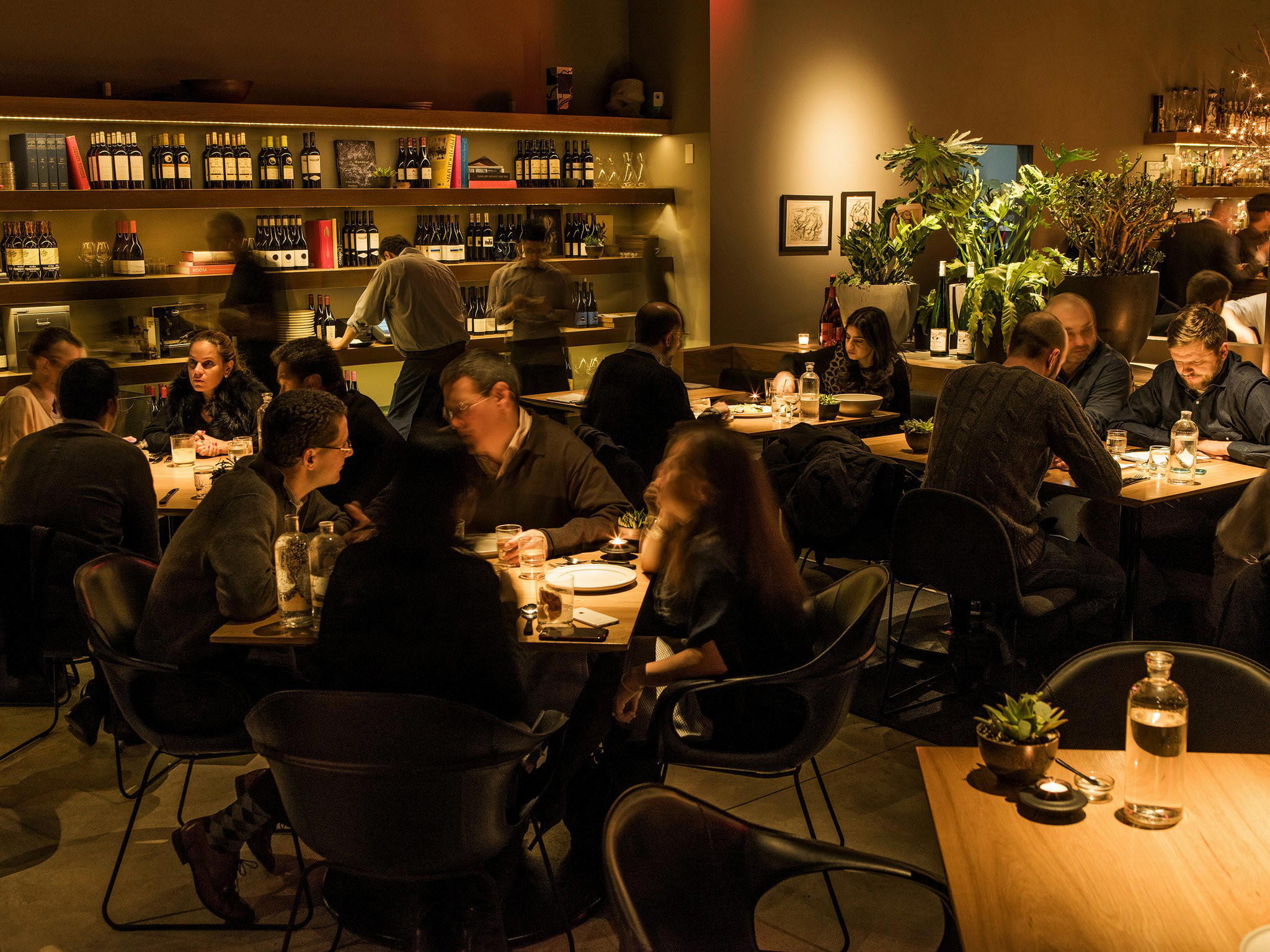
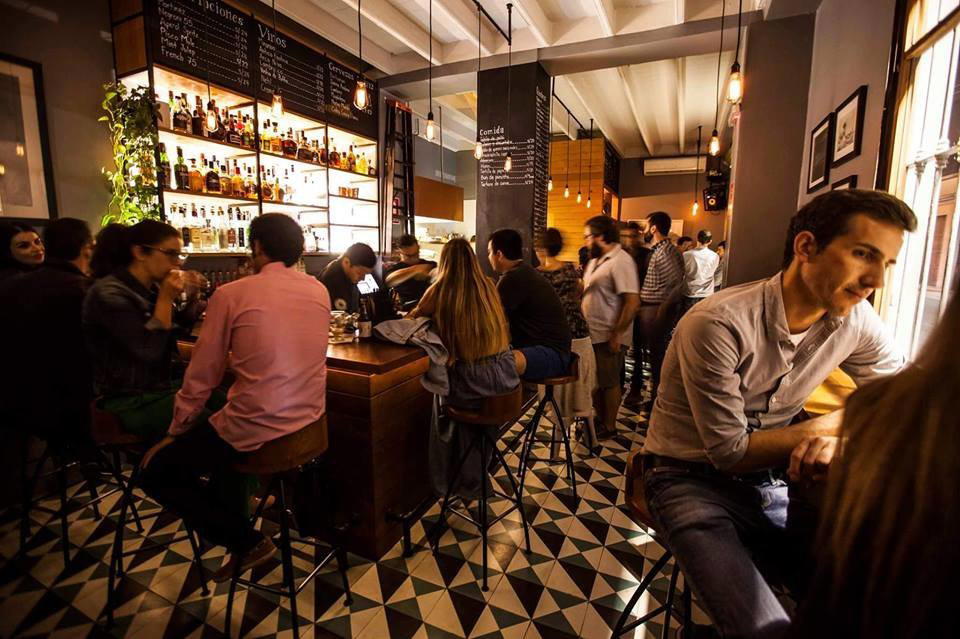
Warm, elegant, and cozy atmosphere with striking art installations and moderate noise levels.