
Conde Nast Hot List Restaurants
Our verdict
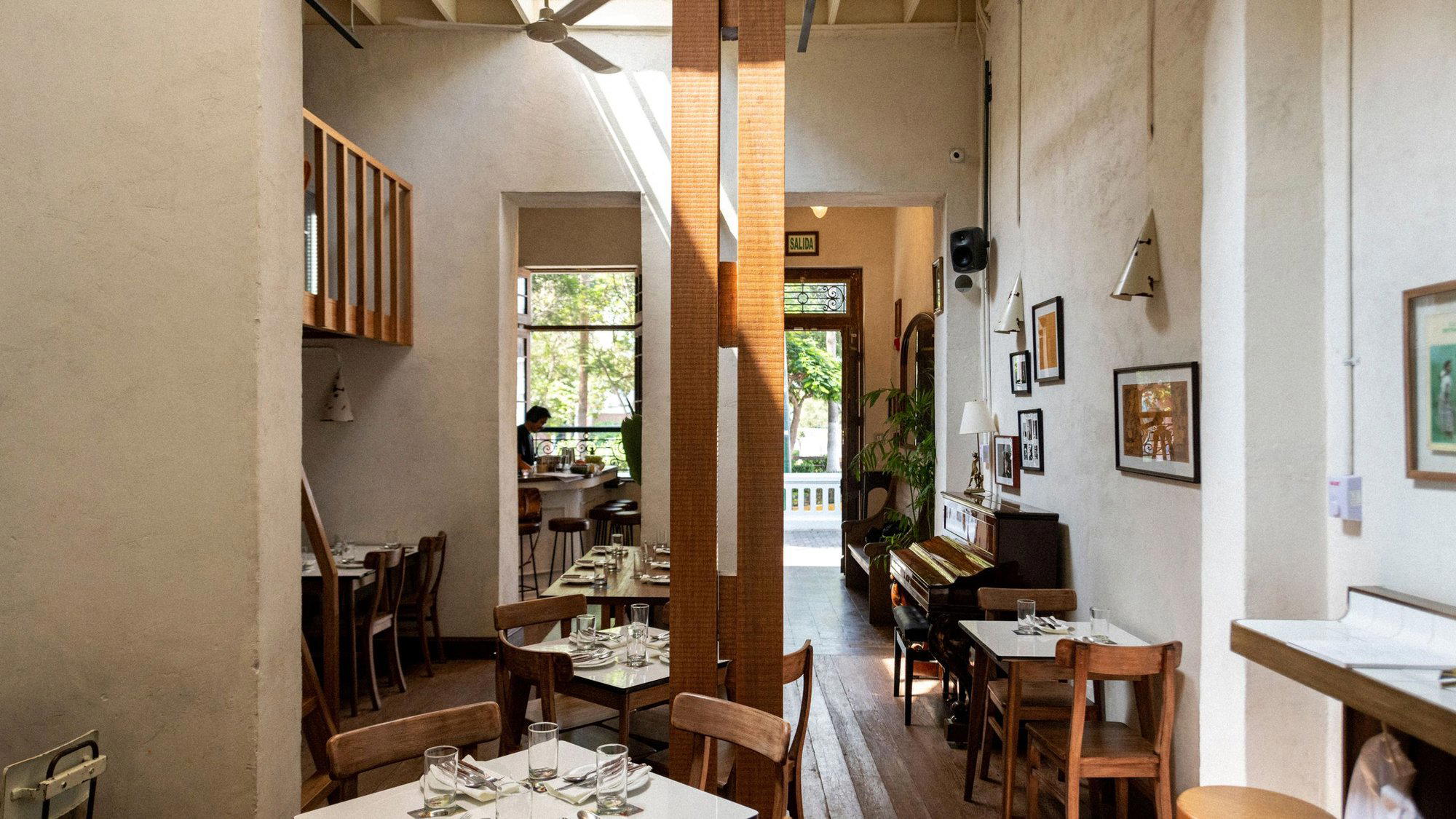
La Perlita puts Barranco’s tavern tradition ahead of Lima’s tasting-menu theatrics: whitewashed walls, creaky floors, street-facing seats, and a Peruvian taberna menu built on tiradito, rocoto-bright ceviche, and stuffed caigua. The appeal is social as much as culinary, with the room gathering volume as lunch or dinner moves toward music and conversation.

Pearl is the En Primeur Club membership app, where members save venues, book tables and use the concierge.
The menu
What to order
- Ceviche La Reyna
- Ají de Gallina con Cangrejo
- Caigua rellena en chupe de camarón
- Tamalito verde con picante de langostinos
- Tiradito de La Perlita
La Perlita is best understood through its format before anything else: a Lima restaurant framed as a Peruvian taberna rather than a formal destination built around ceremony. Lima has plenty of dining rooms that present the city through design polish and tasting-menu grammar; La Perlita works in a different register, closer to the city’s tavern instinct, where the mood is casual, social, and deliberately less rigid. Its appeal is not the promise of silence or choreography. It is the idea of a meal that can feel direct, convivial, and rooted in the city rather than arranged as a prestige performance.
Lima's taberna answer to Lima's laboratory dining
Lima’s international restaurant identity has long been tied to technique: native ingredients and coastal products translated into highly composed formats. La Perlita matters because it points in another direction without reducing itself to nostalgia. The taberna format gives Peruvian cooking a social frame rather than a museum case. The grammar is familiar, but the setting gives it charge.
The regional reading is useful. Across Latin America, diners understand the difference between polished dining rooms, seafood counters, casual neighborhood stops, and product-led coastal cooking; Lima deserves the same precision. A Lima taberna is not interchangeable with a white-tablecloth dining room or a market-side counter. Here, Peruvian cooking is read through city sociability, coastal energy, and a format built for lingering rather than sequencing.
That distinction also keeps the experience from feeling like a checklist of national dishes. The appeal is less about invented signatures than about the kind of food and pacing that explain why the restaurant works. Direct flavors, familiar references, and appetite can carry as much authority as formal technique, especially when the room is allowed to feel casual, social, and lived-in.
The room rewards noise, appetite, and staying power
The useful test for La Perlita is not whether it suits a formal occasion. It is whether the evening benefits from a place that behaves more like a taberna than a controlled fine-dining room. The appeal sits in the overlap between tavern, casual restaurant, and neighborhood social club. A diner who wants hushed pacing and long explanatory speeches may be better served elsewhere in the city’s fine-dining circuit. A diner who wants Peruvian taberna cooking in Lima will understand the point faster.
Recognition has followed that difference. Condé Nast Traveler included La Perlita in its Best New Restaurants in the World: 2026 Hot List, placing the restaurant inside a wider conversation about Lima dining beyond chef-driven seriousness. That matters because the city’s dining conversation often rewards innovation in formal rooms; this restaurant draws attention for atmosphere, memory, and the confidence to let familiar pleasures carry the evening.
Lima helps. The city’s cultural reputation, from dining rooms and older urban textures to late-night social life, gives a tavern format more credibility than it might have in a business-heavy setting. The traditional taberna idea is not just background decoration; it changes the expected tempo of the meal. In a place where many serious meals happen behind controlled thresholds, La Perlita’s more open, social reading of Peruvian cooking is part of the argument.
How to place it within a Lima itinerary
La Perlita fits the part of a Lima trip that should not be overplanned into prestige dining alone. The city’s range is broader than tasting menus: casual counters, regional traditions, Asian-Peruvian crosscurrents, hotel restaurants, bars, and coastal travel all change the reading of the capital. For a wider restaurant map, start with Our full Lima restaurants guide, then cross-check where to sleep in Our full Lima hotels guide and where to drink in Our full Lima bars guide. Broader planning can extend through Our full Lima wineries guide and Our full Lima experiences guide.
Within the capital, the useful contrast is by format, not by rank. Some Lima dining rooms point toward regional cooking, modern Peruvian polish, or the city’s Asian-Peruvian axis. La Perlita’s role is narrower and sharper: a Lima taberna where Peruvian cooking and a social restaurant format do the work.
Travel beyond the capital reinforces the point that Peru is not a single culinary sentence. Across the country, dining attaches itself to region, altitude, coast, or travel route, while international examples show how format shapes expectation as much as cuisine does. Read this Lima room the same way: not as a simplified version of the city’s dining, but as a specific social form with its own rules.
Frequently asked questions
Is La Perlita suitable for children?
La Perlita’s casual taberna format in Lima can be workable for families, especially for diners looking for an informal room rather than a formal fine-dining setting.
Is La Perlita better for a quiet night or a lively one?
It suits a lively night. The venue is framed as a social Peruvian taberna in Lima rather than a hushed, ceremonial restaurant.
Does La Perlita have a Michelin star or similar recognition?
La Perlita has received recognition from Condé Nast Traveler, which included it in The Best New Restaurants in the World: 2026 Hot List.
Is La Perlita focused on a specific cuisine style?
La Perlita serves Peruvian taberna cuisine in Lima.
Comparable venues nearby, for context on price, style, and recognition.
| Venue | Cuisine | Price | Awards | Notes |
|---|---|---|---|---|
| La PerlitaThis venue (the venue you are viewing) | Contemporary Peruvian seafood tavern (criolla de mar) | $30–50 | Conde Nast Hot List Restaurants | Not listed |
| Av. Mariscal La Mar 770 | Peruvian Cevicheria | $50–100 | World's 50 Best #26 · Star Wine List | Miraflores |
| Chez Wong | Peruvian Ceviche | Not listed | Not listed | La Victoria |
| Siete | Modern Peruvian-Mediterranean Fusion | $20–30 | Not listed | Barranco |
| Alegrîa Picantería Piurana | Traditional Piuran Peruvian Picantería | $20–30 | Not listed | Miraflores |
| La Niña | Modern Peruvian Seasonal | $50–100 | Star Wine List · World's Best Wine Lists Awards WBWL 3-Star | Miraflores |
Recognition history
Dated appearances from independent guides and award organizations, with the underlying list record or original source where available.
Conde Nast Hot List Restaurants
Conde Nast
Continue exploring
More in Lima
Restaurants in Lima
All restaurants in Lima →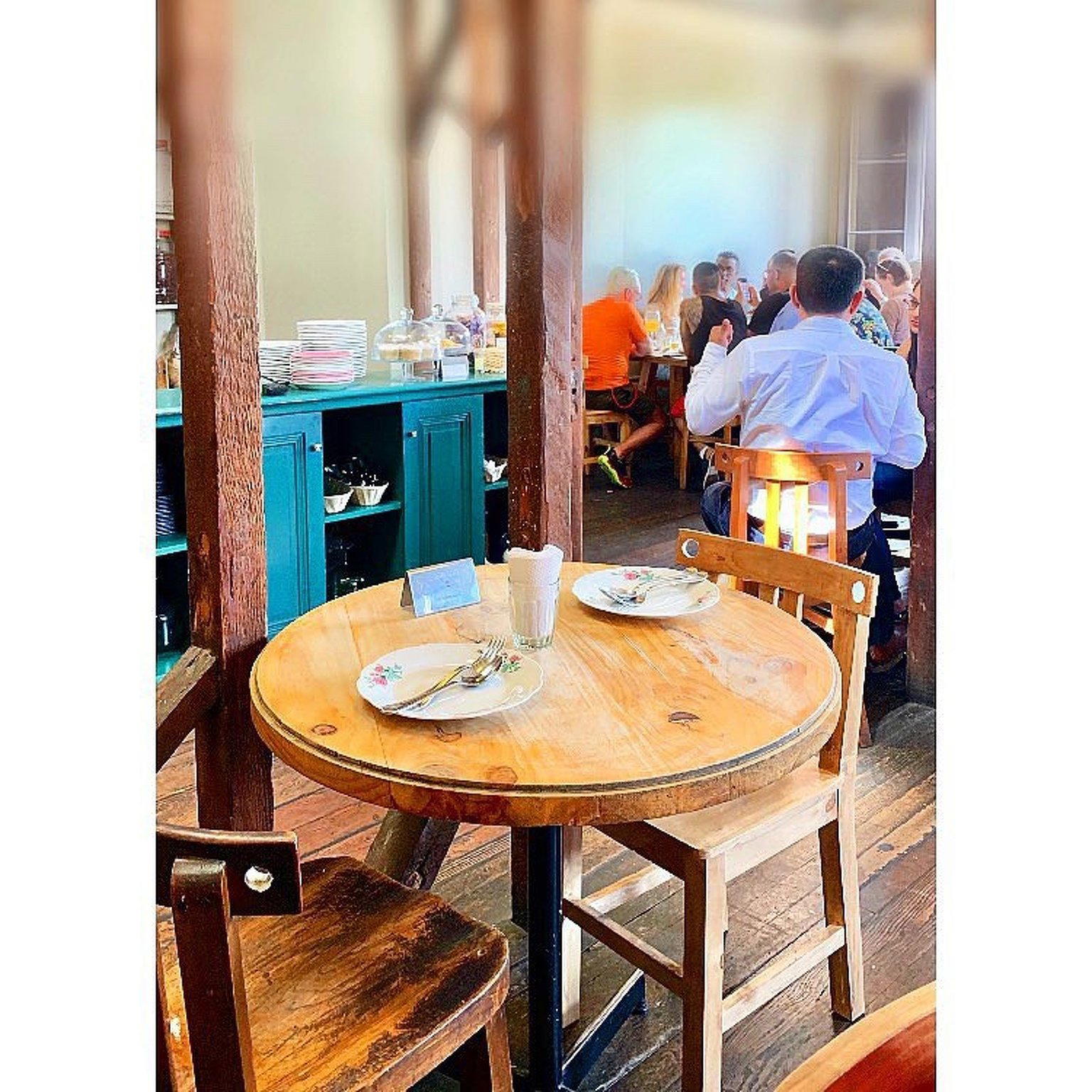
Bars in Lima
All bars in Lima →
Hotels in Lima
All hotels in Lima →

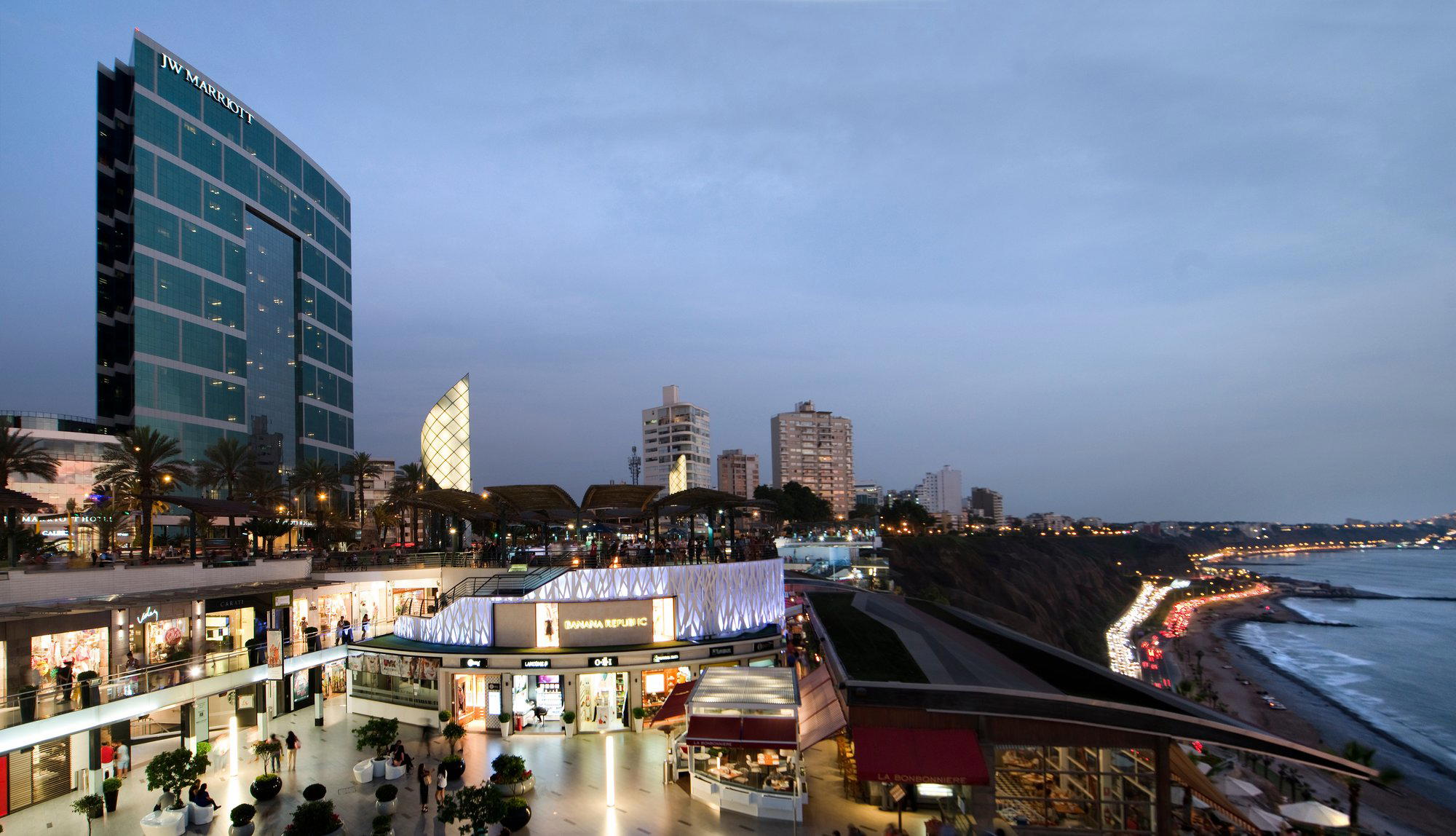
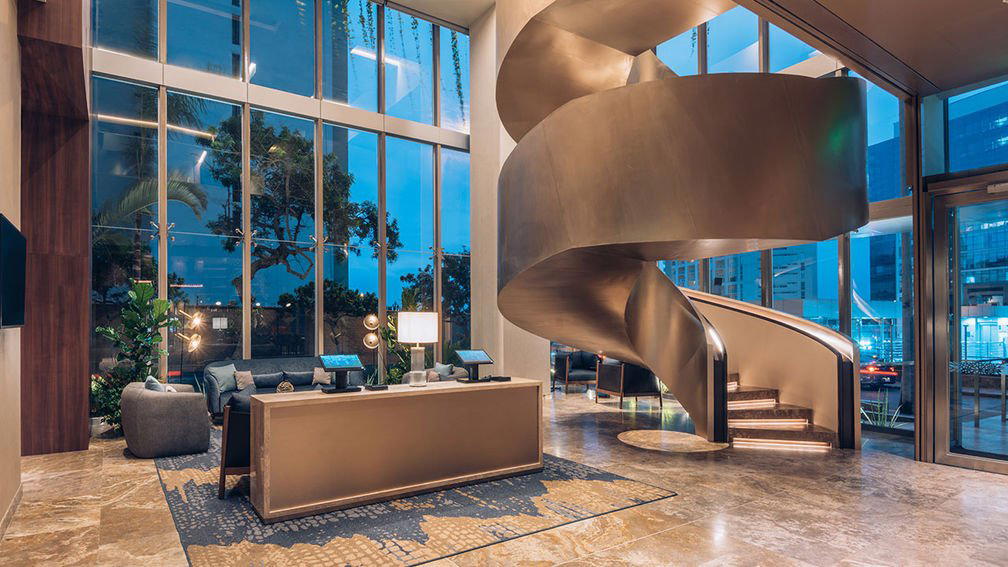
Wineries in Lima
All wineries in Lima →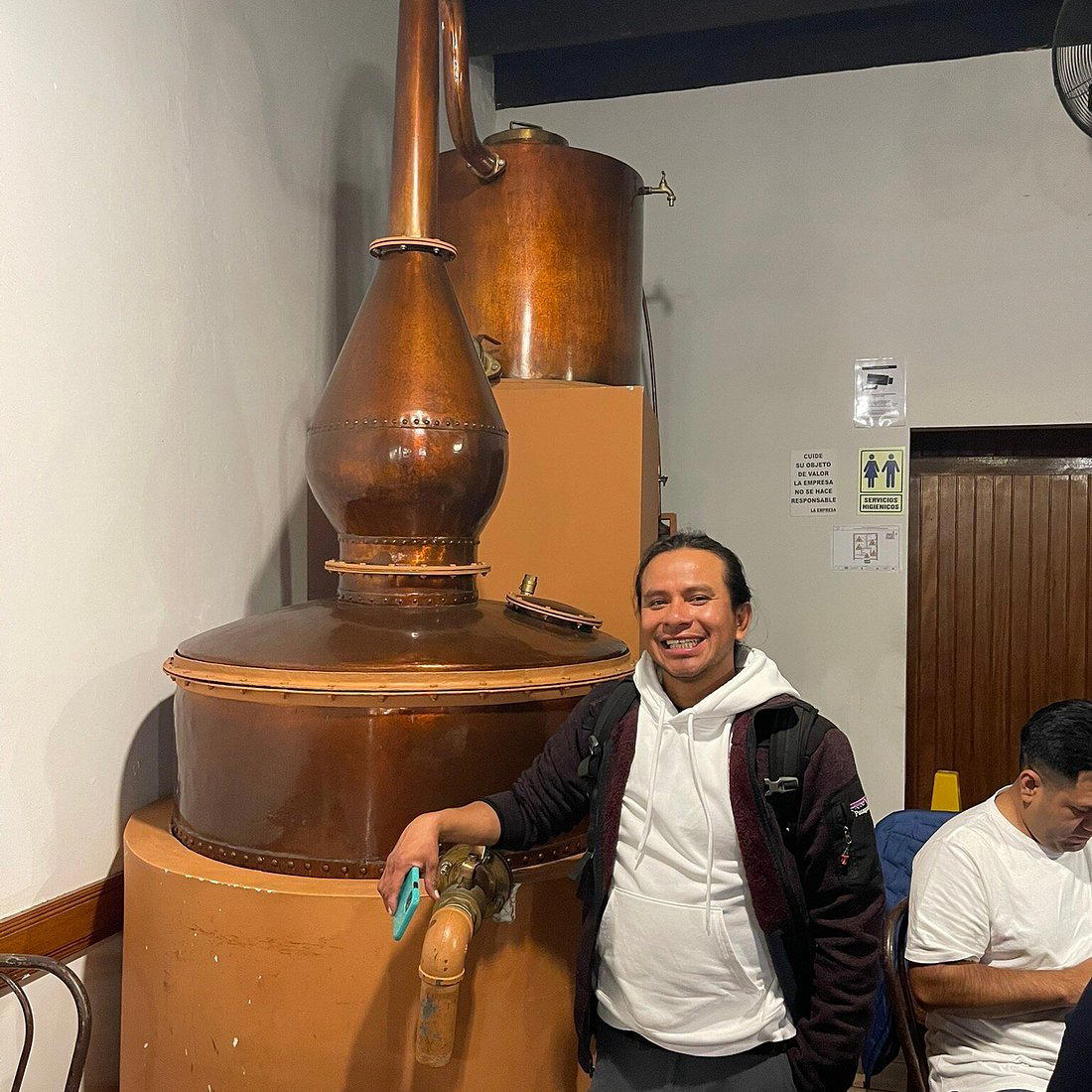
Details
- Bohemian
- Lively
- Cozy
- Trendy
- Intimate
- Casual Hangout
- After Work
- Date Night
- Group Dining
- Celebration
- Solo
- Standalone
- Historic Building
- Design Destination
- Craft Cocktails
- Local Sourcing
- Sustainable Seafood
- Street Scene
- A La Carte
- Small Plates
- Pisco Cocktails
- Beer
- Wine
- Non Alcoholic Cocktails
- Pescatarian Friendly
Current opening hours
- Monday
- Closed
- Tuesday
- 1–4 PM
- Wednesday
- 1–4 PM
- Thursday
- 1–4 PM, 7:30–11 PM
- Friday
- 1–4 PM, 7:30–11 PM
- Saturday
- 1–4 PM, 7:30–11 PM
- Sunday
- 1–5 PM
Hours can change for holidays and private events. Hours as of .
A small, bright and cozy Barranco tavern with a distinctly bohemian, relaxed and fun atmosphere, pisco bar energy, and lively buzz typical of a neighborhood hangout rather than formal fine dining.