
The Delfin I dining room in Nauta, Peru, sits at the intersection of Amazonian ingredient culture and Peruvian culinary tradition, earning recognition for its expression of regional terroir. Positioned along one of the Amazon's most remote stretches, it offers a dining format shaped by the river's produce and the ecological rhythms of the surrounding basin.
Pearl is the En Primeur Club membership app — saves, bookings, and concierge access live there. Same editors, same standards.
- Address
- Pacaya Samiria National Reserve
- Phone
- +51 944 848 732
- Directions
- Get directions
 Saves & bookings on Pearl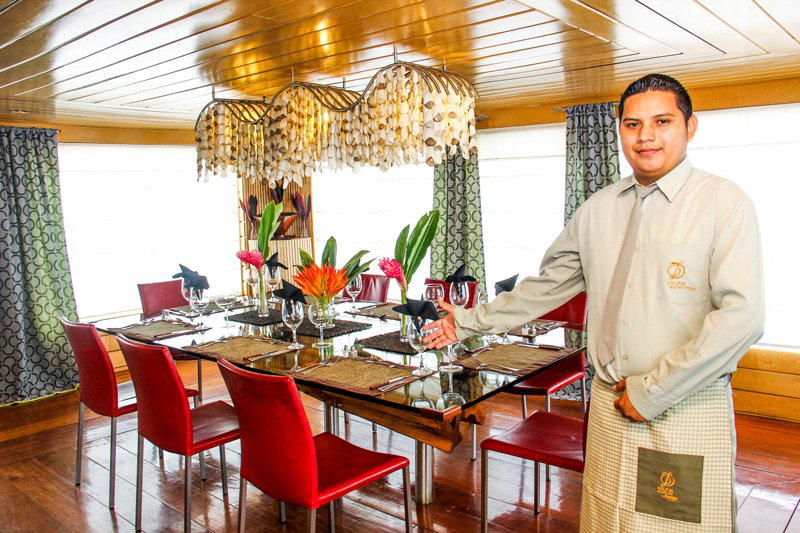
Where the River Sets the Menu
The deeper you travel into the Peruvian Amazon, the more the conventional logic of restaurant dining inverts. Supply chains shorten to what can be caught, harvested, or gathered within hours. The kitchen stops referencing a static menu and starts referencing the river. The Delfin I dining room in Nauta operates within this logic: the Pacaya Samiria National Reserve shapes what reaches the kitchen, and that geography is not backdrop, it is the primary ingredient source.
Nauta itself sits roughly 100 kilometres south of Iquitos by road (the only Amazonian city connected to Peru's highway network by land), which makes it an entry point for river expeditions into the Pacaya-Samiria National Reserve, one of the largest protected wetland areas in South America. Dining in this context means eating within one of the world's most biodiverse food environments, where ingredients unavailable anywhere else in Peru appear on the table as a matter of course rather than as a curated statement.
Terroir in Its Most Literal Form
Peru's restaurant culture has spent two decades building a global reputation on the back of ingredient diversity, Lima's best-known addresses, from Astrid & Gastón in Lima to Mil in Cusco, have made provenance the central editorial argument of their menus. The difference in Nauta is that terroir is not a sourcing decision; it is a constraint and a gift simultaneously. You cannot import a better ingredient from elsewhere. You work with what the river and the forest provide.
The Delfin I dining room has received recognition specifically under the designation Expression of the Terroir, a signal that its kitchen is being judged not on technical refinement against a global comparable set but on fidelity to place. In the Peruvian context, this is a meaningful distinction. It separates the venue from Lima's modern Peruvian restaurants, which operate in a cosmopolitan register, and places it alongside operations like Mil Centro in Moray and Mil Centro in Maras, where the surrounding ecology is the organising principle of what arrives on the plate.
Amazonian cuisine carries ingredients that don't translate easily across contexts: paiche, the giant river fish that can exceed 200 kilograms; camu camu, with a vitamin C concentration that exceeds most citrus by multiples; aguaje palm fruit, central to local diet and economy; and dozens of cassava varieties that serve the role corn plays in Andean and Mexican food traditions. Where Andean kitchens are built around the potato and the grain, Amazonian kitchens are built around root starches, river protein, and tropical fruit acids. The cooking logic that results is distinct from anything operating at Cirqa in Arequipa or the coastal ceviche tradition of Costanera 700 in Miraflores.
The Amazonian Table and Ingredient Foundations
The Amazon basin operates on a different starch axis. Cassava (yuca) functions here as the foundational carbohydrate rather than corn, processed through fermentation, pressing, and drying techniques that parallel nixtamalization's role in Mesoamerican cooking: transforming a raw agricultural product into something nutritionally complete and culturally central. Masato, the fermented cassava drink, and fariña, the dried cassava flour used across the Amazonian basin from Peru to Brazil, represent the same depth of craft that nixtamal represents in Mexican cooking traditions.
That said, Amazonian cooking in Peru does incorporate corn in forms that wouldn't appear on an Andean table, chicha preparations, fermented drinks, and preparations specific to indigenous communities throughout the basin. The Delfin I kitchen, under chef Rachel Haggstrom, operates within this full spectrum of ingredient culture. The terroir recognition signals that the kitchen is treating these ingredients on their own terms rather than translating them into a European or Lima-modern idiom.
For comparison, other Peruvian restaurants outside the basin work with ingredient concepts from a position of physical distance from source. The Delfin I dining room has no such distance. The river is outside.
The Delfin Operation in Context
Delfin is primarily associated with Amazon river cruises operating out of Iquitos. The Nauta dining room represents the land-based extension of that culinary approach, a fixed point rather than a floating one, operating within the town that serves as the terrestrial gateway to the Pacaya-Samiria reserve.
Nauta's dining scene is limited compared to a city like Iquitos, which means the restaurant occupies a position of relative prominence without needing to compete against a dense field of comparable operations.
Planning a Visit
Nauta is reached by road from Iquitos (approximately two hours) or by river. The town serves primarily as a staging point for reserve access, which means most visitors arrive as part of multi-day Amazon itineraries rather than as standalone dining destinations. The dining room's address places it on Calle Miguel Grau in the Atalaya district.
The broader context of Amazonian dining in Peru sits alongside the Andean tradition represented by venues like Killa Wasi in Urubamba and Cosme in San Isidro, different ecological registers within the same national cuisine, worth understanding in relation to each other rather than as isolated points on a map. Papa Llama in Orlando offers a further point of comparison for how Peruvian regional identity translates when it travels far from source.
Comparable Venues
Comparable venues nearby, for context on price, style, and recognition.
| Venue | Cuisine | Price | Notes |
|---|---|---|---|
| Delfin I dining roomThis venue — the venue you are viewing | Modern Peruvian Amazonian | $$$$ | Not listed |
| Malabar | Modern Amazonian | $$$$ | San Isidro |
| La Nacional | Modern Peruvian | $$ | Independencia |
| Pacha Mamma | Authentic Andean Peruvian | $$ | San Blas |
| Demo | Modern cafe-bakery with Venezuelan & Peruvian influences | $$ | Barranco |
Recognition history
Dated appearances from independent guides and award organizations, with the underlying list record or original source where available.
Relais Chateaux Award
Relais Chateaux
Relais Chateaux Award
Relais Chateaux
Continue exploring
More in Iquitos
Restaurants in Iquitos
Browse all →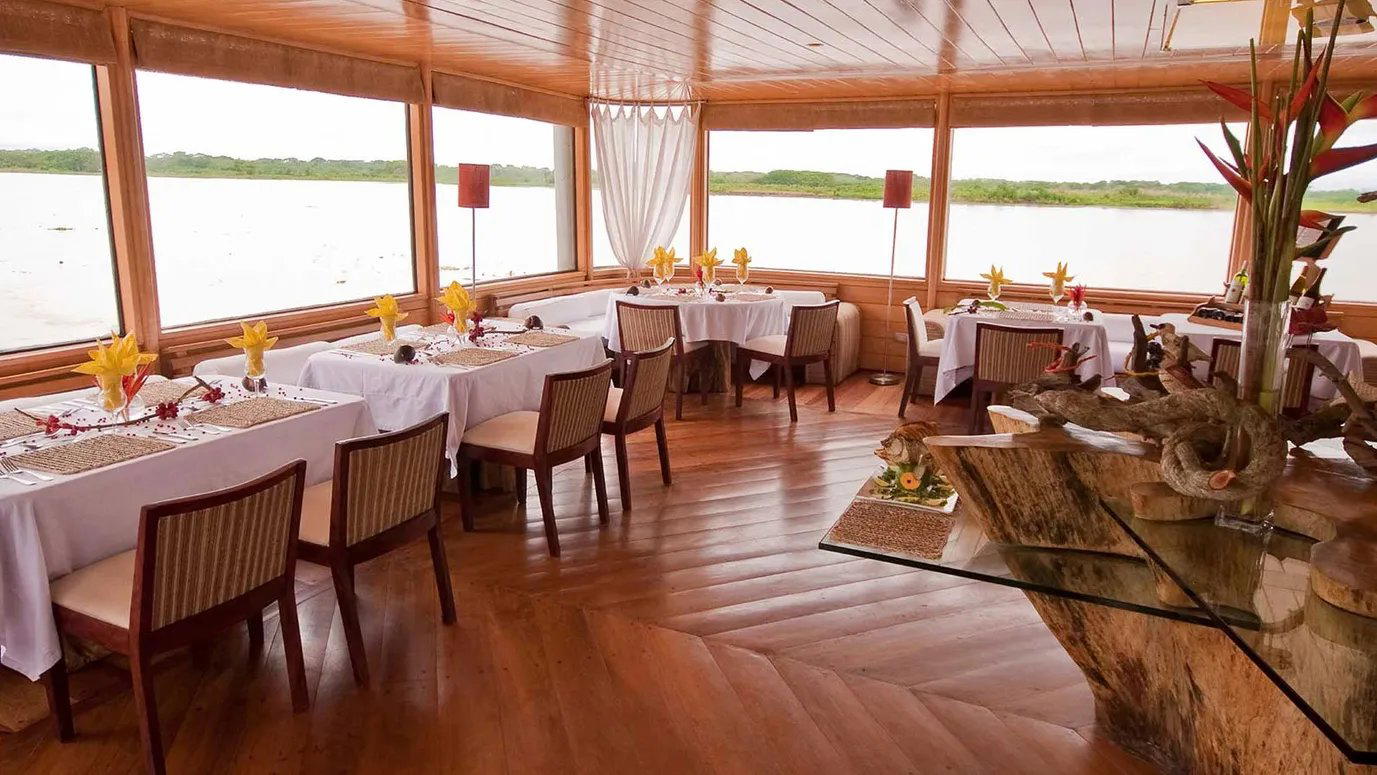
At a Glance
- Elegant
- Intimate
- Sophisticated
- Special Occasion
- Waterfront
- Hotel Restaurant
- Extensive Wine List
- Local Sourcing
- Waterfront
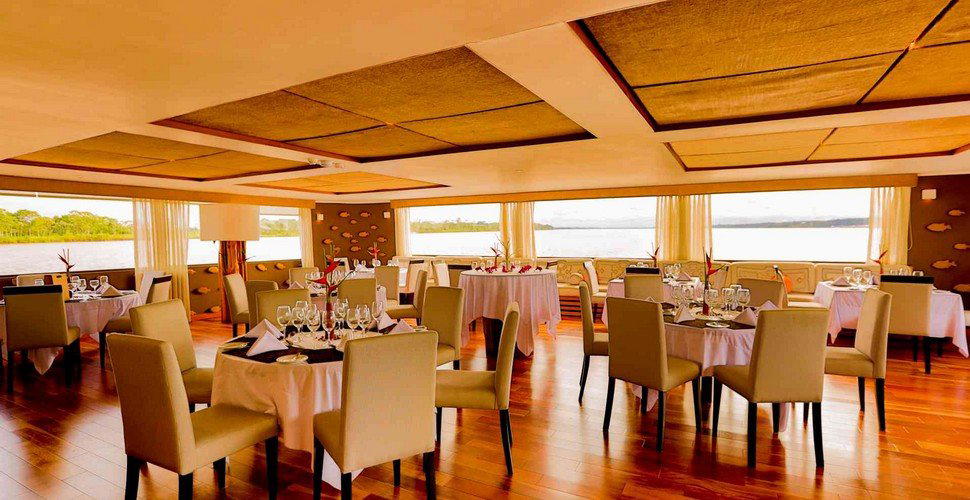
Plush white table linens, sparkling glassware, ornate decorations with colored stones, grains, and handmade jungle animal figurines, creating an elegant and anticipatory atmosphere.