
We're Smart World 4 Radishes
Our verdict
Limaná sits in San Isidro's quieter residential grid, operating a 100% plant-based menu that earned EP Club's Discovery of the Year 2024 and a five-radish rating. In a city defined by ceviche and fire-roasted proteins, this is Lima's most decorated purely plant-based table. Chef Jorge Sulca and owner Anita Belounda have held this position for years, well before the format found its current critical moment.

Pearl is the En Primeur Club membership app — saves, bookings, and concierge access live there. Same editors, same standards.
- Address
- Av. Augusto Pérez Araníbar 2011, San Isidro 27, Peru
- Phone
- +51 997 650 654
- Hours
- Mon ClosedTue–Thu 12–4 PM, 6–10 PMFri 12–4 PM, 6–11 PMSat 12–11 PMSun 12–4 PM
- Website
- limana.com
- Directions
- Get directions
- Booking
- Book on CoverManager
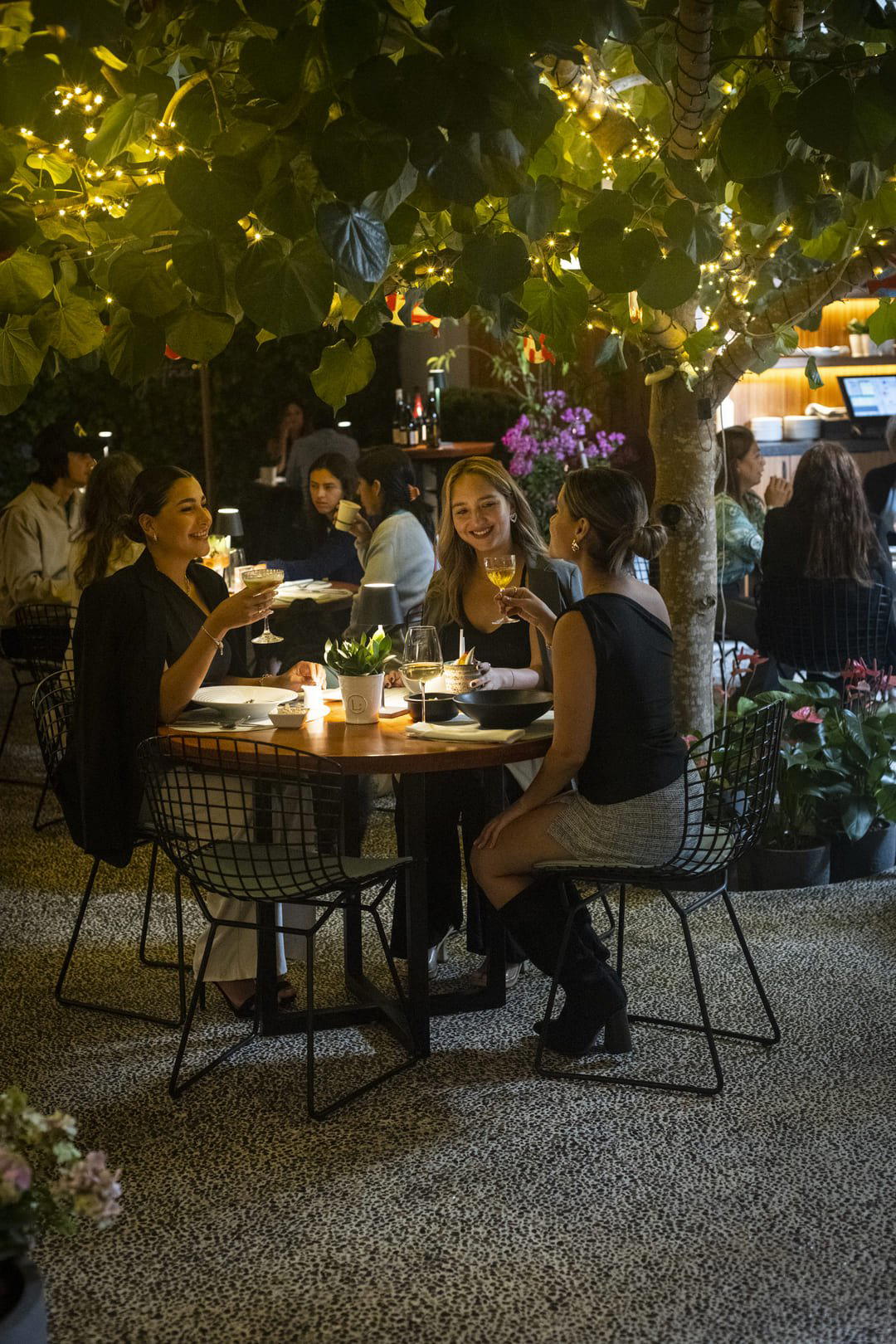
San Isidro's Quieter Register
San Isidro is Lima's financial and diplomatic district, a neighbourhood of wide boulevards, consular buildings, and an established restaurant culture that leans toward polished and conservative. Avenida Augusto Pérez Araníbar runs through its residential edge, where the density drops and the street noise softens. It is precisely this address that sets the tone for Limaná before you've read the menu. The restaurant occupies a stretch of the district that doesn't market itself to passing traffic. You arrive because you know you're coming.
That sense of deliberate positioning matters more in Lima than in most cities. Lima's premier dining scene concentrates along the Miraflores clifftop, around Barranco's creative corridor, and at a handful of destination addresses in San Isidro itself. The venues that pull serious attention away from those clusters tend to do so on the strength of a specific point of view. At Limaná, that point of view is an unconditional commitment to plant-based cooking at a level that has now attracted formal critical recognition.
A Format That Has Waited for Its Moment
Lima's global reputation is built on animal protein: the precision curing of ceviche, the open-fire work of anticuchos, the luxurious fat content of high-altitude pork preparations. That reputation is deserved. Central (Progressive Peruvian) and Maido (Nikkei) have made Peru synonymous with technically demanding, ingredient-driven cooking that draws from the country's biodiversity. Kjolle (Modern Peruvian) has pushed further into vegetable-forward territory without abandoning animal ingredients entirely. Against that backdrop, a restaurant built entirely on plants has historically occupied a niche position in Lima's critical conversation.
What has shifted is the quality threshold. Plant-based cooking at a serious level is no longer a matter of substitution or restriction. It is a distinct technical discipline, and cities with deep agricultural traditions — Peru's coast, highlands, and Amazon basin collectively yield an ingredient range that most countries can't approximate — are now producing plant-based menus that can be assessed on their own terms. Limaná has been working within that framework for years, longer than the current critical interest would suggest. Chef Jorge Sulca and owner Anita Belounda are not responding to a trend; they have been ahead of it.
Five Radishes and a Discovery
The assessment that accompanied the rating is precise: creativity that stays within the bounds of flavour recognition. That framing is worth pausing on. The failure mode of ambitious plant-based menus is often conceptual overreach, where novelty of technique displaces coherence of flavour.
Five radishes on EP Club's scale is not a participation award. It places Limaná in peer company with the most formally recognised tables in Peru. Central Restaurante and Mayta (Peruvian Modern) occupy adjacent tiers of Lima's fine dining structure. Limaná now sits in that conversation, but as a distinct category: the only fully plant-based table operating at this recognition level in the city.
For context on how unusual that position is, consider that even internationally celebrated addresses known for vegetable-forward thinking, like Le Bernardin in New York City and Emeril's in New Orleans, have built their reputations primarily on protein.
What the Menu Represents in Context
Peru's biodiversity argument is not abstract. The country spans three radically different ecological zones, coast, highlands, and jungle, each producing ingredients that rarely appear together outside Peruvian kitchens. The highland tuber varieties alone run into the hundreds. Amazonian fruits, highland grains, coastal citrus, and altitude-adapted vegetables give a plant-based kitchen here a depth of raw material that a similar operation in, say, northern Europe would need to import across several continents to approximate.
Limaná's approach is to work within that abundance with discipline rather than spectacle. The EP Club note flags that creativity is visible but doesn't chase recognition for its own sake. In a city where restaurants like Cosme in San Isidro and Costanera 700 in Miraflores operate with very different registers, Limaná occupies a specific position: contemporary technique applied to plant ingredients at a price and format level that places it firmly in the fine dining tier without performing the theatrics that tier sometimes demands.
For readers planning a broader Peru trip, the plant-based sensibility has interesting parallels at altitude. Mil Centro in Moray works with Andean ingredients in ways that touch similar territory, though within a very different setting and ecological context. Chicha por Gaston Acurio in Cusco and Cirqa in Arequipa represent the broader arc of regionally grounded cooking that frames Limaná's Lima context. And for Amazon-sourced ingredients in a completely different format, Delfin Amazon Cruises in Iquitos offers a point of comparison for how Peru's jungle basin translates to the plate.
Planning Your Visit
Limaná is located at Av. Augusto Pérez Araníbar 2011, San Isidro. Given the Discovery of the Year recognition, demand will have increased since the rating was published. Walking in without a reservation on a weekend evening is a low-probability strategy at a table operating at this level in Lima's current dining climate. Arriving early in the week or at lunch service, if available, gives the leading chance of a seat without advance booking.
San Isidro's residential grid is walkable from several of the district's hotels and well-served by Lima's taxi and app-based transport options. The address does not sit on a major thoroughfare, so drivers unfamiliar with the neighbourhood may need the full address rather than just the street name. Those building a full Lima itinerary can find wider context in our full Lima restaurants guide, and for accommodation near the district, our full Lima hotels guide covers the relevant tiers. Our full Lima bars guide, Lima wineries guide, and Lima experiences guide round out the broader planning picture.
Frequently asked questions
Has Limaná won any awards?
Limaná has received recognition including: Limana's cuisine has clearly received an up-grade. Creativity spills out, but always stays within the bounds of flavour recognition. Everything is on target, and that is self-effacing in the world of chefs. The 5 Radishes are therefore rich….
Where is Limaná in Lima?
Limaná is located at Av. Augusto Pérez Araníbar 2011, San Isidro 27, Peru, Lima.
What do people recommend at Limaná?
EP Club's five-radish assessment points to the kitchen's overall coherence rather than any single signature dish. The rating specifically notes that creativity is present throughout the menu but remains grounded in flavour recognition — meaning nothing reaches for novelty at the expense of the plate. That consistency across the full menu is what earned Limaná the Discovery of the Year 2024 title.
Can I walk in to Limaná?
EP Club's Discovery of the Year 2024 recognition will have increased demand considerably at Av. Augusto Pérez Araníbar 2011. Walking in without a reservation at this level of recognition in Lima carries real risk, particularly on weekends.
The Quick Read
Comparable venues nearby, for context on price, style, and recognition.
| Venue | Cuisine | Price | Awards | Notes |
|---|---|---|---|---|
| LimanáThis venue — the venue you are viewing | Modern Peruvian Superfood | $30–50 | We're Smart World 4 Radishes | Not listed |
| Malabar | Modern Amazonian Peruvian | Not listed | Not listed | San Isidro, Modern Amazonian Peruvian |
| Xoma | Modern Peruvian Gastronomic | Not listed | We're Smart World 1 Radish | Miraflores, Modern Peruvian Gastronomic |
| Restaurant SONIA | Traditional Peruvian Cevicheria | $20–30 | Not listed | Chorrillos, Traditional Peruvian Cevicheria |
| Central Restaurante | Modern Peruvian Tasting Menu | $500+ | World's 50 Best #1 · La Liste Top Restaurants | Barranco, Modern Peruvian Biodiversity Tasting Menu |
| Saqra | Modern Peruvian Fusion | Not listed | Not listed | Miraflores, Modern Peruvian Fusion |
Recognition history
Dated appearances from independent guides and award organizations, with the underlying list record or original source where available.
We're Smart World 4 Radishes
We're Smart World
Continue exploring
More in Lima
Restaurants in Lima
Browse all →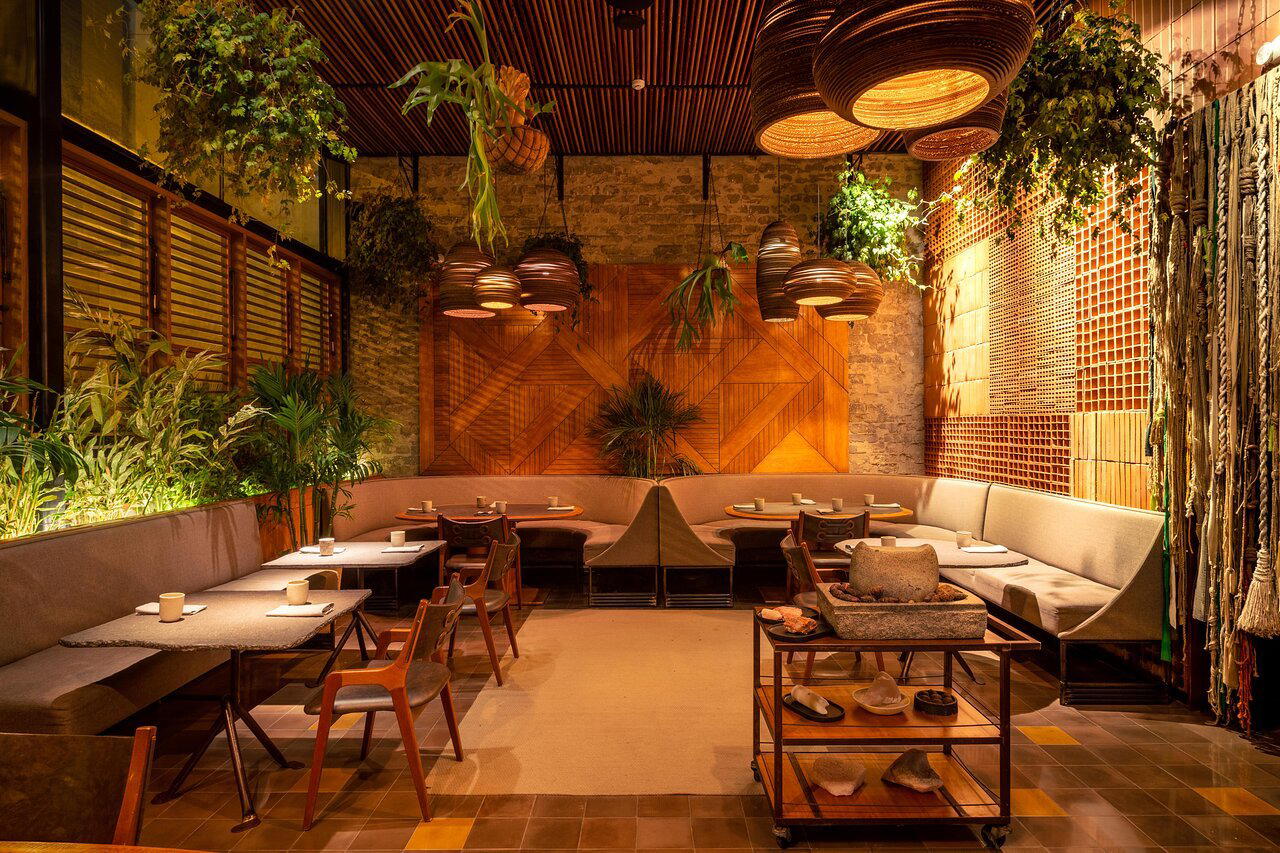
Bars in Lima
Browse all →
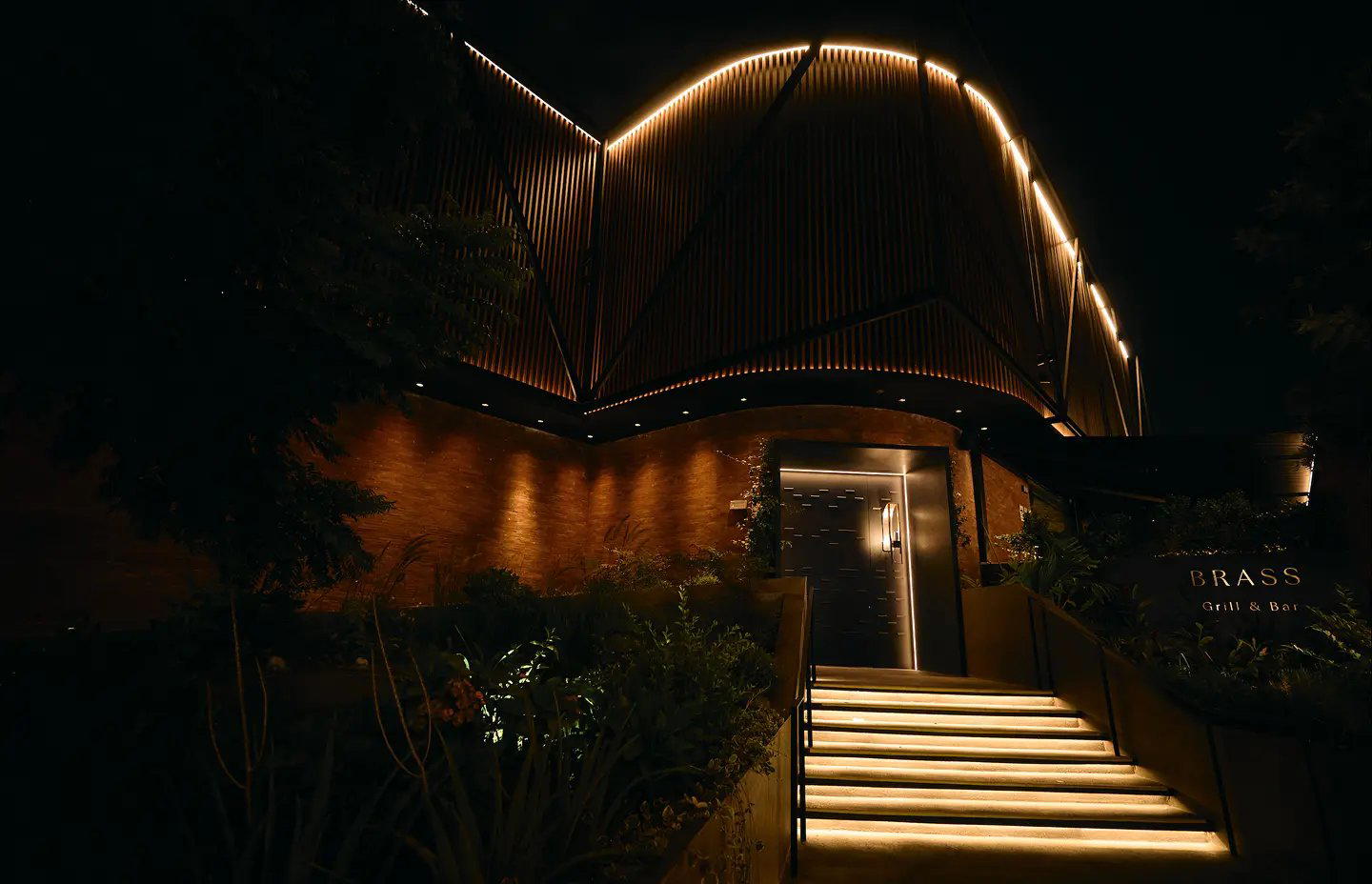
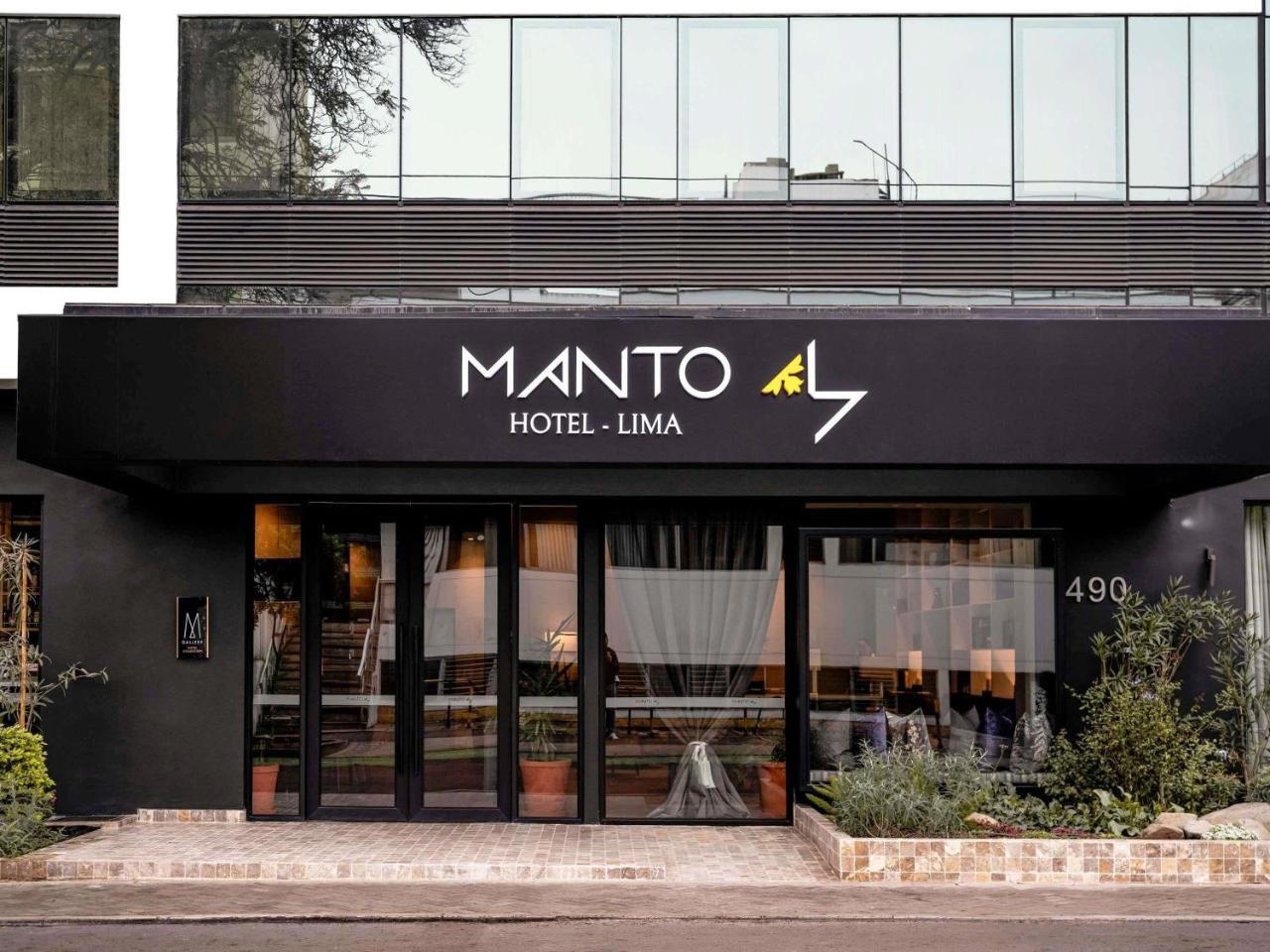
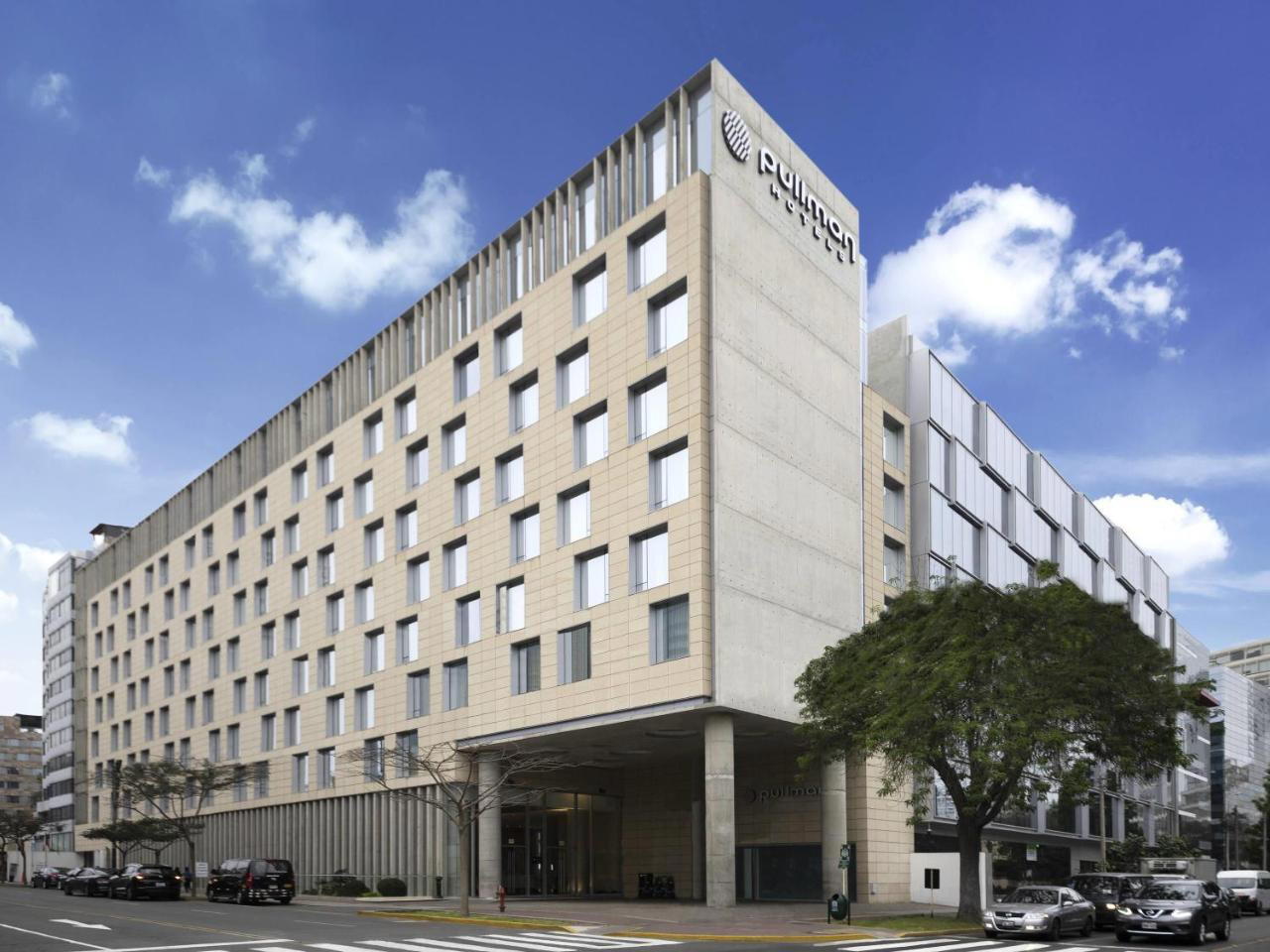
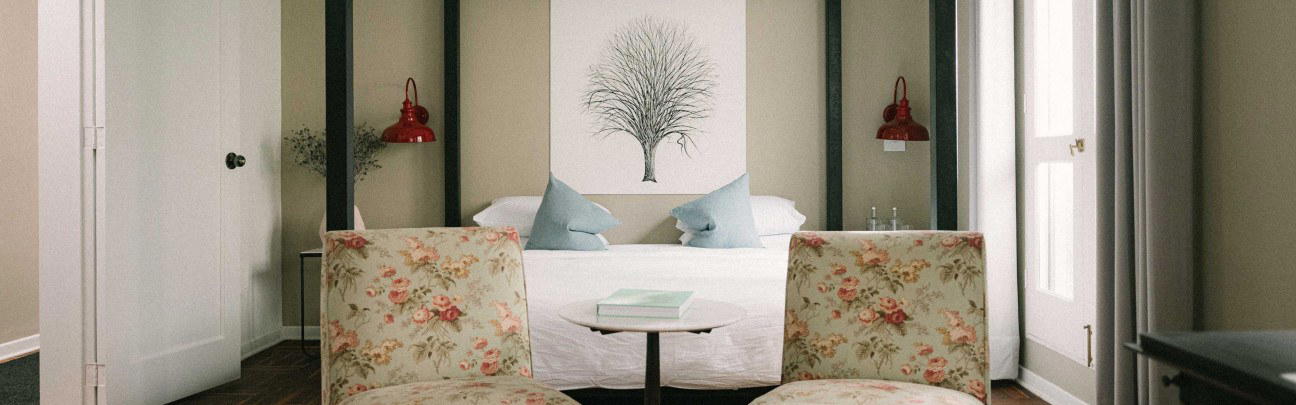
Hotels in Lima
Browse all →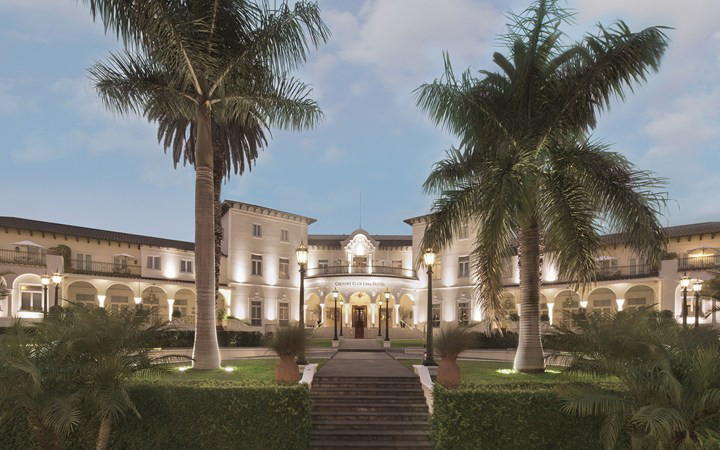
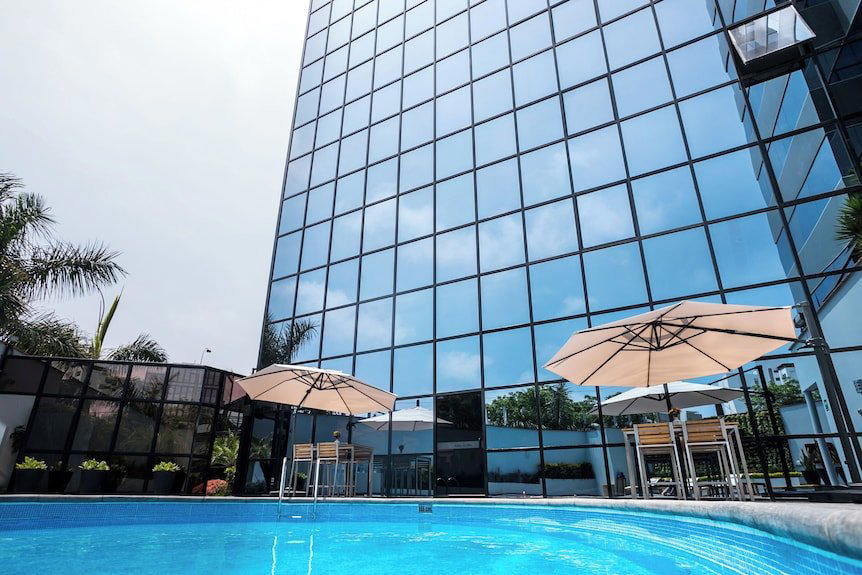
Wineries in Lima
Browse all →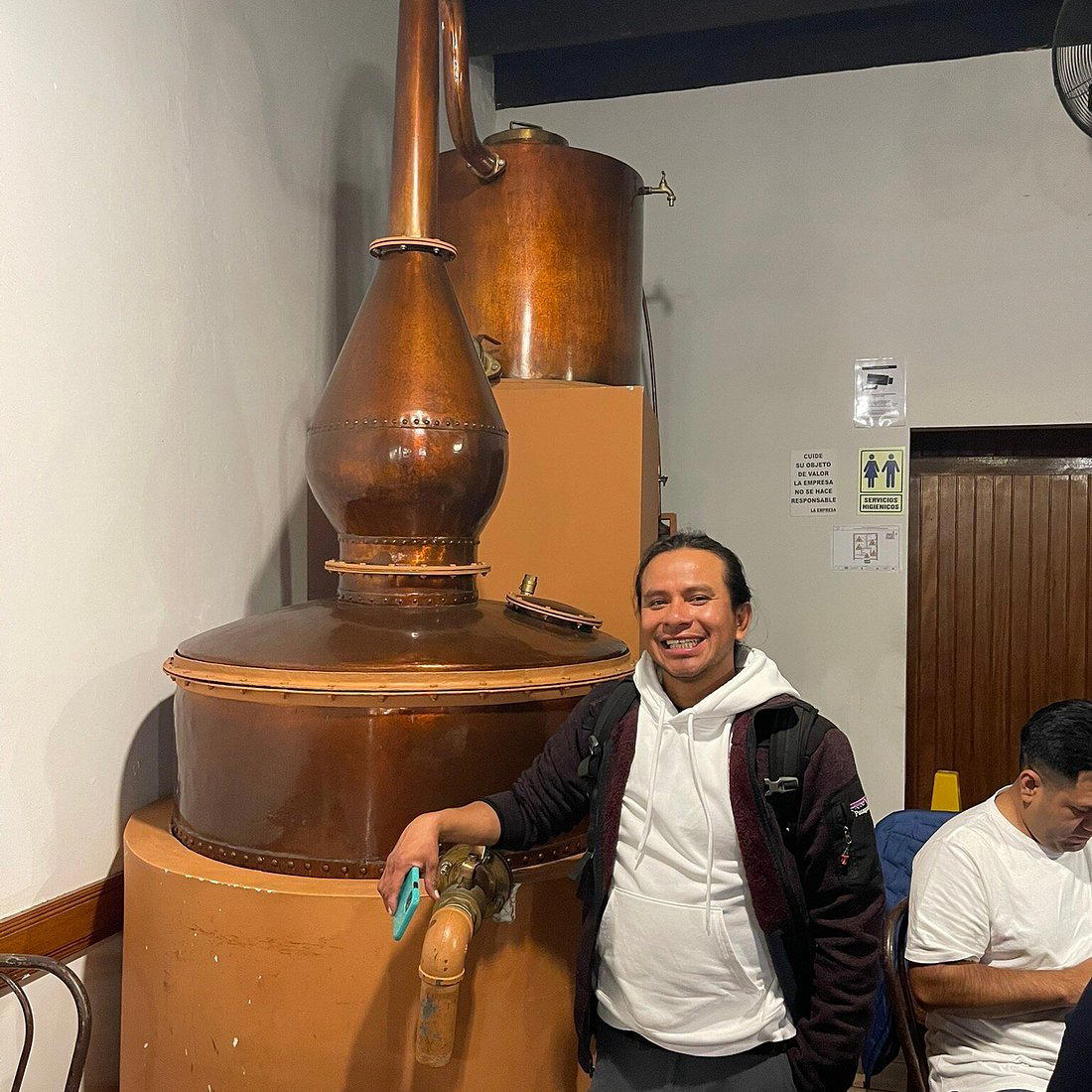
Details
- Cozy
- Elegant
- Modern
- Scenic
- Date Night
- Special Occasion
- Brunch
- Open Kitchen
- Terrace
- Courtyard
- Craft Cocktails
- Farm To Table
- Organic
- Local Sourcing
- Garden
- A La Carte
- Vegetarian Friendly
- Vegan Options
- Gluten Free Options
Current opening hours
- Monday
- Closed
- Tuesday
- 12–4 PM, 6–10 PM
- Wednesday
- 12–4 PM, 6–10 PM
- Thursday
- 12–4 PM, 6–10 PM
- Friday
- 12–4 PM, 6–11 PM
- Saturday
- 12–11 PM
- Sunday
- 12–4 PM
Hours can change for holidays and private events. Last verified .
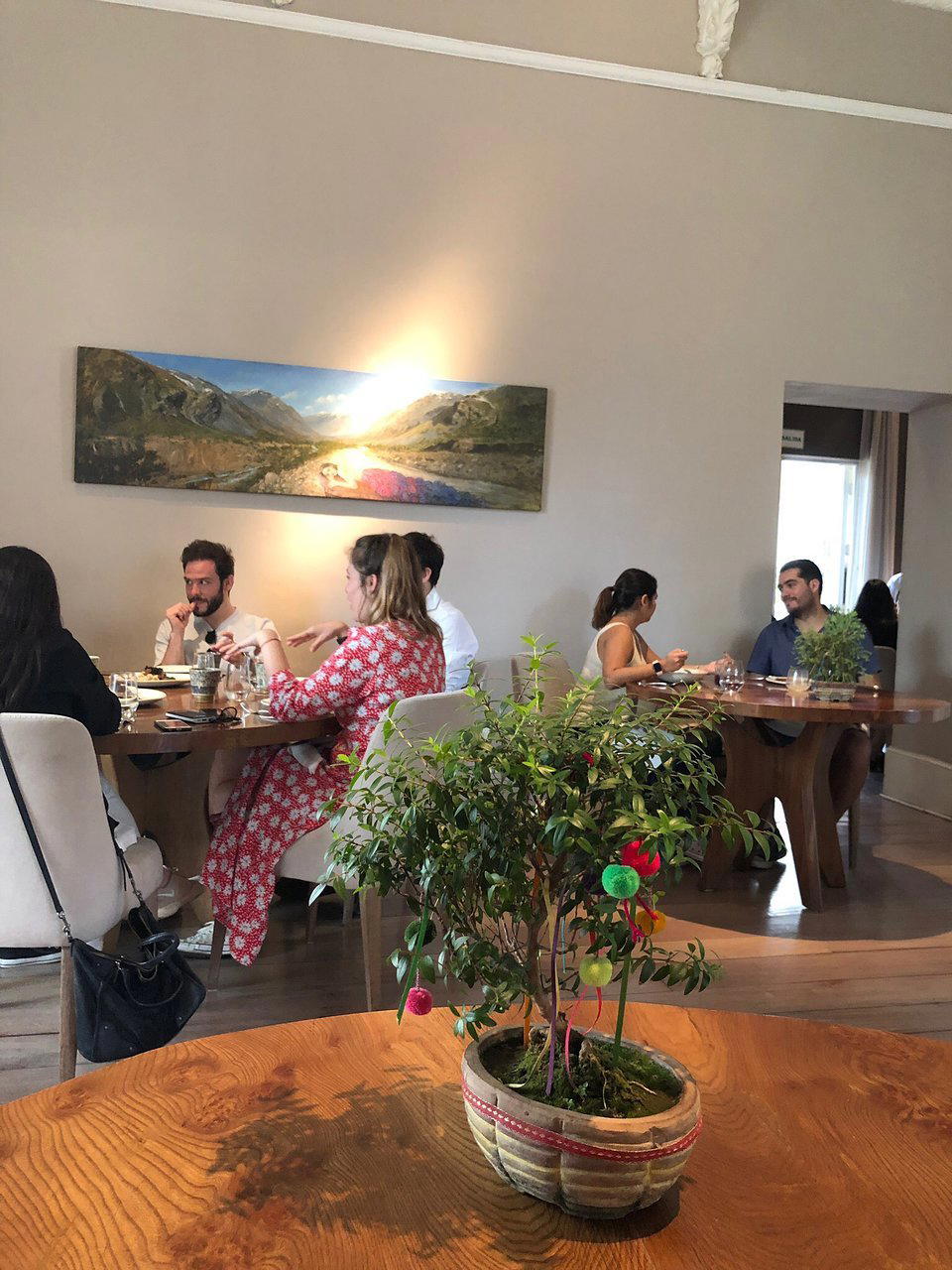
Cozy and relaxed with lush greenery, natural lighting, open-air interior design, and tranquil courtyard atmosphere.