




Central occupies a converted house in Barranco, Lima's bohemian coastal district, and has held the number-one position on the World's 50 Best Restaurants list (2023). The tasting menu moves through Peruvian ecosystems by altitude, ocean floor to high Andes, using ingredients sourced by the research collective Mater Iniciativa. For serious diners visiting Lima, it represents the clearest single-table argument for Peru's biodiversity as a culinary framework.
Pearl is the En Primeur Club membership app — saves, bookings, and concierge access live there. Same editors, same standards.
- Address
- Av. Pedro de Osma 301, Barranco 15063, Peru
- Phone
- +51 1 2428515
- Website
- centralrestaurante.com.pe
- Directions
- Get directions
 Saves & bookings on Pearl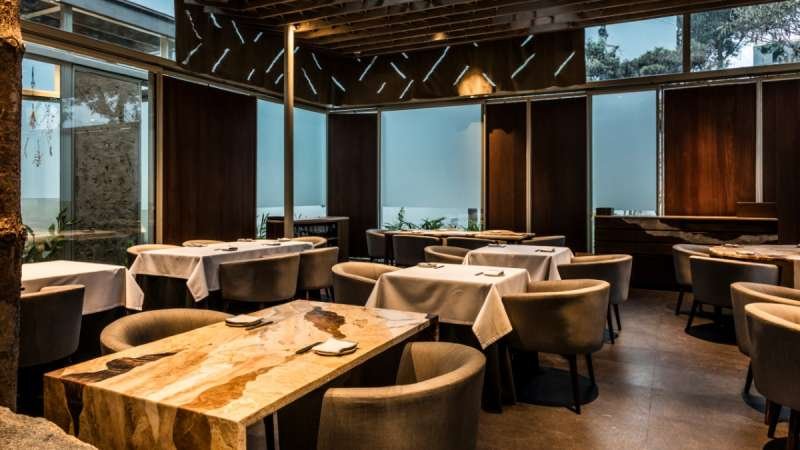
What Barranco Signals Before You Sit Down
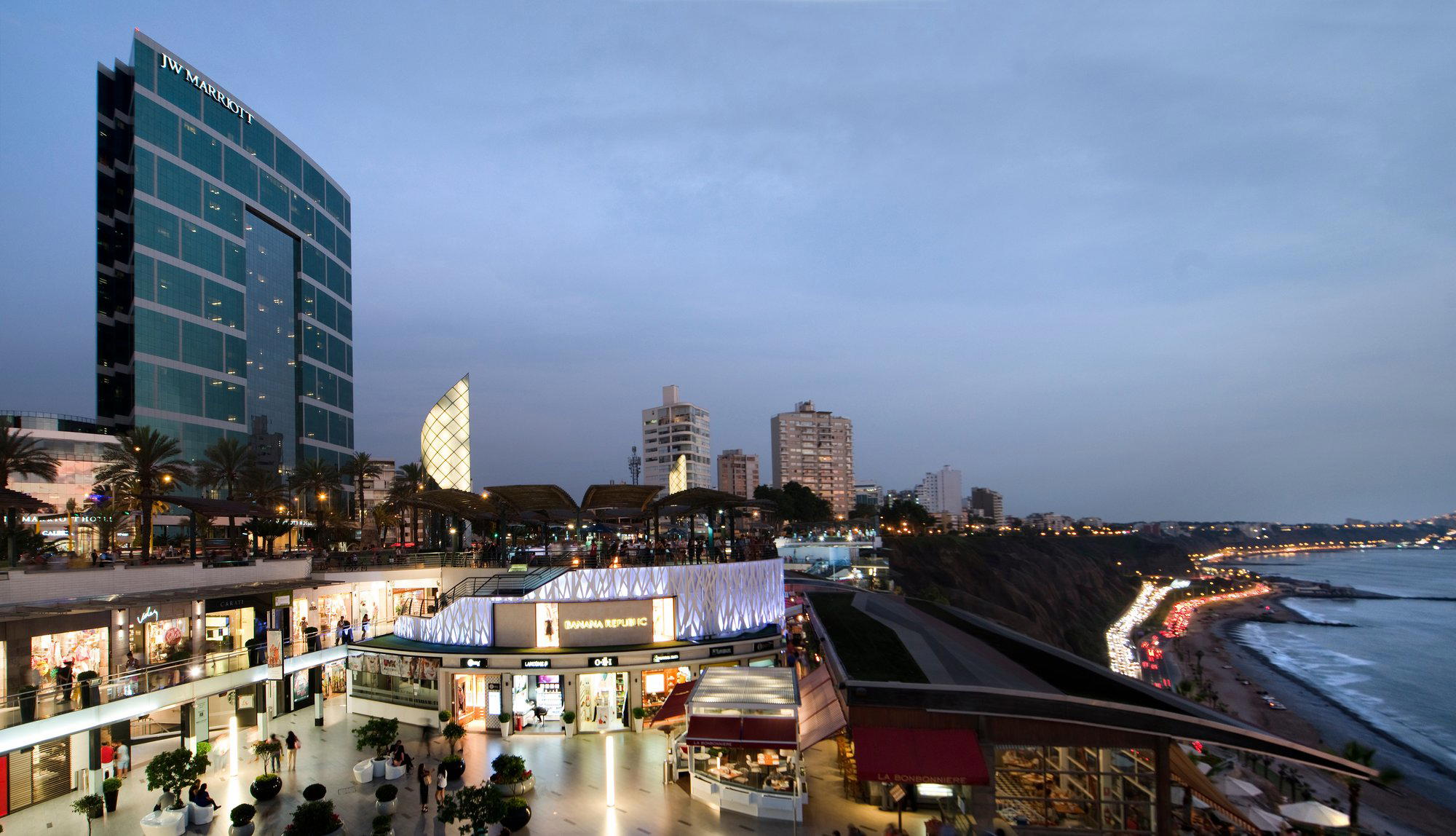
Lima's fine-dining geography is largely split between Miraflores, the polished cliff-leading district where most business travellers base themselves, and San Isidro, the city's financial core. Central is a Lima restaurant in Barranco, led by Virgilio Martínez, ranked #1 on the World's 50 Best in 2023. Barranco sits apart from both: a nineteenth-century seaside neighbourhood whose peeling facades, art galleries, and pedestrian bridges over a coastal ravine give it a character closer to a provincial Andean town than a capital-city dining destination. The decision to operate from Avenida Pedro de Osma 301 rather than from Miraflores says something about the register Central is pitching at. This is not the Lima of ceviche on a hotel terrace. It is a research-led institution that happens to have a dining room.
That positioning matters when you compare it to the wider Lima scene. Astrid & Gastón operates from a colonial mansion in San Isidro and carries the weight of being the first restaurant to argue that Peruvian cooking deserved fine-dining framing. Maido works the Nikkei tradition from Miraflores. Mayta and Mérito each pull on specific regional or cross-cultural threads. Central's contribution is different: it takes the country's entire vertical geography and makes it the architecture of a meal.
Altitude as Menu Structure
Most tasting menus organise themselves by progression, lighter to heavier, raw to cooked, cold to warm. Central organises by ecosystem. Each course corresponds to a specific elevation zone within Peru, from below sea level on the Pacific coast to above 4,000 metres in the high Andes. The framework is not decorative. It is driven by the research operation Mater Iniciativa, led by Virgilio Martínez's sister Malena, which documents, preserves, and supplies ingredients from communities and ecosystems across the country.
This is where the comparison to the mole tradition becomes instructive. The great moles of Oaxaca and Puebla are, at their core, acts of ecological synthesis: chilli varieties from different altitudes and microclimates, combined with chocolate, seeds, and spices in sequences that can require days of preparation. The complexity is not technique for its own sake. It encodes geography, trade routes, and seasonal availability into a single sauce. Central's menu works by an analogous logic. The altitude progression encodes Peru's biodiversity, the Amazon jungle, the cloud forest, the high plateau, the cold Pacific current, into a sequential meal. Where mole achieves this compression in a single dish, the altitude menu achieves it across a full service.
The citation for both years identifies the range of the ingredient sourcing specifically: sea vegetables, flowers, cresses, seeds, nuts, and high-altitude plants all feature alongside more conventional proteins. The scoring acknowledges that the kitchen's ambition with plant material in particular is what separates it from restaurants that use Peruvian ingredients as flavour accents rather than as structural foundations.
The World's 50 Best Trajectory
The awards record at Central is worth reading as a story about how the global fine-dining conversation shifted during the 2010s. The restaurant entered the World's 50 Best list at number 50 in 2013, a respectable entry position that signalled recognition without authority. By 2015 it had reached number four. It held between four and six for six consecutive years (2015 to 2021), then rose to number two in 2022 before reaching number one in 2023. That is a decade-long ascent with no major interruptions, which is unusual even among the restaurants that win the award.
The trajectory coincides with a broader shift in how the 50 Best voting community values ingredient provenance and ecological framing over classical technique. Restaurants in Copenhagen, Mexico City, and Lima replaced French-technique institutions in the upper rankings during roughly the same period. Central's rise is partly a story about one kitchen, and partly a story about a change in critical values that rewarded what Central had been doing all along.
For a direct comparison within the same chef's extended work: Mil in Cusco and Mil Centro in Moray apply similar altitude-and-ecosystem logic in the Sacred Valley, operating at elevation rather than at sea level. The experience at those addresses is shaped by the Andean landscape in ways that differ fundamentally from the Lima restaurant, but the underlying methodology is shared.
Kjolle and the Same Address
Central shares its building with Kjolle, the restaurant run by Pía León, who trained at Central and has since earned her own substantial international recognition. The two restaurants are editorially and operationally separate, but the proximity is not incidental. Kjolle operates with a different menu philosophy and a different price and format point, which means the Barranco address now functions as a compound rather than a single destination. Visitors to Lima who want to understand what the research infrastructure behind both kitchens produces have the option of doing so across two consecutive meals or two separate trips.
Planning a Visit
Central is located in Barranco, accessible by taxi from Miraflores in roughly fifteen minutes depending on traffic. The neighbourhood's character rewards arriving early enough to walk the Bajada de los Baños or cross the Puente de los Suspiros before the reservation. The restaurant operates a tasting-menu-only format; the number of courses reflects the altitude-progression structure rather than a conventional progression.
For broader trip planning in the city, the full Lima restaurants guide covers the range from neighbourhood cevicherías to tasting-menu addresses. The Lima hotels guide includes properties in both Barranco and Miraflores. If your itinerary extends beyond Lima, Cirqa in Arequipa and the Amazon dining experiences aboard Delfin Amazon Cruises out of Iquitos and Delfin I's dining room in Nauta offer further context for the ecosystems that Central references from the plate. The Lima bars guide, Lima wineries guide, and Lima experiences guide cover the broader city picture. For reference on how altitude-driven tasting formats compare to technically rigorous European seafood menus, Le Bernardin in New York and Cosme in San Isidro both offer useful contrasts. Costanera 700 in Miraflores provides an additional Lima-based counterpoint in the seafood-forward tier.
Cuisine and Awards Snapshot
Comparable venues nearby, for context on price, style, and recognition.
| Venue | Cuisine | Price | Awards | Notes |
|---|---|---|---|---|
| CentralThis venue — the venue you are viewing | Modern Peruvian Tasting Menu | $$$$ | World's 50 Best #1 | Not listed |
| Astrid & Gastón | Modern Peruvian Fine Dining | $$$$ | World's 50 Best #14 | San Isidro |
| Maido | Nikkei (Japanese-Peruvian Fusion) | $$$$ | World's 50 Best #1 | Miraflores |
| Mérito | Modern Venezuelan-Peruvian Fusion | $$$ | World's 50 Best #4 | Barranco |
| Mayta | Modern Peruvian Fine Dining | $$$$ | World's 50 Best #11 | Miraflores |
| Kjolle | Modern Peruvian Fine Dining | $$$$ | World's 50 Best #2 | Barranco |
Recognition history
Dated appearances from independent guides and award organizations, with the underlying list record or original source where available.
La Liste Top Restaurants
La Liste
Opinionated About Dining Top Restaurants in South America Ranked #1
Opinionated About Dining
Star Wine List
Star Wine List
Chef's Table Featured on Chef's Table
Chef's Table
La Liste Top Restaurants
La Liste
The Best Chef Three Knives
The Best Chef
We're Smart World 5 Radishes
We're Smart World
We're Smart World Top 100 #2
We're Smart World
World Culinary Awards Latin America's Best Restaurant 2025 #1
World Culinary Awards
World Culinary Awards Peru's Best Restaurant 2025 #1
World Culinary Awards
World's 50 Best Best Restaurants #1
World's 50 Best
World's 50 Best Best Restaurants #2
World's 50 Best
World's 50 Best Best Restaurants #4
World's 50 Best
World's 50 Best Best Restaurants #6
World's 50 Best
World's 50 Best Best Restaurants #6
World's 50 Best
World's 50 Best Best Restaurants #5
World's 50 Best
World's 50 Best Best Restaurants #4
World's 50 Best
World's 50 Best Best Restaurants #4
World's 50 Best
World's 50 Best Best Restaurants #15
World's 50 Best
World's 50 Best Best Restaurants #50
World's 50 Best
Continue exploring
More in Lima
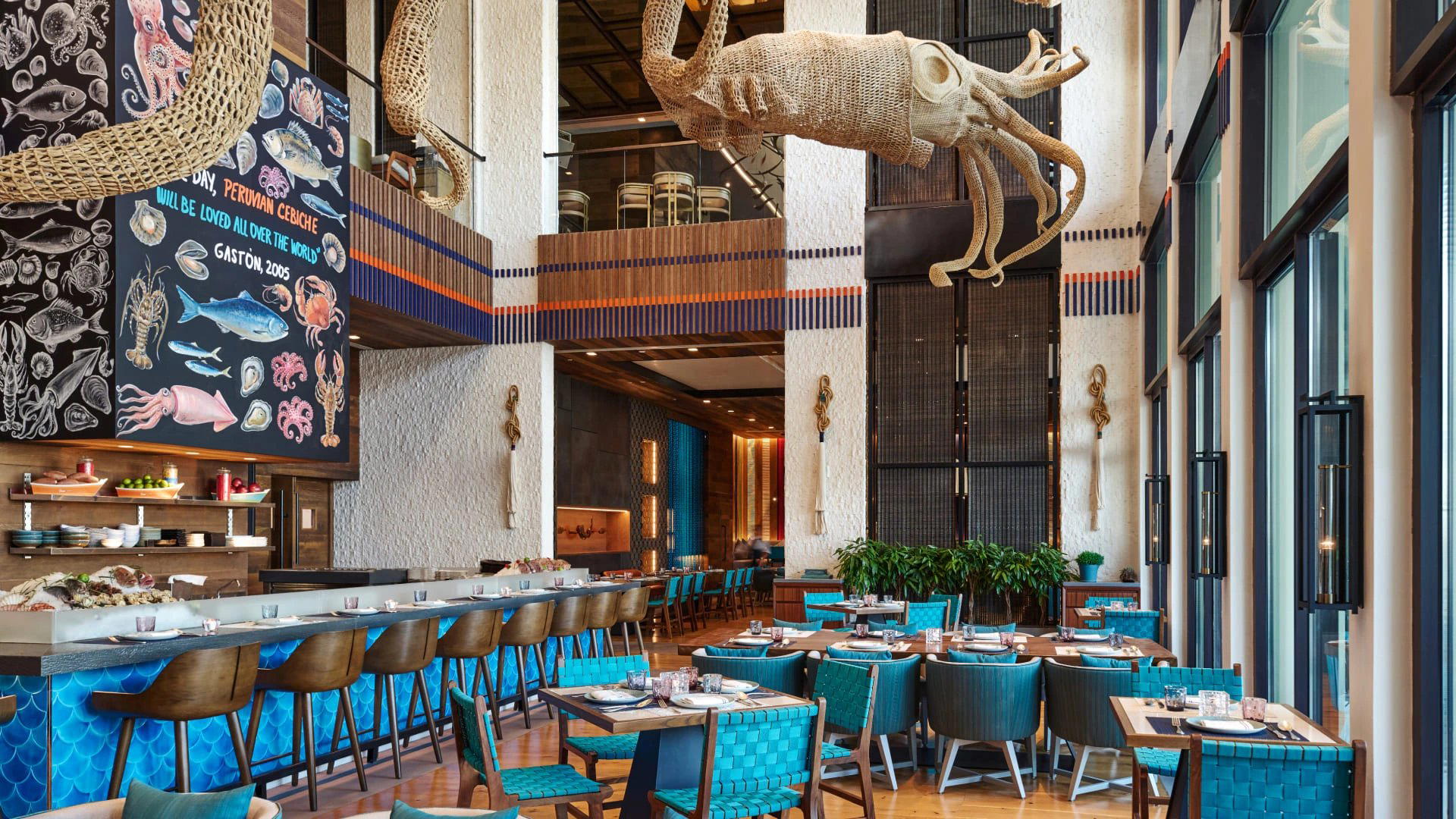
Restaurants in Lima
Browse all →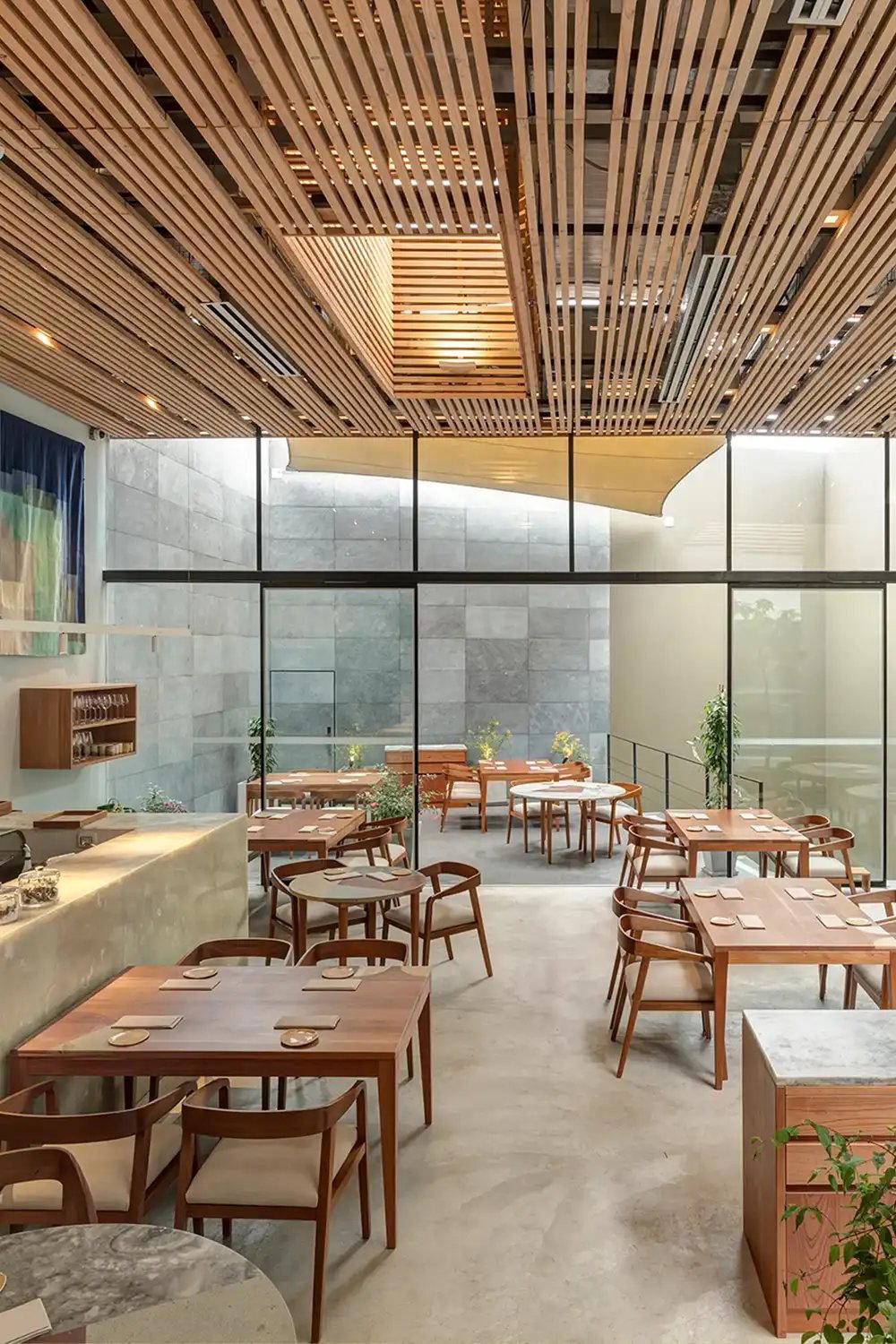
Bars in Lima
Browse all →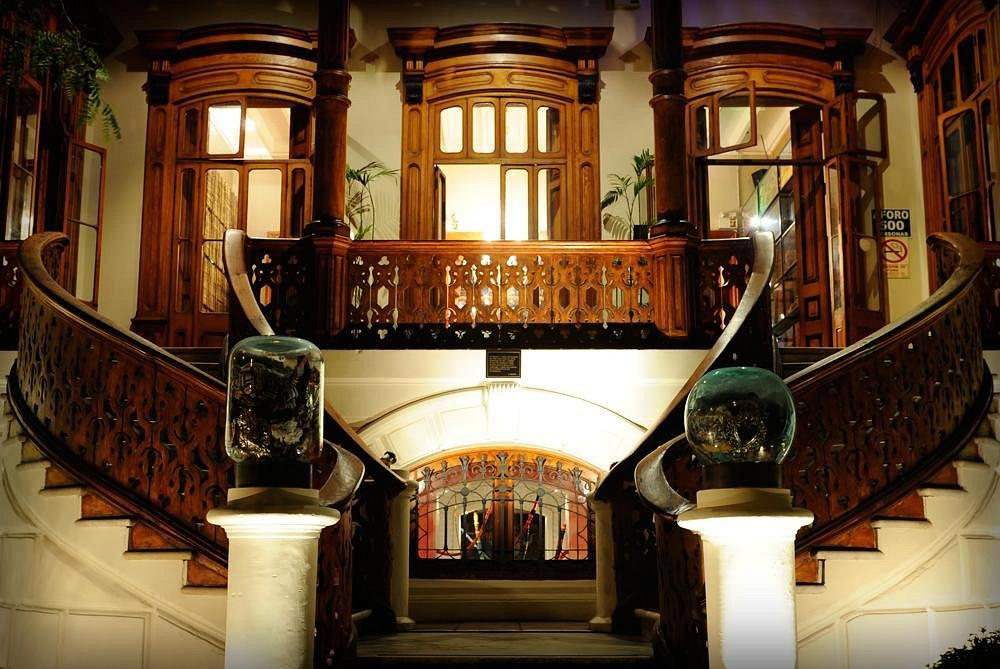
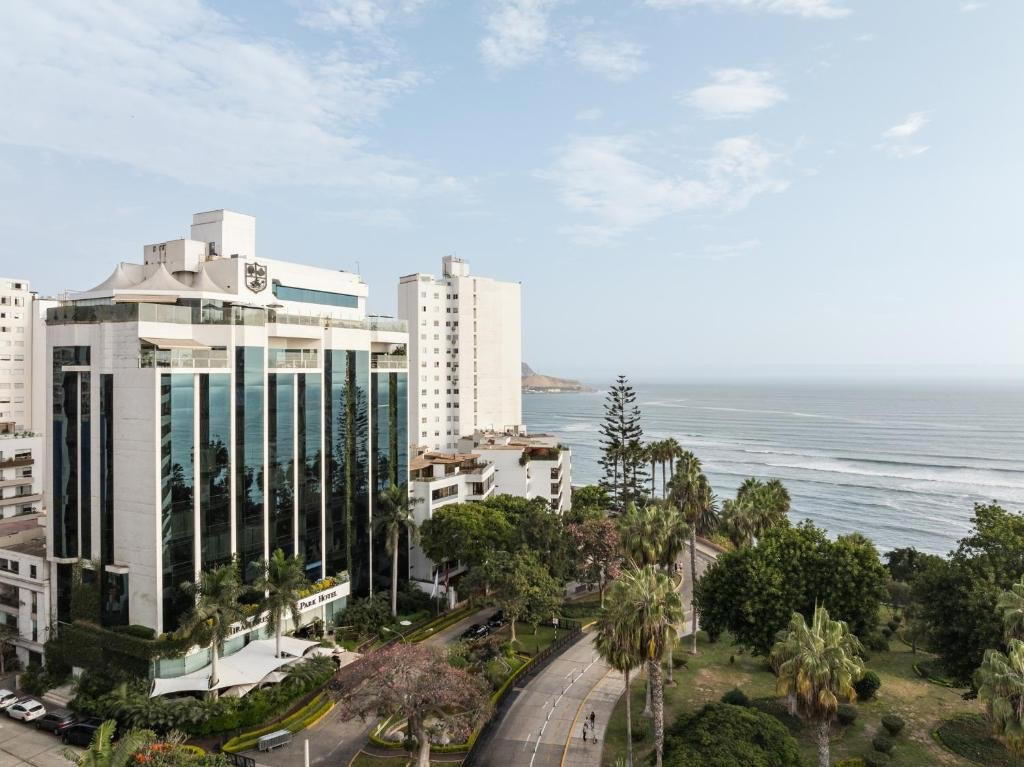
Hotels in Lima
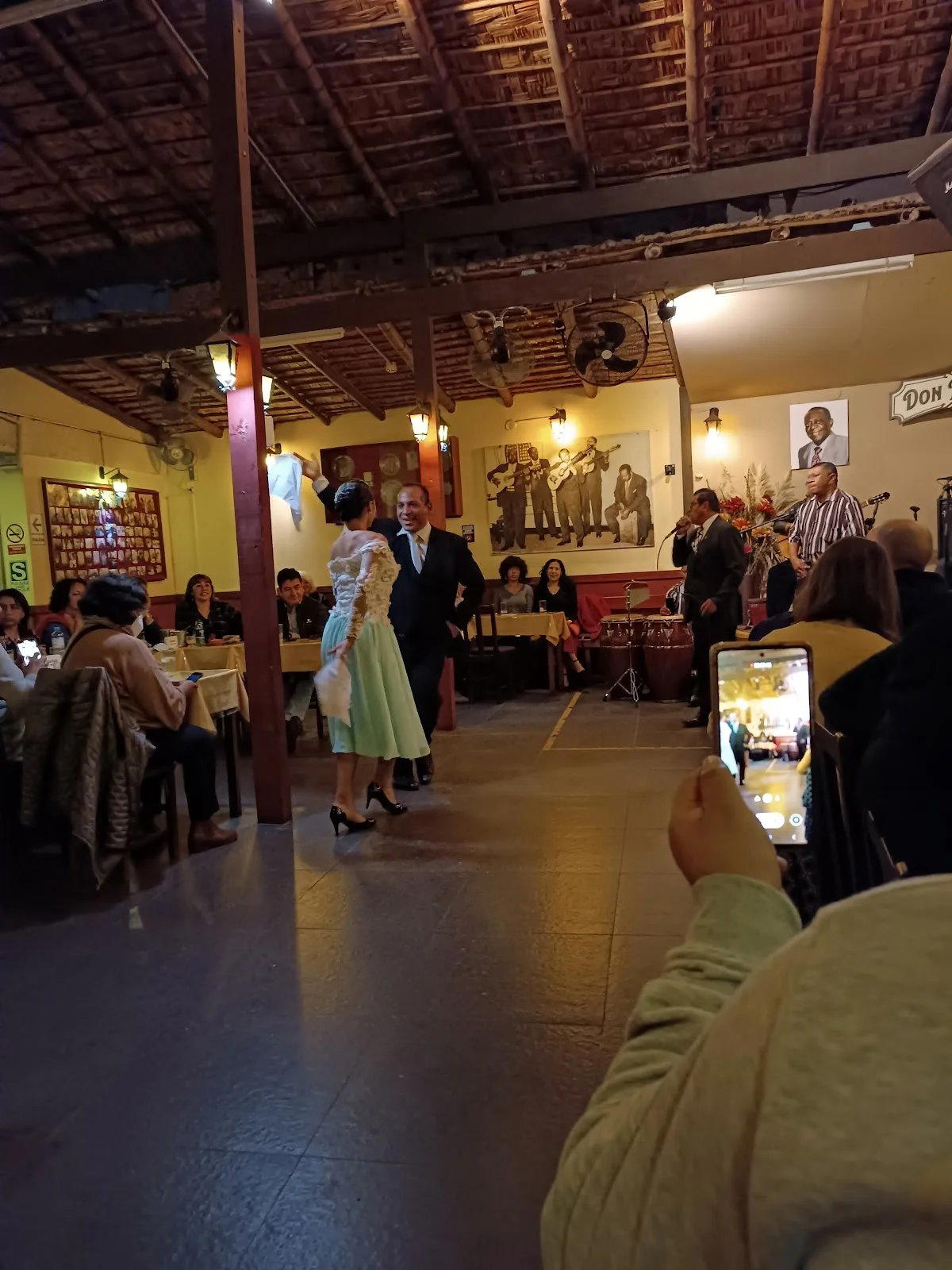
Browse all →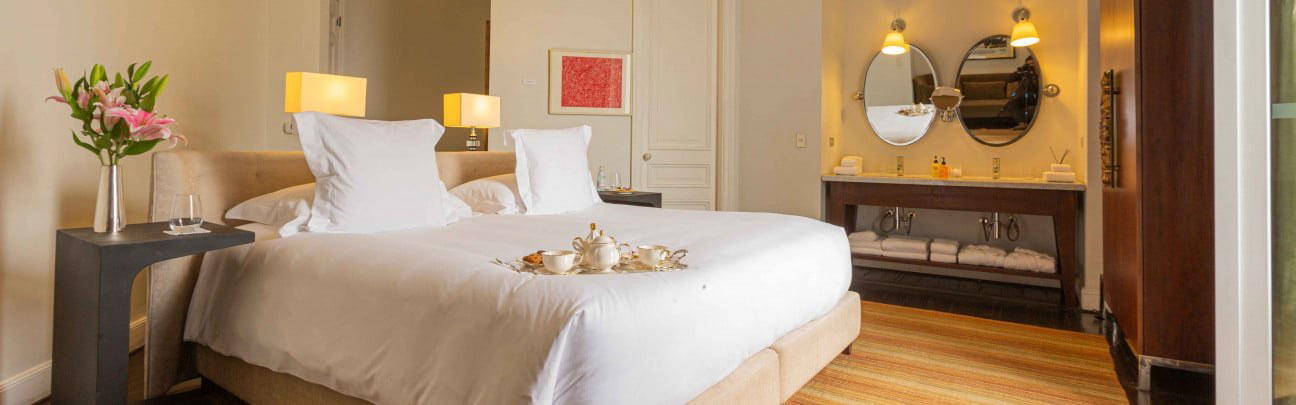
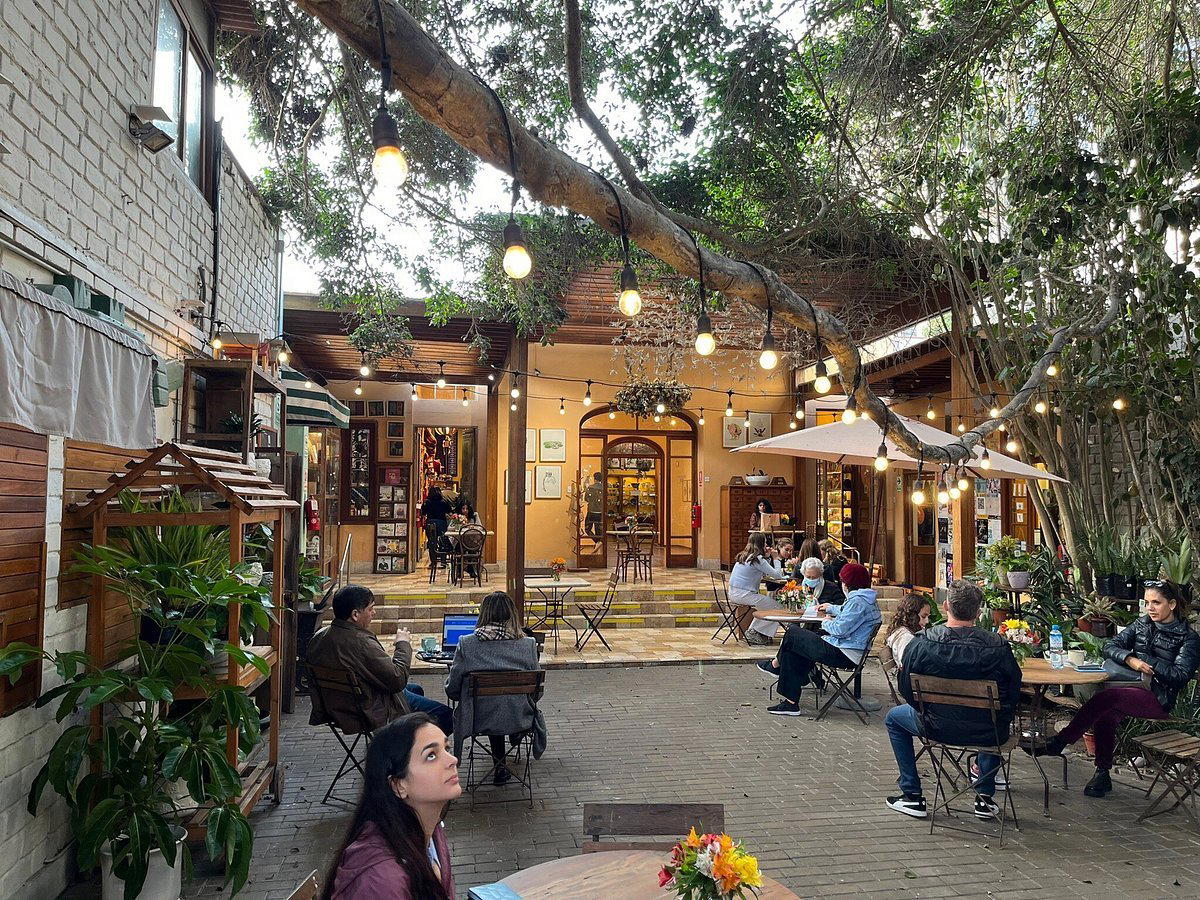
Wineries in Lima
Browse all →
At a Glance
- Elegant
- Sophisticated
- Modern
- Well Known
- Special Occasion
- Date Night
- Celebration
- Open Kitchen
- Design Destination
- Standalone
- Extensive Wine List
- Craft Cocktails
- Local Sourcing
- Organic
Current opening hours
- Monday
- 12:45–1:45 PM, 7–8:30 PM
- Tuesday
- 12:45–1:45 PM, 7–8:30 PM
- Wednesday
- 12:45–1:45 PM, 7–8:30 PM
- Thursday
- 12:45–1:45 PM, 7–8:30 PM
- Friday
- 12:45–1:45 PM, 7–8:30 PM
- Saturday
- 12:45–1:45 PM, 7–8:30 PM
- Sunday
- Closed
Hours can change for holidays and private events. Last verified .
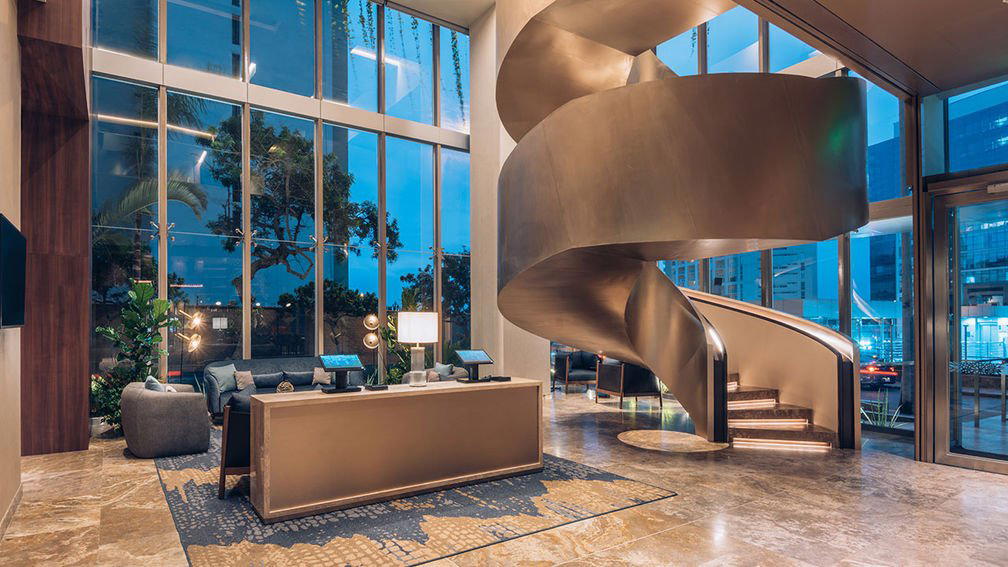
Modern, minimalist interior resembling a lab or library with an open kitchen view; refined and cerebral atmosphere with thoughtful, deliberate pacing.