




Kjolle sits in Barranco's Casa Tupac, where Pía León, named World's Best Female Chef and the chef behind Central's rise, runs a tasting menu built entirely from Peru's ingredient treasury. Ranked #16 on the World's 50 Best Restaurants in 2024 and #5 in South America by Opinionated About Dining in 2025, the restaurant applies months of research to each ingredient without obscuring what it is. Open Tuesday through Saturday for lunch and dinner.
Pearl is the En Primeur Club membership app — saves, bookings, and concierge access live there. Same editors, same standards.
- Address
- Av. Pedro de Osma 301, Barranco 15063, Peru
- Phone
- +51 1 2428575
- Website
- kjolle.com
- Directions
- Get directions
 Saves & bookings on Pearl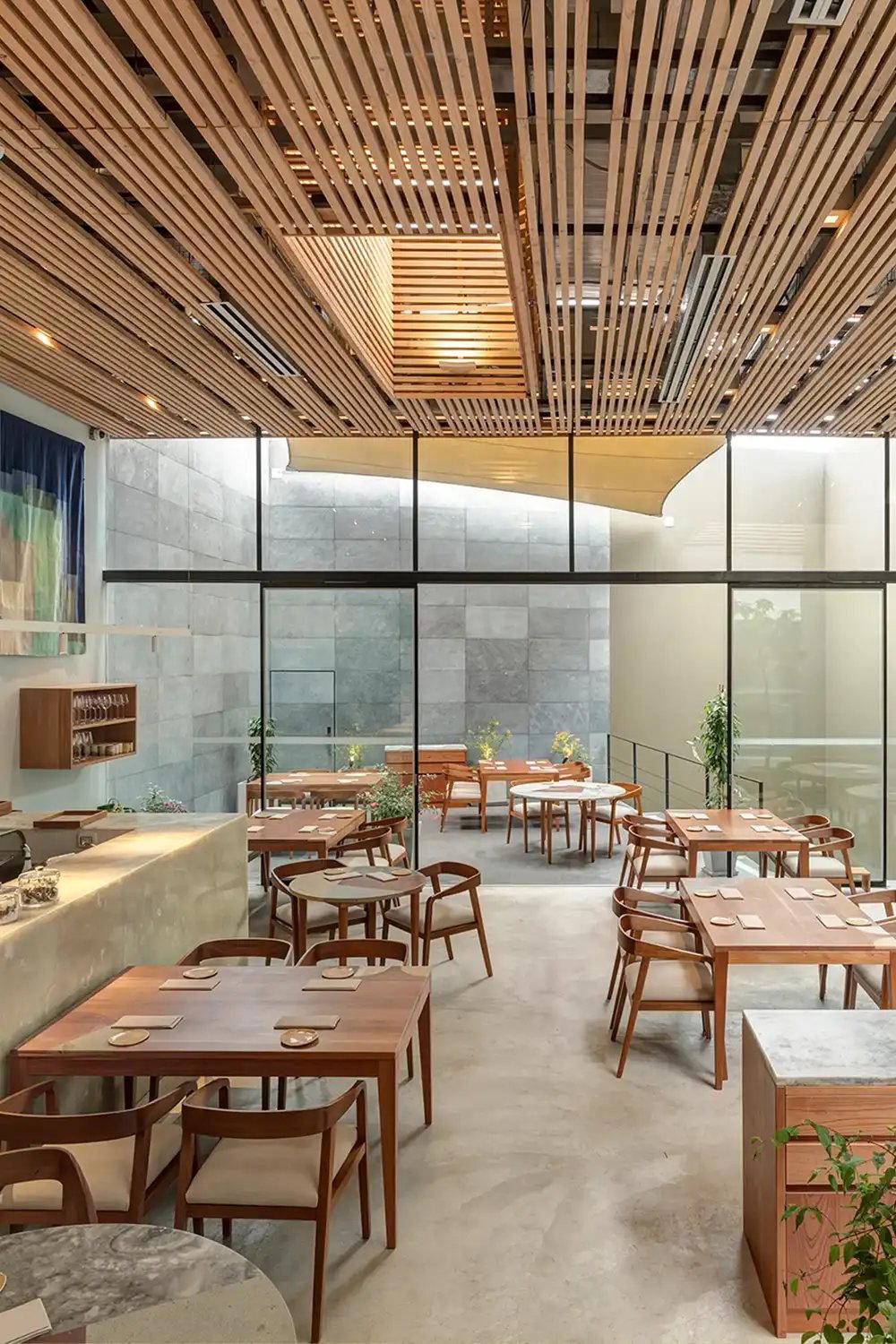
Barranco as a Stage for Peruvian Ingredient Research
Lima's dining scene has long been divided between the formal, hotel-adjacent corridors of Miraflores and San Isidro and the looser, art-district energy of Barranco. The latter neighbourhood draws a different kind of restaurant: one where the setting is part of the argument. Kjolle occupies Casa Tupac on Av. Pedro de Osma in Barranco, Lima, a cultural and creative complex, and that context is not incidental. When a restaurant places itself inside a building dedicated to Peruvian craft and community, the ingredients it sources and the ceramics it serves them on begin to read as a single curatorial act. That coherence is what separates Barranco's better tables from those in more transactional dining districts.
The broader scene at this tier of Lima dining, a tier that includes Central (Progressive Peruvian), Maido (Nikkei), and Astrid & Gastón, is defined by ingredient sourcing as intellectual discipline rather than marketing claim. At this level, the question is not simply where an ingredient comes from but how much of it can be used, how each part behaves under different treatments, and what context, botanical, geographical, cultural, makes the dish legible. Kjolle's programme sits squarely in that current.
The Menu as Ingredient Archive
Peru's pantry is among the more varied on the planet: over 3,000 varieties of potato, hundreds of chilli types, Amazonian citrus and roots that remain unfamiliar even within the country. Modern Peruvian cooking at its most serious treats that pantry as source material for ongoing research rather than a palette of crowd-pleasing flavours. Kjolle's tasting menu reflects this rigour. Dishes are developed over months of testing, with the team working through how to extract maximum flavour from each component while reducing waste, a constraint that tends to produce more creative solutions than abundance does.
Among the more discussed preparations on the menu centres on tubers: toasted yellow and red slices of olluco, an Andean root with a texture somewhere between potato and water chestnut, bound by a paste made from oca, another highland tuber, and served on a tart shell made from cañihua dough. The dish is a compressed lesson in Andean agriculture: three ingredients that predate the Spanish arrival, combined without European technique, producing something that reads as contemporary without erasing its own history. That navigation of pre-Columbian and modern is one of the defining intellectual tensions in serious Peruvian cooking.
The menu also moves across altitude and ecosystem. Lobster appears alongside coconut, pulling from the coast; cecina, a cured meat common in the Amazon lowlands, arrives with crab; cow rib is paired with corn, tumbo (a banana-passionfruit hybrid from the cloud forest), and mochero chilli from the northern coast. Reading the menu is, in effect, reading Peru's geography. For visitors already familiar with Mil in Cusco or the Amazonian sourcing practices at Delfin Amazon Cruises in Iquitos, Kjolle represents the Lima terminus of that same north-south, coast-to-highlands ingredient logic.
Sweet Finishes and the Peruvian Approach to Dessert
Peruvian dessert tradition draws from an unusually wide set of influences: Spanish colonial sweets built on egg yolks and caramelised sugar, Amazonian fruits that bring acidity and perfume rather than sweetness, Andean grains that add texture where wheat would be expected, and Japanese-Peruvian (Nikkei) techniques that arrived through immigration and stayed. At Kjolle, the dessert progression follows the same ingredient-led logic as the savoury courses. Rather than a pivot to familiar comfort, the sweet end of the menu continues the exploration: Amazonian citrus, herbs from the restaurant's own garden, flowers used for both colour and flavour, and root vegetables that carry natural sweetness without the crutch of refined sugar.
The garden component deserves particular attention. Greens, aromatic herbs, and flowers grown on-site appear throughout the menu, and in the dessert courses they function as finishing elements that bring freshness rather than richness. This reflects a broader shift in ambitious Peruvian cooking away from sugar-heavy conclusions and toward desserts that taste like the country's ecosystems rather than its colonial pastry heritage. Restaurants like Maras and Rafael operate in the same city but with different ingredient philosophies; at Kjolle, the sweet courses arrive as a continuation of the same conversation that started with the first bite.
The visual dimension matters here too. Painting with colour is described as part of the restaurant's DNA, and desserts at this level of Peruvian cooking are often where that commitment is most visible: flowers, pigmented powders from dehydrated Andean fruits, and the deep purples and yellows of native tubers create plates that carry as much information visually as they do on the palate. The camera-roll observation in La Liste's notes about Kjolle is less about Instagram performance and more about what happens when colour is treated as ingredient data.
Awards, Positioning, and Peer Context
Kjolle's trajectory in international rankings is worth examining as a signal of how the broader category has been received. The restaurant ranked #28 on the World's 50 Best Restaurants in 2023, the same year its sister restaurant Central was named the World's Leading Restaurant, and moved to #16 in 2024. Opinionated About Dining placed it #5 in South America in both 2023 and 2025. La Liste scored it 86.5 points in 2025 and 79 points in the 2026 list. The OAD ranking is useful as a cross-check: it confirms that the kitchen's reputation holds across different evaluative frameworks.
Pía León built her reputation as head chef at Central, which holds the kind of placement that restaurants like Le Bernardin in New York City occupy in their own categories, a reference point rather than a competitor. Kjolle is her independent expression, opened in 2018, and the four years of rankings data since then suggest it has established its own identity rather than operating in Central's shadow. For the Lima dining scene as a whole, the fact that two restaurants from the same household, Central and Kjolle, occupy distinct positions in global rankings is evidence of how deep the city's top tier now runs. Visitors exploring that tier should also consider Cosme in San Isidro, Costanera 700 in Miraflores, and Mauka, Modern Peruvian in Cusco to map the range of approaches across the country.
The Ceramics and the Room
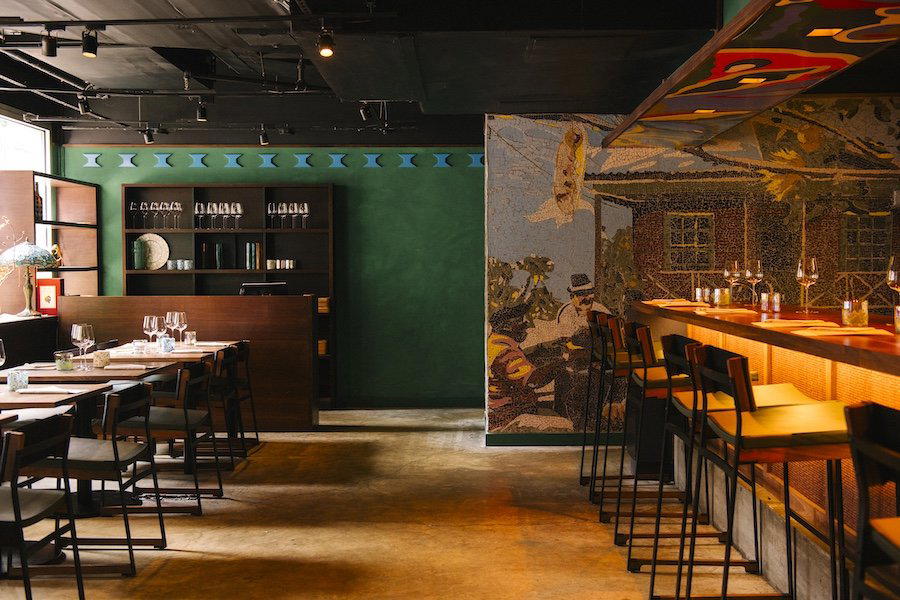
Lima's leading restaurants have generally moved away from the white-tablecloth formalism of an earlier generation toward spaces where the design vocabulary reinforces the food's argument. At Kjolle, this takes the form of ceramics, glassware, and interior objects sourced from or made with artisans across Peru. The pieces are curated by León alongside local artists, which means the tableware carries the same sourcing logic as the menu. A dish about Andean tubers arrives on clay shaped by hands working in a tradition that predates the restaurant. That layering of craft, agricultural, ceramic, culinary, gives the room a coherence that is harder to achieve than it looks.
Casa Tupac's architecture, a colonial house repurposed as a cultural centre, adds a further frame. The building sits on one of Barranco's quieter residential streets, close enough to the neighbourhood's bar-and-gallery circuit to benefit from the foot traffic but removed enough that the approach to dinner feels deliberate rather than accidental.
Planning a Visit
Kjolle opens Tuesday through Saturday for both lunch (12:45 to 2:30 pm) and dinner (7 to 8:30 pm), with both Monday and Sunday closed. The dinner window is narrow, the 7 pm seating with an 8:30 pm close suggests the kitchen runs a single timed service rather than an open-ended evening, so booking ahead is essential. For visitors building a Lima itinerary around the city's serious dining scene, Kjolle pairs naturally with a broader Barranco afternoon: the neighbourhood's galleries and the Museo de Arte Contemporáneo are within walking distance, and the area has enough bars and smaller restaurants to fill the hours around a meal. Visitors also interested in how Peru's high-altitude ingredient traditions translate to a different city should consult Cirqa in Arequipa for a southern perspective on the same sourcing philosophy.
Where It Fits
Comparable venues nearby, for context on price, style, and recognition.
| Venue | Cuisine | Price | Awards | Notes |
|---|---|---|---|---|
| KjolleThis venue — the venue you are viewing | Modern Peruvian Fine Dining | $$$$ | World's 50 Best #2 | Not listed |
| Mérito | Modern Venezuelan-Peruvian Fusion | $$$ | World's 50 Best #4 | Barranco |
| Astrid & Gastón | Modern Peruvian Fine Dining | $$$$ | World's 50 Best #14 | San Isidro |
| Mayta | Modern Peruvian Fine Dining | $$$$ | World's 50 Best #11 | Miraflores |
| Central | Modern Peruvian Tasting Menu | $$$$ | World's 50 Best #1 | Barranco |
| Maido | Nikkei (Japanese-Peruvian Fusion) | $$$$ | World's 50 Best #1 | Miraflores |
Recognition history
Dated appearances from independent guides and award organizations, with the underlying list record or original source where available.
La Liste Top Restaurants
La Liste
Opinionated About Dining Top Restaurants in South America Ranked #5
Opinionated About Dining
Star Wine List
Star Wine List
La Liste Top Restaurants
La Liste
Opinionated About Dining Top Restaurants in South America Ranked #5
Opinionated About Dining
The Best Chef Three Knives
The Best Chef
We're Smart World Top 100 #45
We're Smart World
We're Smart World 5 Radishes
We're Smart World
World's 50 Best Best Restaurants #9
World's 50 Best
World's 50 Best Latin America's Best Restaurants #2
World's 50 Best
Opinionated About Dining Top Restaurants in South America Ranked #6
Opinionated About Dining
World's 50 Best Best Restaurants #16
World's 50 Best
Opinionated About Dining Top Restaurants in South America Ranked #5
Opinionated About Dining
World's 50 Best Best Restaurants #28
World's 50 Best
Continue exploring
More in Lima
Restaurants in Lima
Browse all →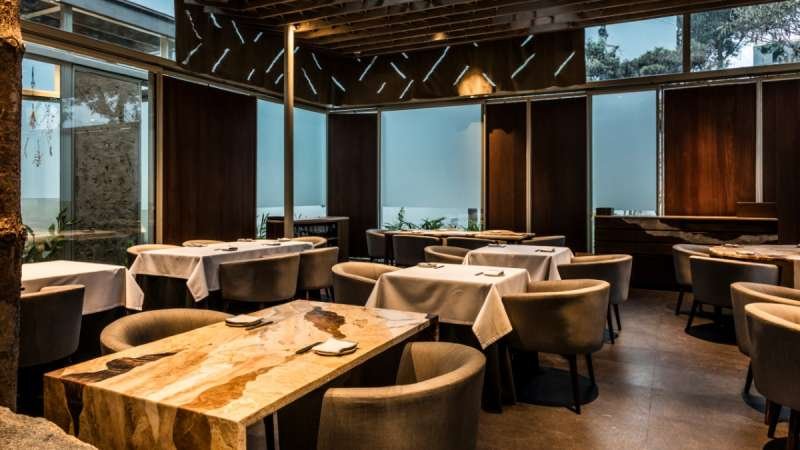
Bars in Lima
Browse all →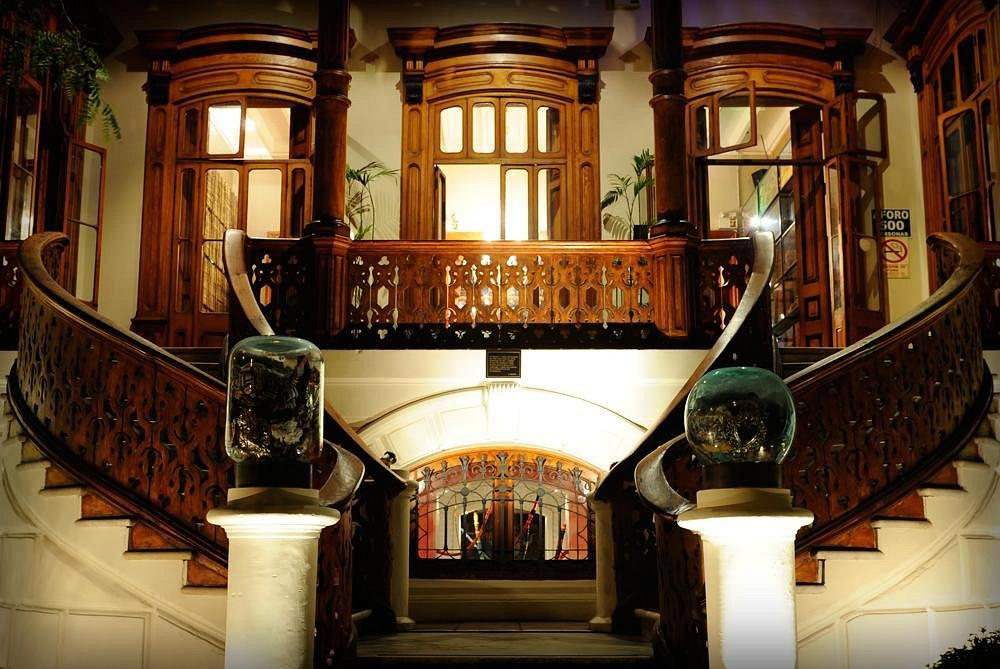
Hotels in Lima
Browse all →
Wineries in Lima
Browse all →
At a Glance
- Modern
- Elegant
- Sophisticated
- Minimalist
- Date Night
- Special Occasion
- Celebration
- Open Kitchen
- Extensive Wine List
- Craft Cocktails
- Local Sourcing
Current opening hours
- Monday
- Closed
- Tuesday
- 12:45–2:30 PM, 7–8:30 PM
- Wednesday
- 12:45–2:30 PM, 7–8:30 PM
- Thursday
- 12:45–2:30 PM, 7–8:30 PM
- Friday
- 12:45–2:30 PM, 7–8:30 PM
- Saturday
- 12:45–2:30 PM, 7–8:30 PM
- Sunday
- Closed
Hours can change for holidays and private events. Last verified .
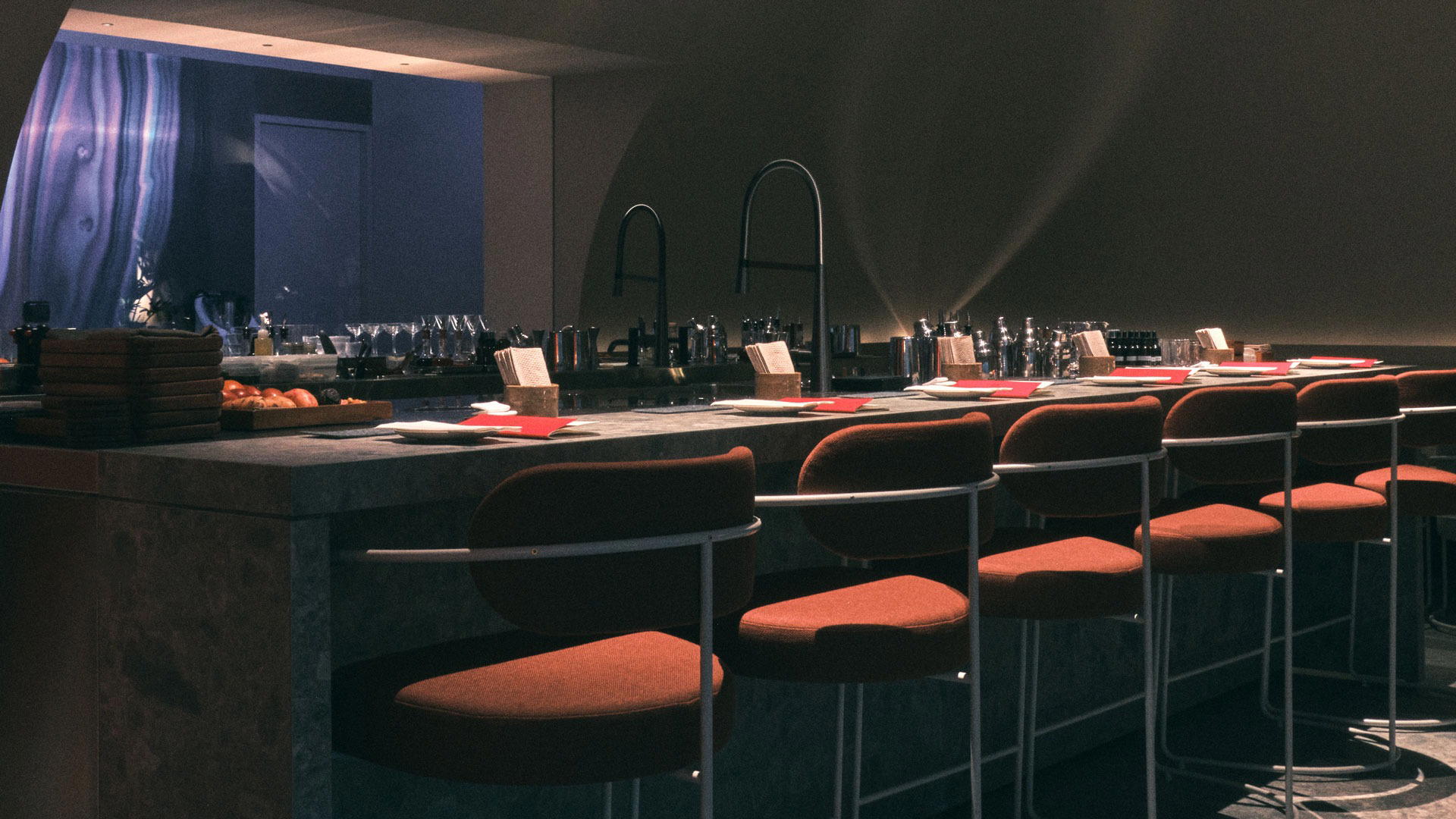
Minimalistic modern interior with warm woods, open kitchen, peaceful vibe, stylish and sensory environment enhanced by music and thoughtful details.