
Set within a 16th-century monastery on Calle Sucre, Cirqa places Arequipa's indigenous ingredient traditions at the centre of a contemporary Peruvian Fusion menu under Chef Franck Derouet. The colonial sillar-stone architecture gives the space a gravity that few dining rooms in the southern Andes can match.
Pearl is the En Primeur Club membership app — saves, bookings, and concierge access live there. Same editors, same standards.
- Address
- C. Sucre 104, Arequipa 04001, Peru
- Phone
- +51 1 7005105
- Website
- cirqa.pe
- Directions
- Get directions
 Saves & bookings on Pearl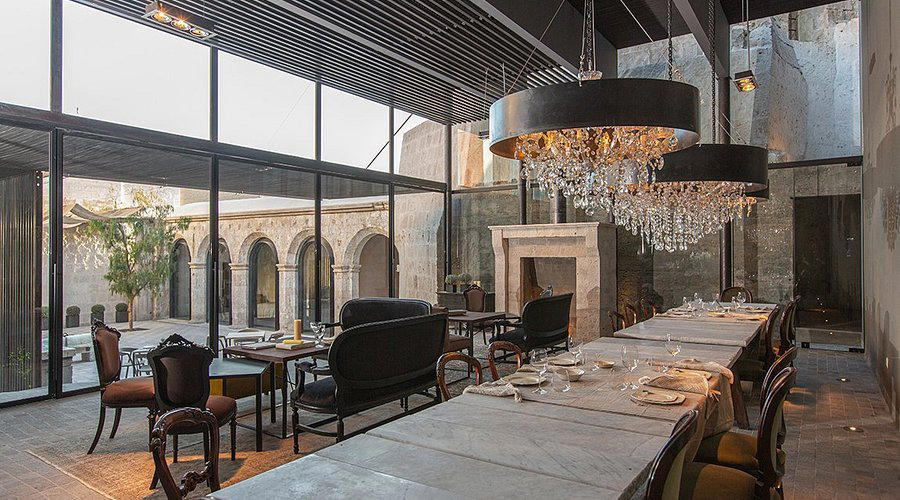
A Monastery, a City, and What Grows Between the Volcanoes
Arequipa's relationship with its food is older than its Spanish colonial architecture, and that architecture is already four centuries old. That grammar centres on rocoto pepper, chuño, choclo, queso fresco, and a particular relationship with masa and dried grain that predates the viceroyalty by several centuries. When a restaurant chooses to operate inside a 16th-century monastery in this city, it is making a statement about time and continuity that goes beyond décor. Cirqa, on C. Sucre 104, makes that statement through its physical fabric and, more consequentially, through what it puts on the table.
The Physical Setting as Editorial Argument
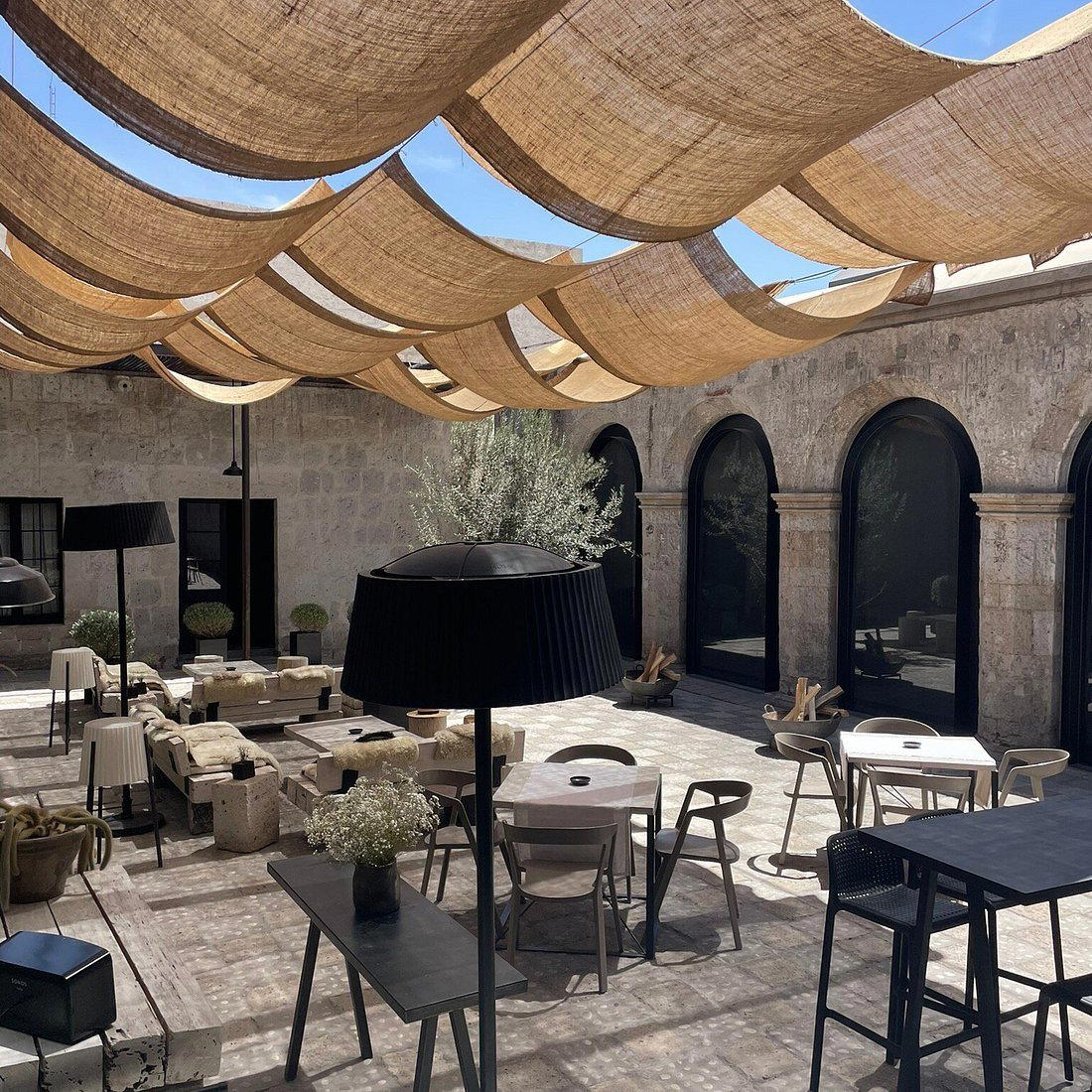
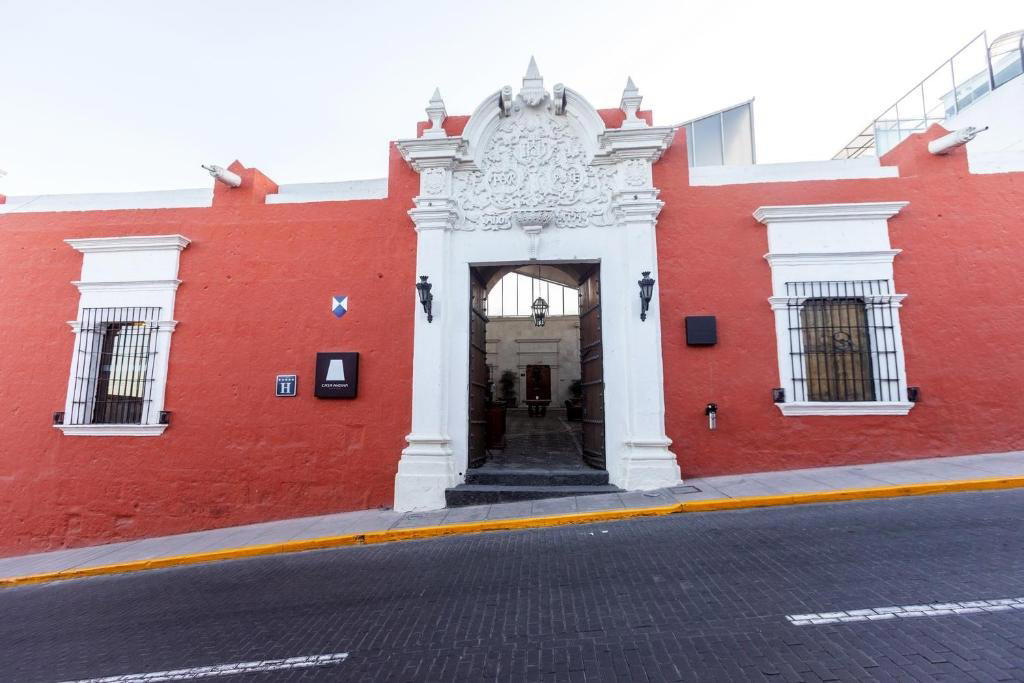
The monastery building predates most of the culinary traditions that modern Peruvian restaurants claim as lineage. Constructed in the 16th century from Arequipa's characteristic sillar, white volcanic stone quarried from the slopes of the nearby volcanoes, the structure carries the particular sensory weight of colonial religious architecture: thick walls, interior courtyards, arched passageways, and a silence that feels enforced by the stone itself rather than by management policy. The design approach at Cirqa responds to that inheritance with sleek restraint, resisting period theatrics. The result is a dining room where the architecture does the atmospheric work without competing with what arrives at the table.
The approach carries risk: historic spaces can dominate a dining experience to the point where the food becomes secondary.
Corn, Masa, and the Andean Ingredient Foundation
Any serious engagement with Peruvian highland cooking eventually arrives at corn. Not the commodity corn of lowland agriculture, but the heirloom choclo varieties cultivated at altitude across the Andes for thousands of years: large-kernelled, starchy, with a texture and flavour profile that diverges significantly from what most international diners expect. The Andean tradition of processing dried corn through alkaline methods, a practice parallel to Mesoamerican nixtamalization, unlocks nutritional content and transforms the grain's structural and flavour properties. These are the building blocks of the region's masa-based preparations, from humitas to tamales cocinados, and they appear throughout Arequipa's traditional cooking in forms that restaurants operating under a Peruvian Fusion brief either integrate or ignore.
Chef Franck Derouet leads the kitchen at Cirqa. Cirqa's Contemporary Peruvian Picanterías cooking implies a disciplined engagement with indigenous ingredient systems rather than a superficial layering of international technique over local produce. Cirqa's position within that category suggests the kitchen takes that engagement seriously rather than using regional ingredients as decoration for a menu constructed along European lines.
Arequipa's rocoto pepper deserves specific mention. Unlike the fruity ají amarillo that anchors Lima's coastal cooking, rocoto is a heat-forward, fleshy pepper that defines the flavour register of dozens of traditional Arequipeño dishes, from rocoto relleno to adobo de chancho. A Peruvian Fusion program that ignores this ingredient in favour of more internationally legible flavour profiles would be making a deliberate editorial choice. Cirqa appears to work in the city's own pantry.
Where Cirqa Sits in the Regional Picture
Arequipa's dining scene is smaller than Cusco's and operates without Lima's international profile, but it has its own coherence. The city's traditional restaurants, the picanterías, represent one of Peru's most intact regional food cultures, with dishes, formats, and ingredients that have changed relatively little over generations. The emergence of contemporary restaurants operating in conversation with that tradition, rather than in replacement of it, is a relatively recent development. Cirqa occupies a position in that emerging tier, alongside the more established trajectory of restaurants in Lima like Cosme in San Isidro.
Planning Your Visit
In Context: Similar Options
Comparable venues nearby, for context on price, style, and recognition.
| Venue | Cuisine | Price | Notes |
|---|---|---|---|
| CirqaThis venue — the venue you are viewing | Contemporary Peruvian Picanterías | $$$$ | Not listed |
| Cirqa Restaurant | Contemporary Peruvian Fine Dining in a 16th‑Century Monastery | $$$$ | Historic Center of Arequipa |
| Zig Zag | Alpandina Fusion: Alpine-Andean Cuisine | $$$ | Historic Centre |
| Chicha Arequipa | Regional Peruvian Arequipa Cuisine | $$$ | Cercado |
| Pacha Mamma | Authentic Andean Peruvian | $$ | San Blas |
| MIL - Food Lab and Interpretation Center | Modern Peruvian Fine Dining | $$$$ | Maras |
Recognition history
Dated appearances from independent guides and award organizations, with the underlying list record or original source where available.
Relais Chateaux Award
Relais Chateaux
At a Glance
- Elegant
- Romantic
- Historic
- Sophisticated
- Quiet
- Date Night
- Special Occasion
- Celebration
- Rooftop
- Terrace
- Historic Building
- Design Destination
- Hotel Restaurant
- Courtyard
- Craft Cocktails
- Beer Program
- Local Sourcing
- Farm To Table
- Mountain
Serene and contemplative with monastic heritage evident in design; candlelit dining rooms with fireplaces and open-air terraces overlooking volcanoes; religious music in reception areas creates an understated, old-world elegance.