Our verdict
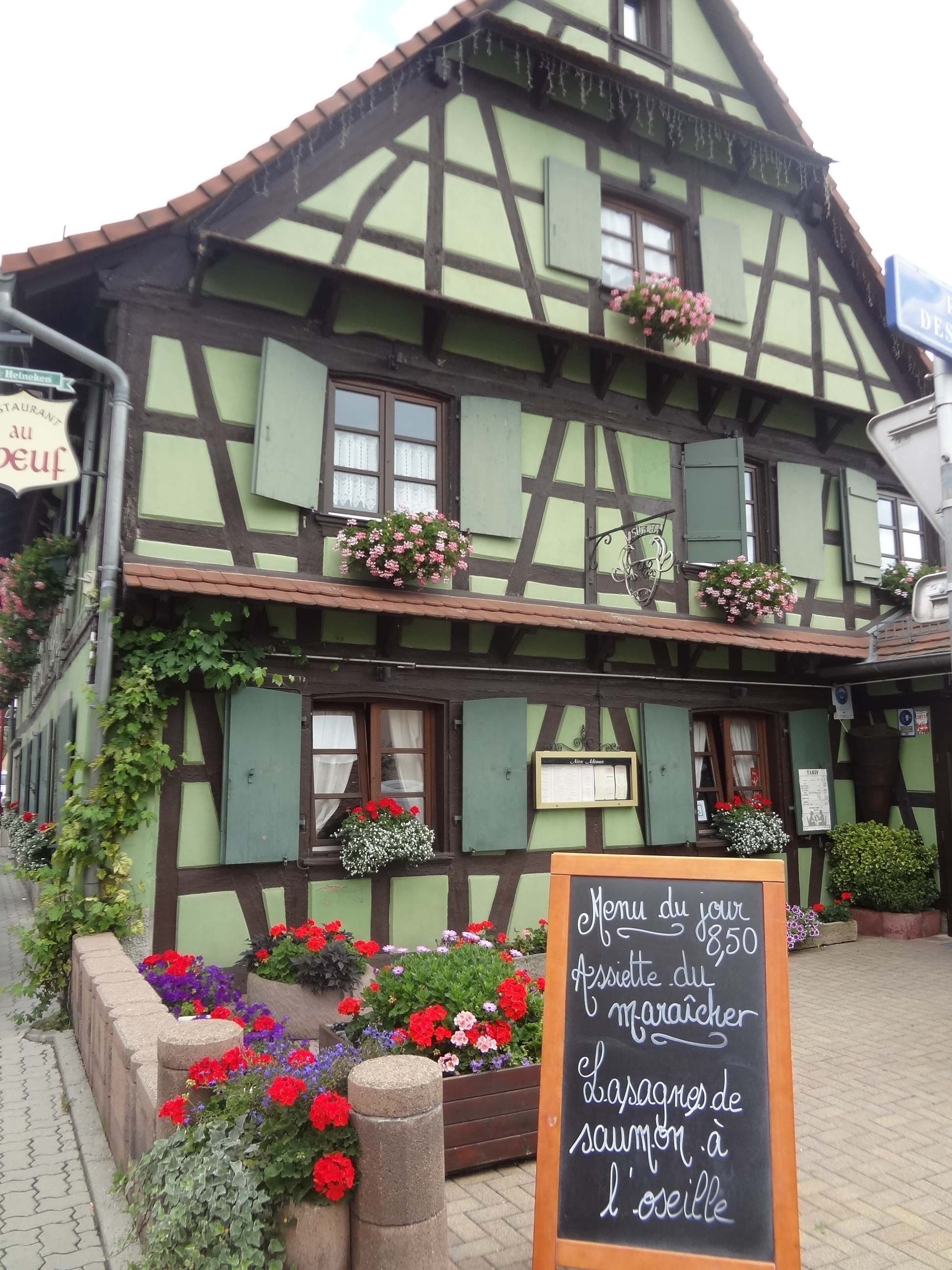
Au Bœuf sits on the Rue du Général Leclerc in Plobsheim, a village on the Rhine plain south of Strasbourg where Alsatian cooking traditions run deep. The name signals a kitchen anchored in beef and regional product, placing it squarely within the auberge tradition that has defined rural French dining for generations. For visitors making the short drive from Strasbourg, it represents a different register from the city's brasseries.

Pearl is the En Primeur Club membership app — saves, bookings, and concierge access live there. Same editors, same standards.
- Address
- 25 Rue du Général Leclerc, 67115 Plobsheim, France
- Phone
- +33388985825
- Hours
- Mon–Tue ClosedWed–Fri 12–1:30 PM, 7–9:15 PMSat 12–1:30 PM, 6:30–9:30 PMSun 12–1:30 PM, 6:45–9 PM
- Website
- restaurantauboeuf.fr
- Directions
- Get directions
- Booking
- Book on Zenchef
The Rhine Plain Table: What Plobsheim Tells You About Alsatian Cooking
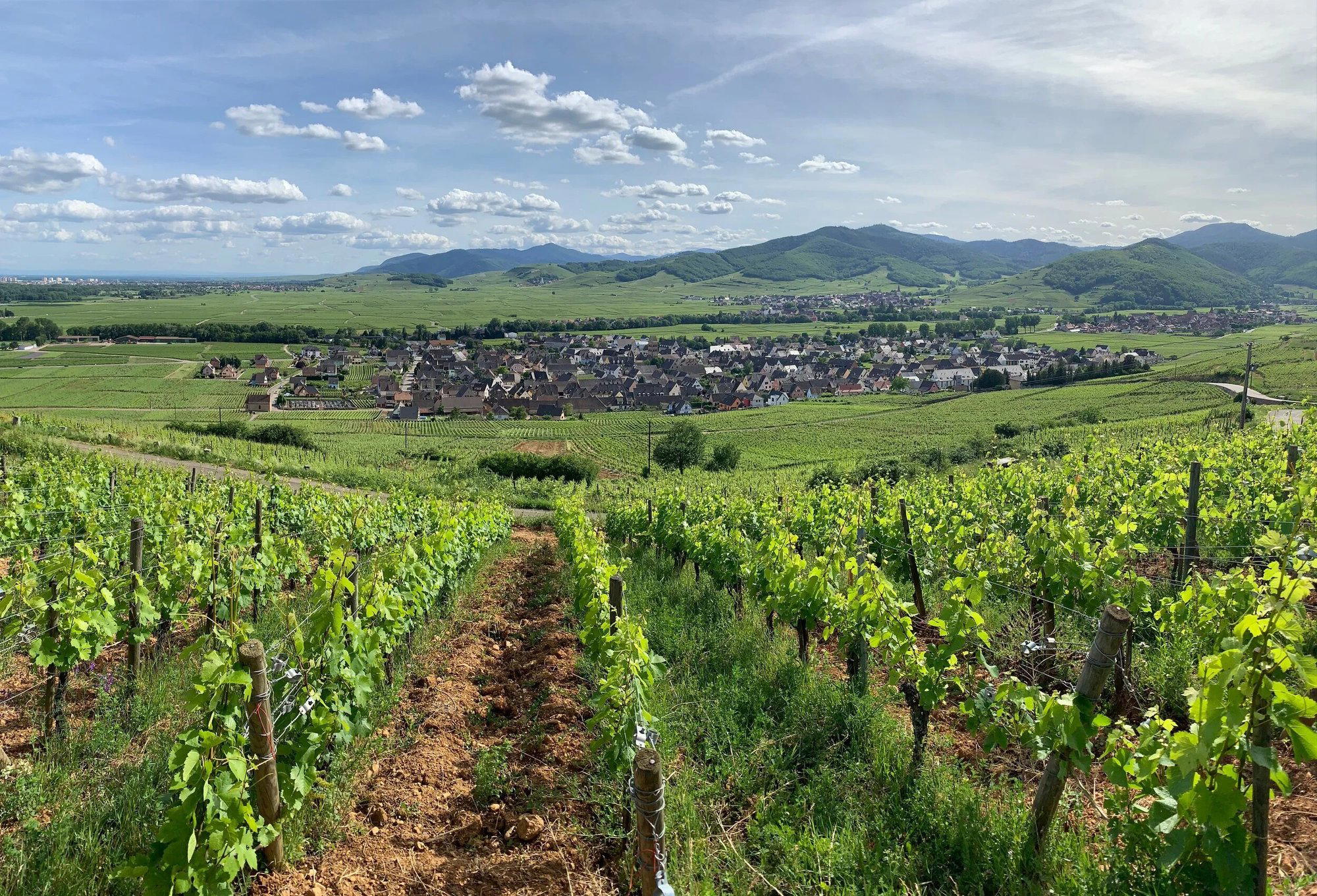
Alsace has always occupied an unusual position in French gastronomy. Its eastern border with Germany, the fertility of the Rhine plain, and centuries of alternating sovereignty produced a cooking tradition that is simultaneously rooted and cosmopolitan — choucroute and foie gras coexisting with Riesling-braised preparations and dishes that have no direct equivalent anywhere else in France. Plobsheim, a commune of a few thousand residents roughly twelve kilometres south of Strasbourg, sits in the heart of this agricultural belt. The village is not a culinary destination in the way that Illhaeusern is, where Auberge de l'Ill has drawn international visitors for decades, but it carries the same underlying logic: proximity to exceptional raw materials and a local dining culture that demands honest, well-sourced cooking.
Au Bœuf, at 25 Rue du Général Leclerc, operates within that auberge tradition. The address places it on the village's main artery, the kind of street where a local restaurant has historically served as community infrastructure rather than destination dining. That context matters. In France's smaller communes, the restaurant on the main road is expected to cook what the region produces, and the region around Plobsheim produces abundantly: Alsatian cattle, Rhine-valley vegetables, game from the Rhine forests, and freshwater fish from the river systems threading the plain. The name Au Bœuf — The Beef, announces a kitchen prepared to commit to a primary product and execute it honestly.
Sourcing in the Rhine Valley: What the Land Provides
The Alsatian agricultural plain between Strasbourg and Colmar is among the most productive in France. The alluvial soils deposited by the Rhine support vegetable and grain farming at a scale that makes local sourcing genuinely achievable for village restaurants, not aspirational marketing language. Beef raised on this plain tends toward breeds suited to the climate and terrain, and the regional tradition of preparing it, from simple grills to slow-braised preparations with local wine, reflects decades of practical knowledge about what the animal tastes like when raised locally and handled well.
This sourcing geography places Au Bœuf in a different category from the three-Michelin-star operations that have defined Alsatian fine dining at an international level. Properties like Flocons de Sel in Megève or Mirazur in Menton construct elaborate sourcing narratives as part of a high-concept kitchen identity. At the village auberge level, sourcing is simply a fact of geography and supplier relationship, less a philosophy than a practicality. The Rhine plain makes it easier to cook locally than not to, and kitchens that have operated in Plobsheim for any length of time have built those supplier channels as a matter of course. For the diner, the result is food that tastes of a specific place without being designed to announce itself as doing so.
Across France's village restaurant tradition, from Bras in Laguiole to Auberge du Vieux Puits in Fontjoncouse, the most compelling kitchens have shared a single characteristic: they cook what their immediate geography provides rather than importing an aesthetic from elsewhere. At the starred level, this becomes a statement. At the village level, it is simply what good cooking has always looked like in France. Au Bœuf's positioning as a beef-centred restaurant in an agricultural village reflects the same underlying logic, scaled to its context.
Visitors accustomed to the reference-level addresses of French fine dining, Alléno Paris au Pavillon Ledoyen, Troisgros in Ouches, or Paul Bocuse's Auberge du Pont de Collonges, will find Plobsheim operating at a different register. That is not a criticism. France's dining culture has always depended on a broad base of village and small-town restaurants that cook honestly and at prices accessible to locals, not just those arriving for special occasions. The equivalents exist across every French region: Maison Lameloise in Chagny and Georges Blanc in Vonnas began as family auberges before ascending to the Michelin tier. Most never make that ascent, and most were never trying to. Their role in French food culture is different and no less valuable for it.
In the Alsace context specifically, the village restaurant tradition carries particular weight. The region's cooking is labour-intensive, choucroute requires long preparation, baeckeoffe demands advance marination, game dishes depend on seasonal timing, and village kitchens have historically kept those techniques alive when urban restaurants abandoned them for more fashionable approaches. For visitors using Strasbourg as a base, Plobsheim is a twenty-minute drive south on the D1083, and the village sits adjacent to the Forêt de la Robertsau and the Rhine floodplain forests, which in autumn supply game to kitchens across the region. The seasonal timing of a visit shapes what the kitchen has available in ways that a city restaurant, with its broader sourcing reach, is less subject to.
Planning a Visit
Plobsheim is accessible from Strasbourg by car along the D1083 south, or via local transport connections that link the village to the city. As with most village restaurants in France, advance contact to confirm opening days and current service hours is advisable before making the trip; the rhythm of a village auberge differs from an urban address with seven-day service. Our full Plobsheim restaurants guide covers the broader options in the village and surrounding communes for visitors planning a longer stay in the Rhine valley south of Strasbourg.
For those building an Alsace itinerary around serious French cooking at various levels, the region rewards sequencing: Auberge de l'Ill in Illhaeusern for the benchmark of Alsatian haute cuisine, and village addresses like Au Bœuf for the register that underpins the whole tradition. Internationally, the contrast with high-concept French kitchens, Le 1947 à Cheval Blanc in Courchevel, La Vague d'Or in Saint-Tropez, or L'Oustau de Baumanière in Les Baux, clarifies what makes the village auberge format distinct. Even further afield, the comparison with destination restaurants like Le Bernardin in New York or Lazy Bear in San Francisco underscores that the auberge tradition is less a style choice than a structural one: cook what your geography provides, serve your community first, and let the food speak in a local rather than a global accent. Les Prés d'Eugénie in Eugénie-les-Bains and La Table du Castellet each began with a similar regional logic before being shaped by individual ambition. Au Bœuf, on the evidence of its address and name, is content to remain what it has always been.
Frequently asked questions
Is Au Bœuf a family-friendly restaurant?
Au Bœuf sits on Rue du Général Leclerc in Plobsheim, a village setting that tends to draw a cross-generational local crowd rather than an exclusively adult dining room. Alsatian village restaurants of this type typically accommodate families as a matter of course, with hearty portions suited to varied appetites. Confirming current arrangements directly with the venue is advisable before arriving with young children.
How would you describe the vibe at Au Bœuf?
Plobsheim is a small commune on the Rhine plain south of Strasbourg, and Au Bœuf's address on the village's central street places it squarely in the tradition of the Alsatian Gasthaus: unhurried, rooted in the neighbourhood, and focused on the table rather than the room. Expect a dining room that answers to local regulars first and visitors second. That ordering of priorities is precisely what makes this category of address worth seeking out.
Is Au Bœuf worth the short drive from Strasbourg for a regional Alsatian meal?
Plobsheim sits roughly 10 kilometres south of Strasbourg along the D1083, making Au Bœuf a practical choice for anyone wanting Alsatian village cooking outside the city's tourist-facing restaurant circuit. Village addresses in this part of Bas-Rhin tend to serve a local clientele with fewer concessions to English-language menus or international benchmarks, which is either a selling point or a caveat depending on what you're after. Strasbourg's own scene — anchored by addresses like Maison des Tanneurs on the Ill — operates at a different register; Au Bœuf represents the quieter, more utilitarian end of the same culinary tradition.
What's the must-try dish at Au Bœuf?
The name itself — Au Bœuf, meaning 'at the ox' — points toward beef as a central reference, consistent with the Rhine plain's cattle-farming tradition. For current dishes, contacting the restaurant directly or checking at the time of booking will give you the most accurate picture of what's on.
Where do I go for Au Bœuf?
Au Bœuf is located at 25 Rue du Général Leclerc, 67115 Plobsheim, France, Plobsheim.
Fast Comparison
Comparable venues nearby, for context on price, style, and recognition.
| Venue | Cuisine | Price | Notes |
|---|---|---|---|
| Au BœufThis venue — the venue you are viewing | French Steakhouse | $20–30 | Not listed |
| Fink Stuebel | Traditional Alsatian Winstub | $30–50 | Centre |
| Winstub Le Freiberg | Traditional Alsatian Winstub | $30–50 | town center |
| Pfifferbriader | Traditional Alsatian Winstub | $30–50 | Centre |
| Les Complices | French Meat & Smokehouse Bistro | Not listed | Schiltigheim |
| Auberge du Froehn | Traditional Alsatian Semi-Gastronomique | $30–50 | Zellenberg |
Continue exploring
More in Plobsheim
Restaurants in Plobsheim
Browse all →

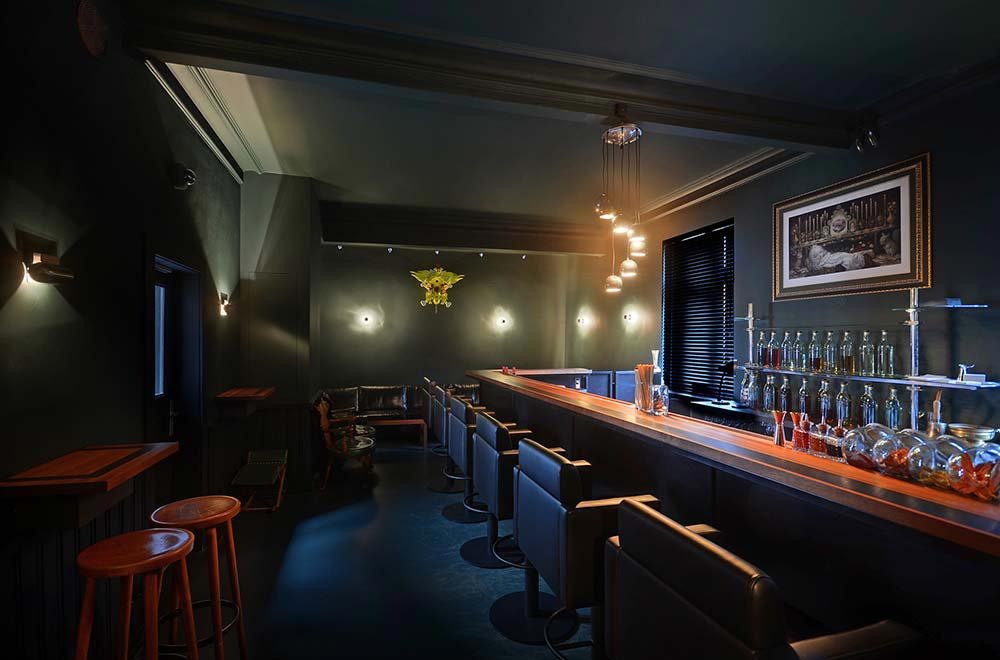
Bars in Plobsheim
Browse all →

Hotels in Plobsheim
Browse all →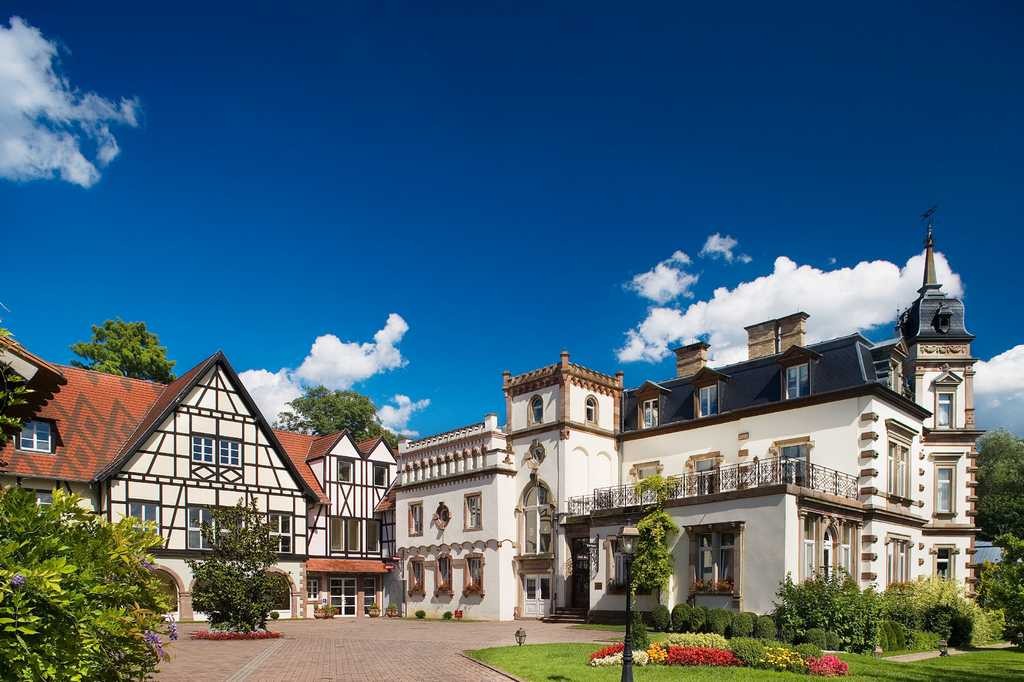
Details
- Rustic
- Cozy
- Family
- Group Dining
- Casual Hangout
- Terrace
- Local Sourcing
- A La Carte
- Gluten Free Options
Current opening hours
- Monday
- Closed
- Tuesday
- Closed
- Wednesday
- 12–1:30 PM, 7–9:15 PM
- Thursday
- 12–1:30 PM, 7–9:15 PM
- Friday
- 12–1:30 PM, 7–9:15 PM
- Saturday
- 12–1:30 PM, 6:30–9:30 PM
- Sunday
- 12–1:30 PM, 6:45–9 PM
Hours can change for holidays and private events. Last verified .
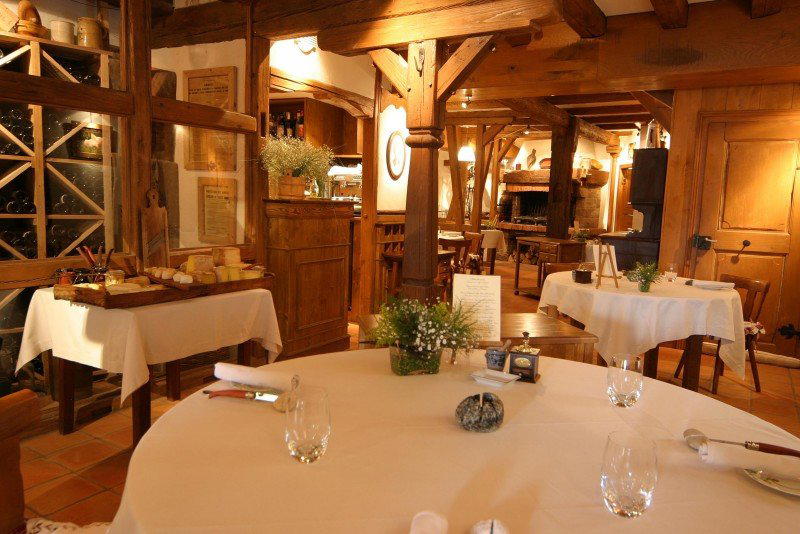
Cozy with a rustic Finnish chalet feature and summer terrace.